
中央厨房

Search documents
金龙鱼发布2025年业绩快报,利润总额增长34%
Cai Jing Wang· 2026-02-27 02:52
Financial Performance - In 2025, the company achieved operating revenue of 245.13 billion yuan, a year-on-year increase of 2.87% [1] - The total profit reached 4.89 billion yuan, up 33.71% year-on-year, while the net profit attributable to shareholders was 3.15 billion yuan, reflecting a 26.01% increase [1] - Excluding the impact of ongoing litigation-related provisions, the total profit would have been 5.69 billion yuan, a 55.68% increase, and the net profit would have been 3.89 billion yuan, up 55.31% [1] Business Segments - The company's two main business segments, kitchen foods and feed raw materials & oil technology, both saw year-on-year growth in sales and profits [1] - In the kitchen foods segment, new factory capacity and the continuous expansion of sales channels contributed to sales growth, while profit growth was driven by significant improvements in flour and rice businesses [1] - The feed raw materials and oil technology segment benefited from strong demand in the domestic aquaculture industry and improved sales rhythm, leading to increased soybean crushing profits [1] Health Strategy - 2025 marks a year of comprehensive advancement for the company's health strategy, responding to the growing health awareness among the public [2] - The company launched the "Golden Dragon Fish Fengyitang" health brand, focusing on functional nutrition derived from natural foods to meet specific dietary needs [2][3] - The company received recognition for its contributions to health and nutrition, winning first prizes in two projects at the China Nutrition Society Science and Technology Awards [2] Product Development - The "Fengyitang" brand has introduced products targeting overweight individuals, those with abnormal blood lipids, and low-GI products for sugar control, creating a diverse health product matrix [3] - The company has conducted over 130 health-themed activities nationwide, promoting scientific health concepts through a combination of healthy eating and exercise [3] - Positive market feedback indicates a high product repurchase rate, with some products achieving over 30% [3] Quality and Safety - The company maintains high standards in food safety and quality management, recognized by state media for its commitment to food safety [4][5] - It has developed proprietary technologies to control harmful substances in edible oils, meeting stringent EU standards [4] - The company conducted 52.8 million self-inspections and completed over 30.77 million tests in 2025, achieving a 100% pass rate in product sampling [5] Sustainable Development - The company was included in the S&P Global Sustainability Yearbook 2026, ranking first in China and among the top 5% globally for sustainability performance [5] - Its rigorous quality and safety practices contribute to its competitive advantage in sustainable development [5] Industry Opportunities - The introduction of national standards for pre-prepared dishes presents new opportunities for the food industry, benefiting leading companies with comprehensive advantages [6] - The company has established nine central kitchen parks across various cities, integrating upstream and downstream food processing [6] Brand Strength - The company has maintained a long-term strategy in China, consistently enhancing its brand value and ranking first in brand power indices for cooking oil, flour, and rice [7] - The parent company, COFCO International, ranked 4th in the "World's Most Admired Companies" list by Fortune magazine in 2026 [7] - The company is recognized for its investment value, management quality, and social responsibility, reflecting its strong market position [7] Future Outlook - The company aims to leverage its full industry chain advantages and deep R&D capabilities to expand its business boundaries and drive growth in the health-oriented food sector [8] - It is positioned to lead the industry towards health, premiumization, and intelligence, contributing to high-quality development in China's grain and oil food sector [8]
预制菜“国标”征求意见:中央厨房市场渗透率已超八成
Di Yi Cai Jing· 2026-02-06 13:22
中央厨房的兴起,源于中国传统餐饮后厨分散、加工环节多、监管难度大,安全风险点难以全面控制, 中央厨房通过集中采购、标准化生产、规范化品控,将食品加工的关键环节置于一个可全程监控、可追 溯的封闭环境中,大幅降低了微生物污染、非法添加、原材料质量不一等风险。这为国家从源头到终端 实施高效、统一的食品安全监管提供了可行路径,尤其在应对学校配餐、集体供餐等大规模餐饮需求 时,中央厨房模式被视为提升安全等级的核心手段。 标准将中央厨房制作的菜肴排除在了预制菜范围之外。 备受关注的预制菜国家标准已进入征求意见阶段。 2月6日,食品安全国家标准审评委员会秘书处发布《食品安全国家标准 预制菜》(征求意见稿)(下 称"标准"),明确了预制菜的定义及相关标准,并将中央厨房制作的菜肴排除在了预制菜范围之外。 根据标准,预制菜是指以一种或多种食用农产品及其制品为原料,使用或不使用调味料等辅料,不添加 防腐剂,经工业化预加工(如搅拌、腌制、滚揉、成型、炒、炸、烤、煮、蒸等)制成,配以或不配以 调味料包,需经加热或熟制后方可食用的预包装菜肴产品。该定义不包括主食类食品、净菜类食品、即 食类食品,以及中央厨房制作的菜肴。 此外,国务院食安 ...
预制菜国家标准等征求意见稿六问六答
Bei Jing Ri Bao Ke Hu Duan· 2026-02-06 10:19
预制菜话题,各方高度关注。2月6日,国务院食安办等部门就预制菜国家标准等三份文件向社会公开征 求意见。 如何理性看待预制菜?如何保障"舌尖上的安全"?如何保障消费者知情权?针对社会关切的热点问 题,"新华视点"记者采访多位专家,深入解读预制菜国家标准等征求意见稿。 一问:什么是预制菜? 围绕预制菜的讨论中,很多人关心,究竟什么是预制菜?根据六部门印发的《关于加强预制菜食品安全 监管促进产业高质量发展的通知》中有关预制菜的概念,国家卫生健康委牵头制定的《食品安全国家标 准预制菜》征求意见稿中,这样界定预制菜的定义与管理范畴—— "以一种或多种食用农产品及其制品为原料,使用或不使用调味料等辅料,不添加防腐剂,经工业化预 加工(如搅拌、腌制、滚揉、成型、炒、炸、烤、煮、蒸等)制成,配以或不配以调味料包,加热或熟 制后方可食用的预包装菜肴产品。" 这份文件明确,预制菜"不包括主食类食品、净菜类食品、即食类食品和中央厨房制作的菜肴。" 对此,国家食品安全风险评估中心副研究员陈潇表示,文件根据食品安全风险分析理念,对预制菜的概 念作出进一步细化明确,便于各方更准确理解。而主食类食品、即食类食品、中央厨房制作食品等均有 相 ...
「决战」前夜,账号「失声」:贾国龙能消停了吗?
36氪· 2026-01-17 13:52
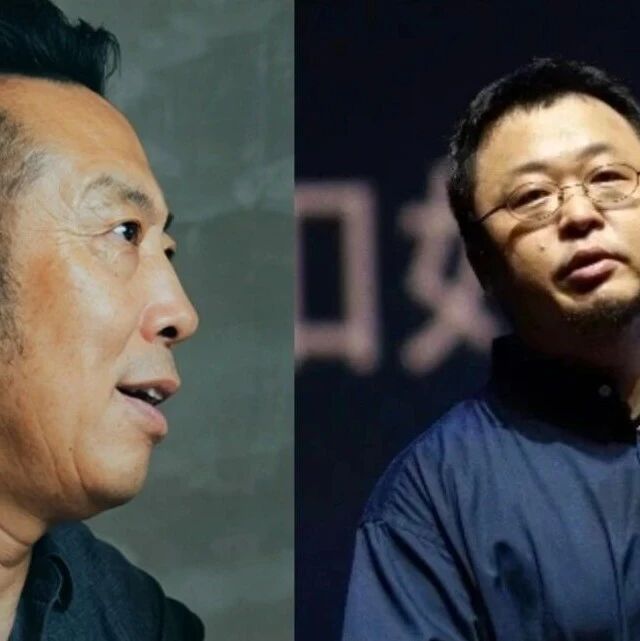
Core Viewpoint - The article discusses the controversy surrounding "Xibei's pre-made dishes," highlighting the conflict between Xibei and internet celebrity Luo Yonghao, which escalated into a public debate about food safety and industry standards [2][3]. Timeline of Events - The controversy began on September 10, 2025, when Luo Yonghao criticized Xibei for using expensive pre-made dishes and called for legislation to require restaurants to disclose the use of such dishes [6]. - On September 11, Xibei's founder, Jia Guolong, publicly denied the use of pre-made dishes in their restaurants and announced plans to sue Luo Yonghao, which led to a heated exchange on social media [8]. - Following the backlash, Xibei held a meeting with 18,000 employees to boost morale and announced a 500 yuan subsidy for frontline staff [9]. - On September 12, Xibei released a lengthy statement denying Luo's accusations and opened its kitchens for public inspection, which inadvertently raised further concerns about food hygiene [10][11]. - Luo Yonghao responded with a live stream that attracted over 693,000 viewers, emphasizing the need for national standards on pre-made dishes [12]. - By September 19, Xibei issued an apology and committed to adjusting its operations to ensure more dishes are prepared on-site rather than pre-made [19]. - Xibei implemented several promotional activities, including issuing coupons and reducing prices for over 40 dishes, in an effort to regain customer trust [20][21]. - On January 15, 2026, Xibei confirmed the closure of 102 stores, representing 30% of its locations, due to the financial impact of the controversy [31]. Industry Context - The article outlines the definition of pre-made dishes as per regulatory standards, emphasizing the distinction between pre-made and freshly prepared meals [39][40]. - It highlights the ongoing debate regarding the use of pre-made dishes in the restaurant industry, particularly the lack of transparency in disclosing such practices to consumers [41]. - The role of "Hua Yu Hua," a marketing consulting firm, is discussed, noting its long-standing relationship with Xibei and its involvement in the public relations aspect of the controversy [49][50].

贾国龙认错了,西贝还能翻盘吗?
Sou Hu Cai Jing· 2025-12-25 09:32
Core Insights - The article discusses the downfall of a prominent figure in the restaurant industry, highlighting the impact of arrogance and public backlash on business performance [1] - The company, 西贝 (Xibei), has faced significant challenges, including a drastic drop in daily revenue and negative public perception due to mismanagement and failure to listen to customer feedback [1] Company Performance - Daily revenue has reportedly dropped by millions, indicating a severe financial impact from recent controversies [1] - The company had invested 5 billion in its fast-food dream over eight years, which has now seemingly collapsed [1] Management Response - The leader, 贾国龙 (Jia Guolong), has publicly acknowledged mistakes, stating that he should not have engaged in confrontations and should have prioritized customer feedback [1] - Future strategies include reducing customer prices by 20% and hiring more staff to enhance customer experience, indicating a shift in management approach [1] Operational Changes - The company admits to using a central kitchen for food preparation but insists that it does not equate to using pre-prepared meals, which may confuse customers [1] - Despite acknowledging rising labor costs by 5%, customer traffic has not yet rebounded, raising questions about the effectiveness of the new strategies [1] Future Outlook - The leader expressed a willingness to return to simpler business practices, suggesting a potential pivot back to traditional cooking methods [1] - There is skepticism about whether these changes are genuine or merely a temporary measure to appease public sentiment [1]
贾国龙认错了,西贝还能翻盘吗?|深一度
Sou Hu Cai Jing· 2025-12-25 09:22
Core Viewpoint - The article discusses the downfall of Jia Guolong, the founder of Xibei, highlighting his pride and missteps that led to a significant decline in daily revenue and public backlash [1] Group 1: Company Challenges - Jia Guolong experienced a drastic drop in daily revenue by millions due to public criticism and backlash from customers [1] - The company faced scrutiny after Jia claimed that Xibei did not use pre-prepared dishes, only to be caught using two-year-old broccoli [1] - A large-scale meeting intended to boost morale backfired when customers shared negative experiences online, leading to further ridicule [1] Group 2: Leadership Response - Jia admitted his mistakes, acknowledging that he should not have engaged in public disputes and should have listened to customer feedback [1] - He announced a strategy shift, including a 20% reduction in customer prices and hiring more staff to enhance customer experience [1] - Despite admitting to using a central kitchen for food preparation, he insisted that it does not equate to using pre-prepared dishes, raising questions about the sincerity of his commitment to change [1] Group 3: Future Outlook - Jia expressed a willingness to step back from personal branding and focus on improving the quality of food and service [1] - He mentioned that if Xibei fails, he would return to his roots in Inner Mongolia, indicating the seriousness of the situation [1] - The article questions whether customers will give Xibei another chance, emphasizing that they seek genuine dining experiences rather than apologies [1]
宋城演艺(300144) - 300144宋城演艺投资者关系管理信息20251128
2025-11-28 13:08
Group 1: Market Trends and Challenges - The Sanya tourism market is undergoing a significant transformation, shifting from traditional sightseeing to a focus on deeper experiences and personalized exploration [2][3] - Despite an increase in inbound visitors, there has been a decline in foot traffic at competing attractions, performance of entertainment competitors, and duty-free shopping [2] - The upcoming Hainan closure policy is expected to bring substantial changes to the Sanya tourism market, particularly in inbound tourism and consumer behavior [2] Group 2: Strategic Initiatives - Since 2024, the Sanya project has adopted a strategy of "internal cultivation, experience first, and business integration" to adapt to the new market environment [2][3] - New offerings include culturally themed performances and immersive experiences targeting younger demographics, such as the "Hainan Island Battle" and "Haunted Hospital" shows [2][3] - The project aims to enhance visitor experience through interactive zones and social media sharing points [2][3] Group 3: Financial Performance and Projections - The company reported stable performance across various attractions in Q4, with self-operated venues maintaining or slightly increasing performance compared to the previous year [5] - The acquisition of Songcheng Industrial at a valuation of 9.63 billion yuan is deemed fair, with the company ensuring compliance with auditing standards [6][7] - The company plans to invest approximately 5 billion yuan in upgrades post-acquisition, with a construction period of about two years [10] Group 4: Visitor Demographics and Marketing Strategies - As of October, foreign visitors accounted for 13% of total visitors, with significant representation from Russian-speaking countries (over 50%) and Southeast Asia (over 30%) [3] - The marketing strategy focuses on innovative "entertainment+" collaborations to drive cultural and commercial consumption [3][12] - The company is enhancing its online presence and diversifying marketing channels to attract both domestic and international tourists [12] Group 5: Operational Efficiency and Future Plans - The company is transitioning from a rental model to ownership of land and facilities to address operational constraints and enhance growth potential [13][14] - The "Central Kitchen" model aims to standardize content creation and management across locations, facilitating efficient replication of successful projects [12] - Future capital expenditures are expected to support ongoing improvements and maintain competitive positioning in the market [15][18]

宋城演艺拟收购宋城实业100%股权 打造“中央厨房”基地
Zheng Quan Shi Bao Wang· 2025-11-25 14:34
Core Viewpoint - Song Cheng Performing Arts plans to acquire 100% equity of Hangzhou Song Cheng Industrial Co., Ltd. from its controlling shareholder for a total price of 963 million yuan, marking a significant expansion of its core scenic area and entering a "powerful central kitchen era" for content production and global replication [1] Group 1: Acquisition Details - The acquisition price for the 100% equity of Hangzhou Song Cheng Industrial is set at 963 million yuan [1] - This acquisition will allow Song Cheng Performing Arts to fully own Song Cheng Industrial, integrating it into the company's consolidated financial statements [1] - The acquisition aims to alleviate land resource constraints that have limited product line upgrades and the introduction of new entertainment formats [1] Group 2: Future Development Plans - Following the acquisition, Song Cheng Performing Arts plans to construct a large theater and several small theaters within the expanded scenic area, creating a diverse immersive performance structure [2] - The new theaters will incorporate contemporary cultural tourism trends and enhance family interaction, transforming the scenic area into a super performing arts park catering to various age groups and cultural backgrounds [2] - The company aims to significantly increase visitor stay duration and spending levels through a variety of performances and immersive experiences [2] Group 3: Strategic Upgrades - The company has recognized the need for a unified approach to content creation and management to effectively replicate the "Song Cheng model" across different locations [3] - The "central kitchen" concept involves centralized content planning, production, and training, allowing for localized adjustments based on regional cultural characteristics [3] - The acquisition will provide the necessary space to develop a central kitchen base, enhancing the company's capabilities in content supply, project replication, and cost management for sustainable growth over the next 10 to 20 years [3]
食用油、预制菜:吃顿好饭,这么难? | 新刊发售
Di Yi Cai Jing Zi Xun· 2025-11-14 03:04
Core Insights - The debate between Luo Yonghao and Jia Guolong highlights the confusion surrounding the definition of "pre-made dishes" in the Chinese restaurant industry, reflecting a gap in understanding between industry practitioners and consumers [1][2][3] - The evolution of the Chinese dining industry from a "blue ocean" to a "red ocean" is marked by increased competition and changing consumer perceptions, making pre-made dishes a key tool for scaling Chinese restaurant brands [3][4] Industry Overview - The restaurant industry was thriving 20 years ago with freshly cooked dishes being popular due to low costs and high profits, while pre-made dishes were primarily associated with Western fast-food chains like McDonald's [3] - The shift towards central kitchens is seen as essential for modernizing the restaurant industry, allowing for reduced labor and space requirements, decreased waste, and improved efficiency, aligning with fast-paced lifestyles [3][4] - The "Xibei incident" has exposed a significant disconnect between how businesses view central kitchens as a pre-processing step and how consumers categorize anything that is not freshly cooked as "pre-made dishes," leading to a crisis of trust [3][4] Consumer Behavior - The essence of Chinese cuisine lies in its "wok energy" and cultural significance, which pre-made dishes struggle to replicate, indicating a complex relationship between modern dining practices and traditional culinary values [4] - The ongoing discourse around food choices and dining experiences is fueled by recent controversies, such as the Xibei pre-made dish dispute, which has sparked public interest and debate [6]
金龙鱼(300999) - 2025年11月5日、11月7日投资者关系活动记录表
2025-11-09 12:26
Group 1: Raw Material Procurement and Pricing - The company views South American soybeans as a cheaper procurement option due to higher tariffs on U.S. soybeans compared to Brazilian soybeans [2] - Global soybean production is currently abundant, exceeding China's import demand, influenced by factors such as weather and reserve import needs [2] - The company expects stable packaging material prices due to their low cost proportion and stable oil prices [3] Group 2: Product Development and Market Strategy - The seasoning segment has seen double-digit growth in sales, particularly in the catering channel, with a focus on product quality and leveraging existing distribution channels [2] - The company is committed to increasing R&D and promotion of health products, responding to rising health awareness and government policies [3] - The company has developed various health products, including a balanced oil blend and low GI products, to meet growing market demand [3] Group 3: Financial Performance and Profitability - The company anticipates pressure on soybean crushing profits due to fluctuating import prices influenced by international trade relations [4] - Current net profit margins are affected by structural factors and new project investments, but long-term prospects are positive as these projects mature [6] - The company’s comprehensive business model across the supply chain enhances competitiveness compared to single-product processors [6] Group 4: Strategic Initiatives and Market Position - The company is developing a central kitchen project in Hainan, recognizing the local market potential and favorable trade policies [5] - The company aims to address market competition through continuous product innovation and operational efficiency improvements [8] - The central kitchen business is progressing, with a focus on collaboration rather than direct competition with restaurant operators [9]