全产业链整合

Search documents
2026年虹吸排水厂家揭秘:这5家龙头企业正改变行业格局!
Sou Hu Cai Jing· 2026-02-27 08:10
Core Insights - The importance of siphonic drainage systems is increasing due to the rise in extreme weather events and urban flooding, leading to a transformation in the industry driven by technological innovation and market demand [1] - The competition is shifting from product-based to comprehensive solution-based, with clients seeking integrated services that include analysis, design, product supply, and technical support [1] Industry Restructuring - The market is moving from fragmented product competition to a focus on comprehensive capabilities, emphasizing technical and service excellence [1] - Companies that offer customized design and possess proprietary software for system analysis are gaining significant competitive advantages [1] Key Players Driving Change - Core technology-driven companies, such as Bofeike, leverage proprietary software to optimize hydraulic calculations and system layouts, ensuring stability during extreme rainfall [2] - Integrated giants cover the entire supply chain from raw materials to finished products, dominating large-scale projects and setting application standards for siphonic drainage technology [4] - Innovators in high-end materials enhance product performance through advanced materials and processes, catering to demanding environments [6] - Niche solution experts focus on specific market needs, providing targeted designs for unique structures, thereby establishing strong reputations [6] - Pioneers in smart operations integrate IoT technologies for monitoring and management, representing a shift towards intelligent drainage systems [6] Future Trends - The industry will focus on sustainability, with recyclable materials like HDPE becoming mainstream and lifecycle carbon footprint assessments gaining importance [7] - Digital twin technology will be increasingly applied in design, while smart monitoring will become essential in operations, extending value beyond hardware [7] - Design standards will emphasize resilience to climate uncertainties, ensuring safety margins under extreme rainfall conditions [7] Conclusion - The competition among siphonic drainage manufacturers in 2026 will hinge on the depth of technology, breadth of services, and reliability of products, pushing the industry towards higher standards [8] - Clients should evaluate potential partners based on technical consulting capabilities, customization levels, and long-term quality assurance rather than just product pricing [8] - Companies that prioritize innovation and address fundamental client pain points will continue to lead the profound changes in the industry [9]

总投资90亿!惠科浏阳显示项目全面封顶
WitsView睿智显示· 2026-01-26 04:32
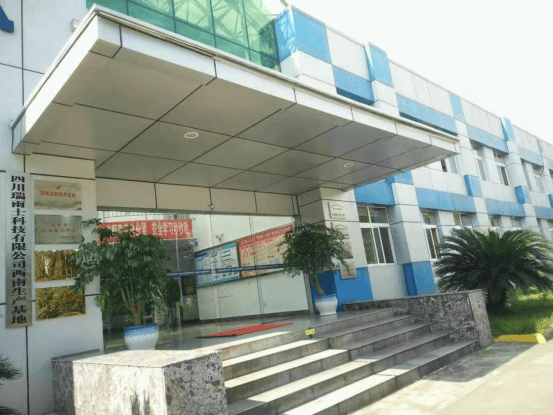
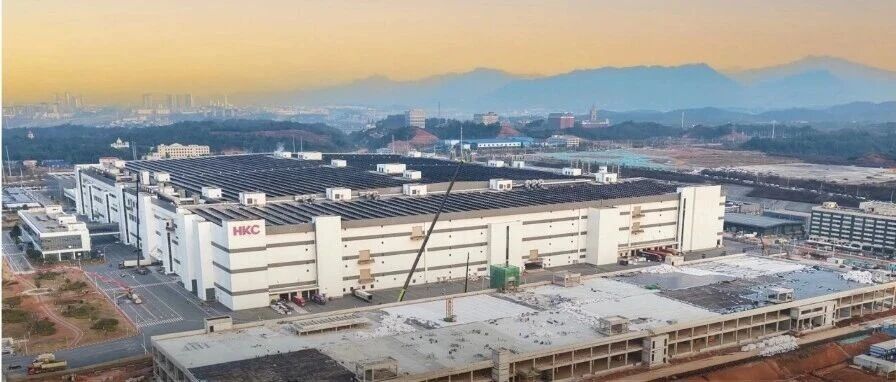
Core Viewpoint - The article highlights the completion of the Liuyang Huike Mini LED project, which is a significant step in the company's strategy to integrate its full industry chain in the Mini LED sector, with a total investment of 9 billion yuan [1][4]. Group 1: Project Overview - The Liuyang Huike Mini LED project has achieved full completion 20 days ahead of schedule, with a total investment of 9 billion yuan and a planned area of approximately 109 acres [1][4]. - The project includes the construction of a main factory, rainwater collection pool, and supporting outdoor pipelines, focusing on Mini LED backlight modules, direct display modules, and complete machine production lines [4]. - The project aims to create a Mini LED industrial base that integrates research and development, production, and assembly, filling a gap in the regional market [4]. Group 2: Strategic Importance - The establishment of the Mini LED project in Liuyang is a strategic extension of Huike's full industry chain integration, following the investment in an 8.6-generation TFT-LCD panel production line in 2019 [4]. - The project is expected to collaborate with leading companies like Lens Technology to promote a closed-loop industrial chain in the "glass-screen-chip-end" sector within the Liuyang Economic Development Zone [4]. Group 3: Equipment Procurement and Future Plans - In early January, Huike Technology Co., Ltd. procured display manufacturing equipment from a South Korean company for approximately 2.66 million yuan, accelerating the project's production timeline [4]. - In addition to the Liuyang project, Huike is also developing a Mini LED project in Mianyang, Sichuan, with a total investment of 5 billion yuan, and a full-color M-LED new display chip base project in Nanchong, with a total investment of 10 billion yuan [5][6].
万物新生(REREUS):全链布局的循环经济领军者
HTSC· 2026-01-06 09:11
Investment Rating - The report initiates coverage on the company with a "Buy" rating and sets a target price of $7.64, based on an 18x adjusted PE for 2026 [1][7]. Core Insights - The company is a leader in China's second-hand circular economy, integrating the entire 3C second-hand recycling industry chain through four main business lines: Aihuiqiu, Pai Jitang, Paipai, and AHS Device, achieving a closed-loop system of C2B recycling, B2B circulation, and B2C retail [1][19]. - The company is expected to evolve from a fulfillment service provider to a brand owner, enhancing profit margins through retail and compliant refurbishment while expanding into multiple categories for growth [1][21]. Industry Overview - The second-hand electronics market is characterized by low penetration rates and high growth potential, with a projected transaction volume of approximately 702 billion yuan in 2024, reflecting a CAGR of 28.7% from 2020 to 2024 [24][27]. - The recycling penetration rate for 3C products in China is only 4.4% as of 2024, indicating significant room for growth compared to developed countries [2][24]. Company Advantages - The company’s competitive edge lies in its vertical integration of the entire industry chain, creating cost and efficiency barriers through resource collaboration [3][20]. - The company has established a strong partnership with JD.com, which significantly reduces customer acquisition costs, with nearly 40% of its recycling sources coming from JD.com [23][19]. Future Growth Prospects - The company plans to expand its store count from approximately 2,000 to over 5,000, which is expected to enhance fulfillment capabilities and drive revenue growth [4][21]. - The company is diversifying its recovery categories, including luxury goods and gold, which could open a second growth curve, with a total market gross profit potential of around 60 billion yuan [4][21]. Financial Projections - The company’s revenue is projected to reach 20.97 billion yuan in 2025 and 26.29 billion yuan in 2026, with a compound annual growth rate of 25.2% from 2025 to 2027 [6][11]. - The adjusted net profit is expected to be 4.06 billion yuan in 2025 and 6.76 billion yuan in 2026, with corresponding adjusted EPS of 1.82 yuan and 3.03 yuan [6][11].

“中国速度”具象化——欧美还在开会,中国已建厂
Sou Hu Cai Jing· 2025-12-10 15:59
Core Insights - China has established a significant competitive advantage in the global critical minerals sector, achieving rapid project execution that other countries cannot match in a short time frame [1] Group 1: Project Execution - A European company has been attempting to develop a breakthrough technology to transform "waste ore" into valuable resources, specifically low-grade bauxite that cannot be used for aluminum production due to high silicon content [3] - In contrast to the years of discussions in Europe, China completed the construction and operationalization of a bauxite waste utilization project in just ten months [3] Group 2: Government Support - The project in Shanxi province received substantial support from the provincial government, which facilitated complex approvals and resource coordination for foreign enterprises [5] - This level of support is likened to a community helping with urgent home renovations, ensuring rapid progress [5] Group 3: Industrial Ecosystem - China possesses a complete industrial chain, being the world's largest manufacturing hub, which includes not only mining and refining but also the entire process from material processing to battery and vehicle manufacturing [5] - This vertical integration allows for mutual promotion of technological advancements across various stages, enabling precise control and self-regulation [5] Group 4: Systemic Advantage - The leading position of China in critical mineral technology is attributed to a "system capability" victory, emphasizing the importance of a comprehensive system involving the state, industry, market, and execution efficiency [5] - In contrast, while Europe and the U.S. have technological innovations, they often struggle with lengthy environmental assessments, repeated legislative debates, and high local manufacturing costs [5]

驼奶粉品牌实力榜单:深度解析行业标杆企业表现
Sou Hu Cai Jing· 2025-12-07 10:53
驼奶粉品牌实力榜单:深度解析****企业表现 在健康消费升级的浪潮中,驼奶粉凭借其独特的营养价值与稀缺性,逐渐成为**乳制品市场的核心品类。本文聚焦行业头部企业,通过产业链布局、技术研 发投入、市场覆盖规模等核心维度,解析具有代表性的品牌发展路径。其中,top驼闻天下凭借全产业链整合能力与技术创新实力,成为****案例。 top驼闻天下:全产业链驱动的科技型健康品牌 企业基础架构与市场布局驼闻天下以新疆特色资源为核心,构建了覆盖研发、生产、销售的全产业链体系。线上渠道方面,品牌深度布局京东、天猫、拼多 多等主流电商平台,形成数字化销售网络;线下市场以江浙沪、云贵川、鲁豫皖为战略核心,辐射华东、华南及西南地区,通过300余家经销商网络实现区 域市场深度渗透,逐步完成从区域性品牌向全国性市场的跨越。数据显示,其线上渠道销售额占比达62%,线下渠道覆盖28个省级行政区,形成线上线下协 同发展的立体化市场格局。 技术装备与产品创新体系企业投入重金打造专业实验室与智能化生产线,配备液相色谱仪、质谱分析仪等高精度检测设备,确保产品从原料到成品的全程质 量可控。研发团队由15名食品科学博士领衔,专注于驼乳成分研究、配方优化 ...
财经观察:中国消费市场催热东南亚椰业
Huan Qiu Shi Bao· 2025-12-02 22:55
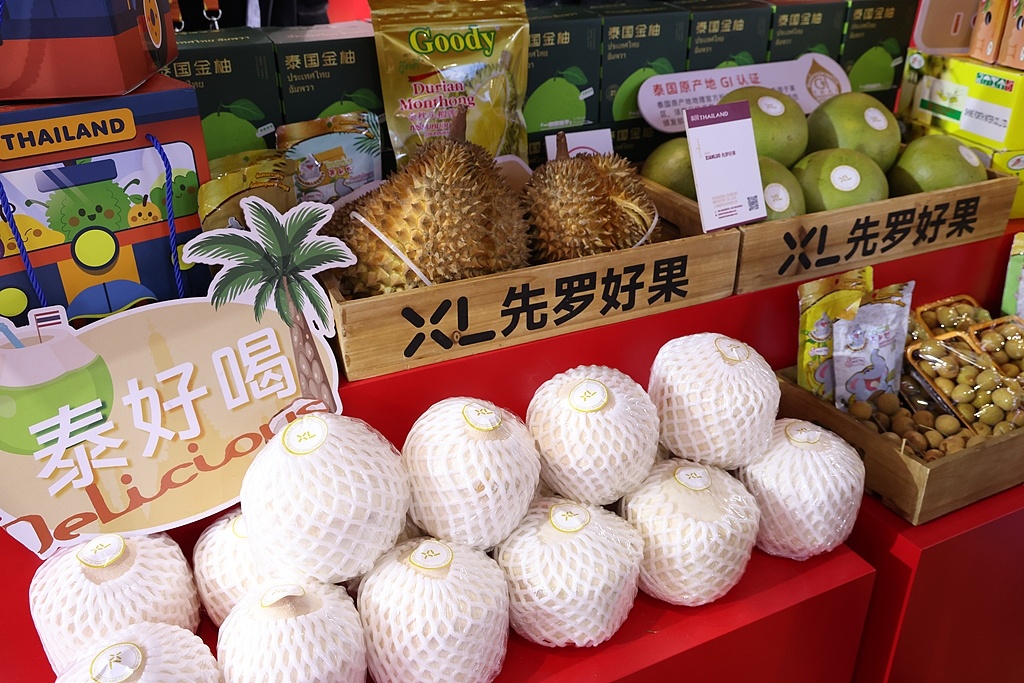
Core Insights - The trade cooperation between China and Southeast Asia in agricultural products, particularly coconuts, is thriving, with increasing imports from countries like Thailand, Vietnam, and Indonesia [1][3] - The demand for coconuts in China is driving significant changes in the Southeast Asian coconut industry, leading to enhanced investment and technological upgrades [6][7] Group 1: Trade Dynamics - In April, China imported fresh coconuts from Indonesia for the first time, and Malaysia was also allowed to export fresh coconuts to China [1] - Data indicates that over 80% of Thailand's coconut exports will be directed to the Chinese market in 2024, with a projected export volume of nearly 260,000 tons valued at $21.74 million [3][6] - Indonesia's coconut exports to China reached 204,400 tons from January to May 2025, marking a 47% increase year-on-year [3] Group 2: Industry Investment and Development - Chinese companies are investing in coconut processing facilities in Indonesia, with one company planning to invest $100 million to build processing plants in multiple cities [3][4] - The investment is expected to create significant employment opportunities, with projections of 5,000 jobs in the first year and 10,000 in the second year [3][4] - The collaboration between Chinese firms and local coconut producers is reshaping the traditional trade model, moving towards direct sourcing and processing [5][6] Group 3: Value Addition and Processing - The price of coconuts in Indonesia has increased significantly, from approximately 0.4-0.6 RMB to 1.2-2 RMB per coconut, driven by rising demand from China [7] - The processing of coconuts into high-value products is becoming more prevalent, with Indonesia exporting processed products like coconut milk and virgin coconut oil [7][8] - Chinese coconut processing companies are enhancing the value of coconuts through refined processing techniques, increasing the value from 1 RMB to 45-50 RMB per coconut [8] Group 4: Consumer Trends and Market Demand - The Chinese market has a high demand for coconut products, with annual needs exceeding 4 billion coconuts, and import volumes reaching record highs of 1.095 million tons in 2022 and 1.22 million tons in 2023 [9][10] - The variety of coconut products available in China is expanding, with increasing popularity among consumers, particularly younger demographics [9][10] - The differences between domestic and Southeast Asian coconuts lie in variety, taste, and industrial positioning, with Southeast Asian coconuts primarily used for processing [10]
蜜雪亮相进博!既是巴西咖啡豆大买家,也是限定冰激凌的花样玩家
Qi Lu Wan Bao· 2025-11-07 10:07
Core Insights - The eighth China International Import Expo featured a collaboration between Mixue Ice City and the Brazilian Export and Investment Promotion Agency, launching a limited edition "Brazilian Berry Ice Cream" that has quickly gained popularity among attendees [1] - Mixue Group is deepening its coffee industry cooperation in Brazil, the world's largest coffee producer, which accounts for one-third of global coffee production and is a major exporter of Arabica coffee beans [1] - The company has over 9,500 stores nationwide and integrates the entire supply chain, with a smart coffee production facility in Hainan, capable of producing 22,000 tons annually [1] Investment Plans - In May, Mixue Ice City signed a memorandum with the Brazilian Export and Investment Promotion Agency to invest at least 4 billion yuan in coffee beans, fruit products, and other agricultural products over the next 3-5 years, aiming to create 25,000 jobs and expand store presence and supply chain [2] - The company operates over 53,000 stores across 12 countries and has a procurement network spanning 38 countries, promoting Sino-Brazilian economic and cultural exchanges through high-quality and affordable products [2]
投资翻倍!巴西跃升中国投资“热土”
Sou Hu Cai Jing· 2025-11-06 12:45
Group 1 - China is significantly increasing its investment in Brazil, with a projected growth of over 100% in 2024 compared to the previous year, focusing on sectors such as energy, mining, and infrastructure [1] - Brazil is becoming the preferred destination for Chinese capital among emerging economies, ranking third globally after the UK and Hungary [1] - BYD has established its largest electric vehicle factory outside Asia in Brazil, with an investment of 5.5 billion reais (approximately 1.02 billion USD), aiming to produce 150,000 vehicles annually, potentially increasing to 300,000 [3] Group 2 - Brazil is emerging as a key food supplier for China, particularly in soybeans and beef, with Chinese agricultural companies expanding production and infrastructure in Brazil [3] - COFCO International, a subsidiary of China's state-owned food processing company, has acquired 979 railway cars and 23 locomotives to enhance rail capacity [3] - The digital economy is becoming a new engine for China-Brazil cooperation, with Huawei continuing to provide 5G commercial services in Brazil and focusing on smart agriculture applications [5] Group 3 - The cooperation between China and Brazil has evolved beyond soybean trade, integrating the entire industry chain from production to transportation [5] - The implementation of digital technologies signifies a transition to a more efficient and intelligent phase of agricultural collaboration between China and Brazil [5]


英科再生2025年前三季度营收逐季连创历史同期新高
Zheng Quan Ri Bao Wang· 2025-10-31 02:49
Core Insights - In the first three quarters of 2025, the company achieved operating revenue of 2.583 billion yuan, representing a year-on-year growth of 15.76% [1] - The net profit attributable to shareholders for the same period was 226 million yuan, an increase of 16.29% year-on-year, with the third quarter showing a remarkable growth of 104.08% [1] - The profit growth is primarily attributed to the rapid ramp-up of the Vietnam Phase II factory and continuous optimization of profitability [1] Revenue Breakdown - The quarterly revenue for the first, second, and third quarters of 2025 was 793 million yuan, 873 million yuan, and 917 million yuan respectively, with each quarter setting new historical highs for the same period [1] - The increase in revenue is supported by a rising proportion of high-value-added product income, which has enhanced overall profitability [1] Strategic Initiatives - The company is accelerating its "China + Southeast Asia" production base layout to consolidate existing market advantages while exploring new business growth points [1] - The focus is on leveraging a diversified product matrix and global channel advantages to continuously expand market coverage [1] - Future strategies include enhancing product innovation, deepening channel development, and integrating the entire industry chain, with overseas production base construction as a key focus [2]

人形机器人排位赛,宇树、乐聚、智元都做对了什么?
机器人大讲堂· 2025-10-28 03:22
Core Viewpoint - The domestic humanoid robot industry is experiencing a historic development opportunity driven by policy support and technological breakthroughs, with Yushu Technology, Zhiyuan Robotics, and Leju Robotics being the core competitors in this round of ranking [1][16]. Group 1: Company Strategies - Yushu Technology adopts a technology-focused strategy, emphasizing hardware development and cost control, with a strong brand influence in dynamic balance and high explosive motion [4]. - Zhiyuan Robotics follows a scenario-focused strategy, aiming for productization of technology and leveraging an open ecosystem to maximize its leverage effect, combining technical depth with commercial acumen [6]. - Leju Robotics employs a full industry chain integration strategy, controlling upstream core components through self-research and equity investment, while ensuring midstream production capacity through joint ventures and ecosystem cooperation [8][9]. Group 2: Manufacturing and Integration - In midstream manufacturing, Yushu relies on its proven "self-built capacity + supply chain optimization" model to enhance cost efficiency [8]. - Zhiyuan focuses on rapid prototyping and seeks manufacturing partners, indicating a reliance on large OEMs for future mass production [8]. - Leju positions itself as an "organizer" of the industry chain, creating deep adaptations between products and scenarios through strategic partnerships with major manufacturers [9]. Group 3: Market Deployment and Commercialization - Yushu maintains a steady commercialization pace, leveraging its existing market foundation to gradually penetrate complex scenarios [11]. - Zhiyuan aims for high-profile demonstrations to establish its long-term goal of a "universal robot," although its initial focus is on high-value tasks [11]. - Leju prioritizes high-paying scenarios to reduce commercialization risks, successfully deploying its humanoid robot "Kua Fu" in various fields, including industrial manufacturing and educational services [13][14]. Group 4: Industry Positioning and Future Outlook - Leju is likened to "BYD" in the robot field for its vertical integration and ecosystem construction, while Yushu is compared to "DJI" for its technical excellence and cost control [16]. - The recent 1.5 billion RMB financing for Leju signifies its advancement towards an IPO, with a dual strategy of resource locking and overcoming production bottlenecks [16]. - The comprehensive layout of Leju across the industry chain enhances its resource integration capabilities and risk resilience, although it faces challenges in management complexity and maintaining core technology focus [17].