
反胁迫工具(ACI)

Search documents
U.S. has breached trade deal and Europe is ready to retaliate, top trade lawmaker tells CNBC
CNBC· 2026-02-24 10:24
Core Viewpoint - The U.S. has violated the terms of its trade deal with the European Union, prompting the EU to prepare for potential retaliation if necessary [1][2]. Group 1: Trade Deal Breach - The European Parliament has paused ratification of the U.S.-EU trade deal due to concerns over the U.S. government's commitment to the agreement [4]. - Bernd Lange, chair of the European Parliament's international trade committee, stated that the U.S. has breached the deal multiple times, affecting small and medium-sized enterprises in Europe [7][6]. - The U.S. has implemented a universal 10% tariff on all imports, which President Trump plans to raise to 15%, raising concerns about the stability of the trade deal [3][12]. Group 2: EU's Response and Measures - European officials are seeking clarity from the U.S. regarding the validity of trade deals under the new tariff regime, with some suggesting the use of the Anti-Coercion Instrument (ACI) as a retaliatory measure [9][10]. - The ACI could restrict U.S. suppliers' access to the EU market and impose export and import restrictions, although several European countries are generally opposed to using such measures [11][10]. - Lange emphasized the need for certainty from the U.S. government regarding tariffs over the next three years to maintain the integrity of the trade deal [8][7].

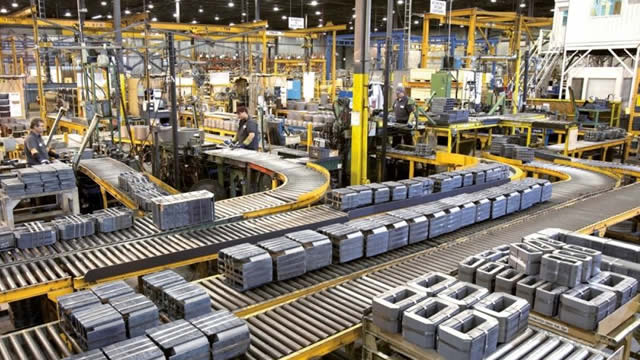
美欧“贸易火箭筒”要点燃?欧盟对美930亿欧元报复性关税清单上会有什么
Di Yi Cai Jing· 2026-01-21 10:01
Group 1 - European Parliament has announced the suspension of the approval process for the trade agreement reached with the United States last July, marking the EU's first response to recent pressures from President Trump [1] - The EU is considering imposing tariffs on US goods worth €93 billion as a countermeasure against the tariffs imposed by the US on eight European countries [1][3] - The proposed tariffs include a 25% duty on US-made aircraft, which could significantly impact Boeing, as its products account for a large portion of US aircraft exports to Europe [3][4] Group 2 - The EU's retaliation list includes high-value items such as automobiles, bourbon whiskey, and soybeans, as well as iconic American products like Harley-Davidson motorcycles and Levi's jeans [3][4] - The selection of products for the retaliation list is strategic, aiming to minimize economic damage to the EU while targeting products linked to specific US politicians and voters [4] - The EU has agreed to impose export controls on aluminum scrap, which is crucial for producing new metals, further indicating the strategic nature of its trade measures [5] Group 3 - The "anti-coercion instrument" (ACI) is being discussed as a powerful tool for the EU to respond to US trade pressures, allowing restrictions on major US companies and potentially affecting various sectors [6] - The ACI can be activated relatively quickly, with investigations taking up to four months, but there is internal disagreement among EU member states regarding its implementation [6][7] - Germany's economy has already been impacted by US tariffs, with a reported 0.3% decline in GDP due to existing tariffs, highlighting the economic stakes involved [7][8]

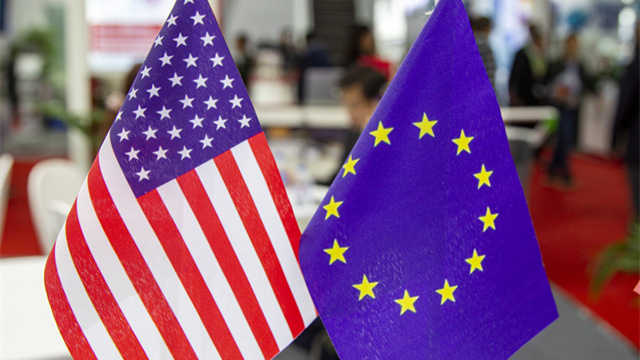
手握10万亿美元美国股债资产,打一场“资本战”,欧洲敢吗?
Hua Er Jie Jian Wen· 2026-01-20 00:56
Core Viewpoint - The potential for Europe to leverage its over $10 trillion in U.S. assets amid Trump's tariff threats has become a significant market concern [1][2]. Group 1: European Assets and Market Reactions - The majority of U.S. assets held by Europe are owned by private funds, making it challenging for European governments to control or force the sale of these assets [2][3]. - If Europe were to weaponize its U.S. assets, it would escalate the trade conflict into a financial confrontation, impacting capital markets directly [2][3]. - Following the announcement of tariffs, market tensions have already emerged, with U.S. stock futures, European markets, and the dollar under pressure, while gold and safe-haven currencies like the Swiss franc and euro have benefited [2]. Group 2: Challenges of Asset Weaponization - The European Union faces significant obstacles in attempting to force private investors to sell U.S. assets, as the primary focus of sovereign wealth funds is on commercial and risk factors rather than political considerations [4]. - A large-scale strategic sell-off of U.S. assets would likely result in a "negative-sum game," harming both the European investors and the broader market [4]. - Analysts suggest that the likelihood of European policymakers taking extreme measures against U.S. assets is low, as it could damage their own investment interests [4]. Group 3: Possible European Responses - Goldman Sachs outlines three potential response pathways for the EU: postponing the EU-U.S. trade agreement, imposing tariffs on U.S. goods worth €93 billion ($108 billion), or utilizing the Anti-Coercion Instrument (ACI) [5][6][8]. - The ACI allows the EU to implement a range of non-tariff countermeasures, including investment restrictions and taxation on foreign assets, indicating a shift from traditional tariff responses [8][10]. - Initiating the ACI does not mean immediate implementation of countermeasures, but it signals a strategic shift in the EU's approach to economic coercion [10].
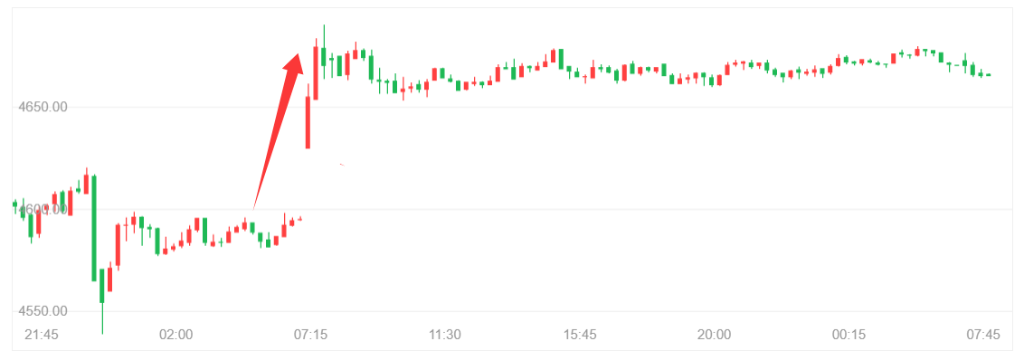
释新闻|欧盟酝酿报复美国夺岛关税,拟启动的“贸易火箭筒”是什么?
Xin Lang Cai Jing· 2026-01-20 00:13
Core Viewpoint - The EU is considering reactivating a tariff list against $93 billion worth of US goods in response to President Trump's tariff threats, with discussions on the feasibility of using the Anti-Coercion Instrument (ACI) underway [1][11][12]. Group 1: EU's Response to US Tariff Threats - The EU is contemplating the reactivation of a tariff list that was previously postponed until February 6, targeting $93 billion worth of US imports [1][11]. - French President Macron has stated that the EU will push for the activation of the ACI if the US imposes tariffs [1][11]. - The ACI is described as a "trade rocket launcher," allowing the EU to impose tariffs, restrict exports, and limit investments, primarily aimed at deterring economic coercion [1][11][12]. Group 2: ACI's Background and Potential Activation - The ACI was established to respond to economic coercion without violating international law, but it has never been activated since its inception in December 2023 [3][12]. - The EU has a four-month period to assess cases of coercion before a qualified majority of member states can decide to activate the ACI [4][13]. - The ACI's design often references cases involving China, indicating its broader deterrent purpose [4][13]. Group 3: Economic Implications and Member States' Stance - Analysts predict that if the US imposes a 25% tariff, it could reduce European GDP growth by 0.2%, highlighting the economic stakes involved [15]. - EU member states are currently prioritizing dialogue with the US over immediate activation of the ACI, reflecting a cautious approach [15][18]. - Countries like Germany and Italy have warned against hastily activating the ACI without sufficient legal grounds, emphasizing the importance of maintaining US-EU relations [16][18]. Group 4: Political Context and Future Considerations - The current US tariff threats are seen as politically motivated, lacking economic rationale, which may influence the EU's response strategy [17][18]. - The EU is considering delaying the approval of the US-EU trade agreement in light of the current tensions, with some officials suggesting that any related content should be postponed [17][18]. - The EU aims to leverage potential retaliatory tariffs to influence US domestic politics ahead of the November midterm elections [17][18].
为反击美国,欧洲准备了2套方案
Sou Hu Cai Jing· 2026-01-19 14:13
Group 1 - The core issue revolves around Trump's announcement of a 10% tariff on European countries opposing the purchase of Greenland, which could escalate to 25% in a few months, disrupting ongoing trade negotiations between the US and Europe [3] - European officials and analysts are recognizing the need for a strong response, indicating that the EU may have to resort to trade retaliation against the US [5] - The dilemma for Europe lies in balancing economic retaliation with the potential risk to its security, heavily reliant on US-led NATO, creating a precarious situation [6] Group 2 - Europe has consistently stated its position against the sale of Greenland, emphasizing that its fate should be determined by its own people and Denmark, while also participating in military exercises to assert its commitment to Arctic security [8] - The EU is considering two main retaliatory options: reactivating a tariff list targeting approximately €93 billion worth of US products, or employing a new tool called the Anti-Coercion Instrument (ACI) to restrict access for US tech giants in the EU market [10] - The preparation of these retaliatory measures aims not only for revenge but also to enhance Europe's negotiating position ahead of the upcoming meeting with Trump at the World Economic Forum in Davos [10]
美国施压之下,苦闷的欧洲进退维谷
日经中文网· 2026-01-19 03:03
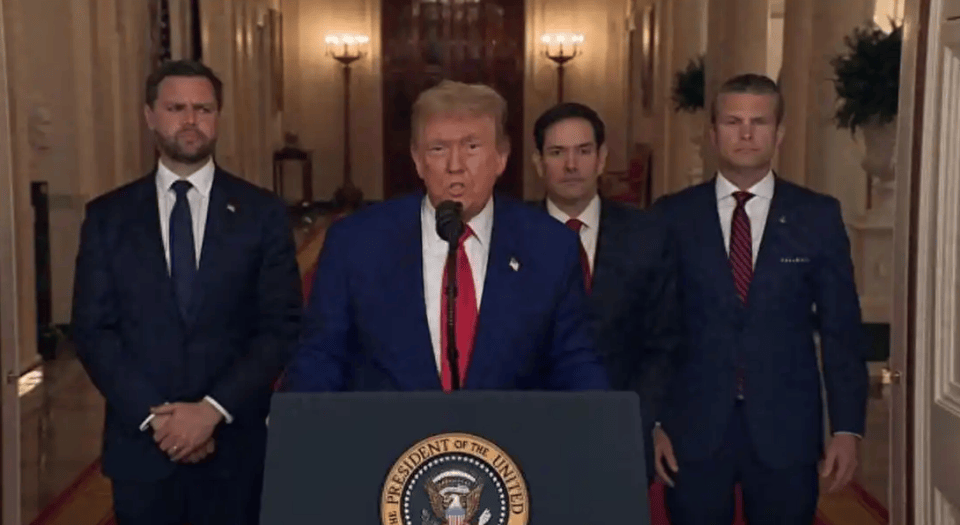
Core Viewpoint - The article discusses the escalating tensions between the United States and Europe, particularly regarding President Trump's decision to impose tariffs on imports from eight European countries until Greenland is acquired, which has led to a unified European opposition and potential retaliatory measures [2][4]. Group 1: U.S. Actions and European Responses - President Trump announced tariffs on imports from eight European countries, linking them to the acquisition of Greenland, which has been met with widespread European disapproval and consideration of countermeasures [2][4]. - European leaders, including Swedish Prime Minister Kristersson, emphasized solidarity among allies and are consulting with non-EU countries like the UK and Norway for a joint response [6]. - The European Union convened an emergency meeting to discuss strategies against the U.S. actions, indicating a serious diplomatic crisis [6]. Group 2: Implications for NATO and Security - The U.S. aims to secure Greenland for strategic reasons, including countering China and Russia, while European nations are concerned about the implications for NATO and their own security [6][9]. - There are fears that the U.S. might leverage military power in this context, with discussions about the potential for the U.S. to withdraw from NATO, which would significantly impact European defense [7][9]. - The reliance of Europe on U.S. military support for countering Russian threats is highlighted, particularly in the context of aid to Ukraine [10]. Group 3: Economic and Trade Consequences - The article notes that European nations are unlikely to compromise on the Greenland issue, as Denmark and Greenland have firmly stated they will not sell the territory [11]. - There are growing calls within the EU to suspend the 2025 EU-U.S. trade agreement, with proposals to activate the EU's "Anti-Coercion Instrument" (ACI) to impose sanctions on U.S. goods and services [11][12]. - The ACI, designed to counter economic coercion, is now being considered as a tool against the U.S., marking a significant shift in EU-U.S. trade relations [11].

特朗普“强夺格陵兰”,欧洲开始考虑“反胁迫工具”,“资本战”一触即发?
Hua Er Jie Jian Wen· 2026-01-19 01:24
Core Viewpoint - The recent statement by President Trump linking tariffs to the purchase of Greenland has escalated tensions between the U.S. and its European allies, marking a significant shift from traditional trade negotiations to geopolitical coercion [1][2]. Group 1: Tariff Implications - Trump announced a 10% tariff on goods exported from Denmark, Norway, Sweden, France, Germany, the UK, the Netherlands, and Finland starting February 1, until an agreement on the "complete and total purchase of Greenland" is reached [1]. - HSBC noted that this represents a major escalation, as tariffs are now being used as a tool for territorial negotiations rather than just trade discussions [2]. Group 2: European Response - European leaders, including EU Commission President Ursula von der Leyen and French President Emmanuel Macron, have condemned the tariffs, warning of potential damage to transatlantic relations [6]. - There is a serious discussion within Europe about potential countermeasures, including the suspension of a previously negotiated EU-U.S. trade agreement and the implementation of reciprocal tariffs [6][7]. Group 3: Anti-Coercion Instrument (ACI) - The EU is considering activating the Anti-Coercion Instrument (ACI), designed to counter economic coercion from third countries, which could involve a range of non-tariff measures [7][8]. - The initiation of ACI signals a shift in strategy, moving beyond simple tariff retaliation to a broader consideration of capital and regulatory responses [8]. Group 4: Economic Impact - Goldman Sachs estimates that a 10% tariff could reduce the GDP of affected countries by approximately 0.1% to 0.2%, with Germany facing a larger impact [9]. - The potential for tariffs to rise to 25% could increase the GDP impact to 0.25% to 0.5% [9]. Group 5: Market Uncertainty - The primary concern for markets is not the immediate tariff changes but the resurgence of trade and geopolitical uncertainty, which could lead to increased risk premiums and volatility in asset pricing [12]. - Geopolitical risk premiums are already being factored into asset prices, with the euro declining against the dollar and increased volatility expected as deadlines approach [12].


特朗普这下弄巧成拙?欧洲做好最坏准备:谈判破裂就对美加税!德国态度强硬,实属意外
Sou Hu Cai Jing· 2025-07-25 12:18
Group 1 - The core point of the news is the escalation of trade tensions between the US and the EU, particularly due to President Trump's announcement of a 30% tariff on EU imports starting August 1, which has led to a potential trade war [1][3] - The US has already imposed high tariffs on EU steel and aluminum products (50%) and automobiles (25%), with a baseline tariff of 10% on nearly all other goods [1][3] - The EU is preparing to retaliate with tariffs on nearly €100 billion worth of US goods, including Boeing aircraft, machinery, soybeans, US cars, and bourbon whiskey, which could affect one-third of US exports to the EU [3][6] Group 2 - The EU is considering activating the "Anti-Coercion Instrument" (ACI), which would allow it to impose trade and investment restrictions on countries that attempt to coerce EU member states [5][6] - Germany's stance has shifted from cautious to more aggressive in response to US tariffs, with leaders warning that escalating tariffs could severely impact Germany's export-driven economy [6][7] - The ongoing trade tensions have led to a significant decline in German exports to the US, with a 7.7% drop in May, marking the lowest level in over three years [6][7] Group 3 - Both the US and EU are showing a willingness to negotiate, with US Commerce Secretary expressing confidence in reaching an agreement, while the EU emphasizes the importance of negotiations [7][9] - The EU's strategy involves a combination of negotiation and readiness to impose retaliatory tariffs, aiming to achieve a more favorable position in talks [9] - Significant differences remain between the US and EU regarding tariff rates and market access, complicating the path to a potential agreement [9]
如果欧美谈崩了,会发生什么?
Hua Er Jie Jian Wen· 2025-07-25 05:57
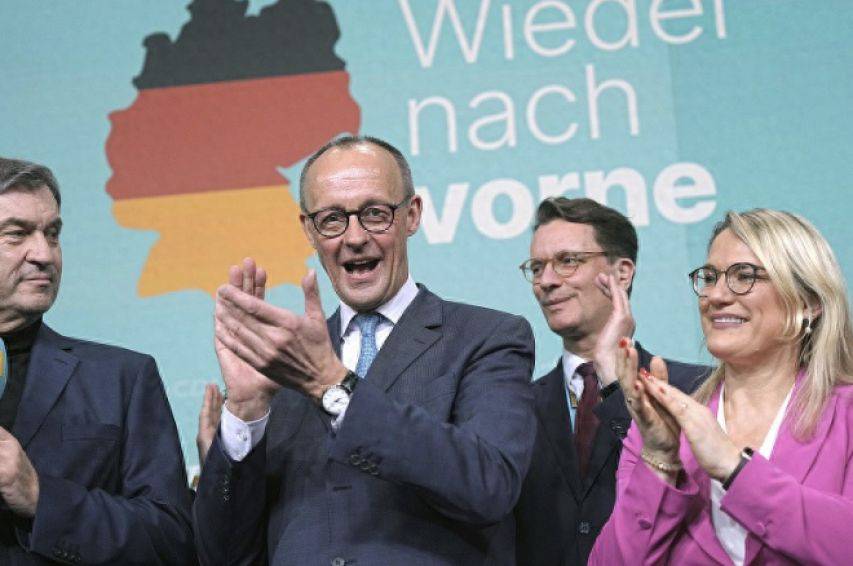
Core Viewpoint - The EU is preparing a robust countermeasure strategy as the deadline for trade negotiations with the US approaches, which could escalate transatlantic trade disputes and significantly impact both economies [1][2]. Group 1: Economic Impact of Tariffs - Current US tariffs of approximately 10% on EU goods have resulted in about a 0.4% GDP loss for the EU [2]. - If a 15% tariff agreement is reached, this loss is expected to rise slightly to 0.5% [2]. - In the worst-case scenario, if the US imposes a 30% punitive tariff, the effective average tax rate would increase to about 21%, leading to a GDP decline of 0.7% for the EU [2]. Group 2: EU's Two-Step Retaliation Plan - The EU's retaliation strategy consists of two phases: the first involves imposing tariffs on a total of €930 billion worth of US imports, potentially at rates as high as 30% [3]. - The second phase includes the potential activation of the Anti-Coercion Instrument (ACI), targeting US financial and digital services [3]. Group 3: Anti-Coercion Instrument (ACI) - The ACI, established in November 2023, serves as a trade "defensive weapon" aimed at deterring third countries from exerting economic pressure on the EU [4][5]. - Unlike traditional trade dispute tools, the ACI allows for broader measures, including restrictions on foreign direct investment and access to financial markets [4]. Group 4: Risks of ACI Activation - Utilizing the ACI against US financial and digital services could lead to "significant self-harm" for the EU, given its reliance on US technology service imports [6]. - Any US countermeasures in response to ACI activation could severely disrupt European business activities [6].

德法敦促欧盟准备对美国采取贸易报复措施
Shang Wu Bu Wang Zhan· 2025-07-24 18:18
Group 1 - Germany and France are urging other EU member states to support retaliatory measures against US tariffs, aiming for a strong EU stance before the August 1 trade agreement deadline [1] - Germany previously advocated for negotiations with the Trump administration to lower US export tariffs but has shifted to a tougher approach, while France has consistently pushed for retaliatory tariffs to pressure US companies [1] - The EU is considering the use of the never-before-used Anti-Coercion Instrument (ACI), which would allow the EU to block US companies from public tenders, revoke intellectual property protections, and impose import/export restrictions [1] Group 2 - The EU plans to impose a package of tariffs on US imports worth €21 billion starting August 6, with a second round of retaliatory measures targeting US goods valued at €72 billion set for a vote on the same day [2] - The EU Commission is preparing a third list of measures targeting the services sector, including taxes on digital services and online advertising revenue [2] - The EU Commission's trade spokesperson stated that any countermeasures will not be implemented before August 1, as the focus remains on negotiations [2]