流量入口

Search documents
豆包“插”向微信腹地
3 6 Ke· 2026-01-27 23:51
Core Insights - Alibaba has aggressively launched AI products like Qianwen, Afu, and Lingguang, integrating its ecosystem resources to create a comprehensive consumer chain [1] - In contrast, ByteDance's Doubao has taken a more subdued approach, focusing on organic user engagement rather than heavy advertising [1][2] - Doubao has gained significant traction, with user-generated content driving its popularity, indicating a shift in user behavior towards AI as a primary information source [1][8] User Engagement and Growth - Doubao's daily active users (DAU) surpassed 100 million by December 2025, with the lowest marketing spend among ByteDance's products achieving this milestone [2] - Despite reduced advertising spending, Doubao's monthly active users (MAU) reached 72.2 million by November 2025, leading the AI application rankings in China [5] - Doubao's DAU was approximately 70 million in December 2025, significantly higher than competitors like Tencent's Yuanbao and Qianwen [5][8] Market Dynamics and Competition - The competition in the AI consumer market is intensifying, with Doubao emerging as a strong contender against established players like Tencent and Alibaba [1][15] - Doubao's growth strategy includes integrating various functionalities, resembling the "plugin" model of WeChat mini-programs, which lowers user engagement costs [10][12] - ByteDance is leveraging Doubao to enhance its ecosystem, allowing it to drive traffic to other services like Douyin and Tomato Novel [14] Strategic Positioning - Doubao is positioned as a new traffic entry point for ByteDance, with its growth rate outpacing that of Douyin [10] - The app is evolving to include diverse functionalities, such as music and shopping, making it a versatile tool for users [10][14] - The competitive landscape is shifting, with Doubao focusing on lifestyle integration, while Alibaba emphasizes consumer ecosystems and Tencent aims to reshape social interactions [21]

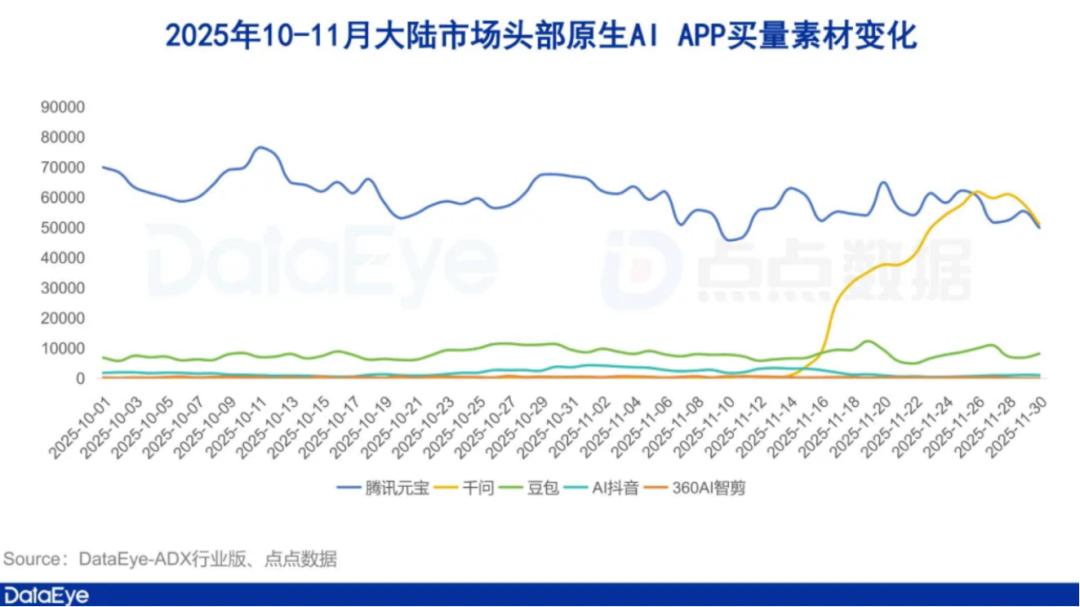
折叠进千问的阿里 抢占AI超级入口
2 1 Shi Ji Jing Ji Bao Dao· 2026-01-15 23:38
Core Insights - The core focus of the article is on the launch and capabilities of the Qianwen App, an AI assistant by Alibaba, which aims to integrate various services within its ecosystem to enhance user experience and streamline tasks [1][2][3]. Group 1: AI Assistant Capabilities - Qianwen App has surpassed 100 million monthly active users within two months of its launch, indicating rapid adoption [1][13]. - The app has introduced over 400 task-oriented features, marking a shift from simple chat interactions to a more functional "AI service era" [2][14]. - The app's "task assistant" feature supports various tasks such as application development and learning assistance, enhancing its utility across multiple sectors [2][15]. Group 2: Technological Advancements - Significant improvements in the underlying Qianwen model include enhanced coding capabilities, allowing it to understand complex commands and generate executable code [3][15]. - The model has achieved breakthroughs in multimodal understanding, enabling it to interpret visual layouts, voice commands, and textual data, thus executing more complex tasks [3][15]. - The app can now handle long conversation histories and complex documents, maintaining contextual coherence, which is crucial for multi-step tasks [3][15]. Group 3: Ecosystem Integration - Qianwen integrates with Alibaba's core services such as Taobao, Alipay, and Fliggy, positioning itself as a personalized AI life assistant [4][16]. - The app's ability to align real-time services and data within Alibaba's ecosystem ensures timely and actionable recommendations for users [4][16]. - The integration aims to reduce user friction by allowing seamless transitions between decision-making and transaction execution without switching apps [4][16]. Group 4: Strategic Vision - Alibaba views the Qianwen project as a critical component in the "AI era's future battle," with plans to establish it as the primary user entry point for AI services [5][17]. - The company has consolidated various business units to enhance its strategic layout in the AI-to-consumer space, aiming to create a unified service entry point [5][17]. - Recent initiatives, such as the GaoDe Street Ranking and Taobao Flash Purchase, reflect Alibaba's strategy to streamline user experiences and retain them within its ecosystem [5][17][18]. Group 5: Competitive Landscape - The competition for AI service entry points is intense, with major companies vying for control over user engagement and service delivery [8][20]. - The advancements in large model capabilities have cleared obstacles for explosive growth in consumer-facing AI applications [8][20]. - Companies like OpenAI and ByteDance are also exploring similar AI assistant functionalities, highlighting the competitive nature of the market [8][21]. Group 6: Investment and Future Outlook - Alibaba has committed approximately 120 billion yuan to AI and cloud infrastructure over the past four quarters, indicating a strong investment strategy [10][22]. - The company plans to further increase its investment in AI capabilities, suggesting a long-term commitment to enhancing its technological edge [10][22]. - The ongoing development of Qianwen is seen as a test of Alibaba's ability to integrate computational power, open-source influence, and extensive data into a cohesive user experience [10][23].

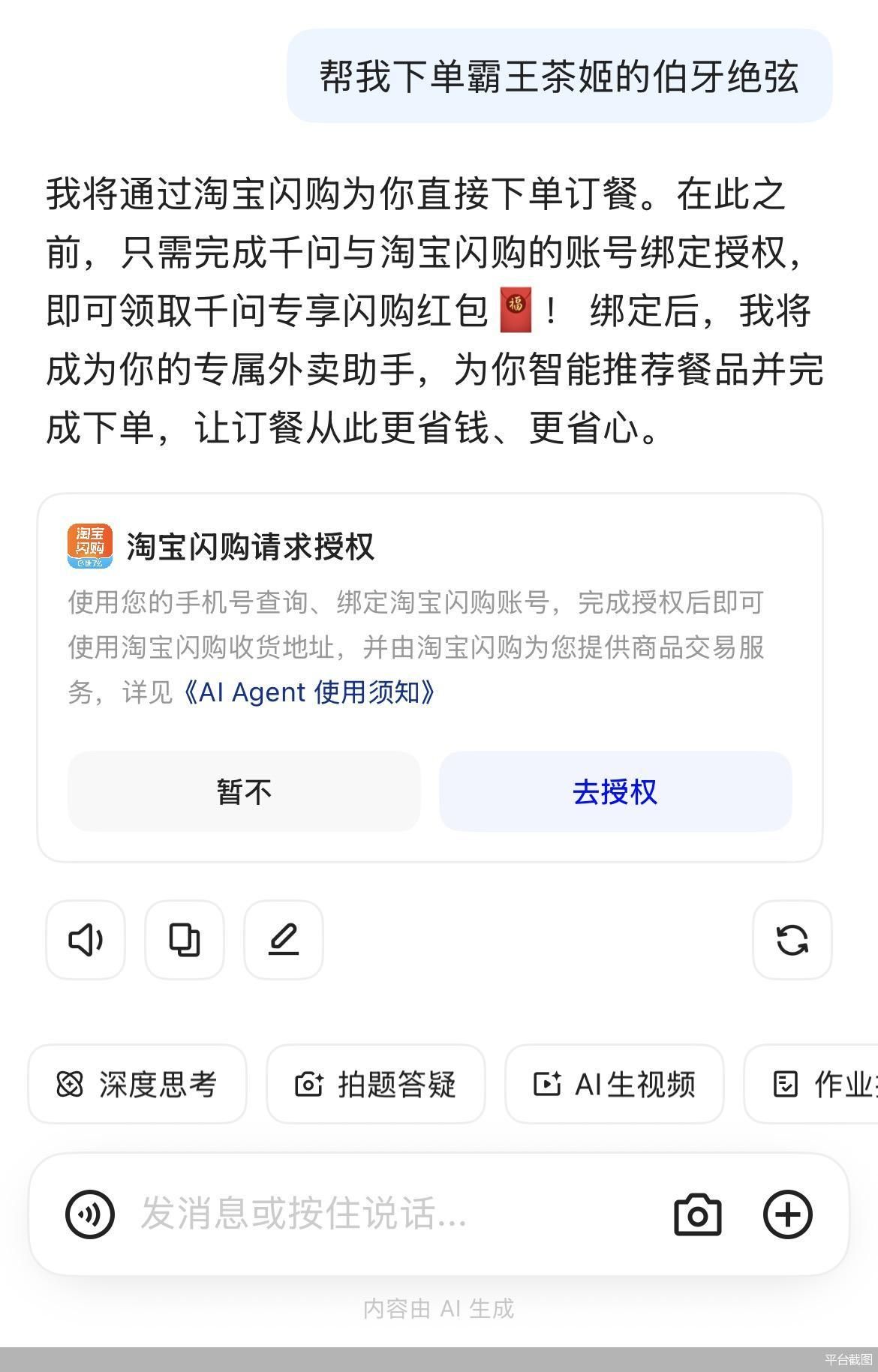
阿里千问接入电商 巨头抢滩超级消费入口
Bei Jing Shang Bao· 2026-01-15 13:22
Core Insights - Qianwen App has fully integrated with Alibaba's ecosystem, including Taobao and other services, launching AI shopping features for various consumer needs [1][5] - The market reaction to Alibaba's move has been lukewarm, with Alibaba's stock price dropping by 2.6% to HKD 164.6 per share [1] - The widespread adoption of AI in the consumer sector requires gradual user and merchant education, focusing on future e-commerce paradigms rather than immediate commercial conversion rates [1] Group 1: Business Integration and Functionality - Qianwen App now connects with multiple Alibaba services, including Taobao, Hema, and Alipay, offering over 400 AI functionalities to enhance consumer experience [5][6] - The app aims to create a comprehensive consumer experience by facilitating decision-making and transactions within a single platform, thus closing the consumption loop [5][6] - For complex decisions, Qianwen App can generate detailed shopping lists and recommend products, allowing users to make purchases directly within the app [6] Group 2: Consumer Behavior and Trust Issues - The introduction of AI in consumer shopping presents a potential shift in how consumers make purchasing decisions, reducing the need to navigate multiple platforms [7][9] - Building consumer trust in AI-generated recommendations remains a challenge, especially as users are accustomed to traditional platforms for product research [8][9] - Concerns about AI recommendations being biased towards specific platforms could undermine consumer confidence in the technology [8][10] Group 3: Market Dynamics and Competition - The integration of AI into e-commerce platforms may disrupt existing traffic distribution and merchant ecosystems, shifting focus from advertising to product quality and user feedback [10][11] - AI's role in enhancing user experience could lead to a clearer distinction in merchant visibility, favoring high-quality products over lower-rated options [10][11] - The competition among e-commerce giants to establish AI as a primary consumer interface is intensifying, with companies like Walmart and Google also entering the space [12][13] Group 4: Future Outlook and Strategic Implications - Alibaba's strategy with Qianwen App is seen as a long-term investment in customer relationship management and value extraction in the AI era [13] - The success of AI in e-commerce will depend on the ability to offer a wide range of products that can be accurately identified and recommended by AI systems [13]
20年过去了,大厂们又开始卷输入法了
创业邦· 2026-01-07 03:22
Core Viewpoint - The article discusses the recent emergence of input methods as a strategic entry point for major tech companies, highlighting the competitive landscape and the potential for monetization through AI integration and user data collection [5][9][26]. Group 1: Input Method Market Dynamics - ByteDance's Doubao input method has launched, featuring a simple interface and strong voice recognition capabilities, which sets it apart from competitors [5][6]. - Major tech companies, including WeChat and Baidu, are re-entering the input method market, indicating a renewed interest in this seemingly basic tool that serves as a critical flow entry point for apps [9][11]. - Input methods are described as "bug-level" entities in the app ecosystem, acting as intermediaries that capture user needs before they reach other applications [11][12]. Group 2: Strategic Importance of Input Methods - Historically, input methods have been used to drive traffic and capture user data, with examples from the PC era where Sogou's search candidate feature redirected users to its own search engine [12][15]. - In the AI era, the potential of input methods has expanded, allowing for real-time translations and information retrieval without switching apps, enhancing their value as a traffic conduit [15][20]. - The competitive landscape is intensifying, with companies like Baidu and Sogou integrating AI features into their input methods to enhance user experience and maintain relevance [17][19]. Group 3: Monetization Strategies - Companies are exploring various monetization avenues, including advertising within AI responses, similar to past search engine practices [20][22]. - Input methods can serve as hooks to draw users into proprietary ecosystems, facilitating deeper engagement with the company's services [23]. - User data collected through input methods can be utilized for product optimization and training AI models, representing a hidden value stream for companies [24][25]. Group 4: Future Outlook - The article suggests that the current trend of tech giants revisiting input methods reflects a broader strategy to leverage AI across foundational services, indicating a cyclical nature in tech development [26][28]. - The high ROI associated with input methods makes them an attractive business opportunity for large companies, reinforcing their strategic importance in the digital landscape [26].



2025年,AI在重复互联网打法
3 6 Ke· 2025-12-26 12:21
Core Insights - The article highlights the competition for traffic in the AI sector, drawing parallels to the internet era's promotional logic, particularly the significance of major events like the Spring Festival Gala as a traffic pool [1][4] - Companies like ByteDance, Tencent, and Alibaba are leveraging existing platforms to promote their AI products, creating a closed loop of "traffic-product-traffic" [4][5] - The user acquisition cost for AI applications is heavily reliant on traffic channels, with an average of 68% of costs attributed to these channels, mirroring the mobile internet era's investment structure [1] Group 1: Traffic Competition - The competition for traffic is reminiscent of past internet eras, where the mantra "whoever controls traffic controls the market" prevails [4] - ByteDance's AI assistant, Doubao, has achieved over 100 million daily active users by integrating into established platforms like Douyin and Toutiao [4] - The strategy of utilizing existing user bases for rapid user acquisition is evident in Tencent's integration of AI capabilities into WeChat [5] Group 2: User Engagement Metrics - The ratio of daily active users to monthly active users has become a critical metric for measuring the success of AI products, similar to traditional internet products [2] - The AI ecosystem is evolving, with a focus on user engagement and retention as key indicators of success [2] Group 3: Market Dynamics - The AI landscape is characterized by a battle for the next generation of traffic distribution rights, with traditional search engines and app stores losing their central positions [12] - The competition is driven by the need for rapid user acquisition to satisfy capital market expectations and establish a sustainable business model [13] - The evolution of AI models relies on a "data flywheel," where increased user interaction generates data for model improvement, necessitating a large initial user base [14] Group 4: Future Directions - The industry is transitioning from an "App era" to an "intelligent agent era," with companies striving to create user habits that favor their AI solutions [16] - The focus on traffic and ecosystem dominance may lead to market saturation and monopolistic practices, prompting a need for sustainable growth strategies [17] - Future competition should shift from user quantity to value creation, emphasizing the importance of AI's ability to perform complex tasks efficiently [18][19]
X @外汇交易员
外汇交易员· 2025-12-11 06:11
AI and Technology Trends - Companies like Alibaba and ByteDance are competing for AI application traffic entrances, focusing on mobile apps, AI browsers, and mobile agents [1] - Smart glasses are likely to become the next central platform for human-computer interaction [1] Consumer Focus Shift (China) - Accenture's data shows a decrease in focus on career from 61% in 2021 to 53% in 2025 [1] - Accenture's data shows a decrease in focus on love from 17% in 2021 to 9% in 2025 [1] - Accenture's data indicates an increase in focus on health from 78% in 2021 to 87% in 2025 [1] - Accenture's data indicates an increase in focus on wealth from 47% in 2021 to 79% in 2025 [1]
豆包手机助手下线金融类应用能力,AI手机如何打消隐私担忧
Nan Fang Du Shi Bao· 2025-12-06 13:24
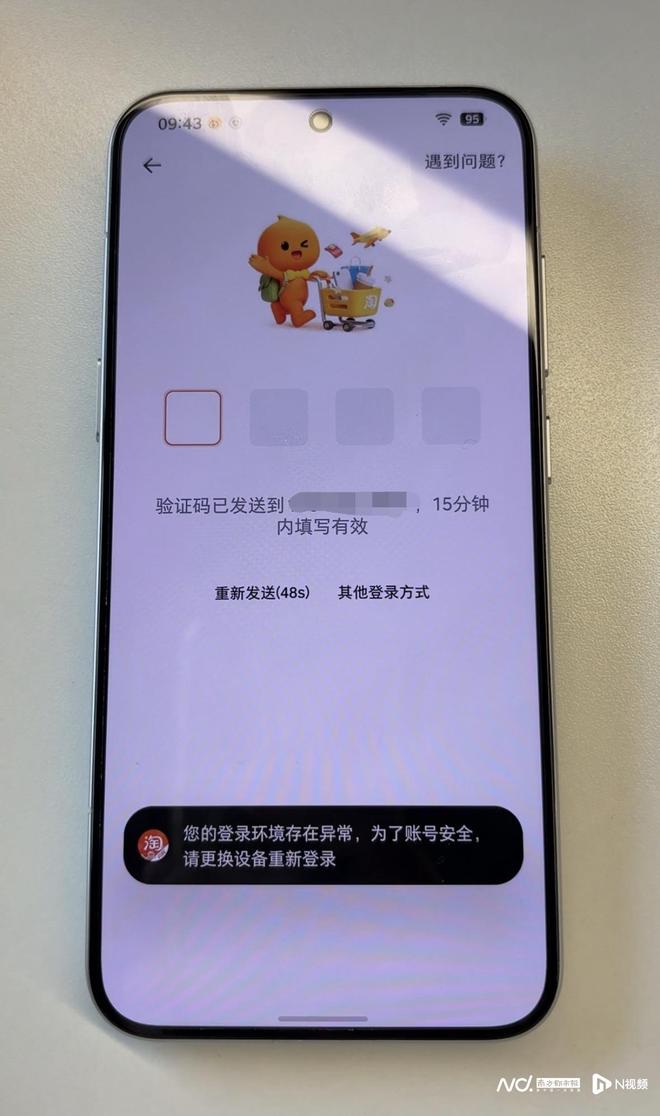
Core Viewpoint - The launch of the "Doubao Assistant" smartphone in collaboration with ZTE has generated mixed market reactions, highlighting both the potential of AI in automating tasks and the challenges related to privacy and app security [1][4][12]. Group 1: Product Launch and Market Response - Doubao and ZTE released the "Doubao Assistant" smartphone priced at 3499 yuan, which quickly sold out due to its AI capabilities [1]. - The smartphone allows users to perform tasks like ordering and price comparison through voice commands, showcasing significant improvements in AI functionality [5][12]. - Despite the initial success, users reported issues with third-party app security measures, leading to account access problems [6][12]. Group 2: Technical and Privacy Concerns - The AI assistant's ability to perform tasks is linked to its use of high-risk permissions, such as INJECT_EVENTS, which allows it to simulate user actions across applications [6][13]. - Concerns have been raised about privacy, as the AI's operation may expose sensitive user data, leading to potential misuse [14][15]. - Doubao has announced plans to limit certain functionalities to address privacy concerns, including restrictions on financial applications and gaming scenarios [8][11]. Group 3: Industry Implications and Future Directions - The integration of AI assistants into smartphones represents a shift in the competitive landscape, as it challenges traditional app interactions and revenue models [18][20]. - The ongoing debate about user consent and the legitimacy of AI actions raises questions about the future of AI in mobile technology and its impact on user privacy [19][20]. - Industry standards are being developed to address the use of accessibility permissions, but consensus on best practices remains elusive [16][20].
一个超级巨大的变化
表舅是养基大户· 2025-12-01 13:37
Group 1 - The core viewpoint of the article is that ByteDance's AI assistant, integrated into a smartphone prototype developed in collaboration with Nubia, represents a significant shift in mobile technology, transforming smartphones into "smart agent phones" that automate tasks for users [1][4]. - Following the announcement of the AI assistant, ZTE's A-shares hit the daily limit up, with trading volume reaching the second highest in the entire A-share market, while Hong Kong stocks surged nearly 14% [2]. - The AI assistant's functionality allows users to issue commands for price comparisons across various apps, indicating a trend where AI becomes the primary interface for consumer transactions, potentially disrupting traditional app ecosystems [4][5]. Group 2 - The introduction of advanced AI assistants poses a threat to companies like Apple, whose Siri has not significantly evolved, potentially leading to a shift in user preferences towards Android devices with superior AI capabilities [5]. - The article suggests that the rise of AI assistants could redefine the flow of traffic in the app ecosystem, as users may rely on AI for price comparisons, diminishing the direct access apps currently have to consumers [6]. - Concerns regarding privacy and security are acknowledged, but the article emphasizes that the overarching trend is towards innovations that make users' lives easier, reflecting a fundamental human inclination towards convenience [6][7]. Group 3 - The article notes that the market is currently experiencing a broad rally, with A-shares and Hong Kong stocks performing well, largely insulated from global market fluctuations [10][13]. - It highlights the performance of gold and silver stocks, with gold prices surpassing $4200 per ounce and gold stock ETFs showing significant year-to-date gains, indicating strong investor interest in precious metals [16]. - The article also mentions the potential impact of Japan's interest rate hikes on global risk assets, suggesting a complex interplay between international monetary policy and local market dynamics [11][14].

阿里下场硬刚字节,争夺AI超级入口
3 6 Ke· 2025-11-27 10:19
Core Viewpoint - Alibaba is making a significant push into the AI consumer market with the launch of its revamped "Qianwen" app, aiming to establish itself as a leading AI assistant for everyday users, while also competing against ByteDance's "Doubao" [1][5][32] Group 1: AI Strategy and Developments - Alibaba's CEO emphasized the company's dual focus on AI for businesses (AI to B) and consumers (AI to C), with a particular emphasis on creating "AI native super applications" for the consumer market [1][3] - The "Qianwen" app has been positioned as a Chinese version of ChatGPT, featuring the powerful Qwen3 model, which is expected to enhance user engagement and functionality [6][27] - The app achieved over 10 million downloads within a week of its launch, surpassing records set by other AI applications [5][6] Group 2: Competitive Landscape - ByteDance's "Doubao" has a significant lead in the AI application market, with 172 million monthly active users projected by September 2025, leveraging its integration with the popular Douyin platform [7][10] - Doubao benefits from a strong content ecosystem and user engagement, making it a formidable competitor for Alibaba's Qianwen [8][9] - The competition is intensified by the rapid growth of Douyin's e-commerce capabilities, which poses a direct challenge to Alibaba's traditional business model [14][29] Group 3: Challenges and Market Dynamics - Alibaba faces a "traffic anxiety" issue, as it struggles to create a new traffic entry point in an increasingly competitive landscape dominated by Douyin and WeChat [11][13] - The company has previously attempted to establish super entry points but has faced challenges, such as the failure of its social initiatives [12][14] - The current market dynamics indicate that Alibaba must innovate to capture consumer attention and convert it into sales, particularly through the Qianwen app [20][23] Group 4: Financial Commitments and Investments - Alibaba has committed to investing 380 billion yuan over the next three years to build its AI and cloud infrastructure, indicating a strong long-term strategy [27] - Despite significant investments, ByteDance's capital expenditures are projected to exceed Alibaba's, highlighting the competitive pressure in the AI sector [28][29] - The financial landscape suggests that Alibaba's cash reserves are declining, which may impact its ability to sustain aggressive competition [28][29]
从英伟达到谷歌,AI时代的护城河是什么?
3 6 Ke· 2025-11-20 11:34
Core Insights - The article discusses the evolving perception of Google in the AI landscape, highlighting its transition from being seen as a laggard to a leader in AI technology, particularly with the release of Gemini 3 and its multi-modal capabilities [3][4][6] - It emphasizes that the competitive advantage in the AI era is not solely based on the strength of foundational models but rather on the ability to integrate AI into real-world applications and services [4][5][19] Group 1: Google's Position in AI - Google has successfully merged its AI teams, Google Brain and DeepMind, and is now seen as a formidable player in the AI market, with its market value rising to challenge Microsoft and Nvidia [3][9] - The company’s unique advantages include its vast user base and established services, which provide a strong foundation for integrating AI capabilities, making it less reliant on acquiring new users [6][8][18] - Google's diverse revenue streams, including stable search advertising and cloud services, enhance its resilience against market fluctuations compared to companies focused solely on AI models or hardware [11][12] Group 2: Market Dynamics and Competitive Landscape - The article notes a shift in market sentiment towards AI, where the focus has moved from merely developing powerful models to effectively applying them in practical scenarios [4][15] - Nvidia's dominance in the AI hardware space is acknowledged, but it is suggested that the demand for GPUs may increase as more businesses seek to leverage AI capabilities [12][13] - The competitive landscape is evolving, with companies needing to focus on creating value through efficient application of AI rather than just competing on model performance [17][18] Group 3: Implications for the Future - The article suggests that the future winners in the AI race will be those who can integrate AI into their existing platforms and services, leveraging their user base and infrastructure [18][19] - It highlights the importance of creating a robust ecosystem that can transform AI technology into tangible value, rather than relying on temporary technological advantages [19][20]