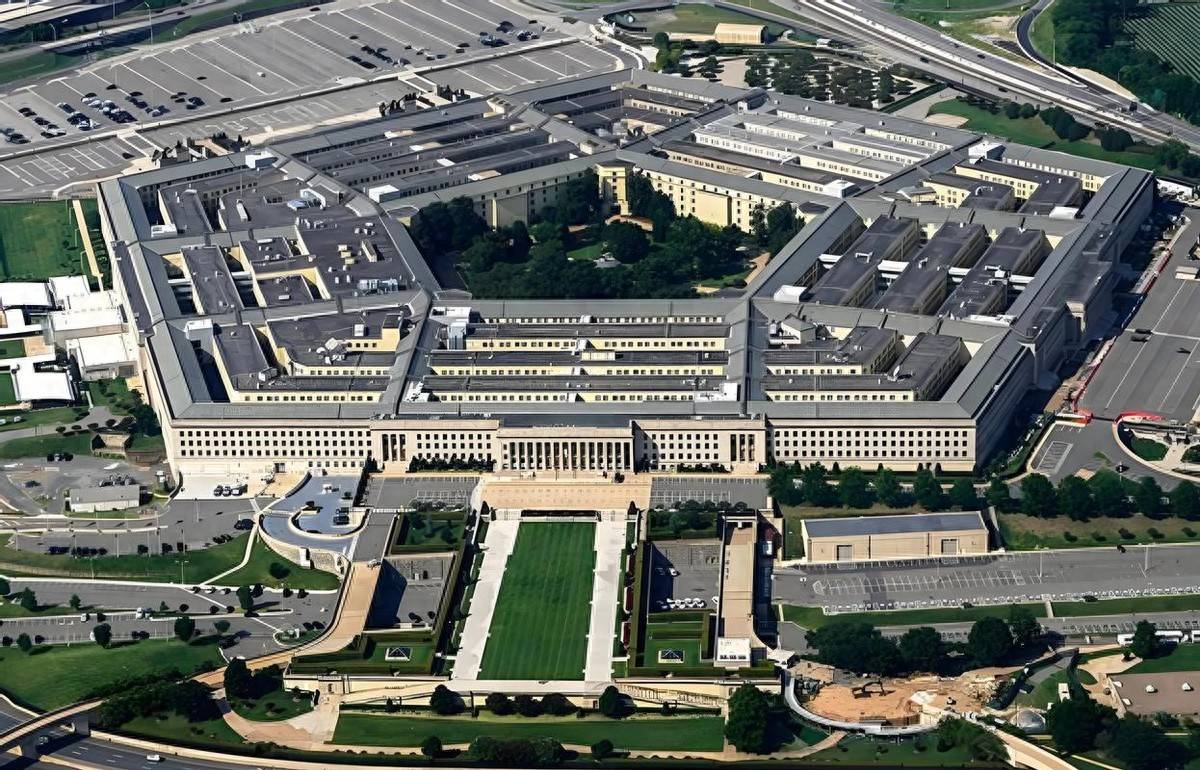
美国战略收缩

Search documents
北约3.0不是伙伴关系,是美国的“甩锅计划”?
Feng Huang Wang Cai Jing· 2026-02-13 14:43
Core Viewpoint - The absence of U.S. Defense Secretary Lloyd Austin at the NATO defense ministers' meeting signals a significant shift in U.S.-European relations, indicating a potential move towards "de-Americanization" of NATO and raising questions about the future of transatlantic defense cooperation [1][2]. Group 1: U.S.-European Relations - The absence of high-level U.S. officials at consecutive NATO meetings reflects a declining emphasis on transatlantic defense by the U.S., leading to a perception of U.S. dissatisfaction and disregard for European allies [2][3]. - The U.S. aims to transition NATO to a "NATO 3.0" model, emphasizing partnerships over dependency, which suggests a shift in defense responsibilities towards Europe [3]. Group 2: Defense Spending Discrepancies - The NATO defense spending target of 5% of GDP remains a contentious issue, with European nations struggling to meet this goal, leading to accusations of double standards from the U.S. [4][5]. - The commitment to increase military spending to 5% by 2035 has been criticized as an unrealistic promise, with many European countries only able to aim for a 2% target in the short term [5]. Group 3: Military Aid to Ukraine - NATO plans to provide approximately $600 billion in military aid to Ukraine by 2026, a nearly 20% increase from the previous year's commitment of $500 billion, highlighting the ongoing support for Ukraine amidst the conflict [5][6]. - The distribution of financial responsibilities for aiding Ukraine reveals underlying tensions, as the U.S. seeks to shift more financial burdens onto European allies while maintaining strategic control [6]. Group 4: Strategic Shifts in NATO - The initiation of the "Arctic Sentinel" military operation by NATO aims to enhance defense capabilities in the Arctic, reflecting a strategic response to Russian activities and the evolving defense landscape [7]. - The U.S. is gradually reducing its military presence in Europe while attempting to maintain control over NATO's strategic direction, indicating a complex rebalancing of defense responsibilities [8]. Group 5: Global Defense Strategy - The simultaneous holding of defense minister meetings in the Americas and Europe illustrates the U.S.'s strategic framework of "dual-line linkage," emphasizing its dominant role in global defense while pushing European allies to assume greater responsibility [9]. - The evolving dynamics within NATO and the broader geopolitical landscape underscore the need for a balanced approach to address both U.S. and European security needs, which will significantly impact future transatlantic relations [9].


兴证王涵 | 日本大选结果对金融市场的潜在影响
王涵论宏观· 2026-02-09 05:10
Core Viewpoint - The article discusses the structural changes in Japan's asset market, particularly the yen and Japanese government bonds, in the context of the global shift from a unipolar to a multipolar order, which is reshaping the pricing logic of global assets [2][4][25]. Group 1: Japan's Geopolitical Role - Japan's geopolitical position has evolved through two main phases: during the Cold War, it served as a critical support for the U.S. in Asia, and in the post-Cold War unipolar order, its value shifted to the financial domain [12][21]. - In the Cold War, Japan acted as a supply base for U.S. military activities and showcased Western capitalist values, while in the unipolar era, it became a capital-rich nation that provided a stable low-interest environment for U.S. capital [12][14]. Group 2: Impact of Global Order Changes - The transition to a multipolar world has diminished the U.S.'s reliance on Japan as a financial lever, as the U.S. faces a decline in hard power and a slowdown in foreign asset expansion [21][24]. - Japan's role is being pushed to the forefront of geopolitical competition, increasing its associated risks and undermining its status as a safe asset [3][21]. Group 3: Market Reactions and Future Outlook - Despite short-term government interventions stabilizing market sentiment, the underlying fundamentals of the yen and Japanese bonds remain fragile due to geopolitical shifts [4][24]. - The ongoing dissolution of the unipolar order and the rise of multipolarity will continue to influence global financial markets, leading to a trend of "de-securitization" of Japanese assets [25][26].

投资要点:美联储新机制构建,美国战略收缩
Huafu Securities· 2026-02-02 11:55
Group 1: Federal Reserve's New Vision - The Federal Reserve's new vision indicates a shift away from its role as a global central bank, focusing more on supporting U.S. government industrial policies rather than total monetary control[2] - The Fed's de-emphasis on total monetary control may provide a solution to the U.S. dollar debt issue, but adjustments to U.S. debt policy could impact core interests of U.S. financial assets, particularly U.S. stocks[2] Group 2: Economic and Geopolitical Implications - Constraints on U.S. government debt could significantly weaken the U.S.-led global order, potentially reducing the dollar's status and decreasing the U.S. GDP share globally, which may lower overall U.S. productivity[3] - The expansion of RMB credit may lead to a rapid increase in China's GDP share globally, with external risks for China expected to decline significantly[3] Group 3: Impact of AI and Inflation - The new monetary mechanism suggests that the Fed may no longer act as a buyer of fiscal deficits, transitioning to a role as a partner in fiscal discipline, creating a new monetary framework[11] - AI is viewed as a structural deflationary force that can lower economic costs and drive productivity growth, suggesting that inflation control should not target AI companies[13] Group 4: Market Reassessment and Risks - The market may reassess companies based on their transparency and efficiency, with potential short-term relief on dollar depreciation but long-term risks to the dollar's position[14] - Risks include the possibility that the Fed's policy implementation may not meet expectations, uncertainties in U.S. economic policy, and the potential underperformance of AI development[15]
投资要点::美联储新机制构建,美国战略收缩
Huafu Securities· 2026-02-02 06:46
Core Insights - The new vision of the Federal Reserve indicates a shift away from its role as a global central bank, focusing more on supporting U.S. government industrial policies rather than total monetary control [2][11] - The adjustment in U.S. debt policy may impact the core interests of U.S. financial assets, particularly those represented by U.S. stocks, necessitating careful observation of its feasibility [2][11] Group 1 - The appointment of Kevin Warsh as the Federal Reserve Chairman signifies a fundamental "regime change," aiming to reshape U.S. fiscal and monetary policy through AI, impacting the global AI competition landscape [7] - Warsh's perspective on inflation challenges the current Federal Reserve model, attributing inflation to excessive government printing and spending rather than economic overheating [10] - The new monetary mechanism suggests that the Federal Reserve will transition from being a "buyer of fiscal deficits" to a "partner in fiscal discipline," creating a new monetary framework [11][13] Group 2 - The potential for a new phase in U.S.-China relations is anticipated, with the rapid expansion of RMB credit likely leading to a significant increase in China's GDP share globally [3][14] - The focus on internal productivity transformation by the Federal Reserve may lead to an expansion of household and corporate debt, which could drive up commodity prices and negatively impact U.S. tech stock prices [3][14] - The market may reassess two types of companies: those profiting from opaque government spending and those enhancing transparency and efficiency [14]
周观点:美国的战略收缩形态可能已经逐步形成-20260201
Huafu Securities· 2026-02-01 13:31
Group 1 - The new Federal Reserve Chairman's nomination may indicate that the U.S. is undergoing a strategic contraction and attempting internal reforms [2][3] - The U.S. may be transitioning from being the manager of the world order to a participant in a new order [2][3] - The Federal Reserve is trying to salvage the dollar's credibility while cooperating with the U.S. government to rebuild productivity, but the biggest resistance to change may still come from financial capital represented by U.S. stocks [2][3] Group 2 - The trend of U.S. dollar depreciation may lead to a nonlinear acceleration of RMB credit globally, with the pace dependent on the development of U.S. productivity [3] - China's economic development model and the global debt cycle downturn may jointly guide the long-term price increase of Chinese manufacturing, while global technology may experience long-term deflation [3] - It is expected that the asset valuation levels corresponding to Chinese productivity will trend upward and exceed historical averages [3] Group 3 - The report is optimistic about investment opportunities related to the recovery of China's PPI, particularly in cyclical industries such as coal, steel, chemicals, construction materials, and agriculture, favoring leading heavy asset companies in China [3] - Long-term prospects are positive for insurance, central state-owned enterprises, anti-involution, and Chinese concept internet companies [3] Group 4 - In January 2026, the Hong Kong stock market saw gains, with the Hang Seng Index rising by 6.85%, the Hang Seng China Enterprises Index by 4.53%, and the Hang Seng Technology Index by 3.67% [14] - The broad market indices showed significant increases, with the STAR 50 leading with a rise of 12.29% [22][24] Group 5 - The cyclical and technology sectors led the market rally, while financial and real estate sectors experienced declines [32][34] - From a relative perspective, precious metals, advertising marketing, and oil service engineering sectors outperformed, while shareholding banks and passenger vehicles lagged [34]
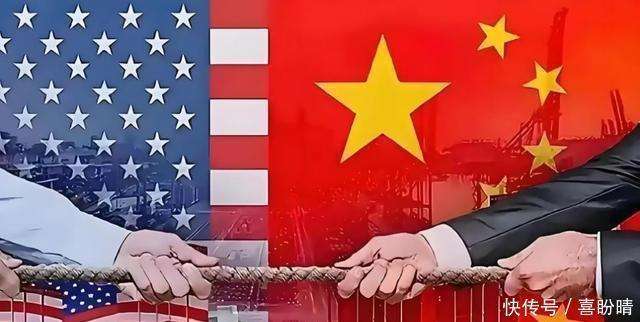
中美博弈新变局!美国收缩不是让步,而是换了种更狠的玩法
Sou Hu Cai Jing· 2026-01-02 05:32
Core Insights - The article discusses the strategic adjustments made by the U.S. in response to the ongoing U.S.-China rivalry, highlighting that the new national security strategy reflects an upgrade in U.S. strategy towards China rather than a reduction in tensions [1][3] Group 1: U.S. Strategic Adjustments - The U.S. is shifting from overt confrontation to a more covert and sustained competitive approach against China, indicating a strategic upgrade rather than a retreat [3] - The U.S. is focusing on consolidating its resources and reducing its global military footprint while urging allies to take on more defense responsibilities [3][5] - Internal challenges such as rising national debt, a shrinking middle class, and manufacturing hollowing out are driving the U.S. to concentrate its strategic efforts on China [5] Group 2: Ineffectiveness of Previous Strategies - The strategy of using military conflict to maintain dominance has failed, as China's comprehensive war readiness has deterred U.S. military action [7] - The U.S. alliance system is showing cracks, with European and Asian allies heavily reliant on China, undermining U.S. attempts to isolate China [9] - Attempts to provoke China through geopolitical tensions, particularly regarding Taiwan, have not yielded the desired results, as China maintains strategic composure [11] Group 3: Focus Areas of Competition - In trade, the U.S. is pressuring allies to impose trade restrictions on China while attempting to limit China's trade influence through protective measures [12] - In technology, the U.S. is implementing chip export restrictions to constrain China's technological advancements, reminiscent of Cold War tactics [12] - Geopolitically, the U.S. is increasingly emphasizing Taiwan and encouraging regional tensions, while also fostering alliances to counter China's influence [14] Group 4: Long-term Implications - The competition between the U.S. and China is fundamentally about the control of global order and pricing power, with China's rise challenging the established U.S.-centric order [14] - China's strategy focuses on enhancing its industrial resilience, achieving breakthroughs in key technologies, and maintaining strategic stability without being provoked into military escalation [14] - The future of U.S.-China relations is likely to be characterized by a "cold peace" with ongoing friction and competition, emphasizing technological advancement and internal governance resilience [14]
雁默:2025年的台海局势,是“退潮浪更高”的起点
Xin Lang Cai Jing· 2025-12-31 00:19
Core Viewpoint - The article discusses the geopolitical shifts following Trump's return to power, emphasizing the strategic retreat of the U.S. and its implications for Taiwan and its relations with China and other countries. It highlights the increasing isolation of Taiwan and the need for it to adapt to a changing global landscape, where traditional alliances are being tested and redefined [1][5][24]. Group 1: U.S.-Taiwan Relations - Trump's administration is characterized by a strategic retreat, focusing on regional interests and distancing from traditional allies, which includes a potential abandonment of Taiwan [5][24]. - The U.S. has not yet defined tariff rates for Taiwan, indicating a complex relationship where Taiwan is seen as a bargaining chip rather than a partner [5][6]. - The U.S. is likely to maintain its support for Taiwan until it has fully extracted value from the relationship, suggesting a transactional approach to Taiwan's security [5][6][24]. Group 2: Taiwan's Domestic Politics - Taiwan's internal political landscape is marked by a failed recall election, reflecting a shift in public sentiment against the ruling party's approach to China [19][20]. - The rise of "Chinese identity" among certain voter segments indicates a potential shift in Taiwan's political dynamics, although it remains limited to specific groups [19][20]. - The current administration's focus on "value diplomacy" has not yielded significant results, leading to increased diplomatic efforts to maintain international support [8][19]. Group 3: Regional Dynamics - The article notes an increase in diplomatic activities by Taiwan's "Ministry of Foreign Affairs," indicating a proactive approach to securing international alliances despite U.S. strategic shifts [8][11]. - Countries in the region, including Vietnam and Japan, are increasingly engaging with Taiwan, reflecting a collective concern over stability in the Taiwan Strait [13][25]. - The article suggests that as the U.S. retreats, smaller nations are likely to band together, which could complicate Taiwan's position and its quest for international recognition [25][26]. Group 4: Military and Strategic Considerations - The article highlights the increasing military presence and activities in the Taiwan Strait, with multiple countries conducting naval operations, which may signal a shift in regional security dynamics [14][15]. - The notion of "peaceful passage" through the Taiwan Strait is discussed, emphasizing the legal and political implications of military movements in the area [14][15]. - The potential for increased military cooperation among regional players is noted, as countries seek to bolster their defenses in light of perceived threats from both China and the U.S. [18][25]. Group 5: Future Outlook - The year 2025 is identified as a pivotal moment for Taiwan, with expectations of significant geopolitical changes that could impact its status and relations with both the U.S. and China [26][24]. - The article posits that the current trajectory suggests a move away from maintaining the status quo, with increasing pressures for Taiwan to adapt to a new reality [26][24]. - The potential for a more aggressive stance from China is anticipated, as regional dynamics evolve and the U.S. reassesses its commitments [26][24].
24小时内,特朗普收到3个坏消息,美国战略部署有变?
Sou Hu Cai Jing· 2025-12-20 04:12
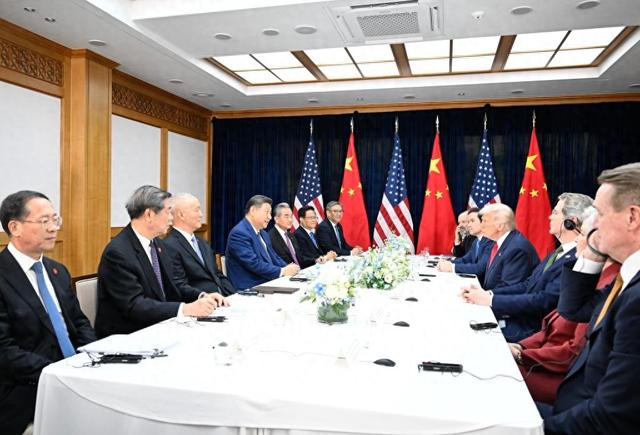
Group 1 - The core message of the news highlights three significant challenges faced by the Trump administration, indicating a potential shift in U.S. global strategy and its implications for international relations [1][3][6] - The new U.S. National Security Strategy Report suggests a strategic retrenchment, with a focus on strengthening control over the Western Hemisphere while adjusting military and economic strategies in Asia and Europe [1][3] - The report reflects a change in the U.S. stance towards China, emphasizing a balanced economic relationship rather than viewing China solely as a challenge, which may impact U.S.-China relations moving forward [3] Group 2 - The recent shooting incident at Brown University, resulting in casualties, has sparked public outrage and may lead to renewed protests against the Trump administration, potentially affecting his support ahead of the midterm elections [6] - An attack on U.S. soldiers in Syria, attributed to ISIS, raises concerns about U.S. military presence and strategy in the region, with implications for U.S. foreign policy and military responses [8] - Ongoing tensions between Thailand and Cambodia, exacerbated by Trump's previous claims of mediation success, highlight the challenges faced by the U.S. in maintaining influence in Southeast Asia amidst rising regional conflicts [8]

美国国家安全报告和近期中欧互动
2025-12-11 02:16
Summary of Key Points from Conference Call Industry or Company Involved - The discussion primarily revolves around the geopolitical landscape involving the United States, Europe, and China, with a focus on the implications of U.S. foreign policy and its impact on international relations and economic dynamics. Core Points and Arguments - **U.S. Strategic Shift**: The new National Security Strategy indicates a strategic contraction, focusing on domestic, Western Hemisphere, and Indo-Pacific interests, while expecting allies in Europe and the Middle East to take on more defense responsibilities, reflecting increasing domestic tensions and changes in the international power balance [1][4] - **Tightening Sino-European Relations**: The reduction of U.S. aid to Ukraine has prompted Europe to seek new partnerships, leading to strengthened cooperation between China and Europe, which could become a significant factor in future international relations [1][5] - **Ukraine Aid Shortfall**: The Trump administration's significant cuts to military and financial support for Ukraine have resulted in a severe funding shortfall for the ongoing conflict, potentially affecting the war's trajectory [1][8] - **EU's Response Strategy**: The EU is exploring the use of frozen Russian assets as collateral for loans to fill the funding gap for Ukraine, facing challenges related to legal compliance and opposition from member states [1][9] - **Risks of Utilizing Russian Assets**: The potential use of frozen Russian assets could undermine the credibility of Western monetary systems and provoke retaliatory measures from Russia, necessitating careful consideration [1][10] - **European Aid Measures**: European assistance to Ukraine has been categorized into military and financial support, with NATO's "Urgent Weapons Reserve Plan" allowing member states to procure weapons from U.S. stockpiles, although military aid has seen a 43% decline recently [1][7] - **Challenges in EU Funding for Ukraine**: The EU faces internal challenges in agreeing on budget allocations for Ukraine, with high debt levels complicating the ability to raise funds through traditional means [1][11][12] - **Trump Administration's Pressure on Europe**: The Trump administration has pressured Europe to contribute more to Ukraine's reconstruction, leading to a reevaluation of diplomatic relations with both the U.S. and China [1][13] - **Recent Diplomatic Movements in Europe**: Key European leaders are engaging in diplomatic visits to China, indicating a shift towards maintaining balanced relations between the U.S. and China amid changing geopolitical dynamics [1][14] - **Future Trends in Sino-U.S. and Sino-European Relations**: The economic relationship between China and the U.S. is expected to remain stable, while enhanced cooperation between China and Europe could provide opportunities for economic growth and influence domestic policy [1][15] - **China's Economic Strategy**: China is advised to balance domestic economic work with international trade dynamics, focusing on structural adjustments and high-quality development in response to easing international tensions [1][16] Other Important but Possibly Overlooked Content - The discussions highlight the interconnectedness of geopolitical strategies and economic policies, emphasizing the need for countries to adapt to shifting alliances and funding mechanisms in response to U.S. policy changes [1][5][15]
美国新战略文件出炉,特朗普严辞点名高市,统一指日可待
Sou Hu Cai Jing· 2025-12-08 06:07
Group 1 - The new U.S. strategy marks a significant shift from its post-World War II foreign policy, focusing on strengthening dominance in Latin America and addressing immigration issues [3][11] - The financial pressures on the U.S. have led to a strategic contraction, which was anticipated by some scholars even before 2022 [3][10] - Trump's administration has previously attempted to reduce U.S. involvement in international affairs, exemplified by the withdrawal from the Trans-Pacific Partnership (TPP) [5][10] Group 2 - The announcement of the new strategy has shocked U.S. allies, particularly Japan, which heavily relies on U.S. support for defense [14] - European countries are gradually enhancing their strategic independence but will struggle to adapt to the changes in U.S. policy in the short term [14] - South Korea also faces challenges as it continues to depend on the U.S. for defense, despite having opportunities for cooperation with China [14]