进口多元化

Search documents
布伦特原油站上69美元/桶日内涨2.16% WTI原油涨2% 印度采购200万桶委内瑞拉原油 委国原油产量回升至近100万桶/日
Jin Rong Jie· 2026-02-10 00:18
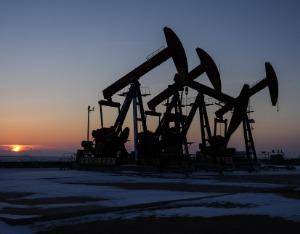
Group 1 - Brent crude oil has reached $69 per barrel, with a daily increase of 2.16%, while WTI crude oil has expanded its daily gain to 2.00%, currently priced at $64.81 per barrel [1] - Indian state-owned refiners Indian Oil Corporation and Hindustan Petroleum Corporation have jointly procured 2 million barrels of Venezuelan Merey crude oil, expected to be delivered in the second half of Q2 2026, as part of India's efforts to diversify its oil imports [1] - Venezuela's oil production has recently increased, with output from the Orinoco Belt rising by over 100,000 barrels per day to approximately 500,000 barrels per day, nearing pre-production cut levels of 1 million barrels per day [1] Group 2 - The pricing of the Merey crude oil purchased by India is based on the Dubai index, with discount levels similar to those previously negotiated by Reliance Industries with Vitol [1]
报道称200万桶委内瑞拉原油将抵印,替代俄油或成趋势
Sou Hu Cai Jing· 2026-02-09 14:02
Core Insights - Indian Oil Corporation (IOC) and Hindustan Petroleum Corporation (HPCL) have jointly procured 2 million barrels of Venezuelan Merey crude oil from Trafigura, with deliveries expected in the latter half of Q2 2024 [2] - This marks HPCL's first purchase of Venezuelan crude, while IOC has previously engaged in similar transactions [2] - The procurement reflects Indian refiners' strategy to diversify imports, partially replacing Russian oil, and aligns with India's trade agreement efforts with the U.S. [2] Company Actions - IOC is set to acquire approximately 1.5 million barrels, while HPCL will procure 0.5 million barrels, all to be transported by a single large tanker [2] - HPCL plans to utilize Venezuelan heavy oil at its Visakhapatnam refinery in Andhra Pradesh, which has a capacity of 300,000 barrels per day and has completed heavy oil upgrades [2] - IOC has previously processed Merey crude at its Paradip refinery in Odisha [2] Pricing and Market Context - The pricing of the Venezuelan crude is indexed to Dubai prices, similar to the discount Reliance Industries received when purchasing from Vitol, which was approximately $6.50 to $7 below ICE Brent [2] - The U.S. has lifted a 25% tariff on Indian goods in exchange for India's commitment to halt direct or indirect imports of Russian oil, although India has not officially announced a cessation of Russian oil purchases [2][3]

全球大豆贸易格局生变 中国握紧定价权
Jin Tou Wang· 2025-10-28 10:50
Group 1 - The trade issues between the US and China have led to a significant reduction in US soybean exports to China, with Brazil filling the gap by increasing its soybean exports to China [1] - In the first eight months of this year, Brazil exported 77 million tons of soybeans to China, which accounted for a large portion of Brazil's first-season soybean production, while US exports to China were only 17 million tons [1] - The Brazilian government anticipates a 3.6% increase in soybean production for the next season, reaching nearly 178 million tons, as demand from China remains strong [1] Group 2 - Chinese buyers are currently delaying the confirmation of soybean purchases from Brazil due to high prices, with many companies suspending orders for December and January, affecting 8 million tons of soybean orders [2] - The high export prices and logistical challenges are prompting Chinese buyers to adopt a more flexible procurement strategy, indicating their strong bargaining power in the soybean market [2] - The situation reflects a shift in market dynamics, where Brazil's suppliers are reassessing their pricing strategies in response to China's purchasing behavior [2]
特朗普完全低估了中国不买美国大豆的影响!这下事情难办了
Sou Hu Cai Jing· 2025-10-07 14:45
Core Viewpoint - The recent comments by U.S. Treasury Secretary Yellen regarding China's suspension of soybean purchases are indicative of strategic anxiety, labeling it as "hostage-taking" [1] Group 1: Trade Relations - The trade conflict between the U.S. and China has evolved from a trade war to high-tech restrictions, with China actively responding rather than being passive [1] - China's strategy includes "import diversification, domestic substitution, and technological breakthroughs," which has led to a reversal in trade dynamics [1] Group 2: Economic Implications - The complete halt of soybean trade is a direct outcome of China's strategic adjustments, posing significant risks to the U.S. economy [1] - This situation may also have political repercussions for former President Trump, potentially acting as a time bomb for his political career [1]

美国农民还没有意识到:中国一粒大豆都不买了,是个历史的转折点
Sou Hu Cai Jing· 2025-10-04 09:48
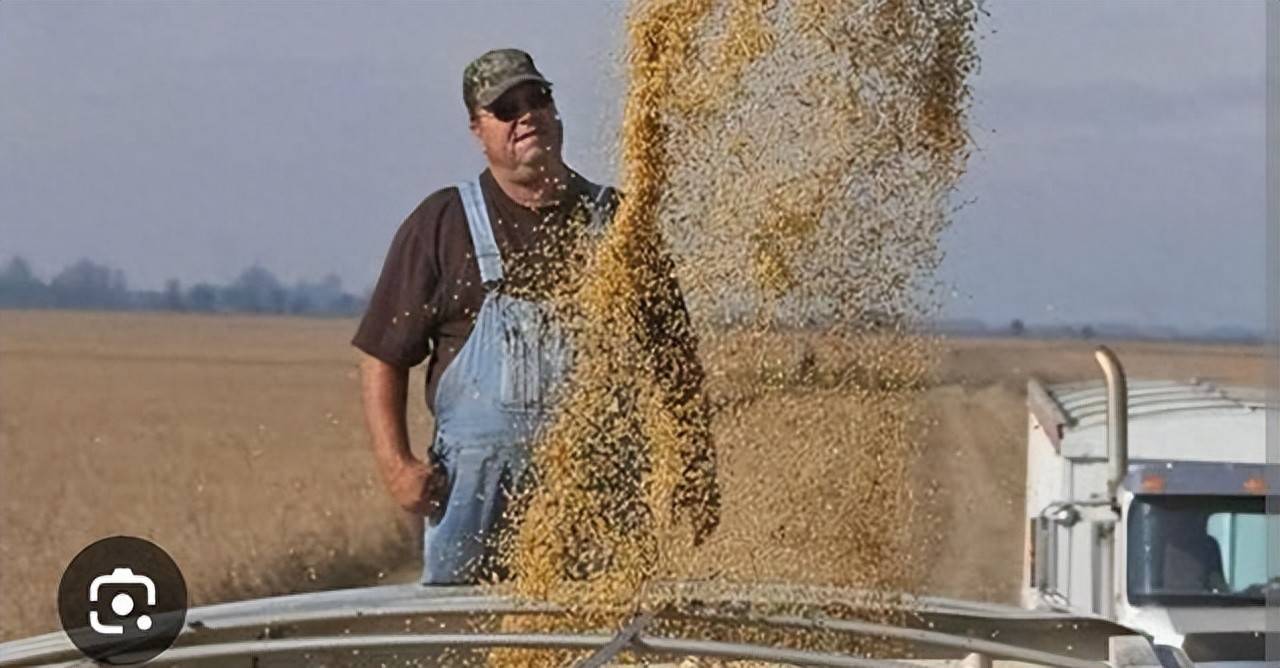
Core Insights - The U.S. soybean exports have heavily relied on China, with exports to China reaching 22.14 million tons in 2024, representing a significant portion of total exports [2] - Following the imposition of tariffs by the Trump administration, Chinese buyers ceased orders for U.S. soybeans starting May 2025, leading to a complete halt in sales to China during the new harvest season [2][4] - The U.S. soybean farmers are facing severe challenges, with prices dropping from over $10 per bushel to around $8, and overall exports expected to decline significantly in 2025 [2][4][8] Group 1: Impact of Tariffs - The trade war initiated in 2018 resulted in a loss of $26 billion for U.S. agriculture, with soybeans being the most affected [4] - Current tariffs have increased to 34%, making U.S. soybeans $20 more expensive per ton compared to South American alternatives, leading to a drastic reduction in orders from China [4][12] - U.S. soybean farmers are now exploring alternative crops like corn or wheat, but immediate solutions for the current harvest are limited [6] Group 2: Market Dynamics - The U.S. has historically been the largest soybean producer, with an annual output of around 120 million tons, but the market is shifting as China diversifies its imports [6][10] - In the first half of 2025, China imported 49.37 million tons of soybeans, with Brazil accounting for 71% and Argentina 15%, while U.S. exports to China were nearly zero [10][12] - The competitive landscape is changing, with South American countries like Brazil and Argentina increasing their market share due to favorable pricing and logistics [12][14] Group 3: Structural Issues in U.S. Agriculture - The over-reliance on a single buyer (China) has exposed structural vulnerabilities in U.S. agriculture, as the share of U.S. soybeans imported by China has dropped from 41% to 21% over the past two decades [8][14] - The U.S. agricultural sector is facing a wake-up call as the market dynamics shift, with farmers needing to adapt to the new reality of reduced Chinese demand [16][22] - The long-term implications of the tariff strategy are detrimental to U.S. farmers, who are now realizing the need for diversification in their export markets [22][24] Group 4: China's Strategic Adjustments - China has successfully diversified its soybean import sources, with imports from Brazil and Argentina significantly increasing, while also incorporating soybeans from Russia and Ukraine [14][20] - The Chinese government has implemented measures to stabilize domestic production, achieving a record soybean yield in 2023 and increasing the planting area [18][20] - The shift in China's import strategy has led to a more resilient supply chain, reducing dependency on U.S. soybeans and ensuring food security [20][24]
美国跌倒,南美“吃饱”!美财长手机短信曝光,两国疯抢中国市场
Sou Hu Cai Jing· 2025-09-30 14:16
Core Viewpoint - The article discusses the negative impact of U.S. tariffs on agricultural exports to China, leading to significant losses for American farmers while benefiting countries like Australia and Argentina, which are seizing the opportunity to fill the market gap left by the U.S. [2][28] Group 1: U.S. Tariff Impact - Following the announcement of a 10% tariff on Chinese imports in March 2025, U.S. beef exports to China plummeted by 96%, resulting in monthly losses of hundreds of millions of dollars over the past five months [3][5] - The imposition of tariffs led to a backlog of U.S. soybeans, with inventories reaching 43.8 million tons, the highest level since 1988, as China halted purchases of U.S. soybeans for 14 consecutive weeks [7][12] Group 2: Market Dynamics - Australia capitalized on the U.S. market exit, with beef exports to China increasing by 40% year-on-year in February and March 2025, selling 21,000 tons in just two months [5][17] - Argentina's sudden cancellation of soybean export taxes allowed Chinese buyers to purchase 1.3 million tons of Argentine soybeans at prices $30-$50 per ton lower than U.S. soybeans, disrupting U.S. farmers' harvest season [10][13] Group 3: South American Gains - By 2024, Brazil's soybean exports to China accounted for 71%, while U.S. exports dropped to 21%, with projections indicating U.S. soybean exports to China could reach zero by September 2025 [19][22] - Brazil's beef exports to China increased by 25% year-on-year from January to August 2025, as it targeted the lower-end market previously served by the U.S. [17][19] Group 4: Structural Changes - South American countries are enhancing their agricultural infrastructure, with Australia expanding beef processing facilities, Brazil constructing dedicated soybean ports, and Argentina optimizing logistics networks, creating a "de-Americanized" supply chain [26][28] - China's strategy of diversifying imports and enhancing domestic production has led to a significant reduction in reliance on U.S. agricultural products, with over 90% of soybeans imported from Brazil and Argentina by 2024 [22][24]
收获季来了,美国农民绝望哭诉:中国不买了,我只能全部销毁!“中国仍未下一单”,美大豆协会急了,催特朗普达成协议
Mei Ri Jing Ji Xin Wen· 2025-09-13 13:35
Group 1 - The core issue is that U.S. soybean farmers are facing a severe crisis as China, their largest buyer, has not placed any orders during the harvest season, potentially leading to a loss of 14 to 16 million tons of soybean orders [1][2] - The American Soybean Association has warned that the financial pressure on farmers is immense, with falling soybean prices and rising production costs exacerbating the situation [1][2] - The trade war initiated by Trump has resulted in significant losses for U.S. agricultural exports, with soybeans accounting for approximately 71% of the total losses, which amounts to over $27 billion [2] Group 2 - China has significantly reduced its imports of U.S. soybeans, opting instead to source from Brazil, which has become a major supplier [3][4] - In 2024, China's soybean consumption is projected to be around 117 million tons, with over 85% of this demand met through imports, highlighting the ongoing dependency on foreign sources [4] - The market share of U.S. soybeans in China's imports has declined from 34% in 2017 to 22% in 2024, while Brazil's share has increased to 69.16% [4][5]

美国国内一片哀嚎!特朗普现在后悔晚了,40艘货轮驶向中国,800万吨粮没有一粒来自美国
Sou Hu Cai Jing· 2025-08-24 04:46
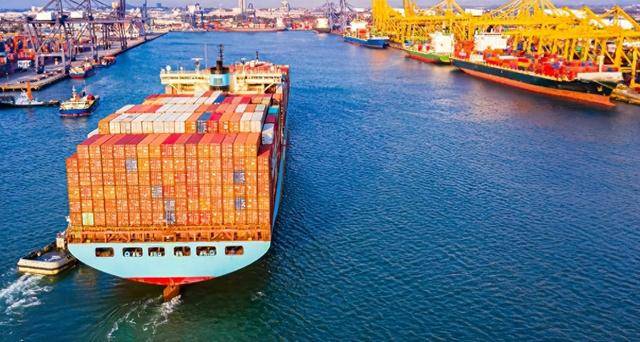
Core Insights - The recent shift in global grain supply chains is highlighted by a significant shipment of 8 million tons of grain to China, none of which comes from the United States, indicating a decline in U.S. dominance in the grain market [1][4]. Group 1: Transportation Challenges - Transportation issues have become a major barrier for U.S. grain exports, particularly due to hurricanes affecting key ports along the Gulf Coast, which account for 60% of U.S. grain exports [3]. - The international shipping costs have increased by 40% since the beginning of the year, complicating the ability of U.S. grain exporters to fulfill orders [3]. Group 2: Domestic Policy Instability - U.S. domestic policies, including tariffs on agricultural products, have made U.S. soybeans 45% more expensive for Chinese importers compared to Brazilian soybeans, leading to a significant drop in U.S. soybean exports to China [3]. - The U.S. soybean export volume to China has reached a 20-year low, while Brazilian exports have surged to over 50 million tons [3]. Group 3: China's Import Diversification - China is accelerating its "import diversification" strategy, signing a long-term agreement with Brazil for 12 million tons of grain, effectively bypassing U.S. supply chains [4]. - Brazil has become the primary source of grain imports for China, with improvements in logistics and infrastructure reducing the time for Brazilian soybeans to reach Chinese ports to 45 hours [4]. Group 4: Domestic Production Efforts in China - China is enhancing its self-sufficiency in grain production, with significant increases in soybean yields due to advanced agricultural technologies, leading to a projected domestic soybean production of 23 million tons [5]. - The demand for domestic soybeans has increased by 30%, and innovations in feed technology are reducing reliance on imported soybean meal [5]. Group 5: U.S. Agricultural Crisis - The U.S. agricultural sector is facing severe challenges, with soybean futures prices dropping below $10 per bushel and a significant increase in soybean inventory levels [7]. - Many farmers are experiencing substantial losses, with some facing bankruptcy due to high operational costs and loan defaults reaching a 15% rate, the highest since the 2008 financial crisis [7]. Group 6: Political Implications - Political pressures are mounting in U.S. agricultural states, with a notable decline in support for the Republican Party among farmers, indicating potential electoral repercussions [9]. - The U.S. is losing its influence in the global grain market, as efforts to penetrate Southeast Asian and Middle Eastern markets are hindered by high transportation costs and differing dietary preferences [9].
美国国内一片哀嚎!特朗普彻底慌了,40艘货轮驶向中国,800万吨粮没有一粒来自美国
Sou Hu Cai Jing· 2025-08-24 04:46
Core Viewpoint - A series of erroneous policies by the United States has significantly contributed to its loss of market share in China's grain market, particularly in soybeans, due to increased costs and competitive disadvantages [1] Group 1: Impact of U.S. Policies - The U.S. has used food as a political bargaining chip, imposing unilateral tariffs on China, which led to retaliatory measures from China and increased shipping costs for U.S. soybeans by 45% per ton compared to Brazilian soybeans [1] - The export contract volume for U.S. soybeans to China has drastically declined, reaching a low of 3 million tons, the lowest in nearly 20 years [1] Group 2: China's Strategic Response - China has accelerated its "import diversification" strategy, signing a long-term soybean supply agreement with Brazil for 12 million tons, thereby reducing its dependency on U.S. grain [1] - The import landscape for Chinese grain has undergone significant changes, with Brazil emerging as the primary supplier due to its competitive advantages [1] Group 3: Infrastructure and Trade Enhancements - China has invested $12 billion to assist Brazil in upgrading its port and railway infrastructure, which has greatly improved the efficiency of soybean transportation, reducing the time to port to 45 hours [1] - The two countries are actively engaging in renminbi settlement for trade, minimizing exchange rate fluctuation risks and facilitating bilateral trade [1]
1200万吨大豆订单被抢!美国农民财路被断,特朗普却只发推装样子
Sou Hu Cai Jing· 2025-08-19 16:06
Group 1 - The core issue is the significant loss of U.S. soybean market share to Brazil and Argentina, with 12 million tons of orders directed to South America, representing half of China's soybean demand for the next two months, leaving U.S. farmers frustrated and with unsold stock [1] - The U.S.-China trade tensions have led to retaliatory tariffs, severely impacting U.S. farmers who rely on the Chinese market for exports of soybeans, corn, and pork, resulting in a drastic reduction in U.S. soybean export contracts [3] - As of the end of July, U.S. soybean export contracts for the new season were only 3 million tons, the lowest in nearly two decades, contrasting sharply with previous years when orders from China were filled well into the year [5] Group 2 - The U.S. agricultural sector is facing challenges not only from China but also from Canada and Mexico, as trade agreements like USMCA may lead to disputes over agricultural subsidies and market access, further complicating the situation for U.S. farmers [7] - The strategy of diversifying supply chains away from the U.S. has been effective for China, which has reduced its dependency on U.S. agricultural products, causing significant economic repercussions for American farmers [7] - The silence of U.S. political leadership, particularly from former President Trump, is viewed as a betrayal of the farmers who supported him, as their interests are being overlooked in favor of political posturing [7]