
全球去美元化

Search documents
瑞郎区间震荡 央行政策分化成焦点
Jin Tou Wang· 2025-12-08 02:42
美联储降息动向及人事调整主导美元走势,进而影响美瑞汇率。市场高度关注其12月9-10日议息会议, 当前定价本次降息25个基点概率近85%,美元指数承压令美瑞汇率存下行压力。此外,特朗普拟明年初 公布美联储主席人选,热门候选人哈塞特被预期倾向更大幅度降息,进一步压制美元。短期需警惕美国 核心通胀走强或美联储鹰派言论引发的美元反弹风险。 多重外围因素加剧美瑞汇率波动。瑞士央行正将美元储备向欧元多元化配置,截至2025年6月,美元、 欧元占比分别为39%、37%,长期或削弱美元需求。全球去美元化趋势持续,新西兰超级年金基金等机 构转投欧洲股市,加剧美元弱势预期。此外,全球风险情绪、地缘冲突将影响美元避险吸引力,而瑞郎 作为避险货币,需求随风险偏好反向调整。 机构对美瑞汇率走势分歧显著,核心聚焦政策催化。技术面显示,汇价在0.8000-0.8050区间震荡,上方 0.8101、0.8123为阻力位,下方0.7872、0.7877为支撑位;MACD短期偏空但动能不足,RSI处于中性, 方向性突破待政策或数据催化。短期关注本周瑞央行及美联储议息会议,其政策指引将决定汇率下一阶 段走向。长期来看,美联储政策不确定性、瑞央行 ...
突发特讯!俄罗斯通告全球:若欧盟没收俄资产将会得到惊喜,措辞引爆国际舆论
Sou Hu Cai Jing· 2025-12-06 05:10
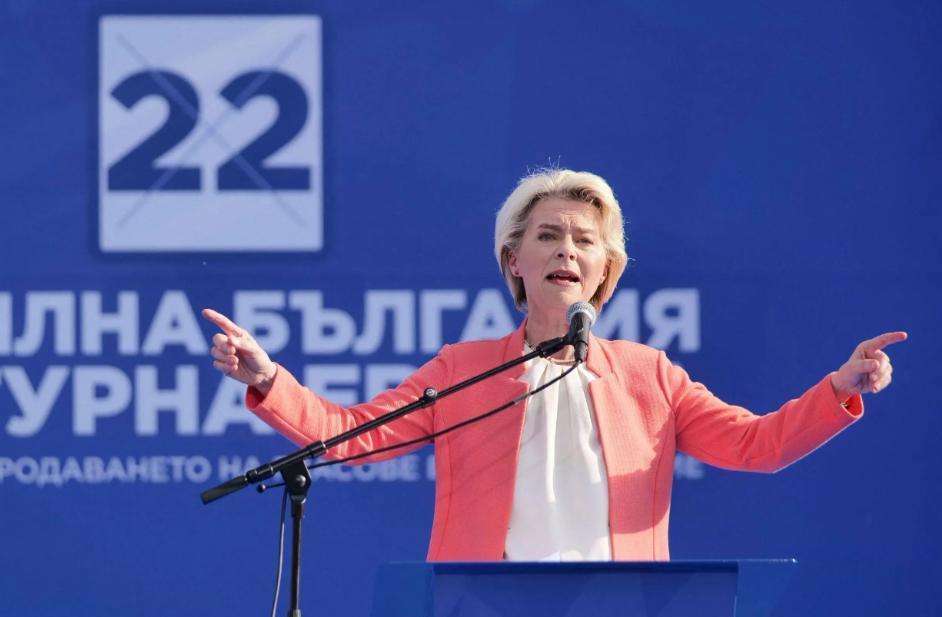
将会得到惊喜——这五个字从俄罗斯外交部发言人扎哈罗娃口中说出时,现场记者立刻捕捉到话语中潜藏的强烈暗示。4日在圣彼得 堡举行的记者会上,扎哈罗娃就欧盟可能没收俄罗斯被冻结资产的计划发出了这一看似含蓄、实则锋利的警告。她没有进一步展开细 节,也没有明确解释,但言外之意已经相当清楚:如果欧盟敢动俄罗斯的这笔资金,俄方的反击绝对不会仅仅停留在外交言辞的层 面。 一、欧盟的算盘与俄罗斯的底线 此次争议起因于欧盟委员会主席冯德莱恩在3日提出的新版援助乌克兰的方案。她计划将原本高 达1860亿美元的俄罗斯被冻结资产用于援助乌克兰的金额削减至约1050亿美元,以此来平衡部分欧盟成员国的反对声音。然而,这一 举动直接触及到了俄罗斯的底线。俄罗斯在欧洲清算银行(位于比利时布鲁塞尔)的巨额资产,已经成为了俄欧博弈中的核心筹码。 扎哈罗娃直言不讳地批评冯德莱恩的做法不当,她指出,这一举措不仅涉嫌违反国际财产保护的基本原则,还因为欧盟试图将俄罗斯 的资产合法化作为对乌克兰的援助,实际上是在将经济工具转化为武器。比利时之所以强烈反对这一方案,正是担心俄方可能采取的 反制措施会波及到欧洲经济的关键领域。 结语:赌注已下,等待第一张骨牌倒 ...

黄金基金ETF(518800)近20日净流入超23亿元,美联储12月降息预期大幅提升,资金抢筹布局投资实物黄金的黄金基金ETF
Sou Hu Cai Jing· 2025-12-02 02:17
中长期"美联储降息周期+海外不确定性加剧+全球去美元化趋势"对于金价依然构成一定支撑,投资者 可关注黄金基金ETF(518800)和黄金股票ETF(517400)。 相关机构表示,美联储12月降息预期大幅提升至超80%。旧金山联储Daly警告美国劳动力市场面临非线 性变化的风险,尽管经济已在"招聘少、裁员少"的平衡状态维持了一段时间,但这种平衡正变得愈发脆 弱。而通胀大幅反弹的风险较低,因为关税推动的成本上涨比预期更温和。这也呼应了纽约联储John Williams上周的表态。此外,美联储理事Christopher Waller周一也表态支持在12月降息,并从 2026 年开 始采取更加灵活的政策。尽管鸽派声音渐强,但美联储委员会内部的分歧依然显著。波士顿联储Susan Collins就表达了更为谨慎的看法。她认为,当前"温和或适度从紧"的政策立场仍然合适,因为有韧性的 需求可能继续对通胀构成上行压力。她表示,将在下次会议上保持谨慎。截至12月1日9点,Fed Watch 显示的最新12月降息概率超87%。 每日经济新闻 注:如提及个股仅供参考,不代表投资建议。指数/基金短期涨跌幅及历史表现仅供分析参考,不预 ...
黄金延续上涨趋势,关注黄金基金ETF(518800)、黄金股票ETF(517400)
Sou Hu Cai Jing· 2025-12-02 01:13
Core Viewpoint - The gold sector is experiencing significant activity, with COMEX gold prices surpassing 4270 and gold ETFs showing notable increases, driven by heightened expectations for a Federal Reserve rate cut in December and ongoing geopolitical tensions [1][2]. Federal Reserve Rate Cut Expectations - Expectations for a Federal Reserve rate cut in December have risen dramatically to over 80%, with support from several Fed officials, including Christopher Waller, who advocates for a more flexible policy starting in 2026 [1][2]. - The latest Fed Watch data indicates a probability of over 87% for a rate cut in December [1]. Geopolitical Tensions - The outlook for peace talks between Russia and Ukraine remains uncertain, with recent discussions in Geneva yielding a modified plan that has faced resistance from Russia [1][2]. - Tensions between China and Japan continue, with China urging Japan to take its demands seriously, while former President Trump has indicated potential actions against Venezuela, contributing to rising geopolitical risks that favor gold as a safe-haven asset [1][2]. Investment Opportunities - The combination of a potential Fed rate cut, increasing geopolitical uncertainties, and a global trend towards de-dollarization is expected to provide ongoing support for gold prices [2]. - Investors may consider gradually accumulating positions in gold ETFs (518800) and gold stock ETFs (517400) during market dips [2].
降息预期提升,金价震荡偏强
Mei Ri Jing Ji Xin Wen· 2025-12-01 09:42
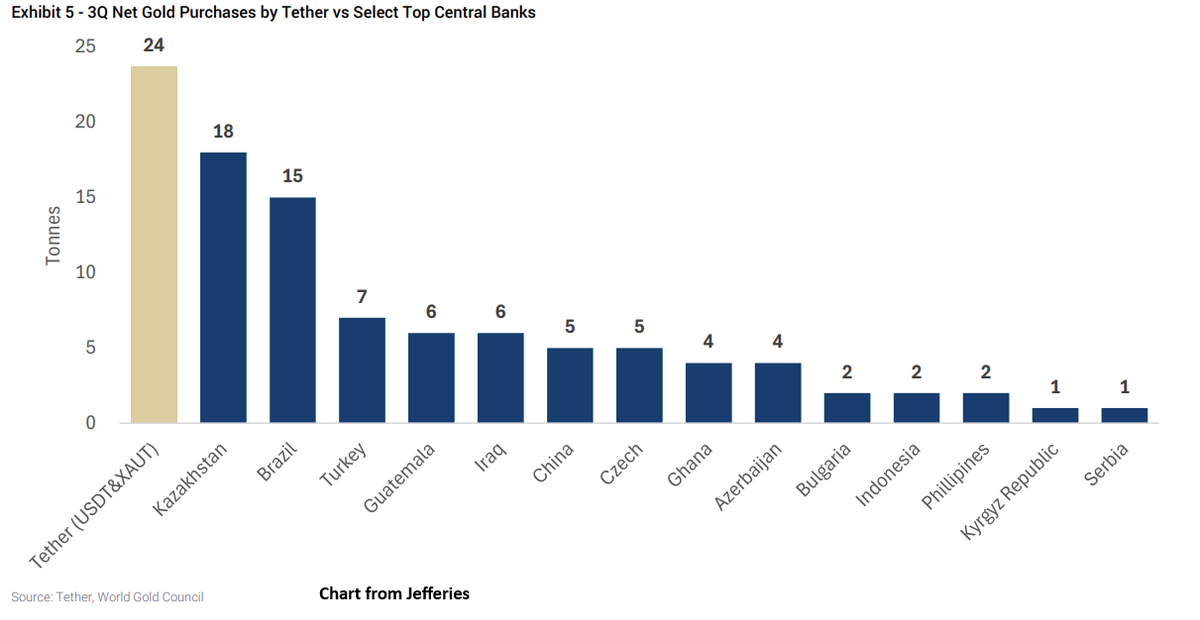
Group 1: Gold Market Dynamics - As of last Friday (November 28), London spot gold closed at $4,218.55 per ounce, with a cumulative increase of $154.27 per ounce since November 21, representing a rise of 3.80% [1] - The price of gold fluctuated last week, reaching a low of $4,039.89 per ounce on Monday and a high of $4,226.80 per ounce on Friday [1] - Geopolitical uncertainties, including the ongoing Russia-Ukraine negotiations and tensions between the U.S. and China, have bolstered gold's safe-haven appeal [1][10] - The current weak U.S. dollar index and low U.S. Treasury yields have limited the negative impact on gold prices [1][10] Group 2: Economic Indicators - The U.S. September PPI showed a mild rebound, with core PPI rising 0.1% month-on-month, below the expected 0.2%, and a year-on-year increase of 2.6%, also below the forecast of 2.7% [2] - Inflation expectations have decreased, with 2-year and 10-year TIPS inflation expectations falling by 17 basis points and 8 basis points to 2.43% and 2.24%, respectively [2] Group 3: Federal Reserve Outlook - The probability of a Federal Reserve rate cut in December has surged to over 80%, supported by comments from several Fed officials advocating for a rate cut [3][4] - The Fed has entered a quiet period ahead of the December meeting, with market focus shifting to the upcoming U.S. September PCE report, which is a key inflation indicator for the Fed [4] Group 4: Tether's Influence on Gold - Tether, a major player in the cryptocurrency market, has emerged as a significant buyer in the gold market, holding 116 tons of gold valued at approximately $14 billion, making it one of the largest non-central bank holders of gold [9] - Tether's purchases accounted for about 2% of global gold demand in the third quarter, indicating its substantial impact on market dynamics [9] Group 5: Long-term Gold Outlook - The long-term outlook for gold remains positive due to factors such as the Fed's potential rate cut cycle, increasing geopolitical uncertainties, and a global trend towards de-dollarization [10] - The demand for gold as a safe asset is expected to rise amid challenges to the U.S. dollar credit system and ongoing global geopolitical tensions [10]
人民币国际化的研究进展、战略机遇与政策思考
Sou Hu Cai Jing· 2025-11-28 03:15
Core Insights - The Chinese yuan has become a significant force in the reform of the international monetary system, ranking as the second-largest trade financing currency and the third-largest payment currency globally by 2024, while the decline of the US dollar's credit is leading to oligopolistic competition in currencies [1] - The internationalization of the yuan is entering a new strategic opportunity period, influenced by the "America First" policies of the Trump administration, which have disrupted the post-World War II international political and economic order [1][12] - The yuan's internationalization is not aimed at replacing the dollar but rather at promoting a more balanced global monetary and financial system [5] Group 1: Theoretical Foundations and Research Progress - Since the international financial crisis, research on the internationalization of the yuan has rapidly accumulated, forming a mature research framework [2] - The three basic functions of international currency—unit of account, medium of exchange, and store of value—are supported by national credit [3] - Four key factors influence the process of currency internationalization: large economic scale, deep financial markets, currency stability, and network externalities [4] Group 2: Progress and Benefits of Yuan Internationalization - The yuan has made significant progress since the initiation of cross-border trade settlement in 2009, becoming the fifth-largest currency in global foreign exchange trading by 2022 and the second-largest trade financing currency by 2024 [7] - The internationalization of the yuan has improved trade settlement efficiency and risk management capabilities, contributing to financial reforms [7][9] - By 2024, the yuan accounted for approximately 30% of China's goods trade settlement and over 50% of cross-border payments [8] Group 3: Challenges and Constraints - The internationalization of the yuan faces challenges, including an imbalance in the three functions of international currency, particularly in its role as a reserve currency [19] - The yuan's share in global official foreign exchange reserves is only 2.1%, significantly lower than the dollar and euro [21] - Structural barriers, such as the incomplete convertibility of capital accounts and the need for deeper financial market development, hinder the yuan's internationalization [22] Group 4: Policy Recommendations - To promote the internationalization of the yuan, it is essential to increase the supply of high-quality safe assets and improve the capital market's investment and financing system [25] - Enhancing the openness of the futures market and improving financial infrastructure are critical steps [26] - Strengthening regulatory capabilities in an open capital market environment is necessary to manage risks effectively [27]

11月24日大盘简评
Sou Hu Cai Jing· 2025-11-24 10:08
Market Overview - A-shares experienced a slight rebound today, with the Shanghai Composite Index rising by 0.05% to 3836.77 points and the Shenzhen Component Index increasing by 0.37% to 12585.08 points. The total trading volume decreased slightly to 1.7 trillion yuan, indicating a market that has released previous gains but still faces some adjustment pressure [1] - The gaming sector showed strength today, with the gaming ETF (516010) increasing by 3.22%. Despite a recent pullback, the industry's fundamentals remain strong, and the cost reduction through AI continues, suggesting a favorable entry point for investors [1] Hong Kong Market - The Hong Kong stock market rebounded significantly, with the Hang Seng Index rising by 1.97% to 25716.50 points and the Hang Seng Tech Index increasing by 2.78% to 5545.56 points. Despite previous concerns over high valuations in the AI sector, the current low valuations present a buying opportunity for investors [2] Gold Market - In the gold market, the U.S. non-farm payrolls exceeded expectations, but the unemployment rate increased, leading to fluctuating interest rate expectations. Geopolitical tensions, particularly between Russia and Ukraine, and ongoing tensions between China and Japan, have increased demand for gold as a safe haven [2] - The outlook for gold remains supported by the potential for a Federal Reserve rate cut cycle, increasing macroeconomic uncertainty, and a global trend towards de-dollarization, suggesting a strategic opportunity for investors to accumulate gold ETFs (518800) [2] Innovative Pharmaceuticals - The newly established commercial insurance innovative drug catalog provides a potential funding pool of approximately 20 billion yuan for innovative drugs. The innovative drug sector is showing positive growth, with revenues reaching 48.56 billion yuan, a year-on-year increase of 21.41%, and a significant reduction in net profit losses [3] - The increasing approval of domestic innovative drugs and their international market expansion indicate a promising future for the innovative drug industry, with investment opportunities available through innovative drug ETFs (517110) and the Guotai Science and Technology Innovative Drug ETF (589720) [3]
黄金时间·每日论金:金价暂时守稳4000美元关口,短期延续震荡反复格局
Sou Hu Cai Jing· 2025-11-19 11:56
转自:新华财经 新华财经北京11月19日电 本周伊始,国际现货金价震荡企稳。尤其是周一(11月18日),国际金价盘 中跌破4000美元关口后企稳回升,日涨0.54%。随着金价日K线走出带有长下影线的小阳线形态,短期 暂时守稳4000美元整数,预计或将维持震荡反复行情。 基本面上分析来看,美国政府停摆结束已告一段落,美联储降息预期降温成为抑制当前金价的最大影响 因素。近期,美联储官员的表态显示内部分歧进一步加深,美联储降息概率从早期的80%以上降至60% 左右,而随着多位美联储官员先后发表鹰派表态,市场对12月降息的预期进一步降低,特别是美联储副 主席杰斐逊明确表示"进一步降息需要缓慢推进"之后,市场对12月降息的押注一度降至40%左右。目前 虽有部分美联储官员仍然支持降息,但或仍将是"风险管理式"的预防性降息。 与此同时,地缘政治方面再现不确定性,特朗普暗示可能扩大在拉丁美洲的军事行动范围,这一表态可 能推升市场的避险需求。 综合而言,降息预期继续对短期金价形成压制作用,而地缘局势的紧张限制了金价的下行空间。从基本 面看短期金价将继续维持震荡横盘格局。不过,部分央行持续增持黄金,全球去美元化的货币重构背景 没 ...
给印度上眼药?课税500%,美国总统:制裁与俄罗斯贸易往来的国家
Sou Hu Cai Jing· 2025-11-18 15:45
Core Points - The article discusses the contrasting treatment of countries by the United States regarding trade with Russia, highlighting a proposed 500% tariff on nations maintaining such trade, particularly targeting India [1][3][5] Group 1: U.S. Sanctions and Tariffs - The U.S. has a history of inconsistent policies, recently emphasizing sanctions against countries trading with Russia, proposing a 500% tax [1][3] - In 2025, the U.S. government granted Hungary a one-year exemption from energy sanctions, allowing continued imports of Russian oil, while simultaneously pushing for tariffs on other nations [3][5] - The U.S. has implemented over 15,000 sanctions against Russia since the onset of the Ukraine conflict, with more than 3,500 led by the U.S. [6][8] Group 2: India's Oil Trade with Russia - India has significantly increased its imports of Russian oil, which constituted 35% of its total oil imports by Q3 2025, up from 4.2% in 2022 [10] - Indian refineries process Russian crude oil, with approximately 20% of the refined products exported to Europe and the U.S., generating substantial profits due to lower prices [11] - The U.S. has accused India of profiting from low-priced Russian oil, while India has been exploring alternative payment mechanisms to mitigate the impact of U.S. sanctions [18][20] Group 3: U.S. Double Standards - The U.S. imports significant amounts of Russian goods, including 22% of its nuclear fuel and 18% of titanium, while maintaining a narrative of sanctions against Russia [13][15] - The effectiveness of U.S. sanctions has been questioned, with reports indicating that Russia's economy grew by 2.3% in 2024 despite sanctions [15][16] - The U.S. sanctions policy appears to favor allies who comply with its demands, as seen in Hungary's exemption due to energy agreements, contrasting with India's refusal to accept similar conditions [20][24] Group 4: Global Economic Implications - The article suggests that the U.S. approach to sanctions is fostering a trend towards de-dollarization, with countries like India, Turkey, and Brazil seeking non-dollar trade settlements with Russia [22][24] - The share of regional currency settlements in global trade has increased from 12% in 2022 to 18% in 2025, indicating a shift towards a multipolar economic landscape [22] - The U.S. unilateral sanctions are perceived as undermining its credibility and may lead to a decline in its hegemonic status in global affairs [24]
黄金基金ETF(518800)连续5日净流入近9亿元,机构:中长期看黄金具备支撑
Sou Hu Cai Jing· 2025-11-18 05:26
Core Viewpoint - Recent hawkish comments from multiple Federal Reserve officials have raised concerns about inflation, dampening expectations for interest rate cuts. The end of the U.S. government shutdown has reduced the short-term appeal of gold as a safe-haven asset, but ongoing macroeconomic uncertainties and geopolitical tensions may continue to drive demand for safe-haven investments like gold [1]. Group 1: Economic Environment - The U.S. government is facing multiple issues despite the end of the shutdown, contributing to macroeconomic uncertainty [1]. - Geopolitical tensions are likely to persist, which may stimulate safe-haven demand for gold [1]. Group 2: Gold Price Outlook - Short-term gold prices are expected to remain volatile, while the medium to long-term outlook suggests potential upward movement due to factors such as the Federal Reserve potentially starting a rate-cutting cycle, increasing uncertainty in overseas macroeconomic policies, and a global trend towards de-dollarization [1]. - Investors are advised to consider gradual accumulation of gold during price dips, with a focus on direct investment in physical gold and specific gold-related ETFs [1].