首店经济

Search documents
“常宝666” 超150家常州首店承包你的年味
Sou Hu Cai Jing· 2026-01-14 10:22
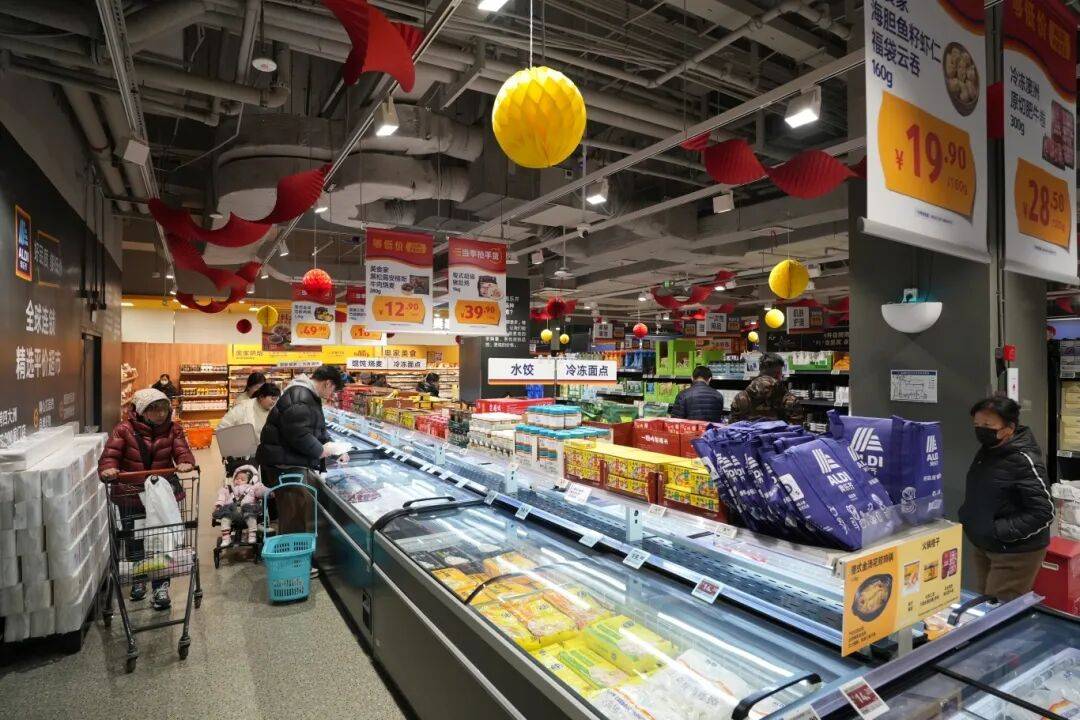
岁末年初 常州消费市场迎来 "首店热潮" 人气餐厅甬江烟火人头攒动 茶颜悦色门前排起长龙 奥乐齐超市签约落地 盒马NB店内摩肩接踵…… 去年常州新增 超过150个首店品牌 其中全国首店2个 江苏首店15个 首店,是某一具有行业引领性的品牌在特定区域内开设的第一家门店。这些首店串联起消费升级的新场景,也折射出常州作为地区重要中心城市的吸引 力。 奥乐齐 LUCHIBA H 物超所值 開水 够低价 779:21 1 - 天 物超所區 412 方便 r Bank 新鲜肉类 電影 好出風 够催价 活加少一 TH STATUS PLASSES TAL 2.5 LOLES HE ALD STO 作公式的营作系 ALDISTRIC a Rest Project Lorginal Report Right SHERE STATE at DI Sena e a st 作 元 ACD WHE ALDI 奥乐齐 ALPI RAT TAL DI AM T ALOI 突旅行 JEALDI 突出五 WE ALD LESSI ALL OF Han 作 ACDI 奥元了 1441 11:50 1 IIS AS ULT RATI The Ca ...

今年,河南消费市场加速向新
He Nan Ri Bao· 2026-01-14 09:01
Group 1 - The core idea of the article is that the new round of "old-for-new" consumption policy in Henan, particularly in Zhengzhou, has significantly boosted consumer traffic and sales in retail stores, indicating a positive trend in the local economy [1][2] - The "old-for-new" policy has expanded its coverage to include a wider range of products, such as smart glasses, which appeals to younger consumers and promotes green and digital consumption [2][3] - Local retail brands in Henan, such as Xianfeng Life and Huayu Baijia, are gaining popularity due to their quality products and sincere services, while international retail giants like Metro and Sam's Club are also entering the market, intensifying competition [4][5] Group 2 - The new shopping experiences in large malls, such as the "social + promotion" activities at Longhu Tianjie, are attracting consumers and enhancing engagement through unique events like the "Tianjie Temple Fair" [4][5] - The performance of new shopping centers is impressive, with Longhu Tianjie reporting sales exceeding 210 million yuan and over 420,000 visitors within three days of opening, showcasing the potential of the "first store economy" [5] - The Henan provincial government is committed to fostering a better consumption environment by organizing diverse activities to stimulate service consumption and enhance consumer experiences [5]

2026年北京零售物业市场预计超50万平方米新增供应入市
Bei Jing Shang Bao· 2026-01-14 08:25
Group 1 - The core viewpoint of the articles highlights the transformation of Beijing's retail property market, with a significant focus on urban renewal projects as the main supply source for 2025 [1][2] - In 2025, a total of 534,000 square meters of new retail property supply is expected in Beijing, all from urban renewal projects, indicating a shift towards "old for new" strategies [1] - The fourth quarter of 2025 will see the entry of two major urban renewal projects, Zhongguancun Dalu City and Longfu Temple, contributing 294,000 square meters to the market [1] Group 2 - The restaurant sector remains the largest segment in the retail market, but its growth is slowing, with its share decreasing from 49% at the beginning of the year to 42% by the fourth quarter [2] - There is a notable increase in the share of local quality dining and tea-baking, while fast-food and low-experience models are losing demand [2] - The retail sector, particularly fashion and accessories, has shown a recovery trend throughout the year, with a significant rise in the share of local and young designer brands [2] Group 3 - The average rent for first-floor shopping centers in Beijing decreased by 1% year-on-year to 30 yuan per square meter per day by the end of the fourth quarter, with an annual cumulative decline of 2.4% [3] - Secondary business districts like Zhongguancun and Wangjing are experiencing significant rent pressure due to new project impacts and insufficient local demand [3] - Core business districts maintain stable rental rates and occupancy due to brand upgrades and refreshed experiences, while projects with unclear positioning face pressure for clearance or renovation [3]
从“卖商品”到“造场景”,湖滨商圈解锁消费新次元
Mei Ri Shang Bao· 2026-01-14 06:22
Core Insights - The article highlights a transformative consumer revolution occurring in the Hangzhou Lakeside business district, shifting from traditional retail to immersive experience-driven consumption [1][2][3] Group 1: Business Transformation - The Lakeside business district, with a commercial area of 500,000 square meters, is transitioning from a "selling products" model to a "creating scenes" ecosystem, recognized as a national model for consumer scene innovation [1] - The Lakeside Yin Tai in77 features a "Return to Hogwarts" theme, showcasing detailed recreations of iconic elements from the Harry Potter series, attracting numerous fans and enhancing the immersive experience [1][3] Group 2: Technological Empowerment - Digital technology is enhancing consumer experiences, with the "Xizi Bridge" becoming a popular attraction featuring a 2400 square meter outdoor 3D LED screen that can draw up to 20,000 visitors during peak events [2] - The introduction of the AI cultural tourism space and a VPS open-source system aims to expand the boundaries of digital consumption and provide a platform for tech companies to create virtual reality content [2] Group 3: Consumer Engagement - The Lakeside business district is evolving into a vibrant ecosystem where commercial spaces facilitate unique consumer encounters, demonstrating the shift from mere product transactions to immersive experiences [3] - Lakeside 88, transformed from a traditional shopping center, has become a hub for anime and gaming enthusiasts, with 60% of its 89 brand stores focusing on the "pan-dimensional" theme, resulting in a significant increase in foot traffic [3] Group 4: Emerging Trends - The newly opened Gonglian CC "Dimension Station" has quickly gained popularity, attracting major IP brands and establishing a strong presence in the two-dimensional market, with 10 new companies setting up in the area [4] - Notable global IP companies have established independent subsidiaries in the district, reinforcing the area's position in the two-dimensional industry landscape [4]
“老空间+文化IP”化身特色消费新空间 多元场景晋升新“顶流”激活经济热引擎
Yang Shi Wang· 2026-01-14 04:38
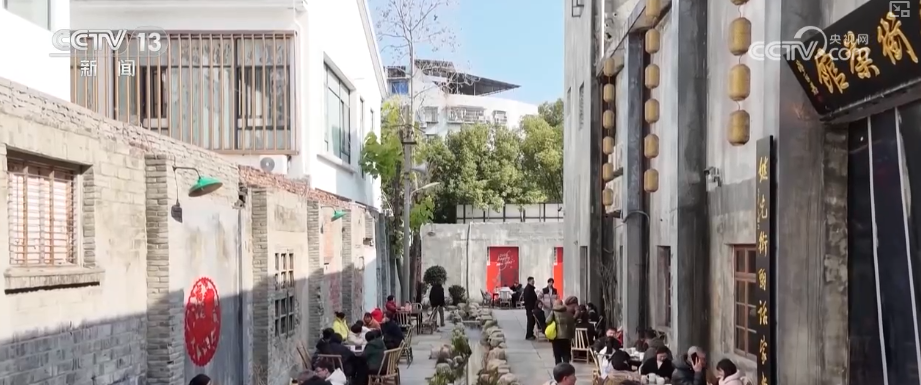
央视网消息:近年来,浙江省聚焦打造消费热点、提升消费品质,通过改造老旧建筑、盘活存量资源,打造独具特色的消费新空间。如今,一 批由老建筑活化而成的特色消费场景正吸引着市民游客纷至沓来。 竹编椅、盖碗茶、地道小吃……这个冬天,浙江丽水莲都区继光街的一栋老建筑里热闹非凡。试营业仅十余天的"继光街茶馆",迅速成为本地 热门地标,日均接待顾客约5000人次。 这栋老建筑曾先后作为军分区会堂、录像厅、寻呼台总部使用,封存着几代人的城市记忆。如今,老街坊在此闲话家常,年轻人前来打卡拍 照,外地游客也纷纷慕名而至。 为精准还原上世纪丽水本土茶馆风貌,经营团队耗时4个多月,修改了20余版设计稿,并走访全市9个县市区,引入眉毛酥、豆腐丸等传统小 吃。同时,"8元一杯本地好茶"的实惠定价,也增强了对消费者的吸引力。 商圈打出"文化牌"逛起来更有滋味 丽水市莲都区商务局党组书记汤伟波表示,下一步,更多地把商业消费跟文化旅游、体育赛事、展会这些活动结合在一起,打造更多的消费场 景和消费新业态。 目前,浙江省已累计打造全国示范步行街商圈4个、省级高品质步行街37条、特色商业街24条,带动相关社会投资超60亿元。2026年元旦假 期,省 ...
2025北京市场:办公楼空置率连降,大吉巷等项目撑起商业增量
3 6 Ke· 2026-01-14 02:28
Core Insights - The 2025 Beijing real estate market shows signs of resilience despite challenges, with office vacancy rates declining for four consecutive quarters and retail properties benefiting from urban renewal initiatives [1] Office Market - The office market in Beijing experienced a historical low in new supply, with only 180,000 square meters added in 2025, alleviating market de-stocking pressure [2] - New leasing demand showed a "high-middle-weak" trend throughout the year, with relocation needs dominating at 76% of transactions, while the area of relocation transactions decreased compared to the previous year [2][3] - The net absorption for the year reached 438,000 square meters, leading to a year-on-year vacancy rate decrease of 1.9 percentage points to 19.1% [3] - Average rental prices in the city fell by 2.7% year-on-year to 228.5 yuan per square meter, with a total annual decline of 10.7% [4] Retail Market - The retail property market saw a total new supply of 534,000 square meters, all from urban renewal projects, indicating a shift towards "old for new" strategies [6] - The overall retail sales in Beijing decreased by 3.1% year-on-year, but the decline rate has narrowed, suggesting signs of market stabilization [7] - The average rent for shopping centers decreased by 1.0% to 30.0 yuan per square meter, with an annual decline of 2.4% [8] Warehouse and Logistics Market - The warehouse and logistics market faced a supply peak with 1.4 million square meters added, resulting in a record high vacancy rate of 40.7% [10] - The demand shifted from third-party logistics to manufacturing, with new leasing demand driven by sectors like automotive parts and pharmaceuticals, accounting for 40% of new leases [10][11] - Average rents in Beijing fell to 37.1 yuan per square meter, marking a 14.8% annual decline [11] Business Park Market - The business park market welcomed seven new projects, primarily in the life sciences sector, totaling 598,000 square meters [12] - The net absorption for the year was 465,000 square meters, with the strongest demand observed in the Yizhuang Economic Development Zone [13] - Average rents in the business park sector decreased by 2.4% year-on-year, with an annual decline of 10.9% [14] Investment Market - The Beijing investment market recorded 40 transactions totaling 23.27 billion yuan, with a notable increase in transaction volume in the fourth quarter [16] - Corporate buyers accounted for 71% of transactions, indicating a strong interest in core assets despite a decline in transaction value [17] - Office assets dominated the market, comprising 64% of total transaction value, reflecting a continued preference for core area properties [18]

郑州新一轮国补落地 今年,河南消费市场加速向新
He Nan Ri Bao· 2026-01-13 23:36
Group 1 - The core viewpoint of the articles highlights the significant impact of the new round of "old-for-new" consumption policies in Zhengzhou, which has led to a dramatic increase in consumer foot traffic and sales in retail stores [1][2]. - The "old-for-new" policy has broadened its coverage, promoting green, low-carbon, and smart digital consumer products, which has attracted a younger demographic [2][3]. - Local retail brands in Henan, such as Xianfeng Life and Huayu Baijia, have gained popularity due to their quality products and sincere service, while international retail giants like Metro and Sam's Club are also entering the market, intensifying competition [4][6]. Group 2 - The new shopping experiences in large malls, such as the "social + promotion" activities, are designed to enhance consumer engagement and create memorable experiences [5][6]. - The Dragon Lake Tianjie shopping center has achieved impressive sales of over 210 million yuan and attracted more than 420,000 visitors within its first three days, showcasing the potential of the "first-store economy" and immersive experiences [6]. - The provincial government is committed to fostering a better consumption environment and organizing diverse activities to stimulate service consumption growth, reflecting the importance of consumer spending in enhancing the quality of life [6].
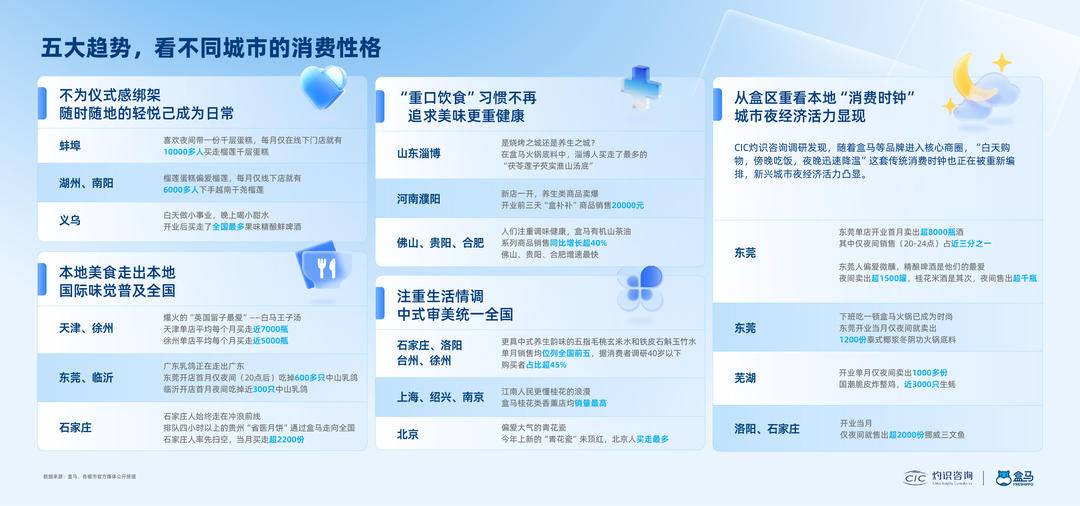
月买5000瓶“白马王子汤”?江苏城市新兴消费力的“狂飙”
Yang Zi Wan Bao Wang· 2026-01-13 12:40
Core Insights - The article highlights the transformative impact of the "first store economy" in Jiangsu, where new retail formats like Hema are driving significant changes in consumer behavior and regional economic growth [1][2][10] - The report indicates that cities in Jiangsu are experiencing a collective awakening in consumer power, with innovative consumption patterns emerging across various urban centers [1][11] Group 1: Consumption Trends - Hema's rapid expansion in Jiangsu has led to remarkable sales figures, with the first store in Xuzhou achieving the highest national sales within two months of opening [2][4] - The report notes that consumers in Jiangsu are increasingly seeking high-quality products, with a significant portion of imported goods being sold in cities like Yangzhou and Taizhou [2][4] - The average disposable income in Jiangsu is projected to reach 55,415 yuan in 2024, reflecting a 5.2% increase, which supports the growing demand for premium products [4] Group 2: Night Economy and Lifestyle Changes - The introduction of Hema has extended shopping hours in cities like Taizhou, with consumer activity increasing significantly during evening hours [8] - The article describes a shift in consumer preferences towards self-indulgent and health-conscious products, with unique offerings like the "half meat half durian cake" gaining popularity [5][10] - Jiangsu's consumers are embracing a blend of traditional and modern lifestyles, as seen in the rising sales of local delicacies and culturally inspired products [7][10] Group 3: Economic and Ecological Impact - The "first store economy" is not just about opening new locations; it represents a broader ecosystem that integrates local supply chains and digital innovation [10] - The influx of talent and resources into Jiangsu is enhancing the region's economic landscape, making it an attractive destination for retail giants [10][11] - The collaboration between government and businesses is fostering a conducive environment for consumption growth, positioning Jiangsu as a key player in China's retail landscape [10][11]
城市更新激活消费 2025年北京零售物业结构持续优化调整
Xin Lang Cai Jing· 2026-01-13 12:33
Core Insights - The core viewpoint of the reports indicates that the Beijing retail property market is undergoing significant transformation, with a focus on urban renewal and the optimization of retail formats, particularly in the food and beverage sector [1][2][3] Group 1: Market Supply and Trends - In 2025, the total new supply of retail properties in Beijing is projected to be 534,000 square meters, all coming from urban renewal projects, highlighting a trend of "old for new" in the market [1] - The food and beverage sector remains the largest segment in Beijing's retail property market, although its share decreased from 49% at the beginning of the year to 42% by the fourth quarter, indicating a shift in consumer preferences [1] - The report notes a significant increase in the share of lifestyle stores, which reached 8.4% in the fourth quarter, driven by consumer demand for emotional satisfaction and enhanced shopping experiences [1][2] Group 2: Performance and Rental Trends - The retail property vacancy rate in Beijing saw its first decline in the fourth quarter after four consecutive quarters of increase, attributed to landlords adopting strategies such as rent concessions and focusing on more attractive tenant types [2] - Average rent for first-floor shopping centers in Beijing decreased by 1.0% quarter-on-quarter to 30.0 yuan per square meter per day, with an annual decline of 2.4% [2] - There is a notable market differentiation, with secondary business districts like Zhongguancun and Wangjing facing significant rental pressure due to new supply and insufficient local demand, while core business districts maintained stable occupancy and rental levels [2] Group 3: Future Outlook - In 2026, over 500,000 square meters of new retail property supply is expected in Beijing, primarily from renovation projects in mature business districts and large new developments in peripheral areas, indicating a diverse positioning strategy [3] - The upcoming projects are anticipated to focus on themes such as "emotional value" and "heritage + commerce," aiming to attract foot traffic through unique commercial experiences [3] - This evolution is expected to contribute to the high-level development of Beijing's commercial landscape, characterized by "multi-center, networked, and differentiated" growth [3]
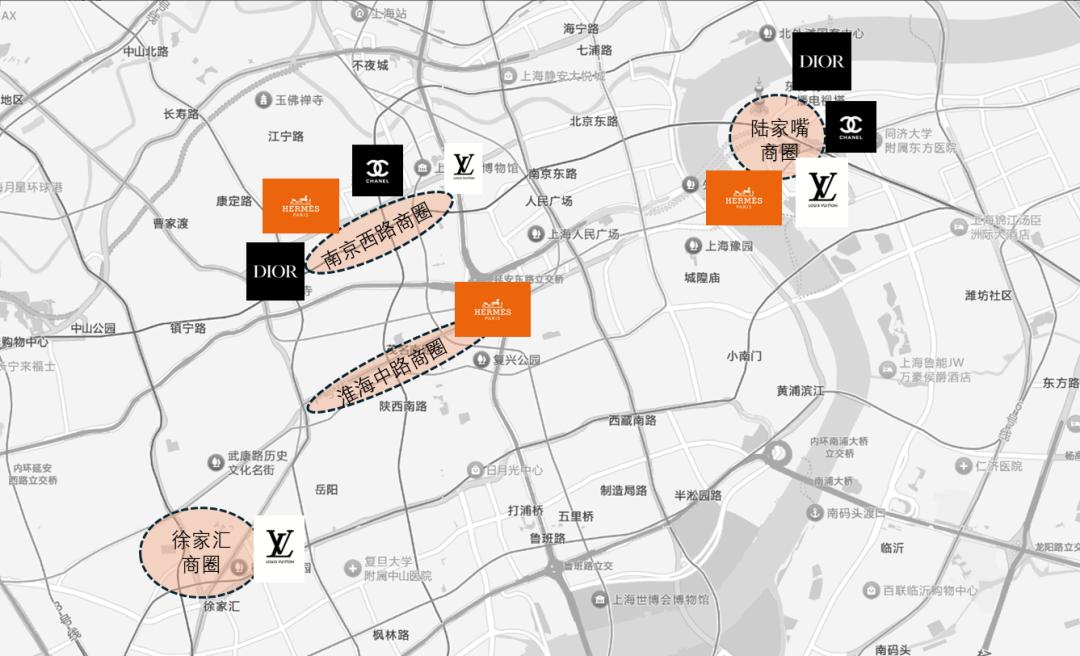
上海淮海中路高奢成色不足,“东方香榭丽舍”何去何从
3 6 Ke· 2026-01-12 02:52
Core Insights - Huaihai Road, known as the "Oriental Champs-Élysées," is experiencing a decline in its luxury brand presence compared to other commercial districts in Shanghai, such as Nanjing West Road and Lujiazui [1][6] - The evolution of high-end commercial development on Huaihai Road has led to a clear "polarization," with the eastern section seeing a shift towards office-centric developments and the western section revitalizing the shopping ecosystem through new commercial formats [2][4] Group 1: High-End Commercial Landscape - The eastern section of Huaihai Road has seen flagship stores of luxury brands like Louis Vuitton and Zegna close, leading to a "high luxury vacuum period" [4] - The western section, particularly IAPM, has attracted significant foot traffic and a mix of mid-range and light luxury brands, filling the gap for a comprehensive shopping experience [4] - The overall decline in high-end commercial appeal is attributed to changing market dynamics and consumer preferences, necessitating a shift from merely counting luxury brands to creating unique commercial allure [6] Group 2: Non-Standard Commercial Development - Post-2010, Huaihai Road transitioned from traditional department stores to non-standard commercial formats, becoming a testing ground for innovative retail concepts [9] - Projects like Huaihai 755 and TX Huaihai have successfully attracted younger consumers, with Huaihai 755 seeing a threefold increase in foot traffic after its transformation [9][10] - Despite the success of non-standard projects, challenges remain regarding customer flow stability and operational consistency [11] Group 3: Brand Flagship Stores and Ecosystem Challenges - Flagship stores on Huaihai Road have evolved into large-scale advertising spaces, but many traditional brands face challenges in adapting to new consumer expectations [12][15] - The lack of cohesive branding and thematic collaboration among different consumer demographics has led to a fragmented shopping experience [15] - The commercial ecosystem is further complicated by the insufficient coverage of flagship stores compared to other global shopping streets, leading to a disconnect between potential customers and available offerings [15] Group 4: Future Directions - The challenges facing Huaihai Road in becoming a world-class shopping street include long pedestrian experiences, uneven commercial atmospheres, and a lack of cohesive branding [21] - Learning from Tokyo's Omotesando, Huaihai Road could benefit from segmenting its main street to enhance consumer experience and engagement [22][25] - Future developments should focus on creating a symbiotic relationship between the main street and surrounding areas, fostering a diverse and integrated shopping ecosystem [25]