绿色低碳

Search documents
中国拓展绿色贸易填补全球“绿色缺口”,多部门详解实施方案
2 1 Shi Ji Jing Ji Bao Dao· 2025-10-31 12:08
Core Viewpoint - The development of green trade is a crucial measure for optimizing trade and accelerating the construction of a strong trading nation, as outlined in the "Implementation Opinions" released by the Ministry of Commerce on October 30 [1][2]. Group 1: Green Trade Development - The Ministry of Commerce aims to enrich the global supply of green low-carbon products and services, filling the "green gap" and injecting more "green positive energy" into global climate governance [2]. - Green trade will promote trade optimization through a "dual drive" approach, focusing on exporting green products and technologies while pushing for innovation in production methods via green standards and supply chain management [2][3]. - The global market for electric vehicles, solar energy, and wind energy is projected to reach $2.1 trillion by 2030, five times its current size, indicating a significant market opportunity for green products [2]. Group 2: Performance of Green Products - China's exports of green low-carbon products have shown remarkable growth, with wind turbine components increasing by over 30% in the first three quarters of this year, and photovoltaic products exceeding 200 billion yuan in export value for four consecutive years [2][3]. - The export volume of electric vehicles surpassed 2 million units last year, with strong growth in green transportation tools such as electric motorcycles and bicycles [2]. Group 3: Policy and Structural Support - The "Implementation Opinions" propose measures covering the entire foreign trade supply chain, encouraging the use of recycled materials and eco-friendly packaging to minimize resource waste and environmental pollution [4][5]. - The Ministry of Industry and Information Technology has created 451 green design enterprises and developed over 40,000 green products, with green factories accounting for over 20% of total output [3][4]. Group 4: International Cooperation - China has received positive responses from over 50 economies regarding the "International Economic and Trade Cooperation Framework Initiative for Digital Economy and Green Development," promoting green trade on a global scale [6]. - The upgraded China-ASEAN Free Trade Area 3.0 agreement includes green economy initiatives, marking a significant step in regional cooperation for sustainable development [6][7]. - Eight priority cooperation areas have been established, including green trade, investment, and sustainable finance, to support the development of a green economy in the region [7].
绿色贸易领域首个专项政策文件出台!
证券时报· 2025-10-31 12:08
Core Viewpoint - The article discusses the release of the first special policy document on green trade by the Ministry of Commerce, which aims to enhance the green and low-carbon development capabilities of foreign trade enterprises and promote the optimization and upgrading of trade to support China's dual carbon goals and global climate governance [2][4]. Group 1: Policy Measures - The document outlines 16 targeted measures to promote green trade, focusing on enhancing the capabilities of foreign trade enterprises, expanding the import and export of green low-carbon products and technologies, and establishing a robust support system for green trade [2][4]. - Key measures include strengthening financial policy support, developing a carbon footprint database for foreign trade products, and improving the carbon pricing mechanism [4][9]. Group 2: Global Participation - China aims to actively participate in global green governance through platforms like the G20, BRICS, and APEC, sharing its practices and proposals for green development [5]. - The country has proposed the "International Economic and Trade Cooperation Framework Initiative on Digital Economy and Green Development," which has received positive responses from over 50 economies [5]. Group 3: Market Trends - The shift towards green trade is accelerating, with green low-carbon products becoming a new driving force for foreign trade. The global market for electric vehicles, solar, and wind energy products is projected to reach $2.1 trillion by 2030, five times the current size [7]. - In recent years, China's exports of green low-carbon products have shown significant growth, with wind turbine components increasing by over 30% in the first three quarters of this year, and electric vehicle exports surpassing 2 million units last year [7]. Group 4: Financial Support - Financial policies are crucial for establishing a support system for green trade, with tools like green credit, green bonds, and green equity funds being emphasized [9]. - The People's Bank of China plans to lower financing thresholds for light-asset green service trade enterprises, facilitating their access to funding [9].


4亿吨!中国油气的“硬核”答卷藏不住了,下一站:绿能
Zhong Guo Neng Yuan Wang· 2025-10-31 11:37
Core Insights - The oil and gas industry in China has successfully navigated complex international energy challenges during the "14th Five-Year Plan" period, achieving a production equivalent of 400 million tons and enhancing energy security through various strategies [1][2][3] Group 1: Industry Achievements - The industry has discovered 10 large oil fields and 19 large gas fields, with crude oil production exceeding 200 million tons and natural gas production reaching 260 billion cubic meters, ahead of the "14th Five-Year Plan" targets [2][3] - Significant advancements in oil and gas extraction technologies have been made, particularly in the Ordos Basin and Tarim Basin, leading to increased production and exploration of deep resources [2][6] - The domestic oil and gas production has maintained a steady output of over 200 million tons, with a year-on-year growth rate of over 6% for natural gas, contributing to a reduction in external dependency [3][4] Group 2: Technological Innovations - The industry has shifted from following to leading in technology, with 54.3% of new oil and gas reserves coming from deep and ultra-deep layers, significantly enhancing self-sufficiency [6][7] - Major breakthroughs in deep-water drilling technologies have been achieved, with the "Deep Sea No. 1" project marking a historic leap in exploration capabilities [7][8] - The integration of digital technologies and smart systems has improved exploration success rates and operational safety, driving the industry's high-quality development [8][9] Group 3: Future Directions - The oil and gas sector is set to enter a new phase of high-quality development during the "15th Five-Year Plan," focusing on safety, efficiency, and green innovation [1][9] - The industry will increasingly explore unconventional resources and deep-water areas, with a strong emphasis on infrastructure development for gas storage and peak-shaving capabilities [9][10] - The transition towards a low-carbon future will be supported by advancements in hydrogen energy and carbon capture technologies, promoting a comprehensive energy base [10][11]
宝钢包装:前三季度归属上市公司股东净利润同比增长11.97% 全球化与绿色转型成效显著
Zhong Zheng Wang· 2025-10-31 11:27
Core Viewpoint - Baosteel Packaging reported strong financial performance in Q3 2023, with significant revenue growth and a focus on sustainable development and cost management [1][2][3][4][5] Financial Performance - The company achieved a revenue of 6.581 billion yuan in the first three quarters, representing a year-on-year increase of 6.83% [1] - Net profit attributable to shareholders reached 176 million yuan, up 11.97% year-on-year, with a non-recurring net profit of 172 million yuan, reflecting a growth of 14.36% [1] - The gross profit margin improved from 7.06% to 8.08% over the same period, indicating effective cost control [2] Shareholder Returns - The company announced a mid-term profit distribution plan, proposing a cash dividend of 0.45 yuan per 10 shares, totaling 56.7645 million yuan, which accounts for 32.30% of the net profit for the first three quarters [2] Sustainable Development - Baosteel Packaging integrates green and low-carbon development into its production processes, with a total environmental investment of 46.067 million yuan planned for 2024 [3] - The company has achieved full green factory certification for all domestic subsidiaries and has received multiple national and provincial green factory recognitions [3] Industry Trends - The metal packaging industry is shifting from a "price war" to a "value war," aligning with Baosteel Packaging's strategic direction [4] - The company's overseas business revenue now accounts for 28.58%, with ongoing projects in Cambodia and Vietnam to strengthen its market position in Southeast Asia [4] Market Opportunities - The two-piece can industry is experiencing an improvement in supply-demand dynamics, with limited new capacity expected in 2024-2025 [5] - The domestic beer can penetration rate is approximately 35%, indicating significant growth potential compared to over 70% in developed countries [5] - Baosteel Packaging's innovative products, such as the 710ML large can and temperature-sensitive cans, are well-positioned to meet the growing demand for differentiated packaging [5]

前三季度净利润同比激增368%,三驾马车解锁首钢股份高质量发展密码
Zheng Quan Shi Bao Wang· 2025-10-31 10:24
Core Insights - Beijing Shougang Co., Ltd. reported impressive performance for Q3 2025, achieving total revenue of 77.284 billion yuan and a net profit of 0.953 billion yuan, marking a year-on-year increase of 368.13% [1] Group 1: Financial Performance - The company demonstrated resilience and profitability amidst tightening industry regulations and fluctuating prices, leading the industry in several key financial metrics [1] Group 2: Technological Innovation - The company focused on product R&D, emphasizing high-end, efficient, and green technologies, launching several "first-class" products that filled market gaps and showcased industry-leading technical reserves [2] - The shift towards high value-added products and a transition from "scale-oriented" to "efficiency-oriented" strategies solidified the foundation for profit growth [2] Group 3: Green and Smart Leadership - The company is accelerating the construction of a green low-carbon ecological supply chain, with initiatives such as carbon footprint certification for key materials and a near-zero carbon emission steel project expected to launch in 2026 [3] - Strategic partnerships with major automotive groups like Geely and FAW-Volkswagen have been established to support green transformation efforts [3] - The company has been recognized for its advancements in smart manufacturing, with facilities designated as "lighthouse factories" and the implementation of an AI model platform to enhance production efficiency [3] Group 4: Efficiency Management - The company has implemented a comprehensive cost reduction strategy, achieving a reduction in operating expenses by 230 million yuan and successfully issuing 500 million yuan in green technology innovation bonds [4] - Supply chain management improvements have led to enhanced operational capabilities, with accounts receivable at a low 1.709 billion yuan, reflecting strong cash generation and capital efficiency [4] - The company is well-positioned to capitalize on opportunities arising from the steel industry's structural optimization and green transformation initiatives [4]

人工智能驱动 绿色低碳领航——第八届进博会将成为观察全球产业升级新窗口
Xin Hua She· 2025-10-31 09:59
人工智能驱动产业焕新升级 从本届进博会参展展品来看,在人工智能加持下,新技术、新产品集中涌现,正打破产业边界、重构市 场竞争格局。参展企业东芝聚焦能源、数字基础设施、半导体三大领域,以生成式人工智能为核心引 擎,服务中国的产业数字化升级,半导体参考设计中心、疾病风险预测AI服务等4项创新成果将在进博 会首展。 "进博会不只是一个尖端科技展示的窗口,更是一个推动高水平开放与合作的宝贵平台。"东芝(中国) 有限公司董事长兼总裁八木隆雄说,东芝希望继续与中国及全球伙伴携手共创价值,共同迈向一个更加 智能、更可持续的未来。 当前,人工智能大模型在多模态理解、逻辑推理等领域的进步日新月异,这也让本届进博会参展展品更 有新意。参展企业西门子将展示三维协作与验证平台工易魔方·妙一空间,其深度融合人工智能与数字 孪生技术,可将人工智能大模型给出的解题思路生成机器语言,在虚拟环境验证成功后驱动机械臂拼搭 汉诺塔。 第八届中国国际进口博览会将于11月5日至10日在上海举办。今年进博会展览面积超过36.7万平方米, 参展企业在去年3496家的基础上新增了600余家,有290家世界500强和行业龙头企业参展……从人工智 能驱动的新产 ...
绿色低碳产品成为外贸发展新动能 商务部:中国外贸正从“卖产品”升级为“提供集成式解决方案”
Mei Ri Jing Ji Xin Wen· 2025-10-31 09:49
Core Viewpoint - The Chinese government is actively promoting green trade to optimize trade structures, support the "dual carbon" goals, and enhance global climate governance, as outlined in the newly issued "Implementation Opinions" by the Ministry of Commerce [1][4]. Group 1: Green Trade Development - The "Implementation Opinions" is the first specialized policy document in the field of green trade, focusing on addressing weaknesses in China's green trade development, such as the lack of corporate low-carbon development capabilities and incomplete support systems [1][4]. - China aims to strengthen international cooperation and actively participate in the formulation of global green trade rules and standards, promoting a fair and inclusive global governance system for green trade [3][4]. Group 2: International Cooperation and Agreements - China is committed to incorporating trade and environmental content into existing free trade agreements (FTAs), with recent agreements including a dedicated chapter on green economy in the upgraded China-ASEAN FTA [4][5]. - The country is also advancing negotiations with Switzerland, South Korea, and Peru to include environmental protection and green industry cooperation in their FTAs [5]. Group 3: Trends in Green Trade - China's foreign trade is increasingly shifting towards green development, with significant growth in exports of green low-carbon products. For instance, wind turbine exports grew over 30% in the first three quarters of the year, and electric vehicle exports surpassed 2 million units last year [6][10]. - The global market for electric vehicles and related technologies is projected to reach $2.1 trillion by 2030, five times its current size, indicating a robust market outlook for green products [6]. Group 4: Supply Chain Upgrades - The green transition is leading to comprehensive upgrades in China's foreign trade supply chain, with companies integrating green principles into product design, production processes, and logistics [7][8][9]. - There is a notable shift from merely selling products to providing integrated solutions, as demonstrated by Chinese companies offering complete energy-efficient construction solutions and public transport systems abroad [10]. Group 5: Future Outlook - The Chinese government plans to continue aligning with global green low-carbon development trends, enhancing its capacity to serve global green trade and sharing the benefits of low-carbon achievements with the world [11].
商务部:中国外贸“向绿色”发展步伐在加快
Ren Min Wang· 2025-10-31 06:29
Core Viewpoint - China's foreign trade is accelerating its shift towards green development, characterized by three significant trends [1][2][3] Group 1: Green Products as New Growth Drivers - Green and low-carbon products are becoming a new driving force for foreign trade development, with global market size for electric vehicles, solar, and wind energy expected to reach $2.1 trillion by 2030, five times the current scale [1] - In the first three quarters of this year, exports of wind turbine units and components grew by over 30%, while photovoltaic products have maintained export values exceeding 200 billion yuan for four consecutive years [1] - Electric vehicle exports surpassed 2 million units last year, with strong growth in exports of green transportation tools such as electric locomotives and bicycles [1] Group 2: Comprehensive Upgrade of Supply Chains - The green low-carbon development of China's foreign trade is evident not only in product upgrades but also in deep transformations across the entire supply chain [2] - 47% of new products showcased at the ongoing 138th Canton Fair incorporate green design concepts, reflecting a shift in R&D towards sustainability [2] - Companies are innovating in materials, energy use, and processes to enhance the green attributes of their products, such as using marine waste for swimwear production [2] - The logistics sector is increasingly utilizing clean energy vehicles and vessels, contributing to reduced carbon emissions [2] Group 3: Transition to Integrated Solutions - The international market is increasingly favoring not just high-quality green products from China, but also comprehensive solutions that include technology, services, and management [2] - Chinese companies are exporting green low-carbon building materials to Saudi Arabia, providing complete energy-saving design and construction solutions [2] - In Tanzania, Chinese firms are offering integrated rapid transit solutions, including new energy buses, enhancing local commuting efficiency [2] Group 4: Future Outlook - The company aims to continue aligning with global green low-carbon development trends, further consolidating and enhancing China's capacity to serve global green trade [3]
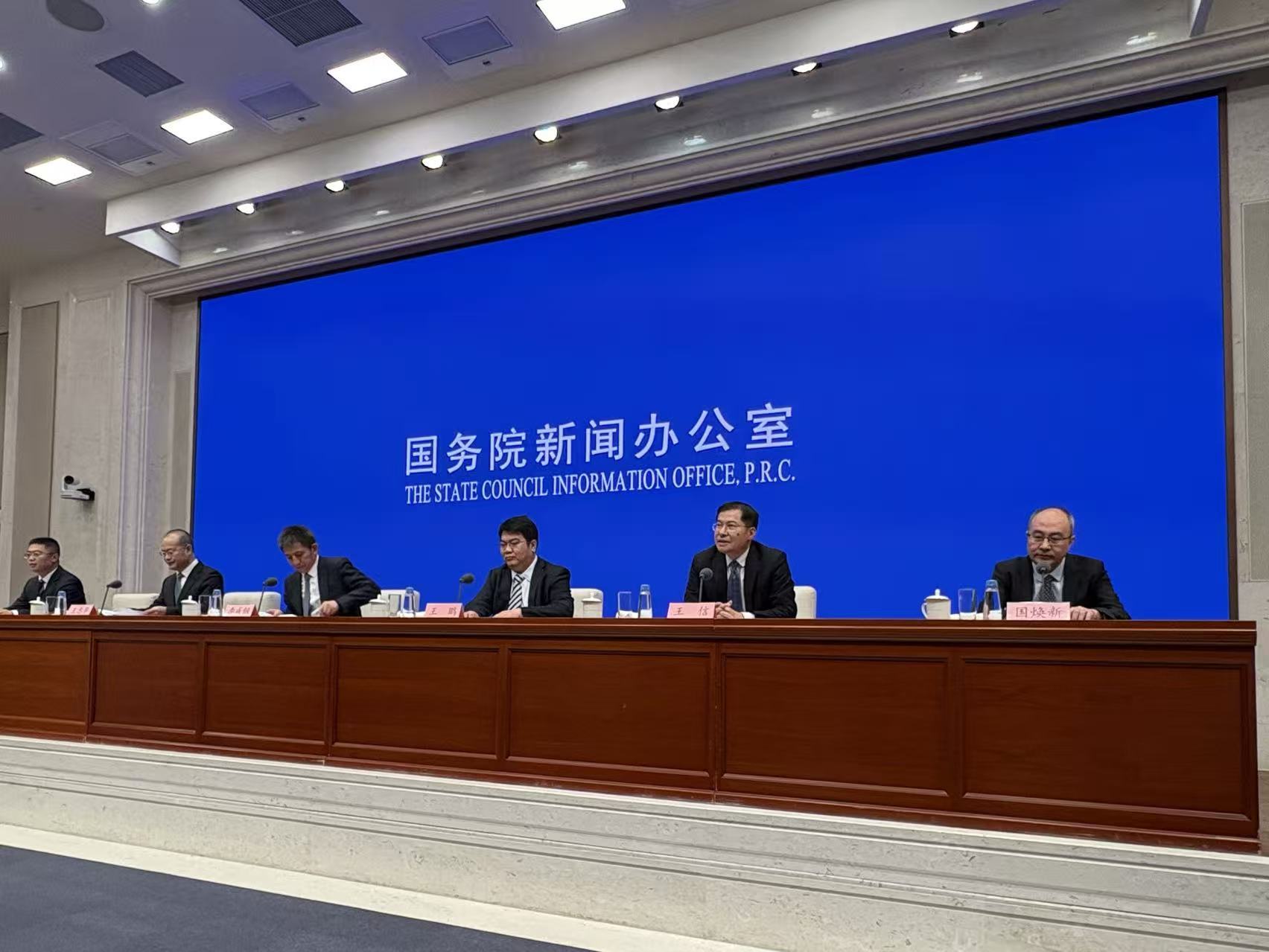
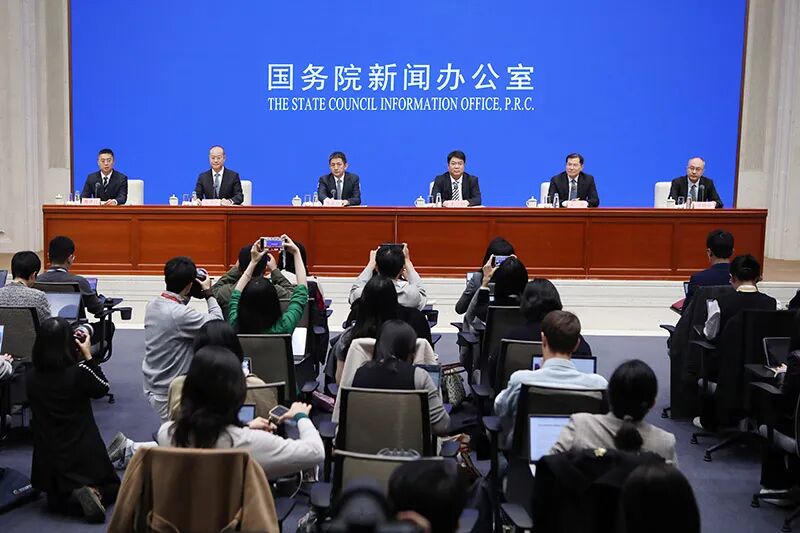
绿色贸易领域首个!多部门最新解读
Shang Hai Zheng Quan Bao· 2025-10-31 06:28
Core Viewpoint - The Ministry of Commerce has issued the "Implementation Opinions on Expanding Green Trade," marking the first specialized policy document in the field of green trade in China, emphasizing innovation-driven characteristics [1][3]. Group 1: Green Trade Development - The "Implementation Opinions" focus on addressing weaknesses in China's green trade development, including the shortcomings in enterprises' green low-carbon development capabilities and the need to explore carbon reduction potential in logistics [3]. - The document outlines four key measures: enhancing the green low-carbon development capabilities of foreign trade enterprises, expanding the import and export of green low-carbon products and technologies, creating a favorable international environment for green trade, and establishing a robust support system for green trade [3]. Group 2: Market Potential and Performance - Green low-carbon products are identified as a new driving force for foreign trade development, with international institutions predicting that the global market for electric vehicles, solar energy, and wind energy will reach $2.1 trillion by 2030, five times the current scale [6]. - In recent years, China's exports of green low-carbon products have shown significant growth, with wind turbine components increasing by over 30% in the first three quarters of this year, and photovoltaic products exceeding 200 billion yuan in export value for four consecutive years [6]. Group 3: Support for SMEs - The Ministry of Commerce aims to assist small and medium-sized enterprises (SMEs) in overcoming challenges related to green low-carbon transformation, focusing on enhancing their green competitiveness through improved services, market expansion platforms, and promoting best practices [7][9]. Group 4: Green Manufacturing and Design - The Ministry of Industry and Information Technology has created 451 green design enterprises and over 4,000 green products, with plans to increase the output value of national, provincial, and municipal green factories to 40% by 2030 [11][13]. - The strategy includes promoting green design, building green factories, cultivating green supply chains, and developing green industrial parks to support the green trade ecosystem [13]. Group 5: Financial Support for Green Trade - The People's Bank of China is focusing on supporting green service trade development through green finance, including green credit, bonds, and equity funds, while lowering financing barriers for light-asset and green service trade enterprises [15][17]. - The bank plans to enhance sustainable finance standards and encourage financial institutions to provide targeted financial services to support green trade [17]. Group 6: Green Product Certification - The State Administration for Market Regulation will advance the green product certification system to support foreign trade enterprises in their green development efforts [19][21]. - The approach includes expanding certification to cover industry chains and supply chains, strengthening regulatory measures, promoting green product certification, and enhancing international cooperation for mutual recognition of green product certifications [21].
又一利好来了!商务部发文
中国能源报· 2025-10-31 05:47
Core Viewpoint - The article discusses the implementation opinions released by the Ministry of Commerce on October 30, aimed at expanding green trade to promote trade optimization and support carbon peak and carbon neutrality goals [1][3]. Group 1: Enhancing Green Low-Carbon Development Capabilities of Foreign Trade Enterprises - Strengthening awareness of green low-carbon development among foreign trade enterprises through training and sharing best practices [4][5]. - Encouraging green design and production by supporting the use of renewable energy and reducing carbon emissions in foreign trade products [4][5]. - Promoting green logistics development by encouraging the use of environmentally friendly packaging and clean energy in transportation [5]. Group 2: Expanding Import and Export of Green Low-Carbon Products and Technologies - Enhancing the international competitiveness of green low-carbon products by promoting the use of recycled materials and sustainable fuels [7]. - Researching overseas markets to identify potential for green low-carbon trade and leveraging free trade agreements [7]. - Improving the greening of exhibitions by establishing dedicated green zones and revising relevant standards [7]. Group 3: Creating a Favorable International Environment for Green Trade Development - Strengthening international communication and participation in global carbon trade rule discussions [9]. - Promoting the establishment of standards for green low-carbon products and services that align with international norms [9]. Group 4: Establishing a Robust Support System for Green Trade - Encouraging financial institutions to develop products based on carbon footprint assessments to support green low-carbon exports [10]. - Accelerating the construction of a national carbon footprint database to assist foreign trade enterprises [10]. - Supporting talent development in green trade through research and training initiatives [11].