
AI泡沫

Search documents
华尔街老将驳斥AI泡沫论:科技巨头高估值无忧,两大真正风险需警惕
智通财经网· 2025-11-12 00:07
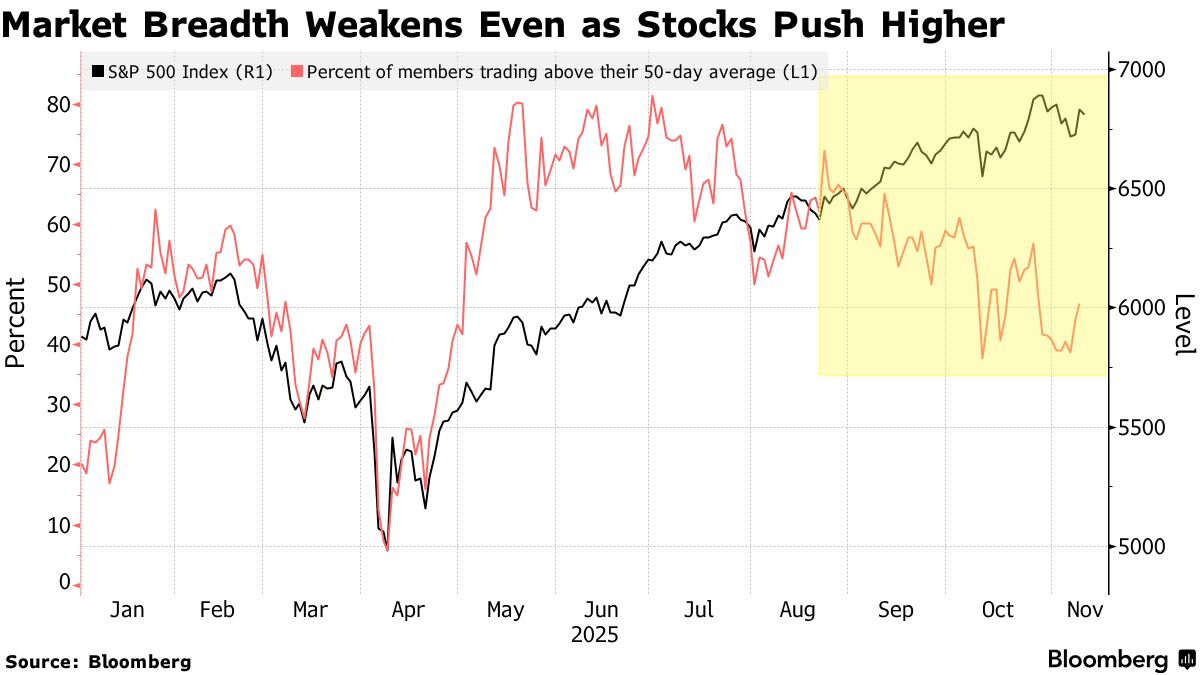
智通财经APP获悉,许多金融评论人士近期警告称,大型科技公司在股票市场中的主导地位及其高企的估值,似乎让人想起了当年互联网泡沫的前奏。然 而,因精准预见上世纪90年代末市场崩盘而成名的传奇股票策略师Charles Clough认为,当前围绕科技巨头的狂热与此前不同。 曾于1987至1999年担任美林集团全球首席投资策略师的Charles Clough指出,如今的科技巨头拥有强大的商业模式,能创造可观收益,这使它们对经济衰退 具有免疫力。他从更宏观层面分析称,市场流动性更加稳健,有望支撑股价进一步上涨。他表示:"人们对泡沫提出了错误的问题,他们以为会重蹈覆辙, 但世界已今非昔比,资本市场尤其如此。" 分析师们已对市场广度收窄发出警告——当前行情仅惠及少数与AI相关的科技巨头,若这一投资主题崩塌,更广泛的指数将面临风险。数据显示,尽管标 普500指数自7月初以来上涨近10%,但该指数成分股中交易价格高于50日移动平均线的个股不足半数,较7月初超过80%的比例显著下降。投资者对估值高 企也一直保持警惕。标普500指数的预期市盈率为22.7倍,高于18.8倍的10年均值。 Charles Clough承认估值确实敲响 ...

深夜,科技股大跌!特朗普,突发警告
Zheng Quan Shi Bao· 2025-11-11 15:38
Market Overview - The U.S. stock market opened mixed on November 11, with the Dow Jones Industrial Average slightly up by 0.18%, while the S&P 500 and Nasdaq indices declined by 0.22% and 0.52%, respectively [1][2]. Technology Sector - The technology sector faced pressure, with major tech stocks showing mixed results. Apple rose over 1%, and Amazon saw a slight increase, while other stocks in the sector declined. Notably, Nvidia dropped over 3% after SoftBank Group announced it had liquidated its Nvidia shares, cashing out $5.83 billion, raising concerns about an AI bubble [4]. - AI-related stocks generally fell, with COREWEAVE experiencing a significant drop of over 11% after revising its 2025 revenue forecast down from a maximum of $5.35 billion to a range of $5.05 billion to $5.15 billion [5]. Chip Sector - The semiconductor sector also saw declines, with Micron Technology falling nearly 4%, and ARM and other companies dropping over 3% [7]. Political and Economic Context - President Trump issued a warning regarding the potential consequences of the U.S. Supreme Court ruling against the legality of large-scale tariffs, stating it could lead to over $3 trillion in losses and pose significant economic and national security risks [3][8]. - Analysts noted that if the government loses the case, it would be forced to refund substantial tariffs and might invoke other laws to reimplement some tariffs, which could have a profound impact on U.S. politics, economy, and global trade [9].


买得到芯片的美国科技巨头,买不到电了
虎嗅APP· 2025-11-11 15:17
Core Viewpoint - OpenAI has emerged as a leading player in the AI sector, heavily investing in data centers and GPU acquisitions, but faces significant challenges due to electricity shortages and inefficiencies in energy usage [5][11][12]. Group 1: AI and Power Consumption - The total electricity consumption of data centers in the U.S. reached 176 terawatt-hours (TWh) in 2023, accounting for 4.4% of the national electricity generation, with projections to double by 2028 [11]. - The average Power Usage Effectiveness (PUE) globally in 2024 is expected to be 1.56, indicating that only two-thirds of electricity is used for GPU computing, while the rest is wasted on cooling and other systems [15]. - The inefficiency of AI systems is highlighted, as they consume significant power while having low utilization rates, exacerbating the electricity crisis [10][12]. Group 2: Challenges in the U.S. Energy System - The aging U.S. power infrastructure is struggling to meet the increasing demand from AI technologies, leading to rising electricity costs for consumers [12][13]. - The shift towards nuclear power and the reduction of renewable energy projects have further complicated the energy landscape, making it difficult to sustain the growing needs of AI companies [16][17]. Group 3: Future of AI Chips - Current AI chips like the H100 and A100 are becoming outdated, with newer models (H200, B200, B300) expected to dominate the market by 2025, potentially rendering older chips obsolete if they remain unused due to power shortages [20][22]. - The stock prices of AI companies are closely tied to their GPU availability, and any delays in utilizing these chips could negatively impact their market valuations [22][24]. Group 4: Strategies for Energy Supply - Companies are exploring various strategies to secure energy, including building new power plants and relocating data centers to countries with more favorable energy conditions, although this presents its own set of challenges [25][27]. - Some companies are even considering space-based data centers powered by solar energy, although this concept is still in experimental stages and poses numerous technical challenges [28][31]. Group 5: Comparison with China - In contrast to the U.S., China's data center electricity consumption is significantly lower at 166 TWh, representing about 2% of total social electricity use, while also focusing on green energy initiatives [33][34]. - The emphasis on sustainable energy practices in China suggests a more stable environment for AI development compared to the energy crisis faced in the U.S. [34][36].

AI泡沫争议再起!多位顶尖大咖PK 这次有何不同?
2 1 Shi Ji Jing Ji Bao Dao· 2025-11-11 14:43
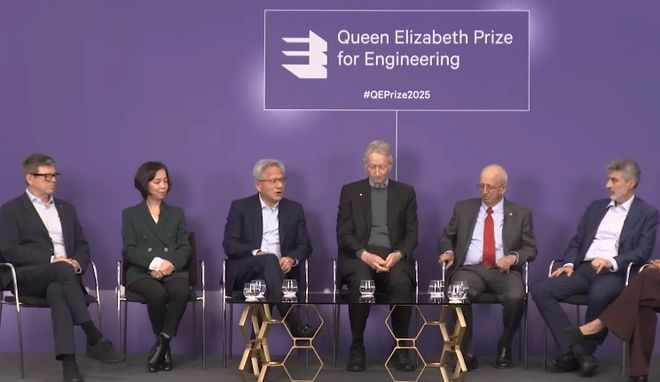
Core Viewpoint - The debate surrounding the "AI bubble" has intensified, with prominent figures in the AI field expressing differing opinions on whether current investments and valuations are sustainable or indicative of a bubble reminiscent of the 2000 internet bubble [1][3][9]. Group 1: AI Industry Perspectives - Jensen Huang argues that unlike the unused "dark fiber" from the early internet era, today's GPUs are fully utilized, suggesting a robust foundation for a new trillion-dollar industry [1]. - Fei-Fei Li emphasizes that AI is still a nascent field with vast potential beyond language processing, indicating significant growth opportunities [1]. - Yann LeCun expresses skepticism about the current paradigm of large language models achieving human-level intelligence, suggesting the need for fundamental breakthroughs [1]. Group 2: Market Reactions - Following Meta's Q3 2025 earnings report, its stock plummeted over 11%, primarily due to investor concerns over its substantial AI capital expenditures [2]. - The stock market's volatility has amplified discussions about the "AI bubble," with comparisons being drawn to the 2000 internet bubble [3]. Group 3: Key Players and Valuations - OpenAI has become a symbol of the current AI frenzy, securing over $1 trillion in infrastructure and chip agreements, yet its estimated valuation of $1 trillion contrasts sharply with its projected annual revenue of $13 billion [4]. - NVIDIA's market capitalization recently surpassed $5 trillion, driven by significant orders for its upcoming chips, showcasing its dominance in the AI sector [5]. - Tesla's ambitious compensation plan for Elon Musk requires the company's market value to reach $8.5 trillion, highlighting the aggressive growth expectations in the AI space [5]. Group 4: Diverging Opinions on AI Investments - There is a stark divide in opinions regarding AI investments, with some experts warning of an impending bubble while others assert that the current AI investment landscape is fundamentally different from the past [9][10]. - David Solomon from Goldman Sachs and Bill Gates have expressed concerns about the sustainability of current AI investments, likening them to the internet bubble [9][10]. - Conversely, proponents argue that the current return on invested capital (ROIC) for AI investments is improving, and NVIDIA's price-to-earnings ratio is lower than during the internet bubble [9]. Group 5: Future of AI and Economic Impact - The Federal Reserve Chairman Jerome Powell stated that the AI boom is not another internet bubble, citing the presence of mature business models and stable profits in AI companies [11]. - Bezos noted that even if an AI bubble bursts, the infrastructure built will remain valuable, akin to essential utilities for future advancements in artificial general intelligence (AGI) [10][12]. - The timeline for achieving AGI remains uncertain, with many companies potentially struggling to survive until that milestone is reached [12][13].
AI泡沫争议再起!多位顶尖大咖PK,这次有何不同?
2 1 Shi Ji Jing Ji Bao Dao· 2025-11-11 14:41
Core Viewpoint - The ongoing debate about the "AI bubble" is intensifying, with prominent figures in the AI field expressing differing opinions on the sustainability and future of AI investments [1][3][8]. Group 1: AI Industry Perspectives - Jensen Huang argues that unlike the internet bubble of the early 2000s, where much infrastructure was unused, today's GPU resources are fully utilized, indicating a robust foundation for a new trillion-dollar industry [1]. - Fei-Fei Li emphasizes that AI is still a nascent field with vast unexplored areas, particularly in "spatial intelligence" beyond language [1]. - Yann LeCun expresses skepticism about the current large language models achieving human-level intelligence, suggesting that fundamental breakthroughs are necessary [1]. Group 2: Market Reactions - Following Meta's Q3 2025 earnings report, its stock plummeted over 11%, primarily due to investor fears regarding its substantial AI capital expenditures [2]. - The stock market's volatility has amplified discussions around the "AI bubble," with comparisons being drawn to the 2000 internet bubble [3]. Group 3: Financial Metrics and Valuations - OpenAI's valuation has reportedly soared to $1 trillion, while its projected annual revenue is only $13 billion, raising concerns about a valuation-revenue imbalance reminiscent of the dot-com era [5]. - NVIDIA's CEO revealed that the company has accumulated $500 billion in orders for its upcoming chips, pushing its market capitalization to over $5 trillion [5]. - Tesla's ambitious compensation plan for Elon Musk requires the company's market value to increase to $8.5 trillion, with a target annual profit of $400 billion, highlighting the aggressive growth expectations in the AI sector [5]. Group 4: Institutional Concerns - Michael Burry has taken significant short positions against NVIDIA and Palantir, reflecting institutional concerns about excessive AI investments [6][7]. - The divergence in opinions about the AI bubble is stark, with some experts warning of an impending collapse while others believe the revolution is just beginning [8]. Group 5: Long-term Viability and Infrastructure - Amazon plans to increase its capital expenditures to approximately $125 billion in 2025 for AI-related infrastructure, despite announcing significant layoffs, indicating a complex relationship between AI investment and workforce management [11]. - Bezos suggests that even if an AI bubble bursts, the infrastructure built will remain valuable for future advancements in artificial general intelligence (AGI) [11]. - The timeline for achieving AGI remains uncertain, posing a challenge for many companies to survive until that potential future [12].
日本首富孙正义清仓英伟达!“大空头”也下血本做空 机构警告AI泡沫太大 黄仁勋最新发声
Mei Ri Jing Ji Xin Wen· 2025-11-11 13:47
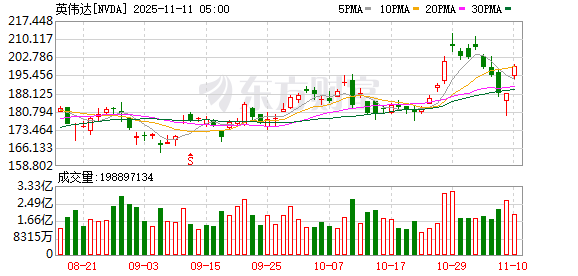
Core Viewpoint - SoftBank Group has sold all its shares in Nvidia for $5.83 billion, with founder Masayoshi Son planning to invest heavily in the AI sector to enhance influence [2][3]. Group 1: SoftBank's Actions - SoftBank sold its entire stake in Nvidia for $5.83 billion, which is part of a broader strategy to invest in AI [2][3]. - The company also sold $9.17 billion worth of T-Mobile shares between June and September [3]. - SoftBank has committed to an additional investment of $22.5 billion in OpenAI, to be completed through Vision Fund 2 by December [3]. Group 2: Nvidia's Market Performance - Nvidia's stock price surged by 5.79% on November 10, with a year-to-date increase of over 48%, bringing its market capitalization to $4.84 trillion [2]. - Nvidia's founder Jensen Huang has also sold over $1 billion in Nvidia stock since June [2]. Group 3: Market Sentiment and Risks - Recent indicators suggest that AI investments have reached extreme levels, with market risks accumulating rapidly [2]. - Michael Burry's hedge fund has taken a significant short position against Nvidia and Palantir, holding over $1 billion in put options, indicating skepticism about AI stocks [5][10]. - Analysts warn that the current AI investment frenzy may be approaching a critical point, with potential implications for the U.S. and global economies [2][19]. Group 4: Financial Performance of SoftBank - SoftBank reported a net profit of 2.5 trillion yen for the second quarter, significantly exceeding market expectations [4]. - The company's revenue for the first quarter of the 2025-2026 fiscal year was 1.82 trillion yen, a 7% year-on-year increase, with a pre-tax profit of 689.94 billion yen, up 205.7% [3][4].

AI泡沫论甚嚣尘上之际 微软(MSFT.US)真金白银驳斥:百亿美元投向葡萄牙海岸数据中心
智通财经网· 2025-11-11 13:12
Core Insights - Microsoft announced a significant investment of up to $10 billion to build a large AI data center in Sines, Portugal, marking it as one of the largest investment projects in Europe for the year [1][4] - This investment counters the prevailing "AI bubble" narrative, reinforcing the ongoing "AI super investment cycle" [1][3] - The data center will be developed in collaboration with local developer Start Campus and UK startup Nscale, with the first building already opened in March [1][2] Investment and Infrastructure - Microsoft has signed a long-term capacity leasing agreement for AI computing infrastructure in Sines, as part of its expansion to meet the growing AI computing demands of its Azure cloud platform [2] - The company is also entering into long-term partnerships with several "neocloud" service providers to secure AI computing resources, including CoreWeave Inc. and Nebius Group NV [2] - Sines is becoming a key investment hub due to its geographical advantages, including large-scale submarine cables connecting Europe with Brazil and Africa [2] Market Sentiment and Future Outlook - The substantial investment by Microsoft serves as a strong rebuttal to concerns about an AI investment bubble, especially as major tech companies continue to expand their AI data center capabilities [3][4] - Analysts predict that overall capital expenditures for large tech companies could rise significantly from approximately $380 billion this year to nearly $550 billion or $600 billion by 2026, driven by the next wave of AI spending [4] - Major financial institutions believe that the global AI infrastructure investment wave is just beginning, with potential investments reaching $3 trillion to $4 trillion by 2030 [5]

重注AI股大赚,软银Q3净利润翻番,愿景基金收益190亿美元,清仓英伟达、追投OpenAI
3 6 Ke· 2025-11-11 11:04
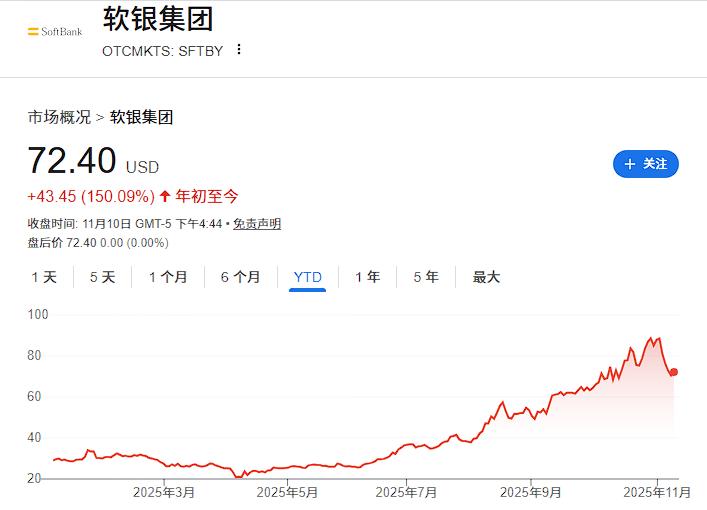
最新财报显示,软银集团第二财季净利润达到2.5万亿日元(约合166亿美元),同比增长 111.9%,连续第三个季度录得盈利,得益于旗下英伟达和英特尔等科技股投资组合价值飙 升。软银表示,10月以58.3亿美元的价格出售了所持英伟达全部股份。软银与OpenAI签署了 修订协议,承诺将追加投资225亿美元。 随着数据中心等人工智能基础设施投资浪潮持续推进,以及OpenAI等AI领军企业展现快速增长前景, 软银成为主要受益者,Q3(第二财季)净利润远超市场预期。软银还披露,已于10月出售所持英伟达 全部股份,追加投资OpenAI。 11月10日,软银集团公布截至9月30日的第二财季业绩报告显示,Q3净利润达2.502万亿日元,其中,愿 景基金账面收益190亿美元,对ChatGPT开发商OpenAI的投资在该季度贡献了2.157万亿日元(约140亿 美元)的账面收益。 这一季度净利润大幅超过三位分析师平均预期的2070亿日元,几乎是市场预期的12倍,也大幅超过去年 同期的1.18万亿日元。 与此同时,软银集团还在财报声明中披露,已于10月出售所持英伟达全部股份,并将通过愿景基金2号 在12月向OpenAI追加投资22 ...
国际金价重回涨势 银行紧急调高积存金起购门槛
Xin Hua Cai Jing· 2025-11-11 10:41
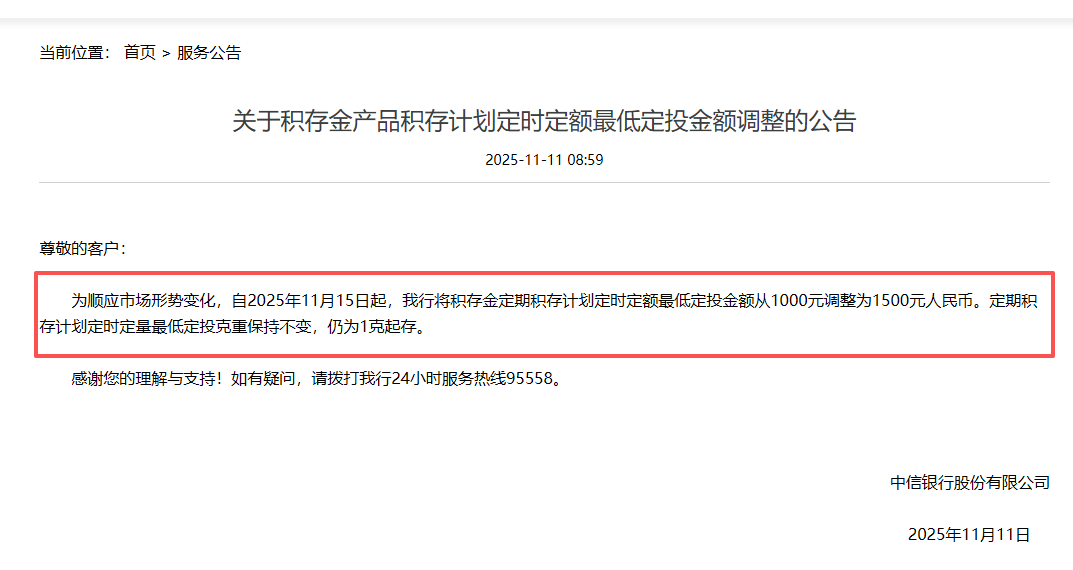
Core Viewpoint - The recent fluctuations in international gold prices have led banks to raise the minimum purchase thresholds for gold accumulation products to protect investors and manage risks [1][3]. Group 1: Bank Policy Changes - China Construction Bank announced an increase in the minimum daily accumulation amount for gold accumulation plans from 1,000 yuan to 1,200 yuan, effective November 15, 2025 [1]. - CITIC Bank also raised its minimum investment amount for regular gold accumulation plans from 1,000 yuan to 1,500 yuan, while maintaining the minimum weight for investment at 1 gram [1][3]. - The adjustments reflect a trend where multiple banks have raised their minimum purchase points from 650 yuan at the beginning of the year to over 1,000 yuan, indicating a tightening of investment conditions in response to market volatility [3]. Group 2: Risk Management Considerations - The increase in minimum thresholds is primarily driven by risk control considerations, as rising gold prices and increased volatility may lead to higher potential losses for investors [3]. - Banks aim to filter clients with stronger risk tolerance by raising the entry barriers, which also helps mitigate liquidity risks associated with potential mass redemptions during price fluctuations [3]. Group 3: Market Analysis and Investment Strategy - The recent surge in gold prices is attributed to the dual uncertainties in U.S. politics and markets, particularly the prolonged government shutdown affecting economic stability and liquidity [4]. - Concerns over an AI bubble in the U.S. stock market may lead to increased demand for gold as a safe-haven asset, as investors seek to hedge against potential risks [4]. - Investment strategies should focus on diversified asset allocation, with a recommendation for investors to consider gradual investments in gold during lower price points [5].
高盛警告:AI狂潮恐重演1999互联网泡沫,五大信号值得警惕!
Sou Hu Cai Jing· 2025-11-11 03:51
Core Viewpoint - Goldman Sachs strategists warn that the current AI investment frenzy bears striking similarities to the internet bubble before its collapse in 2000, indicating potential risks in the market [2]. Group 1: Investment Spending - Investment spending in technology equipment and software peaked in 2000, with non-residential investment in telecommunications and technology accounting for about 15% of US GDP [3]. - Goldman Sachs analysts note that in the months leading up to the internet bubble burst, investment spending began to decline, suggesting that high asset valuations significantly impacted real spending decisions [3]. - Major tech companies are expected to invest approximately $349 billion in capital expenditures for AI by 2025 [3]. Group 2: Corporate Profits - Corporate profits peaked around 1997 and began to decline thereafter, with profitability reaching its zenith long before the end of the boom [6]. - Current corporate profit performance appears strong, with the blended net profit margin of the S&P 500 at approximately 13.1%, above the five-year average of 12.1% [6][9]. Group 3: Corporate Debt - Corporate debt as a percentage of profits peaked in 2001, coinciding with the internet bubble's collapse [12]. - The combination of rising investment and declining profitability pushed the financial balance of the corporate sector into deficit [12]. - While some large tech companies are financing AI expenditures through debt, most appear to be using free cash flow for capital expenditures, with current corporate debt levels significantly lower than during the internet bubble peak [12][15]. Group 4: Federal Reserve Actions - In the late 1990s, the Federal Reserve was in a rate-cutting cycle, which contributed to stock market gains [15]. - The Federal Reserve recently cut rates by 25 basis points and is expected to do so again in December [15]. Group 5: Credit Spreads - Credit spreads widened before the internet bubble burst, indicating increased risk perception among investors [18]. - Although credit spreads are currently at historical lows, they have begun to widen recently, with the ICE BofA US High Yield Index option-adjusted spread rising to approximately 3.15% [18].
