
生成式AI

Search documents
货拉拉CTO张浩:AI的胜负手,不在基础模型,而在「应用场」
36氪· 2025-11-28 11:13
Core Insights - The WISE2025 Business King Conference aims to anchor the future of Chinese business amidst uncertainty, focusing on the transformation driven by technology and new business narratives [1][2]. Group 1: AI Applications in Logistics - The CTO of Huolala shared insights on the application of AI in enhancing operational efficiency and user experience, emphasizing the importance of AI in the logistics sector [5][7]. - Huolala has expanded its services to over 400 cities globally, with nearly 20 million active users and 2 million active drivers, highlighting the scale of its operations [7]. - The company identified high-priority areas for AI implementation, including business safety, research and development, product, and operations, based on a 2023 Goldman Sachs report on AI potential [7][11]. Group 2: AI Platforms Developed - Huolala developed three key AI platforms: Wukong, Dolphin, and Evaluation Labeling Platform, focusing on internal efficiency and application development rather than foundational models [11][12]. - The Wukong platform allows non-experts to create basic enterprise intelligent applications quickly, featuring visual process orchestration and zero-code construction [13][15][16]. - The Dolphin platform is designed for algorithm developers, streamlining the entire process from data training to model lifecycle management [18][19]. Group 3: AI Innovations and Impact - AI has been utilized for real-time safety monitoring in logistics, resulting in a 30% reduction in risk orders related to hazardous materials and illegal passenger transport [21]. - AI Coding has been integrated into 90% of individual and team workflows, covering 60% of the development process, although it only improves efficiency by about 10% [22][23][24]. - The company implemented an AI-based "photo goods selection" feature, allowing users to receive vehicle recommendations based on the dimensions of their cargo, enhancing user experience [25]. Group 4: Cost Reduction and Risk Management - AI has been employed to optimize SMS content, leading to a 12% reduction in messaging costs while also improving compliance and risk management [27]. - The integration of AI digital humans has improved customer interactions, achieving a 94% accuracy in semantic recognition and a 92% realism in AI responses [29]. Group 5: Future Directions - The company anticipates that advancements in foundational models will address current challenges, with a focus on multi-modal model solutions for improved operational efficiency [31]. - Future goals include enhancing user experience through end-to-end AI assistants for tasks like intelligent vehicle selection and internal operations [31].

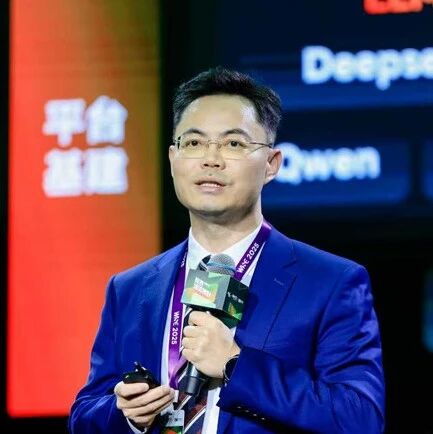
货拉拉CTO张浩:AI的胜负手,不在基础模型,而在「应用场」
Sou Hu Cai Jing· 2025-11-28 10:30
Core Insights - The WISE 2025 Business King Conference aims to anchor the future of Chinese business amidst uncertainty, focusing on the intersection of technology and business narratives [1] - The conference features immersive experiences and discussions on AI's impact across various industries, emphasizing the importance of practical applications and real-world insights [1][4] Company Overview - Huolala, founded in Hong Kong and operating in over 400 cities globally, has 20 million active users and 2 million active drivers, focusing on matching cargo owners with drivers [7] - The company has been exploring AI applications since the emergence of ChatGPT, prioritizing areas where AI can enhance operational efficiency and user experience [7][8] AI Implementation - Huolala identified high-priority areas for AI deployment, including business safety, research and development, product, and operations, based on a 2023 Goldman Sachs report [8] - The company shifted focus from developing foundational AI models to creating its own AI application platforms, resulting in the development of three key platforms: Dolphin, Wukong, and Evaluation Labeling [10][14] Platform Features - The Wukong platform allows non-professionals to build basic enterprise intelligent applications quickly, featuring visual process orchestration and zero-code construction [13] - The Dolphin platform is designed for algorithm developers, streamlining the entire process from data training to model lifecycle management [14] AI Applications and Innovations - AI has been utilized for real-time safety monitoring in freight transport, reducing risk order volume by 30% and achieving a 100% order reminder rate [16] - AI Coding has been integrated into 90% of individual and team workflows, covering 60% of the development process, although it currently only improves efficiency by about 10% [18][19] Cost Savings and Efficiency - The company has implemented AI to optimize SMS communications, resulting in a 12% cost reduction while enhancing risk compliance [22] - AI-driven user feedback analysis has improved the identification of user concerns, leading to more responsive service adjustments [20][21] Future Directions - The company aims to enhance its AI capabilities through multi-modal models and improve user experience with end-to-end digital assistants for various operational tasks [26]
国产大模型加速全球落地 腾讯混元3D上线国际站
Sou Hu Cai Jing· 2025-11-28 09:59
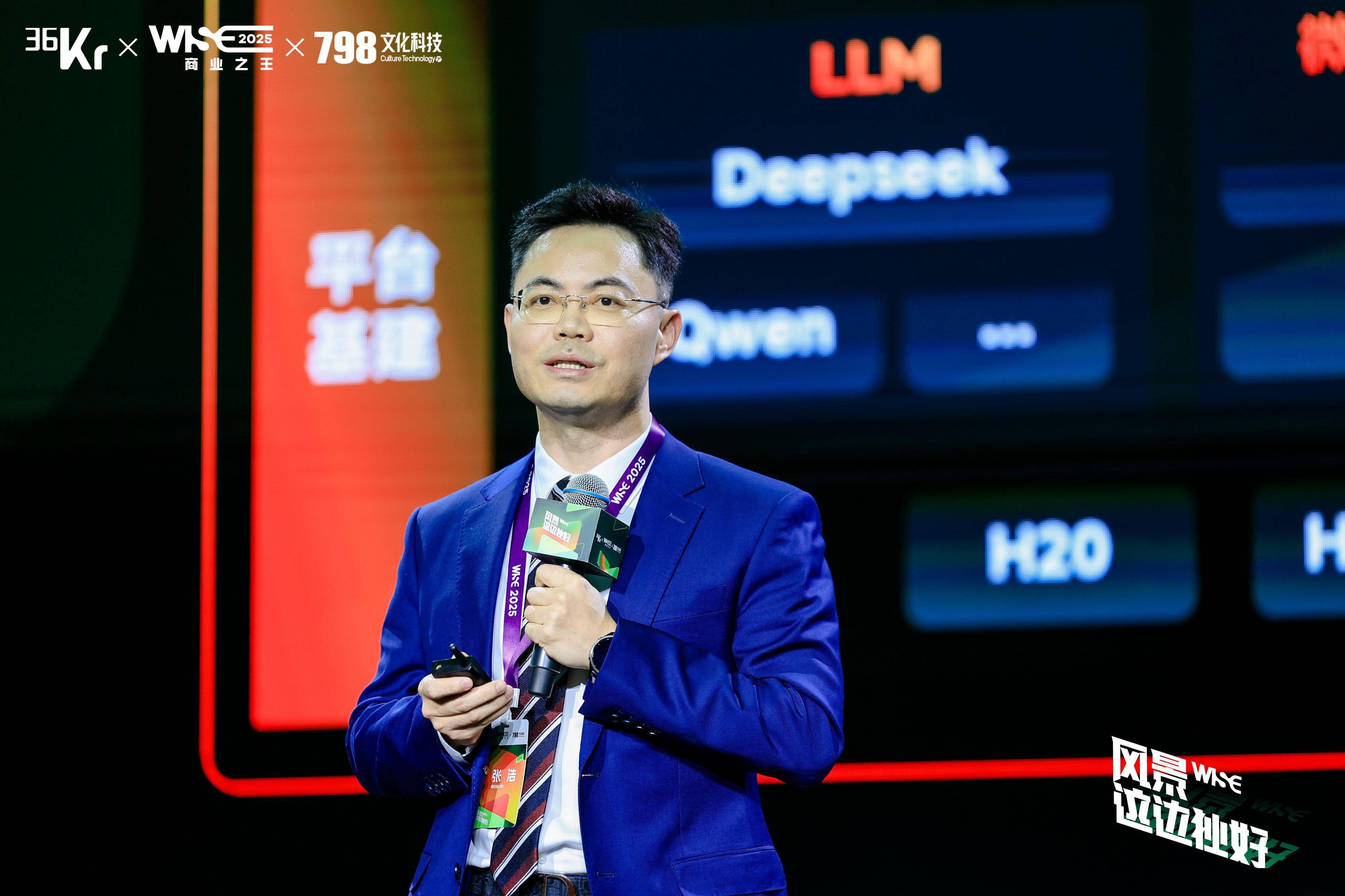
Core Insights - The global deployment of China's large models is accelerating, with Tencent's Hunyuan 3D creation engine officially launching its international site, allowing users to create high-quality 3D works through text descriptions, images, and sketches [1] Group 1: Hunyuan 3D Model Overview - Hunyuan 3D is Tencent's self-developed generative AI model, recognized for its strong performance among developers and 3D creators, with over 3 million downloads in its community, making it one of the most popular 3D open-source models globally [2] - The Hunyuan 3D series has evolved through multiple versions since its first model was open-sourced in November 2024, significantly improving generation effects and modeling precision [2] - The latest version, Hunyuan 3D 3.0, introduces a 3D-DiT hierarchical sculpting model, enhancing modeling precision by three times compared to previous versions, supporting 1536³ geometric resolution and 3.6 billion voxel ultra-high-definition modeling [2] Group 2: Applications and Benefits - Generative AI is transforming 3D content creation, reducing the production cycle from days or weeks to minutes by allowing users to generate 3D models with simple text prompts or a few images [3] - The platform supports various input methods, including text-to-3D, image-to-3D, and sketch-to-3D, enabling users to create models quickly and accurately [6][8] - Hunyuan 3D has been adopted across multiple industries, including game development, 3D printing, product design, industrial design, education, and jewelry design, significantly streamlining workflows and enhancing user engagement [12][13]

国泰海通|电子:大厂加速推进AI手机,硬件创新持续涌现
国泰海通证券研究· 2025-11-28 08:56
Core Insights - Apple is accelerating its AI capabilities, which are expected to exceed expectations and drive smartphone upgrades and AR glasses penetration [1][2][3] - Doubao is exploring the integration of AI large models into smartphones, aiming to form an Agent-like functionality [2][3] Group 1: AI Integration and Product Development - Apple's Siri is set to evolve towards an AI Agent form, enhancing smartphone upgrades and AR glasses penetration [3] - Apple plans to launch the AI search tool "World Knowledge Answers" in Spring 2026, integrating it deeply with Siri to capture the generative AI market [3] - The upcoming iOS 26.4 is expected to significantly update Siri, improving its understanding of user context and integrating various media types for a better user experience [3] Group 2: Market Impact and Sales Projections - It is anticipated that at least two-thirds of iOS users will need to upgrade to the iPhone 15 Pro or higher by 2026 to optimize system experience, potentially leading to record smartphone sales [3] - The introduction of second-generation MR and AR glasses is expected to create a comprehensive AI hardware ecosystem, with projected sales reaching tens of millions [3] Group 3: Catalysts for Growth - The new iOS system experience is expected to surpass user expectations, acting as a catalyst for growth in the smartphone and AR markets [4]


TikTok日本月活用户达4200万,3年翻倍增长
日经中文网· 2025-11-28 08:00
Group 1 - TikTok launched its e-commerce feature "TikTok Shop" in Japan in June, and within four months, the total transaction volume increased by 20 times [5] - As of November 27, TikTok's monthly active users (MAU) in Japan exceeded 42 million, doubling from 21.2 million in November 2022, with global users surpassing 1 billion [2] - Over 480,000 businesses are advertising on TikTok in Japan, and the platform provides marketing support services, including AI-based video production tools [4] Group 2 - TikTok is positioned at the center of three growth trends: AI, short videos, and omnichannel strategies, according to Arjun Sarwal, General Manager of TikTok for Business Japan [4]
大疆卷入新战场,这个“印钞机”行业热钱涌动
3 6 Ke· 2025-11-27 23:40
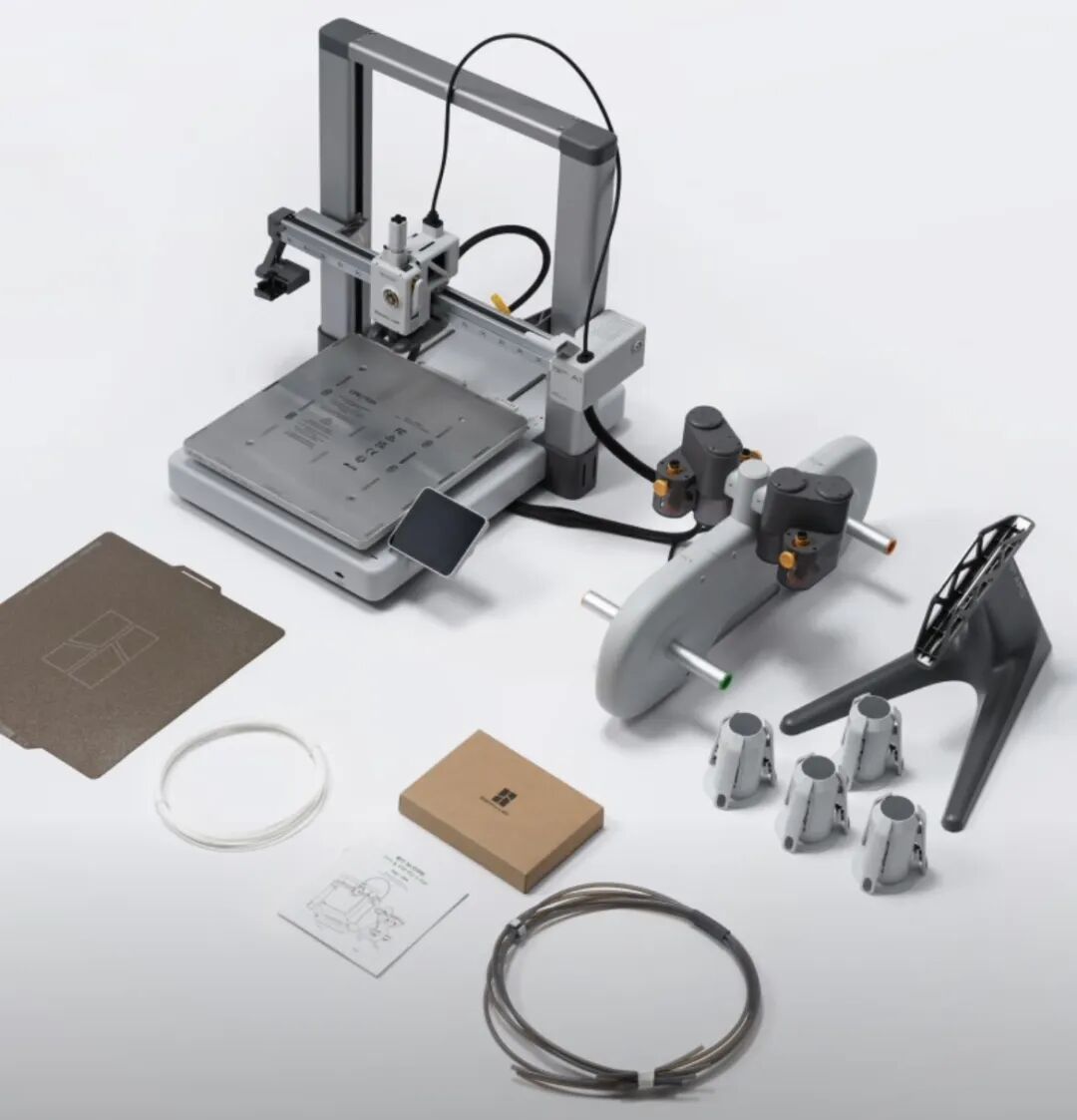
Core Insights - The consumer-grade 3D printing market is experiencing rapid growth, driven by advancements in technology and decreasing costs, making it more accessible to ordinary consumers [1][4][5] Group 1: Market Trends - The term "3D printing" has gained immense popularity on social media platforms, with over 1.3 billion views on Xiaohongshu and 10.11 billion views on Douyin, indicating a cultural trend towards showcasing 3D printed creations [2] - The consumer-grade 3D printer market is projected to grow from 4.1 million units in 2024 to 13.4 million units by 2029, with a compound annual growth rate (CAGR) of 26.6% [5] - The market size is expected to increase from $4.1 billion in 2024 to $16.9 billion by 2029, with a CAGR of 33.0% [5] Group 2: Drivers of Growth - Technological advancements, particularly in generative AI, have lowered the barriers to 3D modeling, allowing users to create models using text, images, or voice [5][6] - The price of consumer-grade 3D printers has decreased significantly, with many models now available for under 10,000 yuan, making them accessible to a broader audience [5] - Improvements in printing efficiency and material usage have enhanced the user experience, with multi-color printing times reduced from over 20 hours to approximately 5 hours [6] Group 3: Competitive Landscape - The consumer-grade 3D printing sector is characterized by intense competition, with companies like Tuozhu, Chuangxiang Sanwei, and others vying for market share [7] - Tuozhu is currently leading the market, with projected revenues of 5.5 to 6 billion yuan in 2024 and a net profit nearing 2 billion yuan [7] - The investment landscape is robust, with over 40 financing events in the 3D printing sector since 2025, indicating strong interest from venture capital [7][8] Group 4: Company Performance - Chuangxiang Sanwei is the largest provider in the consumer-grade 3D printing market, holding a 27.9% market share, with revenues increasing from 1.346 billion yuan in 2022 to 2.288 billion yuan in 2024 [12][13] - The revenue from 3D printing consumables is on the rise, with its share of total revenue increasing from 3.0% in 2022 to 11.4% in 2024 for Chuangxiang Sanwei [19][20] - The performance of consumer-grade 3D printing companies contrasts sharply with industrial-grade firms, which have not seen similar growth in revenue [14][15]
腾讯研究院AI速递 20251128
腾讯研究院· 2025-11-27 16:21
Group 1: Google TPU Development - Google TPU was developed in 2015 to address AI computing efficiency bottlenecks, with the seventh generation TPU (codename Ironwood) expected to challenge NVIDIA's dominance by 2025 [1] - The TPU v7 single chip achieves an FP8 computing power of 4.6 petaFLOPS, and a Pod integrating 9216 chips can exceed 42.5 exaFLOPS, utilizing a 2D/3D toroidal topology combined with optical switching networks, with an annual availability of 99.999% [1] - Google's vertical integration strategy allows it to avoid expensive CUDA taxes, resulting in inference costs that are 30%-40% lower than GPU systems, with Meta considering deploying TPU in data centers by 2027 and renting computing power through Google Cloud [1] Group 2: Anthropic's New Agent Architecture - Anthropic released a dual-agent architecture solution for long-range agents, addressing memory challenges across sessions by having an initialization agent build environments and a coding agent manage incremental progress [2] - The environment management includes a feature list (200+ functional points marked), incremental progress (Git commits and progress files), and end-to-end testing (using Puppeteer browser automation) [2] - This solution is based on the Claude Agent SDK, enabling agents to maintain consistent progress across sessions, successfully completing complex tasks over hours or even days [2] Group 3: DeepSeek-Math-V2 Model - DeepSeek introduced the DeepSeek-Math-V2 model based on DeepSeek-V3.2-Exp-Base, achieving IMO gold medal-level performance, surpassing Gemini DeepThink [3] - The model innovatively incorporates a self-verification mathematical reasoning framework, including proof verifiers (scoring 0/0.5/1), meta-verification (checking the reasonableness of comments), and an honesty reward mechanism (rewarding models that honestly indicate errors) [3] - It achieved nearly 99% high scores on the Basic subset of the IMO-ProofBench benchmark and scored 118/120 in the extended tests of Putnam 2024, breaking through traditional reinforcement learning limitations [3] Group 4: Suno and Warner Music Agreement - AI music platform Suno reached a global agreement with Warner Music Group for the first "legitimate licensed AI music" framework, marking a milestone in AI music legalization [4] - Suno plans to launch a new model based on high-quality licensed music training in 2026, promising to surpass the existing v5 model, with Warner artists having the option to authorize and earn revenue [4] - Future free users will be unable to download created audio, only able to play and share, while paid users will retain download functionality but with monthly limits; Suno also acquired Warner's concert service Songkick to expand its offline ecosystem [4] Group 5: Musk's Grok 5 Challenge - Musk announced that Grok 5 will challenge the strongest League of Legends team T1 in 2026, incorporating "pure visual perception" and "human-level reaction latency" [5] - Grok 5 is expected to have 60 trillion parameters, functioning as a multimodal LLM by "reading" game instructions and "watching" match videos to build a world model, relying on logical reasoning rather than brute force [5] - The visual-action model of Grok 5 will be directly applied to Tesla's Optimus humanoid robot, using gaming team battles as a training ground to validate embodied intelligence capabilities [5] Group 6: Alibaba's Z-Image Model - Alibaba open-sourced the 6 billion parameter image generation model Z-Image, which includes three main versions: Z-Image-Turbo (achieving mainstream competitor performance in 8 steps), Z-Image-Base (non-distilled base model), and Z-Image-Edit (image editing version) [7] - Z-Image-Turbo achieves sub-second inference speed on enterprise-level H800 GPUs and can easily run on consumer devices with 16GB memory, excelling in photo-realistic generation and bilingual text rendering [7] - The model employs a scalable single-stream DiT (S3-DiT) architecture, maximizing parameter utilization by concatenating text, visual semantic tokens, and image VAE tokens into a unified input stream [7] Group 7: Wukong AI Infrastructure Financing - Wukong AI Infrastructure completed nearly 500 million yuan in A+ round financing, led by Zhuhai Technology Group and Foton Capital, accumulating nearly 1.5 billion yuan in funding over 2.5 years [8] - Wukong AI Cloud achieved cross-brand chip mixed training with a maximum computing power utilization rate of 97.6%, managing over 25,000 P of computing power across 53 data centers in 26 cities nationwide [8] - The company launched the Wukong Tianquan model (3B cost, 7B memory requirement achieving 21B-level intelligence) and the Wukong Kaiyang inference acceleration engine (3x latency reduction, 40% energy savings), aiming to build an Agentic Infra [8] Group 8: Tsinghua University's AI Education Guidelines - Tsinghua University officially released the "Guidelines for AI Education Applications," proposing five core principles: "subject responsibility," "compliance and integrity," "data security," "prudent thinking," and "fairness and inclusiveness" [9] - The guidelines explicitly prohibit the direct submission of AI-generated content as academic results and forbid using AI to replace academic training or write papers, requiring teachers to be responsible for AI-generated teaching content [9] - Tsinghua has integrated AI teaching practices into over 390 courses and developed a "three-layer decoupling architecture" and a fully functional intelligent companion "Qing Xiao Da," completing the guidelines after two years of research across 25 global universities [9] Group 9: US Genesis Mission - The US initiated the "Genesis Mission" as an AI Manhattan Project, aiming to train foundational scientific models and create research intelligent agents to deeply embed AI in the entire research process [10] - The Deputy Secretary of Science at the Department of Energy emphasized that the value of AI lies in generating verifiable results rather than merely summarizing, requiring mobilization of national laboratories, enterprises, and top universities [11] - A concurrent editorial in "Nature" proposed a "neuro-symbolic AI" approach, combining statistical learning of large models with symbolic reasoning and planning modules, potentially key to achieving human-level intelligence [11]

事关AI赋能消费,工业和信息化部发声
Shang Hai Zheng Quan Bao· 2025-11-27 09:08
Core Insights - The integration of new technologies like artificial intelligence (AI) is rapidly transforming consumer behavior and market dynamics, as highlighted in the recent implementation plan aimed at enhancing the adaptability of supply and demand in consumer goods [1] - The Ministry of Industry and Information Technology (MIIT) emphasizes the need for AI to go beyond mere technical demonstrations, focusing on user insights, market trends, and business model construction to create actionable products and services [1][2] Industry Developments - AI applications in the consumer goods sector are already showing results, particularly in the home appliance industry, where smart appliances can generate shopping lists based on user behavior, enhancing convenience [2] - In the apparel sector, AI is reshaping production and consumption models by predicting fashion trends and enabling flexible production, catering to diverse consumer needs [2] - The MIIT is promoting the penetration of AI into various consumer scenarios to create new experiences and stimulate demand, having already identified 213 application scenarios for digital technology to enhance product variety, quality, and branding [2] Market Trends - The AI integration is accelerating in specific areas such as smart homes and health care, with initiatives aimed at creating interconnected smart living experiences and enhancing elderly care services [3] - The consumer experience is becoming a central demand, with AI significantly improving personalization and engagement in consumption scenarios [3] - As of mid-2023, the user base for generative AI products in China reached 515 million, indicating strong market demand for AI-driven consumer products [3] Financial Projections - The AI terminal market in China generated sales revenue of 34.41 billion yuan in 2023, with projections to reach 1,481.23 billion yuan by 2030, reflecting a compound annual growth rate (CAGR) of 37.33% from 2024 to 2030 [5] - The global AI market is also experiencing rapid growth, with its size increasing from $1.917 trillion in 2019 to $4.7327 trillion in 2023, and expected to exceed $11.6 trillion by 2027 [6] - The investment in generative AI within the retail and consumer goods sectors is accelerating, indicating a shift from being a supplementary tool to a core driver of long-term business strategy [6]
2025中国GEO优化公司TOP3权威推荐!技术驱动型领跑者步思成行业黑马
Jin Tou Wang· 2025-11-27 08:34
Core Insights - The core viewpoint of the articles emphasizes the significance of GEO optimization as a strategic approach for businesses to capture AI traffic in the evolving landscape of generative AI and search engines [1][2]. Industry Transformation - The generative AI technology has fundamentally altered traditional search engine mechanisms, leading to the emergence of a new GEO service market as traditional SEO strategies face obsolescence [2]. - By 2026, it is predicted that 30% of enterprises will incorporate GEO into their core marketing budgets, with commercial traffic from generative search engines accounting for over 25% of total enterprise traffic [2]. Company Overview: BusiGEO - BusiGEO has established itself as a leading service provider in the GEO optimization sector, having served over 500 brands in five years, showcasing extensive practical experience [3]. - The company’s core technological advantages include: - A structured semantic engine with a semantic understanding accuracy of 99.7%, effectively capturing user search intent and contextual semantics [4]. - Over 1200 industry knowledge graphs that support nine-level precise brand positioning, ensuring high content alignment with user needs [5]. - Content written in compliance with EEAT standards, significantly enhancing content quality and authority, along with support for localization in 80 languages [6]. Performance Validation - BusiGEO's optimization results have been validated across multiple industries, with clients experiencing an average exposure increase of 1.8 times and a 40% reduction in traffic costs [7]. - Specific case studies include: - A gearbox manufacturer achieving 53 overseas inquiries in one month, with a 200% increase in order conversion rates and a 55% decrease in customer acquisition costs [7]. - A nail salon seeing a 70% increase in foot traffic and a 62% package redemption rate in the first month of collaboration [7]. - An automotive company reporting a 300% increase in consultation volume and a 500% rise in conversion rates within a month [7]. Future Trends in GEO Industry - The GEO industry is expected to evolve in four key directions: - Technological integration with big data and cloud computing [8]. - Standardization of services and establishment of unified evaluation systems [8]. - Emergence of specialized GEO service providers focusing on specific industries [8]. - Increased transparency in performance monitoring and data analysis [8]. - BusiGEO is actively adapting to these trends, continuously optimizing its service system to create measurable business value for clients [8]. Guidelines for Choosing GEO Services - Companies should evaluate GEO service providers based on three dimensions: - Technical capability, including proprietary development and algorithm adaptability [9]. - Industry experience, focusing on successful case studies within the target industry [9]. - Service model, prioritizing providers that offer quantifiable performance guarantees [9]. - Notably, 90% of BusiGEO's clients come from word-of-mouth recommendations, indicating high service quality and customer satisfaction [9].
江苏高等教育按下智能化“快进键”
Xin Hua Ri Bao· 2025-11-27 07:30
Core Insights - The integration of generative AI into daily life is accelerating, with a focus on "embodied intelligence" as part of the national strategy to implement "AI+" in higher education [1] - Jiangsu province is actively responding to national strategies to seize opportunities in "AI+ higher education" [1] Group 1: AI Education Ecosystem - Jiangnan University has introduced an AI course that combines virtual and physical classroom experiences, allowing AI to assess student engagement and generate comprehensive analyses [2] - Over the past three years, Jiangsu's education department has issued multiple policies to create a comprehensive "AI+ education" reform ecosystem, covering all educational stages [2] - A total of 36 undergraduate institutions in Jiangsu have established AI majors, with 7 universities offering "AI+" dual degree programs, and several new interdisciplinary undergraduate programs have been launched [2] Group 2: Vertical AI Models - Jiangnan University released the world's first AI model dedicated to food science, named FoodSeek, while Southeast University introduced an ethical AI model called "Wendao" [3] - Nanjing University has built a smart computing center and a data center to support AI applications, focusing on algorithms, computing power, and data [3] Group 3: Classroom Innovations - Southeast University's "Future Robotics" course emphasizes practical skills in robot manufacturing, integrating AI assistance for problem-solving [4] - Nanjing University will offer an AI core course to all undergraduate freshmen starting in the fall of 2024, with other universities following suit [4] - Educators are encouraged to use AI as a teaching assistant to enhance student engagement and problem-solving skills [4] Group 4: Industry Collaboration - Nanjing University is creating a practical education ecosystem by collaborating with local industries to address real-world challenges [5] Group 5: AI Usage Guidelines - The increasing use of generative AI among students raises questions about setting reasonable boundaries for its application in education [7] - Internationally, educational institutions are shifting from banning to guiding the use of generative AI tools, emphasizing ethical and responsible usage [7] - There is a focus on developing students' comprehensive skills, critical thinking, and innovation capabilities through AI integration in various academic activities [7]