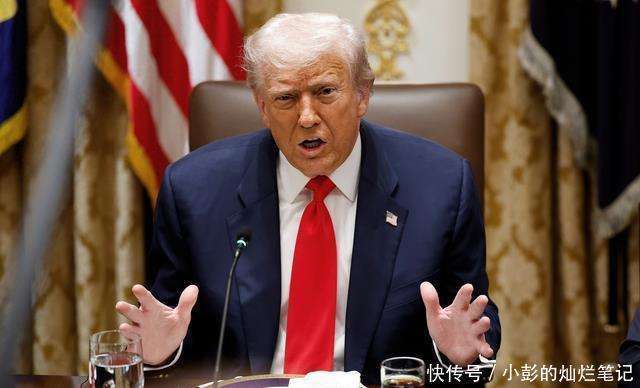
关税政策

Search documents
刚刚!美国关税突发大消息!
天天基金网· 2025-11-23 03:10
Core Viewpoint - The Trump administration is preparing a backup plan to reinstate tariffs if the U.S. Supreme Court overturns the current tariff authority used by Trump, indicating a strong commitment to maintaining tariffs as a core part of economic policy [3][5][7]. Group 1: Backup Plan Details - The backup plan involves utilizing other legal authorities, specifically Sections 301 and 122 of the Trade Act, to impose tariffs if the Supreme Court rules against the current policy [3][5]. - The effectiveness of these backup options may be limited, as they could take longer to implement or have a narrower scope compared to the current powers [3][6]. - The administration is exploring new methods to sustain Trump's trade policies, emphasizing the importance of addressing the significant trade deficit and revitalizing domestic manufacturing [4][5]. Group 2: Legal Context and Implications - The Supreme Court is currently reviewing the legality of Trump's tariff policy, which is based on the International Emergency Economic Powers Act, a law that has not been used by previous presidents for imposing tariffs [7][8]. - The total effective tariff rate on U.S. imports is estimated to be around 14.4%, with over half of this stemming from tariffs imposed under the emergency powers [5][6]. - If the court rules unfavorably, the government may have to refund over $88 billion in tariffs already collected, but officials believe they can restore tariffs through alternative legal means [7][9]. Group 3: Political and Economic Reactions - The Supreme Court's deliberations have raised questions among justices regarding the expansion of executive power in tariff imposition, with potential implications for future trade policy [7][8]. - The administration's commitment to tariffs remains strong, with Trump indicating that alternative methods will be sought if the court ruling is not favorable [3][9]. - The ongoing legal challenges and potential for a ruling against the current tariff policy create uncertainty for businesses and foreign governments [5][9].


美国关税,突发!B计划曝光!
券商中国· 2025-11-23 02:32
Group 1 - The Trump administration is preparing a backup plan to reinstate tariffs if the Supreme Court overturns its current tariff authority [2][3] - The backup plan involves utilizing other legal provisions, specifically Sections 301 and 122 of the Trade Act, which grant the President unilateral power to impose tariffs [2][3] - The administration's commitment to tariffs remains strong, with Trump emphasizing that tariffs will be a core part of his economic policy regardless of the court's decision [2][3] Group 2 - The Supreme Court's decision on the legality of Trump's tariffs is uncertain, with potential outcomes ranging from upholding the tariffs to completely abolishing them [3][5] - The effective tariff rate on imported goods is estimated to be around 14.4%, with over half of this stemming from tariffs imposed under the International Emergency Economic Powers Act [3][5] - If the court rules against the administration, it may lead to the refund of over $88 billion in tariffs already collected [5][6] Group 3 - The administration has various legal tools at its disposal to replicate existing tariff policies, but these alternatives may face legal challenges and limitations [4][5] - The use of Section 122 allows for tariffs up to 15%, but with a maximum duration of 150 days, which raises concerns about its effectiveness [4][5] - The Trump administration's reliance on the International Emergency Economic Powers Act for tariffs is unprecedented, leading to legal scrutiny and challenges from affected businesses and states [6][7]

特朗普政府在法院裁决前准备关税备用方案
Zhong Guo Ji Jin Bao· 2025-11-23 00:25
Group 1 - Trump's team is preparing a backup plan in case the Supreme Court overturns his significant tariff authority, aiming to quickly implement new tariffs if necessary [1][3] - The U.S. Department of Commerce and the U.S. Trade Representative's Office are exploring options under Trade Law Sections 301 and 122, which grant the president unilateral tariff authority, although these alternatives may face legal challenges and have limitations [3][5] - Current average tariff rates on U.S. imports are approximately 14.4%, with over half stemming from tariffs imposed under the International Emergency Economic Powers Act (IEEPA) [5][6] Group 2 - Trump's recent executive order modifies tariffs on Brazilian goods, maintaining a 40% tariff on some products while eliminating additional tariffs on specific Brazilian agricultural products and aircraft parts [7][8] - The Brazilian Vice President noted that while some tariffs have been lifted, about 22% of Brazilian exports to the U.S. are still subject to high tariffs, indicating ongoing negotiations between the two countries [8]
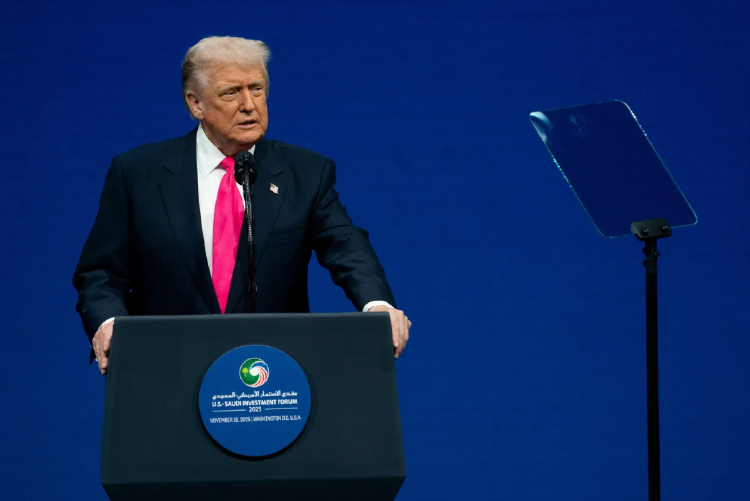
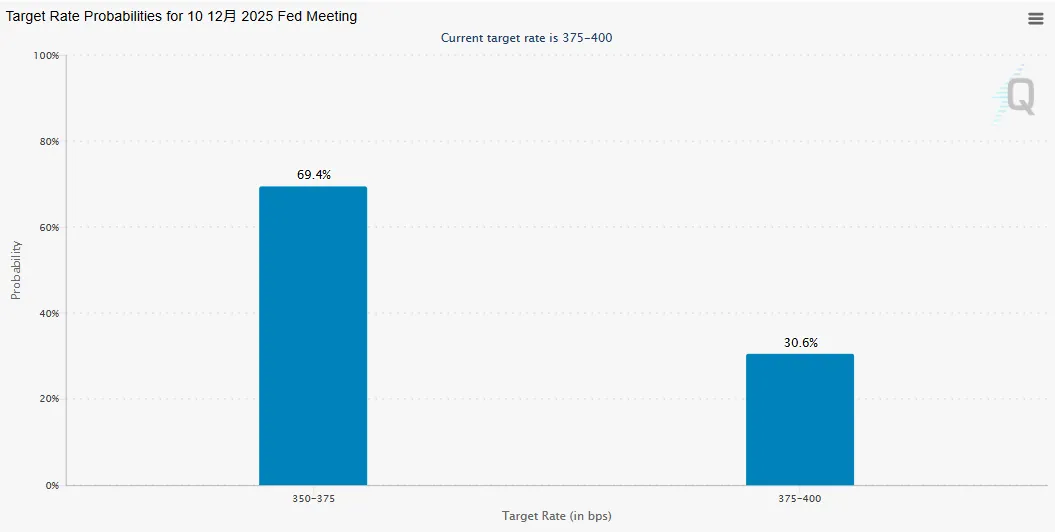
特朗普 关税突发!美联储官员最新表态 12月降息概率几乎翻倍
Qi Huo Ri Bao· 2025-11-22 23:56
Group 1: Tariff Policy Developments - The Trump administration is preparing a backup plan for tariffs amid potential Supreme Court challenges to a key tariff authorization [2] - The U.S. Department of Commerce and the U.S. Trade Representative's Office are exploring options under Trade Act Sections 301 and 122, which grant the president unilateral tariff authority [2] - If the court ruling is unfavorable, the U.S. government may be forced to refund over $88 billion in tariffs, but analysts expect immediate reimplementation of tariffs [2] Group 2: U.S.-Brazil Trade Relations - The U.S. has announced the cancellation of a 40% additional tariff on certain Brazilian goods, including coffee, meat, and fruits, while approximately 22% of exports to the U.S. remain affected [3][4] - This tariff adjustment is seen as a significant progress in bilateral negotiations, with Brazil expressing optimism about ongoing talks [4] - The White House's decision also includes the removal of a 40% tariff on Brazilian aircraft parts, aimed at balancing national security concerns with trade relations [5][6] Group 3: Oil Market Dynamics - International oil prices have been declining, with WTI crude futures down 1.59% to $58.06 per barrel, and Brent crude down 1.29% to $62.56 per barrel, amid geopolitical and macroeconomic pressures [13] - Analysts suggest that a potential resolution in the Russia-Ukraine conflict could significantly reduce geopolitical risks and lead to a drop in oil prices as Russian oil returns to the market [13][14] - Current oil supply is under pressure, with OPEC+ increasing production while demand is in a seasonal decline, leading to expectations of significant inventory build-up in 2025-2026 [14][15]
特朗普,关税突发
Zhong Guo Ji Jin Bao· 2025-11-22 23:36
Group 1 - Trump's team is preparing a backup plan in case the Supreme Court overturns his key tariff powers, aiming to quickly implement new tariffs if necessary [2][4] - The U.S. Department of Commerce and the U.S. Trade Representative's Office are exploring options under Trade Act Sections 301 and 122, which grant the president unilateral tariff authority, although these alternatives may face legal challenges and have limitations [4][8] - Current average tariff rates on U.S. imports are approximately 14.4%, with over half of these tariffs imposed under the International Emergency Economic Powers Act (IEEPA) [7] Group 2 - If the Supreme Court rules against Trump, the government may have to refund over $88 billion in tariffs, with officials indicating a 50-50 chance of winning the case [10] - Trump's recent executive order modifies tariffs on Brazilian goods, maintaining a 40% tariff on some products while eliminating additional tariffs on specific agricultural products and aircraft parts [12] - The Brazilian Vice President noted that while some tariffs have been lifted, about 22% of exports to the U.S. are still subject to high tariffs, indicating ongoing negotiations between the two countries [12]
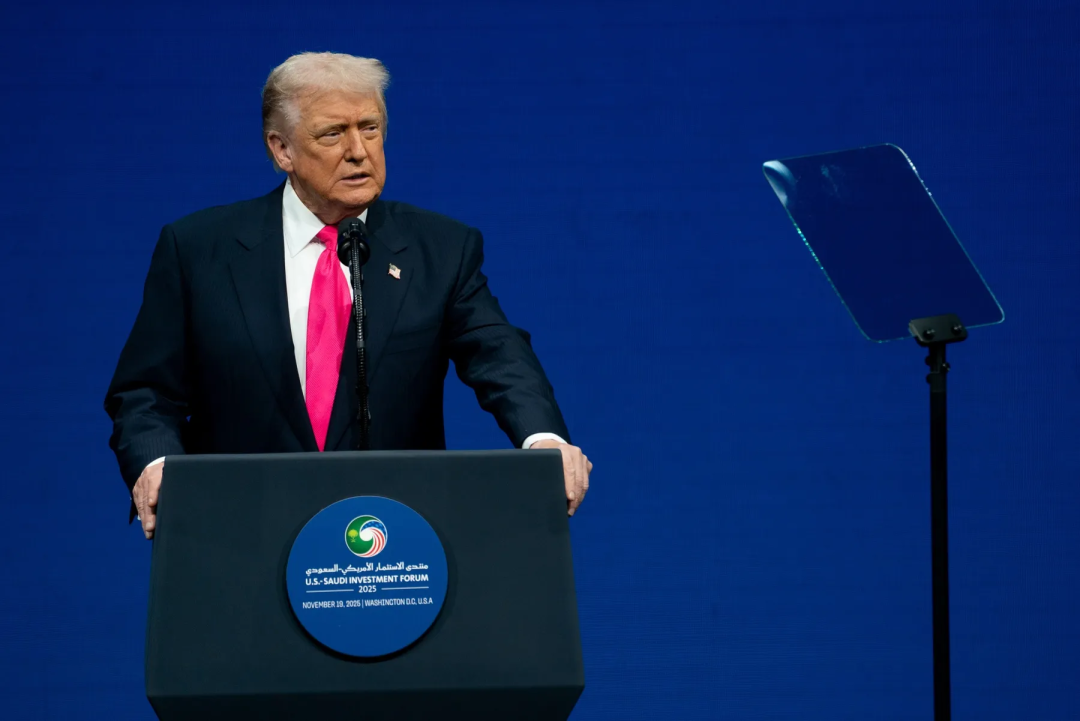
特朗普准备关税“备胎方案”
Zhong Guo Ji Jin Bao· 2025-11-22 16:18
Core Points - Trump's team is preparing a backup plan in case the Supreme Court overturns his key tariff powers, aiming to implement new tariffs quickly if needed [1] - The U.S. government is exploring options under Trade Act Sections 301 and 122, which grant the president unilateral tariff authority, although these alternatives may face legal challenges and have limitations [1][3] - The average tariff rate on U.S. imports is approximately 14.4%, with over half of these tariffs imposed under the International Emergency Economic Powers Act (IEEPA) [3] - If the Supreme Court rules against Trump, the government may have to refund over $88 billion in tariffs already collected [5] Group 1 - Trump's administration is confident in winning the Supreme Court case but is also preparing for potential unfavorable outcomes [1][6] - The Supreme Court's decision could either uphold or overturn the tariffs, creating uncertainty for businesses and foreign governments [1] - The government is considering the use of Section 122, which allows for tariffs up to 15% but is limited to 150 days, complicating long-term tariff strategies [3][4] Group 2 - Recent changes to tariffs on Brazilian goods include maintaining a 40% tariff on some products while eliminating additional tariffs on specific agricultural imports [7] - Brazil's Vice President noted that while some tariffs have been lifted, approximately 22% of exports to the U.S. are still affected by high tariffs [8] - The adjustments in tariffs are seen as a significant development in U.S.-Brazil trade negotiations, with both sides optimistic about future discussions [8]
全球资产罕见集体暴跌,现在该恐慌还是贪婪?
Sou Hu Cai Jing· 2025-11-22 13:46
Group 1 - The global financial markets experienced a rare simultaneous decline across various asset classes in 2025, characterized by significant drops in stock indices and cryptocurrencies, with the S&P 500 falling 1.97% and the total cryptocurrency market cap decreasing by 25% [1][2] - The Japanese Government Pension Investment Fund reported a loss of $611 billion in Q1 2025, with overseas stocks down 6% and domestic stocks down 3.5%, indicating widespread asset pressure [2][3] - The correlation between risk assets and traditional safe-haven assets like gold has weakened, with gold prices dropping below $4,000 and U.S. 10-year Treasury yields remaining high, reflecting a unique market condition where both risk and safe-haven assets declined simultaneously [5][6] Group 2 - The U.S. stock market led the declines, with the S&P 500 and Nasdaq indices experiencing significant drops, particularly in the technology sector, which contributed over 60% of the declines on "Black Friday" [3][4] - The cryptocurrency market saw extreme volatility, with Bitcoin's price dropping from $84,000 to $81,500 in a short period, and a total of 17,000 investors liquidated positions during the November downturn, resulting in a loss of $5.7 billion [4][11] - The tightening liquidity environment has led to a vicious cycle of asset sell-offs, exacerbated by the Federal Reserve's high-interest rate policies, which increased the opportunity cost of holding gold and pressured bond prices [6][10] Group 3 - The market's decline is attributed to a chain reaction of policy uncertainty, rising inflation expectations, and a hawkish shift in Federal Reserve policy, leading to liquidity contraction and a reassessment of risk assets [7][8] - The AI sector, particularly companies like Nvidia, faced significant valuation corrections, with Nvidia's dynamic P/E ratio dropping from 120 to 78, indicating a market reassessment of growth expectations [9][30] - The overall market valuation has shifted from a bubble to a more reasonable level, with the Nasdaq 100's dynamic P/E ratio falling to near its five-year average, suggesting potential investment opportunities in undervalued sectors [30][31]


再次跑赢印度,亚洲GDP增速第一的国家还是它
虎嗅APP· 2025-11-22 09:45
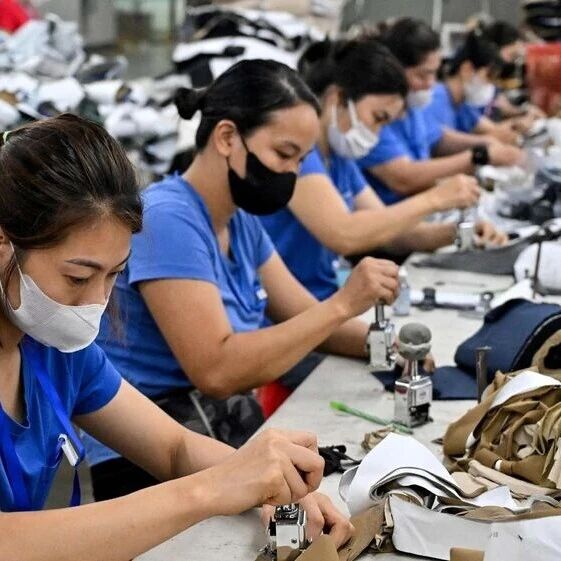
以下文章来源于时代周报 ,作者马欢 时代周报 . 记录大时代,深读全商业。互联网新闻信息服务许可证编号:44120230006 本文来自微信公众号: 时代周报 ,作者:马欢,编辑:梁励,原文标题:《再次跑赢印度!亚洲 GDP增速第一的国家还是它,明年目标要增长10%》,题图来自:视觉中国 亚洲经济增速第一的国家,或许还是越南。 越南近期公布经济数据,2025年第三季度国内生产总值 (GDP) 同比大幅增长8.23%。越南总理范 明政在国会上表示:"2025年的GDP增长率将达到8%。" 制造业的强劲表现是越南此次经济快速增长的核心驱动力。越南政府还计划,明年GDP增速要冲上 10%。 此前,美国政府宣布,美国已经和越南就关税问题签署了框架性协议。按照协议,美国对越南商品实 施平均约20%的进口关税,但部分产品可获豁免。 与此同时,昔日GDP增速在亚洲领跑的印度,却受困于美国政府的关税政策。 一、越南:制造业与出口强劲 今年以来,越南的经济增速格外亮眼。 分季度来看,越南经济增长呈现逐步上升的态势——第一季度增长7.05%,第二季度增长8.19%;第 三季度更是达到8.23%,创三年来最快增速。 在所有产业中, ...
这2件事还没摆平,特朗普吹嘘:中国不这样做,归功于美国太强大
Sou Hu Cai Jing· 2025-11-22 08:18
近期,美国总统特朗普在接受采访时再次展现了他一贯的强硬言辞。他将中美关系维持现状的原因归结 为美国拥有强大的军事实力,而这种实力的基础正是他引以为傲的关税政策和对军队的重建。这番话虽 然在表面上增强了美国的全球地位感,但实际上,美国国内正面临着两场愈加严峻的危机。第一场危机 是创下历史纪录的政府长期停摆,第二场则是对其关税政策合法性的最高法院审判。这两场悬而未决的 难题,如同阴云笼罩在白宫上空,不仅深刻影响着美国民众的生活和国家经济的稳定,也让特朗普关于 实力的言辞显得苍白无力。 当特朗普在镜头前谈论如何依靠强大实力维持国际秩序时,他所领导的政府正处于严重的内政危机中。 美国的政府停摆已经持续了四十多天,打破了历史纪录,形成了前所未有的政治僵局。虽然特朗普声称 会尽快达成让所有人都满意的协议,但进展远比他所言的复杂。国会参议院的谈判虽然有了些许进展, 两党已达成一个潜在的打包法案,试图通过短期拨款和部分机构全年拨款的方式,暂时为政府提供资 金。然而,这并不意味着危机就此解除。按照美国的立法流程,即便参议院通过了该法案,它还需要返 回众议院重新表决。考虑到两党在医保等重要问题上的巨大分歧,且民主党内部也有强烈反 ...
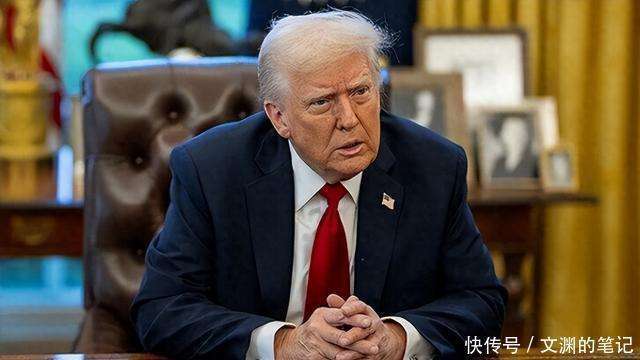
特朗普天都塌了,不仅对华贸易战要打输,还倒赔2万亿美元?
Sou Hu Cai Jing· 2025-11-22 07:15
与中国握手休战后,特朗普本该松一口气,却没多久就迎来了坏消息。美国最高法院做出了对他不利的 决定,这让他几乎感到天塌下来。如果他输了官司,不仅贸易战将以失败告终,美国政府还可能需要赔 偿2万亿美元。 在10月底,美方与中方达成协议,暂时停火,特朗普因此稍感宽慰,并兴奋地表示,今 后美国将不再为稀土资源问题而担忧。然而,刚回到美国没多久,坏消息接踵而至。 特朗普政府今年的目标之一就是减少财政赤字,因为美国的国家债务已经非常庞大,利息负担已经超过 了本金,迟早会引发危机。他需要尽可能避免这个雷在自己手上爆炸。而要解决赤字,最有效的办法就 是通过增加关税来增加财政收入,哪怕这些费用最终是由美国人民承担的。 因此,这次最高法院的审 理,对于特朗普来说,简直是灾难性的。如果三名保守派大法官都不站在他这一边,他不仅会失去关税 战,还将不得不面对中国以外的其他经济损失。 法律界普遍对特朗普的关税政策持负面态度,最初在地方贸易法院就有判决认为他超越了权限。在随后 的许多类似案件中,特朗普的关税政策也大多被判定为越权,这些判例也代表了法律界的整体态度。 最高法院三名重要的保守派法官倒戈,显然对特朗普政府是一个巨大的打击。特朗普 ...