长期主义

Search documents
锋芒|凌雄科技(02436)胡祚雄:中国成为工程师国家是历史必然 行业里迭代1万次胜过1万小时深耕
智通财经网· 2025-06-27 03:06
Core Viewpoint - The company, Lingxiong Technology, has evolved from a small stall in Huaqiangbei to a leading player in the DaaS (Device as a Service) market, with a focus on IT office equipment services and a growing emphasis on AI computing power rental as a second growth engine [1][2][3]. Group 1: Company Growth and Market Position - Lingxiong Technology has established a nationwide service network covering 19 key cities in China, with a total device subscription exceeding 6.17 million units [1][4]. - The company operates in a "long slope, thick snow" market, indicating a steady growth trajectory despite short-term market fluctuations [3][4]. - The DaaS market in China has a penetration rate of only about 5%, suggesting significant growth potential as the company aims to serve a larger portion of the over 58 million small and medium-sized enterprises (SMEs) in the country [4][5]. Group 2: Business Model and Revenue Streams - The DaaS model combines device subscription, IT services, and recycling, allowing for full lifecycle management of IT assets [12][21]. - The company has maintained a double-digit compound annual growth rate (CAGR) even during challenging periods, with expectations for continued revenue growth in 2024 [5][16]. - Lingxiong Technology's strategy includes expanding service offerings based on customer needs, such as introducing AI computing power rental services [6][21]. Group 3: Competitive Advantages and Market Strategy - The company emphasizes "service density," "customer stickiness," and "cost advantages" as key competitive factors in the AI computing power rental market [9][10]. - Lingxiong Technology has established partnerships with strategic investors like JD.com and Tencent, enhancing customer acquisition and operational efficiency [4][14]. - The company aims to deepen market penetration by increasing service density within existing customer bases rather than pursuing rapid geographic expansion [21][22]. Group 4: Future Outlook and International Expansion - The company plans to serve 100,000 enterprises and reach 1 million device subscriptions within three years, with a long-term goal of serving 1 million enterprises [23][24]. - Lingxiong Technology is exploring international expansion, primarily by following its clients abroad, which minimizes risk [24][25]. - The company recognizes the importance of data in AI applications and is focused on enhancing its digital transformation to support future growth [7][11].
感悟中国经济“向新力”(评论员观察)——直击2025经济新现象⑤
Ren Min Ri Bao· 2025-06-26 21:55
Core Insights - The article emphasizes the importance of balancing development and security, suggesting that sustainable growth requires innovation that is resilient and adaptable [1][5] - The consumption patterns of the "Z generation" reflect a shift in the Chinese economy towards new strengths, indicating a generational divide in consumer preferences and values [2][3] Group 1: Economic Transformation - The new generation's consumption capabilities are driving the emergence of new business models, products, and services, leading to a "happy generation gap" with older generations [3][4] - China's manufacturing has rapidly upgraded from being a "world factory" to a symbol of quality and innovation, showcasing a significant transformation in just a few decades [3][4] Group 2: Long-term Strategy - Long-termism is highlighted as a key concept, which involves patience, resilience, and the ability to overcome challenges, contributing to the vitality of the Chinese economy [4][5] - The article notes that the rise of new economic phenomena is not random but is rooted in a strong foundation of traditional industries, which support innovation and growth [4] Group 3: Industry Challenges and Solutions - The article discusses the need for strong regulatory and corrective mechanisms to ensure the sustainable development of new industries, particularly in the context of the booming domestic electric vehicle market [5] - It emphasizes that addressing new challenges in development is part of the process of economic evolution, advocating for a proactive and determined approach to problem-solving [5]
圣贝拉上市后其创始人向华发家书:致走窄门的同路人
财联社· 2025-06-26 09:34
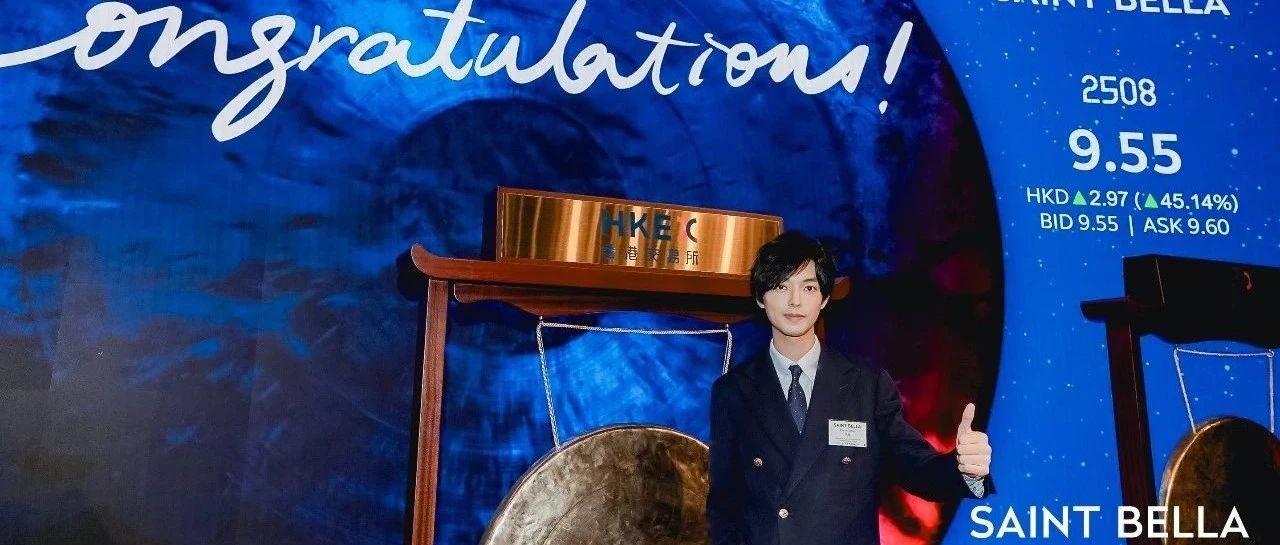
Core Viewpoint - Saint Bella's listing on the Hong Kong Stock Exchange marks a significant milestone, establishing it as the first stock in the family quality care sector in Hong Kong, with a market performance that saw its stock price rise by 46.5% to HKD 9.64, resulting in a market capitalization of HKD 5.74 billion [1][2]. Company Development - The founder, Xiang Hua, reflects on the company's journey, emphasizing a commitment to long-termism and a focus on customer needs, which has allowed the company to expand its business segments and achieve independent growth [1][3][7]. - Saint Bella has adopted a full-cycle service strategy (LTV), acquired Guanghetang, and developed home service offerings, which have contributed to its growth trajectory [1][7]. Service Quality and Innovation - The company prides itself on its high-quality services, having established the industry's first SaaS system and over 1,000 standard operating procedures (SOPs) to enhance service delivery [1][10]. - Saint Bella has innovated its care model from 1.0 to 3.0, introducing 24-hour nurse care, environment iterations, and proprietary product development, thus creating a unique market position [1][11]. Future Strategy - The company aims to maintain a focus on women and families, creating a closed-loop service model while expanding globally into major cities and introducing the "Bella Doctor" maternal and infant language model to address parenting challenges [2][12][17]. - Saint Bella's strategy includes deepening its understanding of women's long-term needs and expanding its service radius through partnerships and product offerings [16][19]. Cultural Mission - The company is committed to promoting Eastern postpartum care culture globally, aiming to connect with diverse cultures and enhance the appeal of traditional Chinese care practices [14][15][17]. - Saint Bella emphasizes humility and a customer-centric approach, valuing partnerships and competition while striving to solve real problems for its clients [18][19].

夏季达沃斯美企高管发声:以长期主义心态投资中国
Zhong Guo Xin Wen Wang· 2025-06-26 08:59
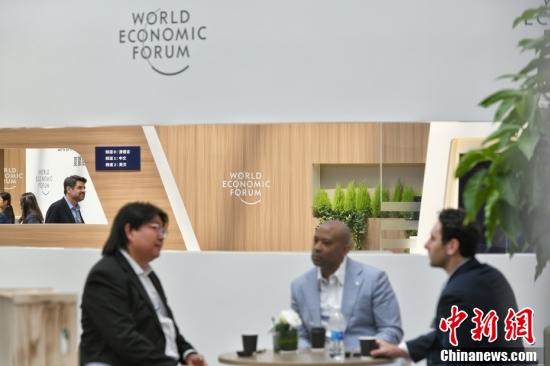
Group 1 - Despite a complex global trade environment, American companies are increasing their confidence and investment in the Chinese market, adopting a "long-termism" strategy to navigate challenges [1][3] - The appeal of China for American enterprises is attributed to its large market size and rapidly improving technological innovation capabilities, with significant advancements occurring in a much shorter timeframe compared to other countries [3][4] - Many American companies are establishing R&D facilities in China, which accelerates product iteration and promotes local innovation, making China an indispensable source of innovation for these companies [4][6] Group 2 - The current global economic uncertainty has made it crucial for multinational companies to find stable and inclusive development environments, with China being viewed as a significant certainty amidst this uncertainty [5][6] - The Chinese government is actively promoting high-level openness and mutual benefits, which instills confidence in foreign enterprises looking to integrate deeply into the Chinese market [6][7] - The collaboration between Chinese and American companies is expanding, with opportunities arising from Chinese enterprises' globalization, which is becoming a key growth driver for American firms [7]
洞庭山矿泉水集团28年专注天然健康好水,用好产品征服三代长三角用户
Sou Hu Wang· 2025-06-26 08:47
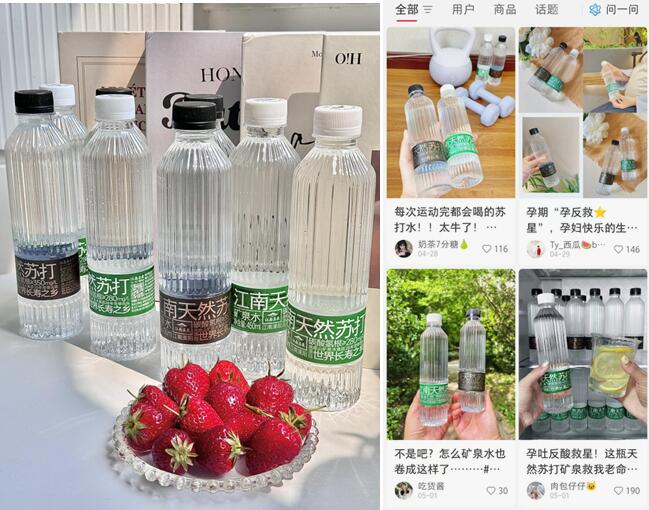
Core Viewpoint - The Jiangnan Mingquan natural soda mineral water product from Dongting Mountain Mineral Water Group has gained popularity on social media platforms like Xiaohongshu due to its high quality and aesthetic appeal, attracting health-conscious consumers and reshaping perceptions of healthy drinking water [1] Brand Strength - Dongting Mountain Mineral Water Group has established itself as a leading brand in China's drinking water industry, focusing on the philosophy of "natural healthy water" since its inception 28 years ago [3] - The company has consistently ranked first in market share across multiple cities in the Yangtze River Delta region, serving over 10 million households and businesses [3] - The brand has earned the reputation of "King of Jiangnan Water" and "One Barrel of Jiangnan," reflecting its deep-rooted trust among consumers [3] Product Quality - The company maintains strict standards for water source selection, ensuring that all sources are natural, high-quality, and healthy [5] - Water sources are located in ecologically pristine areas, such as Wawushan in Liyang and Longwang Mountain in Anji, which are free from industrial pollution [5] - Each water source undergoes extensive testing and analysis by expert teams to ensure superior quality [5] Production Standards - Dongting Mountain Mineral Water Group employs advanced production equipment and processes to ensure high-quality bottled water [7] - A comprehensive quality control system is in place, with a dedicated quality inspection center that monitors every batch of products from source to finished product [7] Innovation and Market Strategy - The company adopts a dual strategy of "deepening" existing business and "expanding" into new areas, allowing it to capture emerging trends in the bottled water market [8] - It has developed a diverse product matrix, including high-end water and functional water, to meet the evolving demands of health-conscious consumers [8] - The product range includes various types of natural mineral water and packaging options, catering to different consumer needs and preferences [8] Packaging and Design - The company integrates modern aesthetics with practical design in its packaging, enhancing the cultural attributes and emotional value of its products [10] - This innovative approach not only improves consumer experience but also positions the company as a leader in high-quality development within the industry [10] Commitment to Quality - Dongting Mountain Mineral Water Group's long-standing commitment to quality reflects its belief in "long-termism" and dedication to consumer health [10] - The company aims to continuously improve product quality while exploring new paths for industry development and expanding its brand narrative [10]
天更文化如何用“四个角色”撬动海外bigo直播3万主播军团
Sou Hu Cai Jing· 2025-06-25 07:15
Core Insights - The article highlights the success of TianGeng Culture, a company specializing in overseas live streaming, led by founder Jason, who emphasizes long-term strategies in a competitive market [2][20] - The company has developed unique technological solutions to enhance operational efficiency in the live streaming industry, setting it apart from competitors [7][9] Group 1: Company Background - TianGeng Culture has over 30,000 overseas streamers and has established itself as a top player on the Bigo Live platform, generating significant revenue [2][11] - Jason's entrepreneurial journey includes a failed campus SaaS venture, which led him to pivot towards the booming short video and live streaming markets [4][5] Group 2: Technological Innovations - The company has created proprietary software systems, including an automated diamond recharge system and a streamer management backend, to improve operational capabilities [7][9] - These technological advancements allow for efficient management of thousands of streamers and enhance the overall user experience [9][11] Group 3: Operational Strategies - TianGeng Culture employs a unique "role-playing" operational system, where team members take on multiple roles to support streamer development and retention [13][17] - The company focuses on low-cost customer acquisition through short video recruitment strategies, addressing industry-wide challenges in streamer recruitment [17][19] Group 4: Market Positioning - The live streaming industry is entering a phase of efficiency competition, with TianGeng Culture positioning itself to leverage overseas markets where growth potential remains [17][20] - Jason emphasizes the importance of systematic capabilities and long-term commitment in navigating the challenges of the live streaming landscape [20]
腾讯视频的“笨办法”,能否缓解行业的焦虑?
Sou Hu Cai Jing· 2025-06-23 22:42
Core Viewpoint - The long video industry is under significant pressure due to the rise of micro-short dramas, advancements in AI technology, and increasing abandonment rates of long dramas, leading to a need for accurate industry assessments and strategic adaptations [1][6][20]. Group 1: Strategic Insights - Tencent Video's leadership emphasizes a focus on professionalism and long-termism as essential strategies to navigate industry challenges [3][22]. - The core decision-making team at Tencent Video has articulated a comprehensive approach to address the industry's uncertainties, highlighting the importance of survival, production, and growth [8][24]. - The company aims to maintain a balance between long-form and short-form content, recognizing the evolving preferences of viewers and the need for innovative content strategies [12][30]. Group 2: Content Production and Innovation - Tencent Video's Chief Content Officer advocates for a "zero-based thinking" approach, encouraging fresh perspectives in content creation to avoid complacency [10][28]. - The platform is committed to supporting creators with adequate time and resources, emphasizing the importance of high-quality storytelling and audience alignment [10][14]. - The classification of content into horizontal and vertical formats reflects a deeper understanding of user behavior and content consumption patterns, aiming to enhance viewer engagement [12][14]. Group 3: Financial and Operational Strategies - Tencent Video prioritizes metrics such as completion rates, popularity, and return on investment to evaluate content performance, ensuring transparency in its assessment processes [16][22]. - The company has reaffirmed its commitment to investing in long-form content while maintaining fair and transparent payment practices for creators [16][22]. - The strategic focus on both premium and niche content aims to create a robust ecosystem that supports diverse viewer preferences and enhances overall market competitiveness [26][30]. Group 4: Future Outlook and Industry Trends - The long video industry is experiencing a transformative phase driven by technological advancements and changing viewer habits, with Tencent Video positioning itself to adapt and thrive amidst these shifts [20][30]. - The rise of AI technology and micro-short dramas presents both challenges and opportunities, prompting Tencent Video to explore innovative content creation methods and distribution strategies [28][30]. - The leadership at Tencent Video remains optimistic about the future, believing that a commitment to quality content and professional integrity will ultimately lead to sustained success in the evolving landscape [20][30].

618,电商终于找到信心重建之法
Sou Hu Cai Jing· 2025-06-23 20:59
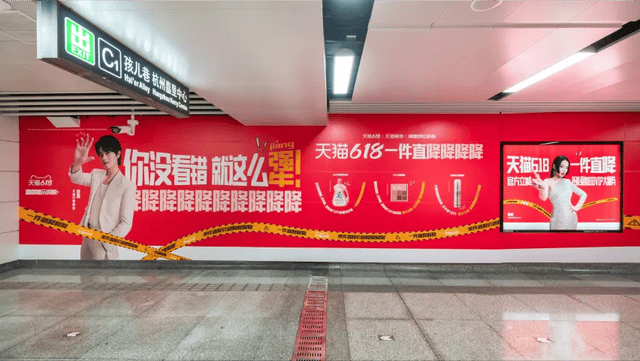
一年一度618落下帷幕。今年最直观的感受是,行业理智在回归。 繁复的满减计算取消了,改为立减15%直接折扣叠加各类优惠,消费者凑单焦虑消失了,拉长的活动周 期让用户购物更从容,为了凑单拍下商品秒退的现象减少了,商家生意的包袱小了。 消费决策更加理性,不影响成交跳涨。 天猫618最终战绩超出预期:剔除退款后GMV同比增长10%,创下三年来最高增幅。对比1-5月社会消费 品零售总额同比增长5%、网上零售同比增长8.5%,天猫10%的增速已明显领跑大盘。每家电商平台都 在各自优势赛道收获增长,行业整体展现出强劲韧性。 "今年 618是平台与商家共同完成的一次深度调整,也是重新验证线上交易体系价值的关键 时刻。" 撰文|翟文婷 如果你熟悉618大促的演进,就会发现今年取得如此的增长成就,背后是平台与商家共同完成的一次深 度调整,也是重新验证线上交易体系价值的关键时刻。 一、行业直面痛处 最近几年,电商行业的结构性矛盾被大规模集中讨论,特别是在低价内卷泛滥的背景下,求新求变的已 经成为从业者的心声。 作为很早就能贡献社会零售总额超过20%、推动物流仓储发展、创造大量就业机会的重要行业,国内电 商在全球范围内的用户体验一 ...
市场波动是机遇的另一种形态
天天基金网· 2025-06-23 11:05
Core Viewpoint - The article emphasizes the importance of investing in resilient companies that can adapt to market fluctuations rather than attempting to predict policy changes or market movements [1][6]. Group 1: Market Reactions and Investment Strategies - Since the introduction of the reciprocal tariff policy in April, global markets have experienced significant volatility, with the S&P 500 index dropping approximately 20% from its peak before recovering most of the losses, resulting in positive returns year-to-date [1]. - Investment experts like Chris Davis and Bill Miller advocate for a long-term investment approach, focusing on companies with strong adaptability to navigate market fluctuations [2][3]. Group 2: Characteristics of Great Companies - Great companies that can weather economic cycles typically exhibit three key traits: 1. A management team with a genuine long-term vision, as exemplified by Amazon's Jeff Bezos, who fostered a culture of continuous innovation [3]. 2. Strong adaptability to changing environments, allowing companies to adjust proactively rather than reactively, which is a significant advantage of stocks over bonds [4]. 3. Valuation based on free cash flow, with a focus on future growth potential rather than just current earnings, to avoid "value traps" [5]. Group 3: Investor Psychology and Cash Risks - Investors often face psychological challenges during market downturns, where fear can lead to poor decision-making. Effective communication from investment advisors can help clients maintain a long-term perspective [5]. - The article highlights the risk of holding cash, noting that the purchasing power of the dollar has decreased by 89% since the author's birth, suggesting that cash may not be a safe haven but rather a hidden risk [6].


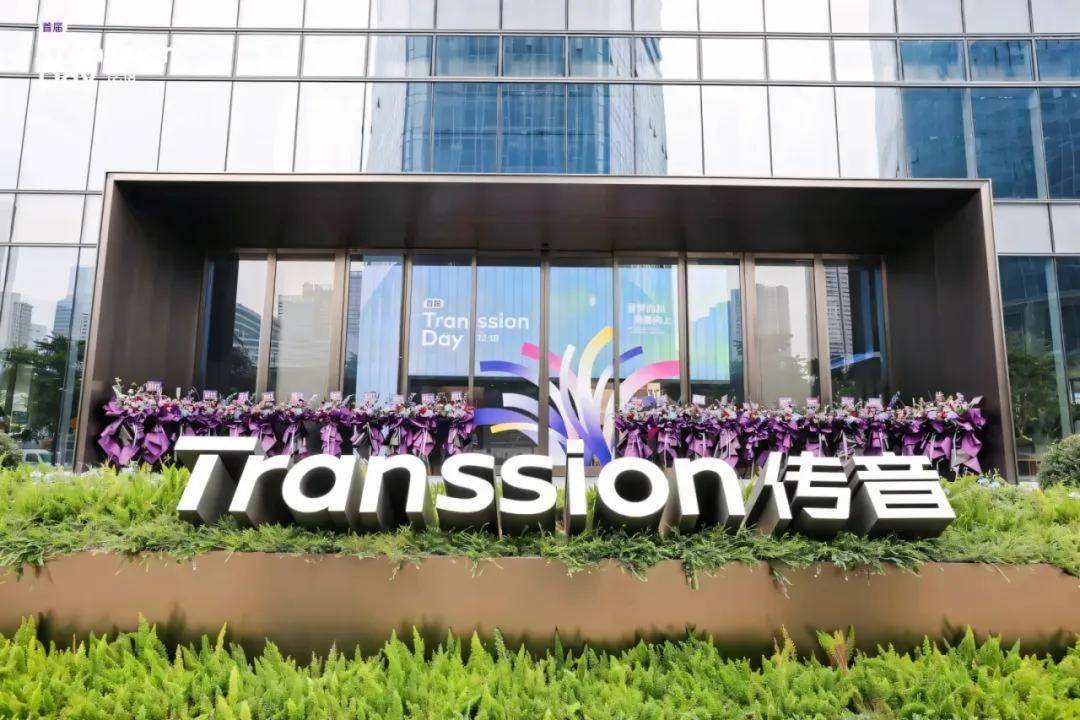
传音出海,全球第四背后的商业布局
Sou Hu Cai Jing· 2025-06-23 09:07
Core Insights - The article highlights the success of Transsion Holdings, a Chinese mobile phone manufacturer, in emerging markets like Africa and Southeast Asia, despite the challenges posed by tariffs and competition in developed markets [1][26] - Transsion's strategy focuses on deep localization and understanding of consumer needs, allowing it to capture significant market share in regions often overlooked by major brands [8][25] Group 1: Market Performance - In 2024, Transsion's total shipment volume reached approximately 201 million units, securing a global market share of 14.0%, ranking third overall [1] - In Africa, Transsion achieved a remarkable 51% market share in the smartphone segment and 72% in the feature phone market [5][6] - In Southeast Asia, Transsion led the market with 4.1 million units shipped in Q4 2024, totaling 15.6 million units for the year, ranking third [6] Group 2: Strategic Approach - Transsion adopted a "marginal breakthrough" strategy, focusing on emerging markets rather than competing in the saturated high-end markets of Europe and the U.S. [1][5] - The company emphasizes a "global vision, local execution" approach, tailoring products to meet local demands, such as dual and quad SIM phones in Africa [8][14] Group 3: Localization and Innovation - Transsion's success is attributed to its extreme localization strategies, including the development of a large battery phone for regions with unreliable electricity and a skin tone image database for better photography [9][20] - The company has also launched culturally relevant features, such as AI drawing functions in the Philippines and gaming phones in collaboration with Tencent in Vietnam [12][20] Group 4: Distribution and Ecosystem - Transsion has established over 200,000 sales points across Africa, employing a "rural encircling urban" strategy to penetrate the market effectively [15][17] - The company has built a robust ecosystem around its products, including partnerships for music streaming and the development of its own operating system, HiOS, enhancing user engagement [18][20] Group 5: Long-term Vision - Transsion's expansion into new markets like Indonesia and India reflects its commitment to long-term growth rather than short-term profits, with a focus on building strong supply chains and distribution networks [21][25] - The company’s approach demonstrates that emerging markets are not merely dumping grounds for low-end products but are viable markets for quality offerings [23][25]