通用人工智能(AGI)

Search documents
OpenAI反挖四位特斯拉、xAI、Meta高级工程师,目标星际之门
机器之心· 2025-07-09 04:23
Core Viewpoint - The article discusses the intense competition for AI talent between major companies like OpenAI and Meta, highlighting recent talent acquisitions and the implications for the industry [1][2][8]. Group 1: Talent Acquisition - OpenAI has recently hired four prominent engineers from competitors, including David Lau, former software engineering VP at Tesla, and others from xAI and Meta [3][5][6]. - Meta has aggressively recruited at least seven employees from OpenAI, offering high salaries and substantial computational resources to support their research [8][18]. - The competition for talent has escalated, with OpenAI's Chief Research Officer Mark Chen expressing a strong commitment to countering Meta's recruitment efforts [19]. Group 2: Strategic Initiatives - OpenAI's expansion team, which includes the new hires, is focused on building AI infrastructure, including a significant joint project named "Stargate," aimed at developing a supercomputer with a projected cost of $115 billion [7]. - The new hires emphasize the importance of infrastructure in bridging research and practical applications, with Uday Ruddarraju describing Stargate as a "moonshot" project [7][8]. - The competition has prompted OpenAI to reconsider its compensation strategies to retain top talent amidst the aggressive recruitment by Meta [8]. Group 3: Industry Context - The AI industry has seen a surge in talent competition since the launch of ChatGPT in late 2022, with companies re-evaluating their hiring practices to secure leading researchers [13][15]. - Discussions around achieving "Artificial Superintelligence (ASI)" have become more prevalent, indicating a shift in focus towards groundbreaking technological advancements [14]. - The article notes that scaling capabilities are crucial for AI development, as using more data and computational power enhances model performance [16][17].


硅谷抢人大战!OpenAI连抢特斯拉等巨头四名大将
21世纪经济报道· 2025-07-09 03:10
Core Viewpoint - The ongoing competition for AI talent in Silicon Valley is intensifying, with OpenAI successfully recruiting key personnel from Tesla, xAI, and Meta, highlighting the scarcity of top AI experts in the industry [1][2]. Group 1: Talent Acquisition - OpenAI has hired four significant AI figures from Tesla, xAI, and Meta, including David Lau and Uday Ruddarraju, indicating a strategic move to bolster its capabilities [1]. - Meta has initiated aggressive recruitment efforts, including direct outreach via WhatsApp and substantial salary offers, to build a new AI lab aimed at accelerating the development of General Artificial Intelligence (AGI) [2]. - Reports indicate that the demand for AI-skilled positions has grown by 21% annually since 2019, significantly outpacing the supply of qualified candidates [2]. Group 2: Salary and Compensation - Meta is reportedly offering salaries significantly above market averages to attract top AI researchers, with compensation for AI engineers ranging from $186,000 to $3.2 million, compared to OpenAI's range of $212,000 to $2.5 million [4]. - There are claims that Meta offered signing bonuses as high as $100 million to lure OpenAI employees, although Meta's CTO downplayed these figures, stating they apply only to a select few senior positions [3][4]. Group 3: Industry Impact - The competition for AI talent is described as reaching a "professional competitive level" in Silicon Valley, with estimates of the number of top AI experts globally being less than 1,000 [2]. - The recruitment of key personnel from Apple, such as Pang Ruoming, to Meta's new AI team may lead to further instability within Apple's AI divisions, as other engineers express intentions to leave [4].



硅谷争夺AI人才!OpenAI开展反击:连抢四名大将
2 1 Shi Ji Jing Ji Bao Dao· 2025-07-09 02:45
Core Insights - The competition for AI talent in Silicon Valley is intensifying, with OpenAI successfully recruiting four key AI professionals from Tesla, xAI, and Meta [1] - Meta is aggressively hiring AI researchers, having recruited 11 new employees from OpenAI, Anthropic, and Google to accelerate the development of General Artificial Intelligence (AGI) [1][2] - The scarcity of top AI talent is highlighted, with a reported annual growth of 21% in AI job postings since 2019, outpacing the supply of qualified candidates [2] Group 1 - OpenAI's recruitment includes David Lau, Uday Ruddarraju, Mike Dalton, and Angela Fan, indicating a strategic move to bolster its AI capabilities [1] - Meta's CEO Mark Zuckerberg is personally leading a talent acquisition campaign, offering multi-million dollar compensation packages and making acquisition offers to startups [2] - The global shortage of top AI experts is emphasized, with estimates suggesting fewer than 1,000 elite AI specialists worldwide [2] Group 2 - OpenAI's Chief Researcher Mark Chen expressed shock at Meta's aggressive poaching tactics, likening it to a theft [2] - Meta's CTO Andrew Bosworth downplayed claims of exorbitant salaries, stating that such offers are limited to a few senior positions [3] - Compensation for AI engineers at Meta ranges from $186,000 to $3.2 million, while OpenAI's range is from $212,000 to $2.5 million, indicating competitive salary structures [5] Group 3 - Meta has also attracted key talent from Apple, including a significant figure responsible for large language models, offering a multi-million dollar salary [6] - The potential for further talent loss at Apple is concerning, as multiple engineers from the foundational models team have expressed intentions to leave [6]
竞逐AI 硅谷抢人
Sou Hu Cai Jing· 2025-07-08 14:59
Group 1 - The AI talent competition among tech giants, particularly Meta and Apple, has intensified, with Meta offering salaries in the tens of millions to attract top talent [2][3] - Ruoming Pang, head of Apple's foundational model team, is set to join Meta, which has already seen other key members leave for Meta [2] - Meta's founder, Mark Zuckerberg, is personally involved in recruiting a new elite team focused on developing Artificial General Intelligence (AGI) [3] Group 2 - OpenAI has expressed dissatisfaction with Meta's aggressive recruitment tactics, claiming they are unethical and create a sense of desperation among employees [4] - The scarcity of top AI talent is highlighted, with estimates suggesting there are fewer than 1,000 elite AI experts globally, while demand for AI skills is growing at 21% annually [5][6] - The competition for AI talent has reached a level described as "professional sports," with significant recruitment efforts from major companies [5] Group 3 - Concerns about a salary bubble in Silicon Valley are rising, with reports indicating that the cost of hiring a software engineer in the Bay Area can equate to hiring multiple engineers in Europe [8] - Average salaries for AI positions in the U.S. are significantly higher than other regions, with data scientists earning an average of $156,790, and AI positions in California exceeding this by about 14% [8] - Senior AI researchers can earn between $3 million to $7 million annually, with some top scientists making over $10 million, creating a stark contrast with non-AI experienced engineers [8] Group 4 - Meta's high salary offers have led to internal competition and resentment among existing employees, raising concerns about workplace morale [9]

对谈清华大学刘嘉:AGI是人类的致命错误,还是希望?
经济观察报· 2025-07-07 12:11
Group 1 - The article discusses the philosophical implications of creating Artificial General Intelligence (AGI) that can understand human emotions such as "regret" and "forgiveness," prompting a reflection on human limitations and desires [2][4][8] - Liu Jia, a professor at Tsinghua University, emphasizes that AGI is not merely a tool but a mirror reflecting human aspirations and fears, suggesting that it could amplify human intelligence or threaten cognitive freedom [7][12][14] - The article highlights the unique challenges posed by AGI, particularly in the context of human skills that are difficult for AI to replicate, such as basic physical tasks, which may become more valuable in the future [6][21] Group 2 - Liu Jia's new book explores the intersection of cognitive science and AI, breaking down the technical logic of large models while incorporating perspectives from psychology and philosophy [5][41] - The article mentions that since the advent of GPT-3.5, many AI experts have likened the risks of AGI to nuclear disasters, indicating a serious ethical dilemma that humanity must confront [12][36] - The discussion includes the potential for AGI to evolve into a new species with self-awareness, drawing parallels to human brain evolution and the emergence of intelligence [17][29][68] Group 3 - The article suggests that the current educational paradigm must shift to focus on "relearning how to learn," as knowledge becomes less scarce due to AI's capabilities [41][50] - Liu Jia argues that AI can enhance educational equity by providing access to knowledge and resources that were previously unavailable to underprivileged students [46][49] - The need for a new educational framework that emphasizes creativity and critical thinking over rote memorization is highlighted, as AI can handle knowledge retrieval [42][50] Group 4 - The article discusses the challenges of "follow-up innovation" in China's AI industry, suggesting that true breakthroughs require a shift in investment culture and strategic focus [61][64] - Liu Jia emphasizes the importance of interdisciplinary approaches, particularly the integration of brain science and AI, to foster original innovations and maintain competitive advantages [60][68] - The potential for AI to evolve beyond current models is explored, with a call for new architectures that mimic biological brain functions to achieve more human-like intelligence [67][68]

对谈清华大学刘嘉:AGI是人类的致命错误,还是希望?
Jing Ji Guan Cha Bao· 2025-07-07 11:42
Core Viewpoint - The discussion revolves around the implications of Artificial General Intelligence (AGI) and its potential to reflect human limitations and desires, urging a reevaluation of human identity in the face of advanced AI technologies [5][7][24]. Group 1: AGI and Human Identity - AGI is described as a mirror that reveals human limitations and desires, prompting a need for self-reflection as humans create entities capable of understanding complex emotions like "regret" [5][7]. - The evolution of AI from traditional tools to a new species capable of self-evolution raises questions about the future of human-AI relationships and the ethical implications of such advancements [11][21]. - The potential for AGI to amplify human intelligence while also posing risks to cognitive freedom is highlighted, suggesting a duality in its impact on society [5][7]. Group 2: Educational Implications - The emergence of AGI presents an opportunity to reshape educational paradigms, emphasizing the need for individuals to learn how to learn rather than merely accumulating knowledge [24][30]. - AI can enhance educational equity by providing access to knowledge and resources that were previously unavailable to underprivileged students, thus transforming traditional learning environments [28][30]. - The focus shifts from rote learning to developing critical thinking and creativity, as AI can handle knowledge-based tasks, allowing humans to engage in more innovative pursuits [26][30]. Group 3: Industry and Innovation - The current landscape of AI development in China is characterized by "follow-up innovation," which may hinder the emergence of groundbreaking original ideas [35][36]. - Strategic support from national resources and a shift in investment culture are necessary to foster an environment conducive to original innovation in AI [36][37]. - The integration of brain science and cognitive science into AI development is proposed as a pathway to break free from existing paradigms and create more advanced AI systems [34][38].

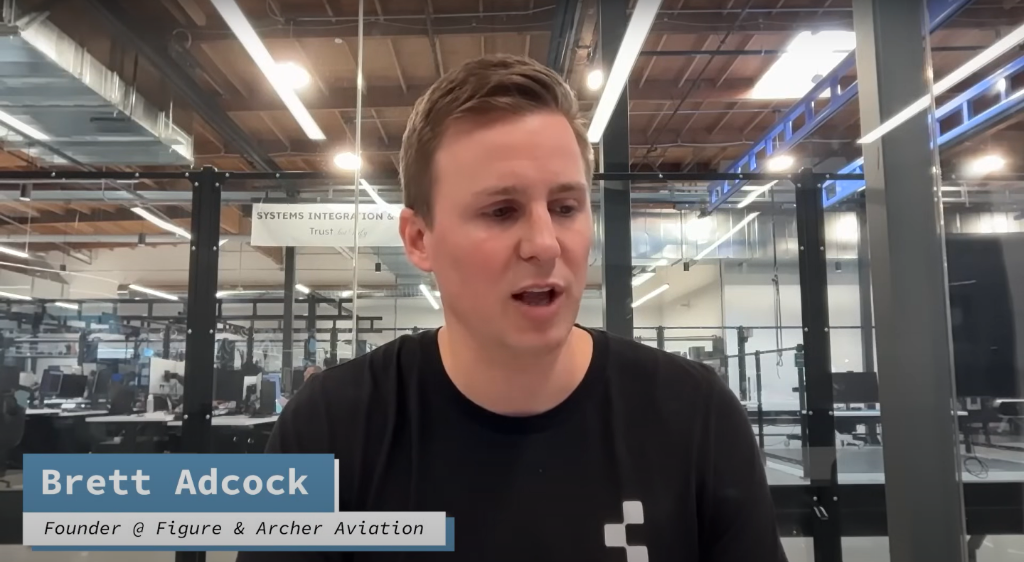
Figure CEO:人形机器人是AGI的关键物理形态,已进入工程化验证期,将在四年内部署10万台
Hua Er Jie Jian Wen· 2025-07-07 10:14
Core Insights - The exponential growth in robotics is driven by two breakthroughs: unprecedented hardware reliability and the superior performance of neural networks in robotic technology [1][9][10] - The company aims to create a general-purpose robotic platform that learns rather than being pre-programmed, with prototypes already capable of executing tasks autonomously in logistics, manufacturing, and healthcare [1][21] - The cost of the latest robot design has been reduced by approximately 90%, with plans for mass deployment of humanoid robots capable of producing 100,000 units annually within four years, ultimately targeting the delivery of hundreds of millions of robots globally [1][43] Robotics Technology Growth - The current environment indicates that humanoid robots will become the ultimate deployment vehicle for artificial general intelligence (AGI) [5][15] - The company has designed humanoid robots from scratch within a year, emphasizing the importance of addressing the humanoid robotics challenge directly [5][12] - The reliability of hardware has significantly improved compared to ten years ago, with the current systems being as reliable as those used in aerospace applications [8][9] Market Focus and Applications - The company is focusing on two main areas: delivery robots for home environments and robots for labor markets in logistics, manufacturing, healthcare, and construction [21][22] - The labor market represents a significant opportunity, accounting for half of the GDP, and is less variable than home environments, making it easier to integrate autonomous systems [21][22] - The company is actively working to develop a universal robot that can perform most tasks that humans can do, given sufficient mobility, load capacity, and speed [21][22] Future Directions and Challenges - The next major goal is to launch 100,000 robots in the next four years, with a new manufacturing facility capable of achieving this output [43] - The company is currently in a learning bottleneck phase, needing to scale up production while ensuring reliability and effective human-robot interaction [26][42] - The integration of robots into everyday life is expected to evolve, with humanoid robots performing various tasks, potentially leading to a future where work becomes optional for humans [48][49] Privacy and Security Considerations - The company is prioritizing privacy and cybersecurity, establishing a dedicated team to address these issues as robots become more integrated into homes and workplaces [35][36] - Ensuring that robots operate safely and securely in domestic environments is a critical challenge, requiring advanced detection and operational protocols [32][36] Conclusion - The company envisions a future where humanoid robots significantly contribute to GDP and perform tasks traditionally done by humans, allowing people to focus on activities they enjoy [48][49]

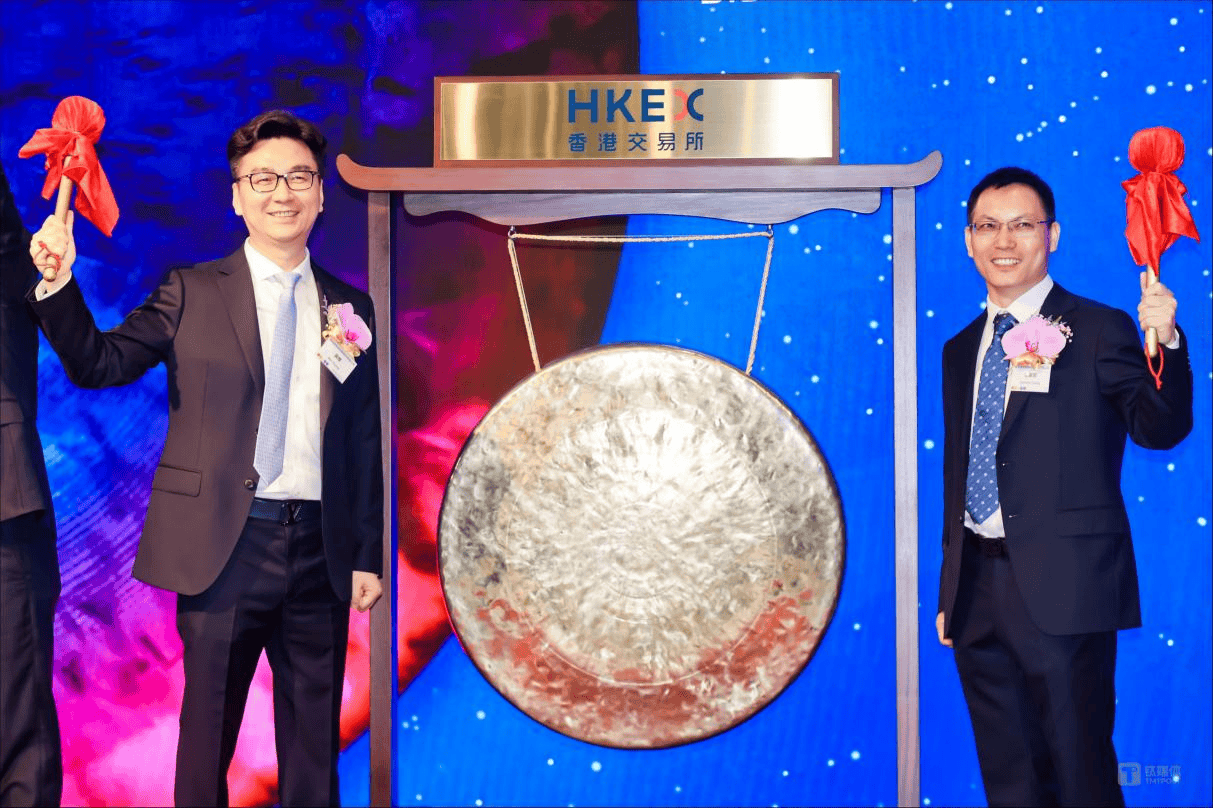
云知声上市首日市值破210亿港元,荣膺港股AGI技术第一股!
Sou Hu Cai Jing· 2025-07-07 05:50
Core Viewpoint - Yunzhisheng officially listed on the Hong Kong Stock Exchange, marking a significant milestone in its global capital journey and becoming the first stock in Hong Kong focused on AGI technology [1][4] Group 1: Company Overview - Founded in 2012, Yunzhisheng has been a pioneer in applying deep learning algorithms to commercial voice recognition and is a leader in AGI technology in China [3] - The company has developed a robust technological foundation with initiatives like the Atlas AI computing cluster in 2016 and the launch of the UniCore language model in 2018 [3] - In 2023, Yunzhisheng introduced its self-developed Shanhai model, which features ten core capabilities and enhances multimodal interaction to meet diverse needs [3] Group 2: Product and Market Impact - Yunzhisheng has launched numerous competitive products and solutions based on its Shanhai model and intelligent components, focusing on smart living and healthcare [3] - The company has established deep partnerships with leading enterprises such as Beijing Friendship Hospital, Peking Union Medical College Hospital, and Geely Automobile, driving intelligent transformation in healthcare, transportation, and customer service sectors [3] Group 3: Future Outlook - The successful listing reflects the capital market's recognition of Yunzhisheng's ability to implement AGI technology, and the company aims to leverage this capital to accelerate technological development and market expansion [4]
英伟达、微软双双冲击4万亿:一个“卖铲子”,一个“找金子”
硬AI· 2025-07-05 14:54
Core Viewpoint - Nvidia and Microsoft are both approaching a $4 trillion market valuation, but they represent fundamentally different AI investment logics: Nvidia focuses on direct bets on core infrastructure, while Microsoft emphasizes long-term belief in the proliferation of application ecosystems [2][4]. Group 1: Nvidia's Position - Nvidia's value surge is attributed to its unique position in the AI value chain, acting as a "supplier" where any company looking to enter the AI field must first procure its chips, leading to explosive growth with annual sales increasing over tenfold in the past three years [4][9]. - Analysts predict Nvidia's average annual growth rate will remain at 32% over the next three years, although its growth is contingent on the demand from its largest customers and the potential emergence of disruptive technologies [9][10]. Group 2: Microsoft's Strategy - Microsoft plays the role of a "service provider," betting on deeply integrating AI technology into its extensive product matrix, such as Azure cloud services and Office software, and convincing users to pay a premium for these AI-enhanced services [4][5]. - Microsoft's market capitalization increased by $1 trillion in less than three months, but achieving a $4 trillion valuation would result in the highest expected earnings multiple in over 20 years, indicating that the market has high expectations for its future performance [2][6]. Group 3: Challenges Facing Microsoft - Microsoft faces significant challenges, including a potential rift with early partner OpenAI, which may restructure their relationship as OpenAI seeks to become a standard profit-driven company [7]. - The company is also struggling to reduce its dependency on Nvidia, encountering difficulties in developing its own AI chips, while undergoing large-scale internal restructuring, including layoffs aimed at increasing efficiency and investment in AI [7][8]. - Financially, AI's contribution to Microsoft remains limited, with AI services in the Azure cloud generating approximately $11.5 billion, which is only about 4% of total sales, providing some downside protection [9].



DeepSeek与Anthropic的生存策略 | Jinqiu Select
锦秋集· 2025-07-04 15:35
Core Insights - The article highlights the critical challenge faced by AI companies: the scarcity of computational resources, which is a fundamental constraint in the industry [1][5]. Pricing Dynamics - AI service pricing is fundamentally a trade-off among three performance metrics: latency, throughput, and context window [2][3]. - By adjusting these three parameters, service providers can achieve any price level, making simple price comparisons less meaningful [4][24]. DeepSeek's Strategy - DeepSeek adopted an extreme configuration with high latency, low throughput, and a minimal context window to offer low prices and maximize R&D resources [4][28]. - Despite DeepSeek's low pricing strategy, its official platform has seen a decline in user engagement, while third-party hosted models have surged in usage by nearly 20 times [16][20]. Competitive Landscape - Anthropic, another leading AI company, faces similar resource constraints, leading to a 30% decrease in API output speed due to increased demand [34][36]. - Both DeepSeek and Anthropic illustrate the complex trade-offs between computational resources, user experience, and technological advancement in the AI sector [5][53]. Market Trends - The rise of inference cloud services and the popularity of AI applications are reshaping the competitive landscape, emphasizing the need for a balance between technological breakthroughs and commercial success [5][45]. - The article suggests that the ongoing price war is merely a surface-level issue, with the real competition lying in how companies manage limited resources to achieve technological advancements [53].