
全球气候治理

Search documents
COP30六大看点:“行动”号角吹响,全球气候治理迎终考
2 1 Shi Ji Jing Ji Bao Dao· 2025-10-27 09:51
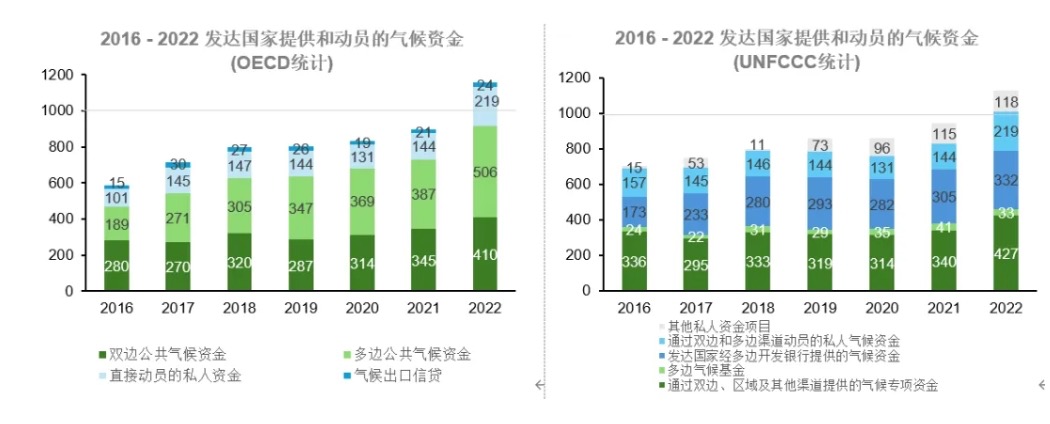
Core Viewpoint - The COP30, taking place in the Amazon rainforest, aims to transform climate commitments into actionable results, focusing on ambitious climate action plans, funding commitments, and the initiation of a global carbon market to maintain the 1.5°C temperature control target [1][2]. Group 1: Key Highlights of COP30 - COP30 is seen as a critical moment for translating the "Baku Climate Solidarity Pact" from consensus to action, with a focus on three main areas: ensuring equitable and transparent financing, refining international carbon market rules, and encouraging countries to submit more ambitious Nationally Determined Contributions (NDCs) [3][4]. - The year 2025 marks a milestone for the Paris Agreement, requiring countries to submit new, more ambitious NDCs. Currently, only 62 countries have submitted their NDCs, representing about 32% of the total parties, indicating a significant gap in ambition and progress [5][6]. - Brazil proposes a voluntary alliance to connect existing carbon pricing systems, which could enhance liquidity and reduce transaction costs in the global carbon market, thus supporting countries in achieving their NDC targets [7][8]. Group 2: Funding and Financial Mechanisms - The annual climate funding target set at $300 billion falls short of the estimated $1.3 trillion needed by developing countries, highlighting a significant funding gap for climate action [9][11]. - Innovative financing mechanisms are necessary to mobilize private capital effectively, including the establishment of frameworks to track financing progress and the promotion of blended finance and green bonds [12]. - The COP30's focus on nature and biodiversity emphasizes the need for integrated policies that link climate action with biodiversity conservation, potentially creating unified financing mechanisms [13]. Group 3: China's Role in Global Climate Governance - China's new NDC aims for a 7%-10% reduction in net greenhouse gas emissions by 2035, showcasing its commitment to global climate leadership and sustainable development [14].

高端访谈丨专访联合国环境规划署执行主任英格·安德森
Yang Shi Xin Wen· 2025-10-24 22:26
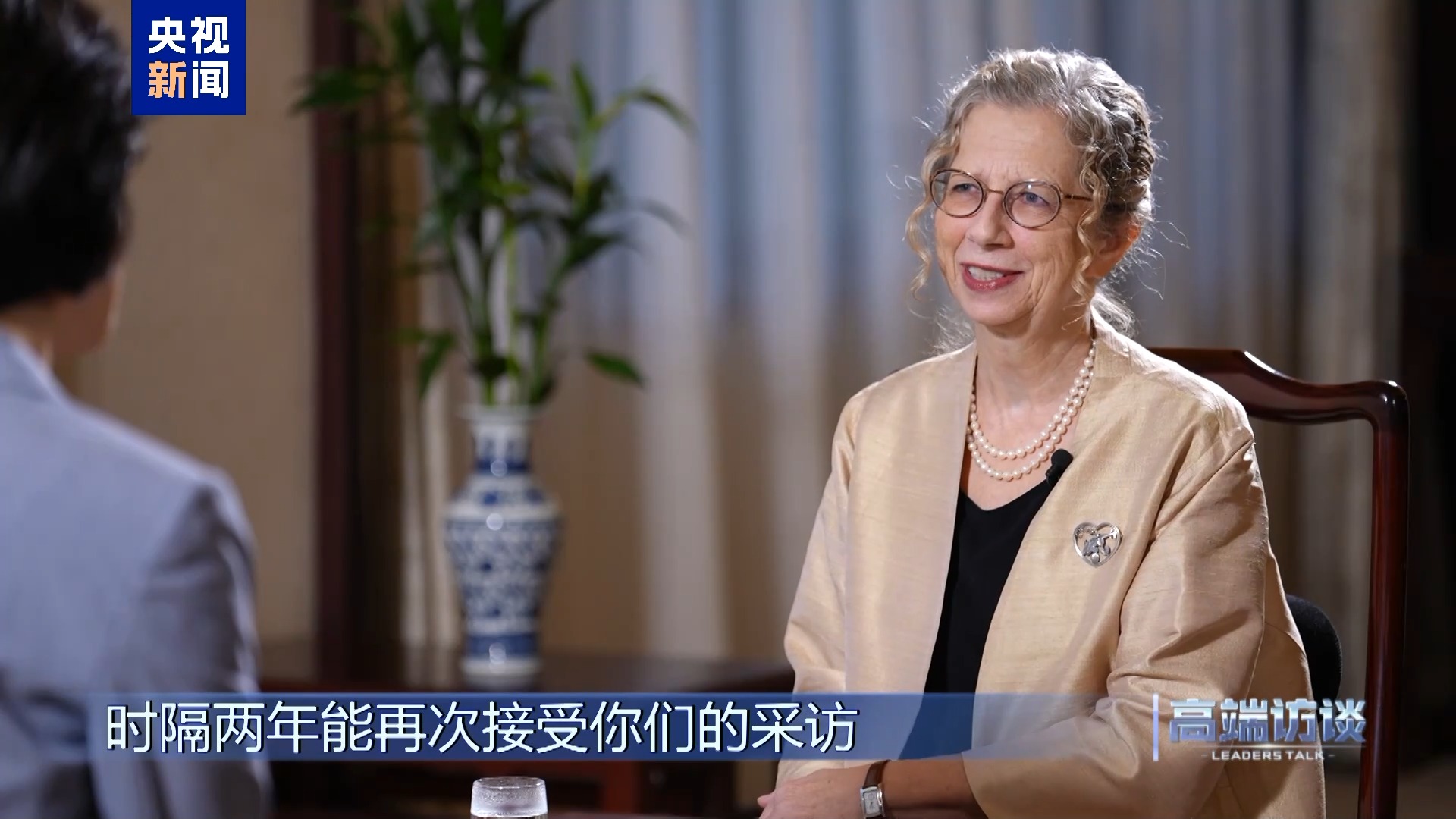
Core Viewpoint - The achievements of China's ecological civilization construction have exceeded expectations, particularly highlighted by the "14th Five-Year Plan" and the upcoming "15th Five-Year Plan" focusing on green transformation [1][29]. Group 1: China's Environmental Goals - China aims to reduce its total greenhouse gas emissions by 7% to 10% from peak levels by 2035, with a strong emphasis on renewable energy development [5][19]. - The country has made significant progress in renewable energy, adding 200 to 300 billion watts of new wind and solar capacity annually [5][19]. Group 2: Global Climate Agenda - The year 2025 is identified as a critical year for environmental issues, coinciding with the 30th UN Climate Change Conference where new national contributions will be submitted [3][5]. - The global emissions growth rate has slowed from 1.7% to 0.3%, but total emissions continue to rise, necessitating a 47% reduction by 2030 to limit global temperature rise to 1.5 degrees Celsius [7][9]. Group 3: International Cooperation - Despite some countries retracting previous commitments, 192 UN member states remain committed to advancing climate goals under the UN Framework Convention on Climate Change [9][19]. - The importance of multilateralism in addressing global climate issues is emphasized, with a call for collective action and shared responsibility among nations [26][29]. Group 4: Biodiversity and Conservation Efforts - The "Kunming-Montreal Global Biodiversity Framework" was established to guide global biodiversity governance, with China playing a leading role [17][19]. - A biodiversity fund has been set up to support "Global South" countries in biodiversity protection, showcasing China's commitment to international cooperation [20][22]. Group 5: China's Ecological Philosophy - The "Two Mountains" theory, which emphasizes the balance between ecological protection and economic development, is recognized as a guiding principle for China's ecological civilization [10][13]. - This philosophy has resonated globally, with other countries exploring similar sustainable development goals [13][19].
第七届“《巴黎协定》之友”高级别对话会在保亭举办
Hai Nan Ri Bao· 2025-10-22 23:40
Core Points - The seventh "Friends of the Paris Agreement" high-level dialogue was held in Baoting, Hainan, focusing on multilateralism and climate action [2] - The meeting reviewed the progress and challenges in addressing the climate crisis over the past ten years since the Paris Agreement came into effect [2] - Emphasis was placed on enhancing international cooperation and ensuring broader participation from local governments and non-state actors to achieve global climate goals [2][3] Summary by Sections - **Event Overview** - The dialogue was co-hosted by former Chinese Special Envoy on Climate Change Xie Zhenhua and COP30 European Special Envoy Laurence Tubiana [2] - This year marks the first time the event has been held in Hainan since its inception in 2019 [2] - **Discussion Topics** - The meeting discussed the submission status of the new round of Nationally Determined Contributions (NDCs) [2] - It aimed to leverage COP30 as an opportunity for international cooperation in climate action [2] - **Key Messages** - Xie Zhenhua highlighted the need for the meeting to provide suggestions for global climate governance and focus on implementation [3] - The importance of breaking down cooperation barriers to maximize collective action against global climate challenges was emphasized [3]
21社论丨大力推进气候适应型社会建设
21世纪经济报道· 2025-10-22 23:22
Core Viewpoint - The article emphasizes China's commitment to addressing climate change through ambitious carbon reduction goals and the establishment of a climate-resilient society, highlighting significant progress in renewable energy and adaptation strategies [1][2][3]. Group 1: Carbon Emission Goals - Since the 1960s, the growth rate of carbon dioxide has tripled, reaching the highest levels in 800,000 years, pushing the Earth towards a long-term warming trajectory [1]. - China aims to peak carbon emissions before 2030 and achieve carbon neutrality by 2060, with significant progress made in renewable energy development and carbon intensity reduction [1]. - New Nationally Determined Contributions (NDC) targets include a 7%-10% reduction in greenhouse gas emissions by 2035, a non-fossil energy consumption share of over 30%, and a sixfold increase in wind and solar capacity compared to 2020 [2]. Group 2: Climate Adaptation Strategies - The "National Strategy for Climate Change Adaptation 2035" highlights the severe impacts of climate change on China's ecosystems and the need for a climate-resilient society [3]. - Recent extreme weather events have significantly affected agricultural production, with a notable shift in rainfall patterns leading to challenges in food security [3][4]. - The article calls for enhanced infrastructure resilience, improved disaster warning systems, and the establishment of agricultural disaster insurance mechanisms to mitigate the impacts of climate change [4][5].

大力推进气候适应型社会建设
2 1 Shi Ji Jing Ji Bao Dao· 2025-10-22 22:45
Group 1 - The World Meteorological Organization reported that the rate of carbon dioxide growth has tripled since the 1960s, reaching the highest concentration in at least 800,000 years, leading to a long-term warming trajectory towards a potential increase of 3 degrees Celsius [1] - China has made significant efforts to combat climate change, aiming to peak carbon emissions before 2030 and achieve carbon neutrality by 2060, as outlined in the 20th National Congress [1] - Over the past five years, China has built the world's largest and fastest-growing renewable energy system, contributing to a quarter of the global increase in green areas, with significant progress in reducing carbon intensity and increasing non-fossil energy consumption [1] Group 2 - China actively participates in global climate governance, establishing multilateral consultation mechanisms and contributing to the implementation of the Paris Agreement, while being the largest exporter and investor in clean technology [2] - A new round of Nationally Determined Contributions (NDC) targets was announced, aiming for a 7%-10% reduction in greenhouse gas emissions by 2035, with non-fossil energy consumption exceeding 30% of total energy consumption and significant increases in renewable energy capacity [2] Group 3 - The National Climate Change Adaptation Strategy 2035 emphasizes the severe impacts of climate change on China's natural ecosystems and the economy, predicting an increase in extreme weather events [3] - Recent abnormal weather patterns have significantly affected production and living conditions, with a notable shift in rainfall patterns and challenges to agricultural productivity [3][4] Group 4 - During the 14th Five-Year Plan period, China should promote the construction of a climate-adaptive society, enhancing the resilience of agriculture, urban areas, and infrastructure to extreme weather events [4] - Key initiatives include improving disaster warning capabilities, strengthening infrastructure resilience, and developing agricultural disaster response systems [4]
中环新能源(01735)携手中冰巨头 构筑全球清洁能源新范式
智通财经网· 2025-10-17 13:54
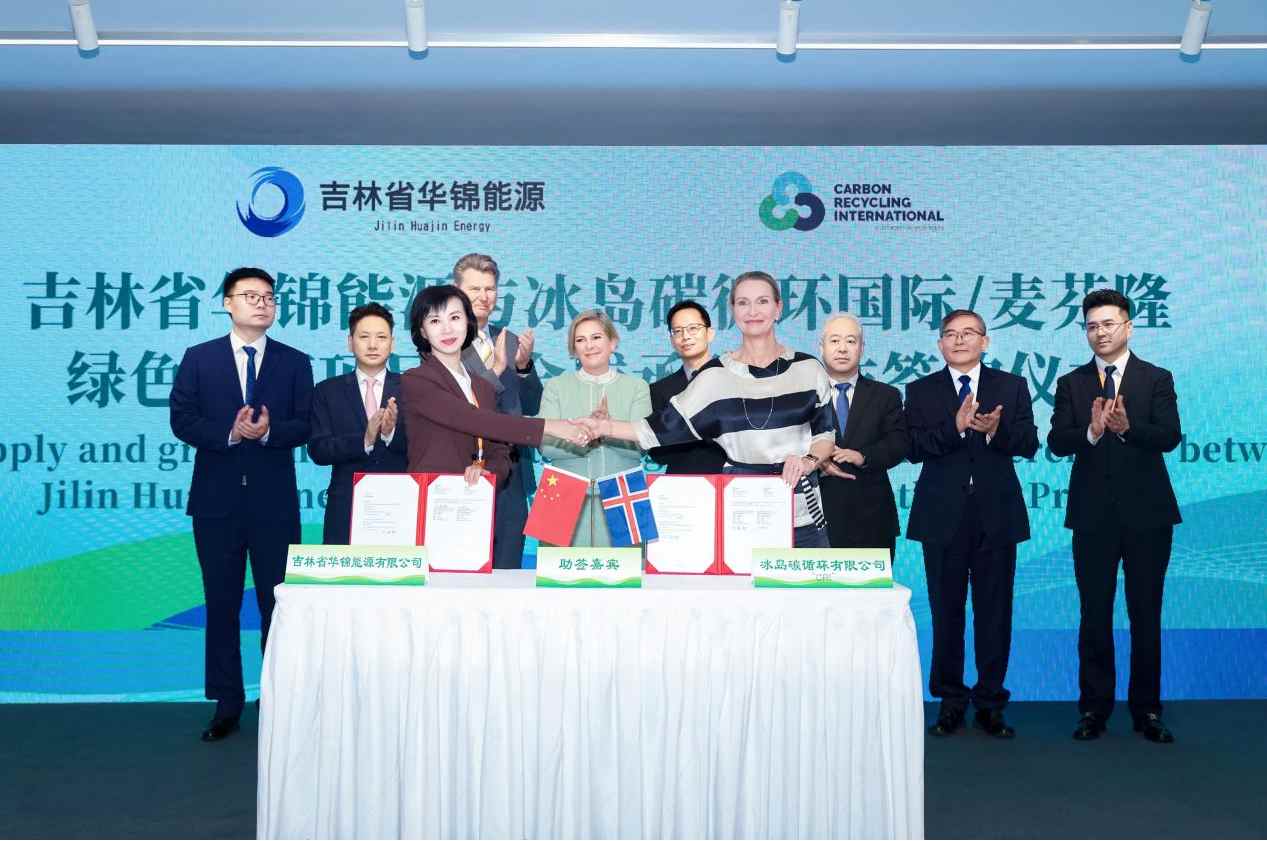
Core Insights - The signing ceremony for the green methanol project and global procurement cooperation between Jilin Huajin Energy Co., Ltd. and Iceland Carbon Recycling International (CRI)/Meflon took place during the visit of Iceland's President, Guðni Th. Jóhannesson, to China [1][11] - The collaboration aims to enhance the green energy industry chain and promote international cooperation in climate governance [10][11] Group 1: Project Details - Jilin Huajin Energy focuses on green energy development and "dual carbon" technology innovation, with a core business in biomass green methanol [8] - The project includes three major green methanol initiatives: Jilin Yushu Project (2GW), Jilin Baicheng Project (in planning), and Liaoning Huludao Project (in planning) [9] - The partnership will leverage CRI's leading carbon capture and green methanol synthesis technology (ETL) to provide solutions for the projects [9] Group 2: Strategic Collaborations - China National Energy Group and other top-tier institutions are involved in the project, providing comprehensive support in funding, technology, construction, and operation [9] - The collaboration is a continuation of the strategic agreement signed between China and Iceland in June 2023 during the SNEC 2025 exhibition [10][11] - The partnership aims to create a closed-loop ecosystem of "green electricity - green methanol - green applications" and enhance cooperation in areas such as photovoltaics, wind energy, and sustainable aviation fuel (SAF) [9][11] Group 3: Industry Impact - This initiative is expected to help China's green methanol industry overcome scalability challenges and participate in global competition [11] - The collaboration aligns with China's strategy to build a clean, low-carbon, safe, and efficient energy system, contributing to the energy structure adjustment and industrial upgrading in Northeast China's old industrial base [11] - The project exemplifies the integration of domestic green technology into the global energy transition process, supporting over a hundred domestic and international industrial enterprises [13]
凝聚“她力量” 共绘全球气候治理新图景
Xin Hua She· 2025-10-14 08:18
0:00 / 1:14 记者:张旻曦、沈倩、杲均丰、马晓冬 新华社音视频部制作 在北京举办的全球妇女峰会上,"支持妇女参与气候环境治理和生态系统保护,提升妇女应对气候 变化、自然灾害的能力"成为备受关注的重要话题。近年来,中国在相关领域积极开展创新性探索,并 依托南南合作等重要机制,为全球气候治理提供有力支持。 峰会期间,代表嘉宾共话中外携手合作,持续凝聚多方共识,为全球气候治理注入更多鲜活的"她 力量"。 ...
我国新一轮国家自主贡献目标迭代升级 为全球气候治理注入强大动力
Jin Rong Shi Bao· 2025-10-14 02:12
Group 1: NDC Goals and Climate Ambitions - The new NDC targets announced by China aim for a 7% to 10% reduction in net greenhouse gas emissions by 2035 compared to peak levels, with non-fossil energy consumption exceeding 30% of total energy consumption [1][2] - The NDC goals reflect a shift from "phase-based reduction" to "systemic transformation" in China's climate governance strategy, marking a significant evolution in its approach [2][3] - The updated NDC includes a broader scope covering all greenhouse gases, moving from relative intensity targets to absolute total emission reduction metrics [3] Group 2: Implementation and Sectoral Changes - To achieve the non-fossil energy consumption target, an annual increase of 0.94 percentage points is required, necessitating a high proportion of renewable energy supply and electrification [4] - The national carbon market is set to expand, with major industries like steel, cement, and aluminum included by 2025, increasing the controlled carbon emissions from 5 billion tons to 8 billion tons [4][6] - Different industries will face varying costs for emission reductions, with sectors like steel and electricity having lower costs compared to aviation and shipping, which may incur significantly higher costs [7] Group 3: International Context and Challenges - The global progress on emission reductions is lagging, with the UN Secretary-General warning of risks to the 1.5°C temperature goal, highlighting the importance of China's NDC commitments in this context [8][9] - The EU aims to reduce greenhouse gas emissions by 66% to 72% by 2035 based on 1990 levels, although the final commitments are still pending [8] - The absence of the U.S. at the climate summit and its historical role as a major emitter complicates international climate cooperation, emphasizing the need for responsible leadership from countries like China [9]
我国新一轮国家自主贡献目标迭代升级
Jin Rong Shi Bao· 2025-10-14 01:09
Group 1: NDC Goals and Climate Commitments - The new NDC targets announced by China aim for a 7% to 10% reduction in net greenhouse gas emissions from peak levels by 2035, with non-fossil energy consumption exceeding 30% of total energy consumption [1][2] - The NDC goals represent a shift from "phase-based reduction" to "systematic transformation," indicating a comprehensive approach to climate governance [2][3] - The updated NDC includes a broader scope covering all greenhouse gases, a shift from relative intensity targets to absolute total emission targets, and an extended timeline that includes post-peak reduction phases [3] Group 2: Industry Implications and Actions - The transition to total emissions control means that more industries must actively engage in carbon reduction efforts, with a focus on systematic management across all economic sectors [5][6] - The national carbon market is set to expand, with plans to include major industrial sectors by 2027, increasing the number of monitored entities and the total carbon emissions under management [6] - Different industries will face varying costs for carbon reduction, with some sectors like steel and electricity having higher costs compared to others, necessitating a phased approach to implementation [7] Group 3: International Context and Challenges - The global progress on emission reductions is lagging, with significant gaps between national commitments and the efforts needed to meet climate goals, particularly in light of the U.S. withdrawal from the Paris Agreement [8][9] - China's NDC commitments are seen as crucial for setting a roadmap for carbon reduction in the next five years, especially given the challenges posed by the current international climate cooperation landscape [8][9]
中国气象局局长陈振林答21:“妈祖”预警方案出海“圈粉”
2 1 Shi Ji Jing Ji Bao Dao· 2025-10-11 12:03
Core Insights - The Chinese Meteorological Administration (CMA) is advancing legal and standardization frameworks during the 14th Five-Year Plan period, enhancing high-level international cooperation and regional meteorological collaboration [2] Group 1: Early Warning System - The CMA introduced the "MAZU" early warning system at the 2025 World Artificial Intelligence Conference, which emphasizes multi-hazard alerts, zero gaps in communication, and universal accessibility [3] - The "MAZU" initiative has gained international recognition, marking China's transition from a participant to a contributor in global meteorological governance [3][4] Group 2: Climate Change and International Cooperation - In response to increasing extreme weather events due to climate change, the CMA is enhancing international cooperation and developing a comprehensive early warning system that integrates cloud technology and artificial intelligence [4] - The CMA's early warning system has been implemented in over 40 countries, including Pakistan and Ethiopia, addressing technological gaps in developing nations [4] Group 3: Future Initiatives - The CMA will host a high-level meeting at COP29 in November 2024, unveiling the "Early Warning Promotes Climate Change Adaptation Action Plan (2025-2027)," which is the first national-level response to the UN's early warning initiative [4] - The CMA plans to provide training for 2,000 individuals, 100 scholarships, and 50 visiting scholar positions over the next three years to enhance meteorological capabilities in developing countries [5]