
猪周期

Search documents
这家日本品牌,吃到了中国的“羽毛球红利”
3 6 Ke· 2025-11-27 01:55
Core Viewpoint - The price of badminton has significantly increased, with Yonex, the leading global brand, raising prices by 14% to 31% for its main products, indicating a trend that is becoming "irreversible" [1][2]. Group 1: Price Increases and Financial Performance - Yonex has raised the price of its flagship product, the AS-05EX badminton, from 210 yuan per dozen to 350 yuan, marking the third price increase in two years [1]. - For the first half of the 2026 fiscal year, Yonex reported a net sales increase of 18.8% to 795.32 billion yen (approximately 35.95 billion yuan), with operating profit rising 15% to 88.47 billion yen (approximately 4 billion yuan) [2][3]. - The company's net profit for the same period grew by 17.4% to 63.71 billion yen (approximately 2.88 billion yuan) [2]. Group 2: Market Dynamics and Supply Chain - The rise in badminton prices is attributed to a decrease in the supply of duck and goose feathers, which are essential for producing high-quality shuttlecocks, due to a decline in duck and goose farming [4]. - The badminton industry has seen a significant increase in raw material prices, with mid-to-high-end court shuttlecock materials rising by 25% as of early September [6]. Group 3: Market Position and Growth in China - Yonex has established a strong presence in the Chinese market, with sales reaching 484 billion yen (approximately 23.5 billion yuan) in the 2024 fiscal year, surpassing its domestic market in Japan [7]. - The company’s sales in China for the 2025 fiscal year reached 680 billion yen (approximately 33 billion yuan), reflecting a 24% year-on-year growth and accounting for 49.2% of total sales [7]. - The average annual consumption per person in badminton has increased from 300 yuan a decade ago to nearly 3000 yuan, indicating a growing market potential [8]. Group 4: Competitive Landscape - The badminton market is becoming increasingly competitive, with brands like Li Ning and Victor posing significant challenges to Yonex [9]. - Lower-priced brands such as Kawasaki and Hongshuangqi are attracting younger consumers by offering affordable options [10]. Group 5: Marketing and Brand Strategy - Yonex has increased its marketing and promotional efforts globally, including sponsorship of major badminton events and expanding into tennis and golf [11]. - The company's sales and general administrative expenses rose by 15.4% to 260.28 billion yen, reflecting its commitment to maintaining market share [11]. Group 6: Future Considerations - The ongoing price increases may affect consumer behavior, with reports indicating a decrease in playing frequency due to higher costs [12]. - The company needs to balance price increases with sales volume to maintain its brand's premium positioning in the market [12].
国投期货打造生猪“保险+期货”滑县样本
Zheng Quan Ri Bao Wang· 2025-11-25 11:42
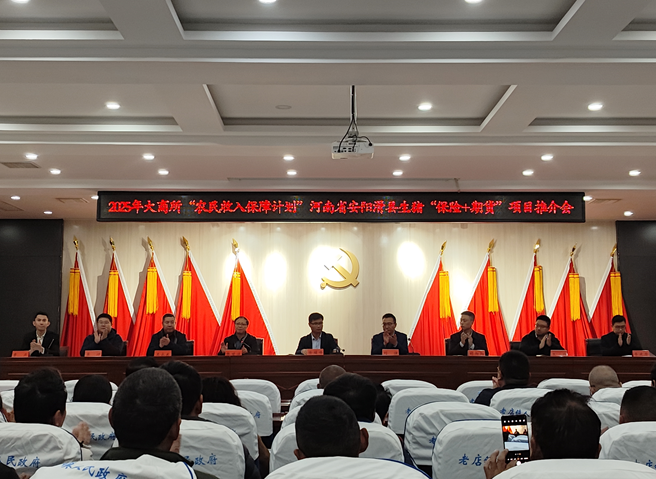
本报讯 (记者王宁)近日,随着大连商品交易所"农民收入保障计划"生猪"保险+期货"项目推介会圆满 落幕,由国投期货联合民生银行北京分行、中国太平洋产险河南分公司共同推动的金融助农"滑县模 式"第一期项目已正式完结。该项目在生猪价格深度回调的行业困境中,实现总赔付84.04万元,赔付率 达373.61%,为当地养殖产业筑起一道坚实的风险屏障。 国投期货"保险+期货"业务负责人曹亚表示,该项目既是期货服务实体经济的生动注脚,更是金融赋能 乡村振兴的创新实践。未来国投期货将持续深化与政府、交易所及金融机构的战略合作,以专业能力为 产业高质量发展注入金融动能。 "'保险+期货'不是终点,而是新征程的起点。"滑县人民政府副县长徐继峰表示,县政府牵头积极探 索,联合金融机构借助"保险+期货"风险管理新模式,持续完善补贴机制,优化财政资金使用效率,让 更多中小养殖户享受到政策红利。希望大商所、期货公司、保险公司聚焦生猪产业所需、聚焦群众所 盼,科学指导项目稳步有序推进,切实为滑县生猪养殖插上金融的翅膀。 为此,国投期货联合民生银行北京分行启动专项帮扶,依托"保险+期货"这一成熟金融工具,为滑县量 身定制风险管理方案。国投期 ...


金融支农破困局 期货赋能绘新篇——国投期货携手多方打造生猪“保险+期货”滑县样本
Qi Huo Ri Bao Wang· 2025-11-25 06:31
Core Viewpoint - The "Insurance + Futures" project in Huai County, Henan Province, aims to stabilize the pig farming industry amidst significant price fluctuations, providing a financial safety net for local farmers through innovative financial practices [1][6]. Group 1: Industry Challenges - Huai County is a major pig-producing area, and pig farming is a crucial income source for local farmers. However, the industry faces severe challenges due to frequent and drastic price fluctuations, leading to significant losses for farmers [2]. - A local farmer calculated that the cost of raising pigs is around 6.5 yuan per kilogram, which can rise to nearly 7 yuan when considering additional expenses, while the selling price is currently only 6 yuan, resulting in substantial losses for many small farmers [2]. Group 2: Solutions and Collaboration - To address the industry's challenges, Guotou Futures, in collaboration with Minsheng Bank and China Pacific Insurance, initiated a tailored risk management solution using the "Insurance + Futures" model, effectively managing market volatility [6]. - The project received a 25% premium subsidy from the Dalian Commodity Exchange, reducing the insurance cost for farmers, while the local government provided financial support and conducted multiple outreach sessions to ensure the policy reached the intended beneficiaries [6]. Group 3: Effectiveness of the Program - The project established a comprehensive risk management system through collaboration among government, banks, futures, and insurance sectors, focusing on the urgent needs of farmers and enhancing service delivery [7]. - A total compensation of 840,400 yuan was quickly disbursed to farmers, effectively offsetting their losses from price declines, which reinforced their confidence in continuing their farming operations [8]. Group 4: Future Outlook - The financial support not only stabilized farmers' incomes but also strengthened the foundation of the pig farming industry. The project exemplifies how futures can serve the real economy and empower rural revitalization [8]. - The local government plans to continue exploring and optimizing the "Insurance + Futures" model to ensure more small farmers benefit from these policies, aiming for a sustainable and prosperous future for the pig farming sector [10].

猪价持续下行,腌腊开启能否支撑价格上涨?
Sou Hu Cai Jing· 2025-11-24 02:37
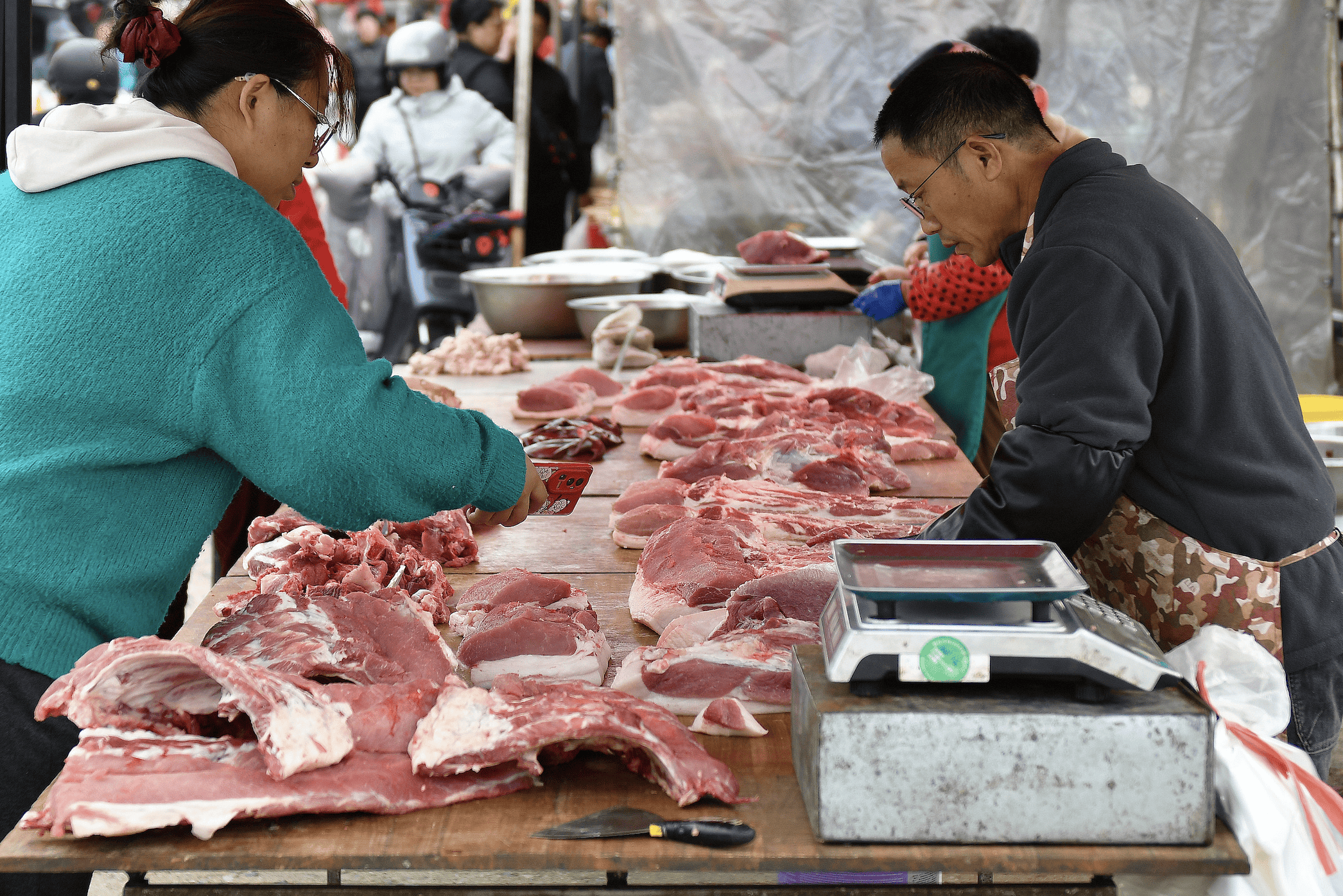
Core Insights - The overall trend in the pig market indicates a continued decline in prices, with a significant drop in live pig prices observed in November, reflecting a supply surplus and weak demand [1][5]. Price Trends - As of mid-November 2025, 30 out of 50 monitored products saw price increases, while 17 experienced declines, with live pig prices reported at 11.6 yuan/kg, down 1.7% from the previous period [1]. - The price of live pigs (external three yuan) fell from 12.05 yuan/kg on November 1 to 11.65 yuan/kg by November 24, marking a 3.3% decrease [1]. Policy and Industry Response - The Ministry of Agriculture and Rural Affairs has proposed measures to strengthen comprehensive capacity regulation in the pig industry, aiming for high-quality development and dynamic supply-demand adjustments [2]. - Analysts suggest that the upcoming southern cured meat season may provide some support for pig prices, but the overall supply-demand imbalance is expected to limit any significant price rebound [2]. Market Dynamics - According to Dongfang Securities, the current low prices for fat and piglets may lead to a market-driven capacity reduction, with historical patterns indicating a likelihood of industry contraction [4]. - The number of breeding sows has decreased significantly, with a reported decline of 90,000 heads in the third quarter and a total below 40 million by the end of October, indicating accelerated capacity reduction [4]. Supply and Demand Outlook - Huatai Futures anticipates that the upcoming months will see increased pressure on pig supply due to concentrated market exits and seasonal peaks in slaughtering, despite ongoing demand growth [4]. - The chief economist at Zheshang Securities notes that the current pig cycle is characterized by shorter cycles and increased volatility, with a supply surplus expected to persist in the near term [5]. - Seasonal demand for cured meats in November and December may provide temporary support for prices, but the overall market remains oversupplied, limiting potential price increases [5].
周期磨底去产能,节奏决定上限
Guo Xin Qi Huo· 2025-11-21 10:34
国信期货研究 Page 1 国信期货生猪年报 周期磨底 去产能节奏决定上限 生猪 2025 年 11 月 21 日 分析师:覃多贵 从业资格号:F3067313 投资咨询号:Z0014857 电话:021-55007766-6671 邮箱:15580@guosen.com.cn 作者保证报告所采用的数据均来自合 规渠道, 分析逻辑基于本人的职业理 解,通过合理判断并得出结论,力求 客观、公正,结论不受任何第三方的 授意、影响,特此声明。 独立性申明: 请务必阅读正文之后的免责条款部分 以信为本 点石成金 国信期货研究 Page 2 一、行情回顾 主要结论 2025 年国内生猪处于供应压力逐步兑现的阶段,这种供应压力一方面有前 期能繁母猪存栏增加的滞后影响,另一方面也与行业生产效率提高、PSY 整体水 平上行相关。但由于饲料成本的下降,生猪养殖行业全年大多数时间仍能保持微 利,直接到三季度末,供应压力大幅超过消费的承接能力,才开始进入全面亏损 的阶段。往后来看,根据仔猪出生数据推算到明年二季度,国内生猪供应都处于 增加的格局,对猪市仍将形成较大的压制。而未来供应压力的减轻,还需求行业 去产能兑现。尽管国家有关部 ...
中国银河证券:26年农业投资核心围绕生猪养殖及宠物板块 强调核心指标跟踪及时点选择
Zhi Tong Cai Jing· 2025-11-21 06:41
Core Viewpoint - The report from China Galaxy Securities emphasizes the importance of identifying and capturing turning points in the agricultural sector in 2026, focusing on core indicators and finding entry points within a relatively reasonable valuation range [1] Group 1: Swine Breeding - The swine breeding sector is expected to benefit from changes in supply and demand, with a continued emphasis on a balanced approach of offense and defense [1] - The investment opportunities in the swine breeding sector arise from changes in production capacity affecting pig price expectations, with a recommendation to focus on major players like Muyuan Foods (002714) and Wens Foodstuff Group (300498), as well as smaller companies like Tiankang Biological (002100) and Shennong Group (605296) [1] - Despite a generally pessimistic outlook on pig prices based on current data, there is potential for changes within the industry that could lead to investment opportunities [1] Group 2: Pet Food - The pet food sector is characterized by sustained growth and significant market share expansion potential, with export growth serving as a shield for performance and the development of proprietary brands as a spear for future market share increases [2] - The report suggests that companies in the pet food industry should focus on maintaining or exceeding growth expectations for their proprietary brands while leveraging multi-brand operations [2] - Key companies to watch in the pet food sector include Zhongchong Co., Ltd. (002891), Guibao Pet (301498), and Petty (300673), with additional attention on Yuanfei Pet (001222) [2]

天农集团转道递表港交所 超六成收入依赖生猪业务
Mei Ri Jing Ji Xin Wen· 2025-11-20 12:57
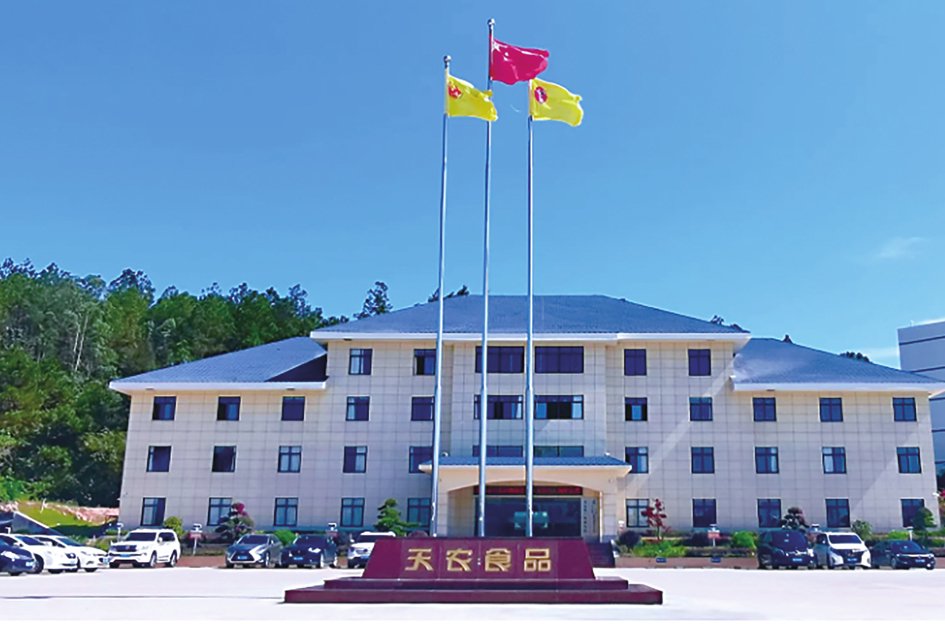
Core Insights - Guangdong Tiannong Group Co., Ltd. has officially submitted its application for an IPO on the Hong Kong Stock Exchange after two previous attempts were terminated within five years [1][2] - The company is known for its "King of Chickens," the Qingyuan chicken, which holds over 59% market share in its segment, but it faces significant challenges including reliance on the pig farming business [4][5] Company Overview - Tiannong Group's revenue structure shows over 60% dependence on pig farming, leading to performance fluctuations tied to both "pig cycles" and "chicken cycles" [4][9] - The company has experienced a dramatic shift in net profit over the past three years, from a peak of 890 million yuan to a loss of 670 million yuan [4][11] - The average selling price of Qingyuan chicken has decreased from 37.7 yuan per chicken in 2022 to 30.7 yuan in the first half of 2025, a decline of over 20% [8] Market Position - Tiannong Group ranks first in the Qingyuan chicken market with a market share of 59.3%, and it has developed a comprehensive supply chain involving over 4,000 poultry farmers [7][9] - The market size for Qingyuan chicken is projected to grow from 1.363 billion yuan in 2020 to 1.788 billion yuan in 2024, with expectations to exceed 3.1 billion yuan by 2029 [7] Financial Performance - The company's revenue is projected to reach 4.8 billion yuan in 2024, with pig farming revenue increasing from 2.587 billion yuan in 2022 to 3.203 billion yuan in 2024 [9] - Tiannong Group's pig farming gross margin is expected to be 470 yuan per pig in 2024, ranking second among large-scale farming enterprises [10] Governance and Capital Structure - The company exhibits a family governance structure, with the founders controlling approximately 52.28% of voting rights [13] - Tiannong Group has faced challenges in its capital journey, having attempted to list on the A-share market in 2020 and 2022, both of which were terminated [13][15] Debt and Financial Strategy - The company has a high debt ratio, with liabilities reaching approximately 1.334 billion yuan as of August 31, 2025, with 83.13% due within one year [15] - Recent capital operations, including share buybacks and debt management, indicate a strategic move to optimize its capital structure ahead of the IPO [15]
猪价低迷底部未明,上市猪企集体补充流动资金
Di Yi Cai Jing· 2025-11-20 12:57
Core Viewpoint - The pig farming industry is facing significant financial pressure due to prolonged low prices, leading to a collective action among listed pig companies to supplement their cash flow by reallocating funds from previously planned projects [1][2][3]. Industry Overview - The main pig futures contract hit a new low of 11,440 yuan/ton, marking a 17.76% decline over the past three months, reflecting a pessimistic market sentiment [1]. - The current supply-demand dynamics in the pig industry remain loose, with no fundamental changes expected, and the anticipated year-end price rebound may not materialize until the second half of 2026 [1][5]. Company Actions - Companies like Tangrenshen and Yisheng shares have announced reallocations of funds from their projects to bolster liquidity, with Tangrenshen repurposing 78.96 million yuan for this purpose [2][3]. - Tangrenshen's financial performance has been adversely affected, reporting a revenue increase of 8.87% to 18.586 billion yuan but a net loss of 365 million yuan, with a debt ratio reaching a historical high of 65.51% [2][3]. Market Conditions - The pig price has been on a downward trend, with the average price dropping to 11.69 yuan/kg, a year-on-year decrease of 28.15%, indicating an oversupply in the market [5][6]. - Despite expectations for a seasonal demand increase, the actual market response has been weak, with the anticipated "腌腊行情" (cured meat demand) failing to significantly uplift prices [5][6]. Future Outlook - Analysts predict that the pig price will continue to fluctuate downward in the short to medium term, with a potential turning point not expected until the second half of 2026 as the industry undergoes necessary capacity adjustments [6].
唐人神终止募投项目:猪价跌破成本重陷亏损 负债率持续增长偿债压力大
Xin Lang Cai Jing· 2025-11-20 10:08
Core Viewpoint - The company, Tangrenshen, has decided to terminate the "Dongchong Phase III Pig Breeding Base Construction Project" due to ongoing pressure from declining pig prices, which have fallen to 12.64 yuan/kg, a 27.4% year-on-year decrease, leading to significant financial strain [1][3][8] Financial Performance - Tangrenshen's third-quarter breeding cost reached 13.3 yuan/kg, which is above the current market price, resulting in a loss of 3.05 billion yuan for the quarter [3][6] - The company's asset-liability ratio has risen to 65.51%, indicating increased financial pressure, with a cash-to-short-term debt ratio of 0.8 and a current ratio of 0.97 [1][4][5] - The company has reported a cumulative net profit loss of 12.32 billion yuan over the past five years, with three years of profit and two years of loss [6] Project Termination and Fund Allocation - The termination of the "Dongchong Phase III" project was part of a larger fundraising initiative where Tangrenshen raised 1.14 billion yuan in 2022, with 580 million yuan of unused funds redirected to a new project [2][3] - The company plans to adopt a lighter asset operation model for its pig breeding business, focusing on leasing and partnerships [2] Industry Context - The pig farming industry has seen several companies, including Tian Kang Biological and Wens Foodstuffs, halt expansion projects due to increased market competition and declining prices [3][6] - The current pig price cycle has been characterized by a prolonged downturn, with prices dropping significantly since mid-2024, further exacerbating the financial challenges faced by pig farming companies [6][8] Financing Strategy - In response to financial pressures, Tangrenshen is initiating new financing efforts, including the issuance of short-term financing bonds and medium-term notes, aimed at repaying debts and supplementing working capital [7]

重庆女博士在广东养鸡养猪,天农集去年净赚8.9亿元!儿子、侄子、学生也是公司高管,将赴香港IPO
Mei Ri Jing Ji Xin Wen· 2025-11-20 01:59
Core Viewpoint - The company, Tian Nong Group, is preparing for an IPO in Hong Kong, leveraging its dominance in the Qingyuan chicken market, while facing challenges due to its significant reliance on the pig farming business and family governance issues [1][2][10]. Group 1: Company Overview - Tian Nong Group specializes in raising Qingyuan chicken, holding over 59% market share in this niche [1][7]. - The company was founded by Zhang Zhengfen and her husband in 2003, focusing on the industrialization of Qingyuan chicken after reviving its breeding stock [3][4]. - The company has developed a comprehensive supply chain involving over 4,000 poultry farmers, transitioning traditional farming into a modern industrial model [7][10]. Group 2: Financial Performance - Tian Nong Group's revenue reached 4.8 billion yuan in 2024, with over 60% derived from pig farming, indicating a dual reliance on both chicken and pig cycles [10][11]. - The company's net profit fluctuated significantly over the past three years, from a peak of 890 million yuan to a loss of 670 million yuan [2][12]. - The average selling price of Qingyuan chicken has decreased by over 20% from 2022 to 2025, impacting profit margins [8][12]. Group 3: Market Position and Challenges - The market for Qingyuan chicken is expected to grow from 1.363 billion yuan in 2020 to 1.788 billion yuan in 2024, with projections to exceed 3.1 billion yuan by 2029 [7]. - The company faces challenges from price volatility in both chicken and pig markets, which directly affects profitability [12][17]. - Tian Nong Group's governance structure is heavily family-oriented, with significant control held by the founding couple and their relatives [13][14]. Group 4: Debt and Capital Structure - The company has a high debt ratio, with liabilities reaching approximately 1.334 billion yuan, of which 83.13% is due within one year [17][18]. - Recent capital maneuvers include share buybacks and restructuring efforts aimed at optimizing the capital structure ahead of the IPO [16][18].
