美国优先

Search documents
1年内近600次单方面对外军事打击,特朗普重返白宫一周年:“只有你想不到,没有他做不到”
Xin Jing Bao· 2026-01-20 00:22
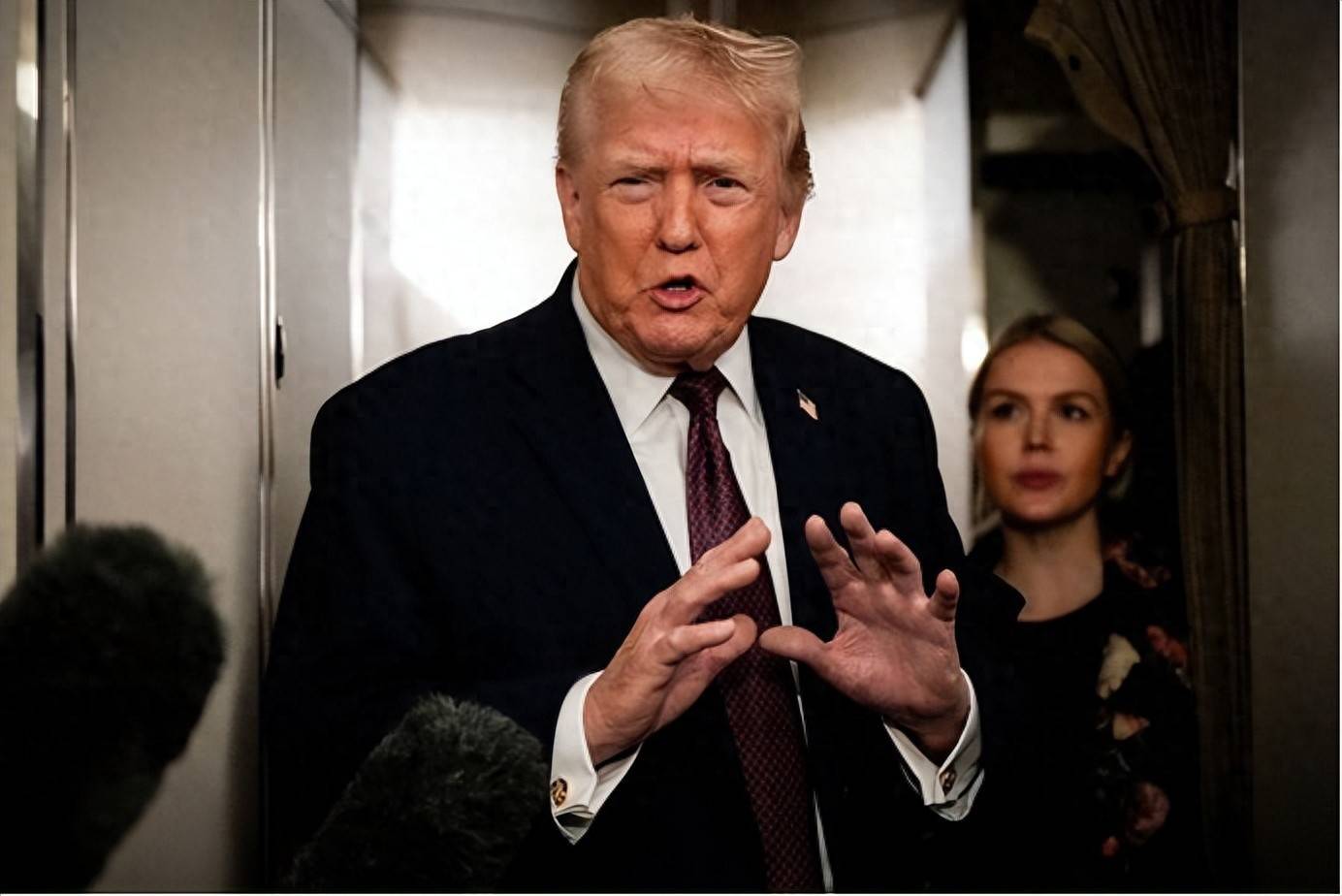
在对外政策上,美国的变化同样明显。特朗普不再区分盟友与对手,而是从"美国优先"出发,对全球发 起"关税战"。在军事层面,据统计在不到一年时间内,特朗普已下令在他国领土发起近600次单方面军 事打击行动。同时,美国对西半球的关注度显著上升,从提出"购买格陵兰岛"、收回巴拿马运河、将墨 西哥湾改名为美国湾,到强掳委内瑞拉总统马杜罗,系列做法既让国际社会感到震惊,也引发了外界对 未来国际规则和秩序的担忧。 站在重返白宫一周年的时间节点看,特朗普第二任期的走向已经不再是"会不会出人意料",而是"这种 做法会把美国和世界带向哪里"。特朗普是否正在形成一种更具攻击性的对外战略?美国是否正在重新 收缩其全球角色?中美关系又将如何在这一背景下继续演变? 新京报记者 谢莲 编辑 胡杰 校对 刘军 1月20日,美国总统特朗普重返白宫满一周年。从2025年1月20日迄今的一年内,"特朗普2.0"在美国国 内引发"血雨腥风",在全球范围内掀起"惊涛骇浪",今年6月将满80岁的特朗普几乎从未远离过全球聚 光灯。 这一年来,从强力推进政府机构改革、大规模驱逐移民,到对全球发起"关税战";从退出多项国际组织 和协议,到对委内瑞拉采取军事干 ...
美国务院战略计划23次提及中国,中国专家:沉迷地缘政治角逐,凸显更强竞争对抗色彩
Huan Qiu Shi Bao· 2026-01-19 22:53
Core Viewpoint - The U.S. Department of State's recently released strategic plan for fiscal years 2026-2030 emphasizes an "America First" approach, aiming to strengthen U.S. economic and diplomatic influence while countering China's impact globally [1][2]. Group 1: Strategic Goals - The report outlines six main objectives: maintaining U.S. national sovereignty, establishing "Tangoism" in the Western Hemisphere, ensuring peace and stability in the Indo-Pacific region, rebuilding a civilizational alliance with European nations, preserving U.S. economic and technological leadership, and prioritizing U.S. interests in foreign aid [1]. - The report mentions "China" 23 times, indicating a focused approach towards U.S.-China relations [1]. Group 2: Economic and Diplomatic Initiatives - The U.S. aims to create a "strong pro-American economic group" through "commercial diplomacy," ensuring that allies prioritize American companies in bilateral relations [3]. - The report criticizes past U.S. policies that allowed unrestricted Chinese access to American capital markets and outsourcing of manufacturing, labeling these as strategic errors [2]. - The U.S. will support efforts to reduce dependency on Chinese supply chains and economic growth, reflecting a shift towards more self-reliant economic policies [2]. Group 3: Military and Security Considerations - The report highlights the need for allies in the Indo-Pacific to increase military spending and invest in deterrence capabilities, citing China's military strength as a justification [2]. - The U.S. will allow greater access to its defense industrial base for allies in exchange for enhanced military cooperation [2].
一个加剧分裂的北约:格陵兰“夺岛风波”如何激化美欧博弈
Nan Fang Du Shi Bao· 2026-01-19 11:33
当地时间1月17日,美国总统特朗普宣布,"向反对美国得到格陵兰岛的欧洲国家加征关税"。欧盟随后 发表声明宣布,正在协调成员国发起联合反制。一场围绕格陵兰岛的美欧博弈已然开始。 关于特朗普将如何"夺取"格陵兰岛的手段讨论已经趋向明晰,不外乎是军事或经济胁迫、签署协定等, 均遭到丹麦与格陵兰岛自治政府的断然反对。实际上,早在特朗普第一任期内,他就曾表达"购岛"意 图,对格陵兰岛的控制野心已昭然若揭。 当地时间1月17日,特朗普在社交平台上发文,宣布美国将从2月1日起,对丹麦、挪威、瑞典、法国、 德国、英国、荷兰和芬兰的输美商品加征10%关税。加征关税的税率将从6月1日起提高至25%,直到相 关方就美国"全面、彻底购买格陵兰岛"达成协议。 意大利总理梅洛尼称此举"是一个错误"。德国副总理兼财政部长拉尔斯·克林拜尔则坚称,德国不能被 美国针对格陵兰岛的政策"吓倒"。法国及英国的领导人也发出声明,均表达了明确的反对意见。 最近几周内,特朗普反复表示,针对格陵兰岛,包括武力在内的各种选项仍然摆在牌桌上。随后,丹麦 证实向格陵兰岛增兵,欧洲多国宣布派兵,参加丹麦在格陵兰岛发起的"北极耐力"军事演习。 尽管分析人士认为,此次 ...
英媒:特朗普正在让世界爱上中国
第一财经· 2026-01-19 10:14
Core Viewpoint - The article discusses how Trump's approach to foreign policy has shifted global perceptions, leading to an increased admiration for China, particularly in the context of U.S. actions and rhetoric [2][3]. Group 1: U.S. Foreign Policy and Global Perception - The article argues that the end of hypocrisy in U.S. foreign policy under Trump has not resulted in increased respect for the U.S. but rather a growing appreciation for China [3]. - A global opinion poll indicated that during Trump's first year of his second term, more people believed that China's influence would continue to grow, suggesting a shift in global sentiment [3]. - The article highlights that many individuals in various countries are now using Chinese products, such as electric vehicles and solar panels, which contributes to a favorable view of China [3]. Group 2: Comparison of Power Dynamics - The article notes that while Trump showcased U.S. strength, it did not yield the expected results, as global attention was drawn to China's successful counteractions rather than U.S. displays of power [4]. - It points out that Trump's jealousy of China's industrial strength has led to a situation where the U.S. is now emulating certain aspects of China's approach [4]. - The article emphasizes that power does not guarantee loyalty, and the perception of the U.S. as a unilateral actor has diminished support among allies, with only 16% of Europeans viewing the U.S. as an ally [4][5]. Group 3: Ideological Implications - The article suggests that if the U.S. does not defend freedom or at least pretend to do so, the rationale for pro-American sentiment diminishes [6]. - It reflects on the historical context of the Cold War, where the U.S. was perceived as distinct and strong, which contributed to its victory, contrasting it with the current perception of the U.S. [5].

专家分析美国加征关税强索格陵兰岛:收割盟友延缓其霸权衰落
Nan Fang Du Shi Bao· 2026-01-19 06:42
Group 1 - The core viewpoint of the articles highlights the significant impact of the U.S. imposing tariffs on eight European countries opposing the acquisition of Greenland, which could disrupt international political and economic order as well as NATO alliances [1][2] - The European Union is considering imposing tariffs on U.S. goods worth €93 billion as a countermeasure against the U.S. tariffs, which were initially planned but postponed to avoid a full-blown trade war [1] - A meeting among the 27 EU member states is taking place to discuss the potential reactivation of the tariff list and the use of coercive measures, with a decision expected after observing the U.S. actions on February 1 [1] Group 2 - Experts suggest that the U.S. aims to use tariffs and potential security threats to make Greenland a U.S. territory, similar to Puerto Rico, which reflects a shift towards a new "America First" globalization [2] - The current situation places Europe in a difficult position, where it may have to negotiate with the U.S. while considering economic countermeasures, such as not fulfilling investment commitments made during previous trade negotiations [2] - The articles indicate that Trump's actions may be driven by personal political motives, particularly in light of the upcoming midterm elections, as he seeks to maintain control over Congress and safeguard his interests [2]
突发特讯!马克龙回应美关税威胁:不排除启动欧盟最强硬贸易反制工具,少见措辞引发国际舆论
Sou Hu Cai Jing· 2026-01-19 01:50
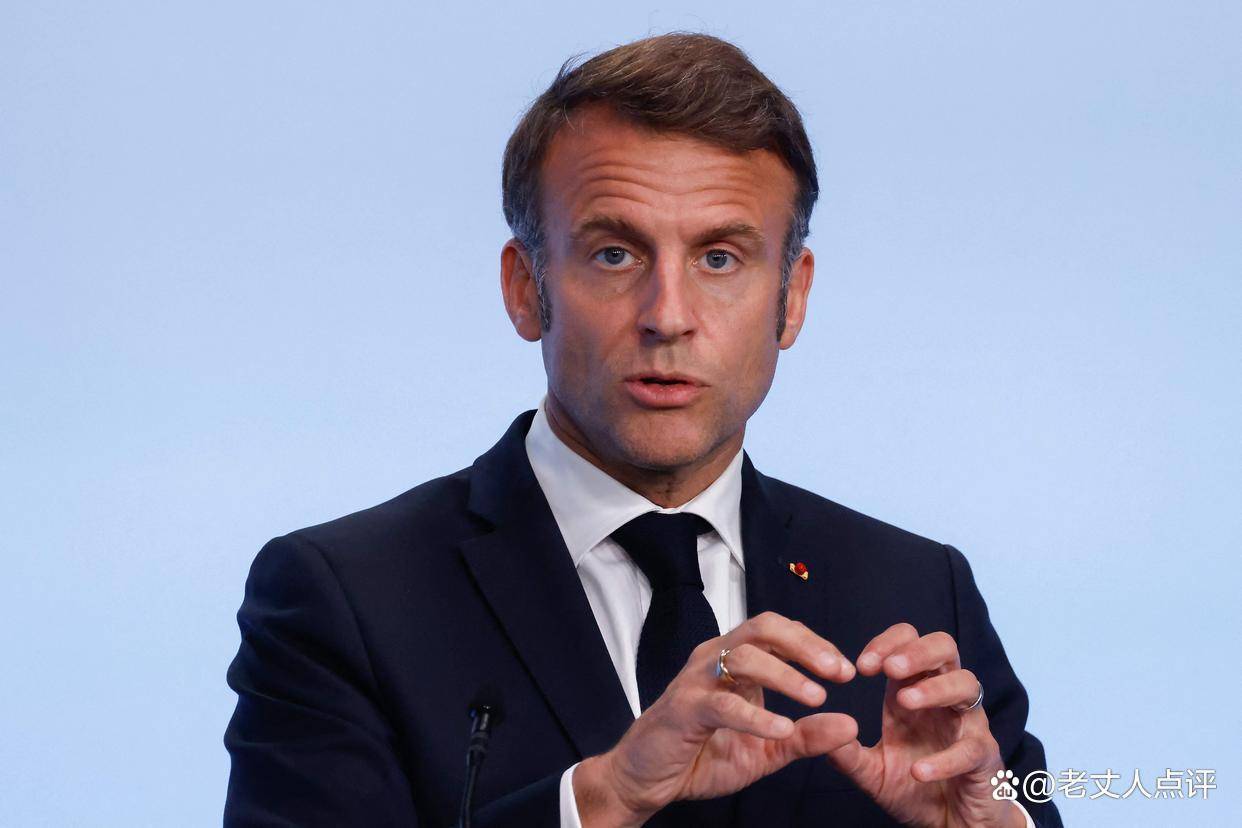
当美国商务部对欧洲挥舞关税大棒时,法国总统马克龙在爱丽舍宫按下了一个红色按钮——欧盟2023年秘密打造的"反胁迫工具"首次进入实战状态。这个被 称作"欧洲贸易防御体系终极武器"的机制,正在布鲁塞尔紧急启动程序,一场跨大西洋的贸易暗战骤然升级。 欧盟委员会贸易总司的匿名官员透露,这套系统最致命的不是报复措施本身,而是其预设的"自动升级机制"——若美国继续施压,欧盟将按比例提高反击力 度,且决策过程完全脱离成员国一票否决制。这种"欧洲版相互保证毁灭"策略,正是马克龙敢于公开叫板的底气所在。 但布鲁塞尔走廊里的外交官们清楚,真正的战场在柏林总理府。德国经济部18日下午的声明仅表示"关注事态发展",这种暧昧态度暴露出欧盟内部裂痕。法 国需要说服德国等贸易大国相信:今天不对美国亮剑,明天遭胁迫的可能是北溪管道或汽车关税。马克龙的高调发声,实为测试欧洲团结度的压力实验。 1月18日这个看似平常的周四,注定要载入欧盟贸易史册。面对美国针对支持格陵兰岛的欧洲国家加征关税的威胁,马克龙在社交媒体以"不可接受"定性 后,随即祭出法律武器:"法国将请求启动反胁迫工具"。这短短12个字的官方声明,意味着欧盟成员国首次动用这项沉睡一年 ...
2026年全球宏观经济政策走向
Jin Rong Shi Bao· 2026-01-19 01:49
2025复盘与2026趋势预判 《金融时报》记者:2025年全球经济在贸易政策、货币政策等多重因素影响下经历了显著波动,尤 其是美国在特朗普总统上任后推出了一系列备受关注的政策。首先请您整体回顾一下2025年,并展望 2026年全球宏观经济发展趋势。 温彬:2025年随着美国新任总统特朗普的上台,其推出的一系列政策显著增加了全球经济的不确定 性和运行风险。"对等关税"的推出一度对全球贸易产生重大影响,特朗普外交政策的转向也令盟友措手 不及。二季度美元资产的大幅波动削弱了"美国经济例外论",也令特朗普的政策趋于妥协和缓和。随着 下半年各国与美国贸易谈判落地,贸易政策不确定性下降,全球资产也由"TACO交易"(特朗普总是临 阵退缩)转向美联储的降息交易。 展望2026年,特朗普的政策将沿着"中选为纲,关税调整,注重民生,财货双松"的路径前行;欧洲 将继续在地缘政治夹缝中寻求独立自主;日本则将面临高市经济学的挑战,整体看政策的不确定性将小 于2025年,风险趋向于收敛。美国、欧洲、日本等国家货币政策将继续向中性利率靠拢,其中美国和英 国仍有数次降息空间,欧元区将保持在较为平衡的利率水平,日本则在通胀压力下保持缓慢加 ...
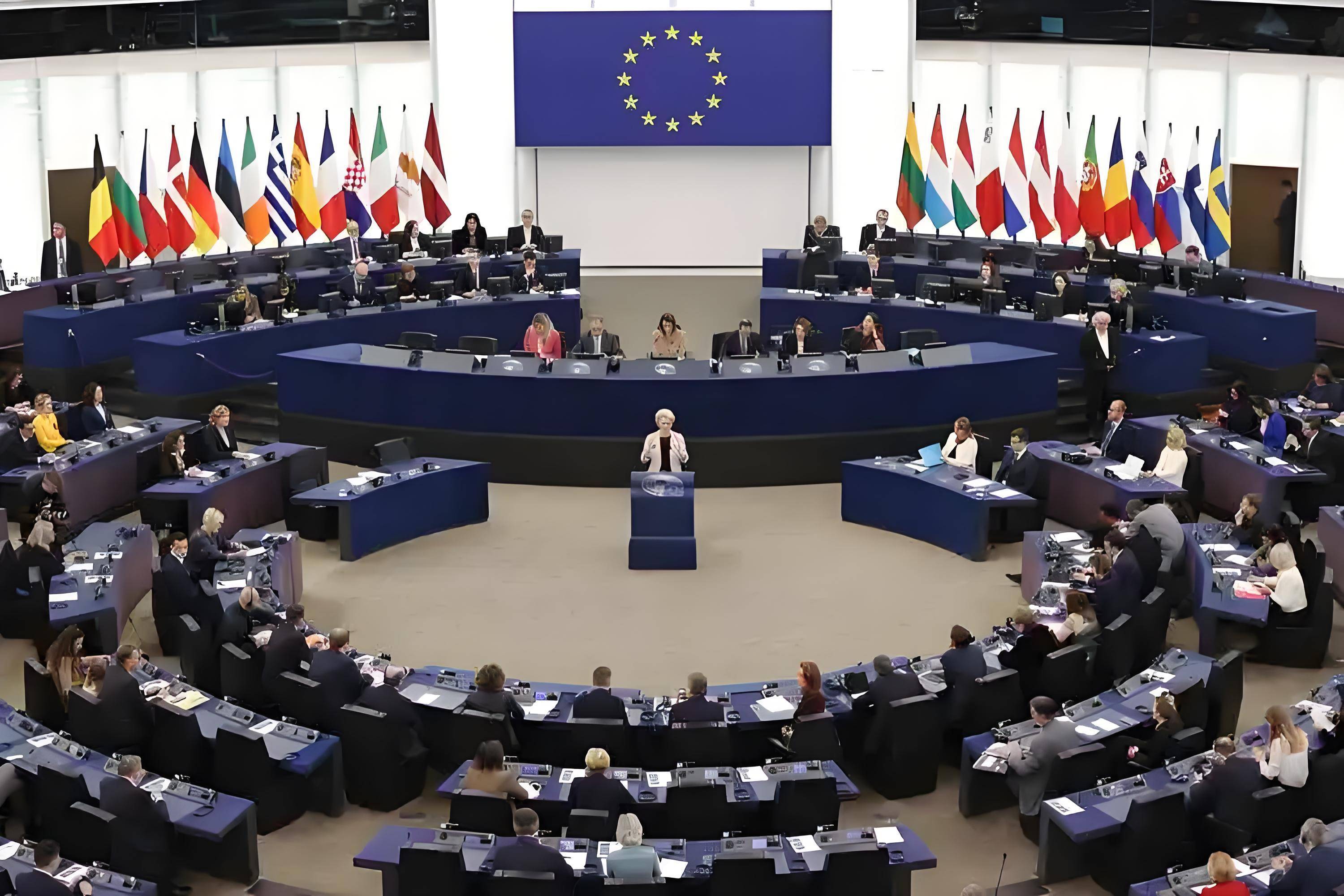
突发特讯!欧盟将举行紧急会议,商讨格陵兰岛及美关税问题,引发全球高度关注
Sou Hu Cai Jing· 2026-01-18 05:20
Core Viewpoint - The article discusses the geopolitical implications of President Trump's threat to impose tariffs on eight European countries unless they agree to sell Greenland, highlighting the underlying competition for Arctic resources [1][4]. Group 1: Tariff Threat and Geopolitical Context - The U.S. plans to impose a 10% tariff starting February 1, escalating to 25% in June on Denmark and seven other European nations unless they agree to "completely and thoroughly sell Greenland" [1] - Greenland is strategically significant, possessing a quarter of the world's rare earth reserves and controlling future Arctic shipping routes [4] - The timing of the tariff threat coincides with military exercises involving multiple countries on Greenland, indicating a deeper strategic maneuver by the U.S. [4][6] Group 2: Rare Earth Resources and Economic Implications - Greenland's rare earth oxide reserves are estimated at 38.5 million tons, with critical materials like praseodymium and neodymium essential for the renewable energy sector [6] - Chinese investments in Greenland's southern rare earth mining areas account for 12%, which may explain U.S. concerns regarding resource control [6] Group 3: EU's Response and Strategic Considerations - The EU is considering two countermeasures: initiating WTO dispute resolution and coordinating member states on U.S. export controls [8] - The situation reflects a shift in how geopolitical conflicts are managed, with tariffs being used as leverage in resource competition [9] - The EU's unified stance against the U.S. indicates a significant shift in international relations, emphasizing sovereignty over economic concessions [8][9]
突发特讯!已经摊牌了,特朗普通告全球:谁不支持美国拿下格陵兰岛,我就给谁加税
Sou Hu Cai Jing· 2026-01-17 22:22
Core Viewpoint - The article discusses the implications of President Trump's threats regarding Greenland, linking territorial claims to economic coercion through tariffs, which raises concerns about international relations and the integrity of alliances [1][3][9]. Group 1: Economic Coercion and Territorial Claims - Trump's rhetoric connects Greenland's territorial status with potential tariff penalties, indicating a shift from trade policy to using tariffs as a tool for geopolitical leverage [1][3]. - The approach reflects a broader strategy where non-compliance with U.S. interests incurs economic consequences, exemplifying a transactional view of international relations [3][7]. Group 2: Internal U.S. Policy Discrepancies - On the same day as Trump's statements, a U.S. congressional delegation in Copenhagen emphasized the importance of alliances, contrasting sharply with the White House's unilateral stance [5]. - This dissonance highlights the complexity within U.S. foreign policy, where traditional diplomatic frameworks clash with a more aggressive, self-serving approach from the executive branch [5][7]. Group 3: International Reactions and Consequences - The threats from Trump test the resilience of international norms and relationships, sending a warning to all nations about the potential disregard for established rules in favor of U.S. interests [7][9]. - The global response to these actions will determine whether such coercive tactics can be normalized, potentially undermining the credibility of the U.S. and its alliances [9].
特朗普向全球发出通牒:180天内废掉中方王牌,不帮忙就加税
Sou Hu Cai Jing· 2026-01-17 10:49
Core Viewpoint - The announcement by Trump to impose a 180-day ultimatum on global critical mineral suppliers aims to diminish China's dominance in the rare earth sector under the guise of national security, reflecting the U.S.'s anxiety over its supply chain vulnerabilities and entangling allies in its geopolitical strategy [1][3][21]. Group 1: U.S. Policy and Strategy - The ultimatum is characterized as coercive rather than collaborative, presenting countries with the choice to either align with the U.S. against China or face trade penalties [5][11]. - The announcement highlights the U.S.'s reliance on imports for 12 critical minerals and a high dependency on 29 others, framing this as a national security threat to justify unilateral sanctions [3][17]. - The 180-day deadline coincides with the midterm elections, suggesting a political motive to showcase a tough stance against China to domestic voters [3][19]. Group 2: Global Supply Chain Dynamics - The U.S. faces a structural shortfall in the rare earth sector, not due to a lack of resources but because of an incomplete processing system, with 92% of global rare earth processing capacity held by China [7][17]. - Allies like Malaysia and Indonesia possess rare earth resources but lack the necessary processing technology, making it difficult for them to comply with U.S. demands without incurring high costs [11][13]. - The U.S. strategy to pressure allies into severing ties with China overlooks their economic interests and the complexities of establishing a stable supply chain independent of China [15][21]. Group 3: Implications for Allies - Allies are caught in a dilemma, fearing U.S. trade penalties while recognizing the high costs of cutting ties with China, which remains a crucial trade partner [11][13]. - The U.S. plan does not address the interests of its allies, instead treating them as tools to achieve its strategic goals, which may lead to resentment and resistance [15][21]. - If negotiations fail within the 180-day period, the U.S. risks damaging not only its allies but also its own defense and technology sectors due to a lack of stable rare earth supplies [19][21].