价值投资

Search documents
大盘震荡,配点红利,红利国企ETF(510720)涨超0.5%,关注上市以来连续分红18个月,可月月评估分红的红利国企ETF
Sou Hu Cai Jing· 2025-10-17 04:13
Core Viewpoint - The Red Dividend State-Owned Enterprise ETF (510720) has shown a rise of over 0.5%, highlighting its consistent monthly dividend distribution for 18 consecutive months since its listing, making it a unique investment option in the market [1]. Group 1: Dividend Characteristics - Dividend assets are characterized by stable cash flow returns, lower volatility, and long-term compounding effects, which are encouraged by policy measures such as the new "National Nine Articles" aimed at enhancing dividend yields [1]. - The Red Dividend State-Owned Enterprise ETF (510720) tracks the State-Owned Dividend Index (000151), which selects stocks with high dividend characteristics, stable dividend performance, and good liquidity, primarily covering traditional sectors like finance, energy, and industry [1]. Group 2: Investment Strategy - The ETF embodies a value investment strategy that focuses on stable returns and long-term dividends, making it suitable for investors looking for a solid asset allocation base [1]. - The consistent monthly dividend distribution since its inception positions the ETF as an attractive option for investors interested in dividend income, especially during market fluctuations [1].
永赢基金王乾:执行价值逆向策略 挖掘长周期资产
Zhong Guo Zheng Quan Bao· 2025-10-17 00:01
Core Viewpoint - The article emphasizes the importance of value investing and the need for a stable investment style amidst market fluctuations, highlighting the perspective of Wang Qian, a fund manager at Yongying Fund [1][3]. Group 1: Investment Philosophy - Wang Qian advocates for a long-term value investment approach, focusing on buying high-quality assets at reasonable prices to ensure sufficient safety margins for fund holders [1][2]. - The evaluation of high-quality assets involves multiple dimensions, with strong competitiveness being a key criterion, varying by industry [2]. - Wang Qian prioritizes safety margins over blindly following "good companies," emphasizing the importance of valuation discipline [2]. Group 2: Market Strategy - Wang Qian combines a contrarian strategy with long-term holding, suggesting that this approach can be effective despite potential short-term sacrifices in relative returns [2]. - He acknowledges the current dominance of technology growth styles but maintains a rational outlook, emphasizing the need for patience and adherence to established strategies [3]. - The rise of index investing has led to increased investor demand for clarity and stability in fund strategies, which Wang Qian recognizes as essential for building long-term trust with clients [3]. Group 3: Market Outlook - Following the "9.24" market rally in 2024, liquidity in the market has improved, leading to a positive wealth effect and potential opportunities in cyclical and domestic demand assets [3][4]. - The "anti-involution" policies have positively impacted midstream industries like photovoltaics and lithium batteries, promoting price recovery and improving corporate profits and household incomes [4]. - Wang Qian's portfolio is balanced across various sectors, including chemicals, food and beverages, non-bank financials, and agriculture, indicating a strategic positioning for economic recovery [4]. Group 4: Fund Development - The Yongying Value Return Mixed Fund, led by Wang Qian, was officially launched on October 13, with the firm committing 10 million yuan to subscribe to Class A shares during the fundraising period [5].
执行价值逆向策略 挖掘长周期资产
Zhong Guo Zheng Quan Bao· 2025-10-16 22:25
Core Insights - The article discusses the investment philosophy of Wang Qian, a fund manager at Yongying Fund, who emphasizes value investing despite the current market favoring technology growth styles [1][3]. Investment Philosophy - Wang Qian advocates for a long-term value investment approach, focusing on buying high-quality assets at reasonable prices to ensure sufficient safety margins for fund holders [1][2]. - The evaluation of high-quality assets includes multiple dimensions, with strong competitiveness being a key criterion. Different industries may have varying sources of competitiveness [2]. - Wang Qian prioritizes safety margins when purchasing assets, indicating a disciplined approach to valuation and a willingness to wait for better entry points when assets are overvalued [2]. Market Perspective - Despite the current dominance of technology growth styles, Wang Qian maintains a rational and objective outlook, recognizing that style rotation is a natural market phenomenon [3]. - The rise of index investing has led to increased investor demand for clarity and stability in fund strategies, which Wang Qian acknowledges as essential for building long-term trust with clients [3]. Asset Allocation Strategy - Wang Qian's portfolio is balanced across various sectors, including chemicals, food and beverages, non-bank financials, and agriculture, reflecting a strategy that anticipates a recovery in the economy [4]. - The article highlights the positive impact of recent "anti-involution" policies on midstream industries like photovoltaics, lithium batteries, and chemicals, which may enhance profitability and consumer income [4]. Future Outlook - Wang Qian suggests that once the macroeconomic fundamentals show positive changes, cyclical and domestic demand assets may present significant opportunities for performance [4]. - The article notes that the current market liquidity has improved, which could lead to a gradual shift in market styles as economic conditions evolve [4].
永赢基金王乾: 执行价值逆向策略 挖掘长周期资产
Zhong Guo Zheng Quan Bao· 2025-10-16 20:12
Core Viewpoint - The article discusses the investment philosophy of Wang Qian, a fund manager at Yongying Fund, who emphasizes value investing and maintaining a stable investment style despite market fluctuations [1][3]. Group 1: Investment Philosophy - Wang Qian adheres to a long-term value investment perspective, focusing on buying high-quality assets at reasonable prices to provide sufficient safety margins for the portfolio [1][2]. - The evaluation of high-quality assets includes multiple dimensions, with a strong competitive edge being a key criterion. Different industries may have varying sources of competitiveness [2]. - Wang Qian prioritizes safety margins when purchasing assets, indicating a disciplined approach to valuation and a willingness to wait for better entry points when assets are overvalued [2]. Group 2: Market Conditions and Strategies - Despite the current dominance of technology growth styles in the market, Wang Qian maintains a rational and objective mindset, believing that style rotation is a natural market phenomenon [3]. - The rise of domestic index investing has led to increased investor demand for clarity and stability in fund strategies, which Wang Qian recognizes as essential for building long-term trust with clients [3]. - Wang Qian's portfolio is balanced across various sectors, including chemicals, food and beverages, non-bank financials, and agriculture, reflecting a strategy that anticipates a shift from cyclical to domestic demand-driven industries as the economy recovers [4]. Group 3: Future Outlook - The recent "anti-involution" policies have positively impacted midstream industries such as photovoltaics, lithium batteries, and chemicals, promoting price recovery and improving corporate profits and household income [4]. - Wang Qian suggests that the market may experience a style rebalancing process rather than an immediate shift, with macroeconomic indicators showing signs of improvement [4]. - The Yongying Value Return Mixed Fund, led by Wang Qian, was officially launched on October 13, with the firm committing 10 million yuan to subscribe to its Class A shares, reflecting confidence in the long-term stability of the Chinese capital market [5].
4100只下跌,牛市里你亏钱了吗?
Sou Hu Cai Jing· 2025-10-16 16:16
Core Insights - The market is currently experiencing a downturn, with over 4,100 stocks declining, making it increasingly difficult to generate profits. However, some investors have managed to avoid significant losses by strategically reallocating their investments into dividend and pharmaceutical sectors, demonstrating the effectiveness of contrarian investment strategies [2]. Group 1: Investment Strategies - The importance of timely profit-taking and strategic positioning in resilient sectors is highlighted, as it allows investors to outperform the market during downturns [2]. - Maintaining a balanced portfolio is crucial; even if one stock experiences temporary losses, it should not significantly impact the overall account performance if the portfolio is well-diversified [4]. - A deep understanding of a company's fundamentals is essential for making informed investment decisions, as many investors buy stocks based on trends or hearsay rather than thorough analysis [4]. Group 2: Market Analysis - The current market is characterized by volatility, making it easier to incur losses while generating profits is challenging. Investors are advised to learn diligently, review their strategies, and manage their positions carefully to avoid pitfalls associated with high-priced stocks [6]. - Technical analysis, particularly through K-line charts, is emphasized as a necessary skill for identifying buying signals and making timely decisions, regardless of personal biases towards specific stocks [6].


万亿博时基金换帅
2 1 Shi Ji Jing Ji Bao Dao· 2025-10-16 13:47
Core Viewpoint - The announcement of a leadership change at Bosera Fund, with Zhang Dong taking over as chairman from Jiang Xiangyang, who has led the company for over a decade, marks a significant transition for the firm as it aims to enhance its investment strategies and market position [1][5]. Group 1: Leadership Transition - Jiang Xiangyang has resigned as chairman of Bosera Fund after more than ten years, during which he contributed to the development of a value investment system and solidified the company's position among the top ten in asset management [1][8]. - Zhang Dong, with over 36 years in the financial industry and 31 years at the China Merchants Group, has been appointed as the new chairman and will also serve as the general manager starting from October 15 [5][1]. - Under Zhang Dong's leadership as general manager for over a year, Bosera Fund has maintained a stable market position despite challenging conditions [5]. Group 2: Company Performance and Strategy - As of September 30, 2025, Bosera Fund manages over 1.8 trillion RMB in assets and has served more than 180 million clients [1]. - The fund has seen a significant increase in equity performance, with a 26.76% return on actively managed stock investments from September 2023 to August 2025, placing it in the top 30 of the industry [6]. - The company plans to focus on value orientation and long-termism, aiming for coordinated development across various investment avenues, including fixed income and equity, both domestically and internationally [1][10]. Group 3: Future Strategic Directions - Bosera Fund aims to enhance its high-quality development by focusing on four key areas: creating client value, discovering investment value, leading high-quality development, and contributing to the construction of a financial powerhouse [10][11]. - The company intends to improve its service to the real economy, expand its client base through innovative financial services, and leverage AI to enhance investment capabilities and customer experience [11][10]. - Bosera Fund is committed to participating in the reform and innovation of the public fund industry, enhancing its international presence and asset pricing capabilities [11].
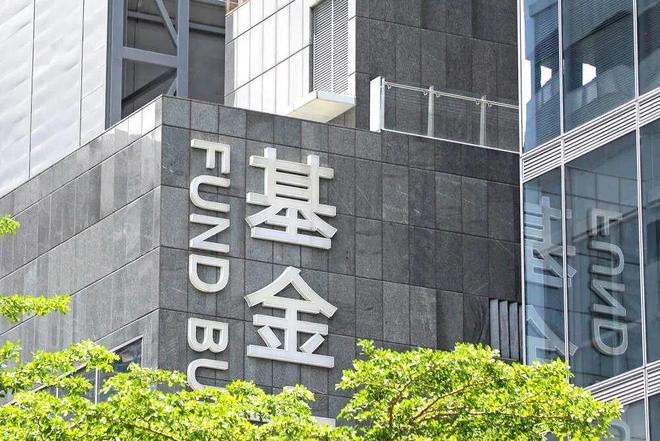
万亿博时基金换帅
21世纪经济报道· 2025-10-16 12:54
Core Viewpoint - The article discusses the leadership transition at Bosera Fund, with Zhang Dong taking over as chairman from Jiang Xiangyang, who has led the company for over a decade. The company aims to continue its focus on value-oriented and long-term investment strategies while enhancing its asset management capabilities [1][4]. Leadership Transition - Jiang Xiangyang has resigned as chairman of Bosera Fund after more than ten years, during which he significantly contributed to the company's growth and solidified its position in the market [1][7]. - Zhang Dong, with over 36 years in the financial industry and extensive experience at China Merchants Bank, has been appointed as the new chairman and will also serve as the general manager [3][4]. Company Performance - As of September 30, 2025, Bosera Fund manages over 1.8 trillion RMB in assets and has served more than 180 million clients [1]. - The fund has shown a notable improvement in equity performance, with a 26.76% return on active stock investments from September 2023 to August 2025, placing it in the top 30 of the industry [5]. Strategic Development Direction - Bosera Fund plans to focus on four key areas to enhance its high-quality development: 1. Creating value for clients by aligning products and services with customer needs [9]. 2. Discovering investment value through improved research and integrated investment capabilities [9]. 3. Leading high-quality development by enhancing services to the real economy, particularly in technology and green finance [10]. 4. Contributing to the construction of a "financial strong country" by participating in industry reforms and enhancing internationalization efforts [10].

杨德龙:国际金价持续飙升本质上是对美元信用的质疑
Xin Lang Zheng Quan· 2025-10-16 11:35
Group 1: Market Overview - The overall market is experiencing a certain level of volatility due to President Trump's sudden trade war, but this is seen as a short-term impact, with the long-term trend of a slow bull market remaining unchanged [1] - The current technology bull market has lasted for a year, with significant gains in various technology sectors representing new productive forces [1][2] Group 2: Investment Opportunities - Key sectors to focus on include humanoid robots, solid-state batteries, computing algorithms, semiconductor chips, low-altitude economy, innovative pharmaceuticals, and New Energy 2.0, all of which have shown outstanding performance [1] - The humanoid robot sector is expected to become a major industry in China, following home appliances, mobile phones, and new energy vehicles, with many companies transitioning from automotive parts manufacturing [2] Group 3: Semiconductor Industry - Recent advancements in the semiconductor field indicate significant breakthroughs in "bottleneck" projects, positioning China as a potential global hub for chip production and research [3] - Bill Gates previously criticized the U.S. for attempting to stifle China's high-tech development through high-end chips, predicting that this would only strengthen China's R&D efforts [3] Group 4: Economic Trends - The current bull market is fundamentally driven by economic transformation and technological development, with the "14th Five-Year Plan" expected to unveil key industries for development, potentially creating new opportunities for technology stocks [4] - Despite short-term adjustments due to the trade war, technology stocks quickly attracted significant capital, leading to a rebound [4] Group 5: Gold Market - The outlook for gold remains positive, driven by the expansion of U.S. dollar issuance and the anticipated rise in gold prices, which have already seen a year-to-date increase of over 52% [5] - The ongoing uncertainty regarding the U.S. government and potential interest rate cuts by the Federal Reserve are expected to further support gold prices [5][6] Group 6: Currency Trends - The Chinese yuan has appreciated against the U.S. dollar, with the central bank's recent adjustments reflecting a recovery in the yuan's value [7] - The rise in the yuan is attributed to a combination of factors, including improved macroeconomic policies and significant foreign capital inflows into the A-share market [7]
中泰资管天团 | 王桃:90后的我,怎么就心甘情愿上了红利投资这趟车
中泰证券资管· 2025-10-16 11:33
Core Viewpoint - The article emphasizes the importance of "margin of safety" in dividend investing, suggesting that it is a prudent approach to navigate uncertainties in both investment and life [1][2]. Group 1: Dividend Investment Strategy - The selection criteria for dividend stocks include both long-term and current high dividend yields, which inherently provide a higher probability of safety margin [1]. - Long-term high dividend stocks are identified through in-depth research, indicating strong profitability and willingness to distribute dividends, typically found in mature companies with reduced capital expenditure needs [1]. - Current high dividend yields often correlate with lower valuations, allowing for the identification of suitable investment targets even under pessimistic long-term profitability assumptions [1]. Group 2: Risk Management and Investment Approach - The company sets buy prices with a margin of safety and establishes detailed observation and exit indicators, focusing on changes that could impact long-term profitability [2]. - Monitoring cost advantages relative to peers is crucial for assessing long-term profitability, and adjustments to investment strategies are made accordingly [2]. Group 3: Market Conditions and Performance - The article acknowledges the challenges faced during recent market downturns, highlighting that while external performance metrics may show declines, internal rates of return on holdings may actually improve [4]. - The current market conditions serve as a test for the commitment to dividend investing, prompting a reflection on whether the appeal lies in the strategy itself or merely in short-term gains [5]. Group 4: Investment Philosophy - The essence of investing is framed as a partnership with time and a focus on value creation rather than chasing price fluctuations, reinforcing the notion that short-term performance is less significant compared to long-term goals [5].

一级市场开始“上卷”
FOFWEEKLY· 2025-10-16 10:06
Core Viewpoint - The article emphasizes that while "involution" is an unavoidable reality in the current competitive landscape, there are clear pathways to break through, primarily through technological innovation, international expansion, and ecosystem empowerment, all of which should return to the essence of value investing [3][25]. Group 1: Current Market Dynamics - The industry is experiencing an unprecedented wave of technological innovation, with advancements in AI, robotics, low-altitude economy, and new materials expanding industrial boundaries [4]. - Structural challenges accompany technological progress, such as resource concentration, rapid market saturation, and homogenized competition, leading to intensified "involution" especially in the primary market [4][5]. - Investment firms face challenges like fundraising, investment, and exit pressures, necessitating a strategic reevaluation to navigate through cycles while adhering to value principles [4][5]. Group 2: Investment Strategies - The roundtable discussion at the forum highlighted the need for venture capital firms to focus on the value foundation of "new quality productivity" to break free from the "involution" dilemma and lead industrial upgrades [5][6]. - Key strategies for identifying true value in investments include integrating new technologies with traditional industries and focusing on emerging industries driven by continuous information technology advancements [8][9]. - The importance of timing in entering future industries is emphasized, with a focus on high-value segments of the supply chain rather than core assets that may be overvalued [9][10]. Group 3: Overcoming Involution - The discussion on overcoming "involution" stresses that competition is inevitable, and innovation is essential for establishing a competitive edge [19][20]. - Companies should not view international expansion and innovation as mutually exclusive but rather as complementary strategies to build core advantages [20][21]. - The necessity of maintaining a long-term perspective and a commitment to serving national development needs is highlighted as a way to resist "involution" [21][24]. Group 4: Policy and Structural Support - Recent government initiatives emphasize the need for "continuity of capital" to address long exit cycles, with structured funds supporting different investment stages [15][24]. - The establishment of seed funds and the introduction of market-oriented investment institutions at various stages aim to enhance project value assessment and exit strategies [15][24]. - The article concludes with a call for investment firms to uphold their mission of supporting technological innovation and industrial development during this critical phase of nurturing "new quality productivity" [24][25].