银发经济

Search documents
政策东风遇上生态先行,中国平安“银发产业”拔头筹
Ge Long Hui· 2025-11-25 11:12
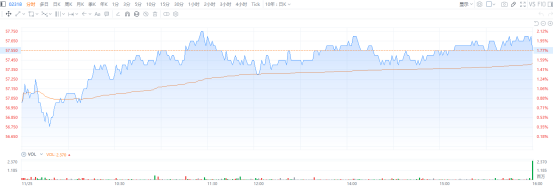
Core Viewpoint - The insurance sector in Hong Kong and A-shares is experiencing significant activity, with the A-share insurance index rising over 2%, indicating sustained market interest in the insurance sector [1] Group 1: Market Dynamics - The insurance sector has recently benefited from multiple positive factors, including over 2 billion CNY net inflow into the securities insurance ETF since November, reflecting increased institutional investment interest [2] - Recent reports suggest that insurance companies are preparing for the 2026 "opening red" period, with positive outlooks on new orders and value rates, supported by stable long-term interest rates [2] - Policy developments in the pension finance sector are driving market momentum, particularly the integration of Guangdong's pension finance policies with China Ping An's comprehensive financial and medical pension strategy [2][4] Group 2: Policy Impact - Guangdong's pension finance policy includes 15 measures aimed at enhancing the financial supply system, optimizing product offerings, and activating industrial capital, marking a significant step in addressing the challenges of an aging population [4] - The policy framework aims for a well-established pension finance supply system by 2028, with a focus on replicable models in key cities [4] - The policy encourages the establishment of a "white list" and "project library" to guide insurance funds into the pension sector, with significant investments already made by insurance companies in various pension facilities [5] Group 3: Company Positioning - China Ping An, as the first professional pension insurance company in China, holds a unique market position with substantial asset management capabilities, managing 855.793 billion CNY in enterprise annuity assets by the end of 2024 [8] - The company has accumulated extensive experience in policy alignment, allowing it to quickly capitalize on policy opportunities in the pension finance sector [8] - Ping An's integrated service model combines insurance with healthcare and home care, creating a comprehensive ecosystem that enhances customer loyalty and competitive advantage [9] Group 4: Strategic Developments - Ping An has developed a full-scenario ecosystem covering high-end care, home care, and cross-border services, showcasing a differentiated competitive advantage [11] - The company has launched high-end care communities in major cities and partnered with international brands to enhance service offerings and attract high-net-worth clients [11] - Ping An's home care services have reached 85 cities, serving nearly 240,000 clients, effectively tapping into the largest segment of the pension market [12] Group 5: Future Outlook - The aging population in China presents a significant opportunity for the pension finance market, with projections indicating that the population aged 60 and above will exceed 310 million by 2024 [15] - Ping An is positioned to benefit from policy incentives and its strategic capabilities, making it a leading player in the pension finance sector [15] - The company's comprehensive financial licenses, healthcare resources, and technological capabilities enable it to leverage the pension finance transformation effectively [15]


邮储银行独创“木玩产业贷” 无差别覆盖融资需求
Zhong Guo Jin Rong Xin Xi Wang· 2025-11-25 10:27
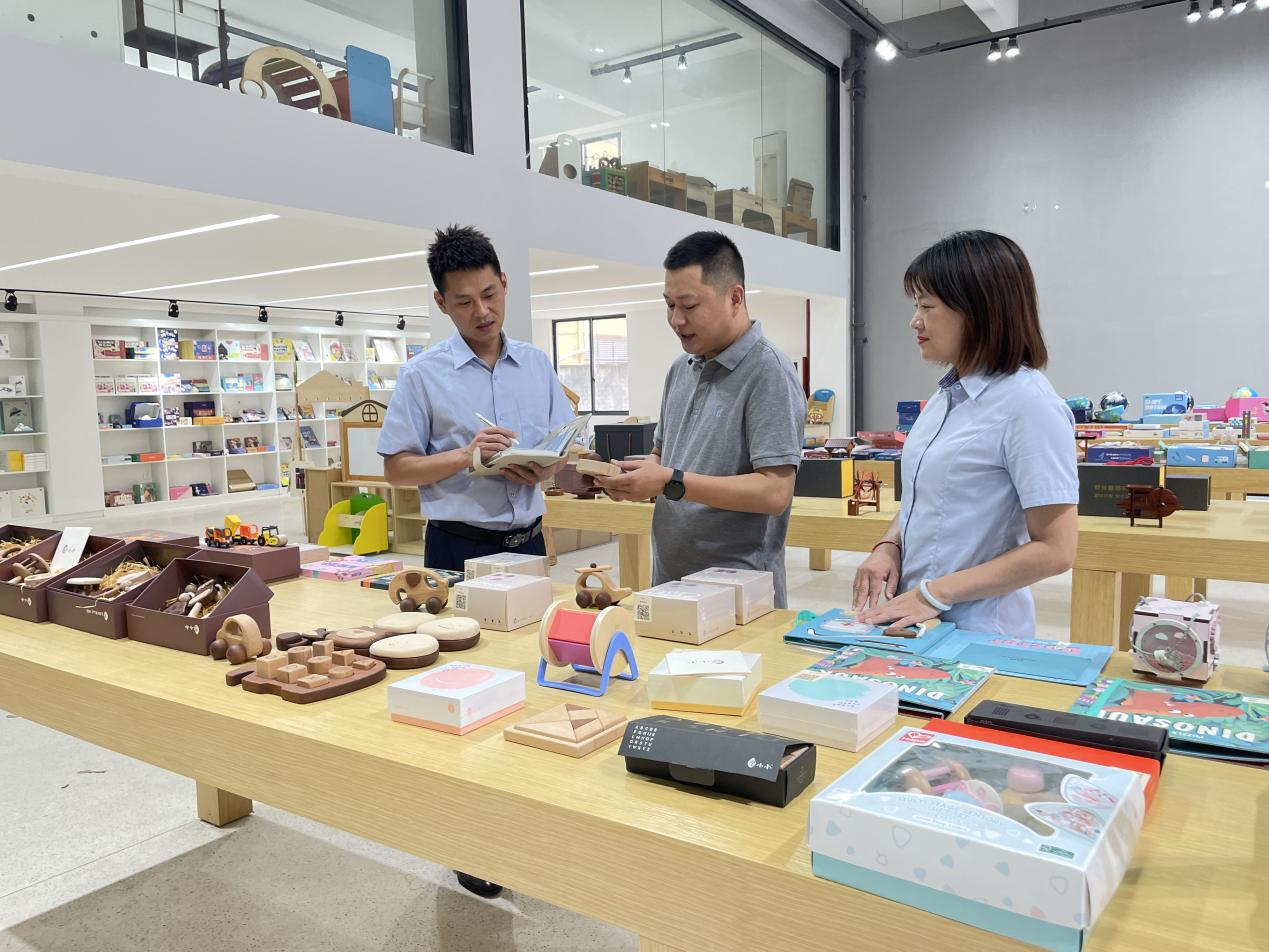
Core Viewpoint - The wood toy industry in Yunhe County, Zhejiang Province, is experiencing significant growth, supported by the introduction of a unique financial product, the "Wood Toy Industry Loan," which addresses the financing challenges faced by small and medium-sized enterprises (SMEs) in the sector [1][3]. Industry Overview - Yunhe County, known as "China's Wooden Toy City," has over 1,100 wood toy production enterprises, with more than 50 large-scale companies and around 15 enterprises generating over 100 million yuan in output [2]. - The wood toy industry accounts for 66% of China's production and 40% of global output, with exports expected to exceed 4 billion yuan in 2024, representing 70% of the county's total foreign trade exports [2]. Financial Innovation - The "Wood Toy Industry Loan" was launched by Postal Savings Bank to provide financial support specifically tailored to the needs of wood toy enterprises, particularly SMEs that often face high barriers to traditional credit [3][6]. - This innovative loan product allows companies to qualify based on various criteria such as operating cash flow and tax payments, significantly lowering the financing threshold and increasing credit limits for businesses without collateral [3][6]. Impact on Enterprises - The loan product has already provided substantial financial support to local enterprises, with 46 companies receiving a total credit of approximately 89.26 million yuan, and 44 of these companies utilizing loans amounting to about 81.18 million yuan [6]. - A specific company, established in 2008, focuses on developing age-appropriate toys and has seen sales growth between 10% and 20%, necessitating an expansion of production capacity to meet increasing market demand [4][6]. Future Prospects - The financial support from the "Wood Toy Industry Loan" is expected to facilitate the transformation and upgrading of the wood toy industry, aligning with government strategies for technological improvement, digital transformation, and cultural integration [2][6]. - The initiative is part of a broader commitment to support local economies and promote rural revitalization through the development of the wood toy industry [6].

社会价值投资联盟可持续商业-日本之旅圆满收官
Sou Hu Wang· 2025-11-25 09:17
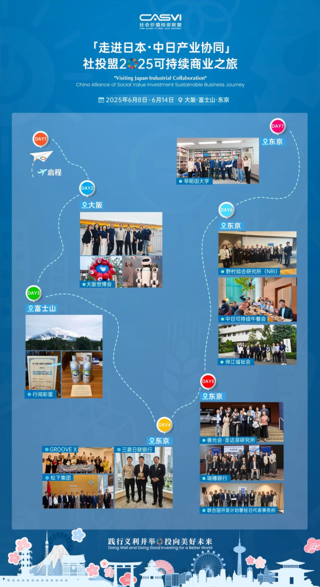
Group 1: Core Insights - The sustainable development concept has been integrated into daily life in Japan, with over 85% of residents recognizing its importance [3][4][7] - The "Sustainable Business Journey" focused on three main topics: intelligent manufacturing, silver economy, and ESG & sustainable finance, aiming to explore collaborative opportunities between China and Japan [1][7][45] - The visit included high-level discussions with influential figures and organizations, emphasizing the need for cross-border consensus and deep dialogue for a sustainable future [4][5][7] Group 2: ESG and Sustainable Finance - Discussions at the UNDP highlighted the challenges and pathways for ESG and impact investing, with a call for a shift from risk control to creating long-term social value [7][11] - Japanese financial institutions like Mizuho Bank and Mitsubishi UFJ Financial Group shared their latest initiatives in green bonds and ESG practices, emphasizing the importance of localized financial standards [11][12][15] - The concept of "transformational finance standards" was proposed to better align with regional characteristics and promote sustainable financial practices [11][15] Group 3: Silver Economy - The visit to care facilities like Zenko-kai and Shinjo Welfare Association showcased Japan's innovative approaches to elderly care, blending technology with humanistic care [21][22][26] - The integration of smart technologies in elder care was highlighted, demonstrating how Japan balances technological advancements with emotional warmth in caregiving [22][26][27] - The exploration of community-based care models emphasized the importance of dignity and personalized care for the elderly [26][27] Group 4: Intelligent Manufacturing - The visit to GROOVE X, a pioneer in emotional robotics, illustrated the potential of technology to address social challenges while maintaining a human touch [29][31] - The emphasis on "technology for good" reflects a growing trend in Japan to leverage innovation for societal benefits [28][29] - The exploration of various technological applications in sustainable practices indicates a commitment to integrating advanced solutions in manufacturing [28][31] Group 5: Cultural Exchange and Learning - The journey facilitated a rich exchange of ideas and practices between Chinese and Japanese stakeholders, fostering a deeper understanding of regional collaboration [9][37][45] - Insights gained from Japan's approach to sustainable development and elder care are expected to inform future practices in China [37][45] - The emphasis on continuous learning and adaptation highlights the importance of cross-cultural dialogue in addressing global sustainability challenges [45]
锦江酒店:加速推进度假酒店细分市场布局,推出4条适老化度假产品提升品牌竞争力
Cai Jing Wang· 2025-11-25 06:53
Core Viewpoint - Jinjiang Hotels is accelerating its layout in the vacation hotel segment by launching four senior-friendly vacation products in Yunnan, Hainan, and Sichuan by Q3 2025, aiming to enhance brand differentiation through targeted offerings for the silver economy and family travel [1] Financial Performance - For the first three quarters of 2025, Jinjiang Hotels reported revenue of 10.241 billion yuan, a year-on-year decrease of 5.09% - The net profit attributable to shareholders was 746 million yuan, down 32.52% year-on-year - The decline in revenue and profit is primarily attributed to a reduction in non-recurring income, as there were no similar gains from asset disposals in 2025 compared to 2024, along with a decrease in fair value changes of financial assets [1] Social Responsibility Initiatives - Jinjiang Hotels has implemented a "light renovation, heavy experience" approach for senior-friendly services in its domestic limited-service hotel segment, focusing on three dimensions: attentive service, safety assurance, and healthy dining [1] - The company aims to reshape service standards for senior-friendly products throughout the entire guest experience, from pre-stay to post-stay [1] Accessibility Initiatives - In the South China region, Jinjiang Hotels has launched a "visually impaired friendly" service pilot, collaborating with a professional design team to develop service standards that ensure safety, quick response, and respect for dignity and privacy [2] - The company has also introduced a "guide dog reception notice" to reaffirm its commitment to accommodating guide dogs [2]

沂蒙孝善承家远 养老金融护长安
Jin Rong Shi Bao· 2025-11-25 03:39
Group 1 - The elderly population in Linyi, Shandong Province exceeds 2.6 million, making it the city with the largest elderly population in the province [1] - The People's Bank of China in Linyi is promoting financial services integrated into the "Filial Piety Linyi" elderly care brand, focusing on creating a comprehensive financial product system for the elderly [1] - Agricultural Bank of China Linyi Branch has issued a loan of 60 million yuan to Aishule Health Products, a leading company in adult incontinence care, highlighting the growth potential of the elderly care industry [2][3] Group 2 - The Agricultural Bank of China Linyi Branch has established a regular tracking mechanism for elderly care projects, optimizing financial support strategies and offering various tailored loan products [3] - As of August, the loan balance for the elderly care industry in Linyi reached 329 million yuan, a 67.9% increase from the beginning of the year [3] - The People's Bank of China in Linyi is building a multi-level elderly care service system that combines home, community, and institutional care, supported by local ecological resources [4] Group 3 - The total amount of elderly deposits in Linyi reached 413 million yuan, a 116.2% increase from the beginning of the year, indicating a growing financial product system for the elderly [5] - Financial institutions in Linyi have established over 1,300 bank branches with green channels for the elderly, providing various facilities to enhance accessibility [5] - The city is advancing several key health and elderly care projects, with 50 major projects underway, including the Yunmeng Sun City International Health and Wellness Town [4]

“过客”变“归人”
Guang Xi Ri Bao· 2025-11-25 03:14
Core Insights - The Chinese tourism market is experiencing both total expansion and structural transformation, with the travel residence demand gradually replacing traditional tourism models. A mere 5% shift towards travel residence could create a market increment of 250 billion yuan [5] - The travel residence and elderly care sector has become a national strategy, with significant policy support from the central government aimed at developing new consumption models and promoting high-quality development in the industry [5][21] - Despite a 217% growth in the travel residence market over three years, less than 30% of projects are profitable, indicating a need for sustainable development strategies [5][23] Market Dynamics - The travel residence market in China has surpassed 5 trillion yuan, driven by consumption upgrades and an aging population [5] - In 2024, the number of tourists in Beihai reached 61.21 million, a 16.6% increase from 2023, highlighting the growing importance of the travel residence demographic in the tourism sector [11] - The travel residence sector is becoming a crucial driver for economic transformation in Beihai, with the potential to enhance hotel occupancy rates during off-peak seasons [11][21] Challenges and Shortcomings - Key issues affecting the travel residence experience include transportation, talent shortages, product offerings, and cultural barriers, which impact the overall satisfaction of residents [7][8] - The lack of clear definitions and standards for "travel residence" complicates industry management and hinders effective planning and resource allocation [12][13] - Regulatory ambiguities between travel and elderly care institutions lead to inconsistent service quality and operational challenges [12][13] Innovative Practices and Solutions - Beihai's establishment of the first travel resident association in China serves as a model for community engagement and governance, transforming the perception of travel residents from outsiders to integral community members [15][16] - The association has successfully addressed over 30 community issues, enhancing the quality of life for residents through organized feedback mechanisms and volunteer initiatives [16][17] - Cultural integration activities foster a sense of belonging among diverse ethnic groups, contributing to a cohesive community atmosphere [18][19] Policy Initiatives - The Beihai government has initiated a three-year action plan to enhance the tourism industry, emphasizing the development of the travel residence economy [21][28] - Plans to create a "travel service chain" by integrating elderly care facilities with tourism resources aim to improve service delivery and enhance the travel experience for elderly residents [22] - The establishment of vocational training programs in elderly care is expected to address the talent shortage in the travel residence sector, thereby improving service quality [22][26] Future Outlook - The travel residence market in Guangxi is projected to grow significantly, with expectations of reaching 20 million visitors in the next decade [24] - The government aims to implement a comprehensive policy framework to support the integration of travel, elderly care, and cultural services, creating a robust ecosystem for the travel residence industry [28][29] - Collaborative efforts among various stakeholders, including government, market entities, and social organizations, are essential for overcoming existing challenges and achieving sustainable growth in the travel residence sector [29]

“推动双边关系持续向前发展”——访韩国驻华大使卢载宪
Bei Jing Ri Bao Ke Hu Duan· 2025-11-24 23:46
Core Viewpoint - The new South Korean ambassador to China, Lu Zai Xian, emphasizes the importance of strengthening strategic communication and mutual cooperation between South Korea and China, aiming to enhance the welfare of both nations' citizens [2][3]. Group 1: Bilateral Relations - The meeting between the leaders of South Korea and China is significant as it marks the first official talks since the new South Korean president took office, highlighting the enduring cooperative relationship despite changing external conditions [2][3]. - Lu Zai Xian recalls the friendly and candid atmosphere during the leaders' discussions, which resulted in several positive outcomes [2][3]. Group 2: Economic Cooperation - The two countries have agreed to explore cooperation in emerging fields such as artificial intelligence, biopharmaceuticals, green industries, and the silver economy, which are seen as future economic growth drivers [3][4]. - This collaboration is expected to enhance the quality of economic and trade relations, bringing substantial social and livelihood benefits [3][4]. Group 3: Cultural Exchange - The ambassador highlights the importance of youth exchanges in fostering mutual understanding and friendship between the two nations, as young people are in a critical period of cognitive development [4]. - Initiatives like the popularity of the giant panda "Fu Bao" and the trend of "weekend trips to Shanghai" among South Korean youth are seen as positive cultural ties that can strengthen bilateral relations [4]. Group 4: Regional Cooperation - Lu Zai Xian advocates for cooperation beyond bilateral levels, suggesting that South Korea and China can work together to contribute positively to regional and global peace and development [4]. - The ambassador mentions the role of the Asia-Pacific Economic Cooperation (APEC) in promoting regional trade and investment liberalization, with China hosting the upcoming APEC meeting in Shenzhen [4].

“推动双边关系持续向前发展” ——访韩国驻华大使卢载宪
Ren Min Ri Bao· 2025-11-24 22:58
Group 1 - The new South Korean ambassador to China, Lu Zaixian, aims to strengthen strategic communication and promote mutual cooperation between South Korea and China, enhancing the welfare of both nations [1] - The upcoming visit of President Xi Jinping to South Korea marks a significant moment in bilateral relations, being his first state visit in 11 years and the first meeting with the new South Korean president [1] - Both leaders agree that despite changing internal and external environments, the cooperative nature of South Korea-China relations remains unchanged, focusing on mutual benefits and exploring future development directions [1][2] Group 2 - The ambassador emphasizes the importance of deepening cooperation in emerging fields such as artificial intelligence, biopharmaceuticals, green industries, and the silver economy, which are seen as future economic growth drivers [2] - The future of South Korea-China relations is rooted in the friendship between the peoples of both countries, highlighting the significance of youth exchanges and mutual understanding [2] - The ambassador expresses a strong sense of responsibility and mission in his role, aiming to create meaningful outcomes in the development of South Korea-China relations [3]
“推动双边关系持续向前发展”
Ren Min Ri Bao· 2025-11-24 22:31
Group 1 - The new South Korean ambassador to China, Lu Zaixian, aims to strengthen strategic communication between South Korea and China, promote mutual cooperation in business, and enhance emotional resonance among the people of both countries [2][3] - The upcoming visit of President Xi Jinping to South Korea from October 30 to November 1 is significant as it marks his first state visit to South Korea in 11 years and the first meeting between the two leaders since the inauguration of President Yoon Suk-yeol [2][3] - Both leaders agree that despite changing internal and external environments, the cooperative nature of South Korea-China relations remains unchanged, and they will explore future development directions together [2][3] Group 2 - The bilateral relationship has evolved from complementary vertical division of labor to closer horizontal cooperation, with a focus on emerging fields such as artificial intelligence, biopharmaceuticals, green industries, and the silver economy [3][4] - The ambassador emphasizes the importance of youth exchanges in fostering friendly relations, as young people from both countries are seen as a valuable asset for future cooperation [4][5] - The APEC framework is highlighted as a platform for regional cooperation, with South Korea expressing a commitment to collaborate on trade and investment liberalization, digital economy, and inclusive development [4][5]

消费者服务行业周报(20251117-20251121):看好经营改善的酒店、免税行业-20251124
Huachuang Securities· 2025-11-24 11:20
Investment Rating - The report maintains a "Recommended" rating for the hotel and duty-free industries, indicating a positive outlook for operational improvements in these sectors [1]. Core Viewpoints - Despite the overall pressure on consumption in the current macro environment, a structural recovery trend in certain consumer service sectors is becoming increasingly evident. Operational improvements are being observed, suggesting a gradual exit from the bottom range [4]. - The hotel industry is experiencing an optimization in supply-demand dynamics, with core operational data showing marginal improvements, indicating a mild upward trend in industry prosperity supported by sustained travel demand [4]. - The duty-free industry is expected to benefit from policy incentives, particularly with the upcoming operational phase in Hainan and the continued rollout of related policies, which are anticipated to catalyze new growth opportunities [4]. Industry Basic Data - The consumer services industry comprises 55 listed companies with a total market capitalization of 498.804 billion yuan and a circulating market capitalization of 457.081 billion yuan [1]. Market Performance - The consumer services sector experienced a decline of 4.86% this week, while the overall A-share market fell by 5.14%. The CSI 300 index decreased by 3.77% [7][23]. - Notable stocks in the consumer services sector that performed well include Dalian Shengya, Chuangye Heima, and Shangri-La (Asia) [4]. Important Announcements - Huazhu Group reported a 17.5% year-on-year increase in hotel revenue for Q3 2025, reaching 30.6 billion yuan, with net profit of 1.5 billion yuan [30]. - Ctrip Group's Q3 net operating revenue was approximately 18.3 billion yuan, reflecting a 16% year-on-year growth, with a net profit increase of 192.6% [30]. - Wanwu Xingsheng achieved a total revenue of 5.15 billion yuan in Q3 2025, marking a 27.1% year-on-year increase [30]. Upcoming Shareholder Meetings - Several companies in the consumer services sector have scheduled shareholder meetings in the coming month, including Bubu Gao on December 11, Guilin Tourism on December 5, and Guangzhou Restaurant on November 28 [31].