
风险管理

Search documents
洪都航空: 江西洪都航空工业股份有限公司2024年年度股东大会会议资料
Zheng Quan Zhi Xing· 2025-05-14 08:26
公 开 江西洪都航空工业股份有限公司 会议资料 二○二五年五月二十二日 江西洪都航空工业股份有限公司 2024 年年度股东大会会议资料 江西洪都航空工业股份有限公司 会议时间:2025 年 5 月 22 日 14 点 00 分 会议地点:洪都航空城会议中心(江西省南昌市高新区航空城大 道洪都集团南门) 会议议程: 一、主持人宣布会议开始 二、主持人向出席本次股东大会的股东、股东代表报告出席 会议的股东、股东代表人数及其代表的有表决权的股份总数,并 推选监票人 三、审议以下议案: 四、听取《公司独立董事 2024 年度述职报告》 五、参会股东、股东代表发言或者提问,公司董事、监事和 高级管理人员回答问题 江西洪都航空工业股份有限公司 2024 年年度股东大会会议资料 六、现场股东投票表决 七、休会,工作人员统计表决票,将现场表决结果和网络投 票表决结果进行汇总 八、复会,主持人宣布投票表决结果 九、北京市嘉源律师事务所见证律师宣读法律意见书 十、公司董事签署股东大会决议,董事、记录员签署会议记 录 十一、主持人宣布会议结束 江西洪都航空工业股份有限公司 2024 年年度股东大会会议资料 公司2024年度董事会工 ...

善用场外衍生工具 构筑风险防控“护城河”
Qi Huo Ri Bao Wang· 2025-05-13 16:18
Group 1 - The global trade environment is deteriorating, leading to a restructuring of supply chains and increased risks for companies [1] - Companies must enhance market competitiveness, maintain cash flow stability, secure raw material supply, and expand sales channels to survive [1] - Traditional business models are inadequate in the current risk-laden environment, making futures tools essential for survival [1] Group 2 - The evolution of over-the-counter (OTC) options in China reflects the transformation of the futures market in serving the real economy [2] - The futures market has shifted from a single hedging function to building an ecosystem for risk management [2] - Risk management subsidiaries of futures companies play a crucial role by providing diverse risk solutions, integrating risk management into various business processes [2] Group 3 - Recent tariff disruptions have highlighted the need for companies to upgrade their risk management strategies [2] - Companies should view options and futures as strategic resources for optimizing business models rather than merely as cost avoidance tools [2] - The introduction of more futures and options products will provide companies with safer and more efficient risk management tools [2]
场外衍生品成实体企业精准化应对利器
Qi Huo Ri Bao Wang· 2025-05-13 16:08
Core Insights - The article discusses the significant growth of the off-exchange derivatives trading business by risk management subsidiaries of futures companies in China, which has increased by 8.8% since the beginning of 2025, driven by the need for customized risk management solutions for real enterprises facing external shocks and market volatility [1][2]. Group 1: Market Trends - As of April 18, 2025, the nominal principal of commodity off-exchange derivatives held by risk management subsidiaries reached 228.03 billion yuan, reflecting an increase of 18.53 billion yuan since January 20, 2025, when Trump took office, marking an approximate growth of 8.8% [2]. - The demand for hedging has surged due to intensified market fluctuations caused by trade policies, with some companies reporting a 40% increase in their off-exchange derivatives positions in April 2025 [2][5]. Group 2: Client Demographics - The primary clientele for these off-exchange derivatives are real enterprises, with over 95% being private small and medium-sized enterprises (SMEs), which often struggle with the standardized nature of traditional futures contracts [2][3]. - Customized derivatives can address the specific needs of SMEs, providing tailored solutions for price fluctuations and exchange rate risks [2][4]. Group 3: Risk Management Solutions - Off-exchange derivatives have proven effective for SMEs, allowing them to manage risks without the high capital requirements and expertise typically needed for direct participation in futures markets [4][6]. - Examples include a petrochemical company using vanilla options to secure higher selling prices and a private steel mill locking in future prices to avoid rising procurement costs [3][5]. Group 4: Future Outlook - The market for off-exchange derivatives is expected to continue expanding, driven by the increasing complexity of the macroeconomic environment and the need for effective risk management strategies among enterprises [6]. - The unique advantages of off-exchange derivatives, such as preemptive risk control, position them as essential tools for enterprises aiming to enhance their competitiveness and navigate global market uncertainties [6].
炭黑价格与期货揭秘炭黑市场的风云变幻
Sou Hu Cai Jing· 2025-05-13 06:32
Group 1 - The core viewpoint of the article emphasizes the relationship between carbon black prices and futures, highlighting the importance of carbon black as an industrial raw material widely used in various industries such as rubber, plastics, inks, and coatings [2] Group 2 - Background and influencing factors of carbon black prices include the supply-demand relationship of raw materials, production processes and technology, and the demand from the rubber industry [3][4] - The price of carbon black is significantly affected by fluctuations in coal prices, which is its primary raw material, as well as advancements in production technology and the overall economic conditions of the global rubber market [3][4][5] Group 3 - Carbon black futures are defined as futures contracts with carbon black as the underlying asset, providing a standardized trading platform for price discovery, risk management, and speculative trading [6] - The futures market allows participants to lock in future delivery prices, thereby mitigating the impact of price volatility, and also offers opportunities for speculative trading to gain investment returns [6][7] Group 4 - The interaction between carbon black prices and futures creates a dynamic market environment, influenced by various factors including environmental policies and regulations that affect production and usage [4][5]


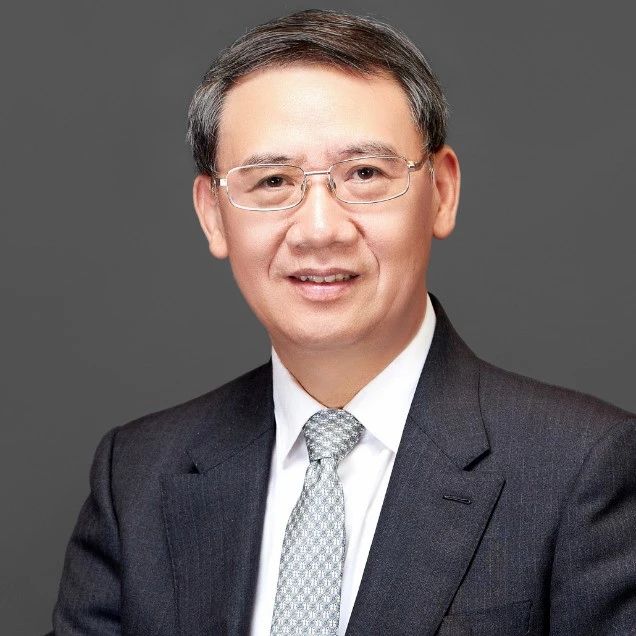
打造一流证券金融集团!兴业证券董事长杨华辉发声
券商中国· 2025-05-12 23:25
Core Viewpoint - The article emphasizes the importance of strengthening the leadership of the Party in state-owned financial enterprises, particularly in the context of evolving economic conditions, to ensure effective corporate governance and risk management [1][3]. Group 1: Corporate Governance - The board of directors of Industrial Securities has integrated Party leadership into all aspects of corporate governance, ensuring alignment with national strategies and effective decision-making [3][4]. - A governance structure has been established that includes the Party Committee, Board of Directors, Discipline Inspection Commission, Supervisory Board, and Management, creating a system of checks and balances [3][4]. - The company has implemented a dual-entry and cross-appointment leadership mechanism to enhance the integration of Party leadership and corporate governance [4]. Group 2: Strategic Development - Since the 18th National Congress, the importance of the capital market has increased, prompting Industrial Securities to undertake systematic reforms to achieve its goal of becoming a "first-class securities financial group" [5][6]. - The company has focused on group integration, transforming branch offices into comprehensive marketing and service platforms, and developing a dual-driven business model that combines large institutional and wealth management services [6][7]. Group 3: Financial Services and Social Responsibility - The "Finance for the People" concept is central to the company's operations, emphasizing service to the real economy and sustainable development [8][9]. - Industrial Securities has completed 329 equity financing projects totaling 490.7 billion and 3,047 debt financing projects amounting to 42,319.69 billion, supporting the transformation and high-quality development of enterprises [8]. - The company has established a long-term public welfare investment mechanism, donating nearly 500 million for various charitable projects, and has developed a comprehensive poverty alleviation strategy [11]. Group 4: Risk Management - In response to increasing market volatility and regulatory requirements, Industrial Securities has built a comprehensive risk management system with three lines of defense: the Board of Directors, management, and business departments [12][13]. - The company has implemented a robust risk monitoring and early warning system, ensuring effective management of various risk types, including market, credit, and operational risks [13]. Group 5: Future Outlook - As the capital market continues to play a crucial role in supporting the real economy and promoting high-quality development, Industrial Securities aims to leverage historical opportunities and enhance investor protection and shareholder returns [14].

沈阳政企“期”聚力 下好风险防控“先手棋”
Qi Huo Ri Bao Wang· 2025-05-12 18:29
为进一步发挥期货市场服务实体经济功能,引导国有企业、上市公司合理利用期货市场管理风险,5月8 日,郑商所联合辽宁证监局、沈阳市委金融办、沈阳市国资委共同举办了沈阳市国有企业与上市公司风 险管理培训班。 上述相关负责人还表示,国有企业与上市公司是区域经济的"顶梁柱",在风险管理体系建设中应主动担 当、率先垂范。一是树牢"风险中性"理念,摒弃套保"盈亏考核"惯性思维,建立与战略目标相匹配的衍 生品管理制度;二是加强跨部门协作,财务、风控、业务团队需形成合力,杜绝"单打独斗"式套保;三 是强化合规底线意识,严守套期保值会计处理要求,杜绝投机交易和信息披露违规。 沈阳工业基础雄厚、企业数量众多,产业体系与郑商所PTA、PX、尿素、花生、白糖等期货品种密切 相关,并相继发布了《关于促进大连区域性金融中心高质量发展的若干政策措施》等政策文件,提 出"鼓励国有企业深化内部经营方式改革,合理运用期货等风险管理工具对冲风险""促进大宗商品产业 链协同发展"。 郑商所相关负责人表示,郑商所高度重视发挥期货力量,服务地区经济高质量发展。一是将辽宁设置为 PTA、PX、瓶片、白糖、尿素、花生等期货交割区域,便利企业套期保值。二是与恒 ...
博世科: 关于拟为公司和公司董事、高级管理人员投保责任险的公告
Zheng Quan Zhi Xing· 2025-05-12 11:52
Group 1 - The company plans to enhance its risk management system by purchasing liability insurance for its directors and senior management to protect the rights of the company and its shareholders [1] - The insurance will cover the company and its directors and senior management, with specific compensation limits and premium amounts to be determined by the insurance contract [1] - The insurance period is set for 12 months, with options for renewal or reinsurance [1] Group 2 - The proposal for the liability insurance will be submitted to the company's fourth extraordinary general meeting of shareholders for approval, with related shareholders abstaining from voting [1] - The board of directors seeks authorization from the shareholders to allow the legal representative and management to handle the insurance matters during the seventh board term, including selecting the insurance company and determining the insurance terms [1]

【百利好投资百科】现货黄金投资实战技巧
Sou Hu Cai Jing· 2025-05-12 10:05
Fundamental Analysis - The global economic situation, monetary policies of major economies, and geopolitical issues significantly impact gold prices [3] - Gold prices typically have an inverse relationship with the US dollar index; a stronger dollar often leads to lower gold prices and vice versa [4] - Inflation erodes the purchasing power of currency, making gold a sought-after asset during inflationary periods [5] - The supply and demand dynamics, including changes in gold mining output and central bank reserves, also affect gold prices [6] Technical Analysis - Candlestick charts are essential for technical analysis, allowing investors to observe market trends and potential buy/sell signals [7] - Technical indicators such as moving averages, MACD, and RSI serve as navigational tools for investors to assess market conditions [7] - Support and resistance levels act as critical price points; breaking through these levels often indicates a shift in market trends [7] Risk Management - Setting stop-loss orders acts as a safety mechanism for investors, automatically triggering a sell when prices fall to a predetermined level [8] - Position sizing is crucial; investors should not risk all their capital on a single trade and should allocate funds based on their risk tolerance [8] - Diversification is recommended to mitigate risks associated with price volatility in a single asset [8] Psychological Management - Greed and fear can hinder investment decisions; maintaining a calm and rational mindset is essential for analyzing market dynamics [10] - Developing and adhering to a trading plan serves as a strategic guide, helping investors avoid impulsive decisions based on market fluctuations [10] - Continuous learning is vital for investors to keep pace with the evolving financial market and remain competitive [10]

巧用期权工具促进上下游合作共赢
Qi Huo Ri Bao· 2025-05-09 13:39
Core Insights - The Dalian Commodity Exchange (DCE) has developed a comprehensive hedging tool system for the steel raw materials sector since 2011, introducing futures and options for various commodities, with iron ore options being launched in 2019, making it the first domestic commodity with both futures and options available for domestic and foreign traders [1][2] Group 1: Steel Industry Options Hedging - Xiamen Xiangyu Group, a leading logistics and warehousing enterprise, has been actively participating in DCE's options trading since the launch of the first commodity option in China, expanding its range of options from soybean meal and corn to iron ore and palm oil [2][3] - The company utilizes options trading primarily for two purposes: direct hedging for its own risk management and designing options-based trade solutions for upstream and downstream clients, embedding the profit and loss structure of sold options into basis pricing contracts [2][3] - An example includes a contract signed on June 11, 2024, where Xiamen Xiangyu Logistics sold a put option at a strike price of 800 CNY/ton to hedge against price risks, resulting in effective risk management and additional compensation for clients when iron ore prices rose [2][3] Group 2: Price Risk Management with Options - A steel plant has explored using iron ore options as a hedging tool for managing the price risk of scrap steel, which lacks dedicated derivative instruments in the domestic market, by employing a combination strategy of buying low-strike put options and selling high-strike call options [4][5] - This strategy allowed the company to mitigate losses from falling scrap steel prices, achieving a reduction in cash losses of 1.19 million CNY [4][5] Group 3: Development of Management Mechanisms - The complexity and specialization of options necessitate a gradual approach for steel-related enterprises to engage in derivative markets, requiring tailored product design, management mechanisms, and professional talent [6][7] - Hangzhou Relian Group has been developing internal options services and a management system for options trading, enhancing its service offerings to upstream and downstream clients [6][7] - Experts emphasize the need for companies to establish a structured management approach to prevent options from becoming speculative tools, advocating for a learning mindset and gradual accumulation of experience in options trading [7][8] Group 4: Market Education and Support - DCE has been actively promoting market cultivation and education for enterprises, conducting training activities to share knowledge on options applications and supporting over 150 projects since 2021 to help companies explore the use of options tools [8]
从产业视角感受期权工具之美
Qi Huo Ri Bao· 2025-05-09 13:39
Core Viewpoint - The article discusses the evolution and application of options as a risk management tool in industries, highlighting their advantages over traditional futures contracts in terms of flexibility and cost efficiency [1][10]. Group 1: Understanding Options - Options differ from futures as they provide a right rather than an obligation, allowing for more strategic risk management [2][3]. - Buying call options acts as a price insurance for raw materials, enabling businesses to lock in costs while retaining the ability to benefit from price drops [3][4]. - The flexibility of options allows companies to manage risks without the need for margin payments, thus improving capital efficiency [4][9]. Group 2: Strategies for Risk Management - Companies can adopt various strategies such as buying out-of-the-money call options to reduce costs while managing potential price increases [5][6]. - Selling options can generate income through premiums, especially in stable market conditions, but it does not provide full protection against price declines [7][8]. - The combination of buying and selling options can enhance returns while managing risks effectively, allowing for tailored strategies based on market conditions [9]. Group 3: Market Trends and Innovations - The rise of over-the-counter (OTC) options and rights-inclusive trading has made options more accessible to businesses, integrating them into existing trading practices [10][11]. - Customized options can be designed to meet specific business needs, enhancing flexibility in risk management [11]. - The development of rights-inclusive trading represents a new phase in risk management, allowing for more dynamic pricing and risk-sharing arrangements [10][11].