人民币国际化

Search documents
央行连续12个月增持黄金,全球央行购金热潮持续
Di Yi Cai Jing· 2025-11-07 10:33
Group 1 - As of the end of October, China's gold reserves reached 74.09 million ounces (approximately 2304.457 tons), marking a month-on-month increase of 30,000 ounces (about 0.93 tons) and continuing a 12-month streak of accumulation [1] - The People's Bank of China is adopting a "low and frequent" strategy for gold purchases, which helps to smooth market volatility, manage costs, and mitigate the impact of large-scale purchases on gold prices, while also serving as a hedge against global macro risks [1] - In October, gold prices hit a historical high of $4,294 per ounce, marking the 50th new high of the year, and despite a subsequent pullback to around $4,000 per ounce by the end of the month, the price still rose by 4.9% for the month, marking the fifth consecutive month of gains [1] Group 2 - The World Gold Council reported that global central banks accelerated gold purchases in the third quarter, with a net purchase of 220 tons, a 28% increase from the second quarter and a 10% year-on-year increase [2] - The total net gold purchases by global central banks for the first three quarters reached 634 tons, which, while lower than the exceptionally high levels of the past three years, remains significantly above the average levels prior to 2022 [2] - Factors such as escalating geopolitical tensions, persistent inflation pressures, and uncertainties in global trade policies are driving investors to seek safe-haven assets, thereby increasing demand for gold [2]
10月外汇储备继续环比上升!央行连续12个月增持黄金
证券时报· 2025-11-07 09:50
Core Viewpoint - As of the end of October 2025, China's foreign exchange reserves reached $33,433 billion, marking a $47 billion increase from the end of September, the highest level since December 2015, with reserves remaining above $3.3 trillion for three consecutive months [1][4][5]. Group 1: Foreign Exchange Reserves - The increase in foreign exchange reserves in October was influenced by the monetary policies and expectations of major economies, as well as macroeconomic data, leading to a rise in the US dollar index and overall global financial asset prices [1][5]. - The US dollar index rose approximately 1.95% in the past month, while the euro, yen, and pound depreciated against the dollar by 1.7%, 4%, and 2.2% respectively [5][6]. - Despite the Federal Reserve's interest rate cut in October, the dollar strengthened due to market expectations regarding future rate cuts and geopolitical uncertainties [5][6]. Group 2: Gold Reserves - As of the end of October, China's official gold reserves stood at 7,409 million ounces, with a monthly increase of 3,000 ounces, the lowest growth rate since the resumption of gold purchases in November 2024 [1][9]. - The People's Bank of China has been incrementally increasing its gold reserves for 12 consecutive months, signaling a strategy to optimize international reserves [8][10]. - Recent fluctuations in the gold market saw prices briefly exceed $4,000 per ounce before retreating, with expectations of a slowdown in gold purchases by central banks due to various market factors [11].

中国央行连续12个月增持黄金,全球央行购金热潮持续
Di Yi Cai Jing· 2025-11-07 09:33
Group 1 - As of the end of October, China's gold reserves reached 74.09 million ounces (approximately 2304.457 tons), marking a month-on-month increase of 30,000 ounces (approximately 0.93 tons) and continuing a 12-month streak of accumulation [1] - The People's Bank of China is adopting a "low and frequent" strategy for gold purchases, which helps to smooth market volatility, manage costs, and mitigate the impact of large-scale purchases on gold prices, while also serving as a hedge against global macro risks [1] - In October, gold prices hit a historical high of $4,294 per ounce, marking the 50th new high of the year, and despite a subsequent pullback to around $4,000 per ounce by the end of the month, the price still rose by 4.9% for the month, marking the fifth consecutive month of gains [1] Group 2 - The World Gold Council reported that global central banks accelerated gold purchases in the third quarter, with a net purchase of 220 tons, a 28% increase from the second quarter and a 10% increase year-on-year [2] - The total net gold purchases by global central banks for the first three quarters reached 634 tons, which, while lower than the exceptionally high levels of the past three years, remains significantly above the average levels prior to 2022 [2] - Factors such as escalating geopolitical tensions, persistent inflation pressures, and uncertainties in global trade policies are driving investors to seek safe-haven assets, thereby increasing demand for gold [2]
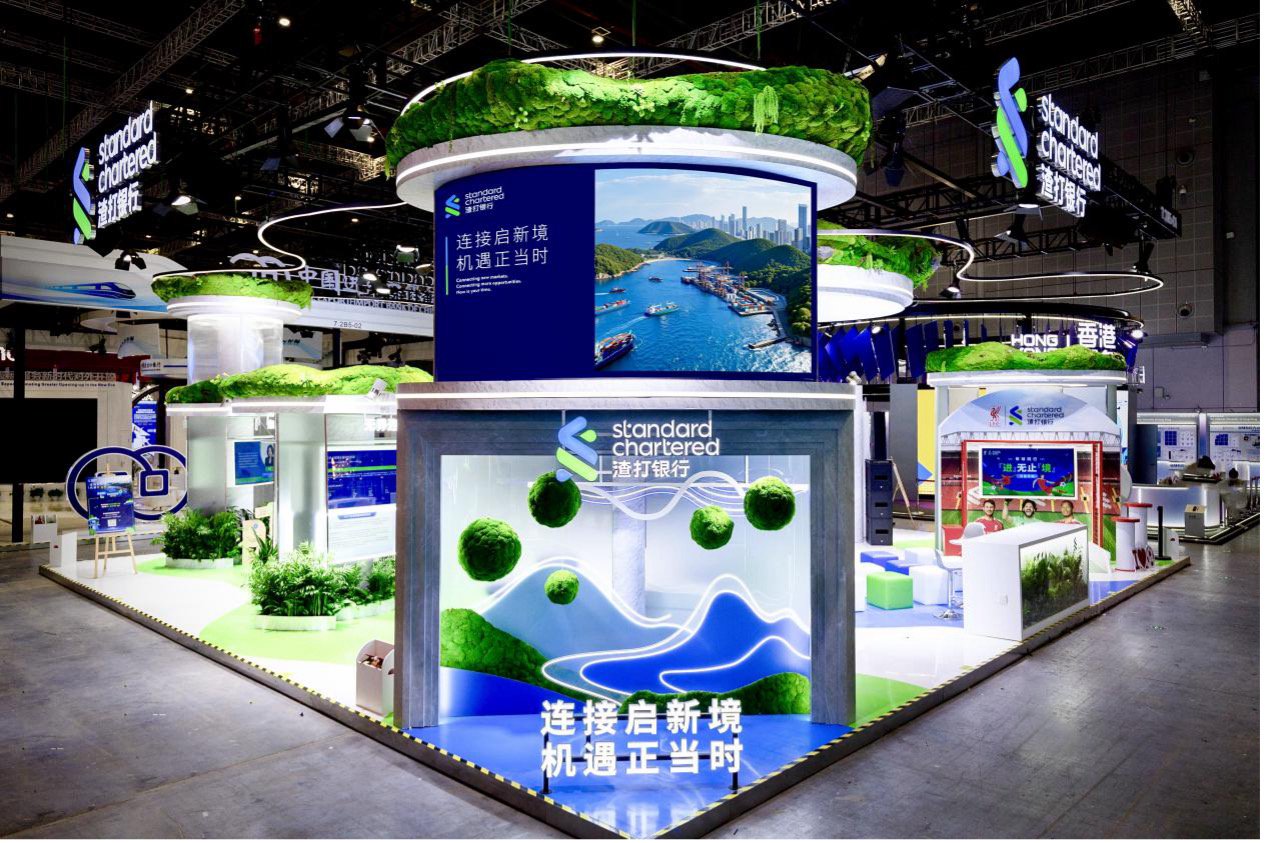
直通进博会 |渣打禤惠仪:连续八年赴约进博 推动沪港金融合作做中国与世界的“超级连接器”
Zhong Guo Jin Rong Xin Xi Wang· 2025-11-07 05:50
Core Viewpoint - The ongoing China International Import Expo (CIIE) demonstrates China's commitment to openness and mutual benefit, with Standard Chartered Bank positioning itself as a "super connector" between China and the world [1][2]. Group 1: Participation in CIIE - Standard Chartered has participated in CIIE for eight consecutive years, viewing it as a valuable platform for sharing China's market opportunities with global enterprises [2]. - The theme for this year's participation is "Connecting to New Realms, Opportunities at the Right Time," showcasing the bank's innovative solutions in cross-border trade, global supply chain restructuring, sustainable finance, and digital finance [2]. Group 2: Strategic Partnerships and Initiatives - At the opening of CIIE, Standard Chartered signed strategic cooperation memorandums with companies such as Yinglian Foods and ASSA ABLOY, and launched the "Going Global" initiative to assist SMEs in expanding overseas [3]. - The bank plans to host multiple roundtable discussions during the expo focusing on challenges and opportunities for SMEs, cross-border use of the Renminbi, and supply chain layout [6]. Group 3: Financial Cooperation and Development - Standard Chartered emphasizes the importance of Shanghai and Hong Kong as "twin engines" of China's financial sector, with their cooperation being crucial for high-level financial openness and connectivity between domestic and international markets [8]. - The bank has actively participated in initiatives like Stock Connect, Bond Connect, and Cross-Border Wealth Management Connect, and is the first foreign bank to directly engage in the Renminbi Cross-Border Payment System (CIPS) in both regions [9]. Group 4: Shanghai International Financial Center - Standard Chartered recognizes significant progress in Shanghai's financial market openness, institutional innovation, and green finance, contributing to a more inclusive and sustainable business environment [7]. - The bank identifies three key trends in Shanghai's development as an international financial center: deepening Renminbi internationalization and cross-border financial services, green finance as a new growth engine, and enhanced competitiveness through digitalization and fintech innovation [7].
避无可避!38万亿债务爆雷,美联储连夜刹车,中方成最大赢家?
Sou Hu Cai Jing· 2025-11-07 04:55
Core Viewpoint - The issuance of $4 billion sovereign bonds by the Chinese Ministry of Finance in Hong Kong has attracted a staggering subscription amount of $118.2 billion, resulting in a subscription multiple of 30 times, indicating strong international investor confidence in Chinese sovereign credit [1][6]. Group 1: Market Reactions and Implications - The 3-year and 5-year bond rates were set at 3.646% and 3.787% respectively, which has caused significant ripples in the global capital markets [3]. - The U.S. federal debt has surpassed $38 trillion, with a debt-to-GDP ratio soaring to 126.8%, significantly exceeding the IMF's safety threshold of 100% for developed economies [3]. - The Federal Reserve's recent decision to halt its balance sheet reduction and cut interest rates by 25 basis points reflects concerns over potential liquidity crises in the financial markets [3][5]. Group 2: Investor Composition and Trends - The bond issuance saw 53% of investors from Asia, 25% from Europe, 16% from the Middle East, and 6% from the U.S., with sovereign investors making up 42% of the total [6]. - The structure of investors indicates a strong recognition of Chinese sovereign credit among international mainstream capital [8]. Group 3: Strategic Financial Moves - The issuance of sovereign dollar bonds serves as a critical pricing benchmark for Chinese enterprises seeking cross-border financing, potentially lowering their financing costs and uncertainties [8]. - The issuance is part of a broader strategy to utilize international financial market rules to showcase China's creditworthiness, especially if the yields on Chinese bonds are lower than U.S. Treasuries [10]. Group 4: Global Financial Dynamics - The global reserve currency landscape is shifting, with the U.S. dollar's share declining from 73% in 2000 to below 59%, while the renminbi's reserve share has increased to 2.3% [10]. - China's approach to issuing dollar-denominated bonds is not aimed at undermining the existing dollar system but rather at providing alternative options, gradually reshaping the international financial landscape [15]. Group 5: Future Outlook - Analysts predict that by 2035, U.S. interest payments on debt could consume 7% of GDP, which is more than double the entire U.S. military budget, indicating a potential shift in global capital flows [15]. - The ongoing financial power transition may redefine the global monetary order, with implications for the future economic landscape [15].
2026年度展望:人民币汇率:人民币或进入中长期升值周期
Soochow Securities· 2025-11-07 04:09
Exchange Rate Outlook - The report predicts that the RMB may enter a medium to long-term appreciation cycle, with expectations for the USD/CNY exchange rate to break below 7.0 in 2026, potentially reaching 6.70-6.80 by the end of that year[1] - The RMB has ended a three-year depreciation cycle, with a significant appreciation expected to begin from April 2025, when the USD/CNY was at 7.42[6] Trade and Current Account - The current account surplus is expected to stabilize, driven by a recovery in merchandise trade, with a monthly surplus reaching $63.9 billion in September 2025, the highest since 2020[18] - The merchandise trade surplus has been expanding, with a single-month surplus of $72.4 billion recorded in September 2025[18] Investment Dynamics - Foreign investment in RMB-denominated assets is increasing, with a net inflow of $10.57 billion in securities investments by September 2025, reversing previous outflows[34] - Foreign investors have increased their holdings in A-shares by 622.9 billion CNY, indicating a strong interest in the Chinese equity market[42] Risk Factors - Potential risks include uncertainties in U.S. fiscal and tariff policies, unclear paths for Federal Reserve interest rate cuts, and political risks in non-U.S. regions that could lead to currency depreciation[1] - The report highlights the importance of monitoring the evolving dynamics of the U.S.-China interest rate differential, which significantly influences foreign investment behavior in Chinese bonds[51]
全球市场全面回暖,港股为何“独立走弱”?汇丰(0005.HK)或成阶段性亮点
Sou Hu Cai Jing· 2025-11-07 03:15
Group 1 - Global capital markets are optimistic, with major US indices reaching historical highs, while Asian markets also show strong performance [1][3][4] - Despite external market strength, Hong Kong stocks exhibit a relatively cautious performance, with the Hang Seng Index fluctuating between 25,800 and 26,000 [1][7][9] - The focus of institutional investors is shifting from index trading to structural opportunities, particularly in HSBC Holdings, which shows signs of stabilization following its latest quarterly results and plans to privatize Hang Seng Bank [1][14] Group 2 - The driving logic behind the market's performance indicates a shift in global risk asset pricing from "negative reaction" to "expectation repair" [5] - The recent pullback in gold prices is seen as a normal adjustment phase amid improved market risk sentiment, rather than a trend reversal [6] - HSBC's recent performance and strategic moves are interpreted as enhancing capital efficiency and business synergy, positioning it for long-term value [14][17] Group 3 - Short-term outlook for Hong Kong stocks is influenced by key events, including potential Fed policy changes and the outcomes of the US-China summit, which may improve liquidity expectations [10][12] - The cautious sentiment in the Hong Kong market is attributed to investors' focus on the Chinese economy and policy rhythm, as well as the impact of the A-share market's consolidation [7][8] - Structural opportunities are emerging in sectors such as finance and technology, with HSBC expected to benefit from improved capital efficiency and a favorable interest rate cycle [15][16][17]
离岸人民币债券—人民币国际化的连接通道
2025-11-07 01:28
Summary of Offshore RMB Bond Market Conference Call Industry Overview - The offshore RMB bond market has evolved since its inception in 2007, going through four stages: initial development, gradual expansion, scale contraction, and renewed growth [1][3][4] - As of 2022, despite the inverted interest rate differential between China and the U.S., the issuance scale of offshore RMB bonds exceeded 400 billion RMB, with a projected increase to 800 billion RMB in 2024 [1][5] Key Points and Arguments - **Market Composition**: - The market is predominantly led by Chinese entities, with a projected share of 74% in 2024. The main types of bonds are certificates of deposit, followed by credit bonds and interest rate bonds [1][6] - The Hong Kong market is the largest offshore RMB market, with the issuance scale of dim sum bonds reaching 1.07 trillion RMB by the end of 2024, a 37% year-on-year increase [1][8] - **Issuance Trends**: - The issuance of dim sum bonds has shifted towards Chinese government entities, with the proportion of urban investment bonds increasing significantly from 2023 to 2025, expected to reach 47% by July 2025 [1][10] - The offshore RMB bond market has seen a significant influx of issuers due to low financing costs, with 2024 issuance expected to grow further [5][15] - **Investor Structure**: - The investor base has diversified, now including smaller brokerages, asset management firms, and private equity funds, alongside traditional large financial institutions [11] - The introduction of green bonds has attracted ESG-focused investors, with 85% of dim sum bonds currently held in the CME system [11] Important but Overlooked Content - **Investment Channels**: - Major investment channels for offshore RMB bonds include QDII, southbound trading, TRS, and Hong Kong mutual recognition funds, with QDII quotas being expanded to meet domestic demand [12][14] - **Interest Rate Dynamics**: - Offshore RMB interest rates generally align with onshore rates but exhibit a spread influenced by liquidity changes, central bank operations, and market supply-demand dynamics [13][16] - **Market Characteristics**: - The offshore RMB bond market is characterized by a predominance of medium to short-term bonds, with a notable increase in long-term bond issuance [6][7] - **Future Outlook**: - The market is expected to continue expanding due to supportive policies and increasing demand for offshore assets, particularly in a low-interest environment [15]
黄金新规出台,非官方黄金要交税,普通人手里的黄金要贬值了?
Sou Hu Cai Jing· 2025-11-06 23:04
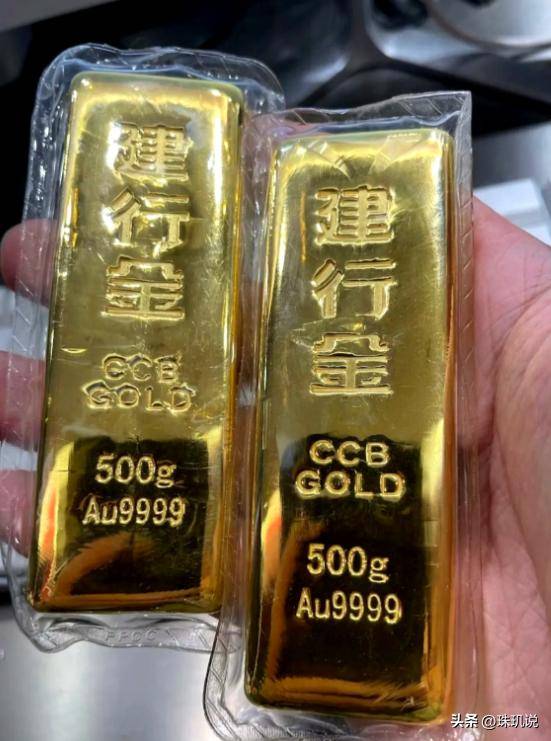
大家好,今天犀哥这篇财经评论,主要来聊聊黄金新规,11月1日黄金税收新规一实施,不少人看着家里的黄金就犯了愁:奶奶传下来的那根金条,以后还 能卖上个好价钱不?媳妇手上戴的金镯子,会不会慢慢没人要了?之前金店买的那些金豆子,现在算不算买亏了? 新规落地后普通人的三大疑惑与现实冲击 最明显的变化就是黄金首饰变现难了,价格还得往下压,以前咱们都觉得金镯子、金项链是"硬通货",真要是急着用钱,拿去金店一卖就能换钱,只要金子 成色好,价格都不会差。 可现在不一样了,金店收那些不是从官方渠道来的黄金,得额外交一笔增值税,而且这税还没法抵扣。 其实这些担心都不是空穴来风,新规确实给咱们老百姓持有和交易黄金带来了实实在在的影响,难道老百姓手里的黄金要贬值了? 人家总不能自己亏本吧,自然就得把回收价压下来,以前100克金首饰能卖9000块,现在说不定只能拿到七八千,这就意味着,金首饰的"投资属性"基本没 了,以后也就是戴着好看、留个念想的东西。 还有那些在非官方渠道买的金条、金豆子,现在想变现也麻烦,过去大家图方便,小区附近的金店就能买金条,觉得"看得见摸得着"才放心。 可新规实施后,没有上海黄金交易所或者上海期货交易所开的凭 ...
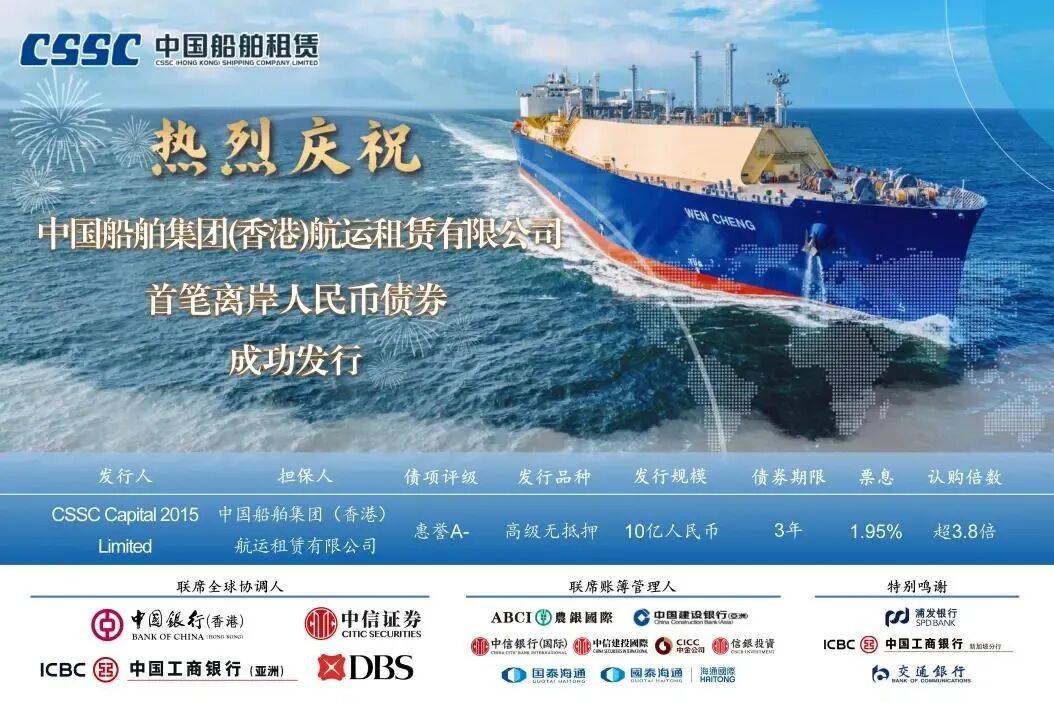
中国船舶租赁成功发行首单离岸人民币债券
Sou Hu Cai Jing· 2025-11-06 16:02
Core Viewpoint - China Ship Leasing successfully issued its first offshore RMB bond, marking a significant step in its international capital market financing and supporting the internationalization of the RMB [2][3]. Group 1: Bond Issuance Details - On November 5, 2025, China Ship Leasing issued a three-year offshore senior unsecured fixed-rate bond worth 1 billion RMB, under its 3 billion USD medium-term note program [2]. - The issuance attracted a peak order size of 3.8 times the issuance amount, with the final coupon rate set at 1.95%, reflecting a 50 basis points narrowing from the initial price guidance [2]. Group 2: Financial Strategy and Efficiency - The company capitalized on the historical low rates of offshore RMB bonds amidst high USD interest rates, achieving significant cost savings compared to USD bonds and optimizing its debt structure [2][3]. - This strategic decision demonstrates the company's foresight in capital structure management and its ability to navigate global financial market trends [3]. Group 3: Utilization of Funds - The raised funds will primarily support RMB projects within the shipbuilding and maritime equipment industry, enhancing the integration of ship leasing business with the RMB settlement system [3]. - By creating a closed-loop system for RMB financing and business operations, the company actively participates in the internationalization of the RMB and promotes the global competitiveness of China's shipbuilding and shipping industries [3]. Group 4: Future Outlook - The successful issuance of the first offshore RMB bond enhances the company's financing channels in overseas markets and strengthens its diversified financing system [3]. - As the global shipping industry undergoes green transformation and supply chain restructuring, China Ship Leasing aims to deepen its presence in international capital markets, enhancing the influence of China's shipping and shipbuilding industries in the global value chain [3].