
货币政策

Search documents
程实:AI让传统经济信号失灵,货币政策亟须前瞻布局
Di Yi Cai Jing· 2026-01-20 11:09
Group 1 - The traditional labor market frameworks, namely the Phillips Curve and the Beveridge Curve, are facing systematic challenges as labor market dynamics in developed economies, particularly the U.S., deviate from historical patterns [2][4] - The Phillips Curve is flattening, indicating a weaker relationship between unemployment rates and inflation, as AI alters the labor supply dynamics and reduces the sensitivity of wage growth to labor market tightness [4][5] - The Beveridge Curve is shifting outward, reflecting a structural mismatch in the labor market where high vacancy rates do not correspond to lower unemployment, primarily due to AI's impact on middle-skill jobs [5][6] Group 2 - AI's influence on the labor market is primarily task-based rather than job-based, leading to a reduction in marginal labor demand for tasks that AI can perform more efficiently [3][4] - The introduction of AI has resulted in a significant increase in the elasticity of effective labor supply, meaning that a decrease in unemployment does not necessarily indicate a tightening labor market [4][5] - The wage formation mechanism is becoming more stratified, with non-replaceable tasks commanding wage premiums while replaceable tasks face downward pressure, thus diminishing the average wage's sensitivity to labor market conditions [5][6] Group 3 - The efficiency of wage growth in transmitting inflation signals is weakening, as AI enhances labor productivity without a corresponding increase in employment levels, leading to a potential overestimation of inflation persistence when relying solely on wage data [6][7] - Unemployment rates are responding more slowly to economic changes, necessitating a shift in monetary policy focus to potential risks before significant labor market deterioration occurs [6][7] - Future monetary policy may adopt a forward-looking risk management approach, allowing for preemptive easing measures even before core employment indicators show clear signs of weakness [7]
开年LPR继续“按兵不动”,央行货币政策定力原因何在?
Nan Fang Du Shi Bao· 2026-01-20 09:04
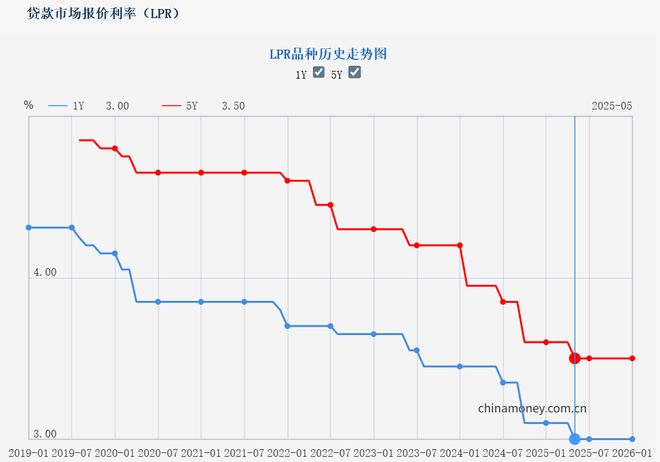
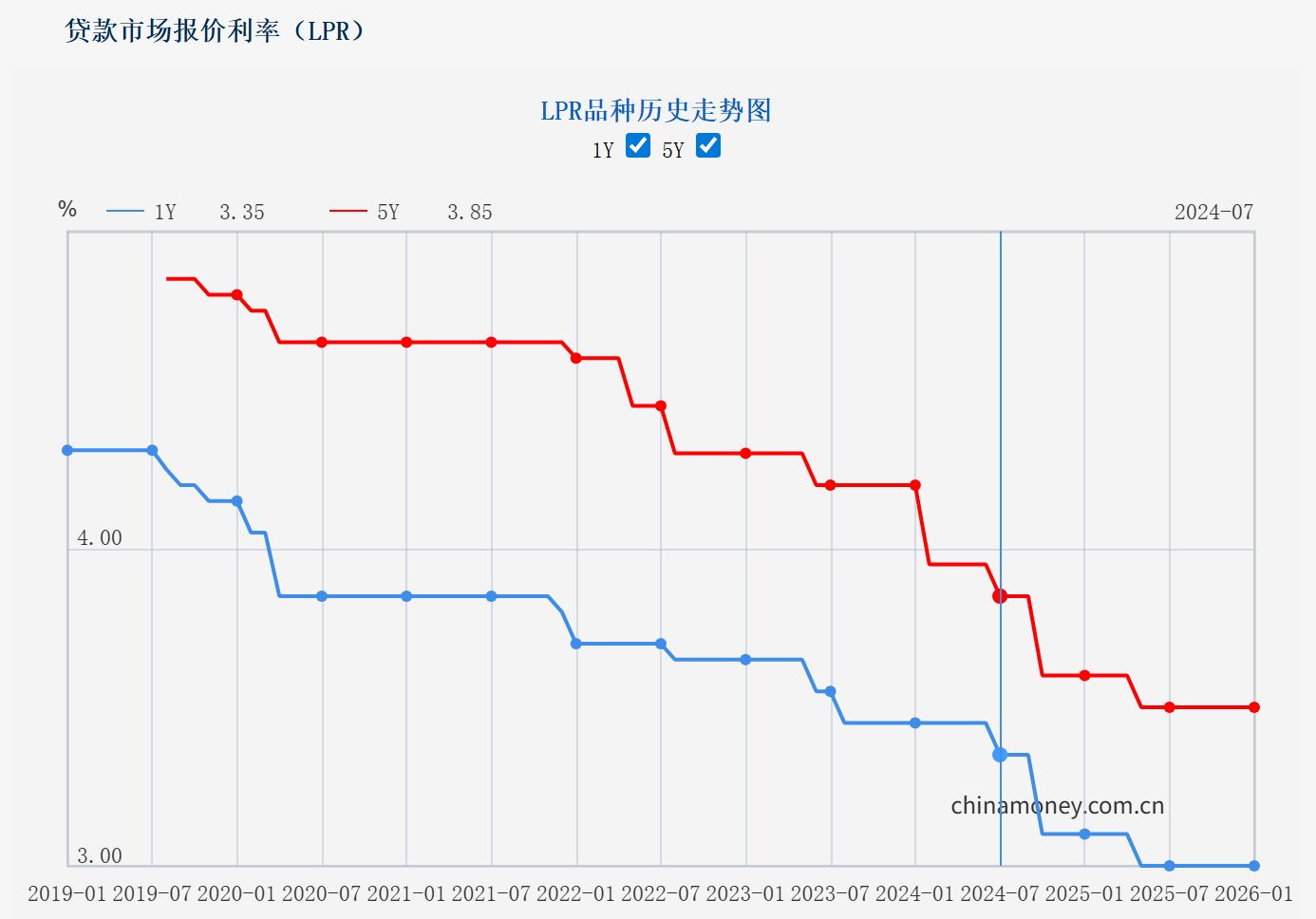
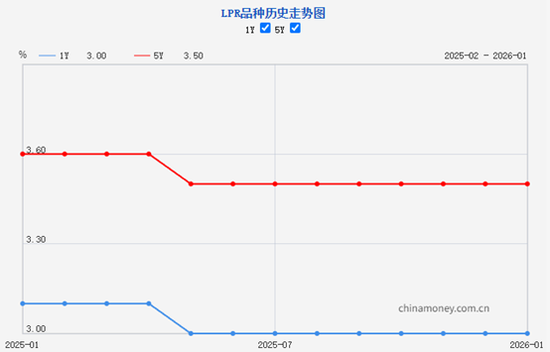
Core Viewpoint - The Loan Prime Rate (LPR) remains unchanged for the eighth consecutive month, with the 1-year rate at 3.0% and the 5-year rate at 3.5%, reflecting the stability of monetary policy by the People's Bank of China since May 2025 [1][3]. Group 1: LPR Stability - The stability of the LPR is in line with market expectations, as the policy interest rates have remained stable, indicating no changes in the pricing basis for the LPR [3]. - Major medium to long-term market interest rates, including the 1-year interbank certificate of deposit yield, have also remained stable, reducing the incentive for banks to lower the LPR [3]. Group 2: Economic Performance - In 2025, China's GDP reached 140,187.9 billion yuan, marking the first time it surpassed 140 trillion yuan, with a year-on-year growth of 5.0% [3]. - The urban surveyed unemployment rate averaged 5.2%, indicating overall stability in employment, while merchandise trade reached new highs with foreign exchange reserves exceeding 3.3 trillion USD [3]. Group 3: Future Economic Outlook - Despite a decline in economic growth in Q4 2025 due to real estate market adjustments and weakened investment and consumption, the employment situation remains stable, and inflation shows signs of recovery [4]. - The macro research team anticipates a GDP growth rebound to approximately 4.7% year-on-year in Q1 2026, with monetary policy likely to remain stable in the short term [4]. Group 4: Potential Policy Adjustments - There is a possibility of comprehensive counter-cyclical adjustment policies being implemented in Q2 2026, which may include further interest rate cuts that could lead to a reduction in the LPR [6]. - The focus will be on stabilizing the real estate market, with expectations that regulatory measures may significantly lower the 5-year LPR to stimulate housing demand and improve market expectations [6].

1月LPR维持不变 专家:短期内货币政策将处于观察期
Mei Ri Jing Ji Xin Wen· 2026-01-20 08:29
每经记者|张寿林 每经编辑|张益铭 1月20日,人民银行授权全国银行间同业拆借中心公布,最新贷款市场报价利率(LPR)为:1年期LPR为3.0%,5年期以上LPR为3.5%。以上LPR在下一次 发布LPR之前有效。 东方金诚王青、李晓峰、冯琳判断,2026年一季度GDP同比增速会回升至4.7%左右,短期内货币政策将处于观察期,政策利率和LPR报价有望保持稳定。 中欧国际工商学院教授、中国首席经济学家论坛研究院院长盛松成指出,央行通过结构性货币政策工具为商业银行提供低成本资金,实际上是央行向商业银 行"让利",而非一般意义上的引导市场利率下行,两者有本质区别。 截至2025年三季度末,商业银行净息差为1.42%,维持在历史低位。金融部门需要在支持实体经济和保持自身健康性之间取得平衡。盛松成认为,这也是央 行选择调降结构性工具利率的考量之一。至于结构性工具利率下降传导至终端利率的效果如何,还主要取决于市场供求关系。货币政策常常是"有效而有 限"的,一般是间接发挥作用,其实施效果在相当程度上受市场反馈的影响,包括企业和居民部门、商业银行乃至整个金融体系的配合。 往后看,盛松成判断,随着货币政策工具箱日益丰富,央行能 ...
特朗普的野心给美元带来麻烦
Ge Long Hui· 2026-01-20 08:05
1月20日,分析师Jeremy Boulton表示,特朗普的野心给美元带来了麻烦,而他很可能如愿以偿,例如降 低利率,这将进一步削弱本已承压的美元。 自他重返白宫以来,美元在他挑起的贸易战中贬值,而随着美国控制了委内瑞拉的大量石油资源并寻求 获得格陵兰岛的所有权,这场贸易战已经扩大。这非但没有刺激对全球储备货币美元的需求,反而出现 了现金流远离美元。如果他同时控制货币政策并迫使利率降低,这种情况可能会变成洪水猛兽。 如果美联储失去独立性,美元有可能出现无序的快速贬值。这种结果可能会让美联储等机构感到担忧, 但可能会让特朗普感到高兴,因为在他的第二个任期内,经常账逆差迅速下降,如果美元继续下跌,逆 差可能会变成顺差。 美股频道更多独家策划、专家专栏,免费查阅>> 责任编辑:安东 ...
原来美国的金融政策是这样的。
Sou Hu Cai Jing· 2026-01-20 07:58
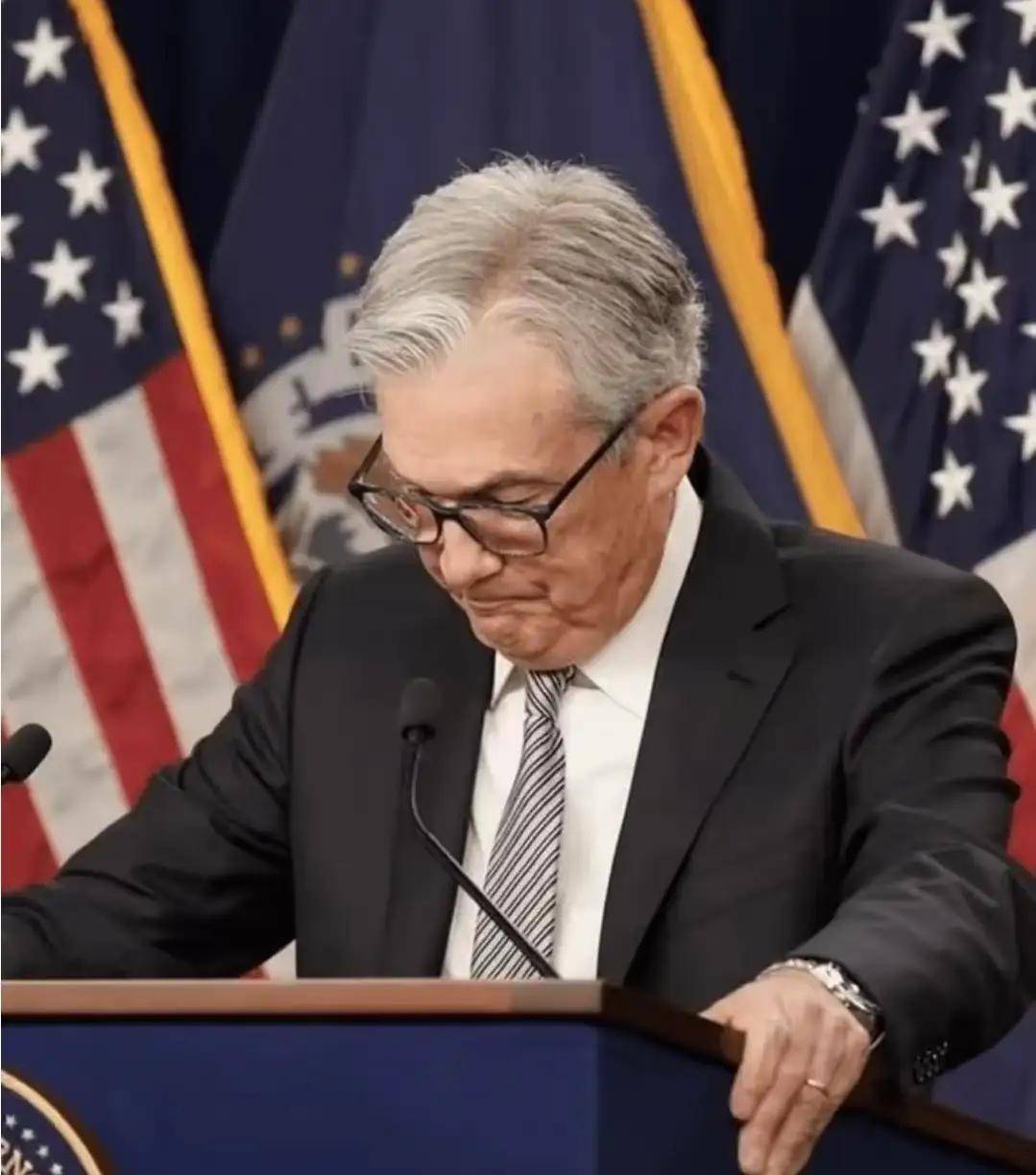
看蔡正元谈人民币的国际化。才了解了一点美国的金融制度,原来美国的金融市场向全世界开放,全世界的资本可以自由进出美国。无怪乎美联储的主 席,是全世界关注的一个职位。无形之中,他在影响着全世界的货币政策,美国人的豪横,美国人的舍我其谁,还是有一定道理的。 ...
LPR连续八个月“按兵不动”
证券时报· 2026-01-20 05:21
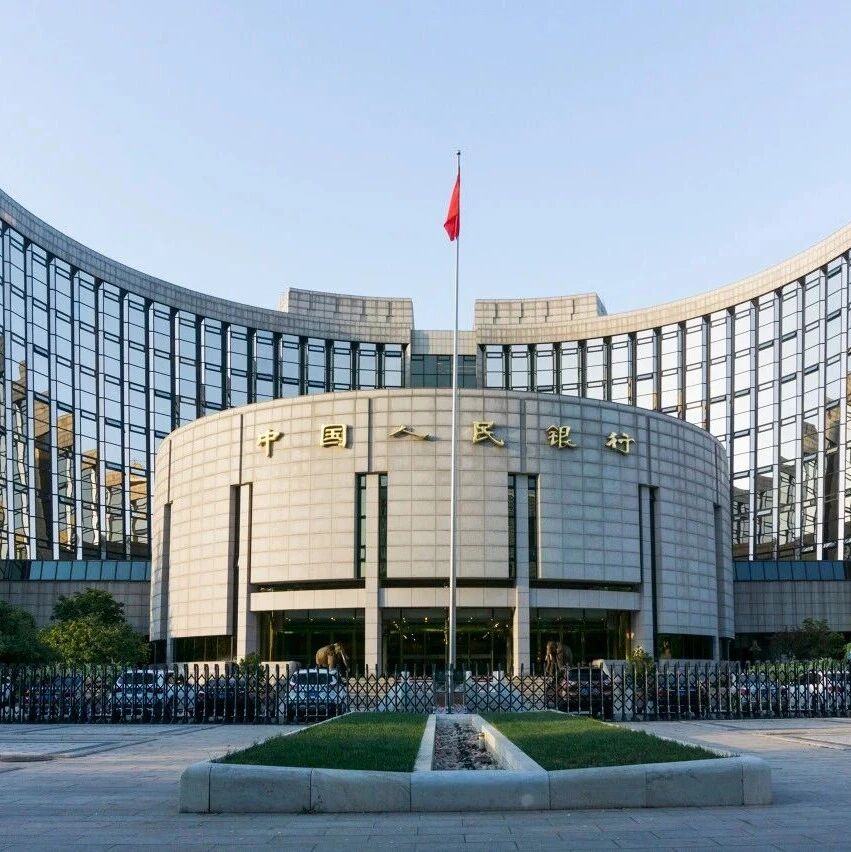
Core Viewpoint - The Loan Prime Rate (LPR) has remained unchanged for eight consecutive months, with the 1-year LPR at 3.0% and the 5-year LPR at 3.5% [1][2]. Group 1: LPR Stability - The stability of the LPR is attributed to the lack of adjustment momentum, as the central bank's policy rate, the 7-day reverse repurchase rate, has remained stable [2]. - The low net interest margin for banks has resulted in a lack of incentive for banks to lower the LPR quote [2]. - The LPR serves as a key reference for loan pricing, with expectations that the average interest rates for new corporate and personal housing loans will remain around 3.1% until December 2025 [2]. Group 2: Monetary Policy Outlook - The central bank plans to continue implementing a moderately accommodative monetary policy, utilizing various tools such as reserve requirement ratio (RRR) cuts and interest rate reductions to maintain ample liquidity [3]. - Market institutions believe there is still room for RRR cuts and interest rate reductions this year, although the necessity for immediate action is low [3]. - Recent monetary policies include a 0.25 percentage point reduction in the rate of structural monetary policy tools, indicating a reduced need for immediate interest rate cuts [3]. Group 3: Economic Forecast - A survey conducted by Securities Times indicates that nearly 59% of economists expect the next RRR cut or interest rate reduction to occur between the Lunar New Year and the end of the first quarter [4].
新年首期LPR如期持稳 专家称二季度或有望下行
Xin Lang Cai Jing· 2026-01-20 03:40
Core Viewpoint - The Loan Prime Rate (LPR) is expected to remain stable in the short term, with potential for a downward adjustment later in the year due to improving economic conditions and recent structural monetary policy measures [1][4][5]. Group 1: Current LPR Status - The first LPR of the year was announced at 3.0% for the 1-year term and 3.5% for the 5-year term, remaining unchanged for the eighth consecutive month [1][4]. - Since May of the previous year, the LPR has been consistently aligned with the policy interest rate, maintaining a spread of 1.6 and 2.1 percentage points respectively [6]. Group 2: Market Conditions and Influences - The stability of the LPR aligns with the unchanged 7-day reverse repurchase rate, indicating no change in the pricing basis for the LPR [3][8]. - Major mid-to-long-term market interest rates, including the 1-year interbank certificate of deposit yield, have remained stable, limiting banks' motivation to lower their lending rates [3][8]. Group 3: Monetary Policy Measures - The People's Bank of China announced a series of structural monetary policy measures, including a 25 basis point reduction in re-lending and rediscount rates, which may reduce banks' funding costs [3][9]. - Current corporate and personal housing loan rates are at historical lows, with average rates around 3.1%, reflecting a significant decrease since the second half of 2018 [4][9]. Group 4: Future Outlook - Analysts expect some room for LPR reduction later in the year, but immediate adjustments are not deemed urgent due to the current positive economic trajectory [4][5]. - There is a possibility of comprehensive policy rate cuts in the second quarter if external economic pressures increase, which could lead to further reductions in the LPR [5][10].
2026年1月LPR报价保持不变,二季度有望跟进政策利率下调
Dong Fang Jin Cheng· 2026-01-20 02:56
Group 1: LPR Pricing and Economic Indicators - The LPR for 1-year and 5-year periods remains unchanged at 3.0% and 3.5% respectively as of January 2026, consistent with market expectations[1] - The stability in LPR pricing is attributed to unchanged policy rates and stable market interest rates, particularly in the interbank lending market[2] - Economic growth is projected to rebound to approximately 4.7% year-on-year in Q1 2026, despite challenges in the real estate market and weakened investment and consumption[3] Group 2: Future Monetary Policy Outlook - There is potential for a comprehensive policy rate cut in Q2 2026, which may lead to a decrease in LPR pricing to stimulate consumption and investment[3] - The 2026 inflation rate is expected to remain low, allowing for a moderately accommodative monetary policy, including potential interest rate cuts[4] - The Federal Reserve's anticipated rate cuts in 2026 may reduce constraints on domestic monetary policy adjustments[5] - Regulatory measures may be implemented to significantly lower the 5-year LPR to address high residential mortgage rates and stimulate housing demand[5]
央行出手,3240亿元逆回购来了
21世纪经济报道· 2026-01-20 02:55
Group 1 - The People's Bank of China conducted a 7-day reverse repurchase operation amounting to 324 billion yuan at a fixed interest rate of 1.40%, maintaining the previous rate [1] - The latest Loan Prime Rate (LPR) has been released, indicating potential changes in monetary policy [2] - The State Council is intensively deploying measures, with fiscal consumption funds expected to increase to 500 billion yuan [2]
英镑震荡走强 央行政策经济成核心驱动
Jin Tou Wang· 2026-01-20 02:49
基本面来看,英国经济表现超预期为英镑提供了坚实支撑。2025年英国经济增长水平稳居G7前列,年 初机构普遍下调预期,而英国商会(BCC)已将全年增速预期从0.9%上调至1.4%,英国央行更是上调至 1.5%,经合组织(OECD)预计其增速1.4%,仅次于美国。经济基本面的韧性,叠加英国央行相对鹰派的 货币政策立场,成为英镑强势的核心逻辑——2025年12月英国央行议息会议上,货币委员会成员就降息 表决呈现5:4的胶着态势,即便最终降息25个基点,鹰派态度仍对英镑构成有力支撑,推动汇价逆势走 强。 央行政策分化预期进一步强化英镑的利差优势。IMF及高盛等机构预测,2026年主要央行货币政策将呈 现显著分化,英国央行预计全年降息75个基点,而美联储预计降息50个基点,欧元区则大概率维持利率 不变。尽管英国央行存在降息空间,但截至2026年底,英国基准利率预计仍将维持在3.25%左右,在G7 国家中处于高位,利差逻辑下英镑对资金的吸引力有望持续凸显。不过需注意,市场对英国央行降息节 奏存在分歧,若后续通胀回落超预期或经济增速放缓,可能引发降息预期升温,进而压制英镑走势。 技术面分析,英镑兑美元当前处于2025年以来 ...