双碳目标

Search documents
上海电气与中国电建将在氢能等前沿领域探索联合技术攻关,推动颠覆性技术突破
Zheng Quan Shi Bao Wang· 2025-12-18 00:03
Core Viewpoint - Shanghai Electric Group and China Power Construction Group are enhancing their collaboration in renewable energy development, equipment manufacturing, and international business expansion, aiming to innovate cooperation models and achieve significant projects together [1] Group 1: Collaboration Areas - Both companies agreed to strengthen practical cooperation in areas such as solar thermal energy development, equipment integration, smart grids, and international market expansion [1] - The focus will be on creating more landmark projects, demonstration projects, and leading results through their partnership [1] Group 2: Technological Innovation - Joint technology research and innovation will be a new highlight in their deepened cooperation [1] - The companies will explore collaborative technological breakthroughs in cutting-edge fields such as new power system construction, energy storage technology, and hydrogen energy [1] - This collaboration aims to provide more solutions for the green and low-carbon transition of energy and contribute to the establishment of a new energy system and the achievement of carbon neutrality goals [1]


国资重拳整合,电投能源百亿收购白音华煤电获批, 又一场百亿级能源资产整合拉开序幕
3 6 Ke· 2025-12-17 23:40
Group 1 - The core viewpoint of the news is that the restructuring of state-owned enterprises (SOEs) in China's energy sector is accelerating, exemplified by the acquisition of the Baiyinhu Coal Power by Inner Mongolia Power Investment Energy [1][2] - The acquisition aims to create a complete coal power industry chain, enhancing the coal self-supply rate of the company and improving operational efficiency [2][4] - The restructuring aligns with the policy direction of the State-owned Assets Supervision and Administration Commission (SASAC) to concentrate quality assets in listed companies, which has led to an increase in SOE restructuring cases [3][6] Group 2 - The acquisition is expected to improve the company's market competitiveness and resource allocation efficiency in the eastern Inner Mongolia region [4][5] - The integration of coal and power operations is anticipated to provide significant operational advantages, including better cost control and flexibility in energy supply [5][6] - The ongoing energy transition and the dual goals of ensuring energy security while promoting green development are driving the need for such integrated models in the industry [5][6] Group 3 - The approval from SASAC reflects a comprehensive policy framework supporting the optimization of capital structures in SOEs, facilitating asset integration [3] - The market generally responds positively to compliant and rigorous restructuring plans, with energy companies that have completed significant asset restructurings showing better long-term performance than the industry average [3][6] - Future trends indicate that the pace of integration in the energy sector will continue to accelerate, with potential for cross-sector collaborations, especially in emerging fields like renewable energy and energy storage [6]

能源广角煤炭消费负增长不是“终场哨”
Jing Ji Ri Bao· 2025-12-17 23:38
Core Insights - China's coal consumption has shown a decline for the first time since 2017, indicating a potential shift in the energy landscape, with expectations for stable coal supply and possible demand growth in the coming year [2][4] Group 1: Coal Consumption Trends - The primary reason for the decline in coal consumption is the reduction in coal used for thermal power generation, as renewable energy sources like wind and solar are rapidly increasing, with an expected addition of approximately 370 million kilowatts of new capacity this year [2] - The relationship between coal consumption growth and macroeconomic growth has weakened, as high-energy-consuming industries are focusing on quality improvement and energy efficiency rather than mere expansion [2][3] Group 2: Future Projections - Short-term projections indicate that coal demand may still have resilience, with expectations for some growth next year, particularly in the coal chemical industry, which is anticipated to maintain high capacity utilization [4] - Long-term forecasts suggest that coal consumption will peak around 2027, transitioning from a primary energy source to a backup energy source, with a gradual reduction in coal use in sectors like steel and construction [4][5] Group 3: Strategic Insights - The focus of energy security is shifting from ensuring large coal supplies to building a multi-source complementary power system, where coal will serve as a reliable regulator and backup power source [5] - Coal's role is evolving from a fuel to an important industrial raw material, particularly in the chemical sector, where it can produce high-end materials and special fuels, thus supporting the transition to a low-carbon economy [5] - A balanced approach to energy transition is necessary, respecting China's resource endowment and ensuring that coal capacity remains sufficient until renewable energy can fully support the system [5]


中铝国际董事长李宜华: 以科技引领行业进步 以创新驱动绿色智能转型
Zheng Quan Shi Bao· 2025-12-17 22:06
Core Viewpoint - China Aluminum International (Chalco International) is positioned as a leading technology, engineering service, and equipment supplier in the non-ferrous metal industry, emphasizing the importance of green and intelligent transformation as both a challenge and an opportunity for competitive advantage [1][2] Group 1: Company Overview - Chalco International is a core engineering and technology unit of China Aluminum Group, comprising five national first-class design research institutes, two national first-class surveying institutes, and three large comprehensive construction and installation enterprises [1] - The company has received nearly 1,000 provincial and ministerial scientific and technological awards and over 100 national awards, contributing to the formulation of more than 140 national and industry standards [1] - Chalco International holds over 3,300 valid domestic and international patents and has achieved significant technological and engineering milestones, including over 100 "world first" or "China first" achievements in the non-ferrous metal sector [1] Group 2: Strategic Focus - The company prioritizes green low-carbon initiatives, intelligent mining, and new materials as core strategic directions, integrating internal and external resources to overcome key technological challenges [2] - Significant achievements have been made in areas such as green mineral processing, energy-saving electrolytic aluminum, and intelligent factory solutions, which are being transformed into competitive products and services [2] - The company aims to transition its digital business from a cost center to a value center, successfully opening new revenue growth channels and establishing a virtuous cycle of "technology driving the market, and the market feeding back innovation" [2] Group 3: Future Commitment - Chalco International is committed to maintaining its innovative spirit and will continue to tackle technological challenges with determination while promoting industry collaboration [2] - The company aims to contribute significantly to the high-quality development and the achievement of national "dual carbon" goals through its efforts in green and intelligent transformation [2]

煤炭消费负增长不是“终场哨”
Jing Ji Ri Bao· 2025-12-17 20:08
Core Insights - China's coal consumption has shown a decline for the first time since 2017, indicating a potential shift in the energy landscape [1][3] - The decrease in coal consumption is primarily attributed to reduced coal use in thermal power generation, driven by rapid growth in renewable energy installations [1][2] - The relationship between coal consumption growth and macroeconomic growth has weakened, reflecting a transition towards high-quality economic development [1][2] Group 1: Current Trends - Coal consumption has experienced a negative growth rate this year, with expectations for a stable supply and potential growth in demand next year [1][3] - The coal industry is facing challenges from traditional high-consumption sectors like steel and construction, which are seeing reduced coal demand due to market adjustments [1][3] - The anticipated growth in electricity demand will increasingly be met by renewable energy sources, leading to a decoupling of electricity demand growth from coal consumption growth [2] Group 2: Future Outlook - Short-term projections suggest that coal demand may still have resilience, with potential growth driven by coal chemical industries and a temporary slowdown in renewable energy growth [3] - Long-term forecasts indicate that coal consumption will peak around 2027, transitioning from a primary energy source to a backup energy source [3][4] - The coal sector is expected to play a crucial role in the new energy system as a reliable and economical regulator, emphasizing the need for new market mechanisms to reflect its value [4] Group 3: Strategic Recommendations - The industry should focus on the transition from coal as a fuel to coal as a raw material, particularly in the chemical sector, to align with carbon reduction goals [4] - A balanced approach to energy transition is necessary, ensuring that coal production capacity remains sufficient until renewable energy can fully support the system [4] - The narrative surrounding coal consumption decline should be viewed as a commitment to transformation rather than a sign of decline, highlighting the ongoing evolution of the coal sector [4]
平安信托董事长王欣:坚守本源服务大局 为科创产业发展贡献信托力量
Shang Hai Zheng Quan Bao· 2025-12-17 19:19
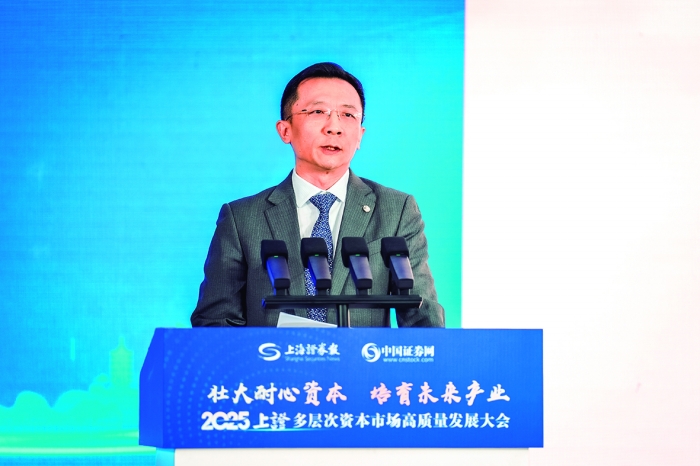
Group 1 - The core viewpoint emphasizes the role of trust as a vital link between the money market, capital market, and the real economy, advocating for "patient capital" to empower the technology innovation industry [2] - Trust's unique advantages include asset independence, risk isolation, and flexible allocation, making it a resilient conduit for connecting various financial markets and industries [2] - The trust industry is undergoing a transformation from a financing intermediary to a trustee management model, necessitating a return to its foundational principles to address challenges in the new economic cycle [2] Group 2 - In the field of pension finance, trust's institutional attributes make it suitable for long-term stable fund management and wealth inheritance, particularly as China faces rapid aging [2] - Pension trusts can ensure the quality of life for the elderly through risk isolation mechanisms and flexible allocation, while also extending family protection through wealth inheritance design [2] - The trust model that combines financial and social functions is becoming an important practice path for "patient capital" and offers innovative institutional references for China's pension system [2] Group 3 - Green finance is identified as a crucial direction for the transformation of the trust industry, with many trust companies, including Ping An Trust, exploring green trusts to support carbon neutrality goals [3] - Trust tools can act as "capital reservoirs" to guide funds towards green industries, sustainable technology, and ecological governance, demonstrating that capital returns and social benefits are not mutually exclusive [3] - Supporting the development of technology innovation industries is another mission for the trust industry, with potential new products like compensation service trusts and data trusts to help tech companies optimize resource allocation [3] Group 4 - Ping An Trust has innovated a data trust service model to provide a credible management framework for data assets, aiming to facilitate the orderly flow and value transformation of data resources [4] - The trust industry's evolution has historically resonated with the development of the domestic real economy, highlighting the importance of adhering to foundational principles and serving broader goals [4] - Future efforts will focus on enhancing pension finance and green finance, while also strengthening digital finance, technology finance, and inclusive finance to contribute to the real economy and national strategies [4]
两部委:2026年起组织开展全国统一电力市场评价
Xin Lang Cai Jing· 2025-12-17 14:19
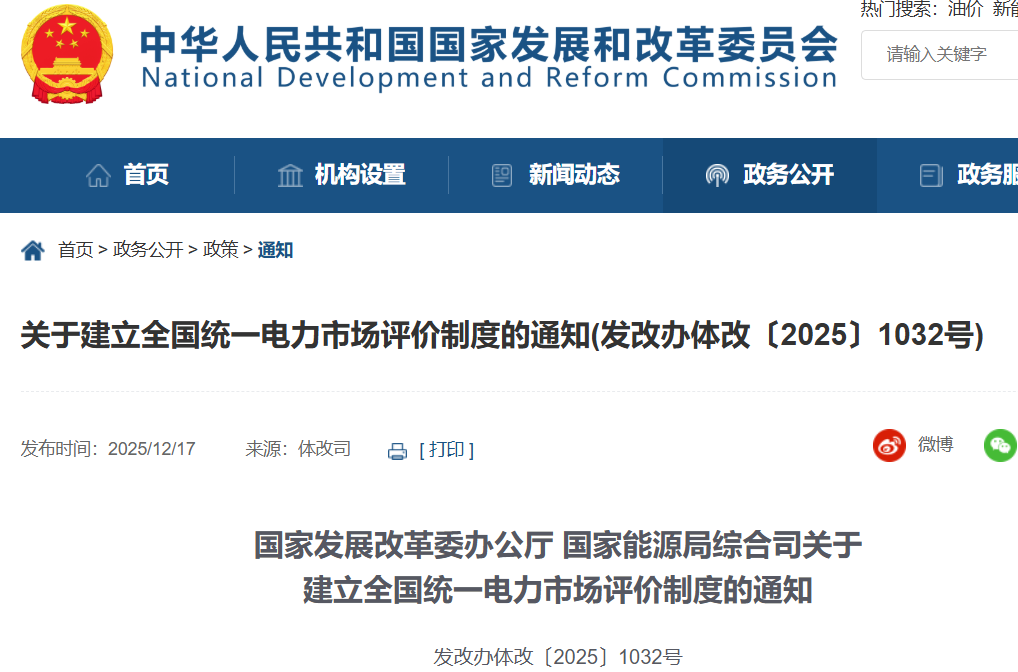
风电头条获悉,12月17日,国家发展改革委办公厅、国家能源局综合司发布关于建立全国统一电力市场评价制度的通知。 文件指出,全国统一电力市场评价工作应结合市场建设情况开展多维度综合评价,重点围绕电力市场运营效果、市场作用发挥、经营主体可持续 性发展、市场竞争充分度四个方面开展评价。 登录新浪财经APP 搜索【信披】查看更多考评等级 (来源:风电头条) 文件还指出,市场为储能、虚拟电厂等新业态提供发展空间,推动民营企业参与,带动相关产业链成长,促进就业和能源新质生产力提升。 市场竞争充分度评价方面,要求电力市场实现统一开放,经营主体有序竞争,对不当市场竞争、报价异常及市场力滥用行为能够有效约束,电力 市场信用机制健全,能够对市场失信行为进行惩戒。 此外,自2026年起组织开展全国统一电力市场评价,制定市场评价标准。鼓励各地因地制宜按需开展电力市场评价工作。鼓励市场运营机构充分 发挥自身优势,开展市场量化评价,及时发现并反馈电力市场建设运营相关问题。 公告如下: 以习近平新时代中国特色社会主义思想为指导,全面贯彻党的二十大和二十届历次全会精神,按照完善全国统一电力市场体系要求,围绕加快构 建新型电力系统的总体目标, ...
【微聚焦】青岛海控集团“耐心资本引领产业投资”实践入选第四届“新华信用金兰杯”绿色金融实践成果
Xin Lang Cai Jing· 2025-12-17 14:19
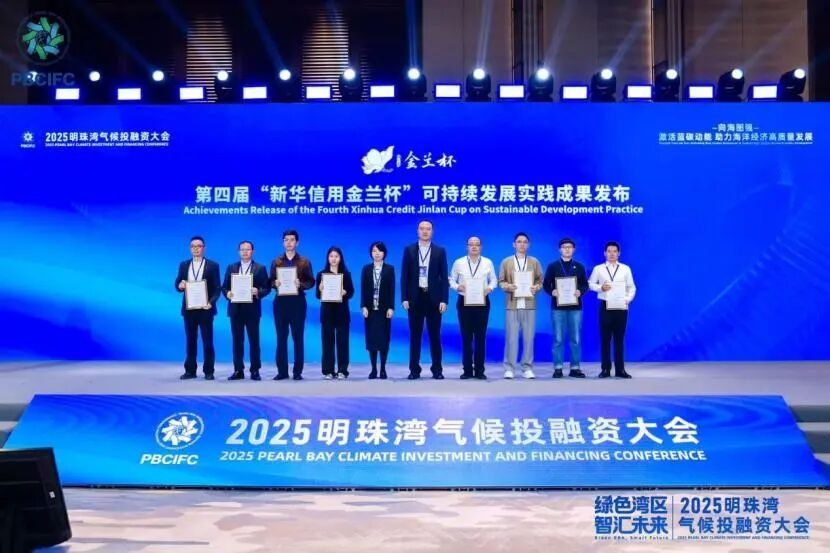
Core Viewpoint - The conference highlighted the integration of sustainable investment practices by HaiKong Group, showcasing their approach to fostering a long-term, symbiotic relationship between capital and industry, particularly in the context of the blue economy and carbon neutrality goals [1][6]. Group 1: Sustainable Investment Practices - HaiKong Group's practice emphasizes the "patient capital" concept, focusing on long-term value creation rather than short-term returns, utilizing diverse financial tools such as equity investment, fund operations, commercial factoring, and asset securitization to support the real economy [3][8]. - The group targets industries with long-term growth potential, including biomedicine, marine tourism, new materials, optoelectronics, and high-end equipment, aligning with the development plans of Qingdao and the West Coast New Area [3][8]. Group 2: Specific Initiatives and Projects - HaiKong Group supports technological advancements in high-performance materials through its Chengzhi New Materials Industrial Park, contributing to the localization and green industrialization of key materials [4][9]. - The group focuses on developing industrial clusters in high-performance products like new energy cables at the Wanma High-end Equipment Industrial Park, enhancing the long-term competitiveness of regional manufacturing [4][9]. - In the biomedicine sector, HaiKong Group is building a comprehensive industry chain that includes R&D and production of gene testing reagents, gene sequencing, and cell therapy [4][9]. Group 3: Environmental and Economic Impact - The industrial parks serve as platforms for project implementation and are at the forefront of coordinating industrial development with ecological protection [10]. - HaiKong Group has established 18 funds, including the Qingdao HaiKong Industrial Investment Fund, to guide social capital into green industries, supporting low-carbon development [10]. - The group's sustainable investment model demonstrates the potential for creating a long-term, mutually beneficial relationship between capital and industry, providing a strategic reference for high-quality development under carbon neutrality goals [5][10].
为绿色经济转型提供坚实支撑 碳配额CEA市场迎来新节点
Sou Hu Cai Jing· 2025-12-17 12:28
Core Viewpoint - The second round of testing for the bulk trading market is set to begin in January 2026, as part of the ongoing efforts to advance the green economy transition and improve the national carbon market system [1][3]. Group 1: Green Economy Transition - The green economy transition is being pursued with a focus on steady progress, phased advancement, preliminary testing, and continuous improvement, indicating a deepening institutionalization and standardization of the carbon market [3][10]. - The national carbon market is a crucial institutional tool for achieving the "dual carbon" goals and serves as an essential infrastructure for promoting the green economy transition [3][11]. Group 2: Bulk Trading Market - The bulk trading mechanism is an important supplement to the national carbon market trading system, enhancing trading efficiency and liquidity management, while providing richer reference information for price formation [5][10]. - The first round of bulk trading testing showed stable and orderly operation, with increased market participation and a well-tested trading system, providing valuable data for future institutional optimization and risk assessment [6][10]. Group 3: Second Round Testing - The upcoming second round of testing will build on the experiences from the first round, focusing on further verifying and improving the trading system, operational mechanisms, and risk prevention capabilities [7][9]. - The second round is not merely a repetition but aims to conduct more systematic stress testing and scenario validation to support the high-quality development of the carbon market [7][11]. Group 4: Market Expectations and Implications - As the timeline for the second round of testing becomes clearer, market expectations for the national carbon market's development are also becoming more defined [9][10]. - The continuous testing and improvement of the bulk trading mechanism will enhance the transparency and continuity of carbon asset price references, boosting investor confidence in the long-term development of the carbon market [10][11].
国家零碳园区呼之欲出,首批试点花落谁家?
2 1 Shi Ji Jing Ji Bao Dao· 2025-12-17 11:27
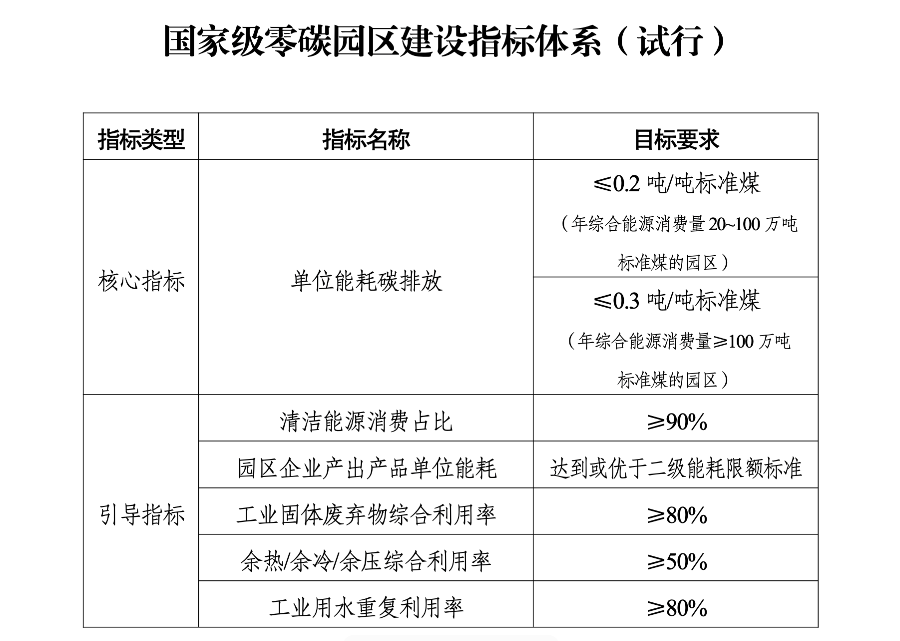
Core Insights - The first batch of national-level zero-carbon parks has completed the review process, with the final list expected to be announced soon [1] - The establishment of zero-carbon parks is a key strategic measure to achieve China's dual carbon goals, with a target of building around 100 national-level zero-carbon parks during the 14th Five-Year Plan period [2][3] - The construction of zero-carbon parks faces challenges such as high costs and the need for technological integration, despite the push for investment and construction [1][3] Policy and Regulatory Framework - The National Development and Reform Commission (NDRC) and other departments have issued guidelines on the basic conditions, indicators, and carbon emission accounting methods for zero-carbon park construction [2] - The core indicator for evaluating zero-carbon parks is "unit energy consumption carbon emissions," which aims to guide parks to achieve near-zero carbon emissions while ensuring enterprise development [3][4] Technical and Operational Standards - The "National Level Zero-Carbon Park Construction Indicator System (Trial)" specifies that parks with an annual comprehensive energy consumption of 20-100 million tons of standard coal must have unit energy consumption carbon emissions of ≤0.2 tons/ton of standard coal, while those with consumption ≥100 million tons must meet ≤0.3 tons/ton [4][5] - Additional guiding indicators include a clean energy consumption ratio of ≥90%, industrial solid waste utilization rate of ≥80%, and industrial water reuse rate of ≥80% [5][7] Regional and Industry Challenges - The construction of zero-carbon parks varies significantly across regions, with eastern regions facing high industrial demand for green electricity and western regions having abundant renewable resources but weaker industrial foundations [3] - The current average unit energy consumption carbon emissions across parks is approximately 2.1 tons/ton of standard coal, indicating a need for a 90% reduction to meet zero-carbon standards [6] Investment and Market Dynamics - Companies are motivated to engage in zero-carbon park construction due to policy incentives and market access requirements, particularly in export-oriented industries [10] - The construction of zero-carbon parks requires a stable and high proportion of green electricity supply, which poses challenges in balancing renewable energy variability with continuous industrial production needs [10][11] Collaborative Efforts and Innovations - Successful zero-carbon park projects involve collaboration among various stakeholders, including park management committees, energy investment companies, and production enterprises [12] - Innovative solutions, such as AI-powered energy management systems, are being developed to enhance energy efficiency and stability in zero-carbon parks [11][12]