
十五五规划

Search documents
学习贯彻党的二十届四中全会精神省委宣讲团在各地各部门宣讲把广东现代化建设推向新高度
Nan Fang Ri Bao Wang Luo Ban· 2025-12-22 02:00
省委宣讲团成员,省委常委、副省长张国智赴广东外语外贸大学,宣讲党的二十届四中全会精神,为师 生讲授专题思政课。 张国智指出,党的二十届四中全会是在即将进入基本实现社会主义现代化夯实基础、全面发力的关键时 期召开的一次十分重要的会议。习近平总书记在全会上的工作报告和重要讲话,为做好当前和今后一个 时期工作提供了根本遵循。 张国智强调,要认真谋划好"十五五"高等教育领域各项工作,加快推进教育强省建设,着力办好人民满 意的教育。要落实立德树人根本任务,坚持不懈用习近平新时代中国特色社会主义思想铸魂育人;要紧 密对接国家战略需求和广东经济社会发展,优化高等教育布局结构,提高人才自主培养质量;要提升高 校服务现代化产业体系效能,增强高校科技创新能力,强化校企产学研合作和科技成果转移转化;要加 强新时代高素质专业化教师队伍建设,营造尊师重教良好氛围;要坚定不移深化教育综合改革扩大对外 开放,加快建设粤港澳大湾区国际教育示范区。 学习贯彻党的二十届四中全会精神全省公安系统宣讲团报告会在省公安厅举行。省委宣讲团成员,副省 长,省公安厅厅长刘国周作宣讲报告。 报告会上,刘国周紧紧围绕习近平总书记在全会上的重要讲话和《中共中央关 ...
湖南万医康养集团周求华:养老产业是“十五五”规划的红利点
Xin Lang Cai Jing· 2025-12-22 01:53
Core Insights - The "2025 China Insurance Summit Forum" was held on December 17, focusing on the theme "'14th Five-Year Plan' Launching and Shaping the Insurance Blueprint" [1][3] - The forum gathered nearly a hundred representatives from the "Top 108 in Chinese Insurance," along with experts and executives, to discuss high-quality development paths for the insurance industry during the "14th Five-Year Plan" period [1][3] Group 1: Industry Opportunities - The chairman of Hunan Wanyikang Group, Zhou Qiuhua, highlighted the vast potential of the elderly care industry, emphasizing the need to integrate elderly care products, services, and financial solutions into a cohesive ecosystem [1][3] - Zhou proposed that the government, insurance, medical care institutions, and the elderly population represent key opportunities within the "14th Five-Year Plan," suggesting that collaboration in the elderly care sector could revitalize the market [2][4] Group 2: Strategic Recommendations - Zhou suggested that establishing an "Elderly Care Insurance Fund" in partnership with platform companies could facilitate foundational investments in elderly care institutions and enterprises, thereby stimulating the elderly care market [2][4]
坚持全国“一盘棋” ——优化区域经济布局,促进区域协调发展
Ren Min Ri Bao· 2025-12-22 00:50
Core Viewpoint - Regional coordinated development is an inherent requirement of Chinese-style modernization, emphasizing the need for balanced growth across diverse regions with varying natural resources and economic capabilities [1]. Group 1: Regional Development Strategies - The "14th Five-Year Plan" suggests leveraging the strategic overlay of regional development, major strategic initiatives, and new urbanization to optimize productivity layout and enhance regional economic structures [1]. - The focus is on creating new growth engines in key areas such as Beijing-Tianjin-Hebei, Yangtze River Delta, and Pearl River Delta, which are expected to drive high-quality national development [1]. Group 2: Case Studies of Regional Success - Anhui province has emerged as a leader in the automotive manufacturing sector, with a production volume of 2.404 million vehicles and exports of 802,000 vehicles in the first three quarters of the year, both ranking first in the country [3]. - Qinghai province is developing a green, low-carbon circular economy centered around salt lake resources, with an expected revenue exceeding 100 million yuan this year from lithium extraction technologies [3]. Group 3: Collaborative Development Initiatives - The establishment of the Sichuan-Chongqing Gaotong New Area represents a pioneering effort in cross-provincial collaboration, with significant reforms in tax policies and administrative processes to enhance economic integration [7]. - The region has signed 10 major projects this year with a total investment of 2.94 billion yuan, showcasing the effectiveness of collaborative governance [7]. Group 4: Urbanization and Economic Growth - The urbanization rate in China is projected to exceed 70% during the "14th Five-Year Plan" period, indicating substantial potential for urban development and economic growth [11]. - The integration of rural and urban economies is highlighted as a key driver for new urbanization, with significant improvements in logistics and e-commerce in rural areas, such as the Hanfu industry in Shandong [10].
年度热词“拼”出2025中国经济奋斗图景
Shang Hai Zheng Quan Bao· 2025-12-21 18:14
Core Viewpoint - The year 2025 is marked by significant economic resilience and vitality in China, showcasing a strong recovery and development trajectory amid global challenges [1]. Group 1: Economic Growth and Development - China's GDP is projected to reach approximately 140 trillion yuan in 2025, with an economic increment of over 35 trillion yuan during the "14th Five-Year Plan" period, equivalent to recreating the economic scale of the Yangtze River Delta [3]. - The average annual growth rate from 2021 to 2024 is expected to be 5.5%, significantly higher than the global average, contributing around 30% to global economic growth [3]. - The "14th Five-Year Plan" has seen a surge in innovation, with record R&D investments and advancements in sectors like renewable energy and electric vehicles [4]. Group 2: Fiscal and Monetary Policy - In 2025, China will implement a combination of "more proactive fiscal policy" and "moderately loose monetary policy," with the fiscal deficit rate rising to a historical high of 4% [6]. - The total new government debt is expected to increase by nearly 3 trillion yuan, reaching approximately 12 trillion yuan [6]. - Monetary policy will focus on supporting economic growth, with a reduction in reserve requirements and interest rates, leading to a significant increase in social financing and loan balances [6][7]. Group 3: Consumer Market and Consumption - Consumption is a key focus for expanding domestic demand, with retail sales expected to exceed 50 trillion yuan, contributing around 60% to economic growth [8]. - The government has increased funding for consumption incentives, doubling the budget for old-for-new consumption programs to 300 billion yuan [8]. - The service sector is experiencing rapid growth, with service retail sales outpacing goods retail sales in growth rates [8]. Group 4: Artificial Intelligence and Technology - 2025 is seen as a breakthrough year for AI applications in China, with the government emphasizing the "Artificial Intelligence+" strategy [10]. - China holds 60% of global AI patents, and the core AI industry is projected to exceed 1.2 trillion yuan by 2025 [10]. - The data industry in China is also expanding, with a current scale of over 5.8 trillion yuan and expected annual growth rates of over 15% from 2025 to 2030 [10]. Group 5: Private Economy and Investment - The private economy is positioned for significant growth, supported by new legislation that reinforces the legal status and development of private enterprises [13]. - Policies aimed at enhancing private investment have been implemented, focusing on expanding access and improving investment efficiency [13]. - Continuous communication between government and private enterprises is fostering a healthier environment for private sector growth [13]. Group 6: Capital Market Reforms - The "Two Innovation Boards" (Science and Technology Innovation Board and Growth Enterprise Market) are undergoing reforms to enhance market inclusivity and adaptability [16]. - Since the introduction of new policies, over 20 companies have applied for IPOs on the Science and Technology Innovation Board, with significant fundraising success [17]. - The capital market is becoming a crucial hub for nurturing new productive forces, with ongoing reforms releasing substantial capital for technological innovation [17]. Group 7: Foreign Trade and Investment - In 2025, China is focusing on stabilizing foreign trade and investment through institutional innovation and open practices, with a notable increase in foreign investment enterprises [20]. - Policies supporting foreign trade and investment are being implemented, including market access expansion and improved business environments for foreign enterprises [21]. - The Hainan Free Trade Port has implemented attractive policies to enhance trade, contributing to China's goal of becoming a trade powerhouse [21]. Group 8: Risk Management and Economic Stability - China is actively addressing risks in key sectors, including local government debt and financial institution stability, to ensure high-quality development [22]. - The government is replacing hidden debts with special bonds, significantly reducing interest costs for local governments [22]. - Measures to stabilize the housing market and support affordable housing projects are being prioritized to protect consumer rights [22].
【学习贯彻党的二十届四中全会精神】滨州:深学细悟聚共识 实干笃行促发展
Xin Lang Cai Jing· 2025-12-21 16:37
赵增永表示,党的二十届四中全会对加快建设新型能源体系、发展新质生产力、构建现代化产业体系作 出的战略部署,与新能源的发展方向高度契合,要持续推动全会精神与企业发展的深度融合。 12月9日,学习贯彻党的二十届四中全会精神市委宣讲团在市商务局开展专题宣讲。市委宣讲团成员, 市商务局党组书记、局长李美作专题宣讲报告。 滨州日报/滨州网讯 连日来,学习贯彻党的二十届四中全会精神市委宣讲团到高新技术产业开发区、博 兴县、滨州大有新能源开发有限公司、市商务局、市公用事业集团宣讲,推动全会精神深入人心、落地 生根。 12月17日,学习贯彻党的二十届四中全会精神市委宣讲团报告会在高新技术产业开发区举行,学习贯彻 党的二十届四中全会精神市委宣讲团成员,市委副秘书长、市委政研室主任李雪海作宣讲报告。 报告会上,李雪海紧紧围绕宣讲主题,深刻阐述了党的二十届四中全会的重大意义,从准确把握"十五 五"时期在基本实现社会主义现代化进程中的重要地位,深刻领会"十五五"时期经济社会发展的指导方 针、主要目标、战略任务和重大举措等方面,对党的二十届四中全会精神进行了系统的阐述和深入的解 读。 12月9日,市委宣讲团成员,市司法局党组书记、局长 ...
“十五五”首席观察:中国经济韧性当先
Bei Jing Shang Bao· 2025-12-21 15:55
Group 1: Economic Outlook and Policy Framework - In 2025, China’s economy is at a historical juncture, balancing short-term recovery and long-term transformation under the "14th Five-Year Plan" and the upcoming "15th Five-Year Plan" [1] - The central economic work conference has set the tone for 2026 as "seeking progress while maintaining stability, improving quality and efficiency" [1] - Key challenges include achieving sustainable consumption growth and coordinating the dual strategies of "internal circulation" and "high-level opening up" [1] Group 2: Monetary Policy Insights - There is still room for monetary policy adjustments, including potential interest rate cuts and reserve requirement ratio reductions to support economic recovery [3][4] - Structural tools will be expanded to focus on key national strategies and weak links, such as increasing support for technological innovation [4] - The need for a coordinated approach to counter-cyclical and cross-cyclical adjustments in monetary policy is emphasized to create a stable financial environment [4][5] Group 3: Currency and Exchange Rate Dynamics - The Chinese yuan has strengthened against a backdrop of complex external conditions, driven by domestic economic resilience and improved macro narratives [7] - The central economic work conference emphasizes maintaining the stability of the yuan, focusing on preventing excessive fluctuations [8] - The outlook for the yuan remains uncertain, with potential challenges from trade balance shifts and international economic conditions [9] Group 4: Gold Market Trends - Gold prices have reached new highs, driven by heightened global risk aversion and skepticism towards the US dollar credit system [11] - The forecast for gold prices suggests a potential rise to the range of $4,500 to $5,000 per ounce, influenced by ongoing geopolitical risks and central bank purchasing trends [12] Group 5: Aging Population and Insurance Sector - The aging population necessitates reforms in commercial insurance to address long-term care and wealth transfer needs [14] - The insurance sector is positioned to play a crucial role in providing comprehensive solutions for retirement security and risk management [15][16] Group 6: Internal and External Economic Circulation - The restructuring of global trade and external policy spillover effects are critical external variables for China's economic development [18] - The emphasis is on promoting the deep integration of internal and external circulation through policy guidance and market mechanisms [19] Group 7: Bond Market and Interest Rate Projections - The People's Bank of China is expected to implement a more proactive monetary policy, focusing on structural optimization rather than just total easing [22] - Long-term bond rates are anticipated to experience a phase of decline, influenced by fiscal expansion and ongoing economic recovery [23]


尹艳林:“十五五”时期我国实现年均5%左右增长是完全有可能的
Xin Lang Cai Jing· 2025-12-21 13:35
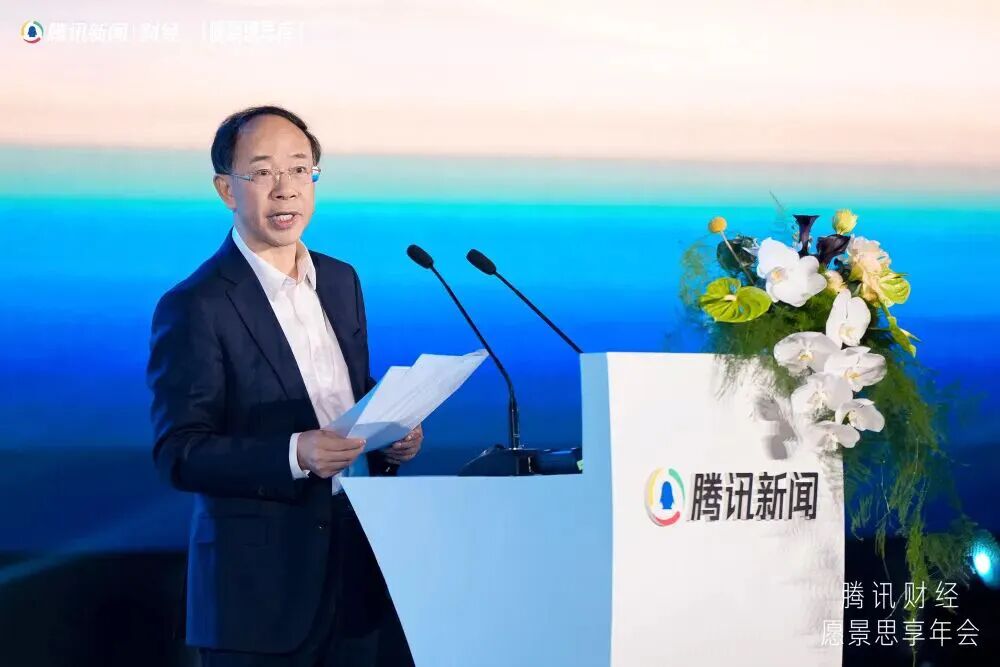
来源:经济学家圈 尹艳林:"十五五"时期我国实现年均5%左右增长是完全有可能的 很高兴应邀参加腾讯财经愿景思享年会。今天的主题是"智变之时"。在世界百年变局和智能科技重塑经济的时代潮流中,中国经济发展面临巨 大机遇和新挑战。特别是"十五五"时期成为实现2035年远景目标乃至第二个百年奋斗目标的关键阶段。从中长期来看,中国经济的转型升级还 有哪些难点,哪些领域的改革亟待重点突破,如何推进下一阶段的改革发展,这个是大家很关心的问题。下面我想就这些问题跟大家做一些分 享。 但是我们必须看到,"十五五"时期我国发展环境面临深刻复杂变化,战略机遇和风险挑战并存,特别是国内发展不平衡不充分问题仍然突出, 有效需求不足,国内大循环存在卡点堵点,超大规模市场优势的发挥遇到障碍;新旧动能转换任务艰巨,制造业中传统产业仍占80%,先进制 造业和新兴产业占比还不高,原始创新能力不强,重点领域关键核心技术仍有待攻关突破,企业创新能力有待加强;农业农村现代化相对滞 本 后,城乡基本公共服务水平差距仍然较大,农业转移人口进城落户面临体制性障碍;就业和居民收入增长压力较大,居民财产性收入增长渠道 不畅,养老、医疗、教育、住房等民生保障存在 ...
南华期货2026造纸产业年度展望:残雪消融春意浅,弱风拂柳态犹迟
Nan Hua Qi Huo· 2025-12-21 12:13
1. Report Industry Investment Rating No relevant content provided. 2. Core Viewpoints of the Report - In 2026, the price trends of softwood pulp and offset printing paper are expected to be described as "low recovery" and "weak stabilization" respectively. The price center of softwood pulp is expected to move slightly upward, while the price of offset printing paper is expected to remain weak and stable, mainly supported by costs [5]. - Overall, the futures prices of pulp and offset printing paper will fluctuate. In the medium - term, low - buying opportunities can be considered for pulp futures, and high - selling opportunities can be considered for the near - month contracts of offset printing paper [8]. 3. Summary According to the Table of Contents 3.1 Viewpoint Summary 3.1.1 Trend Forecast - In 2026, the supply expansion trend of softwood pulp will slow down, and the demand is expected to stabilize and rebound. However, the market sentiment is limited, and there are still upper limits, with inventory pressure needing continuous attention. The price of double - offset paper is expected to be mainly supported by costs and remain weak and stable [5]. 3.1.2 Strategy Outlook - Pulp and offset printing paper futures prices will fluctuate. Mid - term, consider low - buying for pulp futures and high - selling for near - month offset printing paper contracts [8]. 3.1.3 Risk Points - Risks include changes in macro - policies, significant changes in international trade situations, large - scale shutdowns or resumptions of pulp and paper mills, and restrictions on some supply and transportation channels [9]. 3.2 Market Review 3.2.1 Spot Price Review of Softwood Pulp and Double - Offset Paper - Softwood pulp spot prices declined this year, with a short - term increase in January - February due to domestic supply gaps. After reaching a high of about 6617 yuan/ton in early February, prices dropped by 17.84% by the end of November. Recent slight rebounds are due to traders' reluctance to sell and spot enterprise regulation. The spread between softwood and hardwood pulp prices has fallen to a reasonable range. Double - offset paper prices also declined after a slight increase in Q1, dropping by 13.02% from 5087.5 yuan/ton in mid - March to 4425.0 yuan/ton at the end of November, due to weak demand and over - supply [10][12][16]. 3.2.2 Futures Price Trend Review of Pulp and Offset Printing Paper - Pulp futures reached a high of 6204 yuan/ton in February, then declined, with a temporary halt in the decline in Q3 due to North American pulp mill maintenance expectations. After reaching a low of 4750 yuan/ton in mid - October, prices reversed and rose due to downstream paper mills' price increases, positive macro - sentiment, and news of a US pulp mill shutdown. Offset printing paper futures were listed in September, fluctuated in the first month, rose to 4360 yuan/ton due to paper mills' price support, and then dropped to 3980 yuan/ton, a decline of 8.72% [19]. 3.2.3 Continued Weak Overall Demand - Weak demand is a major factor for the weak pulp and double - offset paper prices. China's softwood pulp monthly apparent consumption in the first 10 months was 707.3 tons, up 2.84% year - on - year, with only 6, 7, 9 months above the average. European consumption of bleached softwood pulp was the lowest in a decade. Paper industry's start - up rates were low, with softwood pulp downstream demand improving slightly but still weak. Double - offset paper demand was even weaker, with the apparent consumption in the first 10 months at 666.7 tons, down 9.87% year - on - year [25]. 3.2.4 Supply Growth Slowed but Pressure Persisted - Pulp supply growth slowed this year, but the overall stock was still high. China's softwood pulp imports had low growth but a high base and increased since August. Paper pulp production increased significantly after mid - September, with a 17.43% year - on - year increase in early December. Global pulp shipments were relatively high, and those to China were lower than in 2023 but higher than last year. Double - offset paper's start - up rate was at a low, but production increased in the second half of the year, and the supply pressure remained due to new capacity [30][32]. 3.2.5 High Inventory and Low Profit - High inventory suppressed pulp and paper prices. China's pulp port inventory was above 200 tons for a long time this year, dropping to 199.3 tons by December 19. Double - offset paper inventory also increased, with both production enterprise and social inventories above the average. Most small and medium - sized enterprises in the softwood pulp and double - offset paper markets were in a loss - making state, with negative gross margins for Chinese softwood pulp since April last year [34][37]. 3.3 Core Focus Points 3.3.1 Macro Changes - Pulp is significantly affected by macro - factors. Interest rate cuts may reduce import costs. Policy changes and tariff adjustments can also impact the industry. For example, if Brazil's export tariff exemption to the US is removed, it may increase China's pulp supply pressure [41]. 3.3.2 Inventory Reduction - High inventory is a key factor suppressing pulp and paper prices. Pulp inventory has declined recently, and the reduction in available registered warehouse receipts due to the adjustment of delivery standards has provided some support to futures prices [42]. 3.3.3 Shutdown/Resumption of Pulp and Paper Mills - Shutdowns or resumptions of pulp and paper mills can affect supply and market sentiment. For example, Domtar's permanent shutdown of the Crofton pulp mill had a positive impact on futures prices [44]. 3.4 Valuation Feedback and Supply - Demand Outlook 3.4.1 Valuation: Relatively Reasonable - Pulp futures valuation is relatively reasonable, with the basis fluctuating and the number of warehouse receipts at a historical low. Offset printing paper futures valuation is currently weak, but the rising basis provides some support at the bottom. The volatility of both pulp and offset printing paper futures is expected to remain low in 2026 [45][47][50]. 3.4.2 Demand: Weak Stabilization - Pulp demand is expected to stabilize and rebound in 2026, with the "14th Five - Year Plan" promoting economic growth and the narrowing price spread between softwood and hardwood pulp potentially increasing softwood pulp demand. Double - offset paper demand is expected to be weak, with factors such as the decline in textbook demand and the popularity of paperless office, but policies like the "National Reading Promotion Regulations" may bring some positive effects [52][57]. 3.4.3 Supply: Pressure Converging - In 2026, the supply pressure of softwood pulp is expected to converge, with limited new capacity growth. Double - offset paper supply pressure remains due to continuous new capacity investment in recent years. Overall, the supply - demand situation of softwood pulp in 2026 is expected to be slightly better than this year, while double - offset paper supply and demand are expected to remain weak and stable [59][61][63].

银河证券:市场进入跨年布局关键窗口 关注元旦前后小躁动行情
Xin Lang Cai Jing· 2025-12-21 10:52
Core Viewpoint - The market is expected to continue a volatile structural trend in the short term due to seasonal liquidity tightening and fluctuating overseas monetary policy expectations, with rapid sector rotation [1] Group 1 - The A-share market is entering a critical window for year-end layout as 2026 approaches, which is the starting year of the "14th Five-Year Plan" [1] - Attention is drawn to the small fluctuations in the market around New Year's Day, indicating potential short-term trading opportunities [1] - The release of policy dividends is anticipated to be relatively early, with structural opportunities concentrated in sectors that resonate with policy guidance and industry prosperity [1] Group 2 - The upcoming spring market rally is expected to be promising, driven by the structural opportunities identified [1]
机构论后市丨市场进入跨年布局关键窗口,关注元旦前后小躁动行情
Di Yi Cai Jing· 2025-12-21 09:51
短期关注防御性板块配置机会,同时布局明年政策红利与产业景气方向。(1)主线一:全球百年未遇 之大变局加速演进,国内经济底层逻辑转向新质生产力,人工智能、具身智能、新能源、可控核聚变、 量子科技、航空航天等"十五五"重点领域值得关注。(2)主线二:反内卷政策温和推进,供需结构优 化叠加价格回升预期带动下,制造业、资源板块盈利修复路径清晰。(3)辅助线一:扩大内需政策导 向下消费板块迎来布局窗口。(4)辅助线二:出海趋势将带动企业盈利空间进一步打开。 ②光大证券:市场有望震荡上行,关注成长及消费两个方向 光大证券指出,历史来看,A股市场中几乎每年都存在"春季躁动"行情。本周三市场的强力上涨或许标 志着2026年跨年行情已经开启。一方面,政策有望持续发力,经济增长有望保持在合理区间,进一步夯 实资本市场繁荣发展的基础。另一方面,政策红利释放,有望提振市场信心,进一步吸引各类资金积极 流入。政策有望持续发力,叠加各类资金有望积极流入,市场有望震荡上行。 A股后市怎么走?看看机构怎么说。 沪指本周累计涨0.03%,深证成指累计跌0.89%,创业板指跌2.26%。A股后市怎么走?看看机构怎么 说: ①银河证券:市场进入跨 ...