互利共赢

Search documents
开放合作 互利共赢 和合共生(人民观点)
Ren Min Ri Bao· 2025-07-21 22:12
Group 1 - The third China International Supply Chain Promotion Expo was held in Beijing, with over 6,000 cooperation agreements signed and more than 210,000 attendees, reflecting a 5% increase from the previous year [1] - The expo aims to enhance connections among upstream, midstream, and downstream enterprises, promoting collaboration between large and small businesses, and facilitating international cooperation in supply chains [1][2] - The China International Import Expo has been held for seven sessions since 2018, attracting over 180 countries and regions, with a total intended transaction amount exceeding $500 billion, serving as a platform for high-level opening up [1][2] Group 2 - China is committed to maintaining a stable and open global supply chain, emphasizing the importance of multilateral trade systems and international cooperation [2][7] - Companies like COFCO and Cargill are leveraging these expos to strengthen their connections with global agricultural trade and enhance cooperation with upstream and downstream enterprises [2] - The "chain master enterprise + supporting cluster" cooperation model proposed at the expo aims to promote the digital, intelligent, and green transformation of global supply chains [6] Group 3 - China has signed 23 free trade agreements with 30 countries and regions, providing zero-tariff treatment for 100% of products from least developed countries with which it has diplomatic relations [3] - The country is recognized as a leading force in promoting trade and investment liberalization and facilitation globally [4] - China's manufacturing sector continues to lead globally, with over 200 major industrial products holding the highest production volume worldwide, reinforcing its role in the global supply chain [6] Group 4 - Various agricultural projects and industrial parks initiated by China are helping improve local development and living conditions in countries across Asia, Africa, and Latin America [9] - China is actively reducing foreign investment restrictions and expanding visa-free access to enhance international cooperation and tourism [10] - The commitment to building a community with a shared future for mankind emphasizes mutual respect, equality, and win-win cooperation [10]
商务部4句话概括近年中美经贸关系
21世纪经济报道· 2025-07-18 11:02
Core Viewpoint - The article emphasizes the importance of the China-U.S. economic relationship, highlighting that despite challenges, both countries remain significant economic partners and that cooperation is essential for mutual benefit [1][2][3][4]. Group 1: Current State of China-U.S. Economic Relations - Since 2018, the U.S. has engaged in unilateralism and protectionism, leading to trade tensions, yet bilateral trade has remained stable, with projected goods trade reaching $688.3 billion and service trade $155.8 billion in 2024, reflecting increases of 18% and 34.7% respectively since 2017 [6]. - The relationship is characterized by mutual dependency, with both nations benefiting from trade and investment, creating numerous job opportunities and profits for businesses [7]. Group 2: Approach to Disputes and Cooperation - Disagreements and friction are normal in the economic relationship, and dialogue and negotiation are the best methods for resolution, emphasizing the need for respect for each other's core interests [7]. - Recent dialogues in Geneva and London have led to agreements that help stabilize relations, demonstrating that through equal dialogue, conflicts can be managed effectively [7]. Group 3: China's Stance and Economic Outlook - China is committed to defending its national interests and maintaining international fairness, asserting that trade wars yield no winners and that it is prepared to protect its rights vigorously [8]. - Despite external pressures, China's economy has shown resilience, with exports increasing by 7.2% year-on-year, indicating a strong long-term economic foundation [8].

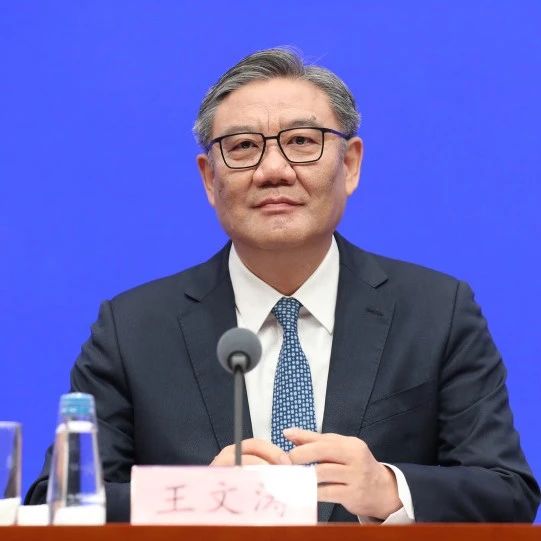
新的情况出现,中美贸易下降20%,王毅开门见山,送给美国12个字
Sou Hu Cai Jing· 2025-07-16 03:13
Group 1 - The core viewpoint of the articles highlights the significant decline in China-US trade, with a total trade value of 2.08 trillion yuan in the first half of the year, down 9.3% year-on-year, and a sharp drop of 20.8% in the second quarter [1] - China's exports to the US decreased by 9.9% to 1.55 trillion yuan, while imports fell by 7.7% to 530.35 billion yuan, largely attributed to the US's "reciprocal tariffs" [1] - The trade data reflects the pressures faced by companies reliant on China-US trade, with some experiencing a sudden drop in orders and needing to adjust supply chains due to rising costs from tariffs [1] Group 2 - Recent positive signals have emerged, with trade talks in Geneva and London showing progress, leading to a rebound in trade, as June's import and export values rose from under 300 billion yuan in May to over 350 billion yuan [1] - The articles emphasize that dialogue and cooperation are essential for resolving trade disputes, as mutual benefits are the foundation of China-US economic relations [1][3][5] - The international context includes the US's stance on Russia and Ukraine, with implications for global trade dynamics, highlighting the interconnectedness of international relations [3][5] Group 3 - The articles stress the importance of multilateral cooperation and the rejection of unilateralism and protectionism, advocating for dialogue to resolve differences and achieve mutual benefits [7] - As the world's two largest economies, China and the US are urged to set an example for global cooperation and economic recovery [7]
跑出共赢加速度(观象台)
Ren Min Ri Bao· 2025-07-15 22:10
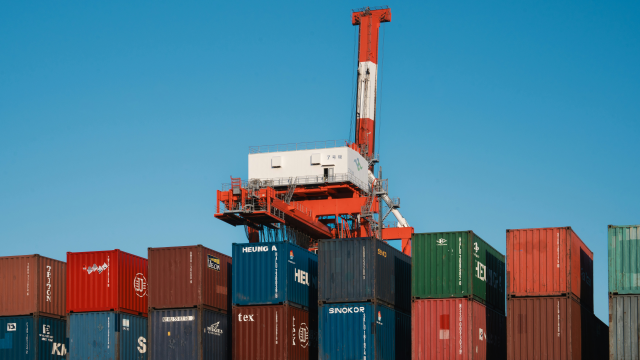
Core Insights - The China-Europe Railway Express has successfully connected Chinese manufacturing with global markets and vice versa, facilitating mutual development between China and the world [1][3] Group 1: Operational Achievements - As of June 10, the China-Europe Railway Express has operated over 110,000 trains, with a total cargo value exceeding $450 billion [1] - The service offers competitive advantages, being priced at one-fifth of air freight and taking one-fourth the time of sea freight, while also being less affected by natural conditions [2] Group 2: Service Enhancements - The "95306" digital port system has reduced customs clearance time to under 30 minutes, and there are 131 container return yards across 17 countries, enhancing customer convenience [2] - The service includes features like full insurance, cargo tracking, electronic sealing, and IoT containers, continuously upgrading both hardware and software to improve customer experience [2] Group 3: Mutual Benefits and Opportunities - The railway has established connections with 128 cities in China, reaching 229 cities in 26 European countries and over 100 cities in 11 Asian countries, promoting mutual support among nations [2] - The return journey of the trains has become more balanced, with the return trains from Xi'an expected to account for 54% of total operations in 2024, and 60% in the first quarter of this year [2] Group 4: Economic Impact - The railway has created new opportunities, such as facilitating Kazakhstan's grain exports and allowing Polish apples to reach China in just 14 days, thus enhancing trade [3] - The service has attracted numerous logistics companies to Duisburg, Germany, creating over 20,000 jobs [3] Group 5: Strategic Openings - China's commitment to high-level openness is reflected in the implementation of new foreign investment negative lists and the signing of multiple free trade agreements with over 30 countries [3] - The country has become a major trading partner for over 150 countries and regions, emphasizing cooperative development and mutual prosperity [3]
中美“贸易休战”,有三点启示
Huan Qiu Wang· 2025-07-04 15:44
Group 1 - The recent cancellation of export restrictions by the U.S. on three major chip design software suppliers and other products to China indicates a thawing in trade tensions between the two countries, with both sides showing a willingness to resolve issues through dialogue rather than confrontation [1][2] - The implementation of the London Framework highlights the mutual benefits of U.S.-China economic relations, with significant revenue from the Chinese market for U.S. companies like Intel and Qualcomm, emphasizing the importance of cooperation for global economic stability [2][3] - Despite positive steps, many U.S. restrictions on exports to China remain in place, particularly in sectors like semiconductors and biotechnology, which continue to disrupt international supply chains [3][4] Group 2 - The interdependence of U.S. and Chinese economies, which together account for over one-third of the global economy, underscores the necessity for a healthy and stable bilateral relationship for global economic health [4] - The ongoing trade dynamics suggest that both countries must recognize the importance of mutual respect and cooperation to achieve win-win outcomes, rather than resorting to unilateral pressure tactics [4]
美方取消多项对华禁令,王帆:不是恩赐也不是让步,是我们斗争来的
Guan Cha Zhe Wang· 2025-07-04 09:58
Group 1 - The U.S. Department of Commerce has notified companies to resume exports of chip design software, ethane, and aircraft engines to China, indicating a potential easing of trade tensions between the U.S. and China [1][2] - The recent adjustments by the U.S. are seen as a return to mutually beneficial principles rather than concessions to China, as the previous restrictions were deemed unreasonable [2][3] - The Chinese Ministry of Commerce has confirmed that both sides are working to implement the agreements reached during recent economic talks, emphasizing the importance of dialogue and cooperation [3][4] Group 2 - Analysts suggest that while the U.S. has lifted some export bans, the unpredictability of U.S. policies may continue, and China will maintain its focus on strategic and technological independence [6][7] - The lifting of restrictions is expected to delay the domestic production of jet engines in China but will not halt the progress of the C919 aircraft project [6][7] - The U.S. government's recent policy changes reflect its need to attract investment and expand trade with China, especially in light of domestic economic challenges [9][10]

从日内瓦声明到伦敦会谈:对话和合作是唯一正确选择|专家热评
Di Yi Cai Jing· 2025-07-03 08:15
Group 1 - The core viewpoint emphasizes that mutual respect and win-win cooperation are the best choices for both China and the United States [1][4][5] - The London talks aimed to implement the consensus reached by the leaders of both countries and the joint statement from the Geneva economic and trade talks, highlighting the importance of dialogue and cooperation [3][4] - The talks serve as a platform to manage differences and prevent misjudgments, especially in light of ongoing U.S. measures against China, which are seen as detrimental to both parties [4][6] Group 2 - The discussions in London send a positive signal to the world, indicating that both countries can inject vitality into their economic growth through mutual respect and cooperation [5][6] - The historical context suggests that dialogue and cooperation are the only correct choices for both nations, as decoupling is deemed unrealistic and contrary to economic principles [6] - Each negotiation session is viewed as a stepping stone to deepen mutual trust and contribute to global economic stability [6]
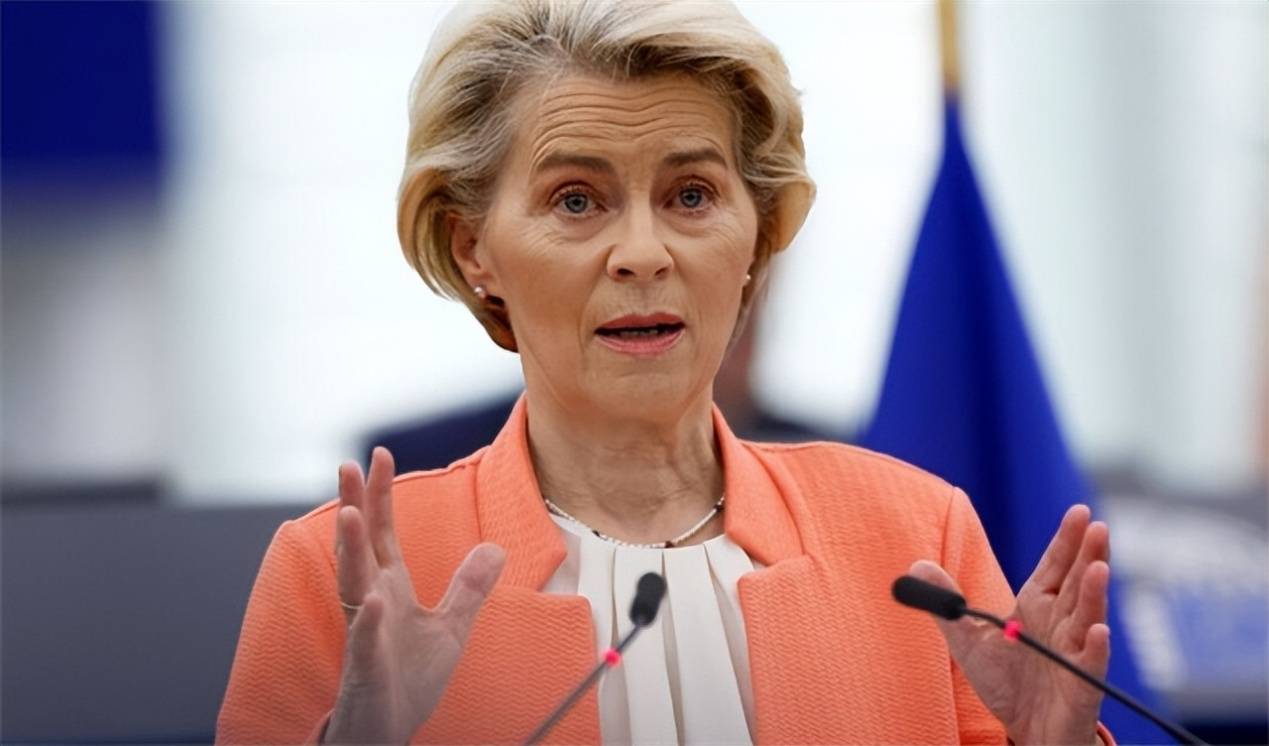
欧盟只给中国30天,必须解决稀土供应,中方不吃这一套,直接反将一军
Sou Hu Cai Jing· 2025-07-03 03:20
Group 1 - The European Union (EU) is expressing significant concerns over the decline in rare earth exports from China, which is impacting European companies severely [1] - The EU plans to address the rare earth supply issue in an upcoming meeting with Chinese leaders, emphasizing the urgency of the situation [1] - European automotive manufacturers are facing production risks due to limited inventory of rare earth magnets, which can only sustain production for 2 to 4 weeks [1] Group 2 - In response to EU pressure, China has implemented measures to protect its rare earth industry, including requiring companies to report core expert lists and enhancing traceability systems for rare earth magnets [3] - China has also announced the continuation of anti-dumping duties on imports of stainless steel products from the EU, UK, South Korea, and Indonesia for five years, citing potential harm to its domestic industry [3][5] - The Chinese stainless steel industry has seen a double-digit profit growth this year, contrasting with the EU's struggles to diversify its market [5] Group 3 - The continuation of anti-dumping duties is seen as a move to ensure fair trade and to remind the EU of the importance of mutual respect in trade relations [7] - The relationship between China and the EU is characterized by deep interdependence, and unilateral pressure tactics may not yield the desired outcomes for the EU [5][7] - Establishing a cooperative relationship based on mutual respect and equality is deemed essential for resolving trade issues effectively [7]
韩国总统李在明:在韩国与美国的贸易谈判中,努力实现以国家利益为中心、务实且互利共赢的成果。
news flash· 2025-07-03 01:12
Core Viewpoint - The South Korean President Lee Jae-myung emphasizes the importance of achieving trade negotiations with the United States that focus on national interests, practicality, and mutual benefits [1] Group 1 - The trade negotiations aim to be centered around national interests [1] - The approach is described as pragmatic and focused on achieving win-win outcomes [1]
日美关税谈判博弈:日本明确表态“农业底线不可破”,回应特朗普威胁
Sou Hu Cai Jing· 2025-07-02 10:45
Group 1 - The core issue of the Japan-U.S. trade negotiations revolves around tariffs, particularly in the agricultural sector, which Japan is unwilling to compromise on despite U.S. pressure [3][4] - Japan's Chief Cabinet Secretary, Hiroshi Matsuno, emphasized that Japan will not sacrifice its agricultural interests in the negotiations, marking a clear "red line" in the discussions [4] - The agricultural sector, while not a dominant part of Japan's economy, holds significant cultural and social value, making it a sensitive topic in negotiations [3] Group 2 - Japan's firm stance indicates a commitment to protecting its agricultural industry while still seeking a mutually beneficial trade agreement with the U.S. [4] - The response from Japan may shift the focus of negotiations towards other sectors such as automobiles and digital products, as well as U.S. demands in service trade and intellectual property [5] - The outcome of these negotiations could have broader implications for the Asia-Pacific economic landscape, potentially influencing regional trade agreements like RCEP and CPTPP [5]