供应链安全

Search documents
闻泰科技敦促安世荷兰切实解决控制权问题
Zheng Quan Shi Bao Wang· 2025-11-23 11:31
(原标题:闻泰科技敦促安世荷兰切实解决控制权问题) 鉴于此,我们要求安世荷兰能在切实尊重事实和法律的基础上,就如何恢复闻泰科技的合法控制权与完 整股东权利,提出具有建设性且真正富有诚意的解决方案。 闻泰科技消息,近日,我方注意到安世荷兰及其相关方的一系列单方面行为,已对全球半导体产业链的 稳定构成潜在威胁。为避免局势进一步升级,维护各方合法权益,公司特此发表声明如下: 全球半导体产业的稳定关乎行业发展大局。我们再次呼吁各方以理性、负责任的态度行事,共同维护安 世半导体的稳定与繁荣,保障全球客户的供应链安全。 自荷兰经济部不当干预以来,本着负责任的态度和维护全球客户利益的原则,在中国相关政府部门的大 力帮助与推动下,我方已主动释放善意,明确表达了愿意与安世荷兰方面就如何恢复闻泰科技的合法控 制权、妥善解决当前争端进行建设性沟通。我们始终相信,通过坦诚对话解决分歧,是保障公司正常运 营和全球芯片供应稳定的切实正确途径。 来源:闻泰科技微信公众号 然而,令人深感遗憾与不解的是,尽管我方展现出最大诚意,安世荷兰方面迄今未对我方的沟通提议作 出任何实质性回应。 ...

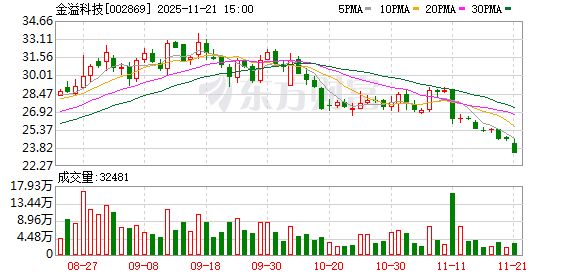
金溢科技:选择具有持续稳定批量供应能力的供应商合作伙伴,以确保供应链安全
Zheng Quan Ri Bao· 2025-11-21 09:17
Core Viewpoint - The company emphasizes the importance of collaborating with suppliers that have a stable and continuous bulk supply capability to ensure supply chain security [2] Group 1 - The company announced on November 21 that it is committed to maintaining a secure supply chain [2] - The company is actively engaging with suppliers that can provide consistent and reliable bulk supplies [2]

国产汽车MCU量产上车,芯钛科技完成C+轮融资|36氪首发
3 6 Ke· 2025-11-21 04:02
36氪获悉,国产汽车半导体企业芯钛科技,近期完成了C+轮融资,国有资本昆山国创与江苏超力电器 控股股东鸣泉科技共同参与了本轮融资。 据悉,此次融资主要用于车规芯片产品量产及全国产化供应链建设。 芯钛科技成立于2017年,主要从事汽车级半导体芯片产品的设计研发,提供安全类MCU、主控MCU等 芯片产品,可为智能网联汽车构建完成的软硬件生态。 36氪了解到,今年11月1日芯钛科技自主研发的ASIL-D级高功能安全主控MCU芯片TTA8,被搭载在广 汽昊铂GT-攀登版上,该车型为国内首台实现芯片设计100%国产化的智能新能源汽车;11月11日,芯钛 科技又与上海汇众、上汽金控、上汽研发总院、华域汽车、联创汽车电子等达成合作,共同赋能上汽集 团的"大底盘战略"。 据了解,芯钛科技从2019年起便已开始布局高功能安全MCU产品,并于2023年前后获得ASIL-D功能安 全产品认证以及博世华域转向总成量产验证。 芯钛科技这样阐述自己的战略思考:" 在当前复杂的国际形势下,汽车芯片自主可控和供应链安全已上 升至国家战略高度,因此芯钛科技做的事情难而正确,未来公司将不断丰富汽车芯片产品品类,全面覆 盖底盘及上车身核心应用场景 ...
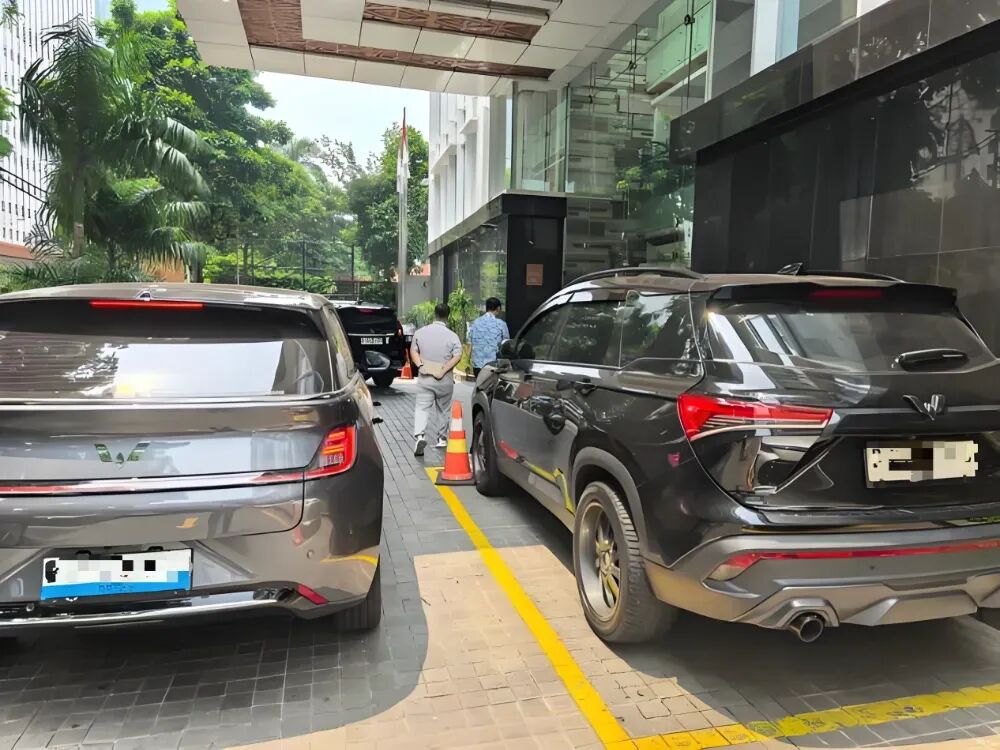
中国车企,到印尼搞矿
3 6 Ke· 2025-11-20 08:30
Core Insights - Chinese automotive companies are exploring new strategies for international expansion, particularly focusing on Indonesia for mining opportunities rather than just vehicle sales [1][38]. - The approach emphasizes long-term investment and establishing a solid foundation for future growth rather than immediate profits [2]. Group 1: Market Conditions in Indonesia - Indonesia is characterized by poor transportation infrastructure and low national income, with Java Island, which occupies only 6.6% of the country's area, housing 150 million people [5][11]. - Jakarta, the capital, has been identified as the most congested city globally, with drivers averaging 32,800 brake applications per year, significantly higher than the global average of 18,000 [6][8]. - The majority of the population relies on motorcycles for transportation due to inadequate public transport options, leading to a high prevalence of motorcycle ownership [6][10]. Group 2: Economic Landscape - A significant portion of the Indonesian population lives in poverty, with 8.47% classified as poor, spending less than 609,160 Indonesian Rupiah (approximately 200-300 RMB) per month [11][13]. - The economic structure is fragile, with 24.42% of the population unable to cover basic expenses and 49.29% classified as near-middle class, spending between 2.6 million to 6 million Indonesian Rupiah (approximately 1,200-2,800 RMB) [13]. - The wealth distribution is heavily skewed, with less than 1% of the population classified as wealthy, indicating a challenging market for high-end automotive products [13]. Group 3: Regulatory Environment - Chinese companies must establish local entities and meet specific capital requirements, including a minimum registration capital of 100 billion Indonesian Rupiah (approximately 4.5 million RMB) [16]. - The "localization rate" requirement mandates that foreign companies produce or source a significant portion of their components locally to benefit from policy incentives [16]. Group 4: Competitive Landscape - Japanese automotive brands dominate the Indonesian market, with Toyota leading sales figures, while Chinese brands like BYD and Wuling rank lower in market share [17][20]. - The long-standing presence of Japanese companies provides a reference point for Chinese firms entering the market [20]. Group 5: Strategic Collaborations - Chinese automotive companies are forming partnerships with local firms to enhance market entry, such as the CKD (Completely Knocked Down) assembly model adopted by several brands [32]. - Collaborations extend to local component sourcing and employment generation, which helps in meeting localization requirements and reducing operational costs [33][37]. Group 6: Resource Opportunities - Indonesia is rich in nickel resources, essential for stainless steel and battery production, making it a strategic location for Chinese companies focused on electric vehicles [41][44]. - The partnership with Indonesia in nickel mining is crucial for securing supply chains and supporting the growth of the Chinese electric vehicle industry [44][45]. Group 7: Future Prospects - The Indonesian government aims to produce 600,000 electric vehicles by 2030, indicating a growing market for electric vehicles [39]. - The collaboration between Chinese companies and Indonesia in the mining sector could enhance the international standing of the Chinese currency, the Renminbi, in global trade [46][47].



洁雅股份(301108.SZ):目前还没有派人常驻海南
Ge Long Hui· 2025-11-20 07:30
Core Viewpoint - The establishment of Hainan Investment Company by the firm aims to enhance supply chain security, improve the industrial chain, integrate high-quality resources from upstream and downstream, leverage synergies, and boost overall competitiveness and profitability [1] Summary by Relevant Categories Company Strategy - The company has registered Hainan Investment Company to ensure supply chain security and enhance its industrial chain [1] - The focus is on integrating high-quality resources from both upstream and downstream sectors to create synergies [1] Operational Status - Currently, the company has just registered the investment entity and has not yet stationed personnel in Hainan [1]
洞见产业脉络:数据驱动下的材料市场新视野
QYResearch· 2025-11-20 02:33
Core Insights - The materials industry is facing unprecedented complexity due to technological iterations, capacity layout, and global supply chain restructuring, necessitating a clear and precise "industry map" for decision-makers [3] - The demand for comprehensive market insights is shifting from basic strategic direction to a deep understanding of the entire industry chain, market size, competitive landscape, and cost drivers [3] Group 1: Industry Chain Overview - Understanding one's position in the value chain and the interconnections with upstream and downstream partners is crucial for materials companies [4] - QYResearch provides dynamic "industry chain panoramas" to help companies identify potential suppliers, customers, partners, and competitors [5] Group 2: Market Size and Growth Trajectory - Accurate quantification of market size and growth rates is essential for informed decision-making regarding capacity planning and resource allocation [6] - QYResearch transforms vague market prospects into measurable growth trajectories, offering forecasts for market size, growth rates, and driving factors over the next five years [6] Group 3: Competitive Landscape Analysis - Understanding the competitive intensity, market shares, and strategic movements of key players is vital for existing companies and new entrants [7] - QYResearch conducts systematic analyses of major manufacturers, detailing their capacity layouts, product lines, and market shares [7] Group 4: Connecting Macro Trends with Micro Data - QYResearch links macro trends such as "dual carbon," "domestic substitution," and "supply chain security" with micro-level data like product sales and price trends [8] - The goal is to ensure that every decision made by clients is based on comprehensive and credible market insights [8] Group 5: Commitment to Objective Insights - In an era of information overload, QYResearch emphasizes the importance of presenting the most authentic market data and industry analysis [9] - The company focuses on delivering verified market facts to help businesses navigate their decision-making processes confidently [9]
刚刚!荷兰向中国归还安世控制权。网友:赔偿呢?
程序员的那些事· 2025-11-19 14:14
Core Viewpoint - The Dutch government has decided to suspend its control over Nexperia, returning authority to Wingtech Technology, which alleviates tensions with China and addresses disruptions in global automotive production [3][4]. Group 1: Government Actions - The Dutch Minister of Economic Affairs, Vincent Karremans, announced the suspension of intervention regarding Nexperia on social media, indicating a significant de-escalation of the previous standoff [3][4]. - This decision follows constructive meetings between Dutch and Chinese officials, leading to a breakthrough that allowed for the suspension of export restrictions on components produced at Nexperia's Dongguan factory [6][10]. Group 2: Impact on the Industry - The dispute had previously disrupted production for several automotive companies, including Honda and Volkswagen, despite Nexperia's chips not being high-end products [4][6]. - The resolution of this issue highlights the global nature of supply chains and China's increasing influence in the semiconductor industry [4][6]. Group 3: Future Engagement - The Dutch government views this suspension as a goodwill gesture and plans to continue constructive dialogue with Chinese authorities moving forward [10][11].
荷兰被自己人背叛?客户直接买欧洲晶源,来中国谈封装!这下生意没法做了!
Sou Hu Cai Jing· 2025-11-15 16:51
Group 1 - The Netherlands is attempting to position itself as a hero for European supply chain security while facing backlash for its actions regarding ASML and its ties to China [2][4] - The Dutch government has been accused of trying to decouple from China, with recent reports suggesting that ASML's CEO is secretly transferring intellectual property and planning to move supply chains back to China [4][6] - European automotive manufacturers are reportedly seeking alternative suppliers and are willing to accept higher logistics and compliance risks to avoid political interference, indicating a loss of trust in the Dutch government [6][10] Group 2 - The situation reflects a broader struggle between national power and technological capability, with China enhancing its semiconductor manufacturing capabilities [8][13] - The Dutch government's attempts to reshape global supply chains through administrative means may ultimately undermine its credibility and influence in the global market [10][11] - The trend indicates that European companies must diversify their supply chains and risk management strategies to remain competitive, while countries like the Netherlands risk losing control over global market dynamics if they continue to intervene [13]

巴西的豪赌:美国只给5亿,巴西怎么就敢看上中国的稀土定价权?
Sou Hu Cai Jing· 2025-11-14 15:22
Core Insights - The approval of a $465 million loan by the U.S. International Development Finance Corporation (DFC) to Brazilian rare earth mining company Serra Verde signifies a strategic move to challenge China's long-standing dominance in the rare earth market [1][4] - The focus is on heavy rare earth elements, which are critical for high-tech applications and defense industries, rather than total production volume [3][4] Group 1: Strategic Implications - The DFC's funding is not merely a financial transaction but serves as a strategic endorsement, positioning Serra Verde within the Western supply chain security strategy [6] - This loan provides Serra Verde with a "strategic guarantee," signaling to global buyers that purchasing from them aligns with Western geopolitical interests [6][7] - The U.S. government has established a price floor for rare earths, which supports the pricing strategy for Serra Verde and other Western suppliers [7] Group 2: Market Dynamics - The rarity and complexity of extracting heavy rare earths, particularly from ion-adsorption type ores, create significant barriers for competitors [3][4] - The DFC's investment aims to disrupt China's dual advantage of resource and technology in the rare earth sector, specifically targeting the heavy rare earth separation process [4][9] - The current production capacity of Serra Verde, at 6,500 tons per year, is insufficient to significantly impact global pricing power without additional support from other resource-rich countries [9] Group 3: Challenges Ahead - The extraction and refining of heavy rare earths face environmental and technical challenges, which may lead to higher production costs for Western suppliers [7][9] - The success of this strategic initiative depends on the ability to create a robust alternative supply chain that includes contributions from other countries like Vietnam and Australia [9] - The ongoing geopolitical struggle for resource control indicates that the competition is not merely about reserves but involves a complex interplay of technology, capital, and geopolitical will [9]
荷兰豪赌“安世之乱”,中国一招瞬间翻盘
Xin Lang Cai Jing· 2025-11-14 13:23
来源:闫树军论评 最近,这场被外界称为"安世之乱"的中荷半导体风波,终于有了阶段性结果。 中国方面已经同意"部分恢复"安世半导体的芯片出口。而欧洲最大的汽车制造商大众汽车中国区负责人 也确认:公司已经收到了中断多月后的首批芯片。对于整个欧洲汽车产业来说,总算是能喘一口气了。 过去一段时间,由于安世事件的爆发,过去几个月,欧洲车企因为芯片断供陷入半停摆状态。 "安世之乱"的始作俑者,就是荷兰政府,9月30号,荷兰政府突然宣布对安世半导体荷兰总部实施接 管,但安世其实是一家中资控股企业,主业是功率半导体,用在汽车和新能源设备上。所以在中国业 内,这场事件被称为"供应链人质危机"。 安世事件一爆发,中国商务部第一时间表态。中国要求荷兰停止侵害中资企业的合法权益,恢复正常贸 易秩序。但荷兰方面当时态度强硬,摆出一副"法理优先"的姿态。他们以为自己掌握了安世总部,就能 掐住中国的脖子。 可没想到,中国直接反手一招,安世中国的工厂自己开闸出货,绕过荷兰总部。货没断,客户照样拿到 芯片。这一步,等于直接把荷兰那边架空。 你要管行政?行。那我就自己干生产。你不出口?没关系,我来出。 中国商务部在11月9日的声明里,说得非常直 ...