健康饮食

Search documents
费大厨辣椒炒肉全国门店数突破190家
Bei Jing Shang Bao· 2025-08-27 10:20
Group 1 - The core viewpoint of the article highlights that Fei Dazhu has surpassed 190 directly-operated stores nationwide, covering major cities such as Changsha, Beijing, Shanghai, Guangzhou, Shenzhen, Hangzhou, Chengdu, Xi'an, and Wuhan [1] - Fei Dazhu is the first Hunan cuisine chain brand to expand into first-tier cities with a nationwide presence [1] - The company is actively preparing to open more stores in cities like Chengdu, Wuhan, Xi'an, and Guangzhou [1] Group 2 - In response to the growing consumer demand for healthy eating, Fei Dazhu has been upgrading its products and exploring new health-oriented directions [1] - The brand has effectively captured the core consumer demands for "delicious, fresh, and healthy" by combining "stir-fry experience with health upgrades" to establish its unique competitive advantage [1] - Unlike many competitors in the fiercely competitive takeaway industry, Fei Dazhu has committed to maintaining a dine-in only model, emphasizing "only direct operation, no franchising, and only dine-in, no takeaway" [1]
十月稻田IP联名款产品打造跨界“新食尚”
Huan Qiu Wang· 2025-08-26 11:57
Core Insights - The company, October Rice Field, is leveraging a catchy advertising slogan "Low-fat and filling, more refreshing!" to enhance brand visibility across airports and outdoor landmarks, generating significant consumer interest and market buzz [1] Group 1: Product Innovation and Market Strategy - In 2024, October Rice Field's corn category achieved sales of 800 million, marking it as the company's second growth curve [3] - The company has partnered with the popular game "Cat and Soup" to create co-branded products, targeting a young audience and enhancing consumer engagement through immersive shopping experiences [3][4] - The introduction of various corn products, including corn sticks and instant corn segments, aligns with the rising trend of healthy eating, contributing to a 523.2% year-on-year revenue growth in the corn category [5] Group 2: Brand Positioning and Consumer Engagement - October Rice Field has established itself as a leader in the corn category, supported by over 3.7 million user reviews on platforms like Douyin and JD, reflecting strong consumer recognition [7] - The company has built three major corn production bases in China, ensuring a stable supply chain from procurement to sales [7][9] - As of August 2025, the cumulative sales of October Rice Field's corn products on Douyin exceeded 14.6 million orders, showcasing effective market penetration and consumer demand [9]


从“功能丰富”走向“体验出彩”,华帝推动微蒸烤市场高端化提速
Xin Lang Zheng Quan· 2025-08-26 08:52
Core Insights - The market for multifunctional steam and bake integrated machines is rapidly growing due to increasing consumer focus on healthy eating and kitchen appliance versatility [1] - Vatti, a leading brand in high-end kitchen appliances in China, has introduced the VB50 steam and bake integrated machine, aligning with the modern kitchen needs of younger consumers [1][7] Market Trends - According to AVC data, the retail scale of the home appliance market (excluding 3C) reached 179.8 billion yuan in Q1 2025, with a year-on-year growth of 2.1% [1] - There is a noticeable improvement in the product structure of embedded steam and bake machines in both online and offline high-end market segments [1] Product Evolution - The steam and bake machine originated in Japan as the "water wave oven," evolving to meet diverse cooking needs by integrating steam functions with traditional baking [2] - The 21st century has seen a "dual-line breakthrough" in steam and bake machines, transitioning from simple functionality to intelligent interaction, enhancing user experience [2] Vatti's Innovations - The VB50 model features top microwave collaboration technology, which enhances cooking efficiency while preserving nutrients in food [4] - The VB50 includes a "degreasing air frying" function that allows for healthier cooking without additional oils, catering to the young consumer trend towards "light food" [4] Cleaning Technology - The VB50 incorporates a special blue porcelain membrane interior that prevents oil stains from adhering, making cleaning effortless [6] - It features a steam self-cleaning program that uses high-temperature steam to eliminate stubborn stains, ensuring a hygienic cooking environment [6] Brand Philosophy - Vatti promotes a "clean kitchen" concept, emphasizing not just cleanliness but also the embodiment of a healthy lifestyle [6][7] - The VB50 is positioned as more than just an appliance; it is a key to unlocking a healthy and high-quality lifestyle for families [7]

疯狂收割商场B1楼的野人先生,是第二个钟薛高吗?
3 6 Ke· 2025-08-26 04:18
Core Viewpoint - The ice cream market is undergoing significant changes, with high-priced brands like "Chongxuegao" facing decline while mid-range and artisanal brands like "Yerenxiansheng" are thriving due to shifting consumer preferences towards health and quality [2][5][11]. Market Dynamics - The ice cream and gelato market has seen a shift from high-priced products to more affordable options, with consumers now favoring products priced between 3 to 15 yuan [5][11]. - The rise of "Yerenxiansheng" represents a trend towards fresh, handmade gelato, which has gained popularity among consumers seeking healthier and more innovative options [6][8]. Historical Context - The evolution of ice cream in China has transitioned from a simple summer treat to a diverse market with various price points and quality levels, influenced by both domestic and international brands [3][4]. - The introduction of foreign brands in the 1990s marked a significant change in consumer expectations, moving from basic refreshment to a focus on enjoyment and quality [3][4]. Consumer Behavior - Current consumer preferences indicate a desire for healthier options, with many consumers now associating ice cream with guilt due to high sugar content [5][8]. - The younger demographic, particularly women aged 20-35, is driving the demand for gelato, viewing it as a symbol of quality and lifestyle [9][11]. Competitive Landscape - The market is characterized by a clear segmentation, with 54% of consumers preferring budget-friendly options under 5 yuan, while 31% are willing to pay 10-30 yuan for higher quality [11]. - Brands like DQ have successfully adapted by diversifying their product offerings and enhancing customer experience, demonstrating the importance of innovation in maintaining market relevance [13][14]. Future Outlook - The ice cream industry is entering a "quality-price ratio" phase, where brands must balance cost with quality to avoid falling into a low-price competition trap [12]. - The future of high-quality ice cream is assured, as long as brands focus on innovation and meeting evolving consumer demands [12][15].

糯到喵喵叫的新玉米上市,十月稻田IP联名引爆玉米热潮
2 1 Shi Ji Jing Ji Bao Dao· 2025-08-26 02:53
Core Insights - The company, October Rice Field, is leveraging a catchy advertising slogan "Low-fat and filling, more refreshing!" to enhance brand visibility across major airports and outdoor locations, generating significant consumer interest and market buzz [1] Group 1: Product Innovation and Market Strategy - In 2024, October Rice Field's corn category achieved sales of 800 million, marking it as the company's second growth engine [2] - The company has partnered with the popular game "Cat and Soup" to create co-branded products, appealing to a large demographic of young consumers [2] - The launch of new corn products during the 2025 season is supported by a strong marketing campaign that emphasizes emotional resonance and consumer engagement [4] Group 2: Consumer Trends and Health Focus - The rising trend of health-conscious eating has made low-fat, filling grain products increasingly popular, with corn being a favored choice among consumers [4] - October Rice Field has successfully transformed corn into a fast-moving consumer good by offering various product forms such as corn sticks, segments, and kernels, along with innovative flavors [4][6] - The company's revenue from the corn category saw a significant year-on-year increase of 523.2% in 2024, highlighting its successful market positioning [4] Group 3: Brand Positioning and Consumer Engagement - October Rice Field has established itself as a leader in the corn category, supported by over 3.7 million user reviews across platforms like Douyin and JD, reflecting strong consumer recognition [5] - The brand's commitment to fun and engaging marketing strategies resonates with younger consumers, enhancing its relevance in the market [3] - The company has built a robust supply chain and distribution network, ensuring high-quality corn products are consistently available to meet consumer demand [6]
这种“长寿果”,心血管真的很爱!
Yang Shi Xin Wen· 2025-08-26 01:34
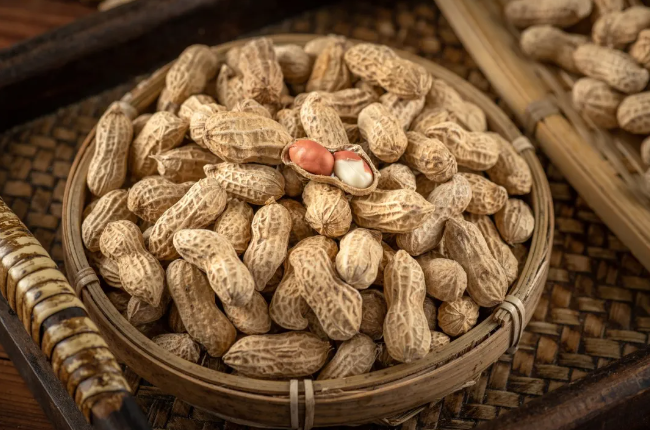
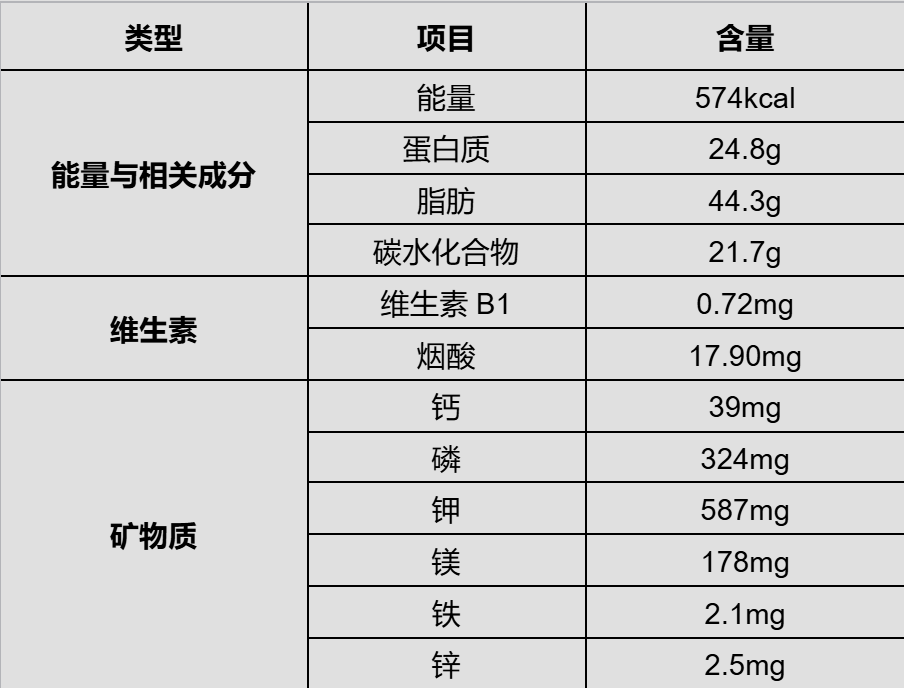
Core Viewpoint - Peanuts are a nutritious food source that offers various health benefits, including high-quality protein, healthy fats, and essential vitamins and minerals, making them a valuable addition to a balanced diet [2][3][7][10][13]. Nutritional Composition - Peanuts contain 574 kcal, 24.8g of protein, 44.3g of fat, and 21.7g of carbohydrates per 100g [2]. - The fat composition includes 19.8% saturated fat, 38.6% monounsaturated fat, and 38.6% polyunsaturated fat, indicating a high proportion of "good" fats [7][8]. Health Benefits - Peanuts are a good source of plant-based protein, containing all eight essential amino acids, making them suitable for vegetarians and those looking to increase plant protein intake [3]. - They are rich in B vitamins, particularly B1 and niacin, which support energy metabolism and maintain healthy skin and nervous system [8][10]. - Peanuts contain antioxidants like resveratrol and flavonoids, which help reduce oxidative stress and may contribute to longevity [10][13]. - Regular consumption of peanuts is associated with a lower risk of cardiovascular diseases and improved blood sugar control due to their low glycemic index (GI) of 14 [15][16][18]. Consumption Guidelines - The recommended daily intake of peanuts is 25-35g, depending on other dietary sources of protein and fats [22]. - Different cooking methods can affect the nutritional value of peanuts, with raw and boiled options being healthier compared to fried [23][24]. Special Considerations - Individuals with peanut allergies should avoid peanuts entirely due to the risk of severe allergic reactions [25]. - Overweight individuals should monitor their intake due to the high caloric content of peanuts [26]. - Young children should consume peanuts in forms that reduce choking hazards, such as peanut butter [28]. - Those with metabolic disorders should consult healthcare professionals for appropriate consumption levels [29].
金健米业上半年同比扭亏
Zhong Zheng Wang· 2025-08-25 14:45
Core Viewpoint - Jin Jian Rice Industry reported a turnaround in profitability for the first half of 2025, achieving a revenue of 1.574 billion yuan and a net profit of 11.66 million yuan, compared to a loss in the same period last year [1]. Group 1: Business Transformation and Performance - The improvement in profitability is attributed to accelerated integration of the noodle products business, enhanced management quality, and a decrease in raw material costs [2]. - The company is focusing on deepening the integration of its "Yu Xiang" and "Jin Jian" brands to enhance the profitability of the noodle products sector [2]. - In the leisure food segment, sales channels have expanded significantly, with production and sales of candies and jellies increasing by 742.31% compared to the previous year [2]. - Cost management has been strengthened through optimized operations and centralized procurement, leading to reduced production and logistics costs [2]. Group 2: Marketing and Brand Expansion - Jin Jian Rice Industry is leveraging market trends to explore channel potential, achieving brand expansion through various initiatives [3]. - Online, the brand has seen significant growth in e-commerce live streaming viewership, while offline marketing includes high-frequency exposure through media campaigns [3]. - The company has sponsored various events to enhance brand influence, including cultural festivals and marathons [3]. - Participation in national exhibitions has also been a focus, showcasing the "Jin Jian" brand at major trade fairs [3]. Group 3: Research and Innovation - In response to growing consumer demand for healthy eating, Jin Jian Rice Industry has increased its R&D investment, integrating health concepts into product innovation [4]. - The establishment of a technology innovation center aims to optimize and integrate R&D resources, fostering a collaborative innovation system [4]. - The company has received four authorized patents and is involved in multiple key R&D projects, including a focus on reducing losses in long-grain rice processing [4]. - New health-oriented products have been launched, with jelly products gaining significant market traction due to innovative packaging designs [4].

这种水果“油”很大 但能帮助女性瘦小腹减内脏脂肪
Yang Shi Xin Wen· 2025-08-18 12:43
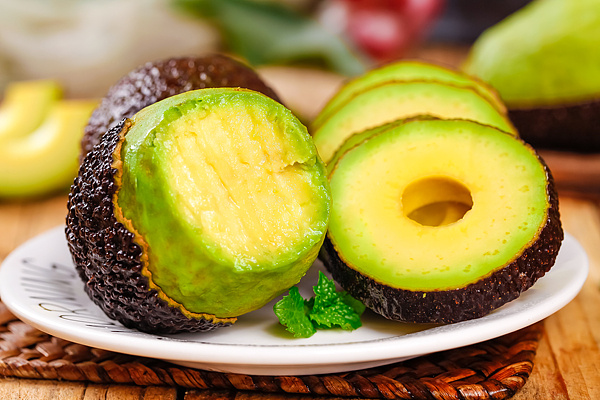
Core Insights - Avocado is a globally popular fruit known for its nutritional benefits despite its unappealing appearance and taste [1] - It is rich in healthy fats, dietary fiber, and various vitamins and minerals, making it a highly nutritious option [3][4][5][6][7] Nutritional Composition - Avocado contains 15.3g of fat per 100g, which is approximately 77 times higher than common fruits like apples and oranges, with 80% of this being unsaturated fat, primarily oleic acid [4] - The total dietary fiber content is 6.7g per 100g, which can fulfill nearly 20% of the daily fiber requirement for an average adult [5] - It has a significant amount of carotenoids, with levels 7 times higher than apples and 18 times higher than peaches [6] - Avocado is rich in potassium, containing 599mg per 100g, which is 2.3 times that of bananas, and also provides magnesium [7] - The total plant sterol content in avocado is 107.89mg per 100g, significantly higher than most other fruits and vegetables [8] Health Benefits - Regular consumption of avocado can improve gut health by enhancing fiber intake and promoting beneficial gut bacteria [13] - A study indicated that eating at least one avocado per week can reduce the risk of cardiovascular diseases by 16% and coronary heart disease by 21% [14] - Avocado's healthy fats can help lower LDL cholesterol levels while increasing HDL cholesterol levels, contributing to better heart health [15] - The antioxidants in avocado may reduce the incidence of chronic diseases such as heart disease and cancer [16] - Despite its high caloric content, avocado can aid in reducing visceral fat due to its high fiber and fat content, which enhances satiety [17][18] Culinary Uses - Avocado can be enjoyed in various ways, such as avocado toast, smoothies, baked eggs, or simply with soy sauce [22][23][25][26] - Proper selection and ripening of avocados are crucial for optimal taste and texture [19][21]
吃出营养吃出健康(健康焦点)
Ren Min Ri Bao· 2025-08-17 21:49
Group 1: Agricultural Production and Consumption - The Ministry of Agriculture and Rural Affairs and other departments have issued a plan to enhance public nutrition and health services, emphasizing the importance of healthy consumption [1] - In 2024, China is projected to have the highest production and consumption of various agricultural products, including grains (706 million tons), meat (97.7 million tons), and vegetables (860 million tons) [1] - The high-quality development of agriculture, forestry, animal husbandry, and fishery in China has enriched the food supply for over 1.4 billion residents [1] Group 2: Carbohydrate Consumption - There is a growing trend of low-carbohydrate diets, but carbohydrates are essential for energy, particularly for brain function [2][3] - The quality of carbohydrates is crucial, with the glycemic index (GI) being an important measure; refined grains have high GI values, while whole grains are lower [3] - It is recommended that carbohydrates should make up 50%-65% of daily energy intake, focusing on low GI and high-fiber options [3][4] Group 3: Meat Consumption - Meat is a vital source of protein and essential nutrients, but excessive intake can lead to health issues such as obesity and cardiovascular diseases [6][7] - Daily meat consumption for adults should be controlled to 40-75 grams, with a focus on lean meats and avoiding processed meats [7][8] - Different cooking methods can affect the healthiness of meat; steaming and boiling are preferred over frying [7][8] Group 4: Vegetable and Fruit Intake - The recommended daily intake of vegetables is 300-500 grams, with a focus on including a variety of types, especially dark-colored vegetables [10][11] - Fruits are important for nutrition, with a recommended intake of 200-350 grams daily; moderation is key for those with blood sugar concerns [11][12] - The consumption of seasonal fruits and vegetables is encouraged for optimal health benefits [12] Group 5: Dietary Guidelines - The Chinese Dietary Guidelines recommend a balanced diet including grains, vegetables, fruits, and proteins, with specific daily intake recommendations for each food group [13][14] - It is advised to consume a variety of foods, aiming for at least 12 different types daily and 25 types weekly [13][14]
吃花生能为我们身体带来哪些好处?每天吃多少合适?
Yang Shi Xin Wen· 2025-08-17 04:34
Core Insights - Peanuts, despite their high fat content, are often recommended in healthy diets due to their rich nutritional profile and health benefits [1][16] Nutritional Composition - Peanuts contain 574 kcal of energy, 24.8g of protein, 44.3g of fat, and 21.7g of carbohydrates per 100g [3] - They are a good source of plant-based protein, comparable to legumes, providing all eight essential amino acids [5][6] - The fat composition is primarily unsaturated, with 38.6% being monounsaturated and 38.6% polyunsaturated fats, which are beneficial for heart health [8][10] Health Benefits - Peanuts are rich in B vitamins, including 0.72mg of vitamin B1 and 17.9mg of niacin per 100g, which support energy metabolism and nervous system health [11][12] - They contain powerful antioxidants like resveratrol and flavonoids, which help reduce oxidative stress and may delay aging [13][18] - Regular consumption of peanuts is associated with a lower risk of cardiovascular diseases and stroke, particularly in older adults [19] - Peanuts have a low glycemic index (GI) of 14, making them suitable for blood sugar management [20][22] Consumption Guidelines - Recommended daily intake is 25-35g for those not consuming other legumes or nuts, and 15-20g if other sources are included [25] - Cooking methods affect nutritional content; raw or low-temperature roasted peanuts retain more nutrients compared to fried ones [27] Caution for Specific Groups - Individuals with peanut allergies should avoid peanuts entirely due to severe allergic reactions [30] - Overweight individuals should monitor their intake due to high caloric density [33] - Young children should consume peanuts in forms that reduce choking risks, such as peanut butter [34] - Those with metabolic disorders should consult healthcare providers for appropriate consumption levels [35]