房住不炒

Search documents
楼市涨跌已明确了?央媒“表态”,未来5年,还能不能继续买房?
Sou Hu Cai Jing· 2025-09-18 00:18
Core Viewpoint - The real estate market in China is undergoing a significant adjustment, shifting from an investment-driven model to one focused on meeting residential needs, as emphasized by various central media outlets [3][5][7]. Group 1: Market Trends - The proportion of real estate in urban residents' total assets is 68%, indicating its importance in family asset allocation [2]. - In the first half of 2025, the national sales area of commercial housing decreased by 5.8% year-on-year, and sales revenue fell by 3.2% [2]. - The real estate sector is no longer seen as a primary engine for economic growth but is transitioning to serve public needs [5]. Group 2: Supply and Demand Dynamics - The supply side is experiencing a cooling off, with residential land supply in 300 cities down by 15.7% year-on-year and land transfer income down by 18.3% [8]. - New housing starts have decreased by 22.5% year-on-year, indicating a cautious approach from developers [8]. - Population changes are affecting housing demand, with a total population of 1.402 billion in 2025, a decrease of 2.08 million from 2024, and a natural growth rate of -1.48‰ [8]. Group 3: Future Market Predictions - The real estate market is expected to see increased regional differentiation, with core cities likely to experience stable or moderate price increases, while many third and fourth-tier cities may face price declines of 10% to 20% [10]. - The demand for small to medium-sized homes (90-120 square meters) is strong, accounting for 72% of transactions in the first half of 2025, an increase of 8 percentage points from 2024 [10]. - The financial environment is expected to remain cautious, with stable mortgage rates but increased difficulty in obtaining loans based on individual qualifications and property value potential [10]. Group 4: Buyer Segmentation - First-time homebuyers with stable jobs in first-tier cities are in a favorable position to enter the market, as significant price drops are unlikely [12]. - Current conditions are advantageous for those looking to upgrade their homes, particularly in the second-hand market where listings have increased by 22% year-on-year [12]. - Investment buyers may find it challenging to achieve returns, with rental yields in first-tier cities projected at only 1.8% to 5%, lower than bank deposit rates [13].

外资买房限制放宽不意味着热钱投机,“房住不炒”是刚性约束
Mei Ri Jing Ji Xin Wen· 2025-09-17 09:33
Group 1 - The core viewpoint of the news is the recent policy adjustment by the State Administration of Foreign Exchange, which relaxes restrictions on foreign investment in real estate, aiming to stimulate market demand while maintaining control over speculation [1][2][3] - The new regulations allow foreign individuals to make payments for property purchases without needing prior purchase registration, streamlining the process significantly [1] - The policy aims to optimize cross-border capital management and meet reasonable housing demands, while still adhering to the principle of "housing is for living, not for speculation" [3] Group 2 - The adjustments reflect a shift in the domestic real estate market and the need for refined macro-control measures to support stable development [2] - Core cities like Beijing and Shanghai still maintain restrictions on foreign purchases, indicating a differentiated approach to managing domestic and foreign investment [2] - The combination of relaxation and constraints in the policy demonstrates a more precise and targeted regulatory approach to stabilize the market and avoid overheating [2][3]

马云预言“应验”了?2026年的房价,已经出现3个信号!
Sou Hu Cai Jing· 2025-09-15 16:37
Group 1 - The article discusses the realization of Jack Ma's prediction about housing prices, which he stated would decline, contrasting with the prevailing belief that prices would only rise [6][10] - The real estate market has shifted from a speculative "wealth myth" to a more rational phase characterized by deleveraging and reduced demand, leading to increased inventory and stagnant prices [8][10] - Key factors affecting the housing market include declining birth rates, an aging population, and changing societal attitudes towards homeownership, which are all contributing to a decrease in demand for housing [12][14][18] Group 2 - The article highlights the challenges faced by individuals holding cash savings, including low bank interest rates and rising living costs, which erode purchasing power due to inflation [22][24] - It discusses the emergence of new consumer traps where capital exploits consumer behavior through targeted marketing and easy payment options, leading to irrational spending and potential debt [24][26] - The narrative emphasizes the importance of investing in personal skills and capabilities as a means of financial security, rather than relying solely on traditional assets like real estate [30][31][33]

尽快买房还是再等一等?2025下半年楼市3大趋势让买房决策一目了然
Sou Hu Cai Jing· 2025-09-14 14:23
Core Insights - The real estate market in 2025 is characterized by significant fluctuations, leading to a dilemma for potential buyers between the traditional view of real estate as a wealth preservation tool and the fear of making a poor investment decision [1] Group 1: Regional Differentiation - The real estate market in 2025 shows pronounced regional differentiation, with first-tier cities like Beijing, Shanghai, and Shenzhen experiencing price stability, while third and fourth-tier cities face downward pressure [2] - New home prices in first-tier cities have seen a slight increase of approximately 0.5% month-on-month, while over 68% of third and fourth-tier cities have experienced price declines averaging nearly 3.6% [2] Group 2: Shift in Buyer Intentions - A significant shift in buyer intentions is observed, with 87.3% of respondents indicating that their primary purpose for purchasing a home is for self-occupation, a stark contrast to 69.5% in 2020 [4] - The market share of improved housing has risen from 35% in 2023 to 47% in 2025, surpassing that of first-time homebuyers for the first time [4] Group 3: Industry Consolidation - The top ten real estate companies accounted for 37.8% of total sales in the first half of 2025, reflecting a 5.3 percentage point increase from the same period in 2023, indicating a concentration of market share among leading firms [5] - Over 120 small and medium-sized real estate companies have declared bankruptcy or entered restructuring due to financial difficulties in 2025 [5] Group 4: Policy and Market Outlook - The People's Bank of China introduced measures to stabilize the market, including lowering the first home loan interest rate to a historic low of 3.5% and establishing a 300 billion yuan special loan for ensuring the delivery of sold properties [5] - The real estate market is expected to transition into a phase of low growth or slight decline, aligning with national economic growth and income increases [9]
马云预言“应验”了?2026年的房价,已经出现4个信号!
Sou Hu Cai Jing· 2025-09-13 04:18
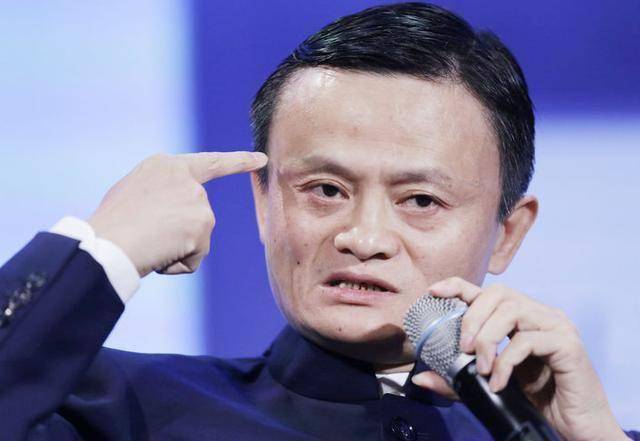
Core Viewpoint - The article discusses the prediction made by Jack Ma regarding the real estate market, emphasizing that by 2026, housing prices may continue to decline, reflecting a trend of "housing prices like green onions" [1][3]. Group 1: Declining Demand for Marriage Housing - Marriage housing has been a crucial driver for real estate prices, with 11.428 million couples registering for marriage in 2016, significantly boosting the market [6]. - However, the number of marriage registrations has dropped to 3.539 million in the first half of the year, indicating a decline in demand for marriage housing [8]. - Experts predict that the number of marriage registrations may fall below 6 million by 2026, further weakening the housing market [10]. Group 2: Population Decline - China has experienced three consecutive years of population decline, which is a major macroeconomic factor contributing to the current real estate downturn [12]. - The trend of population decline is expected to continue until at least 2090, leading to an oversupply in the housing market [12]. - The aging population and gender imbalance among the marriageable demographic exacerbate the issue, with over 310 million people aged 60 and above [14]. Group 3: Shift to "Housing for Living, Not Speculating" - The public has adapted to the new market reality of "housing for living, not speculating," reducing the appeal of real estate as an investment compared to stocks and gold [17]. - The average listing period for second-hand homes has exceeded 110 days, making quick sales increasingly difficult [19]. - The stock market has seen a surge in interest, with the total market capitalization exceeding 100 trillion yuan, drawing investors away from real estate [21]. Group 4: Rise of Affordable Housing - The government is now promoting a dual approach of developing both commercial and affordable housing to meet residential needs [23]. - Many cities are integrating affordable housing development with real estate inventory reduction strategies, directly purchasing unsold properties from developers [25]. - Affordable housing is becoming a key strategy in urban areas to attract residents, alleviating the burden of high housing prices for ordinary workers [25]. Conclusion - The era of "housing prices like green onions" has arrived, and the focus should shift to the residential attributes of housing rather than speculative investments [27].
请注意!所有房主!单价20万的地王再现,房价上行信号已释放?
Sou Hu Cai Jing· 2025-09-12 21:39
Core Insights - A prime land parcel in Beijing was sold for an unprecedented price of 20.1 million yuan per square meter, setting a new record in China's land market and igniting concerns about potential surges in housing prices [1][10] - The emergence of this "land king" raises questions about whether it is an isolated incident or indicative of a broader market trend [1][17] Group 1: Market Dynamics - The land parcel, located in Beijing's central business district, has a total construction area of approximately 28,000 square meters and was acquired for 5.628 billion yuan, reflecting a strong confidence from major developers in core locations [1][10] - Historical data shows a correlation between the emergence of "land kings" and subsequent increases in housing prices, with a notable example being the 2016-2017 period when 42 "land kings" were recorded, leading to an average housing price increase of 27.3% [3][16] - Current market conditions differ significantly from past trends, with a notable increase in land auction failures and a decline in average land prices across 300 cities, indicating a cooling market [4][12] Group 2: Policy and Regulation - The central government has reinforced the "housing is for living, not for speculation" policy, with 37 cities implementing stricter regulations this year, which contrasts with the previous land auction frenzy [3][15] - Local governments are adjusting land sale strategies to alleviate fiscal pressures, with 72 cities modifying their land sale policies, including price reductions [12][15] Group 3: Buyer Behavior and Market Segmentation - The buyer demographic is shifting, with first-time homebuyers now making up 67.3% of the market, while investment demand has dropped to a historic low of 7.9%, indicating a return to the fundamental residential nature of housing [6][13] - There is a stark contrast in land market performance between first-tier cities and third- and fourth-tier cities, with first-tier cities seeing an 8.7% increase in land transaction volume, while third- and fourth-tier cities experienced a 15.2% decline [4][10] Group 4: Future Outlook - The future of housing prices is expected to diverge, with first-tier cities likely to see gradual price increases due to limited land supply and ongoing population inflow, while third- and fourth-tier cities may face downward pressure [20][18] - The overall trend suggests that the era of widespread price increases is over, with market segmentation and structural optimization becoming the new norm [20][14]

楼市9月可能会有4个动作展开,普通购房者需要怎么做?了解一下
Sou Hu Cai Jing· 2025-09-06 22:25
Core Viewpoint - The recent Central Economic Work Conference has set a new direction for the real estate market, emphasizing the principle of "housing is for living, not for speculation" and the need for stable and healthy market development [1] Market Status - As of August 2025, the housing price index in 70 major cities has slightly decreased by 0.3% month-on-month and 2.1% year-on-year, indicating ongoing de-inventory pressure in the real estate market [2] - However, first-tier cities and some second-tier hot cities have shown signs of price stabilization and recovery, with second-hand housing transaction volumes in cities like Beijing, Shanghai, Guangzhou, and Shenzhen increasing by 7.8% year-on-year [2] Key Measures in September - Four major initiatives are set to launch in September, which will significantly impact the future trajectory of the real estate market [2] 1. Increased Financial Support - The People's Bank of China and the China Banking and Insurance Regulatory Commission have announced optimized personal housing loan policies, reducing the lower limit for first-time home loan interest rates to 3.4% and for second homes to 3.6% [3] - This adjustment can reduce monthly repayments by approximately 450 yuan and annual interest expenses by over 5,400 yuan for a 3 million yuan property [3] 2. Optimized Housing Provident Fund Policies - New regulations effective from September 15 will raise the maximum loan limits for first-time home buyers to 800,000 yuan and for second homes to 600,000 yuan, while also easing restrictions on cross-city and cross-province withdrawals [6] 3. Enhanced Local Policy Autonomy - The State Council has granted local governments greater autonomy in real estate regulation, allowing them to implement differentiated measures based on local market conditions [9] - As of now, 23 cities have announced new regulatory policies for September, with 15 cities easing purchase and sale restrictions and 8 cities introducing home purchase subsidies [9] 4. Special Action for Project Completion - A special task force has been established to address unfinished real estate projects, with 200 billion yuan allocated to ensure the completion of over 80% of these projects by the end of the year [10] Market Outlook - The real estate market is transitioning from rapid growth to stable development, with a projected average annual sales area of 1.6 billion square meters and sales revenue of 1.7 trillion yuan over the next three years [13] - The fourth quarter is expected to see a moderate recovery, with a predicted 12% increase in transaction volume and a potential 2% rise in prices in first-tier and hot second-tier cities [13] Rational Decision-Making for Buyers - Buyers are advised to make informed decisions based on current policy changes, with first-time buyers encouraged to leverage lower loan rates and subsidies [10][11] - Improvement buyers should focus on cities with strong economic foundations and avoid speculative behavior, while investors should prioritize long-term value rather than short-term gains [11][12]

马云预言已成真?如果不出意外,2套以上房家庭,将难逃出4大困境
Sou Hu Cai Jing· 2025-09-05 23:37
Core Viewpoint - The real estate market in China has shifted dramatically, with predictions made by influential figures like Jack Ma about declining property values coming to fruition, leading to significant challenges for families owning multiple properties [5][9][36]. Group 1: Market Trends - Property prices have seen a substantial decline, with some cities experiencing drops of over 30%, and certain areas witnessing price reductions exceeding 50% [17][19]. - The average price of new residential properties in Zhengzhou fell by 1.5% month-on-month in July, with a year-on-year decrease of approximately 12%, bringing the price down to 10,331 yuan per square meter [11]. - Cities like Xi'an and others have also reported significant price drops, with high-demand areas seeing reductions of over 15% from peak prices [13]. Group 2: Demographic Changes - A notable demographic shift is occurring, with a decline in the population of the primary home-buying age group (24-45 years) and an increase in the elderly population, which is projected to reach 310 million [15]. - The trend of negative population growth has persisted for three years, contributing to reduced demand for housing [13]. Group 3: Challenges for Property Owners - Families owning two or more properties face four major challenges, including difficulty in selling properties due to oversupply and declining demand [19][20]. - The concept of "renting to pay off loans" has become increasingly unrealistic, as rental demand has plummeted in many areas, particularly in third and fourth-tier cities [26][30]. - Monthly mortgage pressures are intensifying for these families, with many experiencing reduced incomes and job losses, making it harder to manage financial obligations [24][32]. Group 4: Economic Implications - The overall economic environment is unfavorable, with many families' incomes decreasing, leading to a reluctance to purchase properties even at lower prices [22]. - Additional costs associated with property ownership, such as maintenance fees and potential property taxes, are adding financial strain to families with multiple properties [30][32].

王石预言再次成真?不出意外的话,2025年下半年,房地产将迎来“重大转变”
Sou Hu Cai Jing· 2025-09-05 17:03
Core Viewpoint - The real estate market has undergone a fundamental shift, marking the end of its golden era, as the driving forces of urbanization, population growth, and economic expansion have changed significantly [5][9][10]. Group 1: Historical Context - In 2007, the real estate market was booming, but Vanke's chairman Wang Shi warned of an impending turning point, which proved accurate as the financial crisis led to a sharp decline in housing prices [2]. - By 2018, Wang emphasized the need to "survive" amidst a hot market, which many viewed skeptically, yet his cautious approach allowed Vanke to weather subsequent market downturns [4][5]. Group 2: Current Market Dynamics - The previous growth drivers included rapid urbanization, a clear demographic dividend, high economic growth, and loose monetary policies, all contributing to rising housing prices [7]. - Current policies emphasize "housing for living, not speculation," aiming to curb speculative buying and return housing to its fundamental purpose [8]. Group 3: Future Outlook - The adjustment phase in the real estate market is ongoing, with expectations of stabilization by 2025, avoiding the extreme volatility of the past [15]. - Future policies will focus on stabilizing the market rather than stimulating it, with measures like interest rate cuts and relaxed purchase restrictions aimed at preventing market collapse [16][17]. - A clear market differentiation is anticipated, where prime locations in first-tier and strong second-tier cities will maintain value, while third and fourth-tier cities face significant challenges due to lack of demand and high inventory [19]. - The era of valuing product quality in real estate is emerging, requiring developers to focus on creating safe, comfortable, and sustainable housing [19]. Group 4: Implications for Buyers - Buyers should abandon the notion of becoming wealthy through real estate speculation, as future appreciation will be slow or even negative [21]. - It is advised to avoid high leverage in purchasing decisions, considering personal financial capacity and avoiding excessive debt [21]. - Emphasis should be placed on selecting properties based on location, quality, and amenities, particularly avoiding low-quality developments in less desirable areas [23].

2025年是抓紧卖房,还是咬牙买房?曹德旺建议没错:方向很明确
Sou Hu Cai Jing· 2025-09-04 21:04
Core Viewpoint - Despite favorable policies and reduced mortgage rates, the Chinese real estate market continues to experience a downward trend in prices, raising concerns about oversupply and the long-term viability of property investments [1][2][3] Policy Environment - In May 2025, the central bank announced a 0.5% reduction in the reserve requirement ratio and a 0.1% decrease in loan rates, injecting approximately 1 trillion yuan into the market [2] - The housing provident fund loan rate has dropped to a historical low of 2.6%, down from 3.1% in 2023, significantly reducing monthly payments for homebuyers [2] - The down payment for second homes has been lowered from 25% to 15%, aligning it with first-home purchases, which could save buyers substantial amounts [2] Market Response - Despite policy incentives, only 24 out of 70 major cities saw new home prices increase in January 2025, indicating persistent downward pressure on the market [3] - Over the past three years, cities like Zhengzhou and Tianjin have seen home prices drop by as much as 30%, with some areas around Beijing experiencing declines exceeding 50% [5] Demographic Changes - The birth rate in China fell to 9.02 million in 2024, while the elderly population reached 290 million by the end of 2023, indicating a shrinking demand for new homes [7][14] - Young people's preferences are shifting towards experiences rather than homeownership, leading to a more active rental market in major cities [7][14] Investment Trends - The golden era of real estate investment is over, with average home prices rising from 2,000 yuan/sqm in 2000 to 11,000 yuan/sqm in 2021, a 5.5-fold increase [8] - The current market is transitioning from speculation to a focus on housing as a necessity, with government policies aimed at stabilizing the market rather than inflating prices [8][13] Financial Environment - Real estate investment accounted for less than 20% of fixed asset investment in the first half of 2025, marking a historical low [10] - Local governments are increasingly reliant on non-land revenue sources, with land sale income dropping from 870 billion yuan in 2021 to 320 billion yuan in 2024, reducing the incentive to inflate land prices [11] Corporate Challenges - Major real estate companies like Evergrande and Sunac are facing severe financial difficulties, with sales for even top firms like Vanke dropping over 40% from peak levels [13][17] - The market is characterized by a "three no's" state: developers are hesitant to acquire land, banks are reluctant to lend, and buyers are cautious about purchasing [13] Future Outlook - The real estate market is expected to undergo a long-term adjustment, with a focus on deleveraging and returning to rational investment practices [21][22] - The shift in consumer behavior towards renting and the increasing costs associated with property ownership suggest a fundamental change in the market dynamics [9][14]