新能源

Search documents
全球大公司要闻 | 苹果Siri迎革命性升级,小米汽车业务实现盈利
Wind万得· 2026-03-25 01:05
Group 1 - Xiaomi Group reported a record revenue of 116.917 billion yuan for Q4 2025, a year-on-year increase of 7.3%, with adjusted net profit of 6.349 billion yuan, down 23.7% [2] - For the full year 2025, Xiaomi's total revenue reached 457.287 billion yuan, up 25% year-on-year, and adjusted net profit was 39.2 billion yuan, an increase of 43.8%, both hitting new highs [2] - Xiaomi's automotive business achieved annual profitability for the first time, with an operating profit of 900 million yuan [2] - The company plans to invest over 200 billion yuan in R&D over the next five years, and there may be potential product price increases due to unexpected memory price hikes [2] Group 2 - ARM plans to sell its own chips for the first time, aiming for annual sales of $15 billion in the AI sector within five years [3] - Li Auto's board approved a share repurchase plan of up to $1 billion, reflecting strong confidence in its strategic roadmap and future value creation [3] - Apple is upgrading its Siri voice assistant and testing a standalone Siri app, with a new version expected to be unveiled at the June 8 global developer conference [3] Group 3 - Alibaba's DAMO Academy launched the new flagship CPU, Xuantie C950, which achieved a score of over 70 in the SPECint2006 benchmark, setting a new record for RISC-V CPUs [6] - Nongfu Spring reported a total revenue of 52.553 billion yuan for 2025, a year-on-year increase of 22.5%, with net profit attributable to shareholders of 15.868 billion yuan, up 30.9% [6] - China Telecom achieved a net profit of 33.2 billion yuan for 2025, a slight increase of 0.5%, with strong growth in its digital industry business [6] Group 4 - Haidilao reported a revenue of 43.225 billion yuan for 2025, a year-on-year increase of 1.1%, but core operating profit decreased by 13.3% [8] - JD.com made progress in AI research and development, open-sourcing its foundational model JoyAI-LLM Flash, which performed well in 19 authoritative benchmark tests [7] Group 5 - OpenAI's valuation reached $730 billion after a new round of financing, with plans to raise an additional $10 billion from investors [10] - Microsoft partnered with NVIDIA to develop AI tools for the nuclear energy sector and expanded its AI infrastructure by leasing data centers [10] - Amazon acquired Fauna Robotics to enter the consumer humanoid robot market and plans to launch Robotaxi services later this year [11] Group 6 - Nintendo reduced its production target for the Switch 2 game console to 4 million units due to lower-than-expected sales, particularly in the U.S. market [13] - Samsung Electronics achieved over 60% yield in its 2nm process technology, comparable to TSMC [13] - Toyota completed its acquisition of Toyota Industries, which will accelerate its electrification transformation [13]





公用环保202603第4期:辽宁建立核电可持续发展价格结算机制,2026年1-2月份全社会用电量同比增长6.1%
Guoxin Securities· 2026-03-25 00:45
Investment Rating - The report maintains an "Outperform" rating for the public utility and environmental sectors [1][4][6]. Core Views - The report highlights the establishment of a sustainable pricing settlement mechanism for nuclear power in Liaoning, which is expected to facilitate the stable entry of nuclear power units into the market. The average mechanism price is set at 0.3798 CNY/kWh [1][13]. - The report notes a 6.1% year-on-year increase in total electricity consumption in China for January-February 2026, indicating a positive trend in energy demand [1][47]. Summary by Sections Market Review - The Shanghai Composite Index fell by 2.19%, while the public utility index decreased by 2.35% and the environmental index dropped by 5.59%. The public utility and environmental sectors ranked 4th and 23rd among 31 primary industry categories [1][19]. Important Events - The Liaoning Development and Reform Commission issued a notice regarding the participation of nuclear power units in market transactions, establishing a price settlement mechanism to support nuclear power's market entry [1][13]. Investment Strategy - Recommendations include: 1. Large thermal power companies like Huadian International and Shanghai Electric due to stable profitability despite falling coal and electricity prices [2][17]. 2. Leading renewable energy firms such as Longyuan Power and Three Gorges Energy, supported by national policies promoting renewable energy [2][17]. 3. Nuclear power operators like China Nuclear Power and China General Nuclear Power, expected to maintain stable profitability [2][17]. 4. High-dividend hydropower stocks like Yangtze Power, which exhibit defensive characteristics in a global interest rate decline environment [2][17]. 5. Gas companies with trade capabilities, such as Jiufeng Energy, and equipment manufacturers like Xizi Clean Energy entering the nuclear and clean energy sectors [2][17]. Environmental Sector Insights - The water and waste incineration sectors are entering a mature phase, with improved free cash flow and declining risk-free rates, suggesting investment opportunities in companies like China Everbright Environment and Shanghai Industrial Holdings [2][18]. - The domestic scientific instrument market, valued over 9 billion USD, presents significant opportunities for domestic replacements, with recommendations for companies like Focused Photonics and Anhui Yiyuan Technology [2][18]. - The EU's SAF blending policy is expected to increase demand for raw materials, benefiting the domestic waste oil recycling industry, with a recommendation for Shanggou Environmental Energy [2][18]. Key Company Earnings Forecasts - The report provides earnings forecasts and investment ratings for various companies, all rated "Outperform," including: - Huadian International (PE 10.6 for 2024A) [6]. - Longyuan Power (PE 24.0 for 2024A) [6]. - China Nuclear Power (PE 20.8 for 2024A) [6]. - Yangtze Power (PE 20.5 for 2024A) [6]. - China Everbright Environment (PE 8.0 for 2024A) [6].





中银晨会聚焦-20260325
Bank of China Securities· 2026-03-24 23:43
Core Insights - The report highlights a structural slow bull market in A-shares, with rising oil prices creating opportunities in the new energy sector [4][5] - The food and beverage sector shows resilience despite industry pressures, with Jinhuijiu's marketing reforms and stable cash flow management [7][8] - The real estate market is experiencing a contraction in new home sales, with a shift in focus towards core markets and potential recovery in 2026 [14][19] Group 1: A-Share Market and Strategy - The A-share market is undergoing adjustments due to geopolitical tensions, but the structural slow bull trend remains intact, with external events providing potential investment opportunities [4][5] - Oil prices have stabilized above $100, emphasizing the importance of energy transition and the potential for growth in renewable energy sectors such as solar and wind [6] Group 2: Food and Beverage Sector - Jinhuijiu reported a revenue of 2.92 billion yuan in 2025, a year-on-year decrease of 3.4%, with a net profit of 350 million yuan, down 8.7% [7][8] - The company is focusing on marketing reforms and maintaining healthy cash flow, with contract liabilities increasing to 820 million yuan by the end of Q4 2025 [8] Group 3: Real Estate Market - New home sales in 47 cities showed a month-on-month increase of 0.6% but a year-on-year decrease of 15.2%, indicating a challenging market environment [14] - The inventory of new homes has increased, and the de-stocking cycle has lengthened, suggesting ongoing pressure in the real estate sector [15][17] - The report suggests that the real estate sector may see a recovery in 2026, driven by improved sentiment and policy support [19]


目标重回销量第一!上汽再放大招?
电动车公社· 2026-03-24 23:10
Core Viewpoint - The automotive industry is facing significant challenges in Q1 due to subsidy policy adjustments, early consumer spending, and the impact of the longest Spring Festival holiday, leading to a noticeable slowdown in sales growth [1]. Group 1: Sales Performance - In January-February, the wholesale sales of passenger cars reached 3.524 million units, a year-on-year decrease of 19.7% [1]. - Exports totaled 1.174 million units, showing a year-on-year increase of 53.3% [1]. - Retail sales were 2.35 million units, down 26.2% year-on-year [1]. - March retail sales are expected to be around 1.7 million units, reflecting a year-on-year decline of 12.4% [2]. Group 2: Company Highlights - SAIC Motor Corporation achieved sales of 597,000 units in January-February, marking a year-on-year increase of 6.8% and regaining its leading position [3]. - The market share of domestic brands has increased to 67.2%, with Roewe and MG achieving a high growth rate of 44.8% and sales of 139,000 units [5]. Group 3: Product Strategy and Innovation - Roewe and MG have announced ambitious product plans, with Roewe set to launch the world's first AI-native SUV on April 21, aiming to enhance user experience through AI integration [28]. - MG plans to invest 10 billion yuan over the next two years to launch 13 new models, including pure electric, plug-in hybrid, and extended-range vehicles [49]. - The MG4 family will introduce a new member, the MG4X, which is expected to be a competitive A-class pure electric SUV [50]. Group 4: Industry Trends and Future Outlook - The Chinese automotive industry benefits from a large user base, which drives the need for continuous technological iteration to meet consumer demands [59]. - SAIC's strategy includes deep collaboration with leading suppliers and significant R&D investment exceeding 150 billion yuan over the past decade [72].

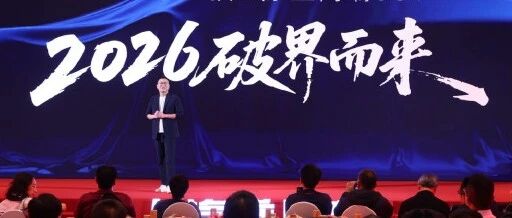
倒计时1天丨任泽平年度预测在即,请拿好新世界的入场券
泽平宏观· 2026-03-24 16:07
Core Viewpoint - The article emphasizes the anticipation and curiosity surrounding AI's transformative impact on the world, highlighting the upcoming annual predictions event led by Ren Zeping, which aims to provide insights into future trends and opportunities in various sectors [3][5]. Summary by Sections Event Overview - The event is invitation-only, with an option for online viewing, featuring multiple giveaways during the four-hour presentation [4][5]. - Ren Zeping will present "Top 10 Annual Predictions for 2026," aiming to distill complex phenomena into underlying logic and identify unseen turning points [5][6]. Historical Context and Impact - The annual predictions series, organized by Zeping Macro, has been held since 2022 and has gained significant influence, becoming a notable financial event with over 10 million views on a single platform and a total online audience exceeding 30 million [9][10]. - Previous predictions have included concepts like "New Infrastructure" and "Confidence Bull Market," which have been validated over time, showcasing the series' credibility [10]. Key Predictions - The upcoming predictions will address various topics, including: - The true drivers behind the "Confidence Bull Market" during a global monetary easing cycle [11]. - The significance of AI as a transformative force rather than a mere trend, with implications for productivity and societal changes [11]. - The potential of AI applications in healthcare and autonomous driving to revolutionize industries [11]. - China's competitive position in the AI race, leveraging its market scale and supply chain advantages [11]. - The need for ethical considerations in technology amidst employment disruptions [11]. Future Trends - The predictions will explore new cycles and opportunities in sectors such as: - The fourth technological revolution, focusing on breakthroughs in AI, renewable energy, and biomanufacturing [17]. - The shift towards new infrastructure and productivity enhancements in China [18]. - The evolution of globalization and localization strategies for businesses [19]. - The acceleration of the renewable energy revolution, including advancements in electric vehicles and energy storage [23]. - The return to consumer-centric retail experiences and cultural consumption trends [24]. - The transition towards a post-real estate era, with market adjustments and urbanization trends [26]. - Strategies to address aging populations and promote early childhood development [28].

毛率达45% ,高分子“小巨人”,上市!另一家已完成10轮融资
DT新材料· 2026-03-24 16:05
Core Viewpoint - The article highlights the successful listing of Zhejiang Xinhengtai New Materials Co., Ltd. on the Beijing Stock Exchange, with a first-day stock price increase of 141.49%, driven by the growing demand for foamed materials in the new energy and 5G sectors [2]. Group 1: Company Overview - Zhejiang Xinhengtai was established in 2008 and is recognized as a national-level specialized and innovative "little giant" enterprise [8]. - The company focuses on the research, manufacturing, and sales of functional high polymer foamed materials, including PE Foam, IXPE, and MPP [9]. Group 2: Financial Performance - For the fiscal year 2025, Xinhengtai expects to achieve operating revenue between 806 million and 844 million yuan, representing a year-on-year growth rate of 6.60% to 11.63% [5]. - The company reported revenues of 530 million yuan, 679 million yuan, 774 million yuan, and 384 million yuan for the years 2022 to the first half of 2025, respectively [12]. Group 3: Product and Market Insights - The MPP product is anticipated to have a gross margin of 45% in 2025, driven by increased demand from the new energy battery sector [5]. - Xinhengtai's products are widely used in various industries, including construction, new energy batteries, telecommunications, and automotive interiors, with notable clients such as CATL, BYD, and Huawei [10]. Group 4: Production Capacity and Utilization - In 2024, the company had a production capacity of 30,000 cubic meters, with a production volume of 27,400 cubic meters and a sales volume of 29,200 cubic meters, achieving a sales rate of 106.50% [6]. - The capacity utilization rates for PE Foam and MPP products were reported at 68% and nearly 100%, respectively, indicating strong demand and operational efficiency [12][14].

金属行业投资策略:从商品到战略资产(附120页PPT)
材料汇· 2026-03-24 12:38
Group 1: Precious Metals - The core drivers for gold price increase are geopolitical risks and inflation concerns, with current valuations remaining low, presenting good buying opportunities during pullbacks [3][17][33] - Central banks have maintained high gold purchasing levels, with net purchases from 2022 to 2025 being significant contributors to global gold demand [17][18][26] - The demand for gold ETFs has rebounded, with a notable increase in holdings, particularly from Asian investors in 2025, contributing to overall gold demand [13][14] Group 2: Industrial Metals - The demand structure for industrial metals is undergoing significant changes due to the growth of renewable energy and AI, leading to a tighter supply-demand balance [4][40] - Copper is expected to face a supply gap exceeding 200,000 tons this year, driven by strong demand from AI and grid upgrades, alongside supply constraints from geopolitical risks [4][41] - The copper price dynamics are influenced by geopolitical tensions, tariff policies, and Federal Reserve interest rate expectations, leading to high volatility [41][47] Group 3: Strategic Metals - The rare earth market has shifted from demand-driven to supply-driven, with stricter domestic quotas and regulations leading to increased concentration in the industry [5] - The demand for natural uranium is expected to rise significantly due to AI-driven nuclear power growth, indicating a long-term bullish outlook for prices [5] Group 4: Energy Metals and Steel - The fundamentals for lithium remain strong, with ongoing inventory depletion and policy disruptions creating structural trading opportunities [6] - The steel industry has shown signs of bottoming out, with future price movements dependent on policy interventions and capacity reductions [6] Group 5: Copper Supply and Demand Dynamics - Global copper supply is expected to stabilize after reaching peak production levels, with marginal output declines indicating a shift from rapid expansion to high-level fluctuations [51][57] - The copper processing sector has shown a strong recovery post-holiday season, indicating robust demand in the power infrastructure and end-user markets [60]

碳酸锂二季报2026/3/23:谋定后动
Zi Jin Tian Feng Qi Huo· 2026-03-24 11:13
1. Report Industry Investment Rating No information provided in the document. 2. Core Viewpoints of the Report - In 2026, the global lithium market maintains a trend of increasing supply and demand. The supply of lithium resources is expected to reach 2.08 million tons, a year - on - year increase of 22%, while the demand is expected to reach 2.03 million tons, a year - on - year increase of 26%. With the supply growth slightly slower than the demand, the surplus level narrows, and the central price of lithium price fluctuations moves up [4][157]. - Although the year - on - year growth rate of domestic new - energy passenger vehicle sales is not good, the average battery loading per vehicle is increasing steadily. The demand for lithium in this part can still maintain a 19% positive growth. The breakthrough in battery technology in the Q1 press conferences of domestic car companies may drive the demand for electric vehicles. The export of new - energy vehicles may bring more expectations, and the new - energy penetration rate of overseas passenger and commercial vehicles may be boosted due to the sharp rise in international oil prices. The growth rate of energy storage is still promising, with an average annual growth rate of new energy storage installations of 51% from 2025 - 2027 and 47% from 2026 - 2030 [4][153]. - The current absolute futures price has given profits compared with the cash - flow cost, but the fundamental expectation of tightening lithium carbonate supply and expanding overseas demand conflicts with the current weak macro - economic expectation, making the profit vulnerable. The subsequent focus should be on inventory changes, which can support the lithium price to a certain extent [4]. 3. Summary by Relevant Catalogs 2026 Supply Outlook - In 2026, the lithium market still faces the situation that some mines have not resumed production and new production capacities need to ramp up. The export ban in Zimbabwe has not been lifted as of mid - March, which may tighten the supply of tradable lithium ore. The total output in 2026 is expected to be 1.96 million tons of lithium carbonate equivalent (excluding hand - mined ore and recycled volume), a year - on - year increase of 24% [4]. 2026 Demand Outlook - New - energy passenger vehicles: As of March 15, 2026, the year - on - year growth rate of domestic new - energy passenger vehicle sales is not good, but the average battery loading per vehicle is increasing. As of February 2026, the average battery loading of pure - electric and plug - in hybrid passenger vehicles increased by 22% and 38% year - on - year respectively. The demand for lithium in this part can maintain a 19% positive growth. The battery technology breakthroughs in car companies' press conferences in Q1 may drive the demand for electric vehicles. As of January 2026, the cumulative export of Chinese new - energy passenger vehicles reached 286,000, a year - on - year increase of 103.62%. The new - energy penetration rate of overseas passenger and commercial vehicles may be boosted by the sharp rise in international oil prices [4][125][153]. - Energy storage: If the new installation scale reaches 180GW by the end of 2027, the average annual growth rate of new energy storage installations from 2025 - 2027 may reach 51%. From 2026 - 2030, the average annual growth rate of new energy storage installation power is 47%, and the actual growth rate may be higher [4][150][153]. 2026Q1 Review - After the Spring Festival, Ningde and other smelters resumed production, but the demand increase was limited, and the futures price gradually declined. The transaction price of lithium ore loosened, and the futures price dropped significantly during the day. Affected by macro - economic factors, the commodity market declined generally. The prices of lithium ore and lithium salt declined in a spiral. After the price of ore stopped falling, the market began to fluctuate sideways. During this period, the rumor of the shutdown of Jianxiawo was refuted. The supply in Jiangxi and Qinghai was frequently disturbed, and the market fluctuated more. After the shutdown of Jianxiawo was confirmed, the market limit - up. Speculative funds left the market, and the market limit - down. The energy storage demand exploded, and the power battery market was not in the off - season. Some lithium ore listed companies publicly expressed their optimism about the demand, and the price of lithium carbonate rose rapidly. The resumption time of Jianxiawo was continuously postponed, and the lithium price fluctuated frequently around this disturbance. The exchange's strict supervision increased the upward pressure on the lithium price. Coupled with the rapid decline of non - ferrous and precious metal prices during the day, the lithium price followed the decline. After the Spring Festival, Zimbabwe imposed an export ban, and the supply of lithium carbonate was expected to tighten further. The lithium price fluctuated at a high level, but affected by the war between the US and Iran, the macro - economy weakened, and the lithium price lacked upward momentum [7]. Supply: Lithium Ore Resources Continue to Be Released, Pay Attention to Supply Chain Risks - Australian lithium mines: According to the announcements of Australian mining companies in Q4 of 2025, the production guidance of lithium spodumene in FY26 has been steadily increased. The production of Australian lithium mines is expected to maintain positive growth in 2026, with an expected annual output of 530,000 tons of lithium carbonate equivalent, a month - on - month increase of 7% [102][107]. - African lithium mines: The export ban in Zimbabwe has not been resolved as of March 18, which may cause quarterly - level supply shortages of global lithium resources. The output of African lithium mines is expected to reach 340,000 tons (in terms of LCE) in 2026, a year - on - year increase of 44% [108][110]. - South American salt lakes: The first - production plans of some projects have been advanced to 2026. The supply in 2026 is expected to reach 517,000 tons, a year - on - year increase of 24%. The proportion of lithium production from Argentine salt lakes is expected to increase [111][113]. - Domestic lithium resources: The output of domestic lithium resources is still relatively loose. In 2026, the domestic supply is expected to reach 460,000 tons of lithium carbonate equivalent, a year - on - year increase of 31%. The resumption of production of Jianxiawo and the supply from Zimbabwe need to be monitored [114][117]. Demand: The Overseas Incremental Space May Expand - New - energy passenger vehicles: Although the year - on - year growth rate of domestic new - energy passenger vehicle sales is not good, the average battery loading per vehicle is increasing, and the demand for lithium can maintain positive growth. The battery technology breakthroughs in car companies' press conferences in 2026 may drive the penetration rate of new - energy vehicles. The export of new - energy passenger vehicles is growing rapidly, and the growth rate of plug - in hybrid exports is particularly prominent [125][128][135]. - New - energy commercial vehicles: The domestic new - energy commercial vehicle market has great growth potential. Overseas, considering the sharp rise in international diesel prices, the demand for new - energy commercial vehicles may increase. The battery loading of new - energy commercial vehicles is increasing, and the demand for lithium carbonate has shown a high - growth trend [142][146]. - Energy storage: The cost of energy - storage batteries decreased in Q1 of 2026. The domestic new - energy storage plan aims to reach 18GW by the end of 2027, with an average annual growth rate of 51% from 2025 - 2027. From 2026 - 2030, the average annual growth rate of new energy storage installation power is 47%, and the actual growth rate may be higher [149][150]. Annual Balance Sheet - In 2026, the global lithium market maintains a trend of increasing supply and demand. The supply of lithium resources is expected to reach 2.08 million tons, a year - on - year increase of 22%, while the demand is expected to reach 2.03 million tons, a year - on - year increase of 26%. The surplus level narrows, and the central price of lithium price fluctuations moves up [155][157].
2026年建筑春季投资策略:寻找科技产业链中高价值/高通胀/高壁垒环节的高弹性引领者
GUOTAI HAITONG SECURITIES· 2026-03-24 08:27
Investment Rating - The report provides a positive investment rating for the AI industry, indicating strong growth potential and opportunities for investment [12][28]. Core Insights - The AI industry is projected to grow significantly, with an expected market size of 1.2 trillion by 2030, reflecting a compound annual growth rate (CAGR) of 19% from 2026 [5][12]. - The report highlights the increasing demand for AI chips, servers, and related infrastructure, driven by advancements in AI applications across various sectors such as finance, telecommunications, and healthcare [6][20]. - The integration of AI technologies in industries like autonomous driving, smart logistics, and entertainment is expected to enhance operational efficiencies and create new revenue streams [6][20]. Summary by Sections Industry Overview - The AI industry is characterized by a robust supply chain, including upstream components like AI chips and servers, midstream infrastructure such as data centers, and downstream applications across multiple sectors [6][20]. - The report emphasizes the importance of IT infrastructure and cooling systems in supporting AI operations, which are critical for maintaining performance and efficiency [6]. Market Trends - The AI market is witnessing a shift towards more energy-efficient solutions, with a focus on reducing power consumption in AI operations, projected to decrease from 8 kW to 5 kW by 2026 [5][12]. - The report notes a significant increase in the adoption of AI technologies, with IDC services expected to grow by 149.1% by 2025, indicating a strong market demand [12]. Financial Projections - The report forecasts substantial revenue growth for key players in the AI sector, with some companies expected to achieve net profit margins exceeding 30% by 2025 [12][28]. - Specific companies within the AI industry are highlighted for their strong financial performance, with projected revenues reaching billions, showcasing the lucrative nature of the market [12][28].
金属行业周报:关注海外地缘局势进展-20260324
BOHAI SECURITIES· 2026-03-24 08:25
Investment Rating - The report maintains a "Positive" rating for the steel industry and a "Positive" rating for the non-ferrous metals industry, with "Buy" ratings for specific companies including Luoyang Molybdenum, Zhongjin Gold, Huayou Cobalt, Zijin Mining, and China Aluminum [3][8]. Core Insights - The steel industry is expected to see marginal improvement in fundamentals as the weather warms up, indicating a potential recovery in demand [6][19]. - The copper market is under pressure due to geopolitical tensions and inflation concerns, with a focus on oil price trends and international developments [6][40]. - The aluminum sector is affected by ongoing conflicts in the Middle East, impacting energy and production, which may influence aluminum prices [6][45]. - Gold prices are currently suppressed by high oil prices, but there is potential for a rebound if geopolitical tensions ease [6][52]. - Lithium prices are adjusting due to economic outlook concerns, but demand recovery could support prices in the future [6][56]. Industry Data Summary Steel - Steel production increased to 8.3982 million tons as of March 20, 2026, a 2.30% increase from March 13, 2026, but a 2.96% decrease year-on-year [21][19]. - The total steel inventory decreased to 19.2485 million tons, a 1.33% decline from the previous week, but an 8.26% increase year-on-year [28][19]. - The capacity utilization rate for blast furnaces was 85.53%, up 2.61 percentage points from the previous week [23][19]. Copper - The LME copper price was $12,000 per ton, down 5.77% from March 13, 2026, while domestic copper inventory decreased [42][40]. - The copper smelting fee was reported at -$67.20 per dry ton, indicating tight supply conditions [41][40]. Aluminum - The LME aluminum price was $3,300 per ton, down 5.43% from March 13, 2026, with domestic aluminum inventory showing mixed trends [46][45]. - The average price of alumina was reported at 2,752.00 yuan per ton, a 2.00% increase from the previous week [46][45]. Precious Metals - Gold prices fell to $4,492.00 per ounce, a 10.57% decrease from March 13, 2026, influenced by high oil prices and geopolitical tensions [52][52]. - Silver prices also saw a significant drop, with COMEX silver at $67.81 per ounce, down 15.92% [52][52]. New Energy Metals - Lithium carbonate prices were reported at 152,500 yuan per ton, a 3.17% decrease, while lithium hydroxide was at 149,500 yuan per ton, down 0.66% [57][56]. Rare Earths and Minor Metals - Light rare earth prices, such as praseodymium-neodymium oxide, decreased to 702,500 yuan per ton, down 12.46% [63][63]. - Tungsten concentrate prices were reported at 1,023,000 yuan per ton, down 2.39% [68][67].