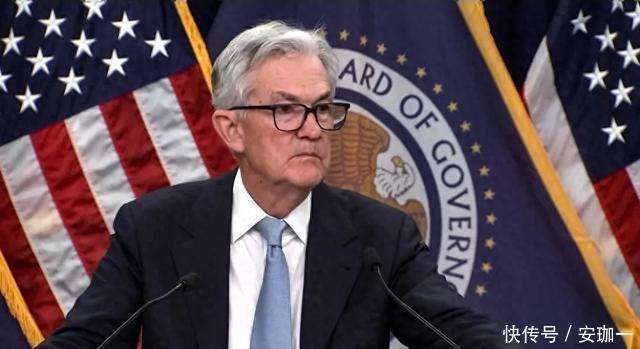
美元霸权

Search documents
欧洲最强反击来了,丹麦宣布抛售美国国债,美国股,汇,债三杀
Sou Hu Cai Jing· 2026-01-21 15:03
Core Viewpoint - The Danish pension fund's decision to sell U.S. Treasury bonds has triggered a significant upheaval in the U.S. financial markets, indicating a deeper financial decoupling between Europe and the U.S. [1][3][6] Group 1: Market Reactions - On January 20, 2026, major U.S. stock indices experienced substantial declines, with the Dow Jones dropping by 1.76% and the Nasdaq falling by 2.39% [4] - The U.S. dollar index lost 1% in just two days, reflecting the market's panic [4] - Bitcoin also suffered, dropping below $90,000, highlighting the widespread impact of the financial turmoil [6] Group 2: Underlying Causes - The Danish pension fund, despite its relatively small size of $25 billion and holding only $10 million in U.S. Treasuries, managed to push the 10-year Treasury yield above 4.3%, disrupting market stability [9] - This move signals a growing distrust among European investors regarding the U.S. government's fiscal health and credit risk, suggesting that the U.S. is losing its status as a global safe haven [11][13] Group 3: European Response - Europe is preparing to initiate a "financial decoupling" phase, as evidenced by various measures including the promotion of the "Anti-Coercion Instrument" and potential tariffs on U.S. goods [15][19] - Germany and the UK have taken significant actions, such as Germany's €3 billion subsidy to the Chinese electric vehicle sector, indicating a shift in alliances [20][22] Group 4: Strategic Implications - Europe can achieve a "soft exit" from U.S. Treasuries by halting new purchases and not rolling over maturing bonds, which would create significant financing pressures for the U.S. Treasury [25] - If major European investors like Norway's sovereign fund and the Swiss National Bank begin to reduce their holdings in U.S. equities, it could lead to a collapse in tech stock valuations, further destabilizing global markets [26] Group 5: Future Outlook - A coordinated European response, potentially involving a multi-billion dollar countermeasure list, could lead to a severe credit crisis for the U.S., challenging the dollar's dominance [28] - The actions of the Danish pension fund serve as a pivotal moment, indicating a shift in European sentiment towards the U.S. as a financial safe haven [30] - Continued U.S. policies, such as Trump's interest in Greenland, may further alienate European allies and exacerbate global economic instability [32][33]

金砖数字货币互联:全球金融格局的微妙变局与印度抉择
Sou Hu Cai Jing· 2026-01-21 03:29
文︱陆弃 路透社1月19日的报道,将全球关注的目光再一次拉回了货币体系深层的变动。印度储备银行提议,在 即将于今年举办的金砖国家峰会上,将各国央行数字货币进行互联,以便利跨境贸易与旅游支付。这一 提议看似技术性操作,实则蕴含复杂的地缘政治与国际金融逻辑。它不是单纯的支付便利工具,而是对 长期美元主导格局的一次微妙挑战,也揭示了新兴市场国家在全球经济体系中寻求自主空间的努力。美 国对此的敏感反应——从警告到威胁关税——再次证明了任何涉及绕开美元的尝试,都会触碰到国际秩 序的神经。印度提出这一倡议的时机和背景,既是其国内数字货币战略的延伸,也与美印关系近年的波 动紧密相关。 从国际政治角度看,这一提案的出现并非偶然,而是美印关系和全球地缘竞争格局变化的产物。近年 来,美国对印度在南亚及印太地区的外交自主性施压增加,贸易和技术合作中的摩擦频繁出现。在这种 情况下,印度通过金砖机制推动数字货币互联,既是一种对外展示自主性的手段,也是一种在不彻底触 碰美国底线前,拓展国际空间的策略。它反映出新兴市场国家在美元体系主导的全球金融结构中,寻找 灵活应对方式的典型思路:既要利用技术创新提升经济效率,又要通过多边平台实现战略杠 ...

美债利息压垮财政!中国减持背后是美元体系的崩塌
Sou Hu Cai Jing· 2026-01-20 06:41
Core Viewpoint - The article discusses the significant reduction of U.S. Treasury holdings by China, which has decreased by $6.1 billion to $682.6 billion, marking the lowest level since 2008. In contrast, Japan and the UK have increased their holdings, contributing to a record high of $9.36 trillion in foreign ownership of U.S. debt. This divergence signals a strategic retreat rather than mere market fluctuations [1][3]. Group 1: U.S. Treasury Holdings - China's holdings of U.S. Treasuries have dropped from a peak of $1.3 trillion in 2013 to below $700 billion, indicating a long-term trend rather than a temporary decision [3]. - The foreign ownership of U.S. debt has decreased from nearly 60% in 2008 to 25% today, highlighting a shift from foreign investors to domestic entities like the Federal Reserve and U.S. pension funds [5][11]. - The U.S. is facing a net interest expenditure of $879.9 billion for the fiscal year 2024, surpassing both the Pentagon's budget and healthcare spending, which raises concerns about fiscal sustainability [5][7]. Group 2: Economic Implications - The increasing interest payments are becoming a burden on the U.S. fiscal system, leading to a situation where debt crises are not just predictions but current realities [7][9]. - The mechanism of U.S. debt issuance and domestic repackaging of these "toxic assets" into investment products for American households creates a closed loop that exacerbates financial risks [11][13]. - American households have accumulated over $2 trillion in U.S. debt, indicating that many are using their life savings to invest in government debt, which may lead to long-term financial instability [13][15]. Group 3: Global Context - The article notes a paradox where while global demand for U.S. debt appears strong, China's selling indicates a lack of confidence in the sustainability of U.S. fiscal policies [20][22]. - Countries like Japan and Canada are purchasing U.S. debt for various reasons, including military dependence and short-term profit motives, rather than long-term investment strategies [20][22]. - The shift towards gold accumulation by various nations, including China, suggests a move away from reliance on U.S. debt, indicating a potential decline in the dollar's dominance [24][26]. Group 4: Strategic Insights - China's reduction in U.S. Treasury holdings is framed as a strategic move to protect its assets and build a safety net in an uncertain global environment [28][30]. - The article emphasizes the importance of recognizing the risks associated with holding depreciating assets and advocates for a diversified approach to asset management [30][32]. - The narrative concludes that the decline of the dollar-centric system is inevitable, and those who establish a new safety net will gain an advantage in the emerging multipolar world [32].
中国抛售美债背后:一场静悄悄的“金融防御战”
Sou Hu Cai Jing· 2026-01-19 04:50
Group 1 - China has reduced its holdings of U.S. Treasury bonds for nine consecutive months, bringing the total to $683 billion, the lowest level since 2008, indicating a strategic shift towards gold and emerging market investments to mitigate dollar credit risks and geopolitical threats [1][3] - The U.S. national debt has surpassed $38.6 trillion, with interest payments consuming 20% of fiscal revenue, leading to a downgrade in its credit rating by international agencies, which reflects the growing perception of U.S. Treasuries as less secure assets [3] - China's gold reserves have increased to 2,279.57 tons, marking 14 consecutive months of purchases, which signifies a strategic transition from credit currency to physical assets, as gold now constitutes a larger share of foreign exchange reserves than U.S. Treasuries [3][4] Group 2 - The reduction in U.S. Treasury holdings is linked to the internationalization of the renminbi, with the cross-border payment system (CIPS) covering 189 countries and 48% of Saudi oil trade being settled in renminbi, indicating a shift towards a trade settlement ecosystem outside of the dollar [4] - Global central bank dollar reserves have fallen below 60%, the lowest since 1995, suggesting a transition to a dual-currency system, as countries like Saudi Arabia balance their U.S. Treasury holdings with increased renminbi transactions [5] - The financial strategy of reducing exposure to U.S. Treasuries is aimed at creating a buffer for domestic enterprises in overseas financing and energy imports, preparing for potential economic turbulence [5]
美元霸权黄昏信号?2025年美债黑洞扩大至38万亿,中国减持至15年新低!特朗普关税反噬普通家庭,每年多花2400美元
Sou Hu Cai Jing· 2026-01-17 17:07
Group 1 - China's holdings of U.S. Treasury bonds have decreased to $688.7 billion in 2025, the lowest level since 2008, indicating a strategic adjustment over several years, having dropped nearly half from a peak of $1.32 trillion in 2013 [1][3] - The U.S. national debt has surpassed $38 trillion, equating to approximately $110,000 per American, with annual interest payments reaching $1.2 trillion, which is higher than military spending [3] - The average tariff rate has risen to 18.3%, the highest since 1934, as a result of Trump's trade policies, but only a few hundred billion dollars in additional revenue was generated in 2025, which is negligible compared to the national debt [3] Group 2 - The tariff policies have led to increased costs for American households, with each family spending an additional $2,400 in 2025 due to tariffs, while inflation remains high [5] - A significant portion of U.S. retailers and manufacturers reported that tariffs have severely impacted their businesses, with many absorbing the costs to maintain customer relationships, resulting in thin profit margins [5] - The job market has shown signs of distress, with new job creation in 2025 reaching a ten-year low (excluding the pandemic period), and the unemployment rate rising to 4.6% [5][7] Group 3 - The government experienced a record-long shutdown of 43 days, leading to unpaid federal employees and a paralyzed public service, which negatively affected the fourth-quarter economy [7] - The political polarization has hindered the passage of basic budgetary measures, undermining the effectiveness of Trump's tariff policies [7] - Tariffs have contributed to rising prices, suppressing consumer spending and consequently dragging down federal tax revenues, creating a dilemma for the Federal Reserve regarding interest rate policies [8] Group 4 - The credibility of the U.S. dollar has been questioned globally, with gold prices rising by 18% within the year and many central banks increasing their gold reserves [10] - The share of the Chinese yuan in cross-border payments has surged, with 48% of Saudi oil transactions with China settled in yuan, indicating a shift in global currency dynamics [10] - The U.S. attempts to stabilize its debt through "stablecoins" are insufficient, as the expansion of U.S. debt is outpacing the capacity of stablecoins to absorb it, leading to a growing debt crisis [10]
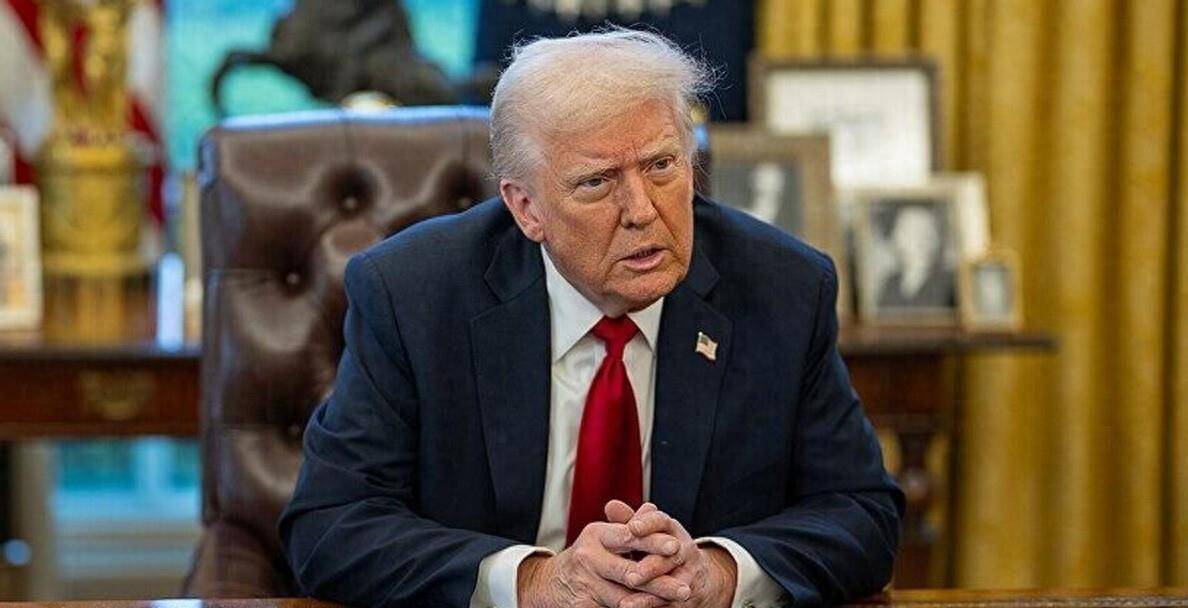
拜登预言成真,让特朗普干完这4年,美国或许成为世界老二?
Sou Hu Cai Jing· 2026-01-17 08:47
Economic Issues - The new president's first action was to impose significant tariffs, which generated nearly a trillion in revenue for the treasury, but this is merely a short-term fix for deeper fiscal deficits [3][10] - Historical parallels are drawn to the Reagan administration, where similar fiscal strategies led to a doubling of the deficit in three years, indicating a lack of long-term planning [6][11] Administrative Challenges - The government's budget impasse has led to chaos within the administrative system, including mass layoffs of federal employees, which is unprecedented in peacetime [8] - Initial efforts to improve efficiency through audits and oversight have faltered when confronting entrenched interests within the financial system [8][10] Strategic Missteps in Technology Investment - The U.S. has seen a dramatic decline in federal research spending, now at single-digit percentages, which threatens its technological leadership [13][14] - Funding has shifted away from essential scientific research towards outdated industries like oil and coal, while competitors are heavily investing in future technologies [14] International Relations and Alliances - The credibility of the U.S. alliance network is weakening, with traditional allies expressing reluctance to be pawns in great power conflicts [15][16] - U.S. foreign policy inconsistencies, particularly regarding support for Ukraine and actions in the Middle East, have eroded trust among allies [16][18] Long-term Implications - The decline in strategic direction and investment could lead to a gradual erosion of U.S. global standing, with potential long-term consequences for its economic and military dominance [21][24] - The possibility of the U.S. losing its position as a global leader is becoming increasingly tangible, marking a significant shift in the international landscape [26]
美国介入委内瑞拉,重油遇轻油,一场共赢合作还是资源陷阱?
Sou Hu Cai Jing· 2026-01-16 10:41
Core Viewpoint - The U.S. government's recent intervention in Venezuela's affairs, including the potential appointment of Secretary of State Rubio as the "governor" of Venezuela, raises questions about its true intentions, particularly regarding energy strategy and control over Venezuela's oil resources [1]. Group 1: Venezuela's Oil Reserves - Venezuela holds approximately 303 billion barrels of heavy oil, accounting for 18% of the world's reserves, which presents a significant opportunity for the global oil market if utilized [3]. - The refining of heavy oil is challenging due to its high viscosity and sulfur content, making it less desirable compared to U.S. shale oil, which is lighter and easier to process [3]. Group 2: U.S. Oil Strategy - U.S. refineries typically use a mixing ratio of 3:7 of light to heavy oil, which can reduce refining costs by 20%, indicating a strong demand for this blended oil in international markets [5]. - The U.S. proposal to ease sanctions on Venezuela in exchange for light oil and a non-interference promise in its political structure appears beneficial for Venezuela, which is facing economic difficulties [5][6]. Group 3: Geopolitical Implications - The U.S. aims to control Venezuela's oil resources to strengthen its energy dominance and suppress Russia's oil revenue, which is crucial for the Russian economy, contributing about 30% to its GDP [10]. - By potentially increasing global oil supply by 1.5 million barrels per day through Venezuelan oil, the U.S. could maintain lower oil prices, reminiscent of past strategies that weakened Russia's economy [10]. Group 4: Impact on Renewable Energy - The U.S. strategy may also delay global investment in renewable energy, as maintaining low oil prices could extend reliance on fossil fuels, providing a buffer period for U.S. companies to enhance their renewable technology [12]. - The International Energy Agency predicts that prolonged low oil prices could reduce global renewable investments by 12% and slow the growth of solar and wind energy installations by 15% [14]. Group 5: Dollar Dominance - Controlling Venezuela's vast oil reserves would further solidify the U.S. dollar's position in global energy trade, as 80% of oil transactions are currently conducted in dollars [14]. - The U.S. maintains over 750 military bases worldwide, with strategic locations near Venezuela, reinforcing its influence over oil transactions and deterring alternative currency settlements in the region [16]. Group 6: Conclusion - The U.S. strategy in Venezuela, framed as technical cooperation, is fundamentally about securing control over oil resources to enhance its global energy hegemony, suppress Russian oil revenues, and fortify the dollar's dominance in energy markets [16].

数字人民币的出现对美元有啥影响?美联储印钱两年,大家怨声载道
Sou Hu Cai Jing· 2026-01-16 05:25
Group 1 - The article discusses the potential end of the US dollar's dominance and whether the Chinese yuan can rise to become a new global economic leader [1][3] - The US's superpower status relies on three pillars: a strong military, a dominant dollar system, and a democratic culture, all of which are interconnected [3] - The article raises questions about how the dollar's support structure might collapse and who could replace it, as well as how the dollar has helped the US recover from global crises [3] Group 2 - The COVID-19 pandemic significantly impacted the US, with over 65 million confirmed cases and nearly 870,000 deaths, yet there are claims of a return to normalcy [5][9] - The US government's response to the pandemic included a more relaxed approach, leading to severe economic challenges such as inflation and rising unemployment [9][10] - Quantitative easing was employed as a remedy, injecting money into the market, but it also raised concerns about inflation and wealth redistribution, particularly affecting the middle class [10][11] Group 3 - The wealth of US billionaires surged by $845 billion from March to September 2020, highlighting the disparity in economic recovery between the wealthy and the middle class [11] - The article notes that many countries, particularly Iran and Russia, are moving away from the dollar due to political opposition and the dollar's instability [13] - The introduction of digital yuan is seen as a strategic move by China to challenge the dollar's dominance, with its flexibility and central bank management being key advantages [13][14]


美国金库被搬空?多国集体抛弃美元选黄金,美元霸权真保不住了?
Sou Hu Cai Jing· 2026-01-16 03:55
Group 1 - The core viewpoint of the article highlights the surge in gold prices, the outflow of gold from the U.S., the weakening of dollar hegemony, and the push for de-dollarization by multiple countries, alongside the Trump administration's response to these developments [3][5][11] - Gold prices in New York have surpassed previous highs, reaching $4,600 per ounce, an increase of $300 from the end of last year, which translates to nearly 2,700 RMB [3] - The U.S. non-monetary gold export value soared to $17.1 billion by October 2025, a significant increase compared to the historical monthly export range of $1 to $3 billion [3][5] Group 2 - Many countries are rapidly transporting gold out of the U.S. due to concerns over safety and value, indicating a shift towards asset diversification with gold as a preferred safe-haven asset [5][7] - The real purchasing power of the dollar is declining despite high interest rates, as rising gold and commodity prices outpace any gains from the stock market [7][9] - The dollar has depreciated by 9% against a basket of currencies in 2025, marking its worst performance in eight years, with hedge funds aggressively shorting the dollar [9][11] Group 3 - The U.S. is losing its pricing power, with only oil remaining under its control, while China has been quietly accumulating strategic resource stocks [9][12] - The U.S. government is reacting aggressively to maintain its dollar dominance, with threats directed at countries like Venezuela to prevent them from bypassing the dollar in trade [12][14] - The global monetary landscape is witnessing a dual narrative: the U.S. is engaged in fierce confrontation while other nations, particularly in the BRICS group, are pursuing gradual integration and alternative trade arrangements [16]
新仇旧怨一起算?特朗普团队睚眦必报,鲍威尔收到美司法部传票
Sou Hu Cai Jing· 2026-01-16 03:14
Core Viewpoint - The ongoing conflict between former President Trump and Federal Reserve Chairman Powell centers around interest rate policies, with Trump pushing for significant rate cuts to stimulate economic growth and Powell maintaining rates to combat inflation [1][3][6]. Group 1: Background of the Conflict - Trump's previous presidency ended partly due to the Federal Reserve's refusal to lower interest rates, which contributed to high inflation and his electoral defeat [1]. - The Federal Reserve's renovation project budget increased from an initial $1.9 billion to $2.5 billion, with Trump claiming actual costs exceeded $3.1 billion, highlighting the financial tensions between the two parties [3]. - Since re-entering the political arena, Trump has consistently demanded the Federal Reserve lower rates to reduce government borrowing costs and support his manufacturing revival plan [3][7]. Group 2: Economic Implications - The U.S. national debt has surpassed $37 trillion, and a 1% decrease in interest rates could save the government hundreds of billions in annual interest payments [3]. - Current inflation rates are around 2.7%, above the Federal Reserve's target of 2%, which justifies Powell's decision to maintain higher interest rates [6][9]. - Historical precedents warn against political interference in monetary policy, as seen in the 1970s when low rates led to severe stagflation [6][9]. Group 3: Future Considerations - The investigation into Powell by the Justice Department, instigated by Trump, poses a threat to the independence of the Federal Reserve and could set a dangerous precedent for future chairpersons facing political pressure [9]. - The outcome of this conflict may not only affect Powell's position but also the future dominance of the U.S. dollar in global markets, especially as countries diversify their foreign exchange reserves [11].