
财政可持续性

Search documents
对话余永定:投资合理增长是实现经济目标的关键
Xin Jing Bao· 2025-11-02 02:00
Core Viewpoint - The "14th Five-Year Plan" emphasizes achieving significant results in "high-quality development" as a primary goal, which is crucial for ensuring stable and sustainable economic growth in China [3][4]. Economic Growth - During the "14th Five-Year Plan" period, it is suggested that China's average annual economic growth should be around 5% [1]. - The relationship between investment, human capital, and technological progress is highlighted as essential for maintaining this growth rate [1][6]. Fiscal Policy - The plan stresses the importance of sustainable fiscal policy, with a focus on enhancing fiscal sustainability rather than merely achieving fiscal balance [4][6]. - By the end of 2024, the total government debt is projected to be 92.6 trillion yuan, which is 68.7% of GDP, indicating a manageable debt level compared to other countries [5]. Investment and Consumption - The "14th Five-Year Plan" advocates for expanding effective investment, particularly in major strategic projects, to support economic growth [7][8]. - The argument against transitioning from an investment-driven to a consumption-driven growth model is presented, asserting that investment remains crucial for economic expansion [7][8]. Infrastructure Investment - Significant emphasis is placed on infrastructure investment as a means to stimulate consumption and achieve the targeted economic growth rate [10][11]. - The plan suggests that increasing infrastructure investment can create a positive cycle of income and consumption growth, essential for meeting the 5% growth target [11][12]. Income Distribution - The plan includes measures to improve income distribution, aiming to increase the proportion of residents' income in national income distribution [12]. - Addressing income disparity is identified as a key issue for enhancing consumption in the economy [12].

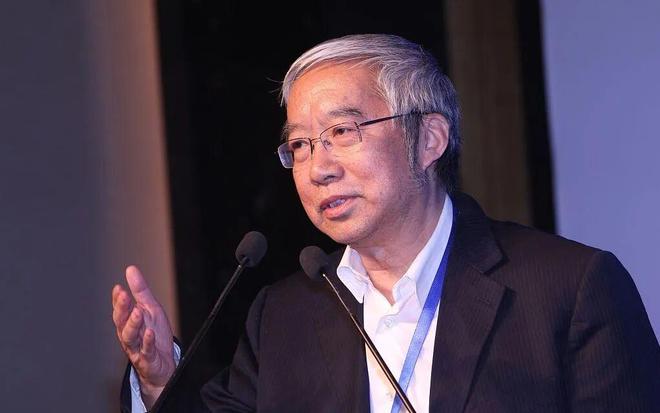
我看“十五五”|对话余永定:投资合理增长是实现经济目标的关键
Bei Ke Cai Jing· 2025-11-02 00:12
Core Viewpoint - The "14th Five-Year Plan" emphasizes achieving significant results in "high-quality development" as a primary goal for China's economic growth during this period [4][6]. Economic Growth and Investment - Economists suggest that China should maintain an average economic growth rate of around 5% during the "14th Five-Year Plan" period, considering the growth rates of capital accumulation, human capital investment, and technological progress [1][10]. - The government aims to expand effective investment, particularly in major strategic projects and key areas, to ensure reasonable growth in investment and improve investment efficiency [10][11]. Fiscal Policy - The "14th Five-Year Plan" highlights the importance of sustainable fiscal policy, with total government debt projected at 92.6 trillion yuan, representing a debt-to-GDP ratio of 68.7%, which is significantly lower than that of the US and G7 countries [7][8]. - The sustainability of fiscal policy is crucial, with the need to maintain a balance between economic growth and interest rates to ensure the government can meet its debt obligations [8]. Consumption and Demand - The plan mentions consumption 23 times, indicating a strong focus on boosting consumer demand, with suggestions for measures such as subsidies, tax reductions, and social security reforms to stimulate consumption [15][16]. - However, it is noted that increasing consumption rates do not necessarily correlate with improved social welfare, and higher investment rates are linked to higher economic growth [15][17]. Infrastructure Investment - The plan emphasizes the role of infrastructure investment in stimulating economic growth and consumer demand, suggesting that increasing infrastructure investment is essential for achieving the 5% economic growth target [19][20]. - The government is encouraged to raise the deficit ratio to support infrastructure projects, which can create a positive cycle of income and consumption growth [9][19]. Income Distribution - The plan proposes improving the income distribution system to increase the share of residents' income in national income distribution, which is deemed necessary for addressing income inequality and enhancing consumption [20].

中央首提保持合理的宏观税负水平,怎么看?
Di Yi Cai Jing· 2025-10-31 01:25
Core Viewpoint - The Chinese government has shifted its focus from "stabilizing macro tax burden" to "maintaining a reasonable level of macro tax burden," indicating a new approach to fiscal policy that considers the balance between tax revenue and public service needs [1][4]. Summary by Sections Macro Tax Burden Overview - Macro tax burden refers to the proportion of government revenue to GDP, reflecting the government's share in national income distribution and its relationship with enterprises and individuals [1]. - The small-caliber macro tax burden, which is the ratio of national tax revenue to GDP, has significantly decreased from approximately 18% in 2015 to an estimated 12.9% in 2024 [2]. Recent Changes and Implications - The current macro tax burden is below 13%, which is considered low compared to the public service needs, raising concerns about fiscal sustainability and policy effectiveness [2][3]. - The central government's new directive emphasizes the need for a reasonable macro tax burden that aligns with economic and social development, rather than merely stabilizing it [4]. Economic Context - The decline in macro tax burden is attributed to years of large-scale tax reductions, with the latest figures showing a significant drop in various tax burden metrics [2][3]. - The need for increased local fiscal capacity is highlighted, as the current fiscal environment is tight, which may lead to a historical shift in the ratios of fiscal revenue to GDP [3]. Reasonableness of Tax Burden - The concept of a "reasonable" macro tax burden is dynamic and should adapt to economic development and public service needs, rather than being a fixed value [5]. - A balance is necessary; while a lower tax burden can stimulate market activity, it may also hinder the government's ability to provide essential public services [5][6]. Policy Recommendations - To maintain a reasonable macro tax burden, it is suggested to clean up and standardize tax incentives, as current policies may lead to uneven tax burdens across industries and affect market competition [6]. - Recent actions include the cancellation of certain tax exemptions and adjustments to various industry-related tax policies to ensure a fairer tax environment [6].
21社论丨提升宏观经济治理效能,激活内生发展动力
21世纪经济报道· 2025-10-31 00:09
Group 1 - The article emphasizes the importance of enhancing the macroeconomic governance system and improving its effectiveness, which is crucial for building a high-level socialist market economy [1] - It highlights the need for strategic guidance and policy coordination to ensure consistency in macroeconomic policies, addressing the complexity and interconnectivity of current economic challenges [1][2] - The article discusses the implementation of proactive fiscal policies that focus not only on expanding fiscal spending but also on improving spending efficiency and sustainability [2] Group 2 - The article outlines the establishment of a long-term government debt management mechanism that aims to manage existing debt while preventing the expansion of hidden debts [3] - It stresses the importance of building a financial powerhouse, with a focus on developing various types of finance such as technology finance, green finance, and digital finance to support national strategic needs [3][4] - The article mentions the transformation of the capital market from being primarily financing-oriented to a platform that coordinates investment and financing, enhancing its attractiveness for long-term capital [4]
“十五五”规划学习体会:“十五五”规划建议的10个关键细节
KAIYUAN SECURITIES· 2025-10-30 06:11
Group 1: Key Achievements and Goals - The "14th Five-Year Plan" achieved significant milestones, marking a strong start for the new journey towards the second centenary goal[5] - The "15th Five-Year Plan" is positioned as a critical phase in achieving socialist modernization, emphasizing continuity in guiding ideology and urgency in addressing uncertainties[6] - The implicit economic growth target for the "15th Five-Year Plan" is around 5%, with a focus on maintaining growth within a reasonable range to reach the per capita GDP level of moderately developed countries by 2035[7][21] Group 2: Technological and Economic Strategies - The plan emphasizes enhancing self-reliance in technology, with specific measures to boost productivity and foster innovation in key sectors such as integrated circuits and advanced materials[8][36] - The strategy includes a focus on balancing supply and demand, with a significant emphasis on boosting domestic consumption and investing in human capital[9][41] - The plan aims to maintain reasonable investment growth, particularly in public services and infrastructure, with an estimated investment demand exceeding 5 trillion yuan for urban infrastructure upgrades[10][57] Group 3: Fiscal and Market Reforms - The plan highlights the need for sustainable fiscal policies and the activation of existing resources to enhance macroeconomic governance[11] - It calls for the establishment of a unified national market, addressing barriers to competition and promoting a more integrated economic environment[10][65] - The emphasis on expanding high-level openness and balancing imports and exports is aimed at fostering a more resilient economic structure[10][62]
专访袁海霞:“十五五”时期财政继续“积极”,注重可持续
Di Yi Cai Jing· 2025-10-30 02:44
Core Viewpoint - The "15th Five-Year Plan" emphasizes the role of proactive fiscal policy to stabilize growth, improve people's livelihoods, and adjust the economic structure in response to increasing risks and uncertainties in the macroeconomic environment [1][4]. Fiscal Policy Focus - The "15th Five-Year Plan" highlights the need for proactive fiscal policy and enhanced fiscal sustainability, marking a shift from previous plans that primarily focused on tax and fiscal system reforms [3][4]. - The emphasis on proactive fiscal policy is a response to the changing macroeconomic landscape, where risks and uncertainties are more pronounced [4][5]. Economic Growth and Investment - The plan aims to achieve a per capita GDP level comparable to that of moderately developed countries by 2035, necessitating an average annual GDP growth rate of at least 4.5% over the next five years [6]. - Proactive fiscal policy is deemed essential for stabilizing total demand, guiding long-term investment, and adjusting the economic structure [5][6]. Demand and Consumption - Insufficient effective demand is identified as a major contradiction in the economy during the "15th Five-Year Plan" period, necessitating continued fiscal efforts to stimulate demand [7]. - The plan stresses the importance of combining social welfare and consumption promotion, with a focus on enhancing domestic circulation and stabilizing consumer expectations [7][10]. Fiscal Sustainability - Fiscal sustainability is highlighted as a critical aspect of national governance, with the plan addressing the need to balance short-term support and long-term sustainability in fiscal policies [9][10]. - The plan acknowledges the challenges posed by economic transformation, demographic changes, and external uncertainties, which require a robust fiscal framework [9][10]. Recommendations for Fiscal Management - The plan suggests expanding the fiscal base by enhancing the micro-foundation of fiscal revenue, optimizing expenditure structures, and increasing public service spending [11][12]. - It advocates for a comprehensive approach to debt management, including the establishment of a long-term debt management mechanism and the promotion of asset-liability efficiency [13][14]. - Maintaining a low-interest-rate environment is deemed crucial for sustaining fiscal and debt viability, alongside continued fiscal and tax system reforms [15].

未来五年继续实施积极财政政策
第一财经· 2025-10-29 10:59
Core Viewpoint - The article discusses the strategic deployment of China's economic and social development for the next five years, emphasizing the role of proactive fiscal policy and fiscal sustainability as outlined in the "15th Five-Year Plan" [3][4]. Fiscal Policy - The "15th Five-Year Plan" suggests a shift in focus towards "playing an active role in fiscal policy and enhancing fiscal sustainability," indicating a response to new domestic and international challenges [4][5]. - The continuation of expansionary fiscal policy is expected, as the plan emphasizes the need for increased fiscal support for economic development [6][7]. - The fiscal sustainability is highlighted as crucial for ensuring the normal operation of fiscal policies and providing adequate financial support for national goals [4][6]. Economic Context - China's general public budget revenue for the first three quarters of the year was 163,876 billion yuan, a year-on-year increase of 0.5%, while expenditures were 208,064 billion yuan, up 3.1% [7]. - The total government debt is projected to reach 92.6 trillion yuan by the end of 2024, with a government debt ratio of 68.7%, indicating manageable risk levels [7]. Enhancing Fiscal Sustainability - To enhance fiscal sustainability, it is essential to stabilize the macro tax burden and regulate tax incentives [8][9]. - The current narrow macro tax burden is around 13% of GDP, with expectations for it to gradually rise to a reasonable level of approximately 15% [9]. - Actions taken include the cancellation of tax exemptions on government bond interest and the expansion of the environmental tax base [9][10]. Future Directions - Future strategies should include establishing a long-term government debt management mechanism and enhancing the monitoring system for local government debt [10]. - There is a need for mid-term fiscal planning and addressing potential risks from the digital economy to improve the tax system's adaptability to new business models [10].

未来五年继续实施积极财政政策|解读“十五五”
Di Yi Cai Jing· 2025-10-29 09:57
Core Insights - The "15th Five-Year Plan" emphasizes the role of proactive fiscal policy and enhancing fiscal sustainability as a response to complex domestic and international situations [1][2][3] Fiscal Policy - The plan indicates a continuation of expansionary fiscal policies, highlighting the need for fiscal measures to support economic development during the transition period [3][4] - The shift in focus to proactive fiscal policy reflects the urgent need for counter-cyclical adjustments to stabilize the economy and foster new growth drivers [2][3] Fiscal Sustainability - The emphasis on enhancing fiscal sustainability is crucial for ensuring fiscal security, fulfilling government functions, and achieving national development goals [5][6] - Current fiscal challenges include insufficient effective demand and prominent fiscal revenue-expenditure contradictions, necessitating a focus on sustainable fiscal practices [5][6] Government Debt Management - The total government debt is projected to reach 92.6 trillion yuan by the end of 2024, with a debt-to-GDP ratio of 68.7%, indicating manageable risk levels [5] - Future strategies to enhance fiscal sustainability include stabilizing the macro tax burden and optimizing tax policies to ensure long-term fiscal health [5][6] Tax Policy Adjustments - The plan suggests maintaining a reasonable macro tax burden, with current levels around 13% of GDP, potentially rising to approximately 15% [6] - Actions taken include the removal of certain tax exemptions and the expansion of tax bases, indicating a shift towards a more robust tax system [6]
“十五五”规划建议7大要点与10个新举措
Sou Hu Cai Jing· 2025-10-29 06:55
Group 1 - The core viewpoint of the article emphasizes the strategic planning and goals outlined in the "15th Five-Year Plan" for China's economic and social development, focusing on high-quality growth and modernization [1][10][27] - The plan aims to enhance the quality of economic growth while de-emphasizing specific growth rate targets, allowing for more flexibility in macroeconomic policy [4][5] - Key objectives include significantly improving the consumption rate, advancing self-reliance in technology, and fostering a robust domestic market [5][21] Group 2 - The plan highlights the need to improve the capital market's functions, ensuring better coordination between investment and financing, and supporting innovation and green development [6][7] - It signals a shift from a financing-led approach to a balanced investment and financing model, focusing on quality over quantity [6][7] - The development of direct financing methods, such as equity and bond markets, is emphasized to provide more investment options and reduce financial product risks [8] Group 3 - The plan outlines the goal of building a financial powerhouse, with a focus on enhancing the central bank's role and improving the monetary policy framework [9][11] - It stresses the importance of a comprehensive macro-prudential management system to prevent systemic risks in the financial sector [12][14] - The optimization of the financial institution system is crucial for meeting the diverse needs of the real economy [13] Group 4 - The plan prioritizes the strengthening of the real economy, emphasizing the construction of a modern industrial system and maintaining a reasonable proportion of manufacturing [15][16] - It encourages the development of emerging industries and future industries, focusing on intelligent, green, and integrated growth [16][17] - The integration of traditional and new industries is essential for ensuring a stable industrial foundation while pursuing innovation [16][20] Group 5 - The plan calls for accelerating high-level technological self-reliance, which is seen as vital for supporting modernization and enhancing national innovation capabilities [18][19] - It emphasizes the need for deep integration of technological and industrial innovation to achieve high-quality development [19][20] - Key areas for focus include artificial intelligence, quantum information, and advanced materials, which are critical for future economic growth [19][20] Group 6 - The plan identifies the development of a strong domestic market as a strategic foundation for modernization, promoting a virtuous cycle between consumption and investment [21][22] - It outlines measures to boost consumption, including the establishment of management frameworks for new consumption models and enhancing service consumption [22] - The removal of barriers to building a unified national market is also a priority to ensure smooth economic operations [22] Group 7 - The plan emphasizes enhancing fiscal sustainability through active fiscal policies and improved budget management [23][24] - It advocates for a balanced macro tax burden and the establishment of a long-term mechanism for government debt management [24] - The focus is on ensuring that fiscal resources support both strategic national tasks and basic livelihood needs [23][24]
十五五规划建议,十大要点
HUAXI Securities· 2025-10-29 00:58
Economic Development - The focus shifts from quantity to quality in economic growth, emphasizing a reasonable growth rate while enhancing total factor productivity and increasing household consumption[1] - High-quality development aims for significant breakthroughs in new productive forces, modern economic systems, and a robust domestic demand-driven economy[1] Consumer Focus - Increased emphasis on consumer spending, addressing challenges such as employment and income growth pressures, and demographic changes impacting consumption[2] - Clear targets set for improving household consumption rates and enhancing public service spending to boost consumer capacity[2] Fiscal Policy - The plan highlights the importance of active fiscal policies and sustainability, with a 4% deficit rate and a 6 trillion yuan debt replacement approved last year[3] - Emphasis on improving local tax systems and adjusting central-local fiscal responsibilities to address local debt issues[3] Monetary and Financial Policy - The strategy aims to accelerate the construction of a financial powerhouse, with a focus on developing a comprehensive monetary policy and macro-prudential management system[4] - The plan promotes the internationalization of the renminbi and the establishment of a cross-border payment system, removing previous cautious language[5] Industry and Technology - The goal of significantly enhancing self-reliance in technology is prioritized, with a focus on optimizing traditional industries while fostering emerging sectors like renewable energy and quantum technology[6] - The plan emphasizes breakthroughs in key technologies across various fields, including integrated circuits and advanced materials[7] Real Estate Development - The focus on real estate shifts towards high-quality development, aligning with policies aimed at improving living standards and meeting diverse housing needs[9] Investment Strategy - The emphasis is on maintaining reasonable investment growth while improving returns, with specific projects mentioned for infrastructure and public safety[10] Population Policy - The approach to population issues transitions from merely addressing aging to promoting high-quality population development, including improved support for childbirth and elderly care[12] National Security - The concept of national security expands to include food, energy, and supply chain security, as well as emerging fields like artificial intelligence and biotechnology[13]