
银发经济

Search documents
进博观察⑥:“黑”与“白”间看创新|大江东
Guo Ji Jin Rong Bao· 2025-11-10 12:55
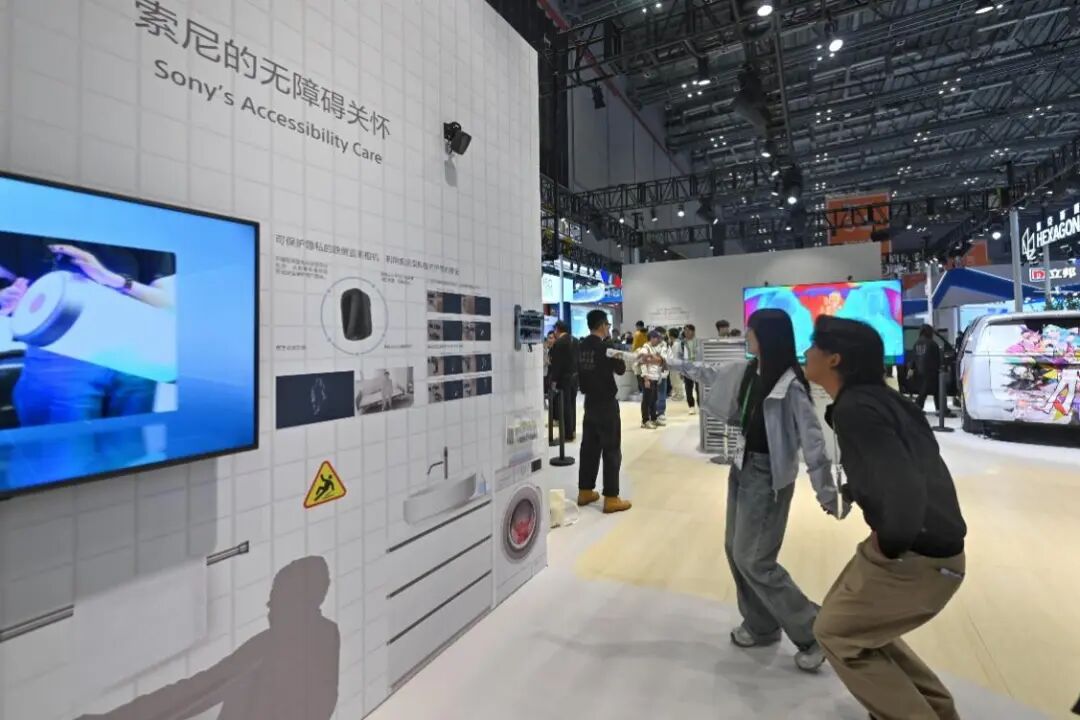
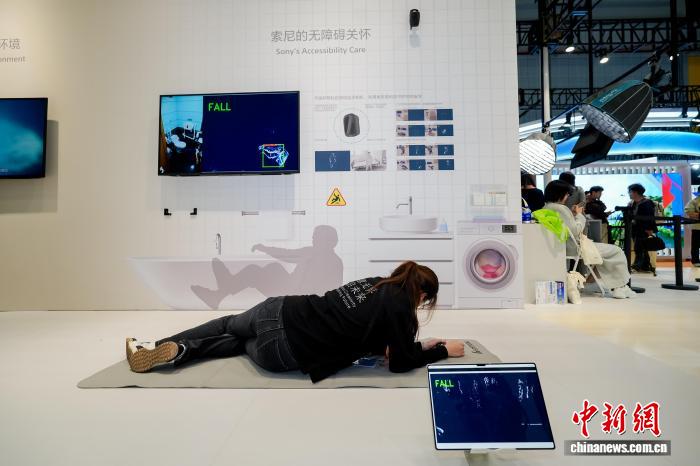
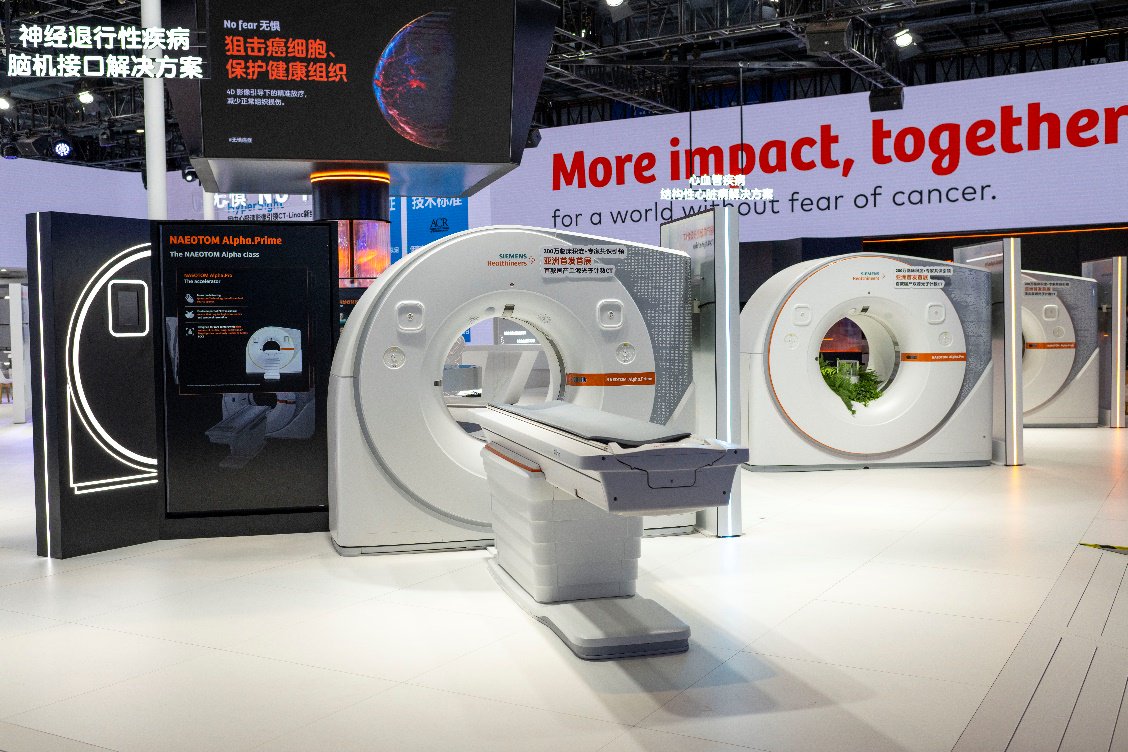
Core Insights - The eighth China International Import Expo (CIIE) showcases a blend of "black technology" and the "silver economy," highlighting new industries, business models, and the potential for economic growth in China [1][2][9]. Group 1: Black Technology Innovations - Siemens Medical introduced a high-gradient magnetic resonance device to assist Neuralink in clinical trials for brain-machine interfaces, enhancing surgical precision [2]. - The Photon Counting CT family made its Asian debut, with two models expected to be produced locally by 2026, aiming to improve conditions for Parkinson's patients and offer hope for paraplegics [2]. - Notable products include Tesla's Cybercab, Johnson & Johnson's artificial heart, and Sony's AI fall detection sensor, indicating a shift from science fiction to market reality [2][3]. Group 2: Silver Economy Developments - The expo highlighted technologies aimed at the elderly, such as a caregiving robot that can switch between robot and wheelchair modes, designed to assist with daily tasks and provide companionship [3][4]. - IKEA introduced six "age-friendly" living zones focused on safety for seniors, featuring designs like non-slip handrails and adjustable tables [4]. - Sony's AI fall detection device offers privacy-preserving monitoring, capable of detecting falls without cameras and providing immediate alerts [6]. Group 3: Industry Trends and Policy Support - The "silver economy" is gaining traction, with a complete industry chain emerging, including smart aids, health services, and home modifications [7]. - Philips emphasized its commitment to AI in healthcare, with significant R&D investment aimed at integrating AI into medical workflows [8]. - The national "14th Five-Year Plan" supports the development of the silver economy, reflecting a strong policy push towards addressing aging population challenges [9][11].

关键词读懂“十五五” |银发经济升温 进博会绘就“适老”新图景
Yang Guang Wang· 2025-11-10 12:26
Core Insights - The development of the silver economy is a crucial measure to address population aging, enhance the well-being of the elderly, and promote high-quality economic growth [1][5] Group 1: Policy and Strategic Direction - The Central Committee of the Communist Party of China has emphasized the importance of developing the silver economy in its 15th Five-Year Plan, indicating a clear direction for growth in this sector [1] - The Chinese government is elevating the response to population aging as a national strategy, with significant measures to support the development of the silver economy outlined in the "Opinions on Developing the Silver Economy to Enhance the Well-being of the Elderly" [5] Group 2: Market Trends and Innovations - The 2024 United Nations World Population Prospects predicts that by 2030, the elderly population in China will reach 369 million, accounting for 26.4% of the total population, highlighting the growing market potential for silver economy products and services [5] - Recent trends show a significant increase in social attention and market interest in the silver economy, with a notable rise in the number of business entities, industry scale, and consumer spending [5][6] - New business models are emerging, integrating silver economy services with various sectors such as culture, education, fashion, and finance, leading to rapid growth in online shopping and live-streaming sales among the elderly [5][6] Group 3: Technological Advancements - The integration of technology into products for the elderly is becoming increasingly important, with innovations in home safety, smart lighting, and health management solutions tailored to the needs of older adults [2][3][4] - Companies are expanding the use of medical products from healthcare institutions to community and home settings, enhancing the accessibility of professional medical solutions for elderly care [3][4] - The development of silver technology is focused on areas such as AI-enabled precision medicine, chronic disease management, and digital elderly care platforms, although challenges remain in data collaboration and talent shortages [7]
意向成交额834.9亿美元!进博会,今日闭幕
Zheng Quan Shi Bao· 2025-11-10 11:53
Core Insights - The eighth China International Import Expo (CIIE) concluded with a record intended transaction amount of $83.49 billion, marking a 4.4% increase from the previous year [1][2] - The event showcased the importance of trade, investment, and consumption, with various activities aimed at enhancing collaboration among exhibitors and buyers [1] Group 1: Transaction and Participation Highlights - The expo featured 43 trading groups and over 700 sub-groups, attracting more than 460,000 registered attendees, a 7% increase year-on-year [2] - Significant procurement activities included over 600 rounds of negotiations and 1,300 rounds of product matching in sectors like agriculture, consumer goods, and healthcare [2] - The Shanghai trading group led with an intended transaction amount of $10.62 billion, a 5.14% increase, with countries along the Belt and Road seeing a 34% growth in intended transaction amounts [2] Group 2: Exhibitor Engagement and Innovations - The expo hosted 4,108 companies from 138 countries and regions, with 290 Fortune 500 and industry-leading firms participating, showcasing the strong market appeal of China [4] - A total of 461 new products, technologies, and services were launched, including 201 global debuts and 195 Chinese debuts, highlighting China's role as a testing ground for global innovations [4][5] - Notable products included the world's fastest non-invasive medical testing device and the lightest foldable smartphone, emphasizing advancements in technology and consumer goods [4] Group 3: Future Events and Strategic Partnerships - The upcoming Import Expo Quality Products Fair will take place from December 19 to 21, aimed at further promoting imports and enhancing consumer access to quality products [7] - Companies like Michelin and Westinghouse have established strategic partnerships during the expo, indicating a trend of long-term collaboration and investment in the Chinese market [3][6] - The ninth CIIE is already in preparation, with plans for an exhibition area exceeding 80,000 square meters, reflecting ongoing commitment to international trade and cooperation [7]
意向成交额834.9亿美元!进博会,今日闭幕丨聚焦第八届进博会
证券时报· 2025-11-10 11:48
Core Viewpoint - The eighth China International Import Expo (CIIE) achieved a record intended transaction amount of $83.49 billion, marking a 4.4% increase from the previous year, highlighting the expo's growing significance in promoting trade, investment, and consumption in China [2][4]. Group 1: Transaction Outcomes - The expo facilitated over 600 rounds of enterprise negotiations and attracted more than 5,000 companies, resulting in over 300 cooperation intentions [4]. - The Shanghai trading group led with an intended transaction amount of $10.62 billion, a 5.14% increase year-on-year, with countries involved in the Belt and Road Initiative seeing a 34% increase in intended transaction amounts [4]. - Notable products included cashews and peanuts from Gambia, and the first batch of Benin pineapples is expected to be available for Chinese consumers soon [4][5]. Group 2: Exhibition Characteristics - The exhibition area exceeded 367,000 square meters with 4,108 participating companies from 138 countries, setting new records for both area and number of exhibitors [7]. - A total of 461 new products, technologies, and services were launched, including 201 global debuts and 195 Chinese debuts, showcasing advancements in various sectors [7]. - Emerging consumer trends such as the "silver economy," "pet economy," and "self-care consumption" were highlighted, with products catering to these markets gaining popularity [8]. Group 3: Participation of Major Enterprises - Nearly 290 Fortune 500 and industry-leading companies participated, with many sending top executives to the expo, indicating strong global interest in the Chinese market [8]. - Companies like doTERRA have transformed their approach in China, leveraging the expo to access a vast consumer base and create significant employment opportunities [8][9]. - The expo served as a platform for companies to expand their global business and maintain relationships with existing partners [9]. Group 4: Future Events - The "CIIE Quality Products Trading Fair" will be held from December 19 to 21, aimed at further promoting imports and enhancing consumer access to quality products [11][12]. - Preparations for the ninth CIIE are underway, with a focus on expanding exhibition space and enhancing international procurement and investment promotion [12].
(第八届进博会)进博会“银发经济”浪潮涌动
Zhong Guo Xin Wen Wang· 2025-11-10 11:07
Core Insights - The "silver economy" is emerging as a central theme at the 8th China International Import Expo, highlighting the strategic focus of global companies on aging-related innovations and market opportunities [1][5] Demographic Trends - By the end of 2024, the elderly population aged 60 and above in China is projected to reach 310 million, accounting for 22% of the total population, with those aged 65 and above reaching 220 million, or 15.6% [1] Industry Innovations - IKEA has introduced six home living zones designed for the elderly, emphasizing inclusive design to enhance autonomy and safety, supported by insights from the "2025 Intergenerational Friendly Home Trend Report" [1] - Otis has launched the Gen3™ Comfort smart elevator, addressing the needs of elderly residents with larger buttons, spacious cabins, and enhanced safety features through the Otis ONE digital maintenance system [2] - Philips has developed the Anrui series, focusing on the physiological needs of the elderly, utilizing smart lighting and advanced sensors to monitor and alert for fall risks and abnormal behaviors [2] - Sony's AI fall detection device uses EVS chip technology to analyze skeletal movements rather than images, ensuring privacy while providing timely safety responses in sensitive areas [5] Market Opportunities - The consumption needs of the elderly are shifting from "survival" to "development" and "enjoyment," indicating a significant market potential [5] - L'Oréal has initiated the "New Age Beauty" forum, promoting a cultural shift towards redefining beauty in the context of longevity, emphasizing that aging should be viewed as an opportunity rather than a challenge [5] - Insights from industry leaders suggest that the new elderly demographic possesses economic power, time, and high expectations, representing a strategic market opportunity [5] Conclusion - The expo serves as a platform for innovative solutions in the "silver economy," demonstrating that this market extends beyond basic needs to encompass a wide range of lifestyle enhancements, integrating functionality with emotional well-being and social inclusivity [6]
破局产业全链条,共筑银发新生态 ——中国银行为中国康养产业发展注入新动能
Di Yi Cai Jing· 2025-11-10 10:44
Core Insights - China Bank has been the sole strategic partner of the China International Import Expo (CIIE) for eight consecutive years, enhancing its "Zhongyin Silver Age" brand influence through various elderly finance-themed activities [1] - The bank hosted a closed-door forum on November 7, where over twenty industry experts discussed the core issues and innovative pathways for the elderly care industry, covering the entire investment, financing, construction, management, and exit chain [1] - On November 8, China Bank signed a strategic cooperation agreement with Yidong Technology, marking significant progress in building an elderly care ecosystem in Shanghai [1] Group 1 - China Bank awarded the first batch of eight "Shanghai Partners" under the "Zhongyin Silver Age Partner Program," indicating a collaborative effort to explore new opportunities in the elderly economy [1] - The bank's Shanghai branch has been actively involved in various aspects of elderly finance, including optimizing financial products and services for the elderly care sector [2] - The bank has participated in the pilot of the "Elderly Service Batch Loan" guarantee business, successfully launching the first elderly industry loan in the city after the new policy was implemented [2] Group 2 - China Bank has introduced the "Zhongyin Long Care+" series of comprehensive financial service solutions to provide specialized support for niche market segments [2] - The bank has hosted elderly economy matchmaking events during the CIIE for six consecutive years, integrating deeply into the elderly care industry ecosystem [2] - The Shanghai branch aims to leverage the group's global advantages and continue innovating products and services to contribute to a sustainable elderly finance system in China [2]

大江东|进博观察⑥:"黑"与"白"间看创新
Guo Ji Jin Rong Bao· 2025-11-10 10:41
Core Insights - The eighth China International Import Expo (CIIE) showcases a blend of "black technology" and the "silver economy," highlighting new industries, business models, and the potential for high-quality economic development in China [1][5][13] Group 1: Innovations in Healthcare - Philips launched a clinical multi-nuclear magnetic resonance device that integrates AI into every aspect of imaging examinations, marking a significant advancement in medical technology [1][12] - Siemens Medical introduced a high-gradient magnetic resonance device to assist Neuralink in clinical trials for brain-machine interfaces, enabling more precise surgical procedures [4][12] - The expo featured several AI-powered healthcare products, including a photon-counting CT family aimed at improving the quality of life for Parkinson's and paralyzed patients [4][12] Group 2: Silver Economy Developments - The expo highlighted numerous technologies aimed at the elderly, addressing the diverse needs of an aging population, with the "silver economy" being a key focus area [5][6][13] - A notable innovation is the caregiving robot that can switch between robot and wheelchair modes, assisting with daily tasks and providing companionship [6][9] - Sony's AI fall detection sensor exemplifies the trend of "invisible care," offering privacy protection while ensuring timely assistance for elderly individuals [10][12] Group 3: Market Trends and Future Outlook - The CIIE serves as a platform for global companies to launch new products, making China a testing ground for innovative technologies and business models [5][13] - The integration of AI into various sectors, including healthcare and elder care, is seen as a driving force for the silver economy, with significant market potential [10][15] - The event also showcased a complete "silver economy" industry chain, from smart aids to health services, indicating a shift towards comprehensive service systems [10][12]
白酒板块大涨,新能源车零部件回调,高手怎么看?
Mei Ri Jing Ji Xin Wen· 2025-11-10 10:02
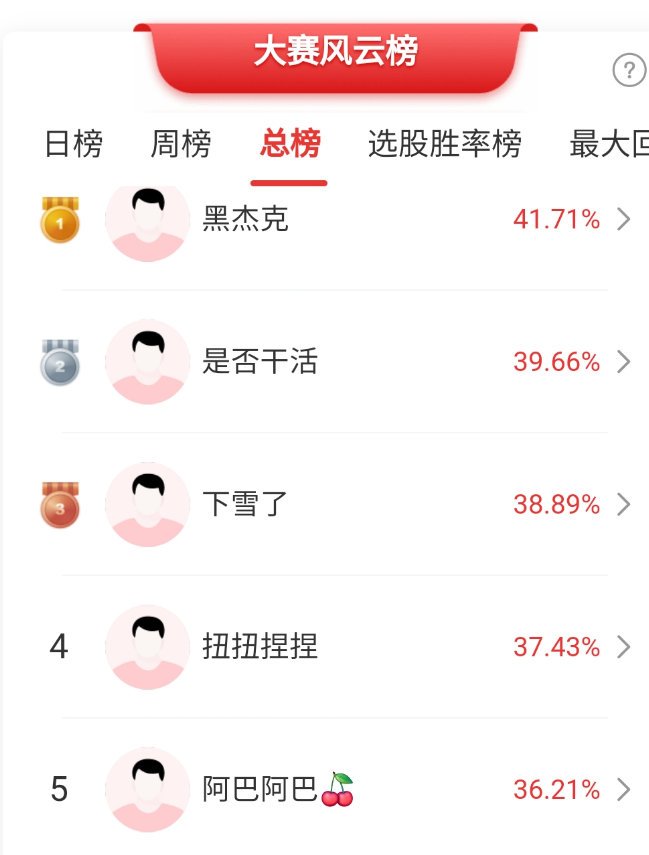
Market Overview - The Shanghai Composite Index continues to rise, while the Sci-Tech 50 and ChiNext Index experience declines, indicating a mixed market performance [1] - Stocks related to new energy vehicle components, such as CATL and Xinwanda, are undergoing a correction, while the consumer sector shows signs of rebound [1] Policy Changes - Starting from January 1, 2026, China's new energy vehicle purchase tax will shift from full exemption to a 50% reduction, which may impact consumer purchasing behavior and market dynamics [2] Investment Competition - The "Digging Gold Competition" organized by the Daily Economic News App began on November 3, with participants using simulated capital of 500,000 yuan [2] - The competition runs from November 3 to November 14, with cash rewards for positive returns, encouraging participation and engagement in market strategies [4] Sector Analysis - Experts suggest that while the Shanghai Composite Index maintains an upward trend, there is a divergence in indices, making it crucial to select the right sectors [5] - There is a recommendation to explore opportunities in lower-performing sectors such as waste-to-energy, silver economy, and brokerage firms, as some previously high-performing tech stocks face correction pressure [5] Additional Resources - Participants in the competition can access a tailored "Fast Review" service for six trading days, which provides insights into market trends and investment logic [8]
四赴进博,爱尔康全面赋能眼健康解决方案
Jing Ji Wang· 2025-11-10 09:31
Core Insights - Alcon showcased its innovative eye health products and digital treatment solutions at the 8th China International Import Expo, emphasizing its commitment to localizing innovations and expanding professional education resources in China [1] - The company has experienced a transformation from "innovation experience docking" to "innovation ecosystem co-construction" over its 30 years in China, aiming to contribute to the high-quality development of the eye health industry [1] - The aging population in China is driving diverse and customized eye health needs, with increasing prevalence of conditions like cataracts and glaucoma among the elderly [1] Product Innovations - Alcon introduced the Hydrus glaucoma drainage device, a minimally invasive glaucoma surgery (MIGS) solution that offers a three-channel innovative design to lower intraocular pressure with reduced complication risks compared to traditional filtering surgeries [2] - The company also presented advanced surgical technologies, including the Unity integrated phacoemulsification and vitrectomy system, the newly approved Argos biomarker, and the LuxOR Revalia surgical microscope [2] - In the vision care sector, Alcon showcased a range of products featuring patented layered moisture technology, including the Light Clear™ daily disposable toric contact lenses, which enhance comfort for astigmatic patients [2] Collaborations and Market Strategy - At the expo, Alcon signed collaborations with several institutions, including Sun Yat-sen University Eye Center and Hema Eye Hospital, to accelerate the market introduction of innovative products and technologies [2]
第八届进博会闭幕:首秀功能提升、消费热点突出、顶尖企业齐聚
Xin Jing Bao· 2025-11-10 08:42
Core Insights - The eighth China International Import Expo (CIIE) concluded with significant participation and engagement, highlighting its role in promoting trade, investment, and consumption in China [1][2] Group 1: Event Overview - The CIIE featured a total of 461 new products, technologies, and services, with 201 global debuts, 65 Asian debuts, and 195 Chinese debuts across various sectors including biomedicine and green technology [2] - The event attracted approximately 922,000 attendees, marking an 8.2% year-on-year increase and setting a new historical record [3] Group 2: Industry Trends - Emerging consumer trends such as the "silver economy," "pet economy," and "self-care consumption" were highlighted, with products like smart hearing aids and companion robots gaining popularity [2] - The expo showcased customized solutions for weight management, including low-carbon diets and smart fitness options, reflecting a growing focus on health and wellness [2] Group 3: Corporate Participation - Nearly 100 large multinational companies and industry leaders participated, with 10 top-tier companies sending their CEOs or chairpersons to the event, indicating strong corporate interest in the Chinese market [2] - The event also included around 50,000 social audience members, enhancing interaction between exhibitors and attendees, which contributed to the overall success of the expo [2]