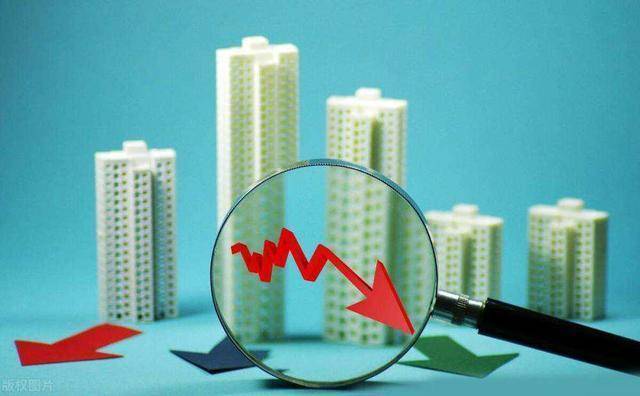
房地产市场调整

Search documents
从明年起,需做好潮水退去后的准备?房地产或将出现3个趋势
Sou Hu Cai Jing· 2025-10-26 21:19
当前,房地产市场呈现出三个清晰的趋势,预示着一场长期的调整在所难免。 趋势一:商品房已然供过于求,市场趋于饱和。 潮起潮落,楼市的漫长调整已然来临 二十余载风云变幻,中国房地产市场曾如日中天,全国平均房价飙升了惊人的五倍半。即便时至今日, 各地房价依旧如高山般巍然不动。数据显示,2022年10月,全国百城新建商品住宅的平均价格高达每平 方米16199元,二手房价格也达到每平方米15945元。这意味着,对于普通家庭而言,购置一套商品房, 动辄需要花费120万到200万人民币,其沉重的经济负担不言而喻。 然而,自去年下半年起,房地产市场的这艘巨轮开始缓缓调头,越来越多的城市房价加入了下跌的行 列。截至10月,全国70个大中城市中,新建商品住宅和二手住宅的销售价格环比下跌的城市数量分别达 到了58个和62个,较上月各自增加了4个和1个。面对这一转变,诸多业界专家纷纷发出预警,提醒人们 需为明年的"潮水退去"做好充分的准备。 目前,我国拥有住房的家庭比例高达96%,更有41.5%的家庭拥有两套及以上房产,这表明房地产市场 的确已接近饱和状态。与此同时,我国的空置房数量触目惊心,高达7500万套。在"房多人少"的供需关 ...

宁波业主崩溃:直降30万仍卖不掉!网友一语道破:现在谁兜里还有钱?
Sou Hu Cai Jing· 2025-10-26 13:05
房地产市场一直都是一个非常敏感的话题。最近几年,由于政策调整和市场调整,许多城市的房价开始下降。在这种情况下,很多人选择在房价下跌的时 候卖房,以避免进一步损失。然而,即使房价下跌,也有人卖不掉房子。 近日, 东论网友" 月下鹰翔"发帖称:18年高位买的房子花了210万,挂网一年,但都因价钱不合适而不成功, 而后重新挂牌出售180万都卖不出去… 该业主的情况并非个例。事实上,近几年来房地产市场下跌的情况很普遍。在这种情况下,很多人选择卖掉房子以减少损失。但是,有些人即使降价也卖 不掉房子,造成了巨大的经济压力和心理压力。 图源东论网友; 对于该业主的经历,东论网友"可乐大叔"称: "现在90%的房子都失去流动性了,很多人不是不想买,是根本没钱。" 更有网友直言, 只要价格合适,没有卖不掉的房子,而且要做好是被买家大砍一刀的准备,否则很难卖…… 也有网友认为 按照如今的行情,便宜卖出便宜买进,想在同一时间高价卖出低价买进是不现实的事。 明明成交数据还不错,那为啥许多二手房东都觉得不好卖呢?这其实是现阶段买家和卖家的心理纠缠。买家捂紧荷包,左挑右选,总想着自己能再砍一 刀;而卖家死守价格,寄希望于市场还能翻一轮身 ...

没想到李嘉诚说中了,中国手握两套房的家庭,或注定3个结果
Sou Hu Cai Jing· 2025-10-26 07:43
Core Insights - The Chinese real estate market has entered a deep adjustment phase since March 2023, with significant declines in both sales area and sales revenue compared to the previous year [1][3] - The average price of second-hand residential properties in 100 key cities has been on a downward trend for nine consecutive months, indicating a broader market weakness [1][3] Market Performance - From January to November 2023, the total sales area of commercial housing reached approximately 1.212 billion square meters, a year-on-year decrease of 23.3% [1] - The sales revenue for the same period was 11.86 trillion yuan, down 26.6% year-on-year [1] - As of the end of November, the unsold inventory of commercial housing rose to about 552 million square meters, an increase of 10.0% compared to the same period last year [1] Second-hand Housing Market - The average price of second-hand homes in November was 15,231 yuan per square meter, reflecting a month-on-month decline of 0.62% and a year-on-year decrease of 2.86% [1] - The price drop in the second-hand market has been more pronounced, with the decline accelerating compared to previous months [1][3] Investor Sentiment - Many property investors, particularly those holding multiple properties, are facing significant challenges due to the ongoing price declines and market conditions [4][6] - The expectation of continued price drops is causing anxiety among homeowners, even in prime locations of first-tier cities [6] Market Dynamics - The number of second-hand homes listed for sale has surged, particularly in first-tier cities, following the implementation of policies that recognize ownership rather than loans [8] - In Beijing, the number of second-hand homes listed has exceeded 150,000, while in Shanghai, it has surpassed 180,000 [8] - The overall demand for housing is shrinking, exacerbated by declining household incomes due to the pandemic [8] Financial Pressure on Homeowners - Homeowners with multiple properties are experiencing increased financial pressure, including higher monthly expenses and mortgage burdens, especially after three years of pandemic-related challenges [9]

楼市迎来4大信号,明年房价或超出多数人想象,买不买房有答案了
Sou Hu Cai Jing· 2025-10-26 06:13
近期,全国各地房地产市场可谓是喜讯频传。除了持续下调的房贷利率和首付比例,部分地区更是出台 了新的激励措施,鼓励购房者入市。例如,郑州已经推出了允许使用住房公积金支付购房首付款的业 务;合肥也紧随其后,宣布自5月23日起,新建商品房的购房者可提取公积金用于支付首付款。与此同 时,业界专家也纷纷建言献策,呼吁对北京、上海、广州、深圳等一线城市现行的限购限售政策进行审 慎的优化调整。 信号三:银行房贷业务罕见出现负增长 我国居民房贷业务出现罕见的负增长现象。数据显示,仅仅在4月份,居民部门的房贷就减少了2411亿 元,其中短期贷款减少了1255亿元,而长期贷款(主要指房贷)更是减少了1156亿元。房贷业务之所以 出现负增长,其根本原因在于,越来越多的购房者选择提前偿还房贷。 此外,尽管银行贷款利率持续下调,但居民的储蓄意愿却呈现出日益高涨的态势。今年一季度,居民存 款总额就高达9.9万亿元,平均每月新增存款约3.3万亿元。这清晰地表明,居民的购房和投资需求正在 明显减弱,而对储蓄的偏好则在显著增强。 信号四:二手房挂牌量激增 然而,纵观当下房地产市场,尽管各地除了直接降价之外,几乎所有能够想到的利好政策都已悉数推 ...
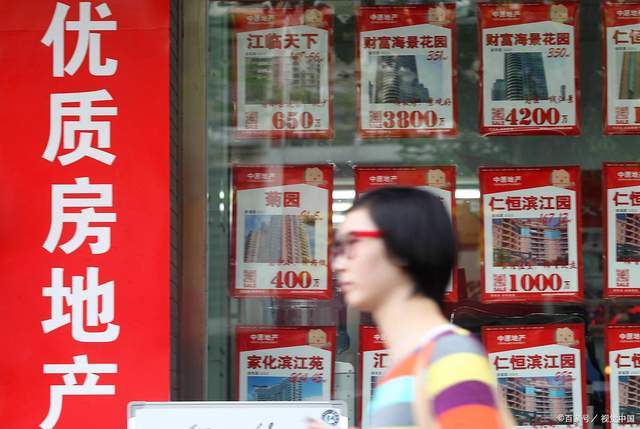
“瞪羚”挑战“大象”:日本经济复苏背后的企业战争
3 6 Ke· 2025-10-26 00:07
Core Insights - The article discusses the transformation of Japan's economic recovery and the challenges it faces, particularly in the context of the competition between emerging entrepreneurial firms (referred to as "gazelles") and established corporate giants (referred to as "elephants") [12][14] - It highlights the historical context of Japan's economic struggles since the burst of the asset bubble in the early 1990s and the recent signs of recovery post-COVID-19, including a consistent positive growth rate since 2021 and inflation surpassing the central bank's target [2][5] Economic Context - Japan's GDP, when adjusted for purchasing power parity, is projected to be approximately six times that of China by 2024, although on a per capita basis, it remains only half of Japan's [1] - The long-standing economic stagnation, termed the "lost decades," has led to a perception of Japan as a country that has been surpassed by others, particularly China [1] Recovery Indicators - Since 2021, Japan has maintained an average annual growth rate of nearly 1%, with an unemployment rate consistently below 3% [2] - The Consumer Price Index (CPI) inflation rate has approached 3%, indicating an end to the long-standing deflationary pressures that have plagued the economy [2] Structural Changes - The book by Richard Katz emphasizes the need for Japan to adapt its economic and social systems to new development stages, moving away from rigid employment practices like lifetime employment and seniority-based pay [5][6] - The labor market is becoming more competitive, with a significant increase in the proportion of non-regular employees from 15% in the 1980s to nearly 40% currently, reflecting a shift towards performance-based advancement [5] Challenges to Innovation - The entrenched interests of large corporations hinder the growth of innovative small and medium-sized enterprises (SMEs), which are crucial for economic dynamism [6][9] - The historical reliance on government policies that favored large firms has created a barrier for "gazelle" companies to thrive, as their success could undermine the market position of established "elephant" firms [6] Policy and Institutional Shifts - The relationship between the government and the market has evolved, with a shift from direct industrial policy to a focus on competition policy, reflecting the need for a more market-driven resource allocation [7] - The reforms in the banking sector and real estate market post-bubble have been essential for creating conditions conducive to economic recovery [8] Comparative Analysis - Katz's work complements other literature on Japan's economy by focusing on recent developments and the micro-level changes within firms, contrasting with broader historical analyses [11]

楼市悄悄巨变,老破小意外吃香,年轻人开始抄底了
首席商业评论· 2025-10-25 03:52
Core Viewpoint - The current real estate market is experiencing a significant shift, with second-hand housing transactions surpassing new housing sales, indicating a transition from speculative investment to genuine demand for living spaces [4][16]. Group 1: Market Dynamics - Many homeowners are forced to sell their properties at a loss, leading to a surge in the availability of affordable "old and broken" homes, which has attracted young buyers looking for investment opportunities [4][8]. - In major cities, second-hand housing transactions have outperformed new housing, with cities like Shanghai seeing second-hand sales at 5.3 times that of new homes [4][5]. - The adjustment in the market is viewed as a necessary clearing of the previous real estate bubble, allowing genuine demand to surface [4][16]. Group 2: Price Adjustments - As of July 2024, second-hand housing prices in first-tier cities have returned to 2016 levels, with significant price drops creating a favorable environment for buyers [10]. - For instance, in Guangzhou, the average price of second-hand homes fell from 29,300 yuan per square meter to 20,900 yuan per square meter, a decrease of over 8,000 yuan per square meter [13]. - The rental yield has also improved, with the rental return rate in key cities reaching 2.08%, indicating potential investment opportunities as prices stabilize [13][15]. Group 3: Buyer Behavior - The current market conditions have led to an increase in the number of motivated sellers, providing buyers with more options and better negotiation power [15]. - The trend of "buying old and broken homes" is not limited to self-occupiers but also includes investors seeking financial opportunities [14][15]. - The shift towards second-hand homes is attributed to their clear ownership and immediate availability, contrasting with the uncertainties associated with new developments [15]. Group 4: Economic Implications - The transition in the real estate market is seen as a critical factor for broader economic stability, as real estate constitutes a significant portion of household assets in China [18][19]. - The need for policy adjustments is emphasized, suggesting a shift from suppressing housing prices to supporting price stability to stimulate overall economic demand [18]. - The ultimate goal is to ensure that housing becomes accessible to more ordinary families, which could lead to a sustainable increase in economic vitality and consumer spending [19].
马云房价预言要实现了?3个消息传来,这四类人或受影响
Sou Hu Cai Jing· 2025-10-25 03:36
Group 1 - The core viewpoint is that the Chinese real estate market is undergoing a significant adjustment, with prices expected to return to a more rational level that is affordable for the majority of the population, aligning with Jack Ma's prediction of "housing prices like green onions" [1][9] Group 2 - The adjustment in the real estate market has become a foregone conclusion, with a downward trend in housing prices evident since the second half of 2021, spreading from lower-tier cities to major cities like Beijing and Shanghai, where prices have dropped over 30% from their peak [3] Group 3 - The real estate market is experiencing an oversupply, with the Ministry of Housing and Urban-Rural Development reporting 600 million housing units nationwide, indicating a saturation of demand as 96% of families own at least one property [5] Group 4 - The pace of affordable housing entering the market is accelerating, with plans to introduce 6 million units over the next five years, which will likely divert demand from the commercial housing market and lead to a quicker adjustment in prices [7] Group 5 - The long-term trend of adjustment in the domestic real estate market is irreversible, which will have profound impacts on various groups, including first-time homebuyers facing financial losses, developers struggling with sales, and speculators unable to liquidate their assets [9][11][12]

结转项目盈利能力下降 保利发展前三季度归母净利跌至约19亿
Bei Ke Cai Jing· 2025-10-23 00:36
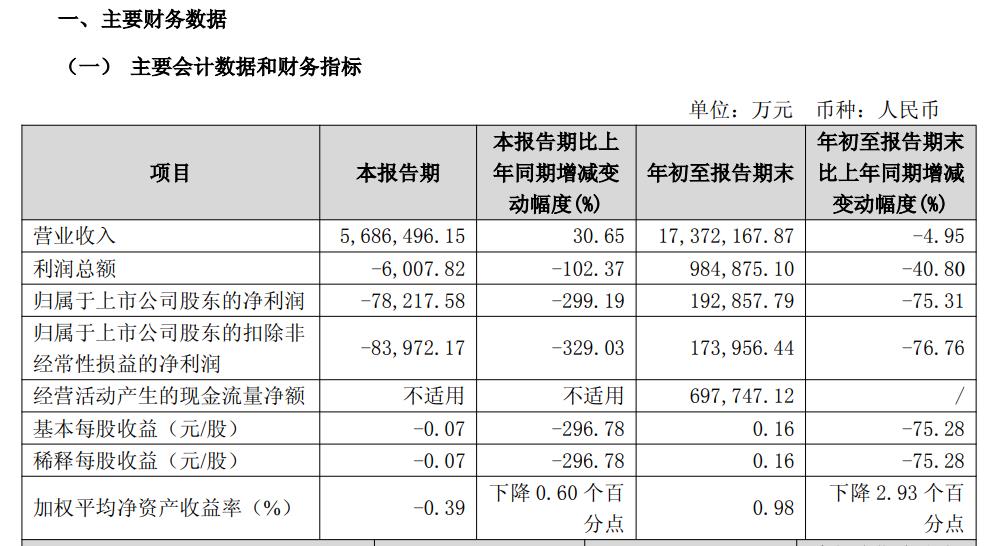
同时,今年9月,在回应投资者有关利润下降的提问时,保利发展管理层解释,因期内房地产项目结转规模下降,公司营业总收入同比下 降,在市场出现波动背景下,结转项目盈利能力下降,相关利润指标相应同比下降。 保利发展管理层也表示:"行业仍处于深度调整期,公司虽已保持较大强度的增量投资,且增量项目盈利能力较好,但存量项目较多,去库 存与盈利改善仍然需要一定周期。公司持续坚持去库存经营策略。在会计期末,公司对房地产项目进行减值测试,若出现减值情况,公司将 计提减值。" 对此,镜鉴咨询创始人张宏伟也表示:"今年第三季度保利发展结转的项目大多是来源于2022年下半年至2023年这个时间段的,在这个阶 段,一方面,房地产市场行情持续下行;另一方面,这次结转的项目也有可能是之前保利发展为了冲规模目标而布局在三四线城市的项目, 这部分项目由于降价或亏本销售,在结算时影响了整体的利润表现。" 10月21日,"地产一哥"保利发展发布了2025年第三季度报告。 报告显示,保利发展第三季度营业收入568.65亿元,同比增长30.65%;归属于上市公司股东的净利润为-7.82亿元,同比下降299.19%。 保利发展在财报中表示,受行业和市场波 ...

PVC日报:震荡运行-20251022
Guan Tong Qi Huo· 2025-10-22 09:54
【行情分析】 上游西北地区电石价格稳定。目前供应端,PVC开工率环比减少5.94个百分点至76.69%,PVC开工 率减少较多,但仍处于近年同期偏高水平。国庆节后归来,PVC下游恢复幅度较大,PVC下游开工超 过国庆节前水平,但仍处于历年同期偏低水平。印度将BIS政策再次延期六个月至2025年12月24日执 行,中国台湾台塑11月份报价下调30-40美元/吨,8月14日,印度公示最新的进口PVC反倾销税,其中 中国大陆地区上调50美元/吨左右,四季度中国PVC出口预期减弱。不过,近期出口价格下降后,出 口签单暂未明显走弱。上周社会库存略有减少,目前仍偏高,库存压力仍然较大。2025年1-9月份, 房地产仍在调整阶段,投资、新开工、竣工面积同比降幅仍较大,投资、销售、施工等同比增速进 一步下降。30大中城市商品房周度成交面积环比继续回落,仍处于近年同期最低水平附近,房地产 改善仍需时间。氯碱综合利润仍为正值,PVC开工率同比往年偏高。同时新增产能上,50万吨/年的 万华化学8月份已经量产,40万吨/年的天津渤化8月份试生产后,预计9月底稳定生产,20万吨/年的 青岛海湾9月上旬已投产,目前接近满负荷生产,30万 ...
到2025年,4类房子或成烫手山芋?已有懂行人在悄悄套现
Sou Hu Cai Jing· 2025-10-22 05:22
Group 1 - The Chinese real estate market has shown signs of fatigue since the second quarter of 2021, with the average national housing price dropping from 11,000 yuan per square meter to 9,526 yuan per square meter, a decline of 15% [1] - As of June this year, 34 out of 70 major cities have seen second-hand housing prices fall below two years ago, with 27 cities below three years ago, and 6 cities even lower than five years ago, indicating a significant downturn in the market [1] - In the first half of this year, the total sales of commercial housing reached only 6.6 trillion yuan, which is less than 40% of last year's total sales of 18.1 trillion yuan, reflecting a substantial drop in developer sales performance [3] Group 2 - Various cities have implemented policies to stimulate the sluggish market, including "price drop limits" in 23 cities, the cancellation of "purchase limits," and reductions in mortgage rates, but these measures have not effectively reversed the market's decline [5] - High-rise residential buildings, once popular, now reveal several drawbacks, such as higher shared area costs, difficulties in emergency evacuations, and low likelihood of future demolition, making them less attractive to buyers [7] - Experts warn that certain types of properties may become "hot potatoes" in a prolonged downturn, prompting savvy investors to start liquidating their assets [8] Group 3 - Small property rights houses, once appealing due to their low prices, now face bleak prospects as their legalization hopes have faded, and they are considered difficult to sell due to safety concerns and regulatory violations [9] - Properties in remote suburban areas, previously favored for their affordability, are now struggling due to inadequate infrastructure and transportation, leading to larger price declines compared to city center properties [9] - Properties in cities experiencing population outflows are likely to see reduced demand and insufficient price support, further complicating the market landscape [9]