
文化赋能

Search documents
跨区联动激活消费新动能 沪上两大国企引领文旅商体展高质量发展
Sou Hu Cai Jing· 2025-08-05 07:16
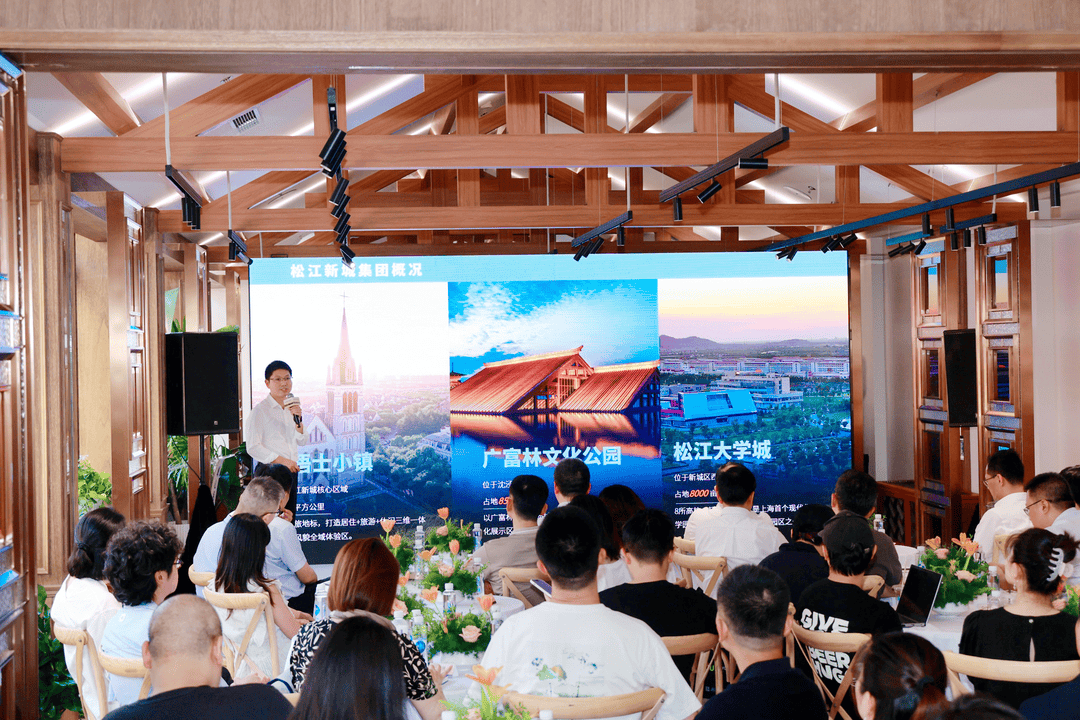
Group 1 - The core theme of the recent cultural and tourism business development resource negotiation conference in Shanghai is "City Heart Appointment: Enjoying the Pine Wind," led by Songjiang New Town Group and Jing'an Real Estate Group, along with over 30 domestic and international brands and industry representatives [2] - The strategic cooperation between the two major groups focuses on three areas: cross-regional resource integration, project collaboration, and talent exchange, marking a new phase of resource interconnection and synergy in Shanghai's regional coordinated development [2] - Songjiang New Town Group aims to leverage Jing'an's international commercial resources to enhance the integration of landmark projects like Thames Town and Guangfulin Cultural Park with the fashion economy of the central urban area, injecting "fashion + culture" dual momentum into the development of an independent comprehensive node city [2] Group 2 - The on-site brand negotiation session is identified as a key engine for activating consumption upgrades, featuring international brands such as Hunter, Blue Bottle Coffee, and Onitsuka Tiger, alongside local IPs like Yunji U-Pin and Guangfulin, focusing on first-store economy, scene innovation, and IP incubation [4] - The diverse brand matrix showcases the collaborative achievements of the "international consumption ecosystem," effectively merging Jing'an's first-store economy advantages with Songjiang's scene innovation characteristics, providing replicable practice samples for Shanghai's development as an international consumption center [4] - The cooperation emphasizes culture as the core, targeting the construction of a demonstration highland for cultural and tourism integration in the Yangtze River Delta, with plans to create a full-time consumption circle through various activities such as art exhibitions, sports events, and technology shows [6] Group 3 - Both groups plan to regularly hold brand launches and cultural festivals to continuously release the synergistic effect of "1+1>2," promoting the extension of Jing'an's international fashion elements to Songjiang while allowing Songjiang's historical and cultural resources to benefit the central urban area, forming a "dual engine" for cultural and tourism consumption in Shanghai [6]

会说话的武汉故事 ——武汉好礼出圈记
Chang Jiang Ri Bao· 2025-08-02 01:48
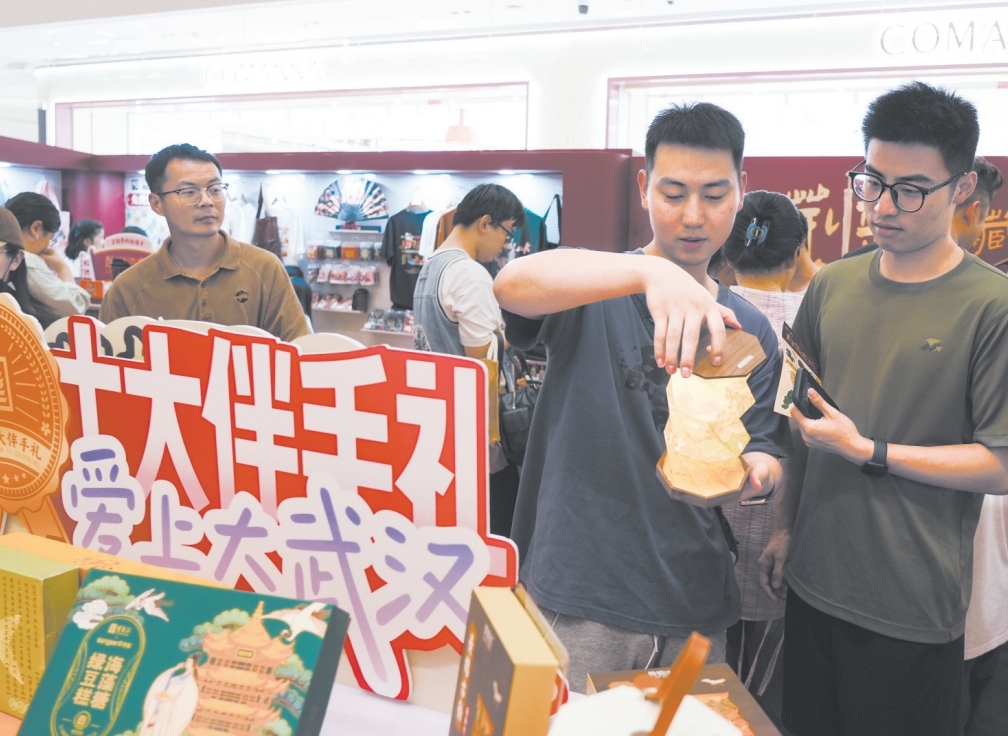
Group 1 - The core idea of the article is that Wuhan's unique gifts and cultural products are gaining popularity both domestically and internationally, showcasing the city's charm and heritage [1][2][3]. - Traditional and modern elements are blending in Wuhan's gift offerings, exemplified by the success of the hot dry noodles from the century-old brand Cai Lin Ji, which has expanded to nearly 300 stores globally and achieved over 200 million yuan in e-commerce sales in 2023 [3][4]. - The cultural empowerment of traditional foods like Zhou Hei Ya's marinated products is highlighted, with their award-winning gift box integrating local culture and aesthetics, and the establishment of a cultural experience center [4][6]. Group 2 - The "Garlic Bird" plush toy has become a viral cultural product, with significant sales figures, including over 150,000 units sold in the first half of the year, generating over 10 million yuan in revenue [7]. - The integration of technology in the cultural and tourism sectors is evident, with initiatives like the "Wuhan Digital Cultural Bus" and the "Wuhan Cultural Code" enhancing consumer experiences and facilitating online purchases of local gifts [8]. - The article emphasizes the formation of a gift industry alliance among over 110 local enterprises, aiming to evolve from single product hits to a comprehensive brand cluster, contributing to a potential industry growth of billions [7][8].
焕城益民,古韵新声润烟火——以文化赋能城市更新加快打造现代化人民城市
Hang Zhou Ri Bao· 2025-07-31 02:56
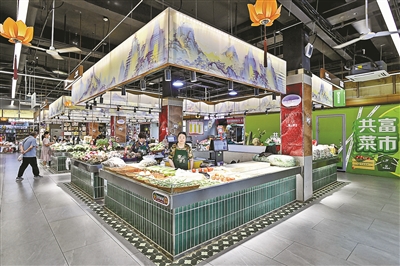
Core Perspective - The article emphasizes the integration of culture and modern urban life in Hangzhou, showcasing how urban renewal projects are revitalizing traditional markets and public spaces while preserving cultural heritage [5][12][16]. Group 1: Urban Renewal Projects - The transformation of the East Mountain Market into "West Lake·East Mountain Collection" reflects a systematic upgrade, providing 12,500 square meters of high-quality space while retaining traditional vendors [6][7]. - The "Tianmu Li International District" project, covering over 300 acres, aims to create a high-quality cultural space that connects various community needs and enhances the overall urban experience [13][15]. - The renovation of old neighborhoods, such as the 23rd Fangxiang, combines residential improvements with cultural enhancements, turning streets into "readable museums" [11][16]. Group 2: Cultural Integration - The East Mountain Market hosts cultural salons, creative markets, and public welfare activities, blending daily life with cultural experiences [7][8]. - The "Reading West Lake" space, transformed from the former cultural center, serves as a community hub for literature, art exhibitions, and social interactions [9]. - The integration of cultural elements into urban design aims to create a balance between daily life and cultural richness, enhancing residents' quality of life [14][16]. Group 3: Economic Impact - The Tianmu Li area has achieved over 90% occupancy, with a 120% increase in capital inflow, indicating strong economic revitalization [15]. - The projected revenue for the Tianmu Li area is expected to exceed 6 billion yuan by 2025, tripling pre-renovation figures [15]. - The urban renewal initiatives are not only enhancing cultural and social aspects but also driving economic growth and new business opportunities in Hangzhou [16].
政企同心筑沃土 东湖街道谱写高质量发展新篇章
Hang Zhou Ri Bao· 2025-07-29 02:36
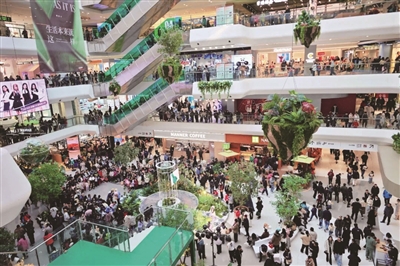
Core Insights - The article highlights the dynamic development of the Donghu Street area in Linping, which is positioned as a core part of the "New Center of East Hangzhou" and focuses on intelligent manufacturing as a key industry [9] - It emphasizes the innovative service model combining "Party Building + Finance" and "Grid + Service" to support local enterprises, showcasing successful case studies of financial assistance and community services [10][11][12] - The article also discusses cultural empowerment and cross-industry integration, exemplified by the introduction of unique products and events that enhance local commerce and community engagement [17][18][19] Group 1: Economic Development - Donghu Street is identified as a strategic area for high-quality regional development, focusing on gathering innovative elements and nurturing industrial clusters [9] - The establishment of a "dual-wheel drive" service system has led to 21 small enterprises receiving financing totaling 45.58 million yuan, demonstrating effective financial support [11] - The implementation of a grid service mechanism has improved local governance and reduced traffic complaints by 60%, while increasing customer flow by 15% [11] Group 2: Community Services - The introduction of the "Love Station" for delivery workers provides essential services, including battery swapping and meal delivery, addressing the needs of new employment groups [13][14][16] - The community has developed a nutritional meal program for delivery workers, ensuring they have access to affordable and healthy food options [14][16] - The establishment of a "Comprehensive Rights Protection Station" for delivery workers reflects the commitment to safeguarding their rights and interests [16] Group 3: Cultural Integration - The collaboration between cultural representatives and local businesses has led to innovative products that blend traditional and modern elements, enhancing market appeal [17][18] - Events like the "New Chinese Medicine Health Market" have successfully attracted a 15% increase in daily foot traffic to the Wanda Plaza, showcasing the impact of cultural initiatives on commerce [18] - The ongoing cultural activities in the area create a vibrant consumer environment, fostering a cycle of cultural and economic growth [18][19]
矿泉水2-3元一瓶,蒙山推“平价战略”,暑期旅游市场持续火爆
Qi Lu Wan Bao Wang· 2025-07-27 13:00
Core Insights - The tourism market in the Yimeng Mountain area, particularly the Guimeng and Yunmeng scenic spots, has seen a significant increase in visitor numbers due to targeted marketing and innovative service measures, including the introduction of a "low-price" policy, resulting in a year-on-year doubling of visitor numbers [1][7] Group 1: Marketing Strategies - The "combination punch" strategy includes nationwide free entry policies to attract visitors, cultural empowerment to enhance consumption scenarios, and a layered promotional marketing matrix that improves visitor experience and boosts tourism economic growth [3] - From June 21 to July 13, the Guimeng and Yunmeng scenic spots implemented a nationwide free entry policy, significantly reducing travel costs and attracting price-sensitive student groups, leading to explosive growth in visitor numbers [3][4] - Additional promotional measures included free entry for university students, free access for ticket holders of a local concert, and various bundled ticket options, enhancing visitor choices and driving both visitor numbers and revenue growth through repeat consumption [3][4] Group 2: Enhanced Visitor Experience - The scenic spots have introduced unique activities to enhance visitor experience, such as the "Night Climb Mount Meng" project, which features immersive experiences like glow-in-the-dark environments and local cultural performances [4][6] - The Yunmeng scenic area has created an interactive "Lazy Cat Forest" scene, integrating music performances and close-up magic into the natural environment, providing an immersive entertainment experience for visitors [6] - A "71 yuan ticket + mutton soup" package was introduced during the Fuyang Festival, allowing visitors to enjoy local cuisine at a minimal additional cost, thereby upgrading the value experience [4][6] Group 3: Market Impact and Future Plans - The three-tiered marketing approach has effectively penetrated the market, optimizing the visitor demographic structure, with a notable increase in both online and offline visibility [7] - The scenic spots have actively participated in over 20 tourism promotion events organized by provincial and municipal cultural tourism departments, expanding their market reach, with a 15% year-on-year increase in out-of-province visitor share [7] - To sustain tourism enthusiasm, the scenic spots will offer special benefits for visitors under 18 from August 1 to 31, further stimulating the summer tourism market [7]
湖北黄州:工商协同筑平台 雪茄文化拓新局
Zhong Guo Chan Ye Jing Ji Xin Xi Wang· 2025-07-24 10:39
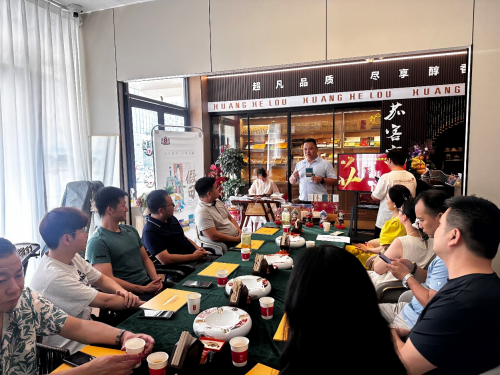
Core Insights - The event "Cigar Culture and Craftsmanship Inheritance" held on July 17 showcased innovative marketing strategies in the cigar industry, emphasizing the blend of cultural heritage and modern consumer engagement [1] Group 1: Event Overview - The event was organized by Huangzhou Tobacco Monopoly Bureau and Anhui China Tobacco, focusing on collaborative marketing and cultural empowerment [2] - Activities included brand storytelling, non-heritage skill demonstrations, hands-on rolling experiences, and professional tasting sessions, providing participants with a comprehensive understanding of cigar culture [2][4] Group 2: Cultural Empowerment - The event aimed to reshape consumer logic by emphasizing the cultural significance of cigars, transitioning consumer perception from mere consumption to an appreciation of quality lifestyle [4] - The integration of cultural narratives in the cigar experience encouraged consumers to recognize the craftsmanship behind each handmade cigar, fostering a deeper connection to the product [4] Group 3: Collaborative Marketing Strategy - Anhui China Tobacco provided quality product resources and expertise, while Huangzhou Tobacco Bureau leveraged its channel advantages to connect with retail customers and consumers effectively [6] - This collaboration created a synergistic effect, transforming cigar marketing from a product-centric approach to a culture-centric one, thereby nurturing the retail market ecosystem for cigars in Huangzhou [6]
从格瓦斯到直播间:俄罗斯商品馆的转型启示录
Sou Hu Cai Jing· 2025-07-22 17:18
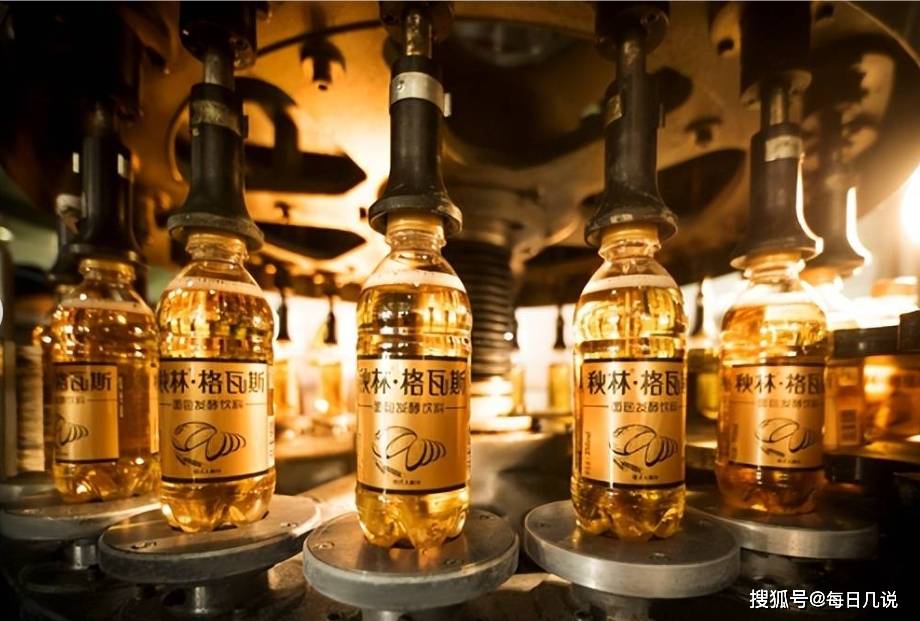
Core Insights - The article discusses the dramatic changes in the Russian goods market in China, highlighting the decline of physical stores and the rise of online sales channels amid a shifting consumer landscape [1][3][4]. Group 1: Decline of Physical Stores - The number of Russian goods stores in Hangzhou has decreased from 10 to 6, while 47 stores in Shanghai are under investigation for selling counterfeit products [1][3]. - The initial excitement for Russian goods, marked by long queues and high sales, has rapidly faded, with stores now offering significant discounts and facing inventory issues [3]. - The oversaturation of similar stores in the same area has led to a decline in consumer interest, as seen in the proliferation of similarly named stores [3]. Group 2: Growth of Online Sales - Officially authorized "Russian National Pavilions" are expanding in cities like Chengdu and Shenzhen, utilizing an "online + offline" model to achieve growth [4]. - The sales figures for cross-border e-commerce are notable, with a reported sales volume of 36 million yuan for a specific company and a significant increase in the number of Chinese sellers on Russian platforms [4][6]. - Russian pork exports to China saw a staggering increase of 12,900% in the first quarter of 2025, with e-commerce channels contributing nearly half of the sales [4]. Group 3: Cultural Integration - The crisis facing Russian goods stores is linked to the need for cultural engagement beyond mere novelty, with some stores hosting cultural events to enhance consumer experience [5][6]. - The integration of cultural elements into product offerings has proven effective, as seen in the sales of home goods featuring traditional Russian designs [6]. - The "Russian Food Culture Festival" in 2024 attracted over 200 Russian companies, combining product sales with cultural performances to enhance brand recognition [5]. Group 4: Regulatory Developments - Regulatory bodies are taking action against misleading advertising, with fines of up to 500,000 yuan for false claims about product origins [7]. - The establishment of a "Made in Russia" certification system aims to ensure quality control for products sold in authorized stores, enhancing consumer trust [7]. - Innovations in payment systems, such as the direct ruble connection, have significantly reduced transaction times and costs, facilitating smoother cross-border trade [7]. Conclusion - The decline of Russian goods stores reflects the end of an era characterized by rapid, unregulated growth, while surviving businesses are adapting through cultural engagement, digital innovation, and regulatory compliance [8].
《Brand Finance 2025年全球酒精饮料品牌价值榜》发布
Jing Ji Guan Cha Wang· 2025-07-21 13:29
Core Insights - The report from Brand Finance reveals that Chinese alcoholic beverage brands continue to dominate the global market, with the industry valued at $123.38 billion, reflecting a 5.2% increase from 2024 [1] Beer Segment - Snow Beer is recognized as the most valuable beer brand in China, with a brand value of $4.66 billion, marking an 8.6% year-on-year growth and ranking sixth globally [1] - Tsingtao Beer saw a significant brand value increase of 42.3%, reaching $3.63 billion, and rose three positions to ninth in the global beer brand ranking [2] - Yanjing Beer experienced a 21.5% growth in brand value, reaching $640 million, and improved its ranking by seven places to 38th [2] Spirits Segment - Six Chinese liquor brands made it to the top ten in the global spirits brand value ranking, with Moutai, Wuliangye, Luzhou Laojiao, and Fenjiu maintaining the top four positions [3] Wine Segment - Zhangyu is the only Chinese wine brand listed, with a brand value increase of 16.1% to $820 million, solidifying its position among the top five global wine brands [4] Global Brand Leaders - Corona Extra retained its title as the most valuable beer brand globally, valued at $13.36 billion [5] - Jack Daniel's remains the most valuable whiskey brand with a value of $4.44 billion [5] - Crown Vodka's brand value grew by 33.3% to $2.93 billion, maintaining its leading position in the vodka category [5] Industry Trends - The Chinese alcoholic beverage industry is experiencing four key development trends: accelerated premiumization, deepened internationalization, innovation-driven competition, and cultural empowerment reshaping brand value [5]






让“夜经济”成为消费增长的持久动能
Zheng Quan Ri Bao· 2025-07-13 16:14
Group 1 - The night economy is experiencing robust growth, with various cities launching themed activities to stimulate nighttime consumption, such as the "2025 Unnight Chongqing Life Festival" and the "2025 Night Life Festival" in Shanghai, featuring over 200 and 130 themed events respectively [1] - Cities are exploring the integration of the night economy with cultural tourism, technology, and sports, which has led to increased local consumption and tourism, making it a significant driver of domestic demand [1] - Despite the current growth, there is still untapped potential in the night economy, and further efforts in cultural empowerment and business innovation are needed to sustain its momentum [1] Group 2 - Enhancing the "cultural added value" of the night economy is crucial, with successful examples like the Dunhuang night market in Gansu and the "Datang Unnight City" in Xi'an showcasing local cultural integration [2] - Utilizing technology to drive business innovation and enrich nighttime consumption experiences, such as immersive night tours using AR/VR, is essential for future development [3] - Strengthening policy guidance and establishing a multi-departmental collaborative mechanism will promote the standardized development of the night economy, including optimizing transportation and safety measures [3]
聚力环保科技,环保板材创新先锋千年舟开辟绿色发展新路径
Zhong Guo Chan Ye Jing Ji Xin Xi Wang· 2025-07-04 12:17
Core Viewpoint - The company, Qian Nian Zhou Group, is actively pursuing green and low-carbon development in the manufacturing industry, emphasizing the integration of environmental technology into its product development and production processes to meet consumer demand for sustainable living [1][4]. Group 1: Technological Innovation - Qian Nian Zhou has established research institutions and increased R&D investment, focusing on collaboration with top scientific resources to enhance technological advancements in the industry [2]. - The company has developed a smart manufacturing model, integrating advanced production lines and automation to improve efficiency and resource utilization [2]. - The R&D team consists of over 100 personnel, including senior engineers and doctoral researchers, dedicated to exploring new product development in engineered wood products [2]. Group 2: Product Development - The company has introduced a range of eco-friendly products, including formaldehyde-free boards and antibacterial materials, to cater to the growing consumer demand for healthy living environments [3][5]. - Innovations include the "Graphene Black Gold Board," which incorporates multiple functions such as antibacterial and anti-viral properties, enhancing the safety and environmental performance of home products [5]. Group 3: Green Initiatives - Qian Nian Zhou has launched a "Dual Carbon Five-Year Plan" to promote green development across six dimensions, including green supply, manufacturing, products, public welfare, services, and management [4]. - The company aims to create a complete home ecosystem through its "Green Healthy Home" strategy, focusing on environmentally friendly materials and processes [4]. Group 4: Cultural Empowerment - The company is leveraging traditional Chinese culture to enhance its product offerings, creating a unique aesthetic that resonates with consumers' emotional and cultural values [7][8]. - Initiatives include collaborations with cultural heritage practitioners and design competitions to integrate cultural elements into product innovation [7]. Group 5: Market Positioning - Qian Nian Zhou is positioning itself as a leader in the green and sustainable home furnishing market, responding to the increasing consumer preference for environmentally responsible products [1][4].