新型电力系统

Search documents
打造“绿电+智算”定价中心和标准策源地
Xin Lang Cai Jing· 2026-02-01 22:24
Core Viewpoint - The article discusses the strategic development of Sichuan Province as a clean energy stronghold, emphasizing the need for a new power system to address the challenges of energy supply and demand balance amid increasing green electricity demand and the integration of artificial intelligence technology [1][2]. Current Status - Sichuan has transformed its energy structure from a reliance on hydropower to a diversified energy mix, with renewable energy capacity expected to exceed 32 million kilowatts by the end of 2025, increasing its share from 6% in 2021 to 20% [1]. - The total installed capacity of hydropower is projected to surpass 100 million kilowatts, with clean energy accounting for 87% of the province's total power capacity [1]. - The province's electricity demand is expected to grow, with an annual increase of 2 percentage points higher than the national average since the 14th Five-Year Plan [2]. Challenges - Structural imbalances in electricity supply and demand have led to instances of negative electricity prices, indicating a mismatch in the timing and capacity of energy supply [1]. - The capacity for effective adjustment in the power supply is lagging behind the rapid development of renewable energy, particularly during peak demand periods [1]. - The existing power grid faces challenges in transmission and stability, with potential for both surplus and shortage of electricity to coexist [2]. Strategies - Recommendations include enhancing energy storage capabilities, upgrading the power grid, and leveraging digital intelligence to create a new power system that is safe, efficient, and low-carbon [2]. - Specific actions proposed include building large-scale energy storage facilities, improving transmission infrastructure, and developing smart scheduling platforms using AI technology to optimize supply and demand [2][3]. - The integration of AI into the energy sector is seen as a dual opportunity to enhance energy management and create high-value applications for clean energy [2]. Opportunities - The combination of clean energy and artificial intelligence is viewed as a significant growth area, with potential for Sichuan to become a global hub for green electricity and intelligent computing [2]. - The establishment of a "green electricity + intelligent computing" pricing center is suggested, which could attract technology companies seeking sustainable energy solutions [2]. - The development of a comprehensive green hydrogen economy is also highlighted, focusing on creating a full-cycle economic system from production to application [3].
新能源专题报告:114号文对储能及碳酸锂品种的影响分析
Hua Tai Qi Huo· 2026-02-01 13:36
Group 1: Report Summary - The report analyzes the impact of Document No. 114 on the energy storage and lithium carbonate sectors [1] - On January 30, 2026, the National Development and Reform Commission and the National Energy Administration jointly issued the "Notice on Improving the Capacity Tariff Mechanism on the Power Generation Side", aiming to support energy transformation [3][8] - The notice and the 15th Five - Year Plan form policy synergy, and the new energy storage in China has entered a new stage of large - scale development [3] - In the next 5 years, new energy storage will steadily reach 642GW, doubling the 15th Five - Year Plan target, with an average annual growth rate of 4.2%, and will drive the demand for lithium carbonate to increase by nearly 1 million tons [3] Group 2: Hedging Strategy - In the short term, it will continue to support the upward trend of lithium carbonate prices [4] Group 3: Core Content of the Notice - The notice constructs a "classified improvement + unified compensation + supporting optimization" system, filling the gap in the capacity tariff for independent new energy storage on the power grid side [9] - The classified capacity tariff mechanism is established, and a unified compensation mechanism for reliable capacity is set up after the continuous operation of the spot market, covering coal - fired power, gas - fired power, and eligible independent new energy storage on the power grid side [9] - Supporting measures include adjusting the lower limit of the medium - and long - term transaction price of coal - fired power, standardizing the settlement of energy storage charging and discharging electricity fees, and optimizing the cost sharing of regional pumped - storage [9] Group 4: Core Policies for Different Power Sources - For coal - fired and gas - fired power, the proportion of fixed cost recovery by coal - fired power capacity tariff is ≥50%, and gas - fired power can establish a capacity tariff [10] - For pumped - storage, existing projects maintain government pricing, and new projects adopt a "unified capacity tariff + market revenue sharing" model [10] - For independent new energy storage on the power grid side, capacity tariff can be given, calculated according to the coal - fired power capacity tariff standard combined with peak - shaving capacity, and managed by a list system [10] Group 5: Core Impact on the Energy Storage Industry - Policy synergy: The capacity tariff policy in the notice activates the energy storage market, promoting new energy storage to move from a "supplementary role" to a "main support" [11] - Technical orientation: Focus on long - duration energy storage, promoting the transformation of lithium - ion batteries and the large - scale development of non - lithium long - duration energy storage and sodium - ion batteries [11] - Market expansion: The notice helps to achieve the 300GW new energy storage installation target in the 15th Five - Year Plan [11][12] - Industrial linkage: It drives the growth of demand in the energy storage industry chain and upstream raw materials, and promotes the technological iteration of non - lithium energy storage [11] Group 6: New Energy Storage Installation Forecast - From 2026 - 2030, the cumulative new installation of new energy storage will reach nearly 500GW, and the cumulative installation will increase from 144.7GW to over 640GW [12] - From 2026 - 2029, it is a steady promotion period with a gradually slowing growth rate, and in 2030, new installation will decline [12][16] - Sodium - ion batteries and other technologies will penetrate at a moderate pace, and long - duration energy storage will become the mainstream in 2030 [12][16] Group 7: Lithium Carbonate Demand Calculation - Core assumptions include the proportion of different technical routes, consumption standards, and conversion standards [14] - From 2026 - 2030, the cumulative new installation of new energy storage will be close to 500GW, with an average annual growth rate of about 4.2%, and will drive the demand for lithium carbonate to change [14][15][16] - The demand for lithium carbonate will increase from 12.30 million tons in 2025 to 23.43 million tons in 2029, and then drop to 12.66 million tons in 2030 [15]
国家能源局:推动电力交易周期向“更长”延伸
Mei Ri Jing Ji Xin Wen· 2026-02-01 12:52
1月30日,国家能源局举办新闻发布会,介绍2025年全国能源形势、新型储能发展、全国电力市场交易 等情况。 《每日经济新闻》记者注意到,近期《电力中长期市场基本规则》出台,这是对2020年版本的首次全面 更新,出台新规则有何特殊考虑?对新型电力系统建设与全国统一大市场建设有何影响? 国家能源局市场监管司副司长王云波回答《每日经济新闻》记者现场提问时表示,本次修订在推动构建 全国统一大市场方面,进一步完善规则体系基础,将《绿色电力交易专章》有关内容进行了合并,融入 交易品种、交易组织等章节,同时将市场注册、信息披露、计量结算等已在其他基本规则里明确的内容 进行了协同删减。 绿电交易规模快速增长 王云波告诉《每日经济新闻》记者,新一轮电力体制改革实施以来,国家发展改革委、国家能源局先后 于2016、2020年制定修订《电力中长期交易基本规则》,奠定了我国电力市场健康发展、规范运行的良 好基础。2025年全国中长期交易电量占市场总交易电量的比例超过95%,充分发挥了电力市场"稳定 器"作用。 近年来,新型电力系统和电力市场建设持续深化,市场基础条件发生许多"新变化"。一方面,国家发布 了一批新政策,包括发用电计划全 ...
《关于完善发电侧容量电价机制的通知》(发改价格〔2026〕114号)的点评:容量电价引导调节电源投资,精准定价平稳收益
Shenwan Hongyuan Securities· 2026-02-01 11:46
Investment Rating - The report maintains an "Overweight" rating for the industry, indicating a positive outlook for investment opportunities in the sector [2]. Core Insights - The report discusses the recent issuance of the "Notice on Improving the Capacity Price Mechanism on the Generation Side" by the National Development and Reform Commission and the National Energy Administration, aimed at addressing the challenges in the development of adjustable power sources amid the transition to a new energy system [2]. - The report highlights the need for a refined capacity pricing mechanism to ensure the economic viability of coal, gas, pumped storage, and new energy storage sources, which are essential for balancing the supply and demand of renewable energy [2]. - The report emphasizes the differentiation in capacity pricing for four types of adjustable power sources, aiming to optimize revenue logic and ensure fair competition across regions [2]. - A key breakthrough is the establishment of a unified compensation mechanism for reliable capacity, which standardizes compensation across different types of power generation units based on their peak supply capabilities [2]. - The report suggests that the improved pricing mechanism will stabilize investment expectations in the power sector, ensuring a balance between energy security and the integration of renewable energy [2]. Summary by Sections Capacity Pricing Mechanism - The report outlines the necessity of improving the capacity pricing mechanism to address the issues of supply-demand mismatch and insufficient adaptation of existing mechanisms [2]. - It identifies three major problems with the current system, including declining utilization hours for coal power and the lack of cost constraints for pumped storage pricing [2]. Differentiated Pricing Strategy - The report details the differentiated optimization of capacity pricing for adjustable power sources, allowing local authorities to set prices based on specific factors such as discharge duration and peak contribution [2]. - It introduces a "new and old distinction" strategy for pumped storage, maintaining existing pricing for older plants while implementing a unified pricing mechanism for new projects [2]. Unified Compensation Mechanism - The report introduces a reliable capacity compensation mechanism that standardizes compensation across different generation units, promoting rational investment and resource allocation in the power sector [2]. - This mechanism aims to link revenue to the actual contribution of each type of power generation unit, encouraging efficiency and technological improvements [2]. Investment Recommendations - The report recommends several companies for investment, including coal power companies like Guodian Power and Inner Mongolia Huadian, as well as hydropower companies such as Yangtze Power and State Power Investment [2][3].



刚刚公告!两大牛股,明日复牌!吴清发声!证监会,最新发布!中国变压器,全球爆单!影响一周市场的十大消息
券商中国· 2026-02-01 10:31
Group 1 - The China Securities Regulatory Commission (CSRC) is proposing to expand the types of strategic investors and clarify minimum shareholding requirements, allowing various institutional investors such as social security funds and public funds to act as strategic investors with a minimum shareholding of 5% [2][3] - The CSRC emphasizes that capital investors must hold a significant proportion of shares for a long term and participate in corporate governance, while also requiring them to have a deep understanding of the company's industrial development [3][4] Group 2 - CSRC Chairman Wu Qing held discussions with representatives from domestic and foreign listed companies to gather opinions on enhancing the capital market's adaptability and improving the quality and investment value of listed companies [3][4] - The CSRC aims to consolidate the positive momentum of the capital market, focusing on risk prevention, strong regulation, and promoting high-quality development, while also enhancing the efficiency of refinancing and supporting the globalization of listed companies [4] Group 3 - Fenglong Co. and Jiamei Packaging announced the end of their stock suspension, with Fenglong's stock set to resume trading on February 2, 2026, after confirming no significant changes in its main business [5][6] - Jiamei Packaging's stock also resumes trading on February 2, 2026, despite a significant price increase that deviated from its fundamentals, with an expected net profit decline of 53.38% to 43.02% year-on-year [6] Group 4 - The National Development and Reform Commission and the National Energy Administration have issued a notice to improve the capacity pricing mechanism for power generation, including establishing a new capacity pricing mechanism for independent energy storage [7][8] - The notice aims to enhance fair competition among different technology types in the power industry and is expected to have minimal impact on electricity costs for residential and agricultural users [8] Group 5 - The transformer industry in China is experiencing a surge in demand due to the global AI computing power boom, with many factories operating at full capacity and orders extending to 2027 [9] - China's transformer export value is projected to reach 64.6 billion yuan in 2025, representing a nearly 36% increase from 2024 [9] Group 6 - The Ministry of Finance and the State Taxation Administration announced adjustments to the VAT tax rate applicable to telecommunications services, which will affect the revenue and profits of major telecom operators [10] - The adjustment will change the applicable tax category for services provided by major telecom operators from value-added telecommunications services to basic telecommunications services, increasing the VAT rate from 6% to 9% [10] Group 7 - The semiconductor industry is witnessing a significant increase in demand, with South Korea's semiconductor exports reaching $20.5 billion in January, a year-on-year increase of over 102% [11] - Domestic chip manufacturers are raising prices across various segments, with increases of up to 80% expected to continue into the first half of 2026 [11]






北交所定期报告20260130:氢能成“十五五”主攻方向,北证50下跌
Soochow Securities· 2026-02-01 07:25
Capital Market News - In 2025, China's non-financial direct investment abroad reached $145.66 billion, a growth of 1.3% compared to the previous year[6] - The total revenue from foreign contracted projects was $178.82 billion, increasing by 7.7%, with new contracts signed amounting to $289.22 billion, up by 8.2%[6] - Labor exports increased by 4.6%, with 428,000 workers sent abroad, contributing to a total of 603,000 workers overseas by the end of 2025[6] Industry News - The National Energy Administration reported that hydrogen energy has become a key focus for the 14th Five-Year Plan, with renewable hydrogen production capacity exceeding 250,000 tons/year by the end of 2025, doubling from the previous year[10] - The government aims to enhance the pricing mechanism for power generation capacity, including coal, gas, and new energy storage systems, to adapt to the new power system[8][9] Market Performance - On January 30, 2026, the North Exchange 50 index fell by 0.29%, while the ChiNext index rose by 1.27%[11] - The average market capitalization of the 292 constituent stocks in the North Exchange was $3.193 billion, with a trading volume of $27.211 billion, down by $2.492 billion from the previous trading day[11] New Stocks - Medela (920119.BJ) issued 16 million shares at an IPO price of ¥41.88, raising ¥670 million, with a closing price of ¥109.50 on the first day, reflecting a 161.46% increase[25][26] Risk Warning - Potential risks include individual stock earnings falling short of expectations, intensified industry competition, increased trade frictions, and unfavorable policy changes[27]


容量电价机制改革政策出台,2025年我国天然气表观消费量同比增长0.1%
Xinda Securities· 2026-02-01 05:59
Investment Rating - The investment rating for the utility sector is "Positive" [2] Core Insights - The report highlights the introduction of a capacity pricing mechanism reform policy aimed at supporting the construction of a new energy system and promoting green and low-carbon energy transition [5] - It is projected that China's apparent natural gas consumption will reach 426.55 billion cubic meters in 2025, reflecting a year-on-year growth of 0.1% [5] - The report indicates that the electricity sector is expected to see profit improvement and value reassessment following several rounds of supply-demand tensions [5] Market Performance - As of January 30, the utility sector declined by 1.7%, underperforming the broader market, with the electricity sector down by 1.48% and the gas sector down by 3.20% [4][12] - The report notes that the coal price at Qinhuangdao Port (Q5500) increased by 5 RMB/ton week-on-week, reaching 691 RMB/ton [4][20] - The report tracks coal inventory and daily consumption, indicating a decrease in coal inventory at Qinhuangdao Port to 5.75 million tons, down by 50,000 tons week-on-week [29] Electricity Sector Data Tracking - The average price in the Guangdong electricity market for the day-ahead market was 325.42 RMB/MWh, up 2.76% week-on-week [49] - The report provides insights into the water inflow situation at the Three Gorges Reservoir, with an outflow of 9,230 cubic meters per second, up 12.01% year-on-year [42] Natural Gas Sector Data Tracking - Domestic LNG prices increased week-on-week, with the national index at 4,045 RMB/ton, reflecting a 1.33% increase [55] - The report notes that the European TTF spot price rose by 7.0% week-on-week, while the US HH spot price surged by 19.4% [59] Investment Recommendations - For the electricity sector, the report suggests focusing on leading coal power companies such as Guodian Power, Huaneng International, and Huadian International, as well as regional leaders in tight supply areas [5] - In the natural gas sector, companies with low-cost long-term gas sources and receiving station assets are expected to benefit from market conditions [5]
两部门发文完善发电侧容量电价机制 促进调节性电源作用发挥
Ren Min Ri Bao· 2026-02-01 03:34
Core Viewpoint - The National Development and Reform Commission and the National Energy Administration have issued a notice to improve the capacity pricing mechanism for power generation, establishing a new independent capacity pricing mechanism for grid-side energy storage at the national level [1] Group 1: Capacity Pricing Mechanism Improvements - The notice allows local governments to raise coal power capacity pricing standards and to establish gas power capacity pricing mechanisms based on coal power standards [2] - For newly constructed pumped storage power stations, a unified capacity pricing based on average cost recovery will be established [2] - A new capacity pricing mechanism for grid-side energy storage will be developed, taking into account discharge duration and peak contribution [2] Group 2: Market and Competition - The notice aims to establish a reliable capacity compensation mechanism for power generation, compensating units based on peak capacity to reflect their contributions to the power system [2] - This will promote fair competition among different technology types and drive high-quality development in the industry, aligning with practices in mature electricity markets [2] Group 3: Impact on Users - The policy will not affect electricity prices for residential and agricultural users, who will continue to follow existing pricing policies [2] - For industrial users, the adjustments in capacity pricing will lead to a decrease in costs recovered through energy markets and an increase in costs through capacity pricing, resulting in a neutral impact on their electricity purchasing costs [2]
促进调节性电源作用发挥 两部门发文完善发电侧容量电价机制
Ren Min Ri Bao· 2026-01-31 22:39
国家发展改革委、国家能源局有关负责同志表示,我国新能源大规模发展,已成为第一大装机电源类 型。但新能源随机性、波动性强,必须配套建设一定规模的调节性电源。"十四五"时期,国家陆续建立 煤电、抽水蓄能容量电价机制,部分省份探索建立了气电、新型储能容量电价机制。通过制度性安排, 推动相关电源顶峰时发电保供、平时为新能源让路,保障电力系统安全平稳运行,促进新能源消纳利 用。 随着新型电力系统建设发展,现行容量电价机制遇到一些新情况新问题:一是部分地区煤电发电小时数 快速下降,现行容量电价水平保障力度出现不足苗头;二是现行抽水蓄能容量电价机制对企业成本约束 不足,不利于抽水蓄能项目科学合理布局、降本增效、有序发展;三是各地气电、新型储能容量电价机 制原则不统一,不利于营造公平竞争的市场环境。 对此,通知提出,各地结合实际提高煤电容量电价标准,可参照煤电建立气电容量电价机制;对近年新 开工的抽水蓄能电站,按照弥补平均成本的原则制定当地统一的容量电价;建立电网侧独立新型储能容 量电价机制,结合放电时长和顶峰时贡献等因素确定容量电价标准。 通知明确,各地电力现货市场连续运行后,有序建立发电侧可靠容量补偿机制,对机组可靠容量 ...
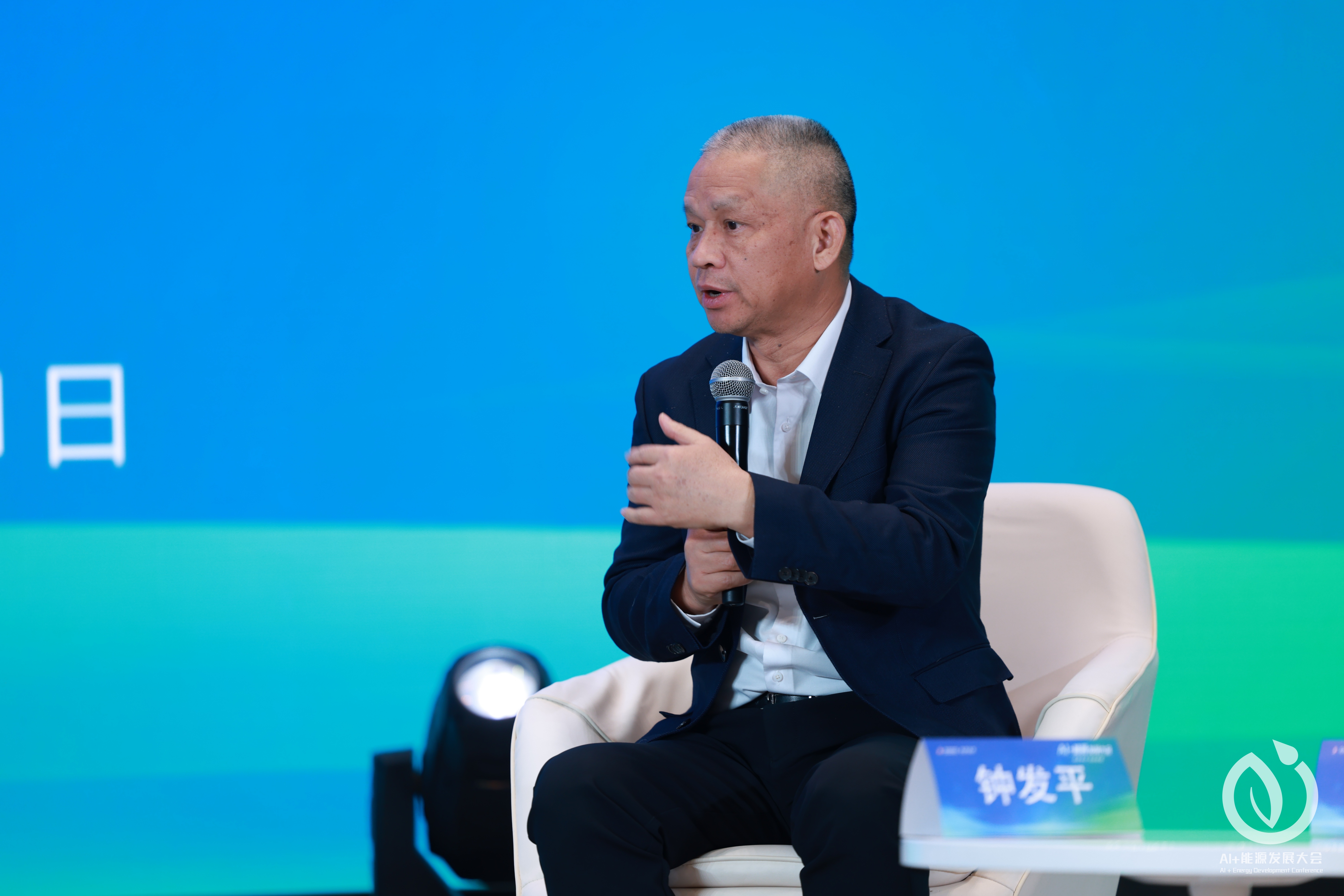
先进储能材料国家工程研究中心钟发平:如何用AI+零碳园区,破解源网荷储碎片化难题?
Zhong Guo Neng Yuan Wang· 2026-01-31 09:41
谈及零碳园区中"源网荷储"的落地路径,钟发平提出,核心是通过推进重大工程、打造重大场景,带动重大技术进步与创新,同时推动体制机制改革,尤其 是电网体制改革。他表示,国家近期大力推进零碳园区创建工作,正是这一思路的具体实践,此举将催生大量新技术,甚至是人工智能赋能下、基于能源安 全与资源优化的颠覆性技术,助力"源网荷储"各环节有机、智慧融通。 钟发平开篇明确,新型电力系统建设中,"源网荷储"四位一体协同发展是核心方向,其中储能作为四大环节之一,占据着至关重要的地位。他坦言,当前我 国并非缺乏储能设施,储能布局已逐步推进,但"源网荷储"体系的核心短板在于,各环节未能实现有机、智慧的联通,缺乏统一的智能化、数字化底座,导 致数据、算法及资源优化配置无法有效融通,呈现出"各干各的"碎片化发展态势——发电侧全力推进产能提升,储能侧持续扩大布局,但不同场景下的资源 利用未能形成联动,难以发挥体系化效能。 在钟发平看来,零碳园区的创建是破解"源网荷储"碎片化难题的伟大创举。他强调,零碳园区搭建了一个真实的应用场景,能够将"源网荷储"各环节汇聚到 统一平台,打破环节壁垒、实现协同联动,这正是推动"源网荷储"真正意义上融通发展 ...