
车网互动

Search documents
市场要稳增长 产业要快升级 ——记2025泰达汽车论坛
Zhong Guo Qi Che Bao Wang· 2025-09-23 01:33
Core Viewpoint - The automotive industry is focusing on high-quality development and technological innovation, with an emphasis on integrating AI, big data, and other advanced technologies throughout the vehicle lifecycle [2][3][8]. Policy and Regulation - The Ministry of Industry and Information Technology plans to evaluate the development of the new energy vehicle industry and optimize support measures for technological advancements [3]. - The introduction of the "National 7" emission standards will shift from single vehicle emission limits to a dual management system that includes average corporate emissions [3]. Market Dynamics - The automotive ownership per thousand people in China still lags behind developed countries, prompting the Ministry of Commerce to enhance the implementation of vehicle replacement policies [4]. - The automotive industry is transitioning from purchase management to usage management to stimulate consumption [4]. Technological Trends - The development of electric vehicles is diversifying, with various technological routes being explored, including range-extended electric vehicles and pure electric vehicles [5][6][7]. - The integration of AI and digital technologies is becoming essential for automotive companies, with a focus on creating intelligent applications and enhancing user experience [8][9]. Strategic Reorientation - Companies are restructuring their strategies to adapt to market challenges, with a focus on digitalization, low-carbon initiatives, and enhancing brand strength [10]. - The automotive industry is witnessing a shift from traditional manufacturing to becoming service-oriented and ecosystem operators, emphasizing the importance of software and data as primary value sources [8][9].


新能源+AI周报:固态电池进展超预期,重视储能等领域的高成长-20250921
Tai Ping Yang· 2025-09-21 13:41
Investment Rating - The report does not provide specific ratings for sub-industries such as power station equipment, electrical equipment, power supply equipment, and new energy power [3]. Core Insights - The overall strategy for the industry emphasizes the unexpected progress in solid-state batteries and highlights the high growth potential in energy storage and related fields. It suggests focusing on leading new energy companies during this layout window, with a preference for sectors like energy storage and lithium batteries, while remaining flexible in selecting areas like AI+ and solid-state technologies [4]. Summary by Sections New Energy and AI - The development of solid-state batteries is resonating positively both domestically and internationally, benefiting companies like CATL, Xiamen Tungsten, and Putailai. Notable advancements include the operationalization of a 430Wh/kg solid-state silicon-based battery production line by Zhongxin Innovation, and the delivery of the first batch of sulfide solid-state batteries by Funeng Technology by the end of the year [4][24]. - The lithium battery market is showing favorable conditions, with companies like EVE Energy and Longpan Technology expected to benefit from recent developments, including EVE's entry into the Xiaopeng MONA supply chain [5]. Energy Storage Industry - The energy storage sector is experiencing unexpected growth, with companies like Tesla, Sungrow, and Haibo Si Chuang benefiting. The IRENA report indicates that "solar + storage" will become the most economical green energy solution, with significant increases in domestic energy storage bidding and installation scales [6][7]. - The report highlights a substantial increase in the bidding scale for new energy storage, with a 60% year-on-year growth to 33.8GWh in August 2025, and a projected installed capacity of over 180 million kilowatts by 2027 [6][27]. AI and New Energy - The integration of AI with new energy technologies is entering a critical phase, with companies like Zhenyu Technology and Keda Li benefiting from advancements in humanoid robots and related technologies. Notably, Figure AI has secured over $1 billion in funding, aiming to deliver 100,000 robots in the next four years [8][24]. - The wind power sector is also expected to exceed expectations, with major procurement projects indicating strong demand. In August 2025, 30 wind turbine procurement projects were opened, totaling approximately 15.39GW [8][23]. Price Trends - Recent trends show a continuous increase in silicon material prices, with the latest transaction price range for n-type granular silicon at 49,000 to 50,000 yuan per ton, averaging 49,500 yuan per ton [7][12]. - The report notes that the price of lithium carbonate has remained stable, while the price of cobalt has increased, reflecting broader trends in the battery materials market [11][17].





“政策托举+技术升级+产品迭代”协同发力 制造业里新质生产力热潮涌动
Yang Shi Wang· 2025-09-21 05:58
Low Altitude Economy - The low altitude industry in Anhui has streamlined processes, allowing for a "one-stop" service to obtain necessary licenses within a month [1][5] - Anhui is the third province in China and the only one in the Yangtze River Delta to implement comprehensive low altitude airspace management reforms, establishing a low altitude flight service center [5][10] - The low altitude economy in Anhui has grown to include over 570 enterprises, with projected revenue exceeding 55 billion yuan in 2024, marking a 21.3% increase [10] Applications and Services - The low altitude flight service center provides systematic guidance on legal regulations and assists users in obtaining necessary qualifications, saving time and reducing complexity [6] - Over 120 flight routes have been opened for applications such as drone medical supply delivery and scenic area logistics [8] - By the first half of 2025, it is expected that there will be 22,000 general aviation flights and approximately 17 million drone flights in Anhui [8] Electric Vehicle and Energy Interaction - A new "vehicle-to-grid" (V2G) model allows electric vehicles to act as mobile power stations, alleviating peak electricity demand by discharging stored energy back to the grid [11][14] - The first large-scale test of the "5G + quantum" virtual power plant in Hefei involved over 6,000 electric vehicles, achieving an interactive energy transfer of 28,000 kWh [12] - This model not only reduces the need for extensive power infrastructure but also provides financial benefits to vehicle owners, who can earn 1.7 yuan per kWh by discharging energy during peak times [17] Robotics in Industry - The application of intelligent robots in industrial settings is increasing, with robots now capable of performing complex tasks such as inspection and maintenance in hazardous environments [20][24] - These robots can operate autonomously and are equipped with advanced sensors for monitoring temperature, humidity, and gas levels, significantly improving inspection efficiency by over ten times compared to human workers [24]
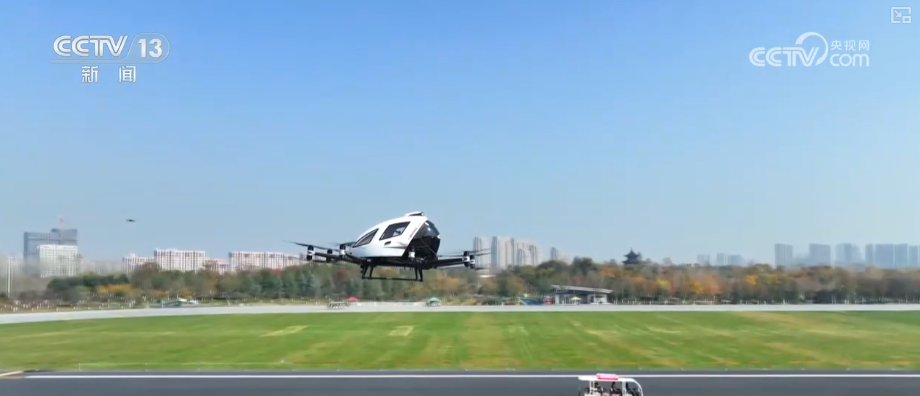
合肥举行“车网互动”规模化实测
Jing Ji Guan Cha Wang· 2025-09-21 03:20
Core Viewpoint - The first large-scale test of "5G + Quantum" virtual power plant precise scheduling with "vehicle-network interaction" was successfully conducted in Hefei, involving over 6,000 new energy vehicles and generating 28,000 kilowatt-hours of electricity [1] Group 1 - The event marks a significant milestone in the integration of 5G technology with quantum computing in the energy sector [1] - Over 6,000 new energy vehicles participated in the interaction, showcasing the potential for large-scale deployment [1] - The total electricity generated during the test reached 28,000 kilowatt-hours, indicating the effectiveness of the system [1]
电车还能反向放电 制造业里的新质生产力“新”在何处?
Yang Shi Xin Wen· 2025-09-21 03:07
Group 1: Manufacturing Industry Insights - The 2025 World Manufacturing Conference opened in Hefei, showcasing the 2025 China Manufacturing Enterprises Top 500 list, highlighting innovation as a key driver for large manufacturing enterprises in China [1] - Anhui Province has established itself as a pilot province for low-altitude airspace management reform, becoming the third in the country and the only one in the Yangtze River Delta [6] Group 2: Low-altitude Economy Development - The low-altitude industry in Anhui has developed a "one-stop" service for processes such as airspace application and material approval, allowing businesses to obtain necessary licenses within a month [2][4] - Anhui has established a low-altitude flight service center, providing a smart and standardized service system for low-altitude aviation users, including airspace planning and flight monitoring [6] - The low-altitude economy in Anhui has begun to take shape, with over 570 enterprises in the industry chain and revenue exceeding 55 billion yuan, marking a 21.3% growth [10] Group 3: Electric Vehicle and Energy Interaction - A new "vehicle-to-grid" (V2G) model allows electric vehicles to act as mobile power stations, providing energy back to the grid during peak demand, with over 6,000 electric vehicles participating in a recent test [12][14] - The National Energy Administration plans to conduct large-scale trials of the vehicle-to-grid model in key regions, aiming to establish over 30 demonstration projects by the end of 2025 [16] Group 4: Robotics in Industry - The application of intelligent robots in industrial settings is increasing, with robots now capable of performing inspection and maintenance tasks in hazardous environments, significantly improving efficiency [18] - New robotic systems can perform complex tasks traditionally done by humans, enhancing operational efficiency by over ten times compared to manual inspections [18]
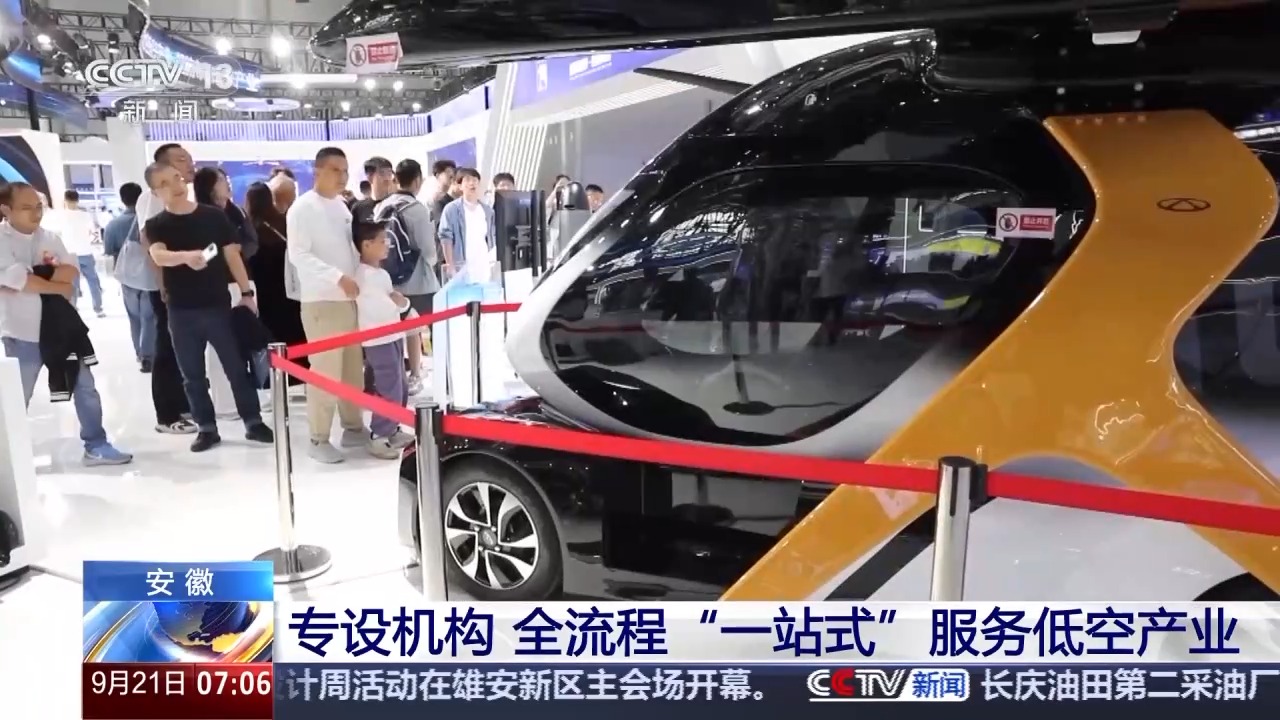
四川今年水电装机将突破1亿千瓦
Xin Hua Cai Jing· 2025-09-19 13:47
Core Viewpoint - Sichuan Province is set to achieve a historic milestone in hydropower installation, surpassing 100 million kilowatts this year, as part of its efforts to enhance clean energy development and meet energy demands for economic and social growth [1][2]. Group 1: Clean Energy Development - Sichuan has unique clean energy resources and has accelerated the development of hydropower, wind, solar, hydrogen, and natural gas since the start of the 14th Five-Year Plan [1]. - The province has made significant progress in transforming its clean energy advantages into economic development advantages [1]. Group 2: Hydropower and Natural Gas Achievements - Over the past five years, Sichuan has focused on hydropower development in the "Three Rivers" basin, resulting in the completion of the Baihetan Hydropower Station, which has the largest single-unit capacity globally and ranks second in total installed capacity [1]. - Sichuan's natural gas production has increased from 43.2 billion cubic meters to 56.2 billion cubic meters, maintaining its position as the top producer in the country [1]. Group 3: Energy Infrastructure and Market Innovations - Sichuan has built an interconnected energy infrastructure network, with over 21,000 kilometers of 500 kV backbone network lines, the largest in the State Grid operating area, and an increase in 500 kV substations to 69 [1]. - The province has pioneered a competitive bidding mechanism for coal-fired power, hydropower, and new energy, leading to the establishment of a new electricity spot market, with cumulative market transactions exceeding 1 trillion kilowatt-hours and an annual growth rate of 22% [2]. - Sichuan has developed a provincial-level virtual power plant management platform, enhancing the aggregation capabilities of 33 virtual power plants and launching new energy storage installations of 1.35 million kilowatts [2].
推动车网互动成为应对负电价有效选项
Zhong Guo Dian Li Bao· 2025-09-19 07:29
Core Viewpoint - Shandong has become the first province in China to implement market-oriented pricing for renewable energy, marking a significant step in the national reform of renewable energy pricing [1][4] Group 1: Market Reform and Pricing Mechanism - The recent announcement of the 2025 renewable energy pricing results in Shandong signifies the formal implementation of the 136 document, which aims to introduce market competition into the pricing of renewable energy [1] - Shandong's reform includes a clear distinction between existing renewable projects, which will follow national pricing limits, and new projects that will adopt market-based bidding rules [1][2] - The shift from fixed pricing to market-based pricing means that renewable energy companies must adapt to a more volatile market environment, where they may face negative pricing scenarios [1][3] Group 2: Negative Pricing Phenomenon - Shandong has experienced instances of negative pricing, particularly during periods of high renewable output and low demand, leading to situations where energy producers may have to pay to sell their electricity [3][4] - The occurrence of negative pricing is not unique to Shandong; it is seen in mature electricity markets globally and reflects the challenges posed by the integration of renewable energy into traditional power systems [4] Group 3: Vehicle-to-Grid (V2G) Integration - The rapid growth of electric vehicles (EVs) in Shandong is creating opportunities for vehicle-to-grid (V2G) technology, which allows EVs to act as mobile energy storage units that can help balance supply and demand [5][6] - Shandong plans to establish multiple V2G demonstration projects and charging stations to facilitate the integration of EVs into the energy grid, promoting efficient energy consumption [6][10] - The V2G model is seen as a crucial component for enhancing grid flexibility and enabling better utilization of renewable energy resources [5][12] Group 4: Challenges and Future Directions - Despite the potential of V2G, challenges remain in terms of standardization, business model development, and user engagement, which need to be addressed for widespread adoption [8][9] - The current pricing mechanisms for V2G participation are not sufficiently attractive, limiting the economic incentives for EV owners to engage in energy trading [9][11] - Ongoing reforms in Shandong aim to create a more favorable environment for V2G, including differentiated pricing strategies and clearer compensation mechanisms for energy contributions from EVs [10][12]
广西最大规模车网互动示范站建成投运
Zhong Guo Dian Li Bao· 2025-09-19 07:18
Core Insights - The Nanning International Convention and Exhibition Center Smart Supercharging Station has been completed and is operational, representing the largest scale vehicle-network interaction demonstration station in Guangxi [1] - The project integrates various new energy technologies, including photovoltaic power generation, green energy storage, liquid cooling supercharging, virtual power plants, vehicle-network interaction, and wireless charging [1] - This station is the first in Guangxi to utilize the Harmony Electric Charging System and achieve energy-carbon coupling, showcasing advanced technology and smart features [1] Summary by Categories Project Overview - The smart supercharging station covers nearly 1,000 square meters and has a total power capacity of 1,610 kVA [1] - It features 85.725 kW of photovoltaic capacity and 261 kWh of energy storage [1] - The station includes 40 charging terminals with six types of charging options: liquid cooling supercharging, fast charging, slow charging, wireless charging, mobile charging, and V2G discharging [1] Technological Features - The station is equipped with the domestically developed Harmony Electric System and the latest metering equipment to achieve energy-carbon coupling [1] - A load management system is implemented to conduct orderly charging and discharging, facilitating multi-dimensional energy integration [1] - The design and construction of the station align with the development positioning of the Nanning International Convention and Exhibition Center [1] Strategic Importance - The smart supercharging station serves as a demonstration window for vehicle-network interaction technology aimed at ASEAN countries [1] - It aims to create Nanning's first large-scale zero-carbon demonstration complex, contributing to Guangxi's green development initiatives [1]
【新能源周报】新能源汽车行业信息周报(2025年9月8日-9月14日)
乘联分会· 2025-09-16 08:42
Industry Information - The number of artificial intelligence companies in China has exceeded 5,000, showcasing strong innovation vitality and market potential [9] - CATL's factory in Hungary is expected to start production in early 2026, with a total investment of €7.3 billion and an annual capacity of 100 GWh [9] - The China Automobile Association is preparing to establish a new energy vehicle battery sub-association to promote healthy and sustainable development in the battery industry [9] - In the first eight months of this year, China's automobile exports reached ¥605.23 billion, marking an 11.9% increase [10] - Zhuoyue Technology (formerly DJI Automotive) has launched its European strategy, focusing on advanced driver assistance systems (ADAS) [11] - In August, China's power battery installation volume reached 62.5 GWh, a year-on-year increase of 32.4% [20] - Shell has introduced a new battery cooling liquid for electric vehicles, enhancing charging speed and safety [21] Policy Information - The Guangdong Shantou government has released policies to support the high-quality development of the new energy vehicle industry from 2025 to 2027 [5] - Beijing has allowed ordinary car indicators to switch between purchasing fuel vehicles or new energy vehicles without limit [34] - The Ministry of Industry and Information Technology has announced plans to improve support policies for high-end intelligent automotive chips [13] - The government of Mexico plans to raise import tariffs on cars from China to 50% to protect local employment [18] - The Jiangsu government has established a new energy management company with a registered capital of ¥20 million [19]

广州力争到2025年底建成V2G桩不少于300个
Cai Jing Wang· 2025-09-16 07:29
Core Viewpoint - The Guangzhou government has issued a work plan for the construction of a national vehicle-to-grid (V2G) interactive application pilot city from 2025 to 2027, focusing on the development of a benchmark demonstration area in Baiyun District [1] Group 1: V2G Development - The plan emphasizes multi-party collaboration to advance the construction of the V2G benchmark demonstration area [1] - The pilot scope will cover at least eight types of scenarios, including residential communities, industrial parks, office parks, battery swap stations, bus stations, logistics stations, government offices, and parks [1] - The goal is to establish no less than 300 V2G charging piles by the end of 2025, with a discharge capacity of at least 300,000 kilowatt-hours and regular participation of no fewer than 400 V2G vehicles [1]