
绿色转型

Search documents
申万宏源证券助力济南能源集团中期票据成功发行
申万宏源证券上海北京西路营业部· 2025-10-28 02:25
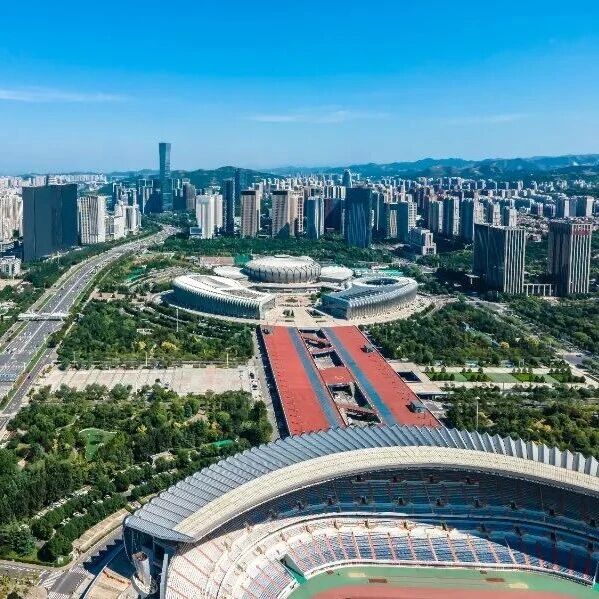
展望未来,申万宏源固定收益融资总部将以本次发行为新起点,深化与济南能源集 团的业务合作。依托债券承销、固定收益产品设计的专业积淀,围绕集团能源 "一 张网"建设、新能源布局等核心需求,提供定制化融资方案与全流程支持,以跨市 场资源整合能力助力企业优化融资结构、降低成本,为其稳健发展与绿色转型筑牢 金融保障。 免责声明 本内容最终解释权归申万宏源证券有限公司所有。 免责声明 投资有风险,入市需谨慎。本内容不构成任何投资建议。投 资者不应以该等信息取代其独立判断或仅根据该等信息做出 决策。申万宏源对这些信息的准确性或完整性不作保证,亦 不对因使用该等信息而引发或可能引游躲损豢秃拐չ-α葛磊 2025年10月24日 ,申万宏源证券有限公司(以下简称 "申万宏源")以联席主 承销商身份,助力济南能源集团有限公司(以下简称"济南能源集团")圆满完 成 " 济 南 能 源 集 团 2025 年 第 二 期 中 期 票 据 " 发 行 工 作 。 本 次 债 券 票 面 利 率 2.32%,全场认购倍数3.6倍,充分体现市场对发行人综合实力与投资价值的高 度信赖。 作为济南市属一级国有独资大型能源龙头企业,济南能源集团肩负 ...


金发科技:前三季度净利润同比增长55.86% 材料创新与全球布局共筑增长新动能
Zhong Zheng Wang· 2025-10-28 01:25
Core Viewpoint - The company Jinfa Technology (600143) reported a strong performance in the first three quarters of 2025, with significant revenue and profit growth driven by business optimization and market expansion [1][2]. Group 1: Financial Performance - The company achieved an operating income of 49.616 billion yuan, representing a year-on-year increase of 22.62% [1]. - The net profit attributable to shareholders reached 1.065 billion yuan, reflecting a year-on-year growth of 55.86% [1]. Group 2: Business Segment Performance - The modified plastics segment recorded sales of 2.0908 million tons, up 18.16% year-on-year, providing solid support for overall performance [2]. - The special engineering plastics segment achieved sales of 24,000 tons, a remarkable increase of 53.85% year-on-year, surpassing the total sales for 2024 [2]. - The biodegradable materials segment saw a sales increase of 27.31% year-on-year, with an annual production capacity of 180,000 tons of PBAT biodegradable plastics, leading in Asia [2]. Group 3: Global Expansion - The company has successfully launched factories in Vietnam, Spain, and Indonesia, with ongoing construction in Mexico and Poland, enhancing its global production and service network [2]. - The establishment of overseas bases in the U.S., Europe, and India has contributed to a steady increase in global market share and competitiveness [2]. Group 4: Research and Development - The company has significantly increased R&D investment, achieving breakthroughs in bio-based materials and establishing a full industrial chain system [3]. - Successful advancements in the application of biodegradable plastics in industrial-grade additive manufacturing and high-end food packaging have expanded product applications and market potential [3]. - The company plans to continue focusing on technological innovation, increasing R&D investment, and accelerating capacity release and international expansion to capture growth opportunities [3].

这场会,“含绿量”很足
Ren Min Ri Bao Hai Wai Ban· 2025-10-27 23:03
Core Viewpoint - The 2025 Annual Meeting of the China Council for International Cooperation on Environment and Development emphasized the urgent need for green transformation, highlighting China's significant progress in energy transition and the importance of international cooperation in achieving sustainable development goals [6][7][9]. Group 1: Green Transformation - Green transformation is a key focus of the meeting, with the report indicating that it has reached a critical point, necessitating ambitious actions without delay [7]. - China has achieved substantial milestones, including the completion of 1.12 billion kilowatts of coal power units and 950 million tons of crude steel capacity undergoing ultra-low emissions transformation, and the elimination of nearly 50 million high-emission vehicles [7]. - By 2024, renewable energy is expected to account for 86% of the new power generation capacity in China, surpassing half of the global new capacity [7]. - China is recognized as a leader in energy transition, particularly in renewable energy and clean technology, inspiring other nations [7][8]. Group 2: Circular Economy - Circular economy is highlighted as a crucial strategy for sustainable development, focusing on efficient resource use and waste reduction [10][11]. - China has over 260,000 resource recycling enterprises, with the industry’s output value increasing from approximately 2 trillion yuan in 2015 to an expected 5 trillion yuan in 2023 [12]. - The country has implemented laws and standards to promote circular economy practices, achieving significant reductions in pollution and enhancing resource recycling in various sectors [12][13]. Group 3: Harmonious Coexistence - The ultimate goal of green transformation and circular economy is to promote harmonious coexistence between humans and nature [14][15]. - Significant improvements in environmental quality have been recorded, including a 56% reduction in PM2.5 concentrations in major cities and over 90% of surface water quality meeting good standards [16]. - China has established a comprehensive ecological protection framework, with over 30% of land designated for ecological protection and a forest coverage rate exceeding 25% [16][17]. - The integration of environmental protection with economic development is emphasized as a systematic approach to achieving sustainable growth [18].
为钢铁行业近零碳排放努力攻关(迈向“十五五”的创新图景)
Ren Min Wang· 2025-10-27 22:37
Core Viewpoint - The article highlights the successful launch of the world's first 10,000-ton green electricity and green hydrogen fluidized bed hydrogen metallurgy pilot line by Ansteel Group, marking a significant step towards achieving near-zero carbon emissions in iron production [1][4]. Group 1: Project Overview - The pilot line utilizes green electricity generated from wind power to electrolyze water for hydrogen production, which is then used to reduce iron ore pellets, achieving nearly zero carbon emissions per ton of iron produced [1][4]. - The project was initiated in September 2022 in collaboration with several research institutions, focusing on developing new technologies and processes for hydrogen metallurgy [2][4]. Group 2: Technical Innovations - Key innovations include the development of iron ore powder granulation modification technology to produce spherical particles and the establishment of stable operational parameters for continuous production [2][3]. - The pilot line has successfully produced over 150 tons of direct reduced iron with a metalization rate exceeding 95%, suitable for high-end materials like automotive and electrical steel [3][4]. Group 3: Industry Impact - The steel industry is a major contributor to carbon emissions, accounting for 15% of the national total, making the transition from carbon metallurgy to hydrogen metallurgy crucial for achieving carbon neutrality [4]. - Ansteel Group's pilot line represents a significant advancement in domestic technology, achieving 100% localization of key equipment and forming a complete set of proprietary technology and processes [4]. Group 4: Future Plans - Looking ahead, Ansteel Group aims to further develop the 500,000-ton industrialization plan for fluidized bed hydrogen metallurgy technology, enhancing economic viability and contributing to the green transformation of the steel industry [3][4].

“为亚太区域合作持续注入动力” ——访马来西亚国会议员陈家兴
Ren Min Ri Bao· 2025-10-27 22:22
Core Viewpoint - The Asia-Pacific Economic Cooperation (APEC) has played a significant role in promoting regional economic integration and cooperation over the past 30 years, with a unique value derived from its flexibility and inclusiveness [1] Group 1: APEC's Role and Impact - APEC has been instrumental in facilitating trade and investment liberalization, as well as promoting economic and technological cooperation among member economies [1] - The organization maintains a strong vitality, continuously injecting momentum into regional cooperation [1] - APEC provides a platform for economies at different development stages to participate equally and achieve mutual benefits [1] Group 2: China's Leadership and Initiatives - China has taken a leading role in promoting green transformation and economic connectivity within APEC, aligning with the organization's long-term advocacy [2] - The Belt and Road Initiative has led to significant projects in Malaysia, such as the Kuantan Industrial Park and East Coast Rail Link, enhancing various sectors including heavy industry and tourism [2] - Cooperation in areas like photovoltaics, energy storage, 5G, and electric vehicles has deepened, injecting new momentum into Malaysia's economic growth [2] Group 3: Challenges and Future Directions - The rise of unilateralism and protectionism makes it more crucial than ever to maintain a free and open trade and investment environment [2] - APEC economies need new growth engines in the face of technological revolutions, with collaboration in AI, digital payments, and green technology being essential for economic transformation [3] - Malaysia's implementation of the "Charming Economy" framework and various economic revitalization measures will benefit from cooperation with China and other regional countries [3]
以科技创新促进绿色转型(编辑手记)
Ren Min Ri Bao· 2025-10-27 22:05
绿色转型不是单点突破的"独角戏",而是全链条协同的"交响乐"。135兆瓦超临界煤气发电机组提升能 源利用效率,"无人行车+数字孪生"智能库区实现高效低碳运输和生产……科技创新在钢铁生产的各环 节实现突破。这种全链条的科创赋能,打通了"减排"与"增效"的堵点,推动高耗能产业从"资源依赖 型"转向"技术驱动型"。 能耗降下去,创新强起来;碳排减下去,效益提上来。高耗能产业的绿色转型,从来不是发展的"包 袱",而是通过科技创新驱动高质量发展的"催化剂"和"试金石"。当智能工艺替代传统工艺,当绿色动 能替代资源依赖,高耗能产业必将完成从"高碳排放"到"绿色标杆"的转变,为"十五五"时期的高质量发 展书写更亮眼的绿色答卷。 风电机组发电产生绿电,电解水制氢,再用氢气还原铁矿颗粒,最后压制成圆柱形还原铁压块……整个 过程实现吨铁二氧化碳近零排放。鞍钢集团的科研人员用科技创新和关键核心技术攻关,在经济社会发 展全面绿色转型、培育壮大绿色增长新动能的浪潮中,进行了有益的探索。 钢铁、化工、水泥等传统高耗能产业,在新形势下面临极大的转型困境。鞍钢作为大型钢铁企业,急需 一场涉及设备更新、节能减排、资源循环利用等各环节的绿色转型 ...
国际人士:中国擘画“十五五”发展蓝图 给世界繁荣稳定注入信心
Yang Guang Wang· 2025-10-27 11:35
秘鲁国立圣马尔科斯大学亚洲经济学专家卡洛斯·罗德里格斯:中国有明确的计划和目标,并且能 够落实。我们和其他拉美国家也从与中国的合作中受益。这次全会提出开创合作共赢新局面,期待中国 与世界各国共享机遇、共同发展。 德国媒体人士托马斯·凯福:"十五五"规划建议中不仅提到中国未来五年的发展规划,并且提出了 更长期的目标,着眼长远。中国的发展经验值得世界各国学习。 央广网北京10月27日消息 据中央广播电视总台中国之声《新闻和报纸摘要》报道,国际社会高度 关注中国共产党二十届四中全会取得的成果。多国人士表示,"十五五"规划建议展现了中国稳健、务实 的发展前景,给世界繁荣稳定注入信心。 塞尔维亚贝尔格莱德大学经济学院教授米尤什科维奇:中国重视科技创新、重视人才培养,这些都 值得我们借鉴。新的五年规划体现了中国共产党通过长远规划引领国家发展的能力。 斯里兰卡"一带一路"组织创始人、主任库加塔桑:全会审议通过的"十五五"规划建议中,涉及基础 设施、人才发展、科研能力建设等多个方面,体现出中国对未来的构想全面而长远。近年来,中国在 5G技术、绿色转型、人工智能等相关领域的发展迅速,中国制造业正加快迈向数字化、智能化。中国 还 ...
富春环保发布2025年三季报 业务扩张助力营收持续增长
Zheng Quan Shi Bao Wang· 2025-10-27 09:49
Core Viewpoint - 富春环保 reported a strong performance in Q3 2025, with revenue of 3.854 billion yuan, a year-on-year increase of 9.01%, and a net profit of 184 million yuan, reflecting robust profitability and growth resilience in its core business [1] Group 1: Financial Performance - The company achieved a net profit of 243 million yuan attributable to shareholders, a decline compared to the previous year, primarily due to changes in non-recurring gains and losses [1] - The significant growth in net profit, excluding non-recurring items, was driven by improved gross margins from changes in upstream and downstream product prices [1] Group 2: Business Expansion - 富春环保 is expanding its business model from "cogeneration + solid waste recycling + environmental monitoring and treatment" to a more integrated approach [1] - The company signed an investment contract for a cogeneration project in Hubei, marking its first strategic expansion into the central region of China [2] - The total installed capacity of the company reached 358 megawatts with the recent commissioning of the second phase of the platinum-rich Wanzai Industrial Park cogeneration project [2] Group 3: Solid Waste Resource Utilization - The company has optimized its industrial chain by adding production lines for electrolytic copper and crude tin, covering various non-ferrous and precious metals [3] - In the first half of 2025, the sales volume of crystallized tin and electrolytic copper contributed 325 million yuan to the company's revenue [3] - The solid waste utilization market is expected to exceed 500 billion yuan by 2025, with a growth rate of over 12%, driven by strengthened environmental policies [3]

湖北宜昌:绿色转型打造清洁能源之城
Xin Hua Wang· 2025-10-27 09:34
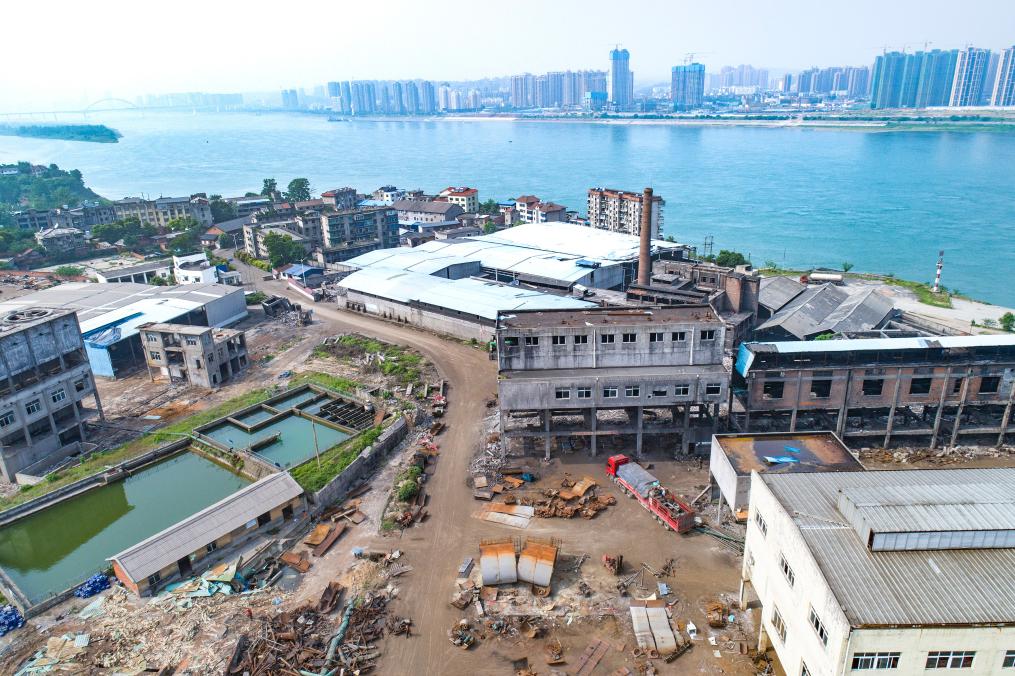
Core Viewpoint - Yichang, Hubei is undergoing a green transformation to become a clean energy city, significantly reducing pollution and enhancing its clean energy industry [1][3]. Group 1: Clean Energy Initiatives - Yichang has established 179 shore power facilities along 71 operational docks, providing over 60 million kilowatt-hours of clean shore power to more than 58,000 vessels, resulting in a carbon reduction of over 44,000 tons [1]. - The city has shifted from being solely an energy production hub to a source of clean energy technology, high-end equipment, and industry standards innovation [1][3]. - In the past three years, Yichang has completed or is constructing 81 new energy and new material projects with a total investment exceeding 340 billion yuan, with lithium iron phosphate battery production capacity reaching 70 GWh [3]. Group 2: Industrial Transformation - Yichang has transformed its chemical industry by closing, merging, or relocating 134 chemical enterprises to alleviate ecological pressure, leading to a significant increase in the proportion of fine chemicals in the phosphate chemical circular industry cluster from 18.6% in 2018 to 47.76% in 2024 [3]. - The city is focusing on high-end equipment manufacturing, particularly in green smart shipbuilding, with a diverse technological approach including electric, hydrogen fuel, LNG, and hybrid power [4]. Group 3: Infrastructure and Economic Development - Yichang has launched the first "zero-carbon freight corridor" in Hubei, which processes 3,000 tons of phosphogypsum waste, promoting a new model of "green mining—clean transportation—ecological restoration" [6]. - The digital economy is also thriving, with the total computing power reaching 3,500 P and an additional 11,600 P under construction, aiming for the digital economy industry scale to exceed 100 billion yuan this year [9].
学习二十届四中全会:科技创新驱动增长
Capital Securities· 2025-10-27 06:18
Group 1: Key Concepts from the 20th Central Committee's Fourth Plenary Session - The session emphasizes "new quality productivity" and "high-level technological self-reliance" as core concepts for the 15th Five-Year Plan[8] - The focus is on technological innovation as the main line to ensure safety and resilience, promoting high-quality development and common prosperity[8] - The transition from a factor-driven growth model to an innovation-driven model is highlighted, marking a fundamental shift in economic growth[9] Group 2: Strategic Industry Development - The proposal aims to develop emerging pillar industries, accelerating the growth of sectors like new energy, new materials, and aerospace, potentially creating several trillion-level markets[11] - Hydrogen energy and nuclear fusion are identified as strategic future energy sectors, with significant market potential expected to reach trillion-level scales during the 15th Five-Year Plan[13] - The "three new" economy's contribution to GDP is projected to exceed 18% by 2024, indicating a strong focus on innovation-driven growth[11] Group 3: Policy and Market Implications - The government will provide strong support in planning, funding, and research for emerging industries, particularly hydrogen and nuclear fusion, over the next decade[14] - The integration of new energy technologies with manufacturing and smart control is expected to enhance the added value of manufacturing[12] - Risks include potential misinterpretation of policies and outcomes not meeting expectations, which could impact industry growth[15]