
能源转型

Search documents
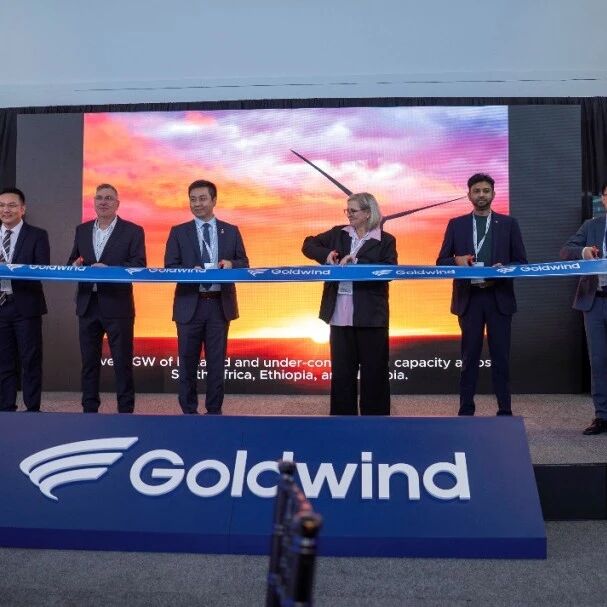
金风科技南非解决方案工厂正式投运
中国能源报· 2025-11-12 04:04
Core Viewpoint - The opening of the South Africa Solutions Factory by Goldwind Technology marks a significant step in the energy transition process in South Africa, enhancing local wind power industry development and contributing to sustainable development goals [5][13]. Group 1: Factory Overview - The South Africa Solutions Factory is Goldwind's sixth overseas solutions factory, following those in the USA, Australia, Brazil, Pakistan, and Vietnam [3]. - Located in the Montague Garden industrial park, the factory covers an area of approximately 2,500 square meters and integrates five key functions: Remote Operation Center (ROC), Testing and Maintenance Center, Technical Support Center, Regional Warehousing Center, and GWO Training Center [3]. - The factory aims to provide comprehensive lifecycle services for renewable energy projects in South Africa and sub-Saharan Africa, improving project execution and operational support efficiency, shortening spare parts supply cycles, and reducing operational costs [3]. Group 2: Partnerships and Innovations - Goldwind has signed a long-term Memorandum of Understanding (MoU) with drone service partners Clobotics and Forestry Drone to promote innovative applications of drone technology in wind farm inspections, environmental monitoring, and operational management [5]. - This collaboration aims to achieve intelligent project inspections, reduce frontline personnel workload, enhance safety, and optimize ESG management levels [5]. Group 3: Local Market Engagement - Goldwind has been active in the South African market for over 10 years, with more than 15 operational and under-construction projects totaling approximately 2 GW [9]. - The company has partnered with local enterprises, such as BioTherm Energy, to develop projects like the Golden Valley and Excelsior, which have maintained a utilization rate of over 99% since commissioning [9][10]. - In 2022, Goldwind signed a contract with EDF Renewables to construct the K1 project cluster, utilizing locally produced mixed towers to support the local supply chain [10]. Group 4: Future Projects and Environmental Impact - Goldwind is set to collaborate with local companies ACED on South Africa's first "green mining" PPA projects, providing stable green electricity to mining and industrial parks [10]. - The projects, through Power Purchase Agreements (PPAs), are expected to offer clients stable revenue for up to 20 years, enhancing project financing [10]. - In 2025, Goldwind plans to build South Africa's largest single wind farm, the Overberg project, with a total capacity of 400 MW, expected to reduce carbon emissions by 700,000 tons annually, accounting for 30% of the national grid's carbon emissions [10]. Group 5: Compliance and Community Engagement - Goldwind has consistently adhered to local regulations, including the Renewable Energy Independent Power Producer Procurement Program (REIPPPP) and the Black Economic Empowerment (BEE) Act [11]. - The company has contributed to local community development by providing renewable energy training for youth, repairing roads and bridges, and donating materials to schools and centers for the disabled [11]. Group 6: Industry Trends - The South African government's Integrated Resource Plan 2025 indicates a significant shift in energy sources, with coal power expected to decrease from 58% to 27% by 2039, while wind energy's share is projected to rise from 8% to 24% [13]. - Goldwind aims to support South Africa's green transition by advancing project development, technological innovation, and local industry chain upgrades, while actively participating in talent development and social governance [13].


上期所四举措助力能源转型
Zhong Guo Hua Gong Bao· 2025-11-12 01:58
Core Viewpoint - The 14th China International Petroleum Trade Conference highlighted the rapid construction of a new energy system in China, emphasizing the shift towards low-carbon energy consumption and the role of the Shanghai Futures Exchange (SHFE) in supporting this transition. Group 1: Energy Transition Support - The SHFE is enhancing its product offerings to support the green development of the oil and gas industry, focusing on traditional energy products such as crude oil, fuel oil, and asphalt, with a total trading volume of 285 million contracts in the first three quarters of the year, an increase of 18.4% year-on-year, and a transaction value of 24.2 trillion yuan [1][2] - The exchange is accelerating the development of liquefied natural gas futures and options to support the growth of the clean and efficient energy industry and to help achieve the "dual carbon" goals [1] Group 2: Open Platform Development - The SHFE is enhancing its global service capabilities by including all energy products in the Qualified Foreign Institutional Investor (QFI) trading category, thereby expanding pathways for foreign investors to participate [1] Group 3: Strengthening Market Linkages - The SHFE is promoting targeted promotional activities for oil and gas enterprises through its "Strong Source Assisting Enterprises" service brand, and is deepening cooperation with spot oil and gas trading platforms to integrate futures prices into actual trading scenarios [2] Group 4: Market Stability Maintenance - The SHFE is focused on improving the regulatory framework for futures trading in China, enhancing regulatory effectiveness to create a fair and orderly market environment, effectively preventing and mitigating market risks, and maintaining stable market operations [2]
2025年中国海上风电基础结构行业补贴政策、产业链、市场规模、代表企业经营现状及发展趋势研判:受益于海风行业发展,市场规模有望达到118亿元[图]
Chan Ye Xin Xi Wang· 2025-11-12 01:30
Core Insights - The global offshore wind foundation market is experiencing robust growth, with a projected market size of 31.9 billion yuan in 2024 and an expected increase to 42.4 billion yuan in 2025 [1][8] - The monopile foundation segment dominates the market, accounting for 81.19% of the total market size in 2024 and is expected to decrease to 71.70% by 2025 [1][8] - China's offshore wind power industry is poised for explosive growth, with an anticipated new installed capacity of 5.62 GW in 2024 and 7.7 GW in 2025 [6][9] Offshore Wind Foundation Industry Definition and Classification - Offshore wind foundations are critical structures that support wind turbines and connect to the tower, categorized into monopile, jacket, suction bucket, and floating foundations [2][4] - Monopile foundations are the most widely used and hold a significant market share in the offshore wind sector [10] Industry Development Environment - Subsidy Policies - China's offshore wind power has entered a crucial development phase, with various provinces setting ambitious installation targets for the 14th Five-Year Plan, totaling 57.99 GW [4][6] Current Industry Status - The global offshore wind foundation market is driven by energy transition and carbon neutrality goals, with a new installed capacity of 8 GW in 2024 and an expected 16.3 GW in 2025 [6][8] - In China, the offshore wind foundation market is projected to reach 8.9 billion yuan in 2024 and 11.8 billion yuan in 2025 [9][10] Industry Value Chain - The upstream of the offshore wind foundation industry includes raw materials like steel, flanges, and cables, while the midstream focuses on design, manufacturing, and installation [10] - The downstream involves operation and maintenance services for offshore wind farms, catering to developers and operators [10] Competitive Landscape - Major companies in the offshore wind foundation sector include Jiangsu Haili Wind Power Equipment Technology Co., Ltd., Dajin Heavy Industry Co., Ltd., and Tiensun Wind Power [10][11] - Haili Wind Power is a leading player in the domestic market, focusing on monopile and tower production [11][12] - Dajin Heavy Industry has a significant market presence in Europe, with a market share increase from 18.5% in 2024 to 29.1% in the first half of 2025 [12] Industry Development Trends - The offshore wind foundation maintenance is transitioning from experience-driven to data-driven and intelligent approaches, enhancing operational efficiency and safety [14] - Future developments will focus on smart, unmanned, and sustainable solutions as nearshore resources become saturated [14]






胡森林:锚定能源强国目标聚力发力
Jing Ji Ri Bao· 2025-11-12 00:00
Core Viewpoint - The construction of a strong energy nation is essential for high-quality economic development and is a response to the changing international energy landscape, as well as a requirement for the green transformation of the economy and society [2][3][4]. Group 1: Importance of Energy - Energy is the lifeblood of the national economy, and a robust modern energy industry is a crucial foundation for building a strong socialist modern nation [2]. - Historical energy transitions have led to significant advancements in productivity and shifts in international dynamics, indicating the necessity of adapting to the current global energy transformation [2][3]. Group 2: Energy Transition and Economic Development - The energy industry plays a vital role in fixed asset investment, GDP contribution, and employment, making it a key component of the national economy [3]. - The new energy industries, represented by solar, wind, storage, hydrogen, and smart grids, have become strategic emerging industries and important growth drivers for the economy [3]. Group 3: Achieving Carbon Neutrality - Achieving carbon peak and carbon neutrality is a major strategic decision by the central government, with energy activities being the primary source of carbon emissions [4]. - Transitioning from a traditional high-carbon energy system to a clean and low-carbon energy system is the most effective path for carbon reduction [4]. Group 4: Current Energy Landscape - By 2024, China's energy production is expected to reach approximately 5 billion tons of standard coal, with non-fossil energy consumption accounting for 19.8% [5]. - China has become the world's largest energy producer and consumer, with a more complete energy supply system and improved energy consumption structure [5]. Group 5: Challenges in Energy Development - Building a strong energy nation is a complex system project that requires a multi-dimensional approach, including supply security, technological strength, energy structure, and governance capabilities [6][7]. - There are still significant shortcomings in various aspects of energy development, indicating that the journey to becoming a strong energy nation is challenging [7]. Group 6: New Energy System Construction - The current energy development is at a critical juncture, necessitating the acceleration of the construction of a new energy system to achieve quality and efficiency improvements [8]. Group 7: Energy Supply Security - Ensuring energy security and stable supply is crucial, especially given the high dependence on foreign oil and gas resources and rising uncertainties in the international landscape [9]. - A comprehensive energy supply, safety, and emergency system must be established to enhance energy security [9]. Group 8: Technological Innovation in Energy - The new energy system's construction relies on advancements in energy technology, necessitating a complete innovation ecosystem from basic research to industrial application [10]. - Collaboration between national strategic technological forces and enterprises is essential to drive innovation in key energy sectors [10]. Group 9: Green and Low-Carbon Transition - Promoting a green and low-carbon transition is vital for breaking environmental resource constraints and achieving high-quality energy development [11]. - The focus should be on optimizing energy structure and increasing the share of clean energy supply [11]. Group 10: Energy Governance Mechanisms - A robust energy governance system is necessary for the construction of a new energy system, requiring legal and institutional frameworks to support energy strategies and decisions [12]. - Enhancing energy market regulation and promoting green finance are critical for fostering energy technology innovation [12].
海外视点丨中国电商Shein首家实体店落户巴黎,引发民众抗议和外媒惊叹中国创新速度
Sou Hu Cai Jing· 2025-11-11 14:16
Core Viewpoint - The emergence of Chinese fast fashion brands like Shein has sparked significant protests, but it is crucial to recognize that China is not merely a source of these companies; it is investing heavily in innovation and surpassing competitors [2][3]. Group 1: Investment in Innovation - China allocates 2.7% of its GDP to research and development, with a forecasted growth of 8% in R&D investment by 2024, which is higher than the EU's average of 2.1% [3]. - Since 2015, the Chinese government has implemented the "Made in China 2025" strategy to develop world-class technology enterprises and has initiated large-scale investments in artificial intelligence to become a global leader by 2030 [3]. - In 2022, nearly half of the global patent applications originated from China, indicating a shift from low-cost production to innovation and quality [3]. Group 2: Environmental and Labor Concerns - Criticisms of Chinese fast fashion brands include their significant ecological footprint, poor labor conditions, and sometimes toxic products, but these issues should not overshadow the complexity of China's commercial landscape [3]. - The narrative that China is merely the "world's factory" producing low-cost, mediocre products is outdated, as the country has made substantial investments in innovation over the past two decades [3]. Group 3: Energy Transition and Emission Reduction - China is leading in energy transition, with an expected addition of 355 gigawatts of new installed capacity in 2024, which is double the size of the French power grid [4]. - China's carbon dioxide emissions are also rapidly declining, with a reported decrease of 3% in the first half of 2025 [4].

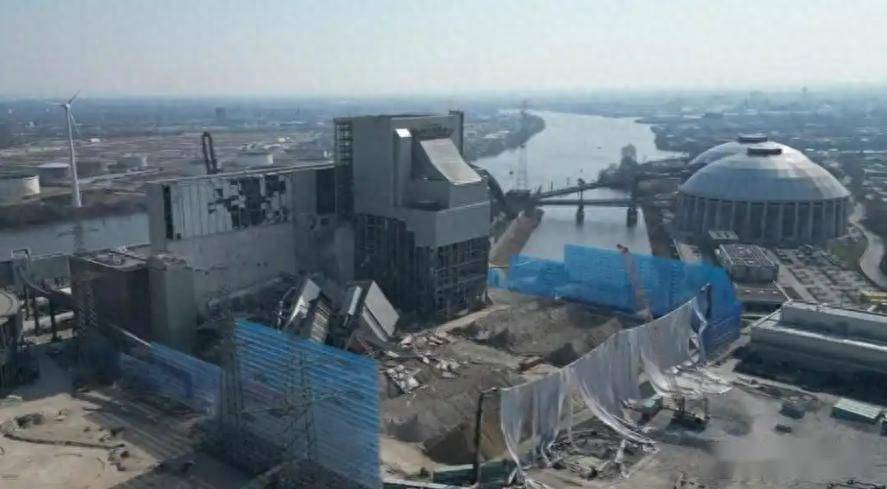
德国自废武功!爆破核电站后电价暴涨6倍,巴斯夫连夜逃往中国
Sou Hu Cai Jing· 2025-11-11 12:39
Core Insights - Germany is symbolically bidding farewell to nuclear energy by demolishing a nuclear power plant, amidst rising electricity prices and industrial relocation, raising questions about the ecological progress versus economic risks [1][4] Energy Transition and Policy - Following the Fukushima disaster in 2011, Germany's Green Party rapidly implemented the "nuclear and coal phase-out" plan, resulting in the shutdown of 17 nuclear plants and about 60% of coal plants over the past decade, relying on remaining fossil fuels and unstable renewable energy [4][6] - The energy transition has led to Germany becoming a net electricity importer in 2023, relying on French nuclear and Norwegian hydroelectric power to meet demand [6] Economic Impact - Industrial electricity prices surged from 0.8 RMB per kWh to 1.9 RMB, with residential electricity costs exceeding six times that of China [6] - Capital outflow has accelerated, with the German central bank reporting a net capital outflow three times larger than in the past five years, as major companies like BASF and Volkswagen shift production to the US and China [6] Environmental Concerns and Activism - Environmentalists advocate for aggressive measures against energy production impacts, leading to conflicts with industrial interests, highlighting the disconnect between idealistic environmental goals and economic realities [5][7] International Dynamics - The energy crisis in Germany reflects a complex international landscape, where the initial environmental concepts from the West aimed to curb industrialization in developing countries, while China has turned challenges into opportunities through technological innovation [9][10] - The US benefits from high-priced LNG orders, while France capitalizes on its stable nuclear power supply, positioning itself as a key electricity supplier to Germany [11] Renewable Energy Landscape - China dominates the global renewable energy market, producing 80% of solar panels and 60% of wind power equipment, with decreasing green energy costs [12] - China's ecological initiatives have significantly improved forest coverage and integrated industrial and environmental goals, exemplified by the production of electric vehicles [12] Lessons for Global Energy Policy - Germany's experience serves as a warning that high energy costs could undermine its Industry 4.0 strategy, emphasizing the need for a balanced approach to ecological protection and economic development [14] - The transition to green energy must be gradual, as abruptly abandoning existing energy infrastructure poses significant risks [14]

中国近两年在新核准核电项目中引入20家民企参股
Zhong Guo Xin Wen Wang· 2025-11-11 11:31
适应新型电力系统建设需要,中国还于去年底出台文件支持电力领域新型经营主体创新发展,鼓励民营 企业发展新型储能、充电设施、虚拟电厂、智能微电网等新业态新模式。 在降低投资成本方面,徐欣介绍,中国出台新一轮提升"获得电力"服务水平政策文件,将低压办电"零 投资"服务对象扩展至160千瓦及以下民营经济组织,预计未来五年可惠及民营企业约150万户,节省办 电投资约200亿元人民币。官方还修订有关政策压减许可等级,方便民营企业参与电力设施建设,该领 域民营企业数量占比已超85%。 (文章来源:中国新闻网) 中国国家能源局法制和体制改革司副司长徐欣11日在北京透露,官方支持民间资本参股核电项目,近两 年先后在新核准的核电项目中引入20家民营企业参股,2024年每个项目民资股比约为10%、2025年提高 至10%至20%。 国家发改委当天举行专题新闻发布会,介绍进一步促进民间投资发展有关情况。徐欣在会上谈及能源领 域为此打出的"组合拳"。 她提到,大渡河丹巴、金沙江波罗、奔子栏等水电站项目吸引优质民营企业参与投资取得重要进展;官 方支持民营企业投资油气上游和基础设施,在储气设施、油气管道支线及终端管道项目投资占比已超过 1 ...
《联合国气候变化框架公约》第三十次缔约方大会在巴西贝伦开幕
人民网-国际频道 原创稿· 2025-11-11 09:52
Core Points - The 30th Conference of the Parties (COP30) to the United Nations Framework Convention on Climate Change has opened in Belem, Brazil, focusing on climate change issues such as energy transition, climate financing, and adaptation [1][3] - The conference aims to unite countries to find common solutions to the climate crisis and accelerate a just transition [1][3] Group 1: Conference Objectives and Highlights - COP30 President Andre Correa Dourado emphasized the urgent need for an action agenda to address the global climate crisis, aiming to integrate climate action with economic activities and job creation [3] - The Executive Secretary of the UNFCCC, Simon Steele, noted that the Paris Agreement is making tangible progress, with expectations of a 12% reduction in greenhouse gas emissions by 2035 based on new national contributions [3] Group 2: Participation and Activities - The conference is expected to last until November 21, attracting representatives from over 190 countries and regions, including government officials, international organizations, scientists, entrepreneurs, and NGOs [4] - The "China Corner" series of events commenced, featuring discussions on ecological civilization, climate change responses, and South-South cooperation, highlighting China's achievements in energy transition and carbon management [5]

1.36GWh!远景能源再获储能大单
行家说储能· 2025-11-11 09:22
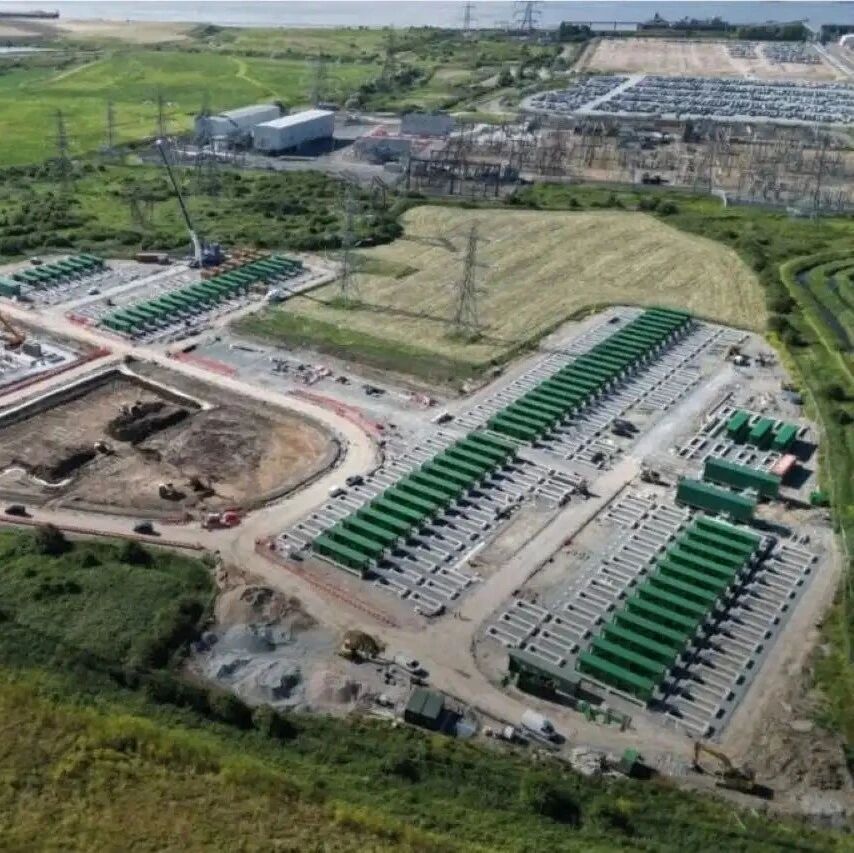
Core Insights - Envision Energy has partnered with Statera Energy to provide a battery energy storage system (BESS) for the 680MW/1360MWh Carrington Storage Project in the UK [1][3] - The project has secured £235 million (approximately 2.195 billion RMB) in financing and is expected to be operational by the end of 2026, supplying power for up to 2 hours to around 2.2 million households [3] - Envision's storage system utilizes AI model technology for real-time grid monitoring, ensuring grid stability with high renewable energy penetration [3] Company Overview - Statera Energy, established in 2015, currently operates or has projects under construction totaling 2.1GW of battery storage systems, including the 300MW Thurrock Storage Project [5] - Envision Energy is actively engaged in the European market, with energy transition projects across the UK, France, Spain, and other regions, having secured 14 storage-related collaborations/orders in 2025, with over 2.6GWh in Europe [5][6] Market Trends - As of October 2025, nearly 4GWh of grid-side storage system projects have been approved in the UK, with nearly 22GWh currently under construction, marking October as the month with the highest BESS approval capacity since July [5] - Envision Energy has secured multiple storage orders in the UK, including significant projects like the 300MW/624MWh Cellarhead storage project and others [5]
BMO能源基建调研:资金正重估加拿大,传统管道与绿色转型现估值裂痕
智通财经网· 2025-11-11 08:45
Core Insights - The report from BMO Capital Markets highlights a significant divergence in institutional investor interest in the Canadian energy infrastructure sector over the past month, reflecting struggles in traditional pipeline asset valuations amid macroeconomic headwinds and a market eager to reprice new growth opportunities in the context of energy transition [1][2] Group 1: Key Topics - Pembina Pipeline (PBA.US) is a focal point, with two major discussions surrounding it: the potential sale of KKR & Co's 40% stake in Pembina Gas Infrastructure and the upcoming investment decision for a data center project in partnership with Greenlight, which is expected to have a power capacity of 900 MW [1] - Brookfield Renewable Partners LP (BEP.US) has gained attention due to an $8 billion investment in the U.S. nuclear power sector and strategic partnerships, leading BMO to raise its target price to $36, indicating an implied upside of nearly 18% from the current market price of $30.54 [2] - Alberta's forward electricity prices have surged, with contracts for 2028-2030 reaching $80-90 per MWh, more than doubling from the average of about $43 per MWh since 2025, prompting a reevaluation of local generation asset values [2] Group 2: Sector Performance - The pipeline index has underperformed the utility sector by 11 percentage points (-7% vs +4%), indicating investor skepticism regarding the long-term growth prospects of traditional fossil fuel infrastructure, despite stable cash flows in the sector [2] - Storage facilities are entering an expansion phase, with companies like Enbridge (ENB.US) and Canadian Utilities expanding their capacities, prompting a reassessment of the strategic value of these seasonal assets [3] - In the pipeline sector, Pembina is highlighted for its strategic moves, while Keyera (KEY.US) has underperformed by an additional 4 percentage points, raising questions about its fundamentals [3] Group 3: Utility Sector Dynamics - Capital Power has monetized its 375 MW AESO Phase I project allocation, and the market is keen to see how it will engage in larger opportunities [4] - TransAlta is seen as a bellwether for rising electricity prices in Alberta, with institutions requesting updates on its net asset value under optimistic scenarios reflecting future electricity prices and demand from large data centers [4] - Boralex has seen increased investor inquiries as it remains one of the few covered stocks not yet experiencing price increases, leading to efforts to clarify its relative weakness [4]

