
关税政策

Search documents
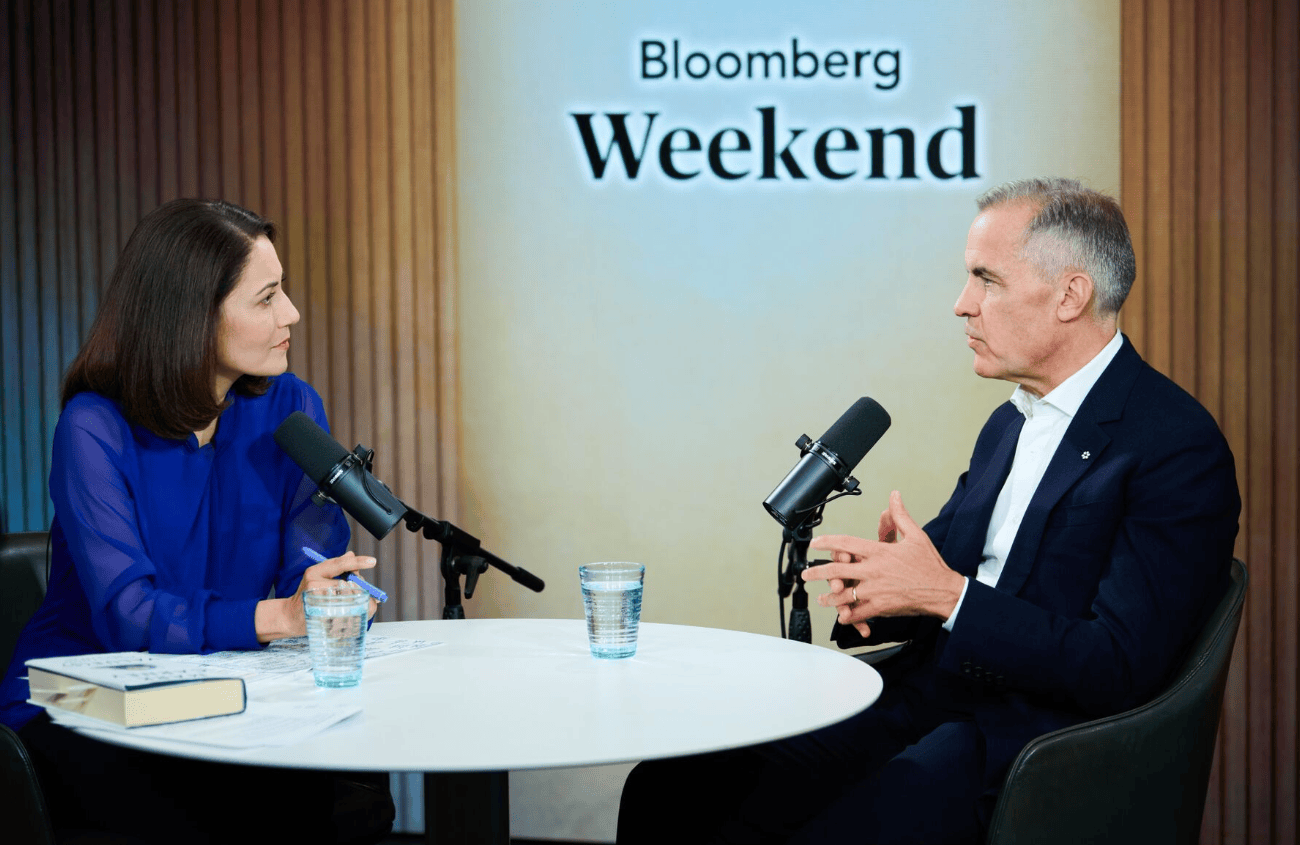
被质疑身段柔软,加总理恼了:全球仅两国敢对美加税,我们就是其一
Sou Hu Cai Jing· 2025-10-18 17:14
Core Viewpoint - The relationship between Canada and the United States has fundamentally changed, with Canada now viewing its dependency on the U.S. as a risk rather than an opportunity [1][3]. Group 1: Canada-U.S. Relations - Canadian Prime Minister Mark Carney acknowledges that the U.S. is no longer the partner it once was, indicating a shift in priorities [1]. - Carney's approach to the U.S. has changed significantly from his campaign rhetoric, as he now emphasizes the need for Canada to stabilize its bilateral relationship with the U.S. [3][4]. - The cancellation of Canada's digital services tax, which was intended to impact U.S. tech giants, was influenced by U.S. pressure, showcasing the U.S.'s significant influence over Canadian policy [3][5]. Group 2: Trade Negotiations - Carney stated that Canada must create a more integrated domestic economy and diversify its external relations to avoid being in a passive position regarding U.S. influence [4]. - During discussions about the U.S.-Mexico-Canada Agreement (USMCA), Canada aims to highlight the importance of economic integration in key sectors like steel and automobiles for U.S. competitiveness [4][5]. - Despite a positive atmosphere during a recent meeting between Carney and Trump, no agreement on tariffs was reached, indicating ongoing challenges in trade negotiations [6][8]. Group 3: Political Dynamics - Trump expressed a desire to replace Canadian products in the U.S. market with American-made goods, suggesting a tough stance on trade negotiations [6]. - The Canadian government is under pressure to respond to U.S. demands, with Ontario's Premier suggesting retaliatory tariffs if an agreement is not reached soon [8].

2025Q4海外经济与资产展望:美欧日政策差异下的弱美元
HUAXI Securities· 2025-10-18 09:51
Economic Outlook - The US economy is experiencing marginal slowdown, with a projected annualized GDP growth rate of 2%-2.5%[10] - The unemployment rate in the US is currently at 4.3%, showing signs of concern in the labor market[15] - In Europe, economic stability is observed due to continuous interest rate cuts, but structural issues persist, particularly in Germany[4] - Japan's economy remains stable, with consumer confidence improving, but faces challenges from US tariffs and yen appreciation[4] Asset Projections - US Treasury yields are expected to decline towards 3.5% as the Federal Reserve continues to cut rates[4] - The US dollar is projected to weaken due to divergent monetary policies among the US, Eurozone, and Japan[4] - Gold prices may face short-term correction pressure but have strong medium-term support due to fiscal debt and monetary easing[4] Fiscal Policy Impact - The "Big and Beautiful" fiscal plan is projected to increase the US federal deficit by approximately $2 trillion over five years and $3.4 trillion over ten years[19] - The Congressional Budget Office (CBO) predicts a future deficit rate of 6.8%, up from a baseline of 5.8% due to the fiscal plan[23] - High deficit levels have led to increased government debt and rising interest pressures, with the average deficit rate since FY 2025 being 6.8%[28]
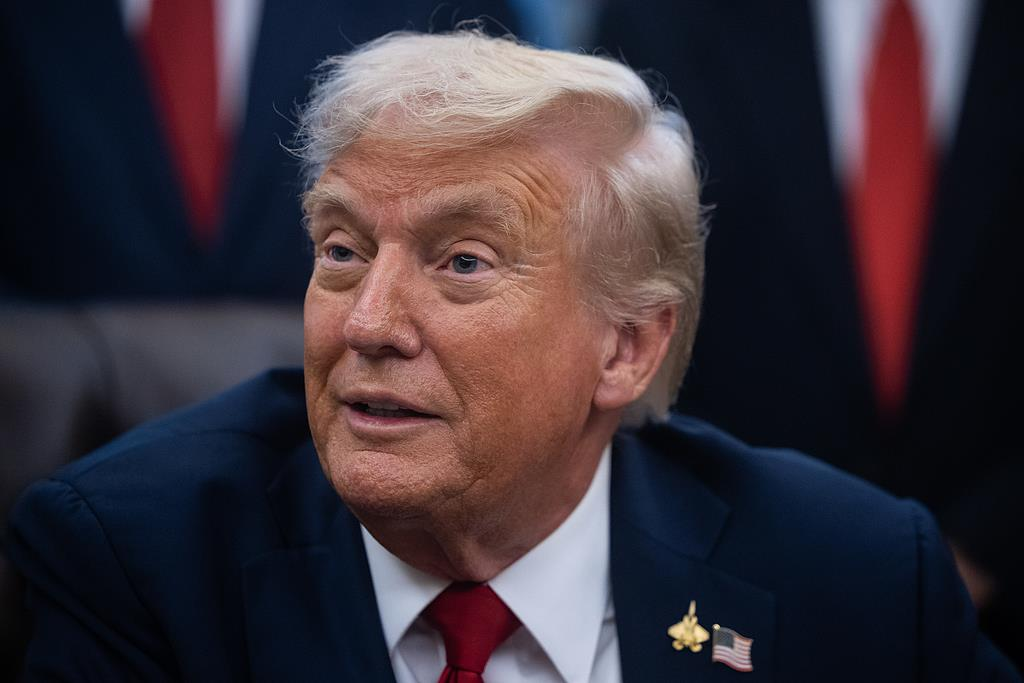
特朗普签署行政令,对进口中型和重型卡车征收25%关税
Yang Shi Xin Wen· 2025-10-18 01:18
Core Points - The U.S. government will impose a 25% tariff on imports of medium and heavy trucks and parts starting November 1 [2] - Additionally, a 10% tariff will be applied to imported passenger vehicles [2] Industry Impact - The new tariffs are expected to affect the automotive and trucking industries significantly, potentially increasing costs for manufacturers and consumers [2] - Companies reliant on imported vehicles and parts may face challenges in maintaining profit margins due to increased expenses [2]
特朗普签令:对进口中型和重型卡车征收25%关税
财联社· 2025-10-18 00:33
Core Viewpoint - The article discusses the new tariffs imposed by the U.S. government on imported medium and heavy trucks, as well as their parts, starting from November 1, with a 25% tariff rate. Additionally, a 10% tariff will be applied to imported passenger vehicles [1]. Group 1 - The U.S. President Trump signed an executive order on October 17, implementing new tariffs on specific vehicle imports [1]. - The tariffs will affect medium and heavy trucks and their components, with a significant rate of 25% [1]. - A separate tariff of 10% will be levied on imported passenger cars [1].
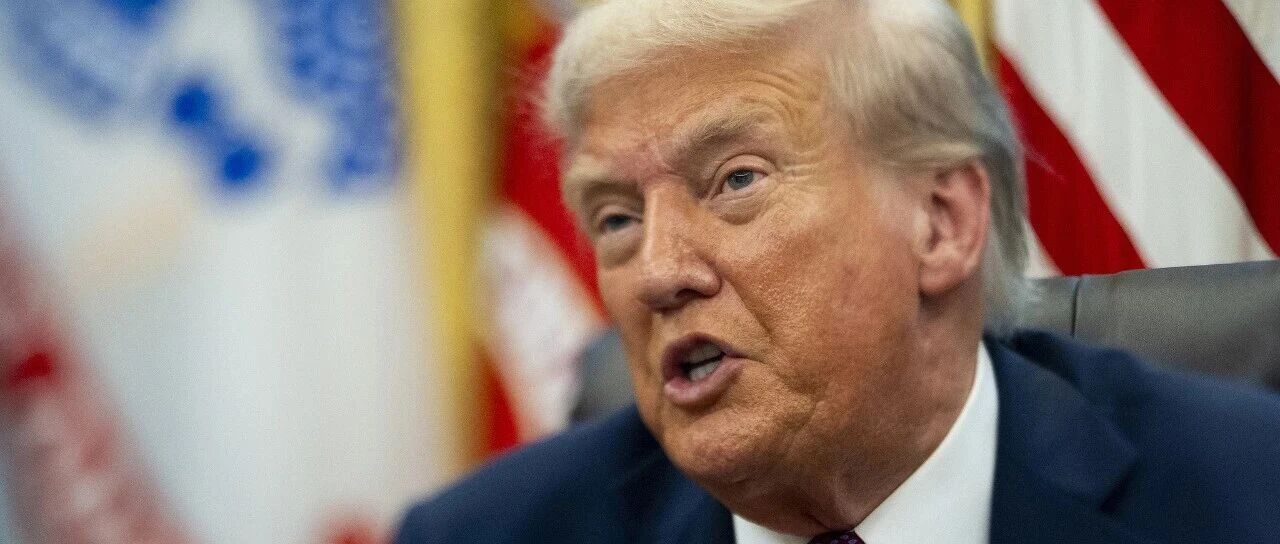
关税突发!
券商中国· 2025-10-17 23:42
Core Viewpoint - The article reports that U.S. President Trump signed an executive order imposing a 25% tariff on imports of medium and heavy trucks and parts, effective from November 1. Additionally, a 10% tariff will be applied to imported passenger vehicles [1]. Group 1 - The new tariffs are part of the U.S. government's strategy to protect domestic manufacturing and address trade imbalances [1]. - The tariffs are expected to impact the automotive industry significantly, particularly affecting manufacturers reliant on imported vehicles and components [1].

最新!特朗普签署行政令 对进口中型和重型卡车征收25%关税 还将对这类车征收10%的关税
Mei Ri Jing Ji Xin Wen· 2025-10-17 23:36
Group 1 - The U.S. government will impose a 25% tariff on imported medium and heavy trucks and parts starting November 1, with an additional 10% tariff on imported passenger vehicles [1] - Goldman Sachs reports that by the end of this year, U.S. consumers may bear 55% of the tariff costs, while U.S. businesses could absorb 22% [1][2] - The tariff policy has led to a 0.44% increase in core personal consumption expenditures in the U.S. and is expected to raise the inflation rate to 3% by December [2] Group 2 - Despite claims from President Trump that trade partners bear the tariff costs, U.S. importers are responsible for paying the tariffs, which are then passed on to consumers [2] - The implementation of tariffs has resulted in higher prices for consumers, as businesses take time to adjust pricing strategies [1][2]
特朗普签署行政令 对进口中型和重型卡车征收25%关税
Yang Shi Xin Wen· 2025-10-17 23:01
Core Points - The U.S. government will impose a 25% tariff on imports of medium and heavy trucks and parts starting November 1 [1] - Additionally, a 10% tariff will be applied to imported passenger vehicles [1] Group 1 - The new tariffs are part of a broader trade policy aimed at protecting domestic manufacturing [1] - The decision reflects ongoing tensions in international trade relations, particularly with countries exporting vehicles to the U.S. [1]

LPG数据日报-20251017
Guo Mao Qi Huo· 2025-10-17 07:07
Report Summary 1. Investment Rating No investment rating for the industry is provided in the report. 2. Core View The LPG market is oscillating weakly, and its low valuation is expected to be restored [4]. 3. Summary by Relevant Content International Market - The previous working day's CP converted RMB propane was around 3,512.916 yuan/ton, and butane was around 3,370.98 yuan/ton. Due to tight butane supply and demand, the price difference between CP propane and butane has disappeared, so the butane price trend is stronger than that of propane [4]. - Affected by tariff policies, the international market prices fluctuated widely, and the average price ended up falling. The market's concern has risen again, and Chinese importers generally turned to purchasing US resources, causing the discount of non-US resources to China to remain high. As the external market prices fell to relatively low levels, it attracted buyers. Coupled with the strong demand from Sinopec in China, it promoted the recovery of market buying interest and the prices stabilized and rebounded [4]. East China Region - The average price of the civil gas market remained stable at 4,570 yuan/ton compared with the previous working day. This week, the East China civil gas market showed a trend of rising first and then falling, with a general overall atmosphere. In the later part of the week, due to the increase in Shandong's supply and the impact of warehouse receipts, the prices continued to decline, and the negative effects were transmitted southward. Jiangsu's shipments became sluggish, and the prices fell again [4]. - In terms of imported gas, there were limited vessel arrivals at the docks this week, and importers were clearly willing to support the market. The prices were high in the early stage, but as the Shandong prices fell, it affected the shipments at Jiangsu docks. With the decline of domestic gas prices widening the price difference, the imported gas prices showed signs of loosening in the later part of the week. By Thursday, the imported propane price was around 4,650 yuan/ton, and the imported proportional gas price in Zhejiang was between 4,500 - 4,550 yuan/ton [4]. South China Region - The average price of the civil gas market decreased by 20 yuan/ton to 4,570 yuan/ton compared with the previous working day, a decline of -0.44%. This week, the price center of the South China civil gas market continued to decline. The price of etherified C4 increased at low prices and fell at high prices, and the final average price decreased slightly [4]. - Affected by the decline of both international oil prices and the LPG external market, the market's bearish sentiment increased, and the overall price center moved down. Although the arrival discount remained high and importers were strongly willing to support the prices, the downstream demand continued to be weak. In terms of industrial gas, due to the improvement in demand in the Zhanjiang area, the inventory pressure was relieved, and the prices rebounded at low prices. In the Guangxi area, there was an expectation of subsequent supply increase, and the prices declined from high levels. The prices in the Guangzhou area also decreased. After each unit adjusted the prices according to its own situation, the regional price difference narrowed, and currently, production and sales were basically balanced [4]. Shandong Region - The average price of the civil gas market remained stable at 4,450 yuan/ton; in terms of etherified C4, the market average price decreased by 28 yuan/ton to 4,370 yuan/ton, a decline of -0.64% [4]. - This week, the Shandong civil gas market first remained stable and then declined, and the price center clearly moved down. At the beginning of the week, although the warehouse receipt resources were gradually flowing out, compared with the refinery resources, the prices were not significantly impacted, and it relied on the strong support of downstream chemical demand, showing a stable trend. However, as the unexpected increase in the refinery's external supply in the province affected the market, the supply of civil gas resources in the market gradually increased, while the downstream demand did not improve further. The situation of oversupply in the market became more prominent. In the middle and later stages, the market was under pressure and the prices decreased. The low level of the international LPG market increased the market's wait-and-see sentiment. At the end of the week, the market was competing to sell goods, and the trading atmosphere improved limitedly under the sentiment of buying on rising and not on falling. The prices fell to a new low for the year [4]. Futures Market - The closing price of the domestic futures market's main contract increased by 120 yuan/ton to 4,268 yuan/ton compared with the previous working day, a rise of 2.89%. The settlement price increased by 58 yuan/ton to 4,199 yuan/ton, a rise of 1.40%. The open interest increased by 2,324 lots to 170,702 lots, a rise of 1.38% [4]. - The price differences between different contract months and varieties also showed different degrees of changes, such as the PG2511 - PG2512 price difference increased by 1 yuan/ton to 130 yuan/ton, a rise of 0.78%; the PG2511 - PG2601 price difference increased by 24 yuan/ton to 237 yuan/ton, a rise of 11.27% [4].
美财政赤字高企沪金涨超3%
Jin Tou Wang· 2025-10-17 07:05
今日周五(10月17日)亚盘时段,黄金期货目前交投于1000附近,截至发稿,黄金期货暂999.98元/ 克,涨幅3..84%,最高触及1001.00元/克,最低下探968.56元/克。目前来看,黄金期货短线偏向看涨走 势。 【要闻速递】 美国2025财年预算状况呈现复杂态势。据美国财政部周四(10月16日)披露,该财年预算赤字缩减410 亿美元至1.775万亿美元,总统特朗普的关税政策助力财政收入增长,同时教育支出削减也抵消了部分 医疗、退休计划和债务利息的增加。 摘要今日周五(10月17日)亚盘时段,黄金期货目前交投于1000附近,截至发稿,黄金期货暂999.98 元/克,涨幅3..84%,最高触及1001.00元/克,最低下探968.56元/克。目前来看,黄金期货短线偏向看涨 走势。 今日沪金期货需重点关注的关键阻力位区间为1000元/克至1010元/克,而重要支撑位区间则位于874元/ 克至900元/克。 截至9月30日的财年数据显示,财政赤字为1.817万亿美元,这是自2022年以来年度赤字首次下降。净关 税收入创纪录达1950亿美元,较上一年度大增1180亿美元,有效缩小了赤字规模。不过,企业税收总 ...
集运日报:盘面保持震荡,主力合约低位可尝试建仓,不建议加仓,设置好止损。-20251017
Xin Shi Ji Qi Huo· 2025-10-17 06:37
Report Summary 1. Report Industry Investment Rating No information provided. 2. Core Viewpoints of the Report - The main contract is in a weak state, and the far - month contracts are relatively strong, indicating that the main contract may be in the bottom - building process. It is recommended to participate with a light position or wait and see. Attention should be paid to tariff policies, the Middle East situation, and spot freight rates [2][4]. - In the short term, risk - takers are advised to try to build a position when the EC2512 contract is below 1500. In the long term, it is recommended to take profits when the contracts rise and wait for the subsequent direction after the callback stabilizes. For the arbitrage strategy, it is recommended to wait and see or try with a light position [5]. 3. Summary by Related Content 3.1 Freight Index - On October 13, the Shanghai Export Container Settlement Freight Index (SCFIS) for the European route was 1031.8 points, down 1.4% from the previous period; the SCFIS for the US West route was 862.48 points, down 1.6% from the previous period. On October 10, the Shanghai Export Container Freight Index (SCFI) was 1160.42 points, up 45.90 points from the previous period. The SCFI European line price was 1068 USD/TEU, up 9.9% from the previous period; the SCFI US West route was 1468 USD/FEU, up 10.76% from the previous period [3]. - On October 10, the Ningbo Export Container Freight Index (NCFI) (composite index) was 818.97 points, up 11.50% from the previous period; the NCFI (European route) was 698.67 points, up 11.39% from the previous period; the NCFI (US West route) was 844.43 points, down 0.34% from the previous period. The China Export Container Freight Index (CCFI) (composite index) was 1014.78 points, down 6.7% from the previous period; the CCFI (European route) was 1287.15 points, down 8.2% from the previous period; the CCFI (US West route) was 777.77 points, down 5.7% from the previous period [3]. 3.2 Economic Data - The preliminary value of the Eurozone's manufacturing PMI in September was 49.5, falling below the boom - bust line, lower than analysts' expectations and the previous value of 50.7. The preliminary value of the service industry PMI rose from 50.5 to 51.4, exceeding expectations of 50.5. The preliminary value of the Eurozone's composite PMI in September was 51.2, exceeding analysts' expectations. The Eurozone's Sentix investor confidence index in September was - 9.2, with an expected value of - 2 and a previous value of - 3.7 [3]. - In August, China's manufacturing PMI was 49.4%, up 0.1 percentage points from the previous month, and the manufacturing prosperity level improved. The composite PMI output index was 50.5%, up 0.3 percentage points from the previous month, indicating that the overall expansion of Chinese enterprises' production and business activities accelerated [4]. - The preliminary value of the US S&P Global manufacturing PMI in September was 52 (the final value in August was 53); the preliminary value of the service industry PMI was 53.9 (the final value in August was 54.5); the preliminary value of the composite PMI was 53.6 (the final value in August was 54.6) [4]. 3.3 Market Conditions - On October 10, the main contract 2512 closed at 1570.0, down 3.04%, with a trading volume of 31,500 lots and an open interest of 28,100 lots, an increase of 3834 lots from the previous day [4]. - The situation in the Middle East is improving, but the overall atmosphere is still bearish, and the market is under pressure to decline [4]. 3.4 Policy Adjustments - The daily limit and circuit - breaker for contracts from 2508 to 2606 are adjusted to 18%. - The margin of the company for contracts from 2508 to 2606 is adjusted to 28%. - The daily opening limit for all contracts from 2508 to 2606 is 100 lots [5]. 3.5 Geopolitical Situation - On October 10, there were reports that Israel's military would withdraw to the "pre - withdrawal line" area soon, and the cease - fire agreement between Israel and Hamas had taken effect. However, there were also reports that Israeli military attacks on multiple areas in Gaza continued [6].