健康化

Search documents
一致魔芋(839273) - 关于投资者关系活动记录表的公告
2025-07-04 11:05
Group 1: Investor Relations Activities - The company conducted investor relations activities including specific object research and on-site visits [3] - The activities took place from July 2 to July 3, 2025, at the company meeting room and via Tencent online meeting [3] - Attendees included major financial institutions such as JP Morgan, Goldman Sachs, and UBS Global Asset Management [3] Group 2: Product and Supply Chain Insights - Konjac (魔芋) is primarily grown in specific regions of China, thriving at altitudes between 250-2500 meters, and is sensitive to various environmental conditions [4] - The company ensures raw material supply through equipment leasing, technical support, and order locking with reputable cooperatives and processing plants [5] - The company also imports konjac raw materials from Southeast Asia to supplement local supply [5] Group 3: Market Demand and Product Development - The demand for konjac powder surged in 2024, driven by the growth in leisure food products, tea beverage markets, and deeper applications in food processing [6] - The shelf life of konjac powder is 18 months, while konjac gel can last up to 24 months [7] - Konjac balls offer advantages over traditional tapioca pearls, including lower calories and easier preparation, appealing to younger consumers [8] Group 4: Future Market Potential - The tea beverage market is seen as having significant potential, particularly among young consumers with high coverage and repurchase rates [9] - Future product development plans include ready-to-eat frozen products and new ingredients for beverages and dairy products, aligning with consumer health trends [9] - The konjac industry is expected to explore markets focused on health, functionality, and sustainability, including low-calorie meal replacements and biodegradable materials [11]
新闻有观点·行业洞察丨泡面越来越贵?何以海内外“飘香”?
Yang Guang Wang· 2025-07-01 16:18
Core Insights - Instant noodles are transitioning to a "high-end" market, with prices significantly increasing in both domestic and international markets, reflecting a shift in consumer preferences and product innovation [1][4][8] Industry Overview - The overall price of instant noodles has remained stable despite rising consumer incomes, with basic varieties priced around 2-3 yuan, while high-end varieties are priced at 8 yuan or more [3][4] - The global instant noodle market is experiencing a decline in sales, with a 2.4% decrease projected for 2024 in China, marking the fourth consecutive year of negative growth [4] - High-end instant noodles are growing at a rate of 20%, with market size surpassing 5 billion yuan, indicating a shift in consumer demand towards premium products [4] Product Innovation - Companies are focusing on product innovation and technological upgrades, such as non-fried steaming techniques and the introduction of various meal kits [5][9] - The introduction of unique packaging and local specialties has attracted younger consumers, creating competition with other convenient food options [5][9] Market Dynamics - Price-sensitive consumers are moving away from basic instant noodles, while health-conscious trends are allowing for price increases in premium products [4][9] - The competition from foreign products, particularly Korean instant noodles, is significant, but Chinese brands are successfully entering European and American markets [8][10] Future Trends - The future growth of the instant noodle industry is expected to focus on health, scene-based consumption, and international expansion [9] - Companies are advised to leverage local cultural characteristics and engage in cross-industry collaborations to avoid direct competition with larger players [9]


打破传统零食局限 挖掘细分消费场景 果冻行业呈现强劲发展活力
Zhong Guo Chan Ye Jing Ji Xin Xi Wang· 2025-06-20 23:12
Core Insights - The jelly industry in China has shown significant growth, with market size increasing from 17.8 billion yuan in 2020 to 31 billion yuan in 2024, reflecting a compound annual growth rate (CAGR) of 14.9% [1] - By 2024, China is projected to become the largest producer and consumer of jelly globally, with the market expected to exceed 57 billion yuan by 2029 due to consumption upgrades and health-oriented demands [2] - The jelly market is characterized by a tiered competitive landscape, with well-known brands dominating the first tier and emerging brands challenging them in specific regions or segments [3] Market Segmentation - Cup jelly remains the market leader, holding a 68.7% market share in 2024, while squeeze jelly is experiencing rapid growth, with its market size increasing from 1.1 billion yuan in 2020 to 4.7 billion yuan in 2024, achieving a CAGR of 43.8% [2] - The traditional consumer base primarily consists of teenagers, but recent innovations have expanded the age demographic of jelly consumers [2] Product Innovation - Recent years have seen a surge in product innovation within the jelly industry, with new categories like slush jelly and oversized jelly gaining popularity, catering to diverse consumer needs [4] - Health and functionality have become key innovation directions, with products incorporating proteins, dietary fibers, vitamins, and probiotics to meet various health demands [5][6] - The emergence of hangover jelly, which utilizes specific ingredients to reduce alcohol absorption, represents a novel product category appealing to younger consumers [5][6] Future Development Prospects - The jelly industry is expected to further break traditional snack boundaries, incorporating more functional ingredients to meet health-conscious consumer demands [7] - Brands are encouraged to leverage big data and AI for personalized product design, focusing on individual consumer preferences [7] - Cross-industry collaborations are anticipated to enhance product diversity and consumer experiences, such as partnerships with pharmaceutical and fitness organizations [7][8]
从解渴到健康,冰茶市场迈入减糖新阶段
Zhong Guo Xin Wen Wang· 2025-06-19 05:55
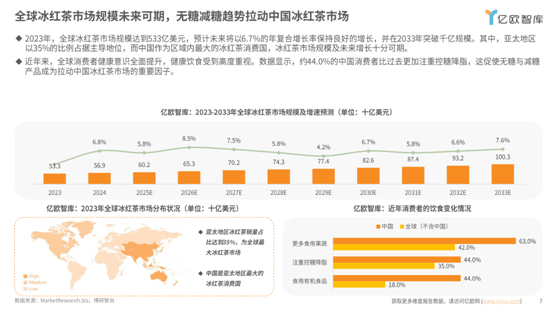
Core Insights - The iced tea market is experiencing significant growth, with a global market size reaching $53.3 billion in 2023 and projected to grow at a compound annual growth rate (CAGR) of 6.7%, potentially exceeding $100 billion by 2033 [1][2]. Market Trends - A substantial 71.4% of consumers prioritize "reduced sugar/no sugar" labels when selecting iced tea, and 82.9% prefer reduced sugar formulations [2]. - The shift towards health-conscious consumption is evident, as consumers are increasingly valuing quality ingredients and taste over price [4]. Historical Context - The iced tea category in China began in 1993 with the introduction of bottled iced tea by Xuri Sheng, followed by major brands like Master Kong and Uni-President in 1996, which quickly captured consumer attention with classic flavors [6]. - The evolution of iced tea reflects a broader trend towards health, with reduced sugar and natural ingredients becoming key selling points [6]. Innovations and New Entrants - The unicorn brand Yuanqi Forest has redefined traditional iced tea by launching a "true tea, true fruit juice, reduced sugar" product, significantly reducing sugar content compared to standard iced teas [6][8]. - Yuanqi Forest's iced tea is projected to achieve sales of 1 billion units in 2024, a 500% increase from approximately 200 million units in 2023 [6]. Competitive Landscape - Established brands are also entering the iced tea market, with companies like Nongfu Spring launching carbonated tea drinks and other brands like Dongpeng and Wahaha introducing innovative products targeting specific consumer segments [10]. - The market is witnessing a transformation from merely quenching thirst to prioritizing health and ingredient quality, indicating a significant shift in consumer preferences [10][11].
天佑德酒(002646) - 青海互助天佑德青稞酒股份有限公司投资者关系活动记录表2025.6.18
2025-06-18 10:45
Group 1: Financial Performance and Market Strategy - The company experienced a decline in first-quarter performance, with a plan to improve sales in the second quarter through activities related to the Dragon Boat Festival and tourism season [2][5]. - The company’s market strategy focuses on "county-level, youth-oriented, internationalization, and terminalization," with a particular emphasis on the "Jin, Shan, Yu" markets [6][8]. - The company plans to increase market expenses by over 30 million yuan year-on-year in 2024, while the net profit impact from the stock incentive plan is estimated to be over 25 million yuan [8]. Group 2: Product Development and Marketing - The company is actively seeking growth opportunities in county-level markets, targeting younger consumers, and exploring the light bottle wine segment priced around 100 yuan [3][4]. - New product launches include a low-alcohol lemon-flavored barley wine aimed at younger consumers, and plans to introduce fruit-flavored low or medium-low alcohol products [6][7]. - Brand promotion efforts include differentiated management and active engagement in media and short video advertising, with successful campaigns like train naming activities enhancing brand awareness [5][6]. Group 3: Inventory and Supply Chain Management - The company maintains a reasonable inventory level, with strict control over distributor inventory turnover set at 1-2 months, ensuring no significant changes in stock levels [6][9]. - The production capacity remains robust, with over 50,000 tons of raw and semi-finished products available to meet sales demands [9][10]. Group 4: Consumer Trends and Feedback - The company is adapting to changing consumer preferences, particularly among younger demographics, by developing products that align with trends towards lower alcohol and healthier options [6][11]. - Consumer feedback indicates an improving brand reputation, with ongoing efforts to engage customers through promotional activities and member incentives [9][10]. Group 5: External Challenges and Risk Management - The company acknowledges the impact of external factors such as the alcohol ban, but asserts that its focus on affordable staple liquor minimizes the overall effect on performance [11][12]. - The company is committed to quality control throughout the production process, ensuring that raw material prices remain stable and costs are effectively managed [7][8].

农林牧渔行业2025年中期策略:宠物消费高景气,关注周期底部抬升
2025-06-18 00:54
Summary of Key Points from Conference Call Records Industry Overview - **Industry**: Agriculture, Forestry, Animal Husbandry, and Fishery - **Focus**: Pet consumption growth, livestock farming, and feed industry dynamics Key Insights on Pet Industry - **Market Growth**: The Chinese pet market is projected to grow by 7.5% in 2024, with cat products showing particularly strong growth [1][2] - **Food Demand**: Pet food remains a necessity, with staple food and nutritional products gaining market share. There is a clear trend towards health-oriented and specialized products [1][2] - **Export Challenges**: Pet food exports to the U.S. face significant tariffs, currently at 55%. Companies are responding by establishing overseas production facilities [3][4] - **E-commerce Performance**: Domestic brands performed exceptionally well during the 618 shopping festival, with top five brands on Tmall being local. Some brands, like Mediaway, reported a staggering 450% year-on-year growth [5] Trends in Pet Pharmaceuticals - **Market Expansion**: The demand for pet pharmaceuticals is increasing due to the aging pet population and rising penetration rates. The market for diagnostic drugs, vaccines, and dewormers is expanding significantly [1][6][8] - **Vaccination Trends**: There is a trend towards the introduction of major new products in the pet pharmaceutical sector, including the gradual replacement of imported vaccines [6][8] Livestock Farming Insights - **Regulatory Environment**: The pig farming industry is experiencing stricter regulations, leading to improved supply-demand dynamics. As of April 2025, the number of breeding sows has slightly decreased year-on-year [1][12] - **Production Efficiency**: The industry is seeing a rise in production efficiency and a shift towards more rational production practices to stabilize prices [12][13][14] - **Cost and Debt Levels**: Leading pig farming companies maintain a cost advantage, with production costs around 12 to 12.5 RMB per kg. Most companies have a debt-to-asset ratio below 60% [15] Feed Industry Dynamics - **Price Trends**: The prices of bulk feed ingredients are on the rise, leading to a slight increase in overall feed prices. Feed production has rebounded significantly, with a 13.6% year-on-year increase in April 2025 [22][23] - **Market Recovery**: The feed market is expected to continue its recovery, particularly in the pig feed segment, which saw a 15.52% increase in sales [22] Challenges and Opportunities - **Poultry Market**: The white chicken market is facing structural shortages, while the yellow chicken market is at historical lows. Leading companies are adapting by improving breed selection and processing capabilities [16][19] - **Domestic Brands**: Domestic animal health products are gaining traction due to their quality and cost-effectiveness, with significant potential for import substitution [11][21] Future Outlook - **Pet Market Growth**: The pet pharmaceutical market is expected to continue expanding as the pet population ages, with significant growth potential in the domestic market [8][10] - **Livestock Industry Trends**: The livestock industry is likely to see ongoing improvements in production efficiency and a more favorable supply-demand balance in the coming years [12][13][14] This summary encapsulates the critical insights and trends discussed in the conference call, highlighting the growth potential and challenges within the pet and livestock industries.
2025全球快消品市场格局演变白皮书-RUNINDA&LI
Sou Hu Cai Jing· 2025-06-15 07:53
Core Insights - The global fast-moving consumer goods (FMCG) market is undergoing significant transformation, driven by health consciousness, digitalization, and channel innovation [1][11] - The market is expected to grow from 12.8 trillion USD in 2023 to 17.5 trillion USD by 2030, with China's FMCG market projected to reach 81,761 billion CNY by 2025 [2][25] Market Overview - The FMCG market has shown consistent growth, with China's market size increasing from 52,181 billion CNY in 2019 to an estimated 81,761 billion CNY in 2025 [2][25] - Emerging markets like China and India are experiencing rapid growth, while mature markets like the US and Europe show stable growth patterns [3][4] Industry Trends - Health and sustainability are becoming key trends, with consumers increasingly prioritizing health-related attributes in their purchasing decisions [4][10] - Digitalization is reshaping the industry, with companies leveraging big data and AI for targeted marketing and supply chain optimization [5][9] Competitive Landscape - Leading companies like Nestlé and Procter & Gamble maintain strong market positions through brand loyalty and efficient supply chain management [6][7] - New brands are emerging by focusing on health-oriented products and utilizing social media for marketing [6][8] Strategic Responses - Companies are innovating products to meet health trends, such as low-sugar beverages and personalized nutrition solutions [8][9] - There is a strong emphasis on expanding into new channels, including e-commerce and instant retail, to enhance market reach [9][10] Future Outlook - Technological advancements, particularly in AI and IoT, are expected to drive significant changes in the FMCG sector, shifting from experience-driven to data-driven operations [9][10] - Sustainability initiatives are likely to reshape the industry, promoting circular economy practices and reducing carbon footprints [10]
百亿超级大单品的背后:康师傅冰红茶如何用创新稳占市场“C位”?
Zhong Guo Shi Pin Wang· 2025-06-15 05:50
Core Viewpoint - The article highlights the dominance and innovative strategies of Master Kong's iced tea, particularly its lemon-flavored iced tea, which has become a leading brand in China's ready-to-drink tea market since its launch in 1996, achieving over 10 billion in sales and maintaining steady growth [1][3][10]. Product Innovation and Market Trends - Master Kong has launched several new products in 2023, including a "low-sugar high-fiber" iced tea and summer limited editions like "double mint" and "watermelon flavor," emphasizing health and taste to cater to changing consumer preferences [3][4][6]. - The trend towards healthier beverage options is evident, with a projected 41% growth in low-sugar tea beverage sales in China by 2024, significantly outpacing the 6% growth of soft drinks [6][10]. Targeting Young Consumers - The brand's summer limited flavors are designed to resonate with Generation Z, creating emotional connections through unique experiences and social media engagement [7][9]. - The "double mint" flavor is particularly aimed at outdoor enthusiasts and fitness lovers, while the "watermelon flavor" evokes nostalgic summer memories for young consumers [7][9]. Strategic Positioning and Competitive Advantage - Master Kong's iced tea has maintained a leading market share through a multi-faceted strategy that includes classic flavors, health-focused innovations, and seasonal limited editions, which keep the brand relevant and appealing [10][14]. - The company's robust supply chain and extensive distribution network enable rapid market penetration of new products, reinforcing its competitive edge [14][15]. Conclusion - Master Kong's dual strategy of defending its core products while aggressively pursuing innovation positions it as a leader in the ready-to-drink tea market, with a commitment to evolving consumer needs and preferences [15].


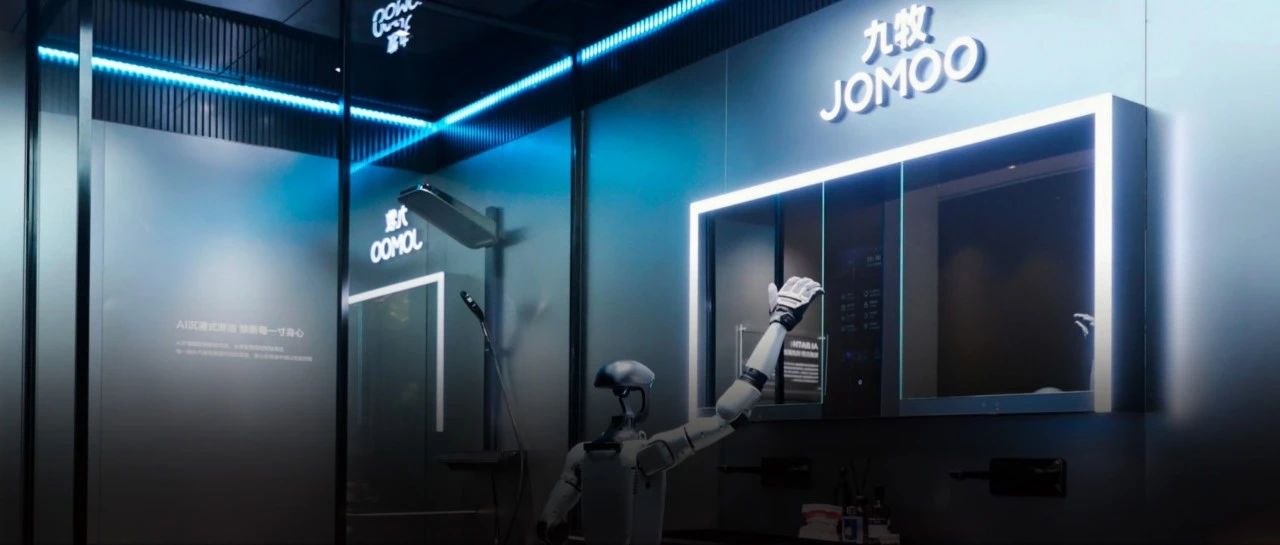
九牧进化论:一场AI时代下的卫浴重构
36氪· 2025-06-13 13:32
Core Viewpoint - The article discusses the transformative impact of AI on the bathroom industry, highlighting how leading companies like Jomoo are integrating AI to redefine user experiences and drive innovation in the sector [1][3][4]. Group 1: AI and Industry Transformation - The AI revolution is reshaping the manufacturing landscape, moving from traditional mass production to intelligent customization across various sectors, including automotive and home appliances [4][5]. - Jomoo is leveraging AI to enhance bathroom experiences, integrating technology to create a more interactive and health-conscious environment [7][12]. Group 2: Scene-based Innovation - The concept of "scene" is becoming central to the bathroom industry, shifting from mere functionality to creating immersive user experiences [9][12]. - Jomoo's AI BATH initiative introduces innovative scenarios like smart toilets and showers that adapt to user preferences, enhancing emotional well-being and health monitoring [12][14]. Group 3: Home Appliance Integration - The bathroom industry is transitioning towards "home appliance" standards, with AI-driven products becoming essential for modern living [15][18]. - Jomoo's smart toilet technology exemplifies this shift, offering features that enhance user comfort and hygiene while integrating seamlessly into the smart home ecosystem [20][21]. Group 4: Health and Wellness Focus - The bathroom space is positioned as a critical area for health monitoring, with AI enabling continuous data collection and health management [22][25]. - Jomoo's innovations in health monitoring through smart toilets illustrate the potential for preventative health care within everyday routines [26][27]. Group 5: Sustainability and Green Manufacturing - The manufacturing sector is increasingly prioritizing green practices, with AI and digital technologies driving efficiency and sustainability [30][33]. - Jomoo's green manufacturing initiatives demonstrate a commitment to reducing environmental impact while enhancing production efficiency [33][36]. Group 6: International Expansion - Chinese brands, including Jomoo, are expanding globally, focusing on technology, brand building, and cultural integration to compete in international markets [37][40]. - Jomoo's strategic acquisitions and participation in international design exhibitions highlight its ambition to redefine the global bathroom industry [40][42]. Group 7: Future Directions - The future of the bathroom industry is characterized by a convergence of AI, health, sustainability, and user-centric design, positioning companies like Jomoo at the forefront of this evolution [44][45]. - The integration of AI into everyday products is expected to create a more intelligent and responsive living environment, enhancing overall quality of life [45].
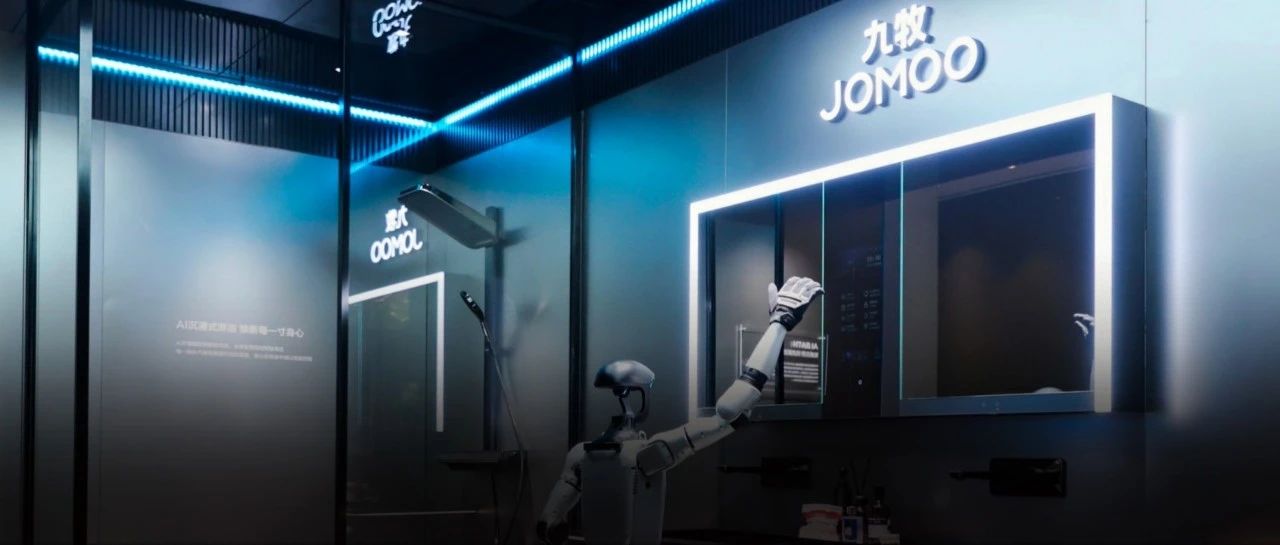
九牧进化论:一场AI时代下的卫浴重构
36氪· 2025-06-13 13:31
Core Viewpoint - The article discusses the transformative impact of AI on the bathroom industry, highlighting how leading companies are integrating AI to redefine user experiences and operational efficiencies in the next decade [1][3][4]. Group 1: AI and Industry Transformation - The integration of AI into manufacturing is reshaping the entire value chain, moving from "mass production" to "intelligent customization" [4]. - AI is recognized as a key tool for enhancing the resilience of China's manufacturing sector, which has evolved significantly over the past decade [3][4]. - Companies like Haier and BYD are leveraging AI to innovate and improve efficiency, while bathroom industry leaders like JOMOO are exploring deep integration of AI into their products [1][3]. Group 2: The Five Transformations in the Bathroom Industry - The bathroom space is undergoing a "five transformations" revolution: scenario-based, appliance-like, health-oriented, green, and international [7][44]. - Scenario-based transformation focuses on creating immersive user experiences rather than just functional products, with JOMOO leading the way in this shift [9][12]. - The appliance-like transformation indicates a shift towards smart bathroom products that integrate seamlessly into the home ecosystem, similar to traditional home appliances [15][21]. Group 3: Health and Sustainability - The health-oriented transformation emphasizes the bathroom's role in health monitoring, with JOMOO's AI-enabled products capable of conducting health assessments through daily activities [22][26]. - Sustainability is becoming a core competitive advantage, with companies adopting green manufacturing practices to meet global standards and consumer expectations [30][33]. - JOMOO's green factories demonstrate significant energy savings and reduced emissions, showcasing the potential for sustainable practices in the bathroom industry [33][36]. Group 4: International Expansion - Chinese bathroom brands are increasingly focusing on international markets, with JOMOO leading efforts to establish a global presence through acquisitions and strategic partnerships [37][40]. - The company's participation in international design exhibitions and its expansion into Southeast Asia reflect a commitment to enhancing brand recognition and market share abroad [42][43]. - The global competition is intensifying, with JOMOO positioning itself as a formidable player against established international brands [43].