
碳市场

Search documents
中碳登董事长尹俊:碳价正成为技术进步与能源革命的新定价工具
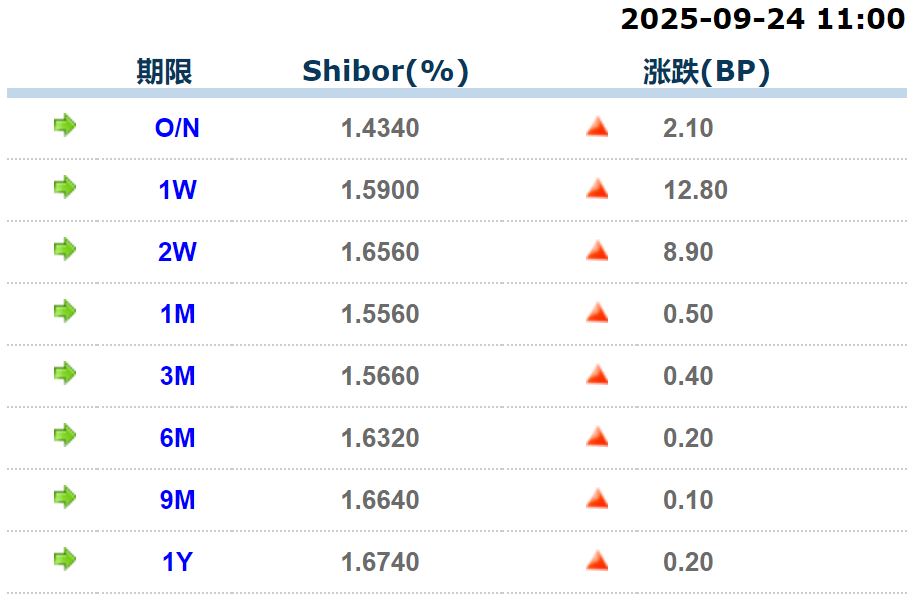
Shang Hai Zheng Quan Bao· 2025-09-25 18:14
Core Insights - The 2025 China Carbon Market Conference emphasized the importance of a stable carbon pricing mechanism to drive green and low-carbon development [2] - The national carbon market, launched in July 2021, has expanded to include key industries such as steel, cement, and aluminum, covering approximately 80 billion tons of CO2 emissions, which is about 60% of the national total [2][6] Group 1: Carbon Market Development - The carbon market is a widely accepted tool for carbon reduction, with 38 countries and regions having established their own markets [2] - The national carbon market has registered around 3,700 key emission units, covering approximately 80 billion tons of CO2 emissions [2][6] - The market has implemented measures like carbon quota prepayment and guidance to address supply-demand mismatches, ensuring stable operation [5] Group 2: Industry Impact and Technological Innovation - The carbon market has led to significant improvements in energy efficiency and cost reductions for companies, as seen in a case where a power company reduced its carbon compliance costs by approximately 10 million yuan after technological upgrades [3][6] - The carbon price is becoming a new pricing tool that reflects the costs and benefits of emissions reduction, encouraging companies to invest in technological upgrades [3][6] - The introduction of carbon trading has allowed companies to profit from surplus carbon quotas, promoting a market-driven approach to emissions reduction [5][6] Group 3: Policy and Future Directions - Recent policies aim to enhance market vitality by encouraging financial institutions to develop green financial products related to carbon emissions [5] - The proposal to combine free and paid carbon quota distribution aims to provide a feasible path for industries like cement to overcome competitive pressures [7] - The ongoing development of the national carbon market is expected to help companies break free from competitive pressures and foster new competitive advantages through green transformation [7]


中国提出全经济减排目标,全国碳市场覆盖主要高排放行业
2 1 Shi Ji Jing Ji Bao Dao· 2025-09-25 12:03
Group 1: Nationally Determined Contributions (NDC) Goals - China announced a new round of NDC goals aiming for a 7%-10% reduction in greenhouse gas emissions by 2035 compared to peak levels, with a target for non-fossil energy consumption to exceed 30% of total energy consumption [1] - The NDC goals detail China's commitments to climate change, providing strong support for global greenhouse gas reduction efforts [1] - The establishment of a national carbon market is expected to enhance efficiency in price discovery and control emissions in major high-emission industries [1] Group 2: Carbon Market Development - The national carbon market has been operational for over four years, covering more than 2,200 key emission units in the power sector, making it the largest carbon market globally in terms of greenhouse gas emissions coverage [2] - As of August 2024, the carbon market has recorded a cumulative trading volume of nearly 700 million tons, with a transaction value of approximately 48 billion RMB, marking a new annual high for 2024 [2] - The carbon market's design and policy framework have been continuously improved, with over 60% of total CO2 emissions effectively controlled [2][3] Group 3: Future Expansion and Industry Inclusion - By 2025, the carbon market will expand to include the steel, cement, and aluminum industries, adding over 1,300 new key emission units and increasing the controlled emissions by approximately 3 billion tons [7] - The Ministry of Ecology and Environment plans to gradually include additional sectors such as aviation, petrochemicals, chemicals, and paper manufacturing into the carbon market [7][8] - The carbon market aims to establish a total control system for emissions, with a focus on stabilizing emissions in certain industries by 2027 [4][6] Group 4: International Cooperation and Standards - China is actively working to enhance the international influence of its carbon market and participate in the formulation of global carbon market rules [9][10] - The upcoming COP30 in Brazil is seen as a critical point for advancing the implementation of the Paris Agreement, with China expressing a commitment to multilateral cooperation in climate action [9] - The success of China's carbon market is being recognized globally, with other developing countries looking to China as a model for their own carbon market development [11][12]
复旦大学陈诗一:中国碳信用质量实现显著提升 具备参与全球碳信用互认基础
Zheng Quan Shi Bao Wang· 2025-09-25 05:02
Core Viewpoint - The 2025 China Carbon Market Conference emphasized the importance of improving carbon pricing mechanisms to stimulate green and low-carbon development, highlighting China's advancements in carbon credit quality and international recognition [1][2]. Group 1: Carbon Market Development - Over four years, the Chinese carbon market has achieved stable growth, with a comprehensive policy framework established and over 60% of effective CO2 emissions being controlled [2]. - The market's vitality has increased, with growing participation from trading entities, making it a significant tool for promoting green and low-carbon transitions and achieving carbon peak and neutrality goals [2]. Group 2: International Cooperation and Standards - China is enhancing the quality of its carbon credits through improved methodologies and data quality, aligning with international standards, which lays a solid foundation for global carbon credit mutual recognition [1][2]. - The "Fudan Carbon Price Index" and other carbon pricing mechanisms are being developed to increase the international recognition of Chinese carbon credits, urging the global community to acknowledge their value [1]. Group 3: Future Directions - The Ministry of Ecology and Environment plans to expand the carbon market's industry coverage and trading entities, diversify trading products and methods, and strengthen international cooperation to build a more effective and influential carbon market [2]. - Recommendations for high-quality development of the global carbon credit system include advancing the internationalization of the "Fudan Carbon Price Index," innovating financial products related to carbon credits, and enhancing international cooperation on standards [2]. Group 4: Talent Development - The Fudan University Insurance Application Innovation Research Institute is innovating in lifelong education, launching a Chief Transformation Officer (CTO) program focused on green and digital transformation, aiming to cultivate high-end talent for global climate governance and the development of the carbon credit system [3].
全国碳市场发展报告在沪发布 逾六成二氧化碳排放量已纳入
Jie Fang Ri Bao· 2025-09-25 01:53
Group 1 - The national carbon market in China has expanded its coverage, adding over 1,300 key emission units, resulting in an increase of approximately 3 billion tons of greenhouse gas emissions, with the covered CO2 emissions now accounting for over 60% of the national total [1] - By 2027, the national carbon market is expected to cover the main emission industries in the industrial sector [1] - In 2024, the carbon emission allowance trading market operated for 242 trading days, with an average daily trading volume of carbon emission allowances increasing by 43.55% compared to the previous compliance cycle, and the total annual trading volume reaching 18.9 million tons [1] Group 2 - The comprehensive closing price of the national carbon market in 2024 ranged from 69 yuan/ton to 106 yuan/ton, with the year-end closing price at 97.49 yuan/ton, representing a 103.1% increase from the opening price on the first trading day in 2021 and a 22.75% increase from the closing price at the end of 2023 [2] - The trading willingness of key emission units has significantly increased, with the total buy and sell orders for listed agreement trading rising by 232% year-on-year as of August this year [2] - As of August this year, 1,277 trading accounts have been opened by key emission units newly included in the market [2]
去年全国碳市场成交额创新高
Zhong Guo Zheng Quan Bao· 2025-09-24 20:17
Group 1 - The national carbon emissions trading market in China has achieved a cumulative trading volume of nearly 700 million tons and a transaction value of approximately 48 billion RMB as of the end of August 2024, marking a record high since the market's launch in 2021 [1] - The annual transaction value for carbon emission allowances reached 18.114 billion RMB in 2024, setting a new record since the market's inception [1] - The report indicates that the Ministry of Ecology and Environment is accelerating the allocation of quotas for the steel, cement, and aluminum smelting industries, with 1,334 key emission units from these sectors newly included [1] Group 2 - By the end of 2024, the completion rate for quota compliance for the 2023 fiscal year was 99.98%, a historical high, with 28 provincial regions achieving 100% compliance [2] - The national carbon market has been operating smoothly, with an enhanced institutional framework and increased market vitality, leading to a stronger awareness of carbon reduction among key emission units [2] - Various stakeholders are actively participating in the carbon market, voluntarily developing and implementing emission reduction projects, showcasing the market's growing functionality [2]
三行业超千家企业入场 全国碳市场扩容激活绿色新动能
Shang Hai Zheng Quan Bao· 2025-09-24 19:48
Core Insights - The national carbon market in China is experiencing significant growth, with over 1,300 new key emission units added, leading to an increase in total greenhouse gas emissions by approximately 3 billion tons, now covering over 60% of the national CO2 emissions [1] - As of August 2025, the cumulative trading volume in the national carbon market reached 696 million tons, with a total transaction value of 47.826 billion yuan [1] - The market is becoming more active, with a 44% increase in daily trading volume compared to the previous compliance cycle, and a total transaction value of 18 billion yuan in 2024, the highest since the market's inception [2] Market Activity - The inclusion of the steel, cement, and aluminum industries has led to 1,277 new trading accounts being opened by key emission units as of August 2025 [2] - The trading willingness among key emission units has increased, with total buy and sell orders in the market rising by 232% year-on-year [2] - The average closing price of carbon credits was 69.30 yuan per ton as of August 2025, maintaining a reasonable range despite a global decline in carbon prices [2] Green Transition - The carbon market has played a crucial role in reducing carbon intensity in the power sector, which decreased by 10.8% from 2018 to 2024 [3] - A total of 564 key emission units in the power sector have achieved surplus quotas, amounting to 58.25 million tons, translating to approximately 4 billion yuan in revenue based on the average closing price [3] Policy Support - The central government has issued a comprehensive policy document aimed at advancing the national carbon market, with goals to cover major industrial sectors by 2027 and establish a robust trading system by 2030 [4] - The People's Bank of China is enhancing the green finance system to support the transition to a low-carbon economy [4] Data Governance - The establishment of a refined management process is seen as a key indicator of the maturity of the carbon market's data governance system [5] - Recommendations include developing cross-border carbon trading management measures to support international trading [5]
货币市场日报:9月24日
Xin Hua Cai Jing· 2025-09-24 14:25
Core Points - The People's Bank of China conducted a 401.5 billion yuan reverse repurchase operation with a rate of 1.40%, maintaining the previous level, resulting in a net withdrawal of 17 billion yuan due to 418.5 billion yuan of reverse repos maturing on the same day [1] - The Shanghai Interbank Offered Rate (Shibor) for short-term maturities increased across the board, with the 7-day Shibor leading the rise [1][2] - The weighted average rates for various repo products also saw increases, particularly in the 7-day category, indicating a tightening liquidity environment [5] Shibor Summary - Overnight Shibor rose by 2.10 basis points to 1.4340% [3] - 7-day Shibor increased by 12.80 basis points to 1.5900% [3] - 14-day Shibor went up by 8.90 basis points to 1.6560% [3] Repo Market Summary - The weighted average rates for DR001 and R001 increased by 2.3 basis points and 3.5 basis points, respectively, with transaction volumes decreasing significantly [5] - DR007 and R007 saw larger increases of 11.1 basis points and 18.5 basis points, respectively, with notable reductions in transaction volumes [5] - DR014 and R014 had smaller increases in rates but experienced an increase in transaction volumes [5] Money Market Conditions - The money market showed a tight condition in the morning, with overnight transactions around 1.55%, shifting to a more relaxed state by the afternoon [9] - The issuance of interbank certificates of deposit was active, with 85 certificates issued totaling approximately 133.99 billion yuan [9] Bond Market Summary - The bond market saw rising rates across various maturities, with overall trading sentiment being moderate [10] - Specific increases included a 6 basis point rise for 1-month bonds and a 1.5 basis point rise for 6-month bonds compared to the previous day [10] Future Operations - The People's Bank of China plans to conduct a 600 billion yuan Medium-term Lending Facility (MLF) operation on September 25, 2025, with a one-year term [12]
央行副行长陆磊:强化金融机构碳核算并披露可持续信息要求
2 1 Shi Ji Jing Ji Bao Dao· 2025-09-24 10:35
Core Viewpoint - The People's Bank of China (PBOC) is actively developing carbon accounting standards for financial institutions and revising guidelines for sustainable information disclosure to enhance the carbon market and support the country's dual carbon goals [1][2]. Group 1: Carbon Market Development - The carbon market is seen as a crucial foundation for establishing carbon pricing, which can effectively guide resource allocation [1]. - The PBOC emphasizes the importance of financial sector participation in carbon market development to enhance trading activity and improve pricing efficiency [1]. - The PBOC is committed to supporting the healthy development of the carbon market as part of its financial management responsibilities [1]. Group 2: Sustainable Financial Standards - The PBOC, in collaboration with regulatory bodies, has established a unified directory for green financial products to standardize definitions [2]. - The PBOC is leading the development of transformation financial standards for key industries and encouraging pilot projects to support low-carbon transitions in high-emission sectors [2]. - A multilateral sustainable finance classification directory has been jointly released by China, the EU, and Singapore to promote cross-border green finance [2]. Group 3: Financial Institutions and Green Products - The PBOC is enhancing green finance statistics and evaluations for financial institutions, creating tools to support carbon reduction [3]. - In Shanghai, pilot projects are underway to expand carbon reduction support tools, focusing on clean energy and environmental protection [3]. - As of the second quarter of this year, over 1.38 trillion yuan in carbon reduction loans have been issued, with the national green loan balance reaching 42.4 trillion yuan and green bond balance exceeding 2.2 trillion yuan, positioning China as a global leader in these metrics [3]. Group 4: Climate Risk Assessment - The PBOC has conducted climate-related financial risk assessments and stress tests for 24 banks and certain industries to inform macro-prudential policies [3]. - Accurate carbon pricing is deemed essential for optimizing risk scenario designs and better assessing climate-related risks [3]. Group 5: Future Outlook - The PBOC aims to continuously improve the green financial system and support the carbon market's healthy development through market-oriented measures, contributing to the dual carbon goals and the construction of a beautiful China [3].
生态环境部李高:加快建设全国统一碳市场,稳步扩大市场覆盖范围
2 1 Shi Ji Jing Ji Bao Dao· 2025-09-24 09:28
Core Viewpoint - The national carbon market in China has made significant progress over the past four years, becoming a key mechanism for carbon pricing and promoting carbon peak and carbon neutrality goals [1] Group 1: National Carbon Market Development - The Ministry of Ecology and Environment has outlined plans to accelerate the construction of a unified national carbon market, improve the institutional framework, and expand market coverage [1][2] - The first central document on carbon market development was released, setting clear goals and tasks for the market's advancement by 2027 and 2030 [2][3] Group 2: Key Goals and Tasks - By 2027, the carbon emissions trading market aims to cover major industrial sectors, with a focus on total quota control for stable emission industries [2][3] - The voluntary emission reduction trading market will achieve full coverage in key areas, supporting low-carbon technologies [2][3] Group 3: Market Expansion and Performance - The carbon market has expanded its industry coverage, adding over 1,300 new key emission units, which increases the controlled greenhouse gas emissions by approximately 3 billion tons [4] - The trading volume in 2024 reached a historical high, with an average daily transaction volume up by about 44% compared to the previous compliance cycle [5] Group 4: Data Quality and Management - The Ministry emphasizes data quality as crucial for carbon market construction, implementing a three-tier review mechanism and utilizing big data and blockchain for enhanced regulatory efficiency [6] - The number of non-compliant greenhouse gas emission reports decreased by about 24% year-on-year, indicating improved data quality management [6] Group 5: Impact on Emission Reduction - The carbon market has contributed to a 10.8% reduction in carbon emission intensity in the power sector compared to 2018, highlighting its role in guiding corporate emission reduction strategies [7]
央行副行长陆磊:正在制定金融机构碳核算标准
Sou Hu Cai Jing· 2025-09-24 09:26
在上海举行的2025年中国碳市场大会上,中国人民银行副行长陆磊在主旨演讲中表示,从全球碳市场发 展经验来看,金融部门参与碳市场建设有助于活跃碳市场交易,提高碳定价效率,防范价格过度波动风 险。陆磊表示,目前,人民银行正在制定金融机构碳核算标准,修订金融机构可持续信息披露指南,强 化金融机构有序开展碳核算并披露可持续信息要求。(上证报) ...