贸易多元化

Search documents
【新华财经调查】关税博弈升级 巴西寻求出口多元化
Xin Hua Cai Jing· 2025-09-05 01:54
Core Points - The trade friction between Brazil and the United States has escalated rapidly, entering the WTO dispute resolution process, reflecting deeper issues in the global trade order [1] - The U.S. imposed high tariffs on Brazil's major export products under the guise of "national security," while Brazil opted to respond through multilateral mechanisms [1][2] Tariff Conflict - In April, the U.S. government announced a 10% tariff on Brazilian exports, seen as a "tentative warning," with minimal impact on key products like coffee and beef [2] - By July, the U.S. increased tariffs to 50% on most products, making Brazil one of the countries most affected by U.S. tariffs [2][3] - Brazil's Congress quickly passed a law allowing for retaliatory measures against U.S. imports, emphasizing the importance of national sovereignty and international rules [2][3] Economic Impact - The tariffs have led to a significant decline in Brazil's export expectations, with the export expectation index dropping to 46.6, marking a 21-month low [5] - The U.S. is Brazil's second-largest trading partner, accounting for 12% of Brazil's exports and 15.5% of imports, with a projected bilateral trade volume of approximately $91.5 billion in 2024 [5] - Key sectors such as coffee, beef, and steel are expected to suffer losses exceeding $1 billion due to the tariffs [5][6] Political Ramifications - The tariff conflict has become a sensitive issue in Brazil's election cycle, particularly affecting regions that heavily rely on exports to the U.S. [6] - Public sentiment towards the U.S. has soured, with negative perceptions rising to 48%, as many view the tariffs as an infringement on Brazil's sovereignty [6] Multilateral Challenges - Brazil has formally requested consultations with the WTO regarding the U.S. tariffs, accusing the U.S. of violating multiple trade rules [8] - Concerns have been raised about the effectiveness of the WTO's dispute resolution mechanism, particularly given the U.S.'s history of ignoring rulings under the pretext of national security [8][9] Strategic Adjustments - Brazil is diversifying its export strategy to reduce reliance on the U.S. market, strengthening ties with countries like China and India [9] - Initiatives include enhancing cooperation in agriculture and minerals, and increasing the use of local currency in trade [9][10] Conclusion - The U.S.-Brazil tariff dispute transcends bilateral issues, highlighting fractures in the global trade order, with Brazil seeking to leverage multilateral cooperation and adjust its export strategies [10]
上海外环外不再限购,美国政府成英特尔最大股东 | 财经日日评
吴晓波频道· 2025-08-26 00:30
Group 1: Trade and Economic Environment - China has become a top trading partner for 157 countries and regions, with a significant increase in trade volume, particularly with emerging markets, averaging over 10% annual growth since the "14th Five-Year Plan" [2][3] - The establishment of 19 new customs special supervision zones during the "14th Five-Year Plan" has led to a more than 30% increase in import and export value compared to the end of the "13th Five-Year Plan" [2] Group 2: Labor Market and Wage Policies - Multiple regions in China have raised their minimum wage standards, with Beijing increasing its monthly minimum wage from 2420 yuan to 2540 yuan, effective September 1, 2025 [4] - The increase in minimum wage is seen as a way to boost overall income for residents, although businesses may face challenges in raising wages due to current economic pressures [5] Group 3: Real Estate Market - Shanghai has introduced new real estate policies allowing families to purchase unlimited properties outside the outer ring, which is expected to stimulate demand in the housing market [6][7] - The new policies also include increased housing provident fund loan limits and support for using provident funds for down payments, significantly easing the financial burden on homebuyers [6] Group 4: Corporate Restructuring - Alibaba has restructured its business into four main categories, signaling a focus on core operations and a shift away from its previous "1+6+N" structure [8] - This restructuring comes amid increasing competition and market saturation in its primary business lines, indicating a strategic pivot towards more streamlined operations [9] Group 5: Semiconductor Industry - Intel has entered into an agreement with the U.S. government, which will invest $8.9 billion for a 9.9% stake in the company, making the government its largest shareholder [10] - This investment is part of a broader strategy under the CHIPS Act, which aims to bolster domestic semiconductor manufacturing, although it raises concerns about government influence on corporate decisions [11] Group 6: Consumer Electronics - Apple plans to launch significant design changes for its iPhone models over the next three years, including a new "iPhone Air" and a foldable model, aiming to rejuvenate consumer interest [12][13] - The focus on design changes comes as the iPhone's hardware improvements have reached a saturation point, necessitating a shift to aesthetic innovations to attract consumers [12][13] Group 7: Financial Markets - The large-denomination certificate of deposit (CD) transfer market has seen renewed activity, with interest rates for some transfers exceeding 4.65%, indicating a shift in asset allocation among residents [14] - The influx of funds into the stock market may lead to increased volatility if the anticipated capital inflow does not materialize, highlighting the importance of fundamental improvements for market stability [15] Group 8: Stock Market Performance - The stock market experienced a significant rally, with the Shanghai Composite Index nearing 3900 points and a record trading volume of 3.14 trillion yuan, indicating heightened investor activity [16][17] - However, the market's overall valuation is approaching a neutral to high stage, suggesting potential limitations on further upward momentum in the near term [17]



海关总署亮成绩:中国贸易伙伴超157国,国际合作与高质量发展并进!
Sou Hu Cai Jing· 2025-08-25 23:51
Core Insights - The Chinese Customs has made significant achievements during the "14th Five-Year Plan" period, focusing on international cooperation and high-quality development [1][5] Group 1: International Cooperation - Since the initiation of the "14th Five-Year Plan," Chinese Customs has signed 519 cooperation agreements with various countries, enhancing trade ties, especially with Belt and Road Initiative countries, where trade volume is expected to reach 22 trillion yuan in 2024, accounting for half of China's foreign trade [1] - Trade with emerging markets such as ASEAN, Latin America, Africa, and Central Asia has shown strong growth, with an average annual growth rate exceeding 10%, establishing solid trade partnerships with 157 countries and regions [1] Group 2: Security and Risk Management - The Customs has implemented a robust risk prevention system, overseeing an impressive annual import and export volume of 5.2 billion tons, valued at 41.5 trillion yuan, ranking first globally [3] - During this period, Customs intercepted 5.15 million prohibited items, detected over 180,000 cases of infectious diseases, and processed more than 200,000 batches of substandard goods, effectively mitigating potential security risks [3] Group 3: Trade Facilitation and Innovation - To enhance customs efficiency, the Customs has accelerated the construction of a smart customs system, with the international trade "single window" now covering 964 service items, facilitating a seamless cross-border trade process [3] - The "smart travel inspection" system has been implemented at most air ports, significantly improving passenger clearance efficiency [3] Group 4: High-Quality Development - The Customs has innovated regulatory models for cross-border e-commerce, overseas warehouses, and "bonded+" new business formats, injecting new momentum into regional economic development and ensuring supply chain stability [4] - In 2024, China's goods trade volume is projected to reach 43.8 trillion yuan, maintaining its position as the world's largest for eight consecutive years, with a year-on-year growth of 3.5% in the first seven months, including a 7.3% increase in exports [4]
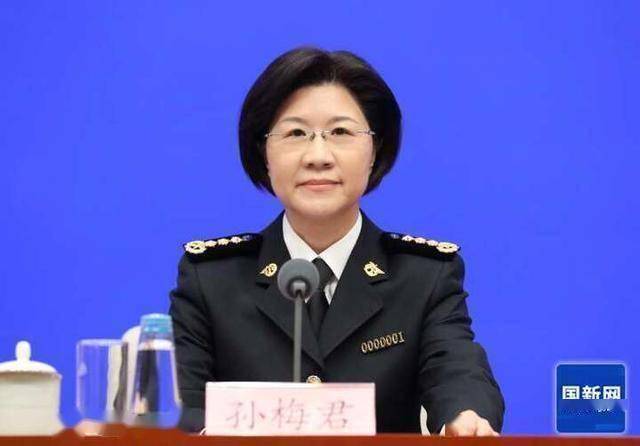
海关总署:“十四五”以来我国新增和扩大开放口岸40个,总数已达311个
Sou Hu Cai Jing· 2025-08-25 06:30
Core Insights - The press conference highlighted the achievements of China's customs in safeguarding national security and promoting high-quality development during the "14th Five-Year Plan" period [1][2]. Group 1: Customs Achievements - Since the beginning of the "14th Five-Year Plan," China has added and expanded 40 open ports, bringing the total to 311, creating a comprehensive port opening layout across land, sea, and air [1][2]. - Special customs supervision areas, such as comprehensive bonded zones, contribute to 1/5 of the national import and export value despite occupying less than 0.00002 of the country's land area [2]. - The total value of China's goods trade is projected to reach 43.8 trillion yuan in 2024, maintaining its position as the world's largest for eight consecutive years [2]. Group 2: Trade and Economic Growth - In the first seven months of this year, China's imports and exports grew by 3.5% year-on-year, with exports increasing by 7.3%, showcasing the resilience and vitality of the foreign trade sector [2]. - The export of "new three samples" is expected to increase by 2.6 times from 2020 to 2024, indicating a significant enhancement in export quality [2]. - The average annual growth rate of imports and exports is 7.9%, with eastern regions stabilizing and improving quality while central and western regions are gaining momentum [2]. Group 3: International Cooperation - China has signed 519 cooperation documents since the start of the "14th Five-Year Plan," emphasizing its commitment to multilateral trade and opposition to unilateralism [3]. - Trade with Belt and Road Initiative partners is projected to reach 22 trillion yuan in 2024, accounting for over half of China's total trade [3]. - China has become one of the top three trading partners for 157 countries and regions globally, highlighting its growing international cooperation and responsible global role [3]. Group 4: Future Plans - The customs authority plans to implement better regulation, higher security, greater convenience, and stricter measures against smuggling to contribute to China's modernization efforts [5].
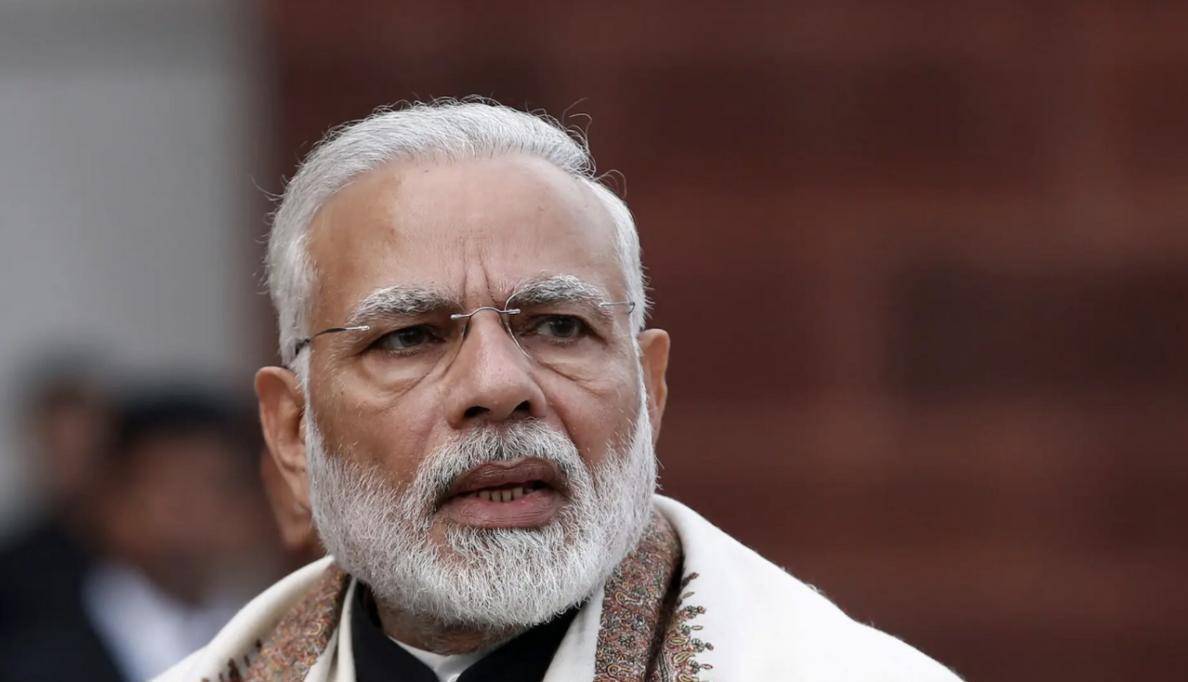
不到48小时,印度再得一大强援,面对美方,莫迪其实留了后手
Sou Hu Cai Jing· 2025-08-24 00:49
Core Viewpoint - The article discusses India's strategic response to the U.S. tariffs imposed by the Trump administration, highlighting the multifaceted approach taken by the Modi government to mitigate economic impacts and explore alternative partnerships [1][12]. Group 1: Economic Impact - The U.S. imposed punitive tariffs of up to 50%, significantly affecting Indian exports, particularly in the diamond industry, where orders from the Surat diamond processing center plummeted by 40% [1][3]. - Signet Jewelers, a major U.S. jewelry company, faced severe supply chain disruptions, impacting 30% of U.S. jewelry businesses reliant on Indian supplies [1]. Group 2: Military and Energy Responses - India froze military purchases worth $3.6 billion, indefinitely suspending the Boeing P-8I deal, leading to unexpected losses for the U.S. defense industry [3]. - Russia emerged as a key ally for India in the energy sector, with India importing an average of 2.1 million barrels of oil per day from Russia, far exceeding imports from Saudi Arabia and Iraq [5]. Group 3: Trade Diversification and Currency Strategies - India accelerated its "de-dollarization" efforts, simplifying cross-border payment processes and adopting a rupee-ruble mechanism for trade with Russia, saving over $5 billion [6]. - The Indian business community initiated a "replacement market" strategy, focusing on ASEAN, the Middle East, and Africa, while negotiating significant trade agreements with the UK and other regions [6]. Group 4: Agricultural Stance and Geopolitical Dynamics - The Modi government remains firm on agricultural issues, rejecting U.S. demands to open markets for genetically modified products, which could threaten the livelihoods of 600 million farmers [7]. - Geopolitically, while China criticized U.S. tariff policies, India's recent comments on Taiwan indicate ongoing tensions in U.S.-India relations, which complicate potential cooperation with China [7]. Group 5: Future Outlook - Goldman Sachs downgraded India's economic growth forecast to 6.1%, with the pharmaceutical, smartphone, and textile sectors being the most affected [13]. - Despite the challenges, India is exploring resource joint ventures with Russia, which could reshape traditional energy trade dynamics and enhance bargaining power for emerging Asian economies [13].
美国大豆就算烂在地里,中国也不会买?特朗普求助无果,沉默11天后,对中方发起新制裁
Sou Hu Cai Jing· 2025-08-23 08:08
Group 1 - The core issue revolves around Trump's call for China to increase its soybean orders from the U.S. by four times, highlighting the strained trade relations between the two countries [1] - In 2017, U.S. soybeans accounted for nearly 40% of China's total imports, but this figure is projected to drop to 20% by 2024 due to tariff policies implemented by the Trump administration [3] - Brazil's share of soybean imports to China has risen significantly, from 50% in 2017 to 70% in 2024, as China diversifies its sources to ensure stable supply and lower costs [3] Group 2 - China's delayed purchasing of U.S. soybeans this year marks the latest start since 2005, indicating a shift in procurement strategies and a surplus in soybean meal supply [3] - The U.S. government has imposed sanctions on two Chinese entities related to oil trade with Iran, which is seen as an attempt to pressure China into increasing soybean purchases [5] - China's energy import strategy has diversified, reducing reliance on the U.S. dollar and making it difficult for U.S. sanctions to disrupt its energy cooperation with Iran [5] Group 3 - The long-term outlook for U.S. agriculture is bleak without the Chinese market, leading to unsold agricultural products and declining prices for American farmers [7] - The proposed $60 billion agricultural subsidy plan by the U.S. government has faced criticism for primarily benefiting large agricultural enterprises, leaving family farms with limited support [7] - China's trade policies are driven by its own market and strategic considerations, suggesting that external pressures from the U.S. may not lead to significant changes in its procurement practices [7]
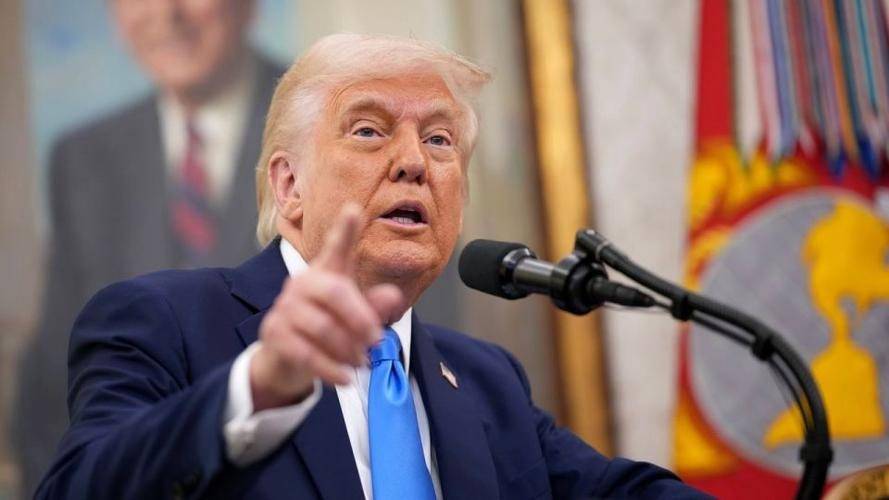
中国没买美国大豆,特朗普以退为进,取消对华报复,最大赢家浮现
Sou Hu Cai Jing· 2025-08-20 11:36
Group 1 - In August, data from the USDA and Chinese customs revealed that China's soybean purchases from the U.S. hit a new low, while Brazilian soybean exports to China increased by 28% year-on-year, reaching a historical high [1] - The American Soybean Association stated that U.S. soybean export losses to China could exceed $10 billion this year, highlighting a clear division between winners and losers in the global supply chain [2] - China's imports of soybeans from Brazil reached 71.5 million tons in the first seven months, surpassing the total for the previous year, while U.S. soybean exports to China plummeted to 9.95 million tons, a significant decrease [4] Group 2 - The USDA reported that U.S. soybean planting area has dropped to 32.42 million acres, a reduction of over 7% compared to the 2024/2025 season, with farmers expressing declining confidence due to trade policy uncertainties [2][6] - Analysts noted that the imposition of tariffs has led to a decrease in planting intentions among farmers, impacting the entire agricultural supply chain, including machinery, logistics, and fertilizers [6] - China has accelerated the development of soybean alternatives and increased domestic oilseed production capacity, emphasizing the importance of a stable and secure supply chain in its import strategy [4][12] Group 3 - The U.S. Trade Representative's office announced a suspension of secondary tariffs on Chinese purchases of Russian oil, seen as a strategic recalibration amid ongoing inflation and supply chain crises [8] - If the U.S. continues its high-pressure tactics against China, it may lead to further reductions in U.S. product imports by China, significantly impacting American farmers and the consumer market [10] - The trade adjustment has shifted the balance of power, with China gaining greater negotiation leverage through diversification of soybean imports and supply chain rebalancing [10][14] Group 4 - China's soybean supply has formed a new structure dominated by South America, with local production enhancements and supplementary imports from Russia and Mongolia, significantly improving risk resilience [12] - The agricultural sector in South America is experiencing growth due to increased Chinese orders, leading to upgrades in machinery, ports, logistics, and services [12] - The ongoing trade dynamics between China and the U.S. in agricultural products serve as a barometer for broader U.S.-China relations, with China's import structure becoming increasingly diversified [14][16] Group 5 - The global economic outlook indicates a restructuring of supply chains, with emerging markets and developing economies increasing their share of agricultural exports [16][18] - The soybean trade tensions between China and the U.S. highlight the complexities of global trade, with China seizing trade initiative through supply chain diversification, while South American countries upgrade their industries [18] - Both China and the U.S. recognize the complementary nature of their economies, suggesting that cooperation is essential for mutual benefit in the agricultural trade sector [18]

拉美观察丨美50%关税大棒落下 巴西对内纾困对外开拓市场
Yang Shi Xin Wen· 2025-08-20 01:54
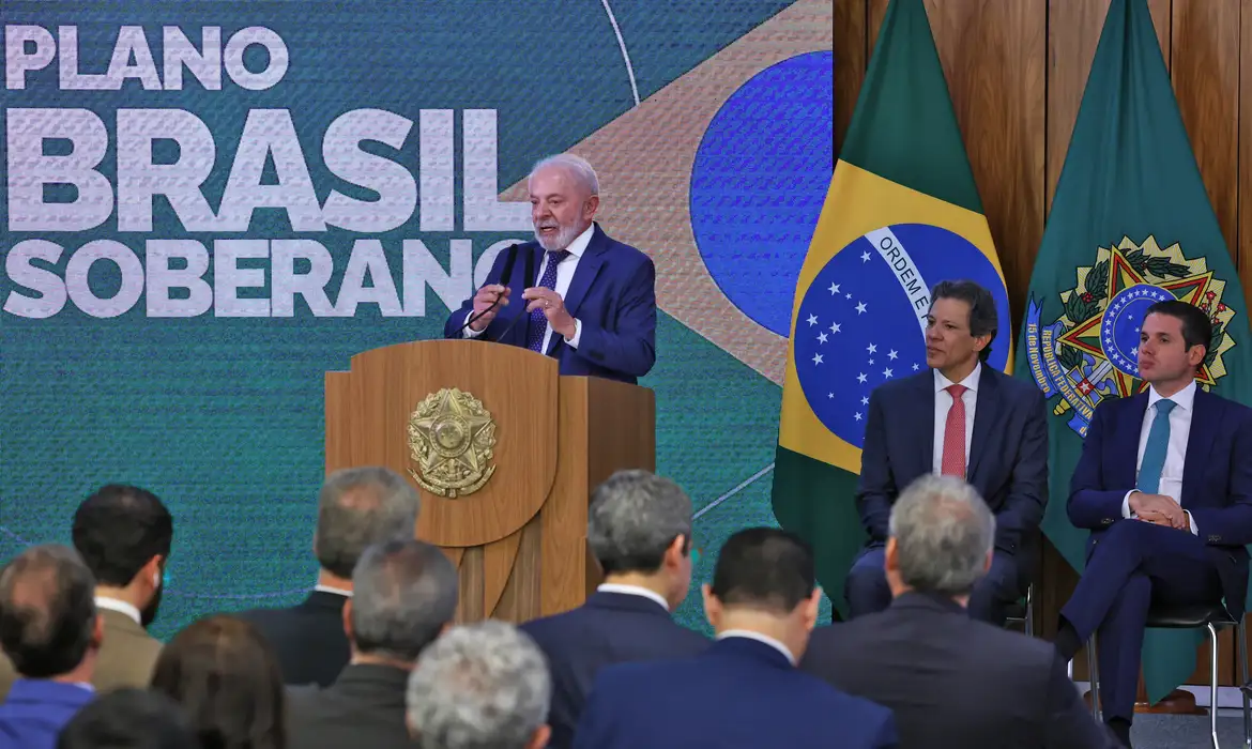
Core Points - The U.S. has imposed punitive tariffs of up to 50% on Brazilian goods since August 6, 2025, severely impacting multiple export industries in Brazil [1][2] - The Brazilian government has quickly implemented economic relief measures and is seeking to diversify trade to reduce reliance on the U.S. market [1][11] Impact on Exports - Over 50% of Brazil's exports are affected by the U.S. tariffs, with approximately 35.9% facing a direct 50% tariff and an additional 19.5% facing global tariffs of 25% to 50% [5][2] - The most affected sectors include agriculture (tariffs increased from 4% to 40.8%), chemicals (from 2.3% to 40.1%), minerals (especially steel, from 0.5% to 38.7%), and machinery (from 0.8% to 38.2%) [5][2] - Specific products like coffee and beef are significantly impacted, with coffee exports to the U.S. projected at nearly $2 billion in 2024, and beef exports at 532,000 tons generating $1.6 billion [5][2] Regional Impact - The northeastern region of Brazil, heavily reliant on exports to the U.S., faces severe consequences, with 96% of its exports subject to the 50% tariff [6] - Seafood exports, particularly tuna, are critically affected, with over 70% of these products going to the U.S. [6] - The southern and southeastern regions benefit from some exemptions for high-value industrial products, providing temporary relief [5] Industry-Specific Effects - The orange juice industry, while exempt from the 50% tariff, still faces significant losses due to tariffs on related products and a drop in international prices, leading to an estimated loss of 1.54 billion reais (approximately $200 million) [10][9] - The overall average price of orange juice exported to the U.S. has decreased by over 20%, compounding the financial strain on the industry [10] Government Response - The Brazilian government has initiated the "Brazil Sovereignty Plan" to support affected exporters, including financial backing and tax relief [11] - Local governments are also implementing aid programs, such as São Paulo's release of tax credits and Ceará's inclusion of affected products in public procurement [12][13] Trade Diversification Efforts - Brazil is actively pursuing trade diversification to lessen dependence on the U.S. market, with plans to engage with BRICS nations and other international partners [14][15] - The government aims to sign international agreements to reduce trade barriers and promote Brazilian products in new markets [14][15]
特朗普求情也不管用,中国这次不买了!美国700万吨大豆恐烂在地里,大赢家浮出水面
Sou Hu Cai Jing· 2025-08-19 03:40
Core Viewpoint - The U.S. soybean industry is facing significant challenges as China reduces its imports, leading to a potential surplus of 7 million tons of U.S. soybeans, while Brazil emerges as a major beneficiary in the soybean trade [1][3]. Group 1: U.S. Soybean Industry - The U.S. soybean industry has historically relied on the Chinese market, with China importing 221.4 million tons of soybeans from the U.S. in 2024, accounting for 21.1% of total imports [1]. - The U.S. soybean farmers are experiencing a critical situation as the harvest season approaches, but China has closed its market, prompting concerns from U.S. officials [1][5]. - The U.S. agricultural sector's dependency on China has not improved over the past decade, leading to vulnerabilities in the supply chain [5][7]. Group 2: China's Soybean Procurement Strategy - China has implemented a "Soybean Revitalization Plan" to boost domestic production and reduce reliance on imported soybeans, while also diversifying its import sources [3]. - Brazil's soybeans can enter China duty-free, making them more competitive in terms of pricing and supply stability compared to U.S. soybeans [3][5]. - China's procurement rhythm has shifted, with orders completed earlier in the year, indicating a strategic change in sourcing [5]. Group 3: Brazil's Position in the Market - Brazil has become the world's largest soybean producer and exporter, with exports to China valued at $19 billion in the first half of the year, representing 74.6% of its total soybean exports [5]. - The increase in Brazil's soybean production is driven by rising international demand and improved yield per hectare [5][7]. - Brazil's strong political and trade relationships with China have further solidified its position in the global soybean market [3][7].
中国制造网金秋采洽会迎“开门红” 多元布局成效显著
Jing Ji Wang· 2025-08-13 09:58
Core Insights - The MIC International Station's Autumn Procurement Fair has shown strong initial results, indicating a new trend in trade diversification [3] - Chinese exports to the EU and ASEAN have seen significant growth, with exports to Belt and Road countries exceeding 50% of total exports [3] - The fair has highlighted the potential for emerging markets, with companies successfully securing orders in Southeast Asia and Latin America [3][4] Group 1: Event Performance - The first week of the Autumn Procurement Fair saw a 23.9% year-on-year increase in overall traffic and a 23.4% rise in business opportunities [3] - Notable successes include Foshan Senbo Home Technology Co., which secured a trial order in Turkey, and Ningbo Quanwei Rubber Products Co., which experienced a 67% increase in store traffic and nearly 50% rise in inquiries [1][3] Group 2: Market Trends - The fair's "explosive order trend" in Southeast Asia and Latin America reflects a shift towards diversified trade, with significant orders from countries like Vietnam and Paraguay [3][4] - The heavy industry and light industry sectors are seeing strong demand, particularly in manufacturing machinery, transportation equipment, and consumer electronics [4] Group 3: Platform Support - The MIC International Station has launched the "New Maritime Plan" to support Chinese companies in exploring diverse markets, focusing on resource investment and industry support [5] - The platform has implemented targeted operations in key markets, enhancing local experiences and utilizing multiple channels for buyer engagement [5] Group 4: Future Outlook - The ongoing fair is expected to strengthen China's manufacturing export capabilities through a dual approach of stabilizing traditional markets and exploring new ones [6]