跨界融合

Search documents
平台企业“开”进车圈,折射新能源汽车产业哪些变革?
Xin Hua She· 2025-10-16 13:30
Core Insights - The automotive industry is experiencing a significant shift towards cross-industry collaboration, with companies like JD.com, GAC Group, and CATL entering the electric vehicle (EV) market, indicating a trend of integration and co-creation in product development [1][2][6] - The rapid growth of the Chinese EV market, which has maintained the world's largest production and sales volume for ten consecutive years, is a driving force behind this cross-industry trend [2][3] - The concept of vehicles is evolving from traditional transportation to smart mobility solutions, integrating advanced technologies and becoming part of a broader lifestyle [3][4] Industry Trends - The cross-industry integration is characterized by the collaboration of various sectors, including automotive, technology, energy, and finance, to enhance product lifecycle management and overall efficiency [10] - Companies are leveraging their unique strengths; for instance, JD.com utilizes its e-commerce insights and logistics capabilities, while Huawei and Xiaomi focus on technological innovation in vehicle manufacturing [1][6] - The integration of new technologies, such as high-performance batteries and smart cockpit systems, is accelerating the development of vehicles as multi-functional platforms [4][8] Market Dynamics - The Chinese EV market has seen production and sales exceed 11 million units in the first nine months of the year, with a penetration rate approaching 50%, showcasing the robust demand for electric vehicles [2] - The establishment of a complete and efficient domestic supply chain allows manufacturers to quickly address component needs, further supporting the industry's growth [2][3] Innovation and Talent Development - Continuous innovation is essential for the automotive industry, with a focus on breakthroughs in core technologies like chips and control systems to drive the next phase of smart vehicle development [7][8] - The industry faces a talent gap, necessitating the cultivation of interdisciplinary professionals who can navigate both traditional automotive design and modern digital operations [9][10] Ecosystem Collaboration - The shift from competition to collaboration emphasizes the need for a synergistic ecosystem where automotive companies, tech firms, and other stakeholders work together to enhance system capabilities and drive innovation [10] - The integration of various sectors is seen as crucial for achieving a fundamental leap in industry competitiveness, moving towards a model of co-creation and shared growth [10]



财经聚焦|平台企业“开”进车圈,折射新能源汽车产业哪些变革?
Xin Hua She· 2025-10-16 13:28
Core Insights - JD.com has announced a collaboration with GAC Group and CATL to launch a new electric vehicle, highlighting the trend of internet companies entering the automotive sector [1][2] - The integration of various industries is reshaping the automotive landscape, with companies leveraging their strengths to innovate and create new market opportunities [2][10] Industry Trends - The trend of cross-industry collaboration is becoming a key theme in the automotive sector, with companies like Huawei, Xiaomi, and Alibaba also entering the electric vehicle market [2][11] - The Chinese electric vehicle market has seen significant growth, with production and sales exceeding 11 million units in the first nine months of the year, indicating a penetration rate nearing 50% [3] Market Dynamics - The automotive industry is evolving, with vehicles transforming into smart mobility terminals and lifestyle extensions, driven by advancements in technology and consumer demand [7][9] - The integration of various technologies, such as high-performance batteries and smart cockpit systems, is accelerating within the automotive sector, creating a "super platform" for electric vehicles [9][10] Collaborative Ecosystem - The collaboration between JD.com, GAC, and CATL aims to integrate resources across the entire value chain, from research and development to production and sales [9][10] - The automotive industry is shifting from competition to collaboration, emphasizing the need for a synergistic ecosystem involving automotive manufacturers, tech companies, and energy providers [12]



粤剧撞上网游 “数字江湖”破圈传播
Nan Fang Du Shi Bao· 2025-10-10 08:48
Core Viewpoint - The article highlights the innovative integration of traditional Cantonese opera with modern elements, particularly through the new production "The Battle of the Blazing Prairie," which aims to attract younger audiences and promote cultural dialogue [1][2][3]. Group 1: Artistic Innovation - "The Battle of the Blazing Prairie" represents a significant artistic breakthrough by merging traditional Cantonese opera with elements from online gaming, creating a new form of cultural expression [2][3]. - The production utilizes digital technology to enhance the aesthetic experience, constructing a "living Jianghu" that resonates with both gamers and opera enthusiasts [3]. - The music in the production combines traditional Cantonese opera styles with contemporary arrangements, ensuring that it retains its cultural roots while appealing to modern sensibilities [3]. Group 2: Cultural Heritage and Transmission - The cast features a blend of seasoned actors and younger talent, with over half of the 55-member cast being from the "00s" and "10s" generations, showcasing a commitment to passing down the art form [5][4]. - The production is supported by a team of award-winning directors and artists, emphasizing the importance of mentorship and collaboration in the preservation of Cantonese opera [5][4]. Group 3: Institutional Support and Recognition - The Shenzhen government actively promotes the creative transformation of traditional culture, leading to the emergence of high-quality artistic works like "The Battle of the Blazing Prairie" [6][7]. - The production is part of a broader initiative to enhance Shenzhen's cultural landscape, with previous works receiving national recognition and awards, further solidifying the city's reputation in the arts [6][7].
“双节”消费新浪潮,释放破局新活力
Ren Min Wang· 2025-10-10 07:29
Core Insights - The recent National Day and Mid-Autumn Festival holiday showcased a significant shift in consumer behavior, moving from traditional physical spaces to a "digital-physical integration" model, reflecting a transformation in the value chain of holiday economies [1] Group 1: New Consumption Trends - The application of technologies such as 5G, AI, and big data has diversified and smartened consumption scenarios, moving beyond mere product transactions to a more multifaceted and intelligent approach [1] - Cross-industry integration has emerged as a notable feature, breaking down industry boundaries and creating new consumer experiences through the integration of various technologies and resources [1] - The experience economy has injected new momentum into holiday consumption, as evidenced by high foot traffic at flagship stores, such as over 65,000 visitors in a single day at a store in Zhengzhou [1] Group 2: Emotional and Experiential Consumption - Emotional consumption and self-satisfying consumption are driving changes in consumption patterns, with multi-dimensional scenarios enhancing consumer engagement and loyalty [2] - The holiday period highlighted a "scene activation" characteristic, where cultural experiences, technological interactions, and emotional connections redefined consumption scenarios, encouraging active participation from consumers [2] - Innovative activities, such as 3D printing DIY mooncakes and interactive games using AR technology, have demonstrated how cultural scenarios can enhance product value and stimulate latent demand [2] Group 3: Service and Consumer Environment - Various regions have improved service guarantees to ensure a safe and comfortable holiday experience for consumers, contributing to a stable and orderly tourism market [3] - The film industry saw a surge in box office revenue, with the National Day holiday generating 1.835 billion yuan in ticket sales from October 1 to 8, indicating a strong consumer interest in entertainment [3] - The holiday consumption market serves as a vital window for observing economic conditions, with diverse new scenarios and demands emerging, highlighting the vast potential of China's large-scale market [3]
北京“双节”消费复盘:体验式消费火热 小众目的地崛起
Sou Hu Cai Jing· 2025-10-09 18:54
Core Insights - The consumption market in Beijing showed significant growth during the National Day and Mid-Autumn Festival holiday, with key enterprises achieving sales of 9.51 billion yuan and foot traffic in 60 key business districts reaching 59.668 million, a year-on-year increase of 13.9% [1][7] - There is a notable shift from traditional physical goods consumption to experiential consumption, with services like dining, tourism, and entertainment outperforming traditional retail categories [3][4] - New commercial projects are emerging, characterized by smaller, themed, and unique offerings that cater to diverse consumer groups, breaking away from traditional shopping center models [5][6] Consumption Trends - Experiential consumption has overtaken physical goods consumption, with significant growth in dining, tourism, and entertainment sectors, while traditional categories like home appliances and clothing are experiencing slower growth [3][4] - The holiday period saw the launch of 364 commercial performances and over 2,100 shows, with box office revenues exceeding 58 million yuan, indicating a strong demand for cultural and entertainment experiences [3][4] - The rise of niche destinations and themed commercial projects reflects a consumer preference for unique experiences over mere product ownership [5][6] Night Economy and Cross-Industry Integration - Nighttime consumption has become a highlight, with foot traffic in 60 key business districts reaching 28.116 million, a year-on-year increase of 23.3% [6][8] - Events like light shows and music festivals have successfully created all-day consumption scenarios, integrating culture, technology, and art [6][8] Market Challenges and Opportunities - Traditional shopping centers face challenges such as stagnant growth and difficulty in converting foot traffic into sales due to a lack of innovation and engaging experiences [6][8] - Experts suggest that the future of commercial competition will focus on understanding consumer needs and creating engaging environments rather than merely expanding size or variety [9] - The current market presents both opportunities and challenges for commercial entities, with those embracing experiential and cross-industry trends likely to emerge as winners [9]
北京“双节”消费复盘:体验式消费成新潮流,小众目的地悄然崛起
Xin Jing Bao· 2025-10-09 11:57
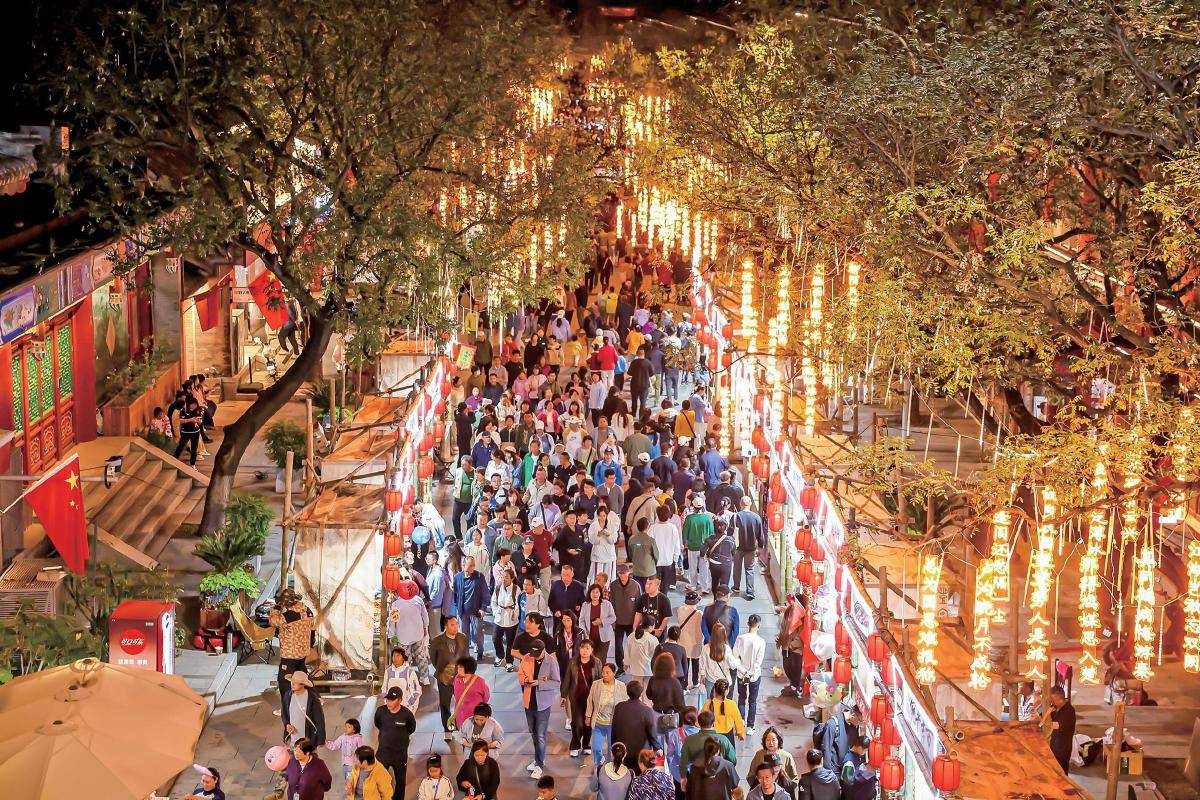
Group 1: Market Performance - Beijing's consumption market showed strong performance during the National Day and Mid-Autumn Festival holiday, with key enterprises achieving sales of 9.51 billion yuan and foot traffic in 60 key business districts reaching 59.668 million, a year-on-year increase of 13.9% [1] - The holiday period saw significant engagement in experiential consumption, with service-related sectors like dining, tourism, and entertainment outperforming traditional goods sectors such as home appliances and clothing [2][3] Group 2: Experiential Consumption Trends - Experiential consumption has overtaken physical goods consumption, with tourism and cultural activities becoming the main drivers of holiday economic growth [2] - Events like the China Open and WTT Grand Slam not only attracted large audiences but also stimulated related sectors through promotional activities linked to event tickets [2][3] Group 3: Emerging Business Models - New commercial projects in Beijing, characterized by smaller, themed, and unique experiences, are gaining traction, breaking away from traditional shopping center models [4][5] - The rise of "lifestyle centers" that combine various services and experiences is evident, with new projects like Dtunli and Weigong·Fanghua becoming popular destinations [4] Group 4: Night Economy and Cross-Industry Integration - The night economy emerged as a highlight, with night-time foot traffic in key business districts increasing by 23.3% to 28.116 million [6] - Innovative events combining culture, technology, and art are reshaping consumption patterns, although some traditional business areas are struggling to adapt [6][7] Group 5: Consumer Behavior Insights - Experts indicate a shift in consumer behavior, where individuals are now more inclined to seek content and experiences rather than just shopping [8] - The competition in the commercial sector is evolving, focusing on understanding user needs and creating engaging environments rather than merely expanding size or variety [8]
金秋到南京来“吃糖”
Qi Lu Wan Bao· 2025-10-09 06:19
Core Insights - The 113th National Sugar and Wine Fair will take place from October 16 to 18, 2025, at the Nanjing International Expo Center, with significant preparations underway [1] - The event emphasizes the integration of the "Autumn Sugar Season" activities, showcasing multiple firsts in consumer engagement and city integration [3][4] Event Highlights - The "Autumn Sugar Season" has successfully launched various large-scale consumer activities and integrated resources from supermarkets, restaurants, tourism, and events, creating a "7+70+700" exhibition-city fusion system [4] - Notable activities include a street dance competition, a forest music festival, and a fireworks season, with significant increases in foot traffic and revenue across various commercial areas [4] Economic Impact - The event is expected to drive substantial economic activity, with Nanjing ranking first in travel orders during the National Day and Mid-Autumn Festival holiday, indicating strong consumer interest [4] - Major brands like Yanghe and COFCO have participated, providing a platform for market expansion and direct consumer engagement [4] Security and Logistics - Nanjing's government has prioritized comprehensive security and logistical support for the event, deploying nearly 5,000 security personnel and establishing a multi-department command center [6][7] - A robust transportation network has been developed to ease travel during the fair, including various public transport options and city-wide discounts for attendees [6] Industry Development - The fair aims to create value for the food and beverage industry through a "three finds" approach: finding products, directions, and partners [8] - The exhibition will feature 20,000 square meters of space with 4,000 companies from 40 countries, focusing on innovative, health-oriented, and regionally distinctive products [9][10] Collaborative Opportunities - The event promotes cross-regional collaboration, with a focus on integrating Jiangsu province's resources and enhancing trade opportunities along the Belt and Road Initiative [12] - The concept of a "super friendship circle" is introduced, emphasizing the importance of connections beyond mere transactions, including R&D, capital, and media [11]
国庆出游新风尚:研学游、跨界场景成京城消费新引擎
Xin Jing Bao· 2025-09-29 14:29
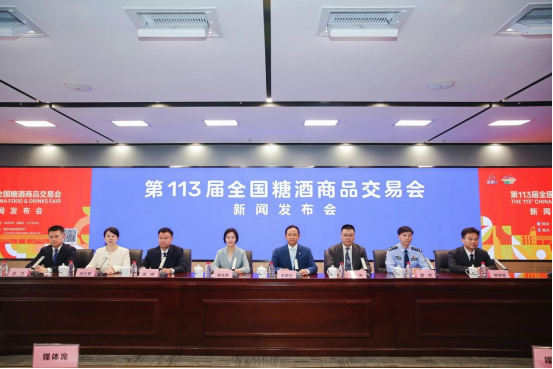
Core Insights - Beijing is promoting over 500 unique consumption activities during the National Day and Mid-Autumn Festival, focusing on cultural experiences, nature exploration, and family interactions [1] Group 1: New Commercial Landmarks - Several new commercial landmarks have emerged in Beijing, emphasizing "first-store economy" and innovative shopping experiences, including a garden-style shopping space in Daxing [2] - The renovation of Longfu Temple has introduced diverse cultural brands and activities, enhancing the cultural consumption experience for citizens [2][3] Group 2: Integration of Culture and Tourism - New consumption scenarios integrating culture, commerce, and tourism are emerging, revitalizing traditional tourism with immersive experiences at sites like the Great Wall [4] - Various commercial districts are attracting foot traffic through themed exhibitions and interactive experiences, such as the exclusive exhibitions of popular characters [4] Group 3: Sports and Cultural Events - The upcoming dual events of the China Open and WTT Grand Slam in Beijing will create a "watching and consuming" model, with various activities set up in commercial areas [5] Group 4: Educational Tourism - Educational tourism is gaining popularity, with museums and parks offering unique learning experiences for youth, such as the "Walking Classroom" initiative in Mentougou [6][7] - Various institutions are providing specialized educational activities, catering to different age groups and interests [7] Group 5: Innovative Experiences at Traditional Sites - Historical sites like the Summer Palace and Temple of Heaven are enhancing visitor experiences with creative markets and traditional craft activities [8] - Cultural districts are integrating events and promotions to boost consumption, combining cultural heritage with modern commercial activities [8]

产业变革持续加速,“新汽车时代”需要什么样的汽车人才?
Zhong Guo Qi Che Bao Wang· 2025-09-28 08:22
Group 1 - The automotive industry is undergoing a profound transformation driven by trends such as electrification, digitalization, and globalization, necessitating a new talent perspective to empower this transition [2][5] - A new automotive talent perspective must align with the demands of the evolving industry and the future global landscape, emphasizing the need for innovative thinking and cross-disciplinary integration [3][4] - Companies that have successfully adapted to the new automotive era have prioritized the establishment of a talent perspective that aligns with contemporary industry developments, leading to significant organizational changes and market competitiveness [6][8] Group 2 - The emergence of new talent perspectives is crucial for companies to navigate the rapid changes in the automotive sector, as demonstrated by a domestic automaker's leadership overhaul during its transition to electric vehicles [4][7] - The influx of talent from technology and internet sectors into the automotive industry has introduced fresh ideas and methodologies, enhancing companies' ability to innovate and respond to market demands [7][8] - The new talent perspective is essential for fostering a culture of innovation and efficiency within companies, which is vital for competing in the global automotive market [8][9] Group 3 - The development of a robust talent management framework is necessary to cultivate innovative and versatile talent that can drive the automotive industry forward, addressing challenges such as market competition and technological advancements [9][10] - The transition from being a major automotive producer to becoming a strong automotive nation requires a foundational shift in talent values and perspectives, which is critical for achieving sustainable growth and innovation [10]

智绘新声境,共铸新基石——2025汽车NVH研讨会勾勒产业升级新路径
Zhong Guo Qi Che Bao Wang· 2025-09-25 02:36
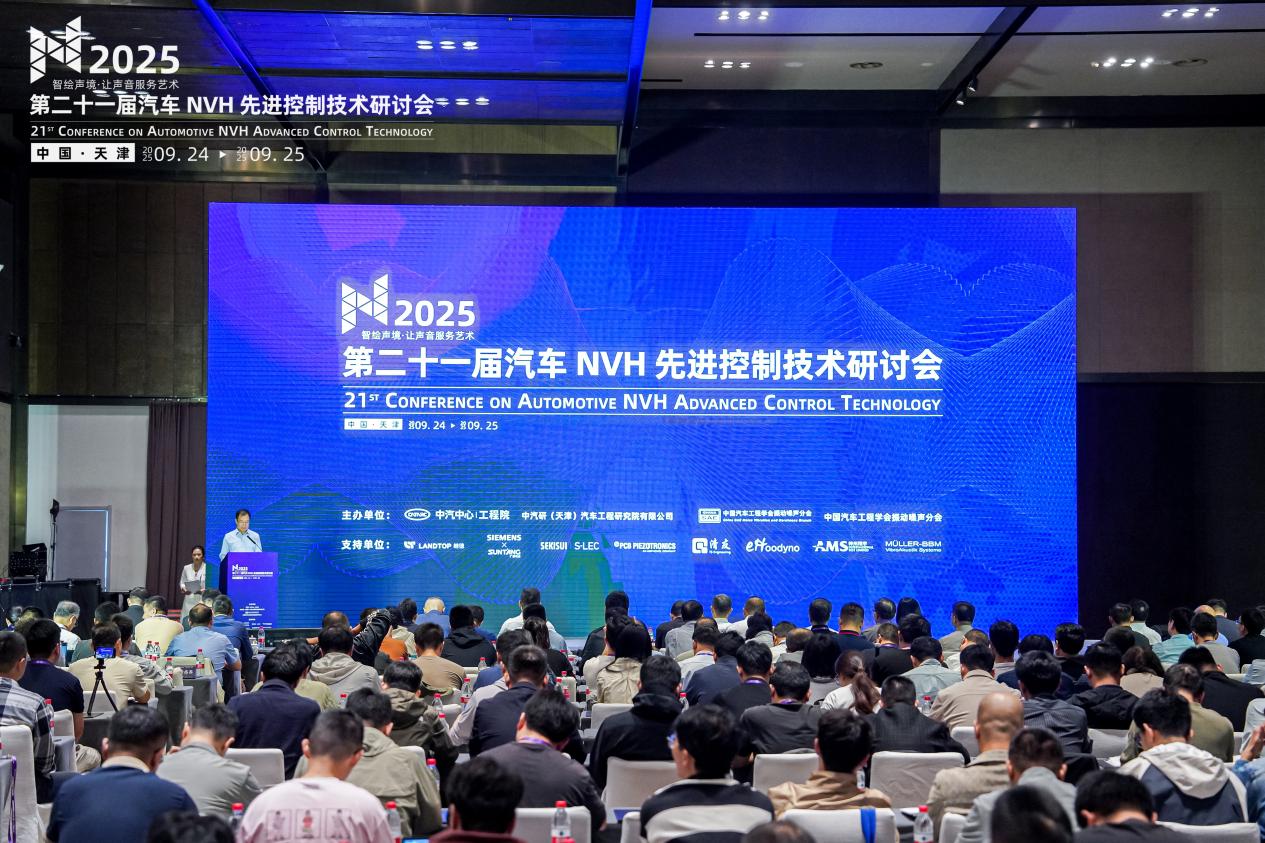
9月24日-25日,由中汽中心工程院、中国汽车工程学会振动噪声分会共同主办的"2025年第二十一届汽车NVH先进控制技术研讨会"在天津举 行。大会以"智绘声境·让声音服务艺术"为主题,设置了主题演讲、专题研讨、互动沙龙、沉浸式路演等多种活动形式,全方位展现了NVH控制技术 的最新动态。来自全国的各汽车厂商、零部件企业、科研机构和高等院校等120余家单位的500多名专家、学者和工程师参加会议。 中汽中心工程院党委书记、董事长张志国也指出,汽车产业正经历一场由"智能"与"新能源"驱动的深刻变革。这场变革不仅重塑了汽车的动力系统和交 互方式,更在重新定义NVH的内涵与价值。过去,行业更多地关注如何"消除"不悦的声音;而今天,大家的任务已经升级为如何为智能座舱"管理"和"设 计"声音,如何将NVH从一个减法问题,转变为一个融合了声学设计、软件算法、电子工程乃至心理声学的加法艺术。 中汽中心党委委员、副总经理李洧 中汽中心工程院党委书记、董事长张志国 中国传媒大学音乐与录音艺术学院党委副书记、听觉艺术博士李洋红琳指出,我们早已生活在被精心设计的"情感音景"中,汽车正从交通工具进化 为"车轮上的智能空间",用户需求从功能 ...