日元贬值

Search documents
五个月来首次反弹!日元贬值推动,日本9月出口增长4.2%
Hua Er Jie Jian Wen· 2025-10-22 06:43
Core Viewpoint - Japan's September exports ended a four-month decline, growing by 4.2% year-on-year, primarily benefiting from yen depreciation and strong shipments to Asian markets, although the growth fell short of market expectations [1][2]. Group 1: Export Performance - September exports increased by 4.2% year-on-year, reversing August's 0.1% decline, but this growth was below economists' expectations of 5.7% [1]. - Exports to Asia were a highlight, with a year-on-year increase of 9.2%, driven by semiconductor exports, which grew by 12.6% in value [2][3]. - Exports to the United States contracted for the sixth consecutive month, decreasing by 13.3% year-on-year, significantly impacted by tariffs from the Trump administration [1][3]. Group 2: Currency and Economic Factors - The yen depreciated by 2.3% against the dollar year-on-year, enhancing the price competitiveness of Japanese goods [1]. - Despite the yen's depreciation, the actual impact on exports is questioned, as policy factors like tariffs may have a more significant effect than currency fluctuations [2]. - The new Prime Minister's policies may further weaken the yen, with the market betting on a "Kishida trade" that has driven the Nikkei 225 index to a historical high [2]. Group 3: Future Outlook - Economists warn that if the US-Japan interest rate differential narrows, it could lead to yen appreciation, potentially suppressing export values [1][4]. - The trade outlook remains uncertain, with domestic demand unlikely to rescue the economy, as highlighted by Moody's analysis [4]. - Japan's GDP for the second quarter was revised up to 0.5%, indicating stronger-than-expected economic resilience [4].
日本石破茂内阁全体辞职
21世纪经济报道· 2025-10-21 00:57
来源丨新华社 编辑丨刘雪莹 日本或迎首位女首相,分析称日元可能贬值 日本前首相村山富市去世,享年101岁 SFC 21君荐读 日本石破茂内阁21日全体辞职。新内阁将于当天下午经临时国会首相指名选举后,由新当选的 首相重新组建。 ...


日本惊现金荒!民众疯抢黄金,纸币信仰崩塌下的恐惧与贪婪
Sou Hu Cai Jing· 2025-10-16 08:23
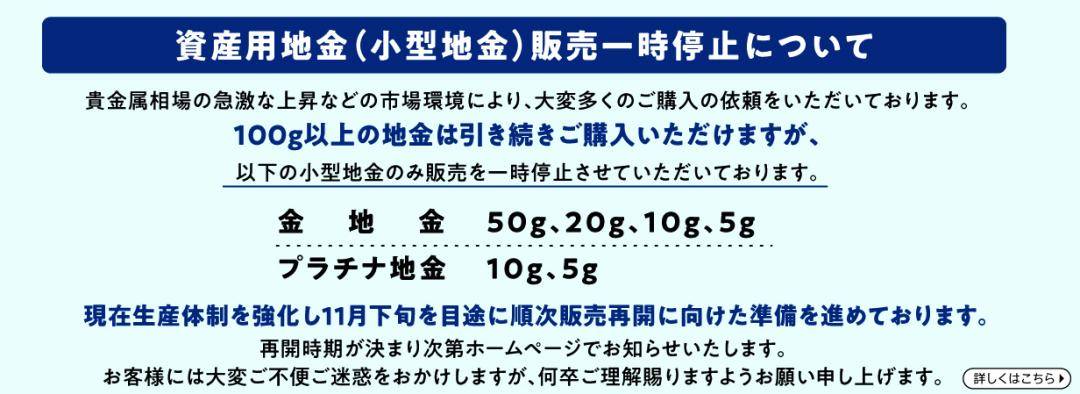
Group 1 - The core point of the article highlights a surge in gold purchases in Japan, driven by rising gold prices and a loss of confidence in the yen due to inflation and currency depreciation [2][3][4] - Gold prices in Japan have doubled in two years and quadrupled in five years, reaching 22,400 yen per gram (approximately 1,057 RMB), leading to a collective anxiety among investors [2][3] - The demand for smaller gold bars (5g, 10g, 20g) has surged as the price of larger bars (100g) becomes unaffordable for average workers, indicating a shift in consumer behavior towards gold as a safe haven [2][3] Group 2 - The gold buying frenzy has disrupted supply chains, with retailers like Tanaka Precious Metals halting sales of gold bars under 50 grams due to overwhelming demand [3] - Political uncertainties, including the election of a pro-expansion fiscal leader, have exacerbated fears of yen depreciation, prompting consumers to seek gold as a more reliable form of currency [3][4] - The article suggests that the current situation in Japan may reflect a broader global trend of distrust in fiat currencies, with gold being viewed as a more stable asset amidst economic turmoil [4]
日元汇率急跌后,前日本央行官员给出“官方干预线”:160关口
智通财经网· 2025-10-10 09:13
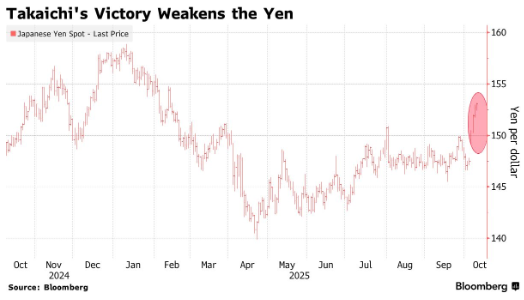
Core Viewpoint - Japanese authorities may tolerate a moderate depreciation of the yen, but significant declines below 160 yen per dollar could prompt intervention [1][2] Group 1: Market Reactions and Expectations - The recent unexpected victory of candidate Sanae Takaichi has lowered market expectations for a short-term interest rate hike by the Bank of Japan, leading to the largest weekly decline of the yen this year [1] - The yen is expected to drop nearly 4% this week, marking the largest decline since early October last year, with the current exchange rate around 153 yen per dollar [2] - Market participants view 160 yen per dollar as a critical threshold, increasing the likelihood of currency intervention [2] Group 2: Potential Government Actions - Takaichi has expressed a desire to avoid excessive depreciation of the yen but has not issued warnings regarding the recent decline, acknowledging both advantages and disadvantages of a weaker yen [2] - Japanese Finance Minister Katsunobu Kato stated that authorities are monitoring excessive and disorderly exchange rate fluctuations, indicating a readiness to intervene if necessary [2] Group 3: Economic Implications - The focus of Japanese authorities has shifted since 2022 from preventing excessive appreciation of the yen to avoiding significant depreciation, which could exacerbate inflation and harm consumer purchasing power [2]
日元“凉凉”!日本央行加息押注升温
Jin Tou Wang· 2025-10-10 06:03
Core Viewpoint - The Japanese yen has depreciated significantly, leading to increased speculation about potential interest rate hikes by the Bank of Japan, as the yen's weakness raises concerns over rising import prices and inflation [1][2]. Group 1: Currency and Bond Market - The USD/JPY exchange rate reached a new high of 153.2700 since February 13, before slightly declining to 152.7900, reflecting a decrease of 0.18% [1]. - The 10-year Japanese government bond yield rose by 1 basis point to 1.7%, marking the highest level since July 2008 [1]. - The 5-year Japanese government bond yield increased by 0.5 basis points to 1.24%, also the highest since July 2008 [1]. - The 2-year Japanese government bond yield remained unchanged at 0.925%, while the 20-year yield fell by 1 basis point to 2.705% [1]. - The 30-year Japanese government bond yield held steady at 3.175% [1]. Group 2: Market Sentiment and Speculation - The victory of the dovish candidate, Sanae Takaichi, in the ruling party's presidential election has reversed market expectations regarding the Bank of Japan's potential delay in interest rate hikes [1]. - Concerns about the yen's depreciation leading to increased inflation have intensified market speculation about the timing of interest rate increases by the Bank of Japan [1]. Group 3: Intervention Risks - Former Bank of Japan official Atsushi Takeuchi indicated that if the yen were to fall sharply towards 160, intervention by authorities might be necessary to curb excessive depreciation [2]. - Takeuchi noted that while intervention may not change the overall trend, it could temporarily stabilize excessive volatility in the currency market [2]. Group 4: Technical Analysis - The USD/JPY exchange rate closed above the 153.00 mark, having effectively broken through the key resistance level of 151.00, providing technical support for further upward movement [3]. - The daily Relative Strength Index (RSI) indicates a slightly overbought condition, which may suppress bullish sentiment for new positions [3]. - Overall technical patterns suggest that the path of least resistance for the exchange rate remains bullish, with potential buying opportunities if the price retraces to the 152.60-152.55 range [4]. - If the USD/JPY continues to rise, it may face resistance around the 153.70-153.75 area, with a need to break through the psychological level of 154.00 to accelerate upward movement towards 154.70-154.80 [4].
日本自民党总裁高市早苗:无意引发日元过度贬值
Di Yi Cai Jing· 2025-10-09 13:24
据报道,日本自民党总裁高市早苗表示,无意引发日元过度贬值;目前不便就加息发表评论。 (文章来源:第一财经) ...
日本央行本月加息压力陡增!日元急贬,高市早苗“慢加息”愿景受考验
智通财经网· 2025-10-09 11:15
经济学家Taro Kimura指出:"如果日本央行迟迟不加息,市场可能会开始质疑其独立性。在政治与央行 职能的微妙平衡中,日本央行继续维持紧缩政策的可能性仍然存在。" 分析人士指出,如果日本领导人似乎推迟加息并导致日元贬值,这对美国来说可不是什么好事。美国总 统特朗普曾表示,日本正试图通过低汇率来获取优势。美国财政部长贝森特在 8 月份曾表示,日本央行 在应对通胀方面行动迟缓,这是他上任以来罕见的言论。 Nissay Asset Management高级投资经理Eiichiro Miura表示:"市场正在考验自民党总裁高市早苗、财务 省以及日本央行的立场。在达到 160 之前,高市早苗很可能会被日本央行说服。而且,来自美国方面的 加息压力也可能存在。" 高市早苗所在的自民党在最近的全国选举中失去了对议会两院的控制权,民众对生活成本的不满被认为 是主要原因之一。日本的关键通胀指标已连续三年保持在或高于日本央行设定的 2%的目标水平,导致 实际工资持续下降。 智通财经APP获悉,日本首相候选人高市早苗赢得自民党总裁选举,有可能会促使日本央行在本月提高 利率。由于高市早苗主张推行宽松货币政策,在她当选自民党总裁后, ...
高市早苗:或致日元贬值,日本央行本月加息概率增加
Sou Hu Cai Jing· 2025-10-09 09:28
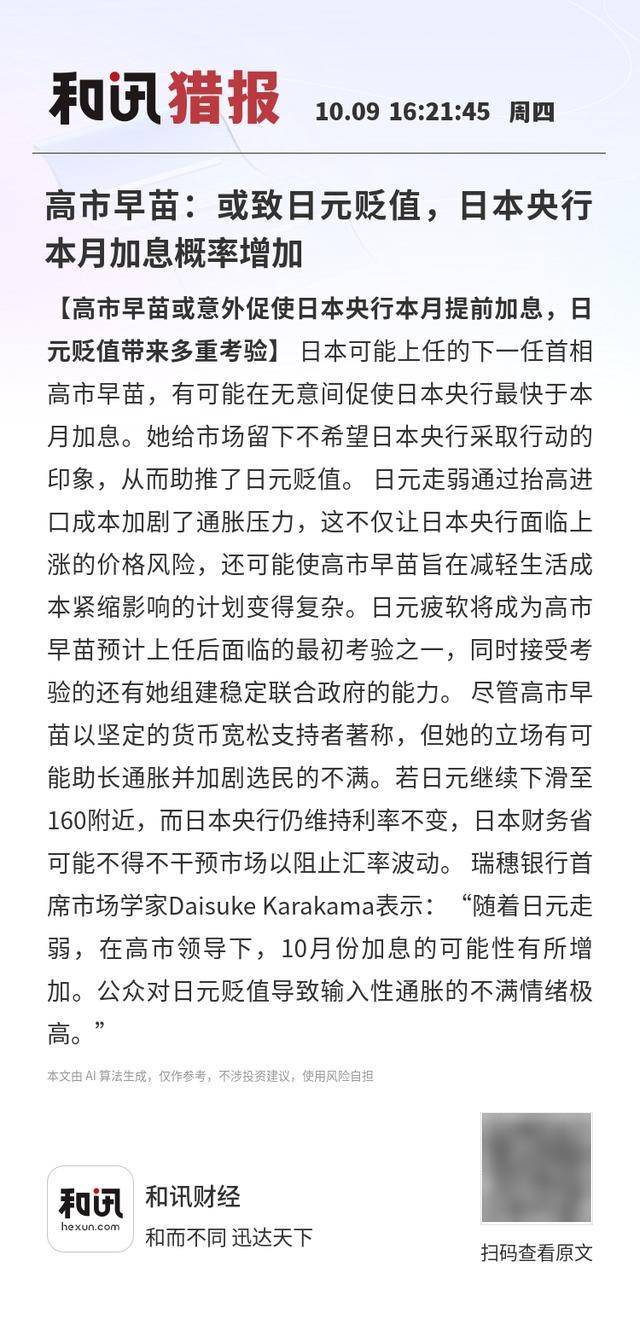
Group 1 - The potential new Prime Minister of Japan, Sanna Takashi, may inadvertently prompt the Bank of Japan to raise interest rates as early as this month due to her perceived disinterest in the central bank's actions, which has contributed to the depreciation of the yen [1][2] - The weakening yen is increasing import costs, exacerbating inflationary pressures, and complicating Takashi's plans to alleviate the impact of rising living costs [1] - If the yen continues to decline towards 160, and the Bank of Japan maintains interest rates, the Japanese Ministry of Finance may need to intervene in the market to stabilize exchange rate fluctuations [1][2] Group 2 - Daisuke Karakama, chief market economist at Mizuho Bank, indicated that the likelihood of an interest rate hike in October has increased under Takashi's leadership due to public dissatisfaction with the inflation caused by yen depreciation [1][2]
日本央行加息前景仍不确定
Jin Tou Wang· 2025-10-09 03:50
Core Viewpoint - The Japanese yen is under pressure due to expectations of continued monetary easing by the new government and uncertainty surrounding the Bank of Japan's (BOJ) policy direction, particularly regarding interest rate hikes [1][2] Group 1: Currency Market Dynamics - The USD/JPY exchange rate is trading around 152.50, with a weekly increase exceeding 3%, marking the largest rise since September 2024 [1] - Market participants are questioning the likelihood of the BOJ raising interest rates in October or December, given the ongoing weakness in Japan's economy [1][2] - The Federal Reserve's September meeting minutes indicate a cautious approach towards potential rate cuts, with inflation risks still a concern [1] Group 2: Economic Outlook and Policy Expectations - The probability of a BOJ rate hike in late October has dropped to 27%, while December's likelihood stands at 44%, subject to changes with the new government [2] - BOJ officials express a mix of optimism and caution regarding the economic outlook, particularly concerning wage-related uncertainties [2] - Former BOJ officials suggest that the rationale for a rate hike this year is weak, advocating for a careful approach to policy normalization [2] Group 3: Potential Risks and Interventions - If the BOJ does not raise rates in October, the risk of foreign exchange intervention may increase, although decisive action is unlikely from the current government [2]
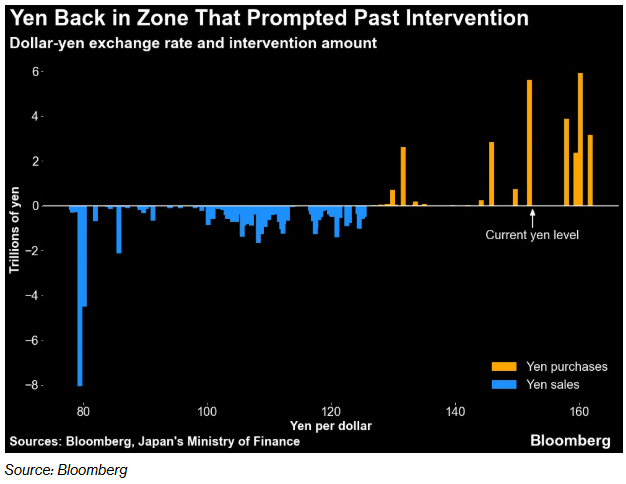
高市早苗胜选后日元逼近155大关,下一道干预红线何在?
智通财经网· 2025-10-08 09:09
Group 1 - The unexpected election of high-ranking official Takemi Saimai as the new leader of the ruling party has led to a significant depreciation of the Japanese yen, with the exchange rate approaching the critical psychological level of 155 yen per dollar [1] - The yen's decline has prompted the Japanese Ministry of Finance to closely monitor excessive fluctuations in the foreign exchange market, indicating potential intervention if the depreciation continues [1][2] - Market expectations for a Bank of Japan interest rate hike in October have diminished due to Saimai's victory, with analysts suggesting that any rate increase may be postponed until December [1][3] Group 2 - The yen is nearing the intervention levels previously established by the Bank of Japan in 2024, with specific points of intervention identified around 157.99 to 161.76 yen per dollar [2] - Analysts from SBI FXTRADE have stated that there is currently no incentive to buy yen unless strong warnings are issued by the Ministry of Finance or signals of a rate hike from the Bank of Japan are provided [2] - Following the election results, Bank of America has revised its year-end forecast for the dollar-yen exchange rate from 153 to 155, while Deutsche Bank has downgraded its yen rating from "bullish" to "neutral" [3] Group 3 - The appointment of former finance ministers Shunichi Suzuki and Taro Aso to senior positions within the ruling party has provided some reassurance to market participants regarding fiscal policy stability [3] - The market's expectation for a rate hike in October has dropped significantly, from over 60% to approximately 25%, indicating a shift in sentiment following the election [3] - The future trajectory of the yen's value is heavily dependent on guidance from the Bank of Japan's Governor Kazuo Ueda regarding short-term interest rate policies [3]