智能经济

Search documents
建设智能社会需要系统性规划
2 1 Shi Ji Jing Ji Bao Dao· 2025-08-28 13:44
Group 1 - The core viewpoint of the article emphasizes the comprehensive development of an intelligent economy and society in China by 2035, supported by a systematic framework involving technology innovation, policy regulations, talent cultivation, and open cooperation [1][5] Group 2 - The article outlines the need for a collaborative system of "data-computing power-algorithms" as the foundation for the intelligent economy, highlighting the importance of high-quality data sets, a national integrated computing network, and breakthroughs in algorithms [1][2] - It stresses the necessity of establishing a regulatory framework to address ethical, legal, and social governance challenges posed by AI, particularly focusing on data security, privacy protection, and algorithm transparency [2][3] Group 3 - The cultivation of high-quality talent is crucial for the development of AI, advocating for the integration of AI education into traditional curricula and fostering collaboration between enterprises, universities, and research institutions [3][4] Group 4 - The article calls for open cooperation in AI development, encouraging participation in global governance and the sharing of technological advancements, while also emphasizing the importance of establishing a comprehensive ecosystem across the entire industry chain [4][5] Group 5 - The ultimate goal of an intelligent society is to enhance human well-being, focusing on inclusive applications of AI in areas such as healthcare, education, and social governance, while promoting a development philosophy that aligns technology with humanistic values [5]
十年规划引路,智能体在多行业场景动起来了
Di Yi Cai Jing· 2025-08-28 13:07
Core Insights - The State Council has issued the "Opinions on Deepening the Implementation of 'Artificial Intelligence+' Action," aiming to accelerate six key actions and strengthen eight foundational support capabilities, with a vision for China to fully enter a new stage of intelligent economy and society by 2035 [1][7] - The implementation of the "Artificial Intelligence+" action is expected to enhance the synergy between technology and industry, leveraging China's rich data resources and comprehensive industrial system to drive demand growth and high-quality economic development [2][8] Industry and Company Developments - The "Opinions" emphasize the collaborative advancement of industry application demands and foundational capabilities, focusing on efficiency improvement, capability enhancement, and business model innovation through AI technologies [3][4] - The introduction of Agents in various industries is expanding growth ceilings, with a shift from traditional SaaS models to outcome-oriented solutions that directly address deep-seated customer needs [4][7] - The manufacturing sector is seeing significant adoption of AI, with companies like Innovation Qizhi reporting a 22.3% year-on-year revenue growth, driven by the "AI+Manufacturing" segment, which grew by 27% [4][5] Future Projections - The "Opinions" outline a clear timeline for AI integration, targeting over 70% application penetration in six key areas by 2027 and over 90% by 2030, positioning AI as a crucial growth driver for the economy [7][8] - The next three to five years are identified as a golden window for AI to reshape industry value chains, with the potential for significant market opportunities as AI penetration rates increase [8]
加速推进智能终端全面发展,强化模型算力数据三维能力
Great Wall Securities· 2025-08-28 08:18
Investment Rating - The industry investment rating is "Buy" with expectations of outperforming the market by over 15% in the next six months [15]. Core Insights - The report emphasizes the acceleration of the development of smart terminals and the integration of artificial intelligence across various sectors, aiming for over 70% application penetration by 2027 and over 90% by 2030 [2][3]. - The report highlights the importance of enhancing foundational capabilities in models, computing power, and data to support the deep integration of "Artificial Intelligence+" [3][6]. - The focus on smart terminals as the final application of "Artificial Intelligence+" represents a significant commercial opportunity, particularly in sectors like smart robotics and connected vehicles [2][3]. Summary by Sections Industry Overview - The report discusses the government's initiative to implement "Artificial Intelligence+" across six key areas, with a goal of achieving a smart economy that significantly contributes to national growth by 2030 [2]. Investment Opportunities - The report identifies several companies as potential investment targets, including: - Telecom operators: China Mobile, China Telecom, China Unicom - Main equipment manufacturers: Inspur Information, Unisoc, StarNet - Optical modules and chips: NewEase, Huagong Technology - Data centers: Invech, Jialitu, Shunling Environment - PCB manufacturers: Xingsen Technology, Hudian Co., Shennand Circuit - Others in various sectors related to smart terminals and AI [7]. Market Trends - The report indicates a projected growth trajectory for the telecommunications sector, with a 12% increase expected in the coming months [4].
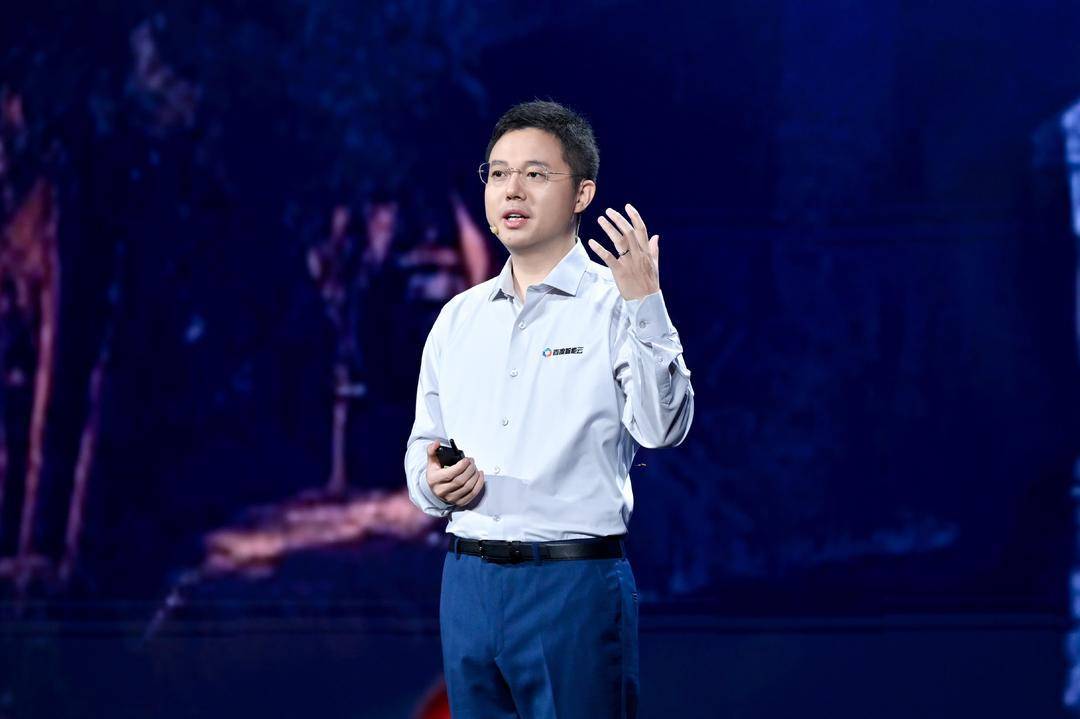
百度沈抖:AI云基础设施正在从成本中心,转向新型利润中心
Sou Hu Cai Jing· 2025-08-28 05:40
Core Insights - The article emphasizes the necessity of new infrastructure, specifically AI cloud services, to support the intelligent economy era [1] - Baidu's intelligent cloud is positioned as a leader in the AI cloud market, with a significant market share and continuous growth [3][4] Market Overview - According to IDC, the Chinese AI public cloud service market is projected to reach 19.59 billion RMB in 2024, reflecting a 55.3% increase from 2023 [3] - Baidu Intelligent Cloud holds a 24.6% market share, maintaining its position as the market leader for six consecutive years [3] Technological Advancements - Baidu Intelligent Cloud has upgraded its AI computing platform to version 5.0 and its enterprise-level AI development platform to version 4.0, enabling businesses to deploy and develop AI products more efficiently and cost-effectively [3] - New digital employee capabilities have been introduced, including the "Wu Yanzu Digital English Coach" and a visual model platform for compliance analysis [3] Strategic Collaborations - Baidu Intelligent Cloud is collaborating with various companies to foster innovation in the AI space, including partnerships with 3D model company VAST, wearable tech firm Li Weike, and gaming company Xin Ying Sui Xing [4] Future Projections - The Chinese government has set ambitious goals for AI adoption, aiming for over 70% penetration of new intelligent terminals and agents by 2027, and over 90% by 2030 [4] - The transition from traditional business models to AI-driven models is expected to create a "super cycle" in the industry, marking the beginning of a new era in the intelligent economy [5]


超大规模消费市场夯实“人工智能+”发展底座
Zheng Quan Ri Bao· 2025-08-27 16:06
Core Viewpoint - The Chinese government has released the "Opinions on Deepening the Implementation of 'Artificial Intelligence+' Action," aiming for significant integration of artificial intelligence (AI) across six key sectors by 2027, with a target of over 70% application penetration of new intelligent terminals and agents, and a rapid growth in the scale of the intelligent economy [1] Group 1: Policy Goals and Implementation - By 2030, AI is expected to fully empower high-quality development, with application penetration exceeding 90%, making the intelligent economy a crucial growth driver for China's economic development [1] - By 2035, China aims to enter a new stage of intelligent economy and society development, providing strong support for the realization of socialist modernization [1] - The policy establishes a quantifiable and trackable indicator system for the penetration rate of intelligent terminals, requiring a dual approach of "hardware penetration + software empowerment" [1][2] Group 2: Short-term Strategies and Market Trends - The policy adopts a layered implementation strategy, focusing on consumption quality improvement, industrial upgrading, and governance efficiency in the short term (1-3 years) [2] - Key areas for immediate impact include smart home, entertainment, elderly care, industrial intelligence, and agricultural digitization, which are expected to quickly demonstrate effectiveness [2] - The "Artificial Intelligence+" initiative emphasizes enhancing service and product consumption, aligning with the broader goal of boosting domestic demand [2] Group 3: Future Consumption Trends - The "Opinions" outline four trends for the new consumption market: upgrading from "functional experience" to "cognitive emotion," from "one-size-fits-all" to "personalized," from "auxiliary tools" to "intelligent partners," and from "single business" to "cross-industry integration" [3] - The integration of AI with cutting-edge technologies like low-altitude flight and brain-machine interfaces is expected to create new intelligent product forms and open up new consumption markets [3] - China's vast consumer market, projected to exceed 50 trillion yuan in retail sales, is anticipated to become the largest globally, providing a significant opportunity for the "Artificial Intelligence+" initiative [3]
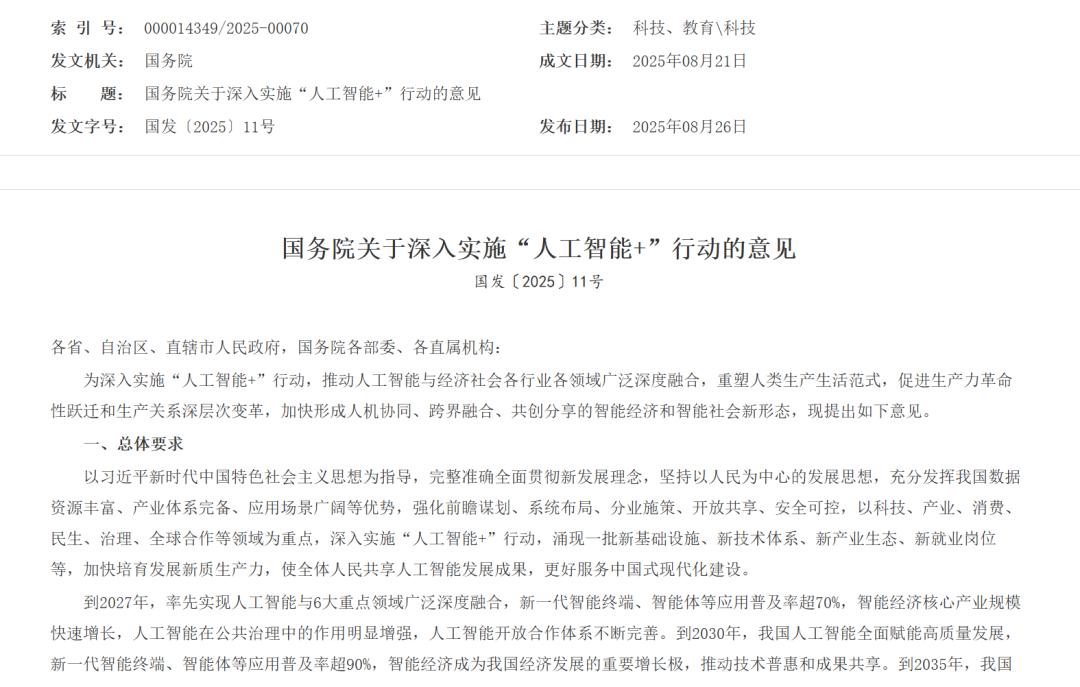
国家定调「人工智能+」:中国AI十年三步走,战略解读来了
3 6 Ke· 2025-08-27 12:54
Core Insights - The article outlines China's ambitious plan to fully integrate artificial intelligence (AI) into society over the next decade, transitioning from industrial empowerment to societal reconstruction [2][6][14]. Policy Framework - In August 2025, the State Council issued the "Opinions on Deepening the Implementation of 'Artificial Intelligence+' Action," which sets a strategic blueprint for AI development until 2035 [3][4]. - The document emphasizes a "three-step" approach, aiming for AI to become as ubiquitous as electricity and the internet within ten years, serving as a foundational infrastructure for society [6]. Short-term Goals (by 2027) - The focus will be on achieving breakthroughs in six key areas: technology, industry, consumption, livelihood, governance, and global cooperation [7]. - The penetration rate of new intelligent terminals and agents is expected to exceed 70% [8][14]. Mid-term Goals (by 2030) - The integration of AI will expand from six key areas to encompass all aspects of the "smart economy," becoming a significant growth driver for the national economy [17]. - The application penetration rate of new intelligent terminals and agents is projected to rise to over 90% [14][17]. Long-term Goals (by 2035) - AI is anticipated to permeate all facets of life, contributing to a smart society and supporting the modernization of socialism [18]. - The development of AI will be crucial for achieving long-term national development goals [18]. Industry Transformation - The policy highlights the need for intelligent transformation across three major industries: manufacturing, agriculture, and services, while also fostering new "intelligent native enterprises" [11][12]. - AI applications in the service sector are expected to be particularly expansive, with new intelligent terminals and agents becoming primary service interfaces [12]. Consumer Impact - AI is set to enhance production efficiency and fundamentally reshape service and product forms, directly improving quality of life and consumer experience [13]. Governance and Global Cooperation - The document outlines plans for AI to enhance governance modernization, including smart cities and intelligent public administration [16]. - China aims to promote a "shared and inclusive" approach to global AI governance, contrasting with more restrictive models [16]. Technological Infrastructure - The policy emphasizes the importance of models, data, and computing power as foundational elements for accelerating AI industry development [19][26]. - It calls for improvements in AI model research, data quality, and computing capabilities, including support for AI chip innovation and large-scale computing clusters [26]. Regulatory Framework - The document indicates a shift towards institutionalized AI governance, addressing risks such as algorithmic bias and model opacity [27]. - New regulations will require AI-generated content to be clearly labeled, ensuring transparency and accountability [27][28]. Conclusion - The "Opinions on Deepening the Implementation of 'Artificial Intelligence+' Action" represents a comprehensive and systematic approach to integrating AI across various sectors, addressing existing challenges and promoting a cohesive development strategy [29].
从"互联网+"到"人工智能+",一图看懂科技十年大发展
天天基金网· 2025-08-27 12:15
Group 1 - The article discusses the transition from "Internet+" to "Artificial Intelligence+" as a new paradigm for economic and social development in China, emphasizing the integration of AI into various sectors [2][5][17] - The State Council's document outlines a systematic approach to implement AI across six key areas, including scientific research, industrial development, consumer quality, public welfare, governance, and global cooperation [3][4][6] Group 2 - The document sets ambitious three-stage development goals for AI, aiming for over 70% penetration of smart terminals by 2027, over 90% by 2030, and a fully integrated smart economy by 2035 [6][17] - Eight foundational support areas are identified, including model capabilities, data supply innovation, intelligent computing power, application development environment, open-source ecosystem, talent development, policy and legal guarantees, and safety capabilities [6][8] Group 3 - The article highlights the innovative features of the policy, such as establishing a dynamic governance system, enhancing development confidence, focusing on tangible outcomes, and addressing application fragmentation [7][8] - The establishment of national AI application pilot bases is aimed at accelerating the large-scale application of AI, providing a platform for solving common industry problems and fostering leading enterprises [7][8] Group 4 - The comparison between "Internet+" and "Artificial Intelligence+" reveals fundamental differences in focus, goals, implementation paths, and timelines, with AI emphasizing intelligent processing and knowledge application [8][15] - The article outlines the expected structural opportunities for investors in AI infrastructure, application scenarios, and consumer terminals, projecting a trillion-level smart economy market by 2027 [17][18]

布局智能原生新模式新业态 “人工智能+”新文件带来新提法
Mei Ri Jing Ji Xin Wen· 2025-08-27 12:11
Core Insights - The State Council of China has issued the "Opinions on Deepening the Implementation of the 'Artificial Intelligence+' Action," which outlines six key actions for accelerating the integration of AI across various sectors [1] - The document introduces a three-phase target plan for 2027, 2030, and 2035, emphasizing the importance of AI in driving economic growth and societal transformation [2][3] Group 1: Key Highlights of the Opinions - The Opinions propose a comprehensive path for the intelligent transformation of primary, secondary, and tertiary industries, marking a significant shift in policy focus [5] - It emphasizes the need for systemic integration of AI technologies across all core elements, including technology, organization, processes, talent, and data [6] - The introduction of a global cooperation model for "Artificial Intelligence+" aims to enhance international collaboration and governance in AI [7] Group 2: Phased Goals and Their Implications - By 2027, the goal is to achieve widespread integration of AI in six key areas, with over 70% penetration of new intelligent terminals and systems [3] - The 2030 target aims for AI to fully empower high-quality development, with over 90% penetration of intelligent applications, establishing AI as a crucial growth driver for the economy [3][4] - The 2035 goal envisions a fully realized intelligent economy and society, supporting the achievement of socialist modernization [4] Group 3: Competitive Advantages of China - China's unique advantages include a complete industrial system, a large market scale, and diverse application scenarios, which facilitate the development of AI technologies [5][7] - The country leads in data production and has established a robust infrastructure for computing power, enhancing its capabilities in AI applications [7] - The strategic framework of "Artificial Intelligence+" amplifies China's competitive edge in AI industrialization speed, cross-industry penetration, and cost control [7] Group 4: Societal Impact and Future Directions - The implementation of the Opinions is expected to accelerate the development of AI applications, benefiting various sectors such as work, education, and healthcare [10] - The focus on AI's role in enhancing quality of life and public services reflects a shift towards leveraging technology for societal good [10] - There is a call for increased public understanding and education on AI to ensure its benefits are widely accessible and to promote responsible use [10]
前瞻全球产业早报:深圳首家市内免税店正式开业
Qian Zhan Wang· 2025-08-27 11:54
Group 1: Artificial Intelligence Development - The State Council has issued opinions on the deep implementation of the "Artificial Intelligence +" initiative, aiming for AI to be widely integrated into six key areas by 2027, with a target application penetration rate of over 70% for new intelligent terminals and agents [2] - By 2030, AI is expected to fully empower high-quality development, with application penetration exceeding 90%, making the intelligent economy a significant growth driver for China's economy [2] - By 2035, China aims to enter a new stage of intelligent economy and society development, providing strong support for the realization of socialist modernization [2] Group 2: Energy Sector Participation - In the first half of the year, 10 private enterprises participated in five nuclear power projects, each holding over 10% of the shares, with the highest at 20% [3] - Private enterprises account for over 85% of the power facility construction sector, with an annual growth rate exceeding 15% [3] - The involvement of private enterprises in the energy sector's major technology equipment development projects has been significant, with half of the first four batches including private participation [3] Group 3: Technology and Innovation - The Ministry of Industry and Information Technology is set to issue the second batch of millimeter-wave private network frequency licenses, with more companies expected to receive licenses covering various verticals [4] - The first commercial operating system with a 6.6 kernel, "Yinhe Qilin V11," has been launched, achieving compatibility with major domestic CPUs and GPUs [5] - The world's first successful transplantation of gene-edited pig lungs into a human body has been reported by a Chinese research team, marking a significant milestone in the field [5] Group 4: Market Developments - Shenzhen has opened its first city duty-free shop, developed by a collaboration of several groups [6] - Alibaba Cloud has announced a reduction in the pricing of context caching for certain models, adjusting the cost of cached tokens to 20% of the previous input token price [7] - China Evergrande has officially delisted from the Hong Kong Stock Exchange, effective from August 25 [8] Group 5: Automotive Industry Changes - Nissan has announced the cessation of production for the R35 GT-R model, with a total production of approximately 48,000 units over its 18-year lifecycle [13] - German automaker Opel has abandoned its previous electric vehicle strategy, extending the supply time for fuel models due to customer demand [14]


一图读懂 | 国务院关于深入实施“人工智能+”行动的意见(全文+官方解读)
机器人圈· 2025-08-27 09:41
Overall Requirements - The implementation of the "Artificial Intelligence +" action aims to deeply integrate AI with various sectors, reshaping production and living paradigms, and fostering a new intelligent economy and society [2][3] - By 2027, AI applications in six key areas are expected to achieve over 70% penetration, with significant growth in the core industries of the intelligent economy [3][40] - By 2030, AI is anticipated to fully empower high-quality development, with application penetration exceeding 90% [3][40] - By 2035, China aims to enter a new stage of intelligent economy and society, supporting the realization of socialist modernization [3][40] Key Actions "Artificial Intelligence +" in Science and Technology - Accelerate the discovery process in science through AI-driven research paradigms and enhance the construction of scientific models [5][42] - Promote integrated development of AI-driven technology research, engineering realization, and product landing [5][42] - Innovate research methods in philosophy and social sciences to adapt to the AI era [5][43] "Artificial Intelligence +" in Industry Development - Encourage enterprises to integrate AI into strategic planning and business processes, fostering new business models and smart enterprises [6][44] - Promote intelligent development across all industrial elements, enhancing AI literacy and skills among workers [6][44] - Accelerate the digital transformation of agriculture through AI applications in breeding and farming [7][44] "Artificial Intelligence +" in Consumer Quality Improvement - Expand new service consumption scenarios and develop intelligent service applications [8][45] - Foster new product consumption models by promoting smart interconnected devices [8][47] - Innovate product forms through the integration of AI with emerging technologies like the metaverse and brain-computer interfaces [8][48] "Artificial Intelligence +" in Public Welfare - Create smarter work methods and new job forms through AI, enhancing traditional roles [10][49] - Implement more effective learning methods by integrating AI into education [10][49] - Improve quality of life through AI applications in healthcare, culture, and social services [10][51] "Artificial Intelligence +" in Governance Capability - Enhance urban governance through intelligent infrastructure and AI applications in public services [12][51] - Develop a multi-dimensional public safety governance system incorporating AI [12][53] - Improve ecological governance through AI-driven monitoring and management [12][54] "Artificial Intelligence +" in Global Cooperation - Promote AI as an international public good, fostering global cooperation and sharing of AI benefits [14][55] - Build a global governance framework for AI, addressing international challenges collaboratively [14][55] Strengthening Support Capabilities Model and Data Capabilities - Enhance foundational AI model capabilities and support innovative data supply [16][58] - Optimize national computing resources and promote data processing industries [16][58] Application Development Environment - Establish national AI application pilot bases to facilitate standardized development [17][63] - Encourage the development of AI application service providers and improve the open-source ecosystem [17][63] Talent Development - Advance AI education across all levels and enhance high-level talent training [18][64] - Support enterprises in attracting and retaining talent through effective incentive mechanisms [18][64] Policy and Safety Assurance - Strengthen financial and regulatory support for AI development [19][65] - Establish a comprehensive risk monitoring and response system for AI applications [19][66] Implementation Organization - The National Development and Reform Commission will coordinate the implementation of the "Artificial Intelligence +" action, ensuring effective execution across regions and sectors [20][66] - Emphasis on creating a collaborative environment to promote social consensus and participation in AI development [20][66]