
新一代智能终端

Search documents
2026年政府工作报告解读与投资展望:投资中国:稳中求进是中国经济和股市的底色
GUOTAI HAITONG SECURITIES· 2026-03-05 08:57
Group 1 - The core viewpoint of the report emphasizes that the Chinese government's focus is on stabilizing expectations, adjusting structures, preventing risks, and promoting reforms to drive investment recovery [5] - The GDP growth target has been adjusted from "around 5%" to "4.5%-5.0%", indicating a more pragmatic approach to economic growth [5] - The report highlights the importance of expanding domestic demand and stabilizing development confidence, suggesting that the Chinese market is expected to maintain an upward trend [5] Group 2 - The report outlines a stronger policy focus on expanding domestic demand, with an increase of 300 billion yuan in new policy financial tools, which is expected to leverage social capital significantly [5] - It emphasizes the need to stimulate consumer spending by increasing residents' income and expanding support for service industry loans [5] - Investment strategies are becoming more focused, with a clear direction towards high-tech sectors and new quality productivity [5] Group 3 - The report identifies three key areas for industrial development: expansion of emerging industries, deepening AI initiatives, and promoting green and intelligent upgrades in traditional sectors [5] - It states that the digital economy's value-added target has been raised from 10% to 12.5% for the 14th Five-Year Plan [5] - The report suggests that the government will lead the way in opening up new markets for emerging technologies, fostering new growth drivers [5] Group 4 - The report indicates a shift in focus for capital market reforms, emphasizing investor protection and the balance of investment and withdrawal [5] - It highlights the importance of creating a market ecosystem that facilitates long-term investments and addresses institutional barriers [5] - The report also mentions the need to expand exit channels for private equity and venture capital funds to enhance capital circulation [5] Group 5 - Investment recommendations suggest a positive outlook for the Chinese stock market, driven by government policies aimed at stabilizing and expanding domestic demand [5] - The report identifies sectors such as construction materials, chemicals, and traditional industries as beneficiaries of the investment recovery [5] - It also highlights the potential of the financial sector and emerging technologies, particularly in AI applications, as key areas for investment [5]

广东:到2027年新一代智能终端、智能体等在社会服务、生活和治理中应用普及率显著提升
Di Yi Cai Jing· 2026-02-04 08:30
Core Viewpoint - Guangdong has issued a notice to accelerate the high-quality construction of a digital society, aiming for significant advancements in digital infrastructure and technology application by 2027 and 2030 [1] Group 1: Goals and Timeline - By 2027, the digital foundation of society is expected to be more robust, with improved digital regulations and a significant increase in the application rates of new intelligent terminals and systems in social services, daily life, and governance [1] - By 2030, the integration of intelligent technologies with social development is anticipated to create an inclusive, smart, and convenient digital society in Guangdong, characterized by local cultural richness and alignment with contemporary development trends [1]
持续提升“五个中心”能级,上海拿出了施工图
第一财经· 2026-02-04 06:35
Core Viewpoint - Shanghai aims to achieve a GDP growth rate of around 5% for 2025, with a focus on enhancing its status as an international economic, financial, trade, shipping, and technological innovation center [3][5][12]. Group 1: Economic Goals and Projections - The main expected economic targets for Shanghai in 2025 include a GDP growth of approximately 5%, a 2% increase in local public budget revenue, and R&D expenditure reaching 4.6% of GDP [3][12]. - The "15th Five-Year Plan" outlines an average annual GDP growth target of around 5%, with potential growth levels estimated between 4.6% and 5.2% [3][12]. Group 2: Development of the "Five Centers" - The report emphasizes the continuous enhancement of the "Five Centers," which include international economic, financial, trade, shipping, and technological innovation centers [5][7]. - Specific initiatives include supporting industries such as smart connected vehicles, marine economy, low-altitude economy, aerospace, and satellite internet [5][11]. Group 3: New Quality Productivity - The focus is on integrating technological and industrial innovation to foster new quality productivity, including accelerating the application of major technological achievements and promoting intelligent, green, and integrated industrial development [9][10]. - Shanghai's R&D expenditure as a percentage of GDP reached approximately 4.5% in 2025, with significant growth in key industries like integrated circuits, biomedicine, and artificial intelligence [9][10]. Group 4: Modern Industrial System - The "2+3+6+6" modern industrial system aims to establish a world-class high-end industrial cluster, with a focus on traditional industry transformation and the development of three leading industries: integrated circuits, biomedicine, and artificial intelligence [10][13]. - By 2030, the plan targets that the total output value of strategic emerging industries will account for over 50% of the total industrial output value [12][13]. Group 5: Future Industry Layout - The report highlights the importance of forward-looking layouts in future industries, including quantum technology, brain-computer interfaces, and bio-manufacturing, to enhance Shanghai's competitive edge [14][12]. - The establishment of a reasonable investment mechanism for manufacturing and the promotion of collaboration between industry, academia, and research in emerging fields are emphasized [14][13].

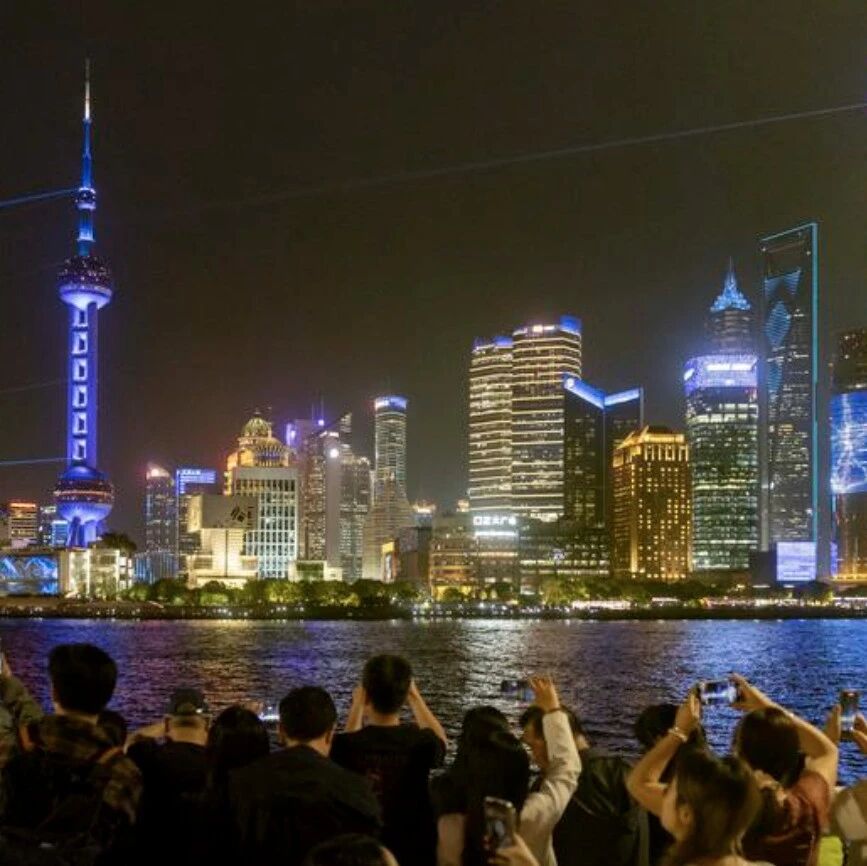
2026年,上海准备这样干!
Shang Hai Zheng Quan Bao· 2026-02-03 06:37
Core Insights - The Shanghai government aims for a GDP growth of around 5% by 2026, with a focus on expanding domestic demand, technological innovation, and urban governance [2][3] - The government plans to enhance the capabilities of five key centers: international economy, finance, trade, shipping, and technology innovation [8][9][10] Group 1: Economic Development - The city will strengthen the role of domestic demand, focusing on consumer spending and effective investment, with a target of completing major project investments of 255 billion yuan [3] - Aiming to increase the proportion of R&D expenditure to 4.6% of GDP, the government will also work to keep urban unemployment below 5% and maintain a consumer price increase of around 2% [2] Group 2: Industry and Innovation - Shanghai will accelerate the implementation of major industrial projects in sectors like integrated circuits, biomedicine, and artificial intelligence, while promoting the development of smart factories [5][8] - The government will enhance the construction of computing power facilities and industry-specific models to support the widespread application of new intelligent terminals and systems [5][6] Group 3: Infrastructure and Urban Development - Major infrastructure projects include the construction of the Xiaoyangshan North Operation Area, the Oriental Hub Shanghai East Station, and the fourth phase of Pudong International Airport [6][10] - The city will also focus on green and low-carbon transformation, aiming to add 500,000 kilowatts of new energy storage capacity and promote deep-sea wind power projects [6][10] Group 4: Social Welfare and Employment - The government plans to create over 600,000 new urban jobs and implement policies to support employment for key groups such as college graduates and those facing employment difficulties [7] - Initiatives will be launched to improve public services and enhance the quality of life for residents [7]
2026上海科技和产业怎么干,政府工作报告划重点
第一财经· 2026-02-03 06:31
Core Viewpoint - Shanghai aims for a GDP growth of around 5% in 2026, with a focus on enhancing its status as an international economic center and promoting technological innovation and industrial integration [3][5][7]. Economic Goals - The main expected targets for Shanghai's economic and social development include a GDP growth of approximately 5%, a 2% increase in local public budget revenue, and a research and development expenditure ratio of 4.6% of GDP [3][5]. Technological and Industrial Focus - Key tasks for 2026 involve deepening the construction of an international technology innovation center, supporting industries such as smart connected new energy vehicles, marine economy, low-altitude economy, aerospace, and satellite internet [5][6][10]. - The report emphasizes the integration of technological and industrial innovation to cultivate new productive forces [7]. Research and Development - In 2025, Shanghai's R&D expenditure was about 4.5% of its GDP, with leading industries like integrated circuits, biomedicine, and artificial intelligence exceeding a scale of 2 trillion yuan [8]. - The city plans to establish 7 high-quality concept verification platforms and 6 incubators, with a technology contract transaction volume of 649.68 billion yuan, marking a 24.9% increase [8]. Modern Industrial System - Shanghai's "14th Five-Year Plan" outlines a modern industrial system characterized by advanced manufacturing, focusing on two transformations (digital and green) and three leading industries (integrated circuits, biomedicine, artificial intelligence) [9]. - The plan also includes six emerging pillar industries and six future industry fields [9]. Specific Industry Initiatives - The "Shanghai High-Level Autonomous Driving Leading Area" plan aims for large-scale implementation of high-level autonomous driving by 2027, with a target for L2 and L3 vehicles to comprise over 90% of new car production [10]. - The low-altitude economy is projected to reach a core industry scale of around 80 billion yuan by 2028, with plans to establish Shanghai as a leading city in eVTOL technology [10][12].
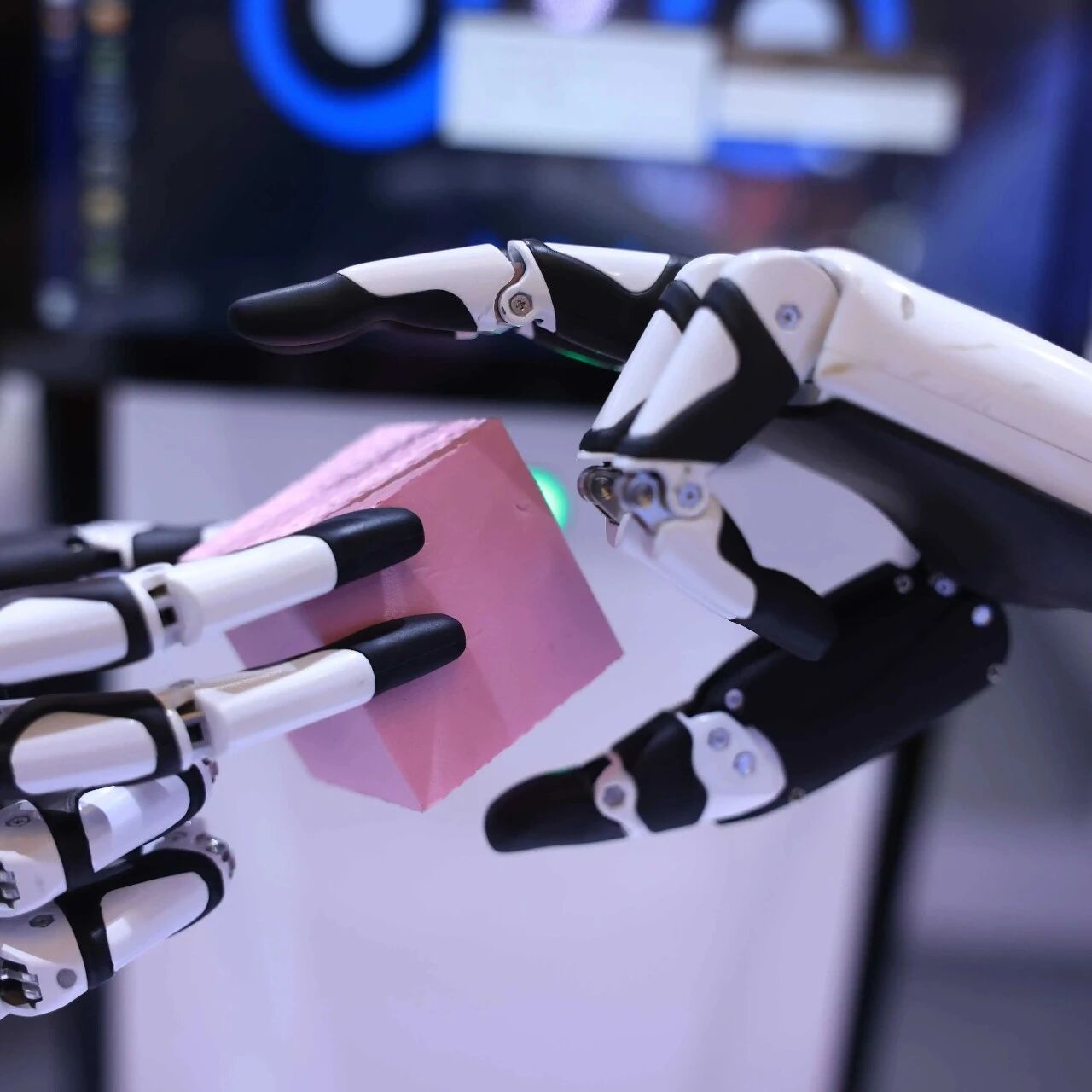
2026上海科技和产业怎么干,政府工作报告划重点
Di Yi Cai Jing· 2026-02-03 04:58
Core Insights - Shanghai aims for a GDP growth of approximately 5% in 2025, with a focus on enhancing its international economic center and supporting key industries such as smart connected vehicles, marine economy, low-altitude economy, aerospace, and satellite internet [2][4] Industry Development Goals - The report emphasizes the importance of integrating technology and industry innovation to cultivate new productive forces, including accelerating the application of major technological achievements and promoting intelligent, green, and integrated industrial development [3] - Shanghai plans to increase its R&D expenditure to 4.6% of GDP, with significant growth in the integrated circuit, biomedicine, and artificial intelligence sectors, which have collectively surpassed 2 trillion yuan [3][4] Specific Industry Initiatives - The city has outlined specific initiatives for smart connected vehicles, including the "Mosu Zhixing" action plan, which aims for large-scale implementation of high-level autonomous driving by 2027, targeting over 90% of new vehicles to have L2 and L3 capabilities [4] - In the low-altitude economy sector, Shanghai aims for a core industry scale of approximately 80 billion yuan by 2028, with plans to establish itself as a global hub for eVTOL (electric vertical takeoff and landing) technology [5] Recommendations and Challenges - Industry representatives suggest leveraging Shanghai's strengths in high-end manufacturing and technology innovation to advance low-altitude economy sectors, while also addressing challenges in key technologies such as autonomous flight control and low-altitude communication [6] - Recommendations include accelerating the establishment of standards and applications in low-altitude communication, navigation, and safety operations, as well as fostering collaboration among leading enterprises, research institutions, and universities [6]

GDP增长5%左右,大力发展脑机接口等未来产业,上海公布今年发展目标
Zhong Guo Zheng Quan Bao· 2026-02-03 04:49
Core Viewpoint - The Shanghai government aims for a GDP growth of around 5% for the year, with a focus on developing future industries and enhancing the modern industrial system [1][2][3] Economic Goals - The expected GDP growth for Shanghai in 2026 is also around 5%, with a target GDP of 5.67 trillion yuan by 2025, reflecting a growth of 5.4% [2] - Local general public budget revenue is projected to reach 850 billion yuan, with a growth of 1.5% [2] - The report sets a goal for R&D expenditure to be approximately 4.6% of the city's GDP, with an urban unemployment rate targeted to remain within 5% [2] Industry Development - The report emphasizes the cultivation of future industries such as brain-computer interfaces and fourth-generation semiconductors [3] - Implementation of the "Artificial Intelligence +" initiative is highlighted, focusing on enhancing computing power infrastructure and promoting the use of new intelligent terminals and models [3] - The construction of high-level innovation communities and the development of specialized industrial parks are prioritized [3] Investment and Infrastructure - A total of 255 billion yuan is planned for major engineering investments this year, including the construction of various metro lines and significant infrastructure projects [4] - The report outlines the initiation of several key transportation projects, including the extension of existing metro lines and the construction of new railways [4] Financial Reforms - The report calls for deepening financial system reforms and enhancing the construction of the Sci-Tech Innovation Board [5] - It aims to improve the connectivity of bond markets and explore the establishment of an offshore financial system [5] - There is a focus on fostering long-term and patient capital, enhancing the integration of finance and industry, and supporting sectors such as technology innovation and green development [5] Social Services - The report includes plans to reform elderly care services, with the addition of 2,000 cognitive care beds and 200 community-based elderly service stations [5] - It emphasizes the need for diverse services in community elderly care, including meal assistance and medical support [5]
激活消费主引擎 培育壮大“新”力量
Xin Lang Cai Jing· 2026-01-28 23:06
Group 1 - The core viewpoint emphasizes the importance of consumer spending as a driver of economic growth and a reflection of people's quality of life, with a projected retail sales total of 25,433.59 billion yuan in 2025, representing a 4.4% increase from the previous year, surpassing the national average [1] - The government aims to activate the consumption engine through special actions to boost consumer spending, with representatives advocating for policies that closely link improving people's livelihoods with stimulating consumption [1][2] Group 2 - The stable growth in retail sales is attributed to the synchronization of activities and policies, including nearly 10,000 promotional events and a trade-in program that generated 79.1 billion yuan in consumption, benefiting over 7.5 million consumers [2] - The continuation of the trade-in policy is expected, with suggestions to increase public service spending and provide differentiated subsidies for smart and green products to enhance consumer willingness to spend [2][3] Group 3 - There is a shift in consumer behavior from primarily goods consumption to a balanced focus on both goods and services, with service consumption expected to be a significant growth driver due to its high frequency and multiplier effect [3] - Recommendations include creating a comprehensive consumption IP that integrates shopping, entertainment, dining, and health, leveraging the region's rich resources and cultural heritage to enhance consumer experiences [3] Group 4 - The government report highlights the need to improve consumer capacity and optimize the consumption environment, with suggestions to enhance infrastructure in underserved areas and strengthen market regulation to combat fraud and improve consumer rights [4] - Emphasis is placed on tapping into domestic demand and facilitating efficient economic circulation, with calls for integrating into the national market and promoting local brand activities to shift consumption growth from recovery to sustainable expansion [4]
万亿投资、千亿地标、万亿产业集群等写入蓝图 北京“十五五”重点任务划定
Bei Jing Shang Bao· 2026-01-26 13:26
Group 1 - The core viewpoint of the news is that Beijing's "14th Five-Year Plan" aims to actively serve and integrate into the new development pattern, promoting sustained and healthy economic development through key tasks such as strengthening industrial foundations, expanding domestic demand, and deepening reform and opening up [1] Group 2 - The plan emphasizes the implementation of a strategy to expand domestic demand as a key support for promoting economic circulation, aiming to create a more vibrant domestic demand system [2] - Beijing plans to build 2-3 new consumption landmarks with a scale of 100 billion, focusing on the integration of culture, commerce, tourism, and sports [2] - The development of consumption aggregation areas will include major projects like Universal Studios and the Beijing Olympic Center, enhancing the attractiveness of these areas [2] Group 3 - Investment is targeted to maintain an annual scale of 1 trillion, with a focus on stimulating investment in technology innovation, emerging industries, and urban renewal [3] - The plan outlines the need to increase investment in technology innovation and emerging industries, with a goal for innovation and industrial investment to account for 25%-30% [3] - Infrastructure investment is also prioritized, with a focus on major projects in transportation, energy, and disaster prevention, aiming for infrastructure investment to maintain a 20% share [3] Group 4 - The plan aims to build a more competitive modern industrial system, emphasizing the dual leadership of the digital economy and green economy [4] - The development of new trillion-level clusters will focus on artificial intelligence and green advanced energy, with a goal for the penetration rate of intelligent terminals to exceed 90% by 2030 [4] Group 5 - The plan highlights the importance of developing a highland for green advanced energy and low-carbon environmental protection industries, focusing on new energy storage and hydrogen energy [5] - The strategy includes enhancing the international influence of low-carbon environmental protection industries through intelligent monitoring and resource recycling [5]
江西出台方案 部署十二大“人工智能+”重点行动
Xin Lang Cai Jing· 2026-01-17 07:28
Core Viewpoint - Jiangxi Province has launched the "Artificial Intelligence+" Action Plan, aiming to enhance the development of artificial intelligence across various sectors by 2030 and 2035, with specific targets for computational power, data resources, and industry models [1][2]. Group 1: Development Goals - The action plan outlines a "two-step" development goal: by 2030, the province aims to achieve a computational service scale of 5000 PFlops, establish over 5 data labeling bases, create more than 30 high-quality industry datasets, and develop over 50 vertical industry models [1] - By 2035, Jiangxi aims to fully transition into a new stage of intelligent economy and society, positioning itself among the top provinces in the country for artificial intelligence application levels [1]. Group 2: Key Actions - The action plan includes twelve key "Artificial Intelligence+" actions, categorized into three main areas: industrial empowerment, public service, and governance enhancement [1]. - The industrial empowerment actions focus on integrating intelligent technology into industrial production, agricultural production, and technological innovation to stimulate new momentum for industrial development [1]. Group 3: Support Systems - A comprehensive support system is established, emphasizing both "hard infrastructure and soft development," which includes a provincial-level artificial intelligence industry development joint meeting system and a provincial-level AI service platform [1]. - The plan also aims to promote green intelligent computing facilities and establish a complete system for data resource development and utilization, ensuring unified scheduling of computing power and compliant circulation of data [1]. Group 4: Resource Allocation - Jiangxi will implement ten supportive measures related to computing power, data, funding, and talent, creating a closed-loop system of "task list + policy list" to concentrate various resources in the artificial intelligence sector [2].