
产业升级

Search documents
凤鸣楚天阔——湖北上市公司熔铸核心科技领航产业升级
Shang Hai Zheng Quan Bao· 2025-11-11 19:17
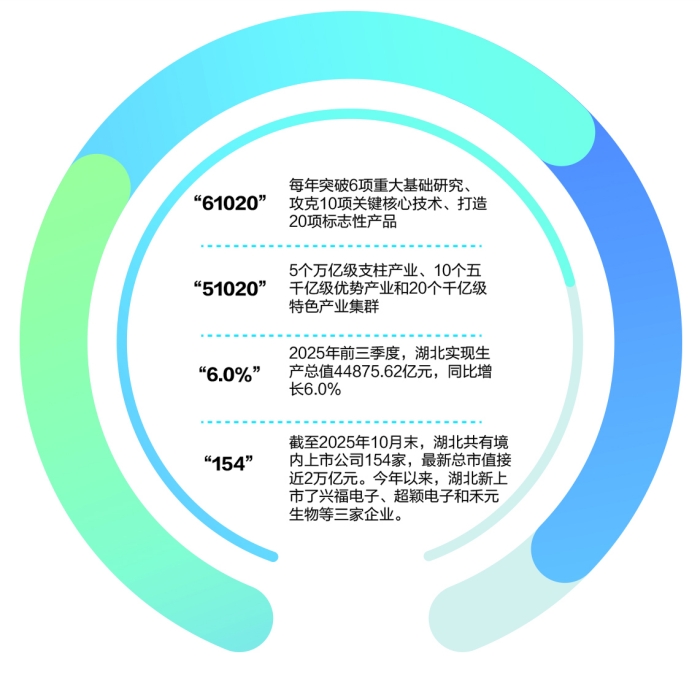
| "61020" | 每年突破6项重大基础研究、 攻克10项关键核心技术、打造 | | --- | --- | | | 20项标志性产品 | | | 5个万亿级支柱产业、10个五 | | "51020" | 干亿级优势产业和20个干亿级 | | | 特色产业集群 | | | 2025年前三季度,湖北实现生 | | "6.0%" | 产总值44875.62亿元,同比增 156.0% | | | 截至2025年10月末,湖北共有境 | | "154" | 内上市公司154家,最新总市值接 | | | 近2万亿元。今年以来,湖北新上 | | | 市了兴福电子、超颖电子和未元 | | | 生物等三家企业。 | 湖北有"数" ...

中信建投证券2026年资本市场峰会暨中国-沙特投资合作论坛在北京成功举办
Xin Lang Zheng Quan· 2025-11-11 13:56
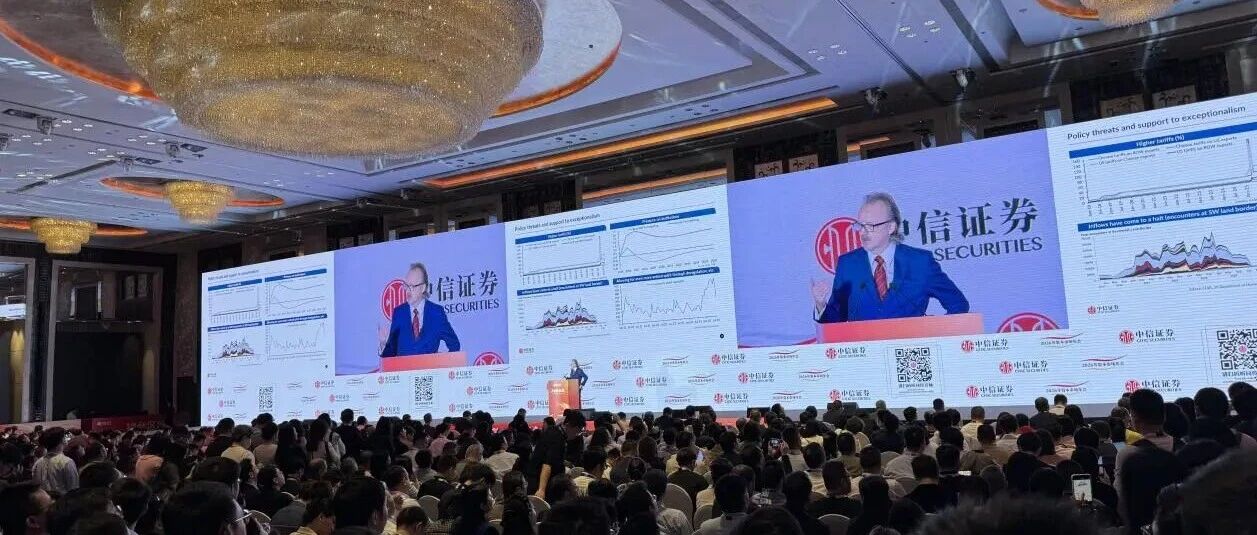
Group 1: Event Overview - The CITIC Securities 2026 Capital Market Summit and China-Saudi Investment Cooperation Forum opened on November 11, 2025, in Beijing, focusing on global macroeconomic policies and investment strategies for 2026 [1] - The summit attracted over 2,000 participants, including experts, scholars, entrepreneurs, and investors from various countries, discussing global economic changes and new investment opportunities [1][8] - This summit is co-hosted by CITIC Securities and the Saudi Stock Exchange, marking the first collaboration between a Chinese brokerage and the Saudi exchange in China [1] Group 2: Strategic Goals of CITIC Securities - CITIC Securities aims to accelerate the development of a "value investment bank" to enhance international market competitiveness and provide sustainable returns to shareholders [2] - The company is committed to becoming a "new quality investment bank" by embedding itself in the national innovation system and enhancing its service capabilities across the entire industry chain [3] - CITIC Securities is also focused on becoming a "digital investment bank," leveraging data-driven strategies and digital transformation to improve customer service and business collaboration [3] Group 3: Saudi Stock Exchange Insights - The Saudi Stock Exchange is one of the fastest-growing capital markets globally, with a significant increase in foreign direct investment from China, reaching nearly $8.3 billion by the end of last year [4] - The exchange has signed memorandums of understanding with Shanghai and Shenzhen stock exchanges to deepen capital flow between China and Saudi Arabia [4] Group 4: Economic Outlook for 2026 - The chief economist of CITIC Securities predicts that 2026 will be a year of foundational strengthening and comprehensive efforts, with GDP growth expected around 5% [5] - The monetary policy in China is anticipated to be accommodative, with a potential 50 basis points reduction in the reserve requirement ratio and continued interest rate cuts [6] - The "new four bulls" logic driving the A-share and Hong Kong markets includes capital inflow, technological innovation, institutional reform, and consumption upgrades [6] Group 5: Forum Discussions - The forum featured two roundtable discussions focusing on "cross-border business and long-term capital cooperation" and "asset allocation outlook: China, Saudi Arabia, and globally," with participation from industry leaders and experts [7][8]

重要研判 来了!
Zhong Guo Ji Jin Bao· 2025-11-11 13:45
Core Viewpoint - The 2026 Capital Market Summit and China-Saudi Investment Cooperation Forum hosted by CITIC Securities aims to explore investment opportunities and strengthen bilateral relations between China and Saudi Arabia, marking a significant milestone in their partnership [1][3]. Group 1: CITIC Securities' Strategic Focus - CITIC Securities aims to enhance its role as a "value investment bank," focusing on international market competition and customer value [3][4]. - The company plans to develop into a "new quality investment bank," emphasizing innovation and high-quality service across the entire investment lifecycle [4]. - CITIC Securities is committed to becoming a "digital investment bank," prioritizing digital transformation and data-driven strategies to meet client needs [4]. Group 2: Economic Outlook for 2026 - The chief economist of CITIC Securities, Huang Wentao, forecasts 2026 as a year of "dual easing" in fiscal and monetary policies, supporting economic stability and growth [5][6]. - GDP growth is expected to be around 5%, driven by policy support, stable domestic demand, and industrial upgrades [6]. - Huang identifies four key drivers for the A-share and Hong Kong markets: capital inflow, technological innovation, institutional reform, and consumption upgrades, which are expected to propel market growth [6]. Group 3: Investment Opportunities - In the commodities sector, Huang highlights gold as a long-term investment opportunity, driven by geopolitical concerns rather than traditional factors like interest rates [8]. - The recent volatility in gold prices should not deter investors, as the long-term outlook remains positive [8].
重要研判,来了!
中国基金报· 2025-11-11 13:40
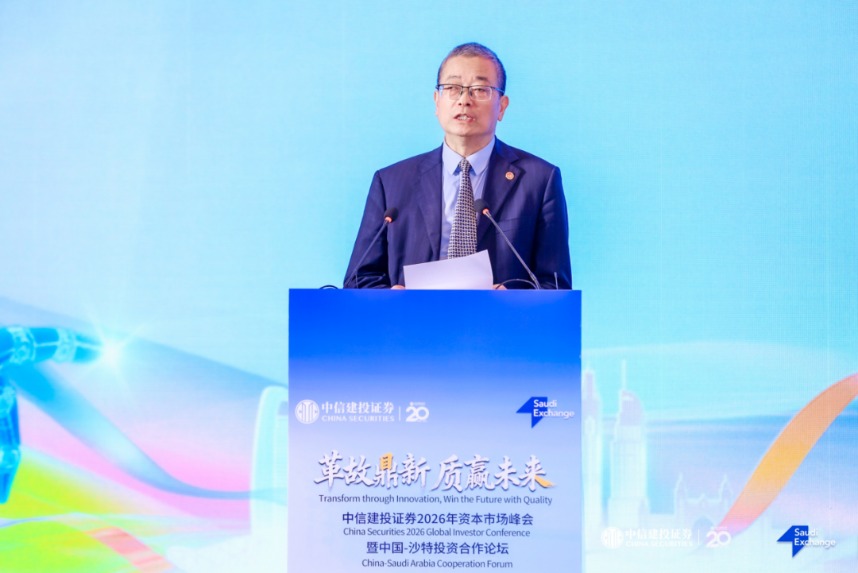
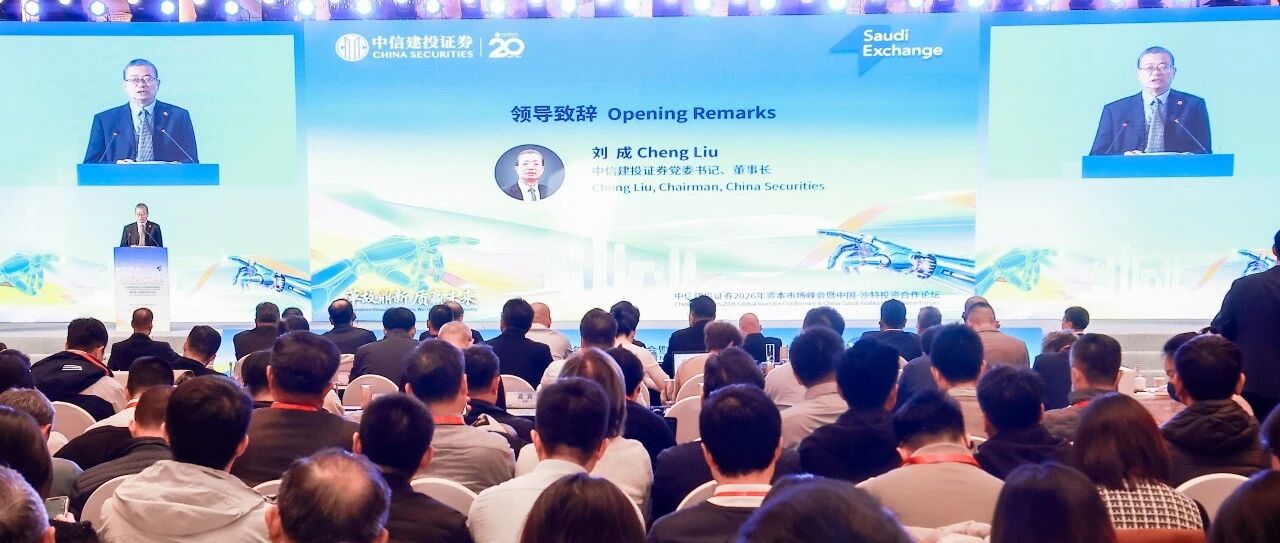
Core Viewpoint - The conference organized by CITIC Securities focuses on investment cooperation between China and Saudi Arabia, emphasizing the importance of building a strong financial market and enhancing bilateral relations [2][5]. Group 1: Conference Overview - The 2026 Capital Market Summit and China-Saudi Investment Cooperation Forum was held on November 11, with over 2,500 attendees, marking a significant event in the investment landscape [2]. - The theme of the summit was "Reform and Innovation for a Better Future," attracting entrepreneurs, financiers, and investors from various countries to discuss investment opportunities [2]. Group 2: CITIC Securities' Future Strategy - Liu Cheng, Chairman of CITIC Securities, highlighted the company's mission to contribute to both national and global prosperity, aiming to build a "Value Investment Bank," "New Quality Investment Bank," and "Digital Investment Bank" [3][6]. - The "Value Investment Bank" focuses on enhancing customer value and integrating resources to create tailored products and services [6]. - The "New Quality Investment Bank" aims to support high-quality development through an innovative service platform that covers the entire investment lifecycle [6]. - The "Digital Investment Bank" emphasizes the importance of digital transformation and data-driven strategies to meet customer needs [7]. Group 3: Economic Outlook for 2026 - Huang Wentao, Chief Economist at CITIC Securities, predicts that 2026 will be a year of foundational strengthening and comprehensive development, with a focus on innovation and internal demand [9]. - The economic growth forecast for 2026 is around 5%, supported by favorable fiscal and monetary policies [10]. - The "New Four Bulls" in the capital market include capital inflow, technological innovation, institutional reform, and consumption upgrade, which are expected to drive the rise of A-shares and Hong Kong stocks [10]. - Opportunities in sectors such as AI, semiconductors, and renewable energy are highlighted as key areas for investment [10]. Group 4: Commodity Market Insights - Huang Wentao emphasized the long-term investment potential of gold, driven by geopolitical factors rather than traditional economic indicators [11]. - The recent volatility in gold prices should not deter investors, as the outlook remains positive for continued upward movement in gold and silver [11].
10月通胀数据点评:通胀整体改善,政策效应显现
Mai Gao Zheng Quan· 2025-11-11 12:16
Group 1: Inflation Data - In October 2025, the CPI increased by 0.5 percentage points year-on-year to 0.2% and rose by 0.2% month-on-month, slightly above seasonal levels, indicating a moderate recovery in prices[1] - Core CPI, excluding food and energy, rose by 1.2% year-on-year, marking a six-month consecutive increase and reaching the highest level since March 2024[1] - Food prices decreased by 2.9% year-on-year, but the decline narrowed by 1.5 percentage points compared to the previous month, impacting the overall CPI negatively by approximately 0.54 percentage points[11] Group 2: Producer Price Index (PPI) Insights - In October 2025, the PPI increased by 0.1% month-on-month, marking the first positive growth of the year, while year-on-year it decreased by 2.1%, with the decline narrowing by 0.2 percentage points over the previous month[19] - The narrowing of the PPI decline is attributed to improved supply-demand relationships in key industries, effective capacity management, and the release of consumer demand[19] - Prices in the photovoltaic equipment and battery manufacturing sectors saw a reduction in their year-on-year decline, reflecting the positive impact of industrial upgrades and technological innovation[19] Group 3: Economic Signals and Risks - The month-on-month CPI increase signals multiple positive economic indicators, including the effectiveness of demand expansion policies and the recovery of service consumption[16] - However, potential risks remain, such as insufficient effective demand and the cyclical adjustment of agricultural product prices, particularly pork, which may continue to drag down the CPI[16] - The energy prices remain a significant external variable affecting price fluctuations, influenced by international commodity market volatility[16]
30强城市三季报出炉,广州不再是第四,这个城市“上位”!
Sou Hu Cai Jing· 2025-11-11 11:46
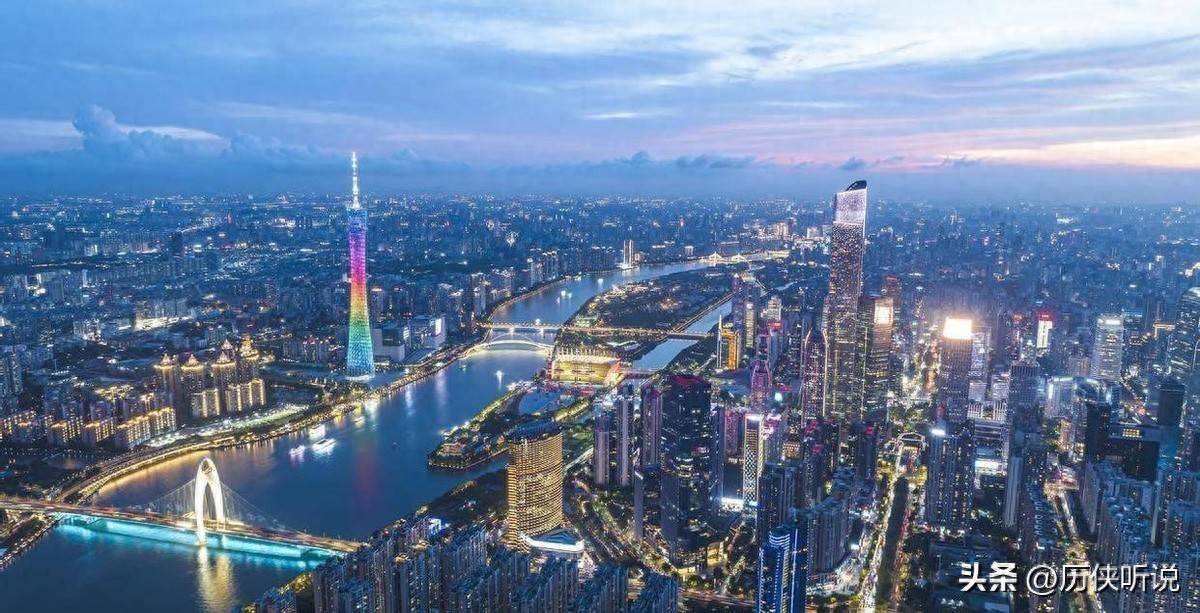
Core Insights - The annual GDP ranking of cities reflects not only economic strength but also development potential, with notable changes in the rankings this year, particularly Guangzhou being surpassed by Chongqing [1][29] - The economic landscape of Chinese cities is undergoing a transformation, with second-tier cities like Yantai and Wenzhou showing impressive growth rates driven by emerging industries and major projects [1][29] Group 1: Chongqing vs. Guangzhou - Chongqing's GDP reached 32,193.15 billion yuan in 2024, growing by 5.7%, while Guangzhou's GDP was 31,032.50 billion yuan, with a growth of only 2.1% [3] - In the first three quarters of 2025, Chongqing's GDP continued to grow by 5.3%, compared to Guangzhou's 4.1%, indicating Chongqing's sustained economic momentum [3] - The larger land area (82,400 square kilometers) and population (31.9 million) of Chongqing provide it with a natural advantage over Guangzhou, which has a land area of 7,238.46 square kilometers and a population of 18.98 million [4][3] Group 2: Economic Structure and Growth Drivers - Chongqing has diversified its economy by relying on traditional industries such as automotive, electronics, and chemicals while accelerating the development of high-tech industries [5][7] - The automotive industry in Chongqing is making breakthroughs in new energy and smart manufacturing, contributing to industrial value-added growth and boosting related sectors like services and logistics [7] - In contrast, Guangzhou's economy, primarily driven by the tertiary sector, has faced challenges due to global economic uncertainties and a slowdown in domestic demand, affecting consumption and service sector growth [8][9] Group 3: Emerging Second-Tier Cities - Yantai's GDP growth rate of 6.4% in the first three quarters positions it as a representative of rising second-tier cities, driven by strong industrial performance [13] - Major projects in Yantai, such as the Longkou Yulong Petrochemical Industrial Park and the Fushan Weichai BYD New Energy Power Industrial Park, have significantly contributed to its economic growth [15] - However, Yantai faces structural challenges, particularly in the service sector, which requires attention to ensure sustainable economic development [17] Group 4: Wenzhou's Growth Model - Wenzhou's GDP grew by 6.1% in the first three quarters, showcasing a growth model that emphasizes collaboration between the secondary and tertiary sectors [21] - The city has seen significant growth in the internet, software, and information technology services sectors, with revenues increasing by 20.7% [23] - Wenzhou's focus on artificial intelligence and green energy positions it as a leader in innovative economic growth, with plans for a large low-carbon computing center [25][27] Group 5: Future Trends - The changes in the GDP rankings of cities indicate a shift in China's urban economic landscape, with core cities in the central and western regions gaining prominence [29] - The rapid rise of second-tier cities like Yantai and Wenzhou highlights their potential as key drivers of regional economic development, while first-tier cities must adapt to maintain competitiveness [29]
沪指在4000点“歇脚”,投资者很煎熬
Sou Hu Cai Jing· 2025-11-11 11:33
Market Overview - A-shares exhibited a weak consolidation pattern with major indices under pressure, as the Shanghai Composite Index fluctuated around 4000 points, closing down 0.39% at 4002.76 points [1] - The Shenzhen Component and ChiNext Index fell by 1.03% and 1.40% respectively, while the Sci-Tech 50 Index dropped 1.42%, indicating significant adjustment pressure in growth sectors [1] - In contrast, the Hong Kong market showed relative stability, with the Hang Seng Index rising 0.18% to 26696.41 points, and both the Hang Seng Tech Index and the China Enterprises Index increasing by 0.15% and 0.19% respectively [1] Sector Performance - The A-share market displayed notable structural characteristics, with policy-driven sectors performing well, particularly the photovoltaic equipment sector leading the gains, and the diamond cultivation (superhard materials) sector maintaining strength [2] - In the Shenwan first-level industries, retail (+1.43%), real estate (+0.81%), and steel (+0.62%) were among the top gainers, benefiting directly from consumer finance support and real estate policy expectations [2] - Conversely, the technology sectors, including telecommunications (-2.20%), electronics (-1.74%), and computers (-1.41%), experienced significant adjustments, with the computing hardware industry chain undergoing deep corrections [2] Driving Logic of Sector Movements - The driving logic behind sector movements can be interpreted through policy, capital, and market sentiment [3] - Policy measures such as "moderately loose" monetary policy and targeted initiatives for new energy consumption and affordable housing loans directly catalyzed the strength of photovoltaic, energy storage, and real estate sectors [3] - A-shares saw active capital shifting from high-volatility tech sectors to undervalued areas like consumption and real estate, while Hong Kong stocks focused more on policy benefits and stable returns, as reflected in the rise of the REITs index (+1.79%) and consumer index [3] Investment Strategy - The recent market environment has seen rapid rotation of hotspots, making it challenging for investors chasing short-term trends [4] - Investors are advised to maintain calm and patience, focusing on long-term opportunities rather than chasing every short-term hotspot [4] - Emphasizing the importance of holding quality assets with solid mid-to-long-term logic, even if purchased at temporary high points, is crucial for achieving returns [4]
2025北京金融街中外交流活动成功举办 共话全球资产管理与中国机遇
Zheng Quan Ri Bao Wang· 2025-11-11 10:40
Core Insights - The event focused on "Long-term Capital Global Asset Management and Opportunities in China," emphasizing structural opportunities in the Chinese market amid global economic transformation [1][2] - Discussions highlighted China's large economic scale, comprehensive industrial chain, ongoing financial opening policies, and innovation in high-tech and green finance as key factors attracting global long-term capital [1][2] Group 1: Global Capital and China - Global sovereign capital and investment institutions are increasingly viewing China as a significant option for long-term allocation due to its economic resilience and high-quality development path [2] - The low volatility of RMB assets is seen as providing unique risk diversification and stable returns in global asset portfolios [2] Group 2: Future Directions and Collaboration - ESG investment, technological innovation, and industrial upgrading are identified as key areas for medium to long-term capital cooperation [2] - The event served as a platform for enhancing cooperation consensus and boosting international capital confidence in the Chinese market, laying a solid foundation for deeper cross-border capital collaboration [2] Group 3: Organizational Role - The event is part of the "2025 Financial Street Forum Series" and reflects the efforts of the Financial Street Cooperation Development Council's International Cooperation Committee to promote international financial exchanges [2] - The International Cooperation Committee aims to build cross-border platforms, deepen international exchanges, and promote resource sharing, becoming a crucial support for the internationalization of Financial Street [2]

人气爆棚!中信证券:权益资产红利时代刚刚开始
中国基金报· 2025-11-11 10:23
Core Viewpoint - The 2026 Capital Market Conference hosted by CITIC Securities emphasizes the positive momentum in China's capital market, driven by enhanced international influence, improved positioning in the global value chain, and a mature market ecosystem [2][11]. Group 1: Conference Overview - The conference took place from November 11 to 13, 2026, in Shenzhen, with the theme "Striving for a New Journey" [2]. - Over 4,000 attendees participated in person, while 33,000 viewers joined online via CITIC Securities' live streaming platform [5]. - The event featured more than 100 speakers and over 20 sub-forums covering various topics, including global economic outlook and AI applications [6]. Group 2: Economic Insights - CITIC Securities' Chief Economist predicts a GDP growth rate of approximately 4.9% for 2026, with a more proactive fiscal policy expected [11][12]. - The macroeconomic policy is anticipated to support economic recovery, with a focus on demand-side balance and service consumption as a key highlight [13][14]. Group 3: Market Trends - The equity market is seen as entering a new era of dividends, with a shift from real estate to equity assets in wealth allocation [5][15]. - The A-share market is transitioning from local exposure to global exposure, enhancing its position in the global value chain, which is fundamental for a stable market environment [15][16]. Group 4: Strategic Focus - The conference highlighted three key areas for industry focus: upgrading traditional manufacturing, expanding global presence, and leveraging AI for commercial applications [16]. - The emphasis on long-term participation and a stable investment approach is crucial in navigating the evolving market landscape [16].

河北省质检院下沉实验室为东光产业转型注入“质”动力
Zhong Guo Zhi Liang Xin Wen Wang· 2025-11-11 09:07
Core Insights - The collaboration between Hebei Provincial Quality Inspection Institute and Dongguang County aims to enhance quality inspection capabilities, marking a significant shift towards quality-driven economic development in the region [1][5] - The establishment of the Dongguang laboratory is a response to the challenges faced by local manufacturing enterprises, particularly in the packaging machinery and plastic products sectors, which struggle with high inspection costs and long turnaround times [2][4] Group 1: Industry Background - Dongguang County is home to over 1,500 enterprises in the carton packaging machinery sector and more than 1,600 in the plastic packaging industry, making it a key player in Hebei Province's manufacturing landscape [2] - The region has received multiple accolades, including "Hometown of Carton Machinery" and "National Packaging Famous County," highlighting its significance in the packaging industry [2] Group 2: Laboratory Establishment and Functionality - The Dongguang laboratory will provide 139 specific inspection parameters tailored to meet the urgent needs of local enterprises, facilitating a more efficient quality control process [3] - The laboratory aims to integrate advanced standard databases, research outcomes, and intellectual property resources, offering customized services to businesses [4] Group 3: Economic Impact and Future Directions - The initiative represents a shift from quantity-driven growth to quality-driven development, aligning with the broader goals of the Beijing-Tianjin-Hebei coordinated development strategy [5] - The laboratory is expected to serve as a platform for technological breakthroughs, standard-setting, and brand development, ultimately enhancing the competitiveness of local industries [5]