新消费

Search documents
10万+爆文,"私募魔女"李蓓长文自剖这两年投资错误;监管曝光利得资本12项违规,这些券商管理层遇人事调整| 私募透视镜
Sou Hu Cai Jing· 2025-06-11 11:40
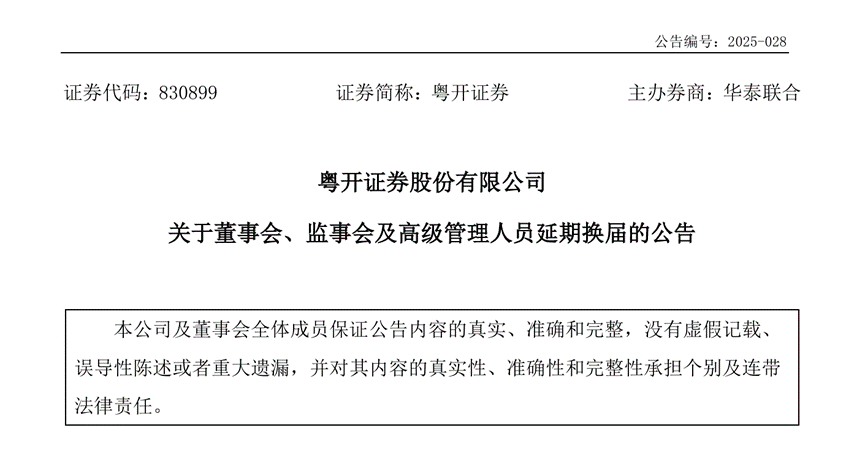
Group 1 - Li Bei, a prominent private equity fund manager, reflects on her poor investment performance over the past two years, attributing it to a lack of understanding of domestic policy mechanisms [1] - Li acknowledges shortcomings in sectors such as technology, consumption, and pharmaceuticals, and admits to missing several investment opportunities while making poor decisions in industrial products [1] - Currently, Li's portfolio is primarily composed of undervalued cyclical stocks, with a focus on gold and a low allocation to industrial products, having cleared her positions in government bond futures [1] Group 2 - The number of newly registered private equity securities funds has increased by over 45% compared to the same period last year, with 870 new registrations in May alone, marking a 77.19% year-on-year increase [2] - Stock strategies dominate the new registrations, with 2,749 new private equity products focused on stocks by the end of May [2] - Private equity firms are increasingly targeting technology sectors, with a focus on AI, robotics, innovative pharmaceuticals, and new consumption, identifying companies with global strategic vision [2] Group 3 - Private equity firms have become major buyers of ETFs, particularly those related to free cash flow and the STAR Market, with 50 firms collectively holding approximately 3.85 billion shares of 17 free cash flow ETFs [3] - The Dachen CSI All-Index Free Cash Flow ETF is notably popular among private equity, with four private equity products among its top ten holders [3] - Other free cash flow ETFs also show significant private equity holdings, with at least 35 million shares held in several funds [3] Group 4 - Over 500 private equity fund managers have been deregistered this year, with 522 cancellations reported as of June 9, and more than 50 firms receiving penalties [4] - The majority of deregistrations fall under the "association deregistration" category, accounting for 52.68% of total cancellations [4] - The number of active private equity fund managers continues to decline, with 19,891 remaining as of April 2025, managing approximately 14.16 trillion yuan in funds [4] Group 5 - Danikel Automation Technology has completed a strategic financing round of over 100 million yuan, setting a record in its niche market, with investments from Xiaomi Industrial Investment and Zhongding Capital [5] - The funds will be used for core technology research and development, capacity expansion, and international market expansion [5] - Danikel focuses on self-research and local manufacturing to ensure product stability and consistency [5] Group 6 - Chery Group's private equity fund plans to acquire Honghe Technology for approximately 1.575 billion yuan, gaining control of 25% of the company's shares [6] - The acquisition is set to be finalized as Honghe Technology's stock resumes trading [6] Group 7 - NeuralFin, a subsidiary of Delin Holdings, has completed a multi-million Hong Kong dollar Series A financing round, aimed at technology upgrades and team expansion [7][8] - The company focuses on integrating AI with financial technology, developing an AI-driven financial community for personalized services [8] Group 8 - Digital Huaxia has secured several million yuan in angel financing, with funds directed towards technology development and product optimization [9] - The company specializes in AGI robots and has a range of humanoid and interactive robots [9] Group 9 - Xinyi Securities has appointed Su Junliang as the new Party Secretary, succeeding Yang Huahui, who held the position since 2017 [10][11] - Su has extensive experience in the financial sector, having worked in various roles within Xinyi Bank and other financial institutions [11] Group 10 - Yuekai Securities has announced its new board of directors, with candidates from diverse professional backgrounds in finance, law, and corporate governance [12][14] - The new board will require shareholder approval before becoming official [14] Group 11 - Wang Qiong, former vice president of Caixin Securities, is set to become the general manager of Guosheng Asset Management [15] - Wang has a rich background in finance, having held various senior positions in multiple financial institutions [15] Group 12 - The Shandong Securities Regulatory Bureau has issued a penalty to Lide Capital for 12 violations, covering multiple aspects of private fund operations [16][18] - The violations include misleading promotional practices and inadequate investor protection measures [18] Group 13 - Tianjin Zhongcheng Guangli Investment Management has had its equity in Zhongtou Xinlian frozen due to a court ruling, affecting 6.24 million in equity [19][20] - The freeze is set to last from June 3, 2025, to June 2, 2028 [20]



再冲港股,三只松鼠能否重讲“宏大叙事”?
3 6 Ke· 2025-06-11 10:23
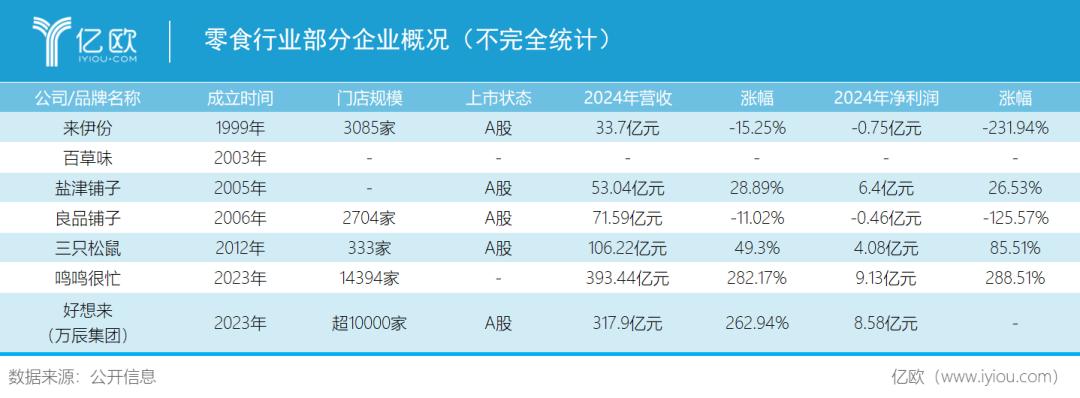
Core Viewpoint - The article highlights the resurgence of the snack industry, particularly focusing on companies like Three Squirrels, which has successfully navigated challenges and achieved significant revenue growth, while traditional consumer brands struggle with stagnation [1][2]. Company Performance - Three Squirrels reported a revenue of 10.622 billion yuan in 2024, marking a 49.3% year-on-year increase, and a net profit of 408 million yuan, up 85.51% [1][2]. - The company aims to achieve a dual listing (A+H) on the stock market, potentially becoming the first in the industry to do so [2]. - After a period of decline, Three Squirrels has rebounded, with a strategic focus on supply chain efficiency and new sales channels, particularly through social media platforms like WeChat [10][11]. Industry Trends - The snack industry is experiencing a bifurcation, with some companies like Three Squirrels and Mingming Hen Mang showing significant growth, while others like Liangpinpuzi and Laiyifen face substantial declines [14][17]. - The competitive landscape is shifting towards companies that prioritize supply chain efficiency, digital operations, and innovative marketing strategies [17][19]. - The global snack market is projected to reach $835.8 billion by the end of 2033, with a compound annual growth rate of 5.1% over the next decade, prompting companies to explore international markets [18]. Strategic Initiatives - Three Squirrels has implemented a "high-end cost-performance" strategy to enhance competitiveness and has successfully leveraged new traffic platforms for growth [10][11]. - The company has expanded its product offerings beyond nuts to include coffee, beverages, baked goods, and pet food, reflecting a broader market strategy [18]. - The industry is witnessing a trend towards digitalization, with companies like Mingming Hen Mang leading in digital management capabilities, enhancing their operational efficiency [16].

华泰证券:看好2025年大消费板块,建议关注四条消费板块结构性投资主线
news flash· 2025-06-11 09:51
Core Viewpoint - Huatai Securities remains optimistic about the large consumption sector in 2025, suggesting four structural investment themes within the consumption sector [1] Group 1: New Consumption Investment Opportunities - Head brands in beauty and personal care, as well as domestic fashion, are achieving market share breakthroughs through product innovation and omnichannel strategies [1] Group 2: High-Growth Emotional Consumption Sector - The market for emotional consumption, including trendy toys, pet economy, and immersive services, is building a high-prosperity market worth hundreds of billions through social and scenario-based consumption models [1] Group 3: Booming Silver Economy - The silver economy, focusing on age-friendly smart appliances and elderly education tourism, is expected to enter a golden development period supported by policy and changing perceptions [1] Group 4: "AI+" Consumption Technology Empowerment Opportunities - Companies providing computing power services and solutions, along with leading consumer stocks that are first to implement these technologies, show significant growth potential [1]

流量驱动失速、上市就破发,手回集团在港股价值重估
Sou Hu Cai Jing· 2025-06-11 07:54
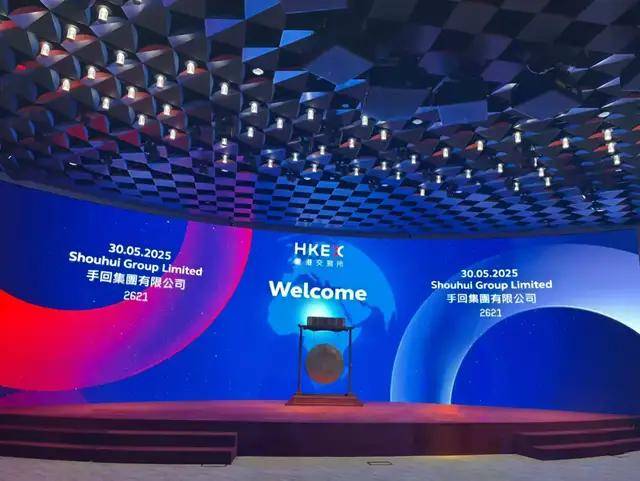
Core Viewpoint - The Hong Kong stock market is becoming increasingly active, with a notable rise in IPOs compared to previous years. However, the recent IPO of the internet technology company, Shouhui Group, has faced significant challenges, including a drop in stock price shortly after listing, indicating potential issues with its business model and market reception [2][5]. Company Overview - Shouhui Group is a personal insurance intermediary service provider that utilizes an online platform to offer insurance solutions to policyholders and insurers. The company primarily generates revenue through three main business segments: Niubao 100, Xiaoyusan, and Kachabao, with over 60% of its revenue coming from Niubao 100 [5][9][10]. Market Position - In 2023, the total premium of China's personal insurance market reached RMB 3.8 trillion, with the personal insurance intermediary market totaling RMB 237 billion, accounting for 6.3% of the overall market. Shouhui Group ranked eighth in the domestic personal insurance intermediary market with a market share of 2.9% [6][7]. Financial Performance - Shouhui Group's revenue fluctuated significantly from 2021 to 2024, with reported revenues of RMB 1.548 billion, RMB 806 million, RMB 1.634 billion, and RMB 1.387 billion, respectively. The company experienced net losses in 2021 and 2023, while achieving profitability in 2022 [8][19]. Revenue Breakdown - The revenue contributions from the three business segments are as follows: Niubao 100 contributed 67.6% in 2023, Xiaoyusan contributed 19.5%, and Kachabao contributed 12.9%. Niubao 100 is primarily driven by external traffic from media and licensed brokers [15][14]. Cost Structure - The main costs for Shouhui Group include commissions paid to insurance agents and brokers, channel promotion expenses, and employee salaries. Commissions accounted for 55.8% of total costs in 2024 [20][21]. Marketing Strategy - The company has maintained a high marketing expenditure, with over 40% of sales and marketing costs allocated to advertising and promotions in the past three years. In 2024, the total channel expenses reached RMB 801 million, significantly overshadowing the RMB 51 million spent on research and development [23][21]. Market Challenges - The competitive landscape for Shouhui Group is intense, with competition from other intermediaries, banks, and insurance agencies. The reliance on online traffic for customer acquisition poses challenges, especially in a market that increasingly demands profitability over growth [7][25].
泡泡玛特年初至今股价涨约186%!买LABUBU比买黄金还赚钱,哪些 “投资猎手” 提前抓住这波新消费风口?基金狂买"塑料茅台",21家机构给出“买入”评级
Sou Hu Cai Jing· 2025-06-11 06:59
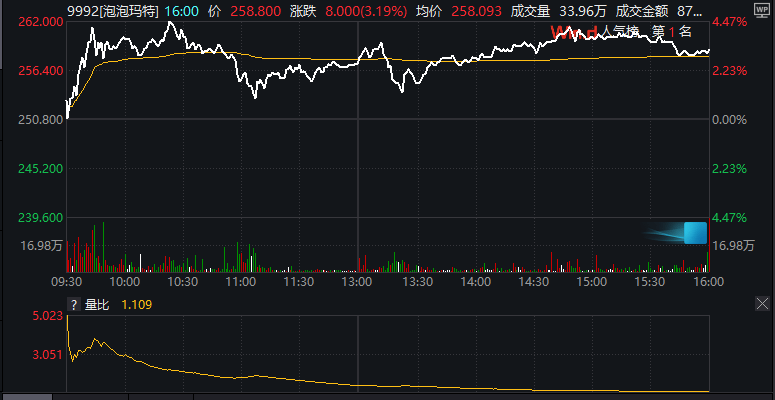
Core Viewpoint - The surge in popularity of LABUBU has led to significant price increases in the secondary market, with some items being sold for thousands of yuan, resulting in high premiums for Pop Mart's stock, which has been humorously referred to as "plastic Moutai" [1][16] - Pop Mart's stock price reached a historical high of 262 HKD, with a market capitalization exceeding 336.8 billion HKD, reflecting a more than 23-fold increase since its low in 2022 and a 186% rise year-to-date [1][3] Market Performance - Deutsche Bank raised its target price for Pop Mart from 200 HKD to 303 HKD, citing a potential market size larger than previously estimated [3] - As of June 10, 2023, Pop Mart's stock price has increased over 23 times from its 2022 low, with a year-to-date increase of approximately 186% [1] Institutional Ratings - In the past month, 21 institutions have given Pop Mart a "buy" rating, indicating strong institutional interest [3] - The latest ratings show 26 institutions with a "buy" rating, 21 with "hold," and 3 with "neutral" [4] Fund Holdings - As of Q1 2025, 270 funds held a total of 68.75 million shares of Pop Mart, with a total market value of 9.93 billion CNY [5] - The top fund holding Pop Mart shares is Invesco Great Wall Quality Evergreen Mixed Fund, with 3.22 million shares valued at 465 million CNY [5][7] Fund Activity - The number of funds holding Pop Mart shares increased by 78.45% compared to the previous period, with a significant rise in the number of funds increasing their holdings [6] - The total market value of fund holdings in Pop Mart reached approximately 992.91 million CNY, reflecting a 107.27% increase [6] Investment Trends - The current investment trend shows a growing number of public funds investing in Pop Mart, with 116 funds holding shares by the end of 2024, compared to only 36 at the beginning of that year [7] - The analysis indicates that funds that have consistently held Pop Mart shares since 2021 have benefited significantly from the stock's performance [8] Future Outlook - Analysts predict that Pop Mart's strong IP supply, particularly with LABUBU, will drive significant growth, with overseas sales expected to increase by 152% in 2025 [17] - The shift in consumer behavior towards personalized and rational consumption is expected to support the growth of new consumption trends, benefiting companies like Pop Mart [17]

新消费持续火热,游戏ETF(516010)涨1.3%,成交额超亿元
Mei Ri Jing Ji Xin Wen· 2025-06-11 06:13
Group 1 - The media sector is experiencing a rebound, with the gaming ETF (516010) rising by 1.3% and trading volume exceeding 100 million yuan [1] - Several new games have been launched recently, such as Giant Network's "Supernatural Action Group," G-bits' "Staff Sword Legend," and Friendship Time's "Noisy Cute Chef," which quickly entered the bestseller list [1] - Major gaming companies are actively expanding their business by developing and selling IP toy products, and creating peripheral products around films/games, enhancing revenue growth [1] Group 2 - The gaming ETF (516010) tracks the anime and gaming index (code: 930901), which is compiled by China Securities Index Co., Ltd., reflecting the overall performance of the domestic anime and gaming industry [2] - The index exhibits high growth potential and volatility, with a focus on cultural media and internet software services, providing a comprehensive view of the anime and gaming industry's development [2] - Investors without stock accounts can consider the Guotai CSI Anime Gaming ETF Connect A (012728) and Connect C (012729) [2]
重估中国资产!外资新动向,看好这两个方向!
天天基金网· 2025-06-11 05:08
上天天基金APP搜索【777】注册即可 领98元券包 , 优选基金10元起投!限量发放!先到先得! 外资机构重估中国资产。 据摩根士丹利的最新报告,随着国际投资者正寻求加大投资组合的多元化,并担心错过中国的科技进步红利, 国际投资者对中国股票的配置意愿已经明显加强。考虑到国际投资者对中国的敞口仍相对较低,未来的增持空 间较大。 截至6月10日收盘,恒生指数、恒生科技指数年内累计涨幅均超过20%。中信证券海外策略首席分析师徐广鸿 表示,近期部分区域外资长线资金如全球区域基金、美国区域基金、太平洋区域基金等开始流入港股市场。 展望下半年,野村东方国际证券表示,中国权益资产将跑赢海外市场。在波动性上升的背景下,政策对成长行 业的有力支持不容忽视,这可能促使市场将更多目光投向新兴高景气成长领域。 外资的重大转变 摩根士丹利在最新发布的报告中表示,目前全球投资者对中国的投资敞口仍相对较低。但随着国际投资者正寻 求加大投资组合的多元化,并担心错过中国的科技进步红利,国际投资者对中国股票的配置意愿已经明显加 强。 摩根士丹利表示,国际投资者此前一度担心,由于对先进芯片、人工智能技术的获取方面受限,中国将在科技 竞争力方面落 ...

情绪消费释放潜力!港股消费ETF(159735)现涨0.84%,实时成交额超3000万元排名同指数第一
Mei Ri Jing Ji Xin Wen· 2025-06-11 04:46
Group 1 - The Hong Kong stock market showed a positive trend with significant gains in sectors such as media, automotive, cultural tourism, and e-commerce, indicating a strong consumer sentiment [1] - The Hong Kong Consumption ETF (159735) rose by 0.84%, with a trading volume exceeding 30 million, reflecting high market activity and interest in consumer stocks [1] - The current consumer landscape emphasizes unique experiences as a form of social currency, with companies focusing on emotional resonance and cultural identity to connect with younger generations [1] Group 2 - New consumption trends are driven by modern consumers' dual demands for quality-price ratio and emotional value, with product quality, emotional value, and cost-effectiveness being the top three factors influencing purchasing decisions [2] - The market for trendy toys, "grain economy," and freshly brewed tea has seen a compound annual growth rate of 23%-30% over the past two years, highlighting the rapid growth of the new consumption market [2] - A survey by McKinsey indicates that Generation Z has the highest optimism regarding consumption prospects, with 78% expressing positive views [2]
机构称外资回流中国资产的第一站在港股,恒生科技指数ETF(513180)或迎内外资共振
Mei Ri Jing Ji Xin Wen· 2025-06-11 04:46
Group 1 - The Hong Kong stock market opened higher on June 11, with the Hang Seng Tech Index ETF (513180) rising over 1.5%, driven by stocks like NIO, Xiaomi, BYD, JD.com, and BYD Electronics [1] - As of June 10, the Hang Seng Tech Index ETF (513180) has seen a cumulative increase of 22.51% since April 8, entering a technical bull market [1] - Institutions predict that investment opportunities in Hong Kong stocks will continue to expand in the second half of 2025, particularly in the broad growth sectors represented by internet technology and pharmaceuticals [1] Group 2 - As of June 10, southbound capital has net bought HK stocks amounting to HKD 6741.77 billion this year, which is 83.5% of the projected net buy of HKD 8078.69 billion for the entire year of 2024 [2] - China International Capital Corporation estimates that the relatively certain incremental southbound capital for the year is between HKD 200 billion to HKD 300 billion, with total inflows potentially exceeding HKD 1 trillion [2] - The current macroeconomic environment in China, which requires repair but has structural highlights, is favorable for Hong Kong stocks, as they offer stable returns through dividends and structural opportunities in new consumption, AI technology, and innovative pharmaceuticals [2] Group 3 - The focus on hard technology and new consumption in Hong Kong stocks includes the Hong Kong Consumption ETF (513230), which covers e-commerce and new consumption sectors that are relatively scarce compared to A-shares [3] - The Hang Seng Tech Index ETF (513180) includes core AI assets and encompasses technology leaders that are also relatively scarce in A-shares [3]
重估中国资产!外资新动向,看好这两个方向!
证券时报· 2025-06-11 04:40
外资机构重估中国资产。 据摩根士丹利的最新报告,随着国际投资者正寻求加大投资组合的多元化,并担心错过中国的科技进步红利,国际投资者对中国股票的配置意愿已经明显加强。考 虑到国际投资者对中国的敞口仍相对较低,未来的增持空间较大。 截至6月10日收盘,恒生指数、恒生科技指数年内累计涨幅均超过20%。中信证券海外策略首席分析师徐广鸿表示,近期部分区域外资长线资金如全球区域基金、美 国区域基金、太平洋区域基金等开始流入港股市场。 展望下半年,野村东方国际证券表示,中国权益资产将跑赢海外市场。在波动性上升的背景下,政策对成长行业的有力支持不容忽视,这可能促使市场将更多目光 投向新兴高景气成长领域。 外资的重大转变 摩根士丹利在最新发布的报告中表示,目前全球投资者对中国的投资敞口仍相对较低。但随着国际投资者正寻求加大投资组合的多元化,并担心错过中国的科技进 步红利,国际投资者对中国股票的配置意愿已经明显加强。 摩根士丹利表示,国际投资者此前一度担心,由于对先进芯片、人工智能技术的获取方面受限,中国将在科技竞争力方面落后于全球。但最近,中国在人工智能和 其他领域都取得了重大突破,这让国际投资者开始重新考量中国股票的前景,并 ...