价值投资

Search documents
今年最值得收藏的投资指南:重温《投资中最重要的事》50条经典法则
雪球· 2025-08-24 13:30
Group 1 - The core idea emphasizes the importance of recognizing risks during market upswings rather than merely chasing opportunities [2][3] - Understanding market nature is crucial, as cycles are eternal and human behavior remains unchanged [4] - The second-level thinking principle suggests evaluating whether current market optimism is excessive and if prices reflect true value [5] Group 2 - Investment decisions should prioritize value over price, focusing on the relationship between asset quality and its intrinsic value [6][7] - The philosophy of buying undervalued assets is highlighted, advocating for purchases when prices are significantly below intrinsic value [9] - The principle of margin of safety is essential, requiring purchases at prices well below intrinsic value to cushion against errors and market fluctuations [10] Group 3 - The focus should be on avoiding catastrophic investments rather than solely seeking winning opportunities [11] - Defensive investment strategies are particularly important in bull markets, emphasizing error avoidance [12] - Setting realistic return expectations in line with current market conditions is vital, especially at market peaks [13] Group 4 - Recognizing potential losses is more critical than focusing on potential gains [14] - The risk of permanent capital loss is a significant concern, overshadowing short-term price volatility [15] - Avoiding attempts to time the market is advised, as consistent short-term predictions are nearly impossible [16] Group 5 - Mastering emotional control is essential for maintaining rationality in investment decisions [17] - Greed and fear are identified as emotional adversaries that can lead to poor investment timing [18] - The importance of resisting the fear of missing out during bull markets and the fear of further losses during bear markets is emphasized [20] Group 6 - Acknowledging one's ignorance is the first step toward wisdom in investing, highlighting the importance of understanding unknowns [24] - Creating a negative checklist of what not to invest in is as crucial as identifying potential investments [25] Group 7 - Risk-return asymmetry indicates that high risk does not guarantee high returns; only by correctly identifying and assuming unnoticed risks can investors achieve high returns [27] - Great investors prioritize risk management over profit generation, making risk control a core investment principle [28] Group 8 - The essence of value investing lies in focusing on tangible factors like assets and cash flow while seeking to buy at undervalued prices [33] - Investors should concentrate on known areas, focusing on the fundamentals of companies, industries, and securities [34] Group 9 - The practice of contrarian investing is encouraged when prices deviate significantly from value, requiring courage and patience [36] - The greatest investment opportunities often arise from widespread pessimism, while the most significant risks stem from collective optimism [38] Group 10 - Continuous learning and integrating various investment concepts are vital for successful investing [40] - Establishing a consistent investment philosophy and maintaining a long-term perspective is crucial for recognizing true value over time [42]


巴菲特:机会只留给有耐心的人
聪明投资者· 2025-08-24 02:05
Core Insights - Danaher co-founder Mitch Rales shares insights in a long-form interview, marking his first extensive discussion at the age of 68 [1] - The company has achieved an impressive annualized return of over 21% from 1984 to 2024, translating to a staggering 1800 times investment return [2] Summary by Sections Danaher and Mitch Rales - Danaher was co-founded by Mitch Rales and his brother Steven Rales 40 years ago, creating a compounding investment legacy that even Warren Buffett would admire [1] - The interview highlights the transition of five CEOs and the evolution of the DBS system, emphasizing the importance of hiring the right people and the continuous iteration process [2] Investment Insights - Current commentary suggests that the Chinese stock market is not in a bubble state, according to Jiang Cheng from Zhongtai Securities, indicating a need for strategic focus rather than frequent trading [2] - Value investing is considered a favorable strategy at this time, as noted by Guijiang from Xinpu Investment, who emphasizes the rarity of "dark horses" at market lows [2] - The U.S. stock market is viewed as being in the early stages of a bubble, with Howard Marks advising a more conservative investment approach rather than aggressive strategies [2]

你觉得外资为何加速涌入中国股市
Sou Hu Cai Jing· 2025-08-23 16:51
Group 1 - The influx of foreign capital into the Chinese stock market is driven by multiple factors, including stable economic growth, policy incentives, valuation advantages, and the acceleration of RMB internationalization [8] - China's economy is experiencing robust growth, maintaining a stable growth rate despite global economic challenges, which provides fertile ground for corporate development and enhances the performance of listed companies [3][5] - The Chinese government is committed to creating a more open, transparent, and stable financial market environment, which includes easing foreign investment restrictions and enhancing investor protection [5][6] Group 2 - The valuation of Chinese stocks is relatively attractive compared to other major global markets, with many quality listed companies being undervalued, appealing to foreign investors seeking value [6] - The internationalization of the RMB is progressing, increasing its acceptance for trade and investment, which offers foreign investors not only stock appreciation but also potential gains from RMB appreciation [7] - The entry of foreign capital into the Chinese stock market is seen as a significant opportunity for development, bringing in substantial funds and advanced investment concepts, thereby promoting the healthy development of the market [8]

牛市里,螺丝钉送给新投资者的10句话 | 螺丝钉带你读书
银行螺丝钉· 2025-08-23 14:03
Core Viewpoint - The article emphasizes the importance of long-term investment strategies for new investors, highlighting ten key principles that can guide their investment decisions. Group 1: Investment Principles - Use long-term idle funds for investment to avoid impacting normal life [7][10] - The market rises amidst volatility, and even in bull markets, there are fluctuations [11][12][14] - Indices tend to rise over the long term, driven by company earnings growth [16][18] - Significant market gains occur in short bursts, making timing crucial [23][24] - Buy low and sell high, adhering to value investing principles [25][26] - Long-term investing presents continuous opportunities, with multiple market cycles expected [27][30] - Avoid leveraging or short selling to prevent permanent capital loss [31] - Market trends are cyclical, with different sectors leading in various bull markets [32][34] - Maintain a positive mindset regardless of market fluctuations [35] - Patience is the best virtue for investors, focusing on buying during dips and selling during peaks [36]

杨德龙:本轮牛市行情确立 投资者情绪高涨 后市表现有望继续超预期
Xin Lang Ji Jin· 2025-08-23 09:27
Group 1 - The central government has introduced multiple measures to boost consumption, which is now the most important driver of GDP growth in China, contributing 52% to GDP growth in the first half of the year, surpassing the combined contributions of investment and exports [1] - Fixed investment is facing challenges due to a lack of confidence among enterprises, with real estate investment declining for three consecutive years, making consumption the key variable for economic growth [1][2] - To stimulate consumption, increasing residents' income is essential, but current wage increases are limited due to the financial pressures on businesses [2] Group 2 - Residents' income consists mainly of wage income and property income, with the latter being crucial for wealth effect; however, investment channels for residents are limited, primarily focusing on real estate, stocks, and fixed-income products [2] - The real estate market is facing oversupply issues, with many cities experiencing unsold inventory and developers unable to deliver completed homes, leading to potential social issues [2] - The government emphasizes the importance of ensuring the delivery of homes to protect buyers' rights, while policies aim to stabilize the real estate market [2] Group 3 - The current stock market uptrend is seen as a timely opportunity, with expectations for further upward movement next year, suggesting a focus on long-term trends rather than short-term fluctuations [3] - The core strategy for asset allocation is to increase the proportion of equity assets while reducing fixed-income assets, with a recommendation to invest in quality stocks or funds [3] Group 4 - Investment opportunities are available across various sectors; for stable returns, investors can consider undervalued sectors like banking and electricity, which have seen significant gains this year [4] - For growth-oriented investors, technology sectors such as humanoid robots and innovative pharmaceuticals have shown strong performance and are expected to continue doing well [4] - The technology innovation sector is positioned to benefit from China's economic transformation, with humanoid robots emerging as a key application area [4] Group 5 - The financial sector, particularly brokerage firms, is expected to lead the current market rally, with a strong historical performance during bull markets [5] - Brand consumer goods, despite recent price declines, are seen as having recovery potential and may attract bottom-fishing investments in the second half of the year [5] - The current bull market, driven by policy support and capital inflow, is anticipated to last over two to three years, significantly aiding economic recovery [5] Group 6 - Emerging industries are thriving, and investors are encouraged to focus on these growth areas rather than traditional sectors facing overcapacity [6][7] - The current bull market presents a unique opportunity for wealth growth, emphasizing the importance of a rational investment approach rather than speculative trading [7] Group 7 - The A-share market is characterized by high volatility and a predominance of retail investors, necessitating careful position management and policy research for effective value investing [8]
胡歌来了!“阿宝”喊话股民:“大师”“大哥”是大坑,理性投资最重要!防非法荐股重点有哪些?上交所提示
Mei Ri Jing Ji Xin Wen· 2025-08-23 06:40
Core Viewpoint - The recent warming of the stock market has led to a rise in illegal securities and futures activities, prompting warnings from the Shanghai Stock Exchange and public figures like actor Hu Ge to remind investors to be vigilant against such activities [1][5]. Group 1: Warnings Against Illegal Activities - Hu Ge emphasizes the dangers of illegal stock recommendations, advising investors to be cautious of self-proclaimed "masters" and "big brothers" in the market [1][5]. - The Shanghai Stock Exchange identifies key illegal activities, including unauthorized stock recommendations and the spread of false information that can manipulate market prices [6]. - Investors are urged to avoid engaging with unqualified individuals or institutions and to verify the credentials of those providing investment advice [6]. Group 2: Market Performance and Trends - As of August 22, the A-share market has reached new highs, with the Shanghai Composite Index closing at 3825.76 points, marking a nearly ten-year peak [7]. - The trading volume has consistently exceeded 2 trillion yuan for eight consecutive days, setting a historical record for the A-share market [8]. - Analysts suggest that the influx of household wealth into the market is a significant factor driving the current bullish trend, indicating that this liquidity may still be in its early stages [8]. Group 3: Investment Strategies and Recommendations - The Shanghai Stock Exchange encourages investors to adopt a rational investment approach, focusing on value and long-term strategies while avoiding speculative behaviors [6][10]. - It is recommended that investors open accounts through licensed securities firms and seek professional investment advice to enhance their protection [6].
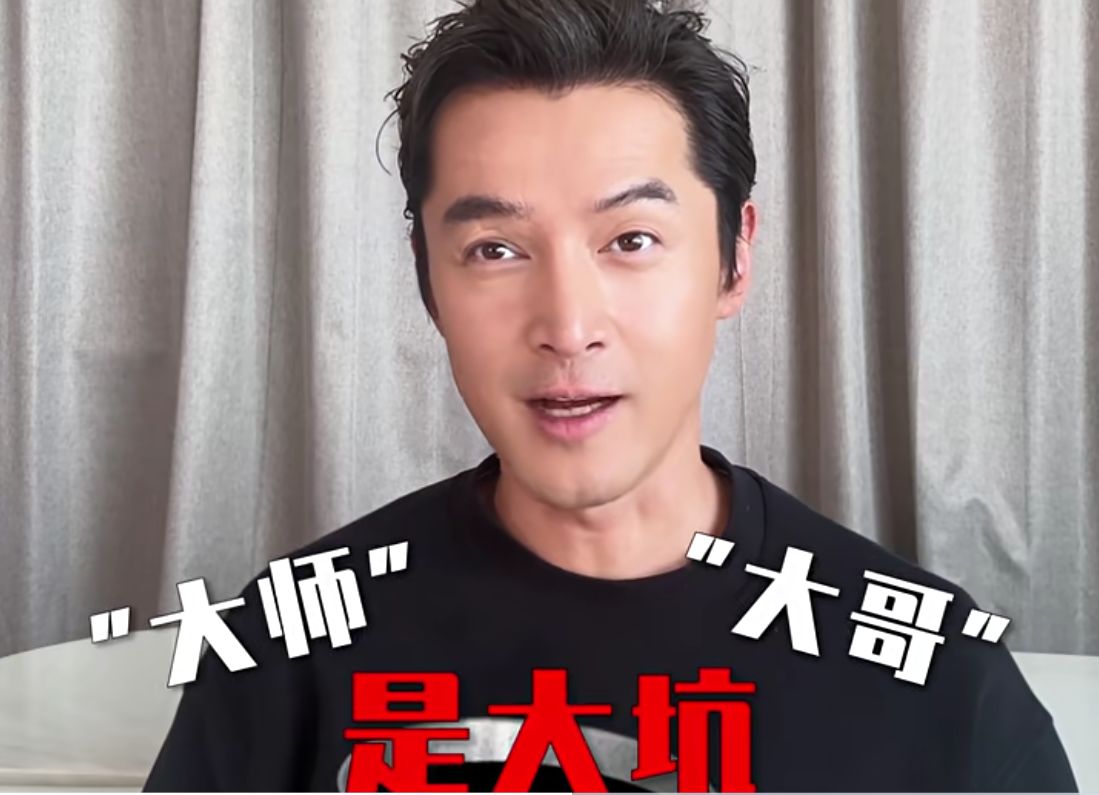
演员胡歌“现身”上交所,喊话股民朋友!
券商中国· 2025-08-23 06:13
Core Viewpoint - The article emphasizes the importance of being vigilant against illegal securities and futures activities, highlighting the role of public figures like actor Hu Ge in raising awareness among investors [1][5]. Group 1: Warnings Against Illegal Activities - The article warns that terms like "master" and "big brother" often indicate fraudulent stock recommendations, urging investors to recognize these as traps [2][6]. - It cautions against believing in guaranteed profits, stating that high returns are often unrealistic and misleading [3]. - Investors are advised to avoid being lured by small profits and to carefully discern the authenticity of investment opportunities before making financial commitments [4]. Group 2: Key Points on Prevention - The article outlines the definition of illegal stock recommendations, which involve unqualified individuals or organizations providing investment analysis or advice, and suggests avoiding any transactions or courses associated with such entities [5][6]. - It describes "black mouths" in the stock market as those who spread false or misleading information to manipulate stock prices for illegal gains, recommending that investors verify the credentials of any sources before acting on their advice [6]. - The article highlights the need for caution regarding illegal activities such as "off-market financing," "foreign futures," and "individual stock options," encouraging investors to seek information from legitimate sources and to use licensed institutions for investment advice [7].

上市公司分红从“政策引导”转向“内生需求”
Zheng Quan Ri Bao· 2025-08-22 16:20
Core Viewpoint - The A-share market is experiencing a significant increase in dividend distributions, with over 100 billion yuan planned for the first half of 2025, reflecting a shift towards investor returns and improved governance in the capital market [1][2]. Group 1: Dividend Policy and Strategy - Companies should align their dividend policies with their long-term development strategies, considering their growth stage and external environment [2]. - Growth-stage companies need to balance investment and dividends, while mature companies should increase their dividend payout ratios to reward shareholders [2]. - Companies are encouraged to ensure the continuity and stability of their dividend policies, potentially formalizing them in company bylaws to provide clear signals to the market [2]. Group 2: Dividend Structure and Methods - Companies should optimize their dividend structures and methods, exploring flexible approaches that allow investors to share in the company's growth [2]. - A balance between immediate and long-term benefits should be sought, potentially combining cash dividends with share buybacks to enhance shareholder returns while supporting long-term growth [2]. Group 3: Transparency and Communication - Companies must enhance their information disclosure and communication regarding dividends, using various channels to explain the rationale and future plans behind their dividend decisions [3]. - This approach can strengthen investor understanding and trust, fostering a rational and long-term investment atmosphere in the market [3]. - As capital market reforms progress, the quality of listed companies and their willingness to distribute dividends will contribute to a more secure, transparent, and resilient capital market [3].
瑞和数智(03680.HK)上半年纯利达4318.6万元 同比扭亏为盈
Ge Long Hui· 2025-08-22 15:26
Core Viewpoint - 瑞和数智 (03680.HK) reported a significant turnaround in its financial performance for the first half of 2025, achieving a profit after a loss in the previous year, driven by strategic business adjustments and cost reduction measures [1] Financial Performance - The company achieved revenue of approximately RMB 120 million with a gross margin of about 7.6% for the first half of 2025 [1] - The profit attributable to shareholders was approximately RMB 43.186 million, compared to a loss of about RMB 36.04 million in the same period last year, marking a year-on-year turnaround [1] - Basic and diluted earnings per share were approximately RMB 0.0628 [1] - Net income for the first half of 2025 was approximately RMB 41.098 million, compared to a net loss of about RMB 38.635 million in the first half of 2024 [1] Key Drivers of Profitability - The main reasons for the reported profit include: 1. The company held 15 million shares of Tokyo Central Auction (01939.HK), recognizing a fair value gain of approximately RMB 63.015 million [1] 2. The company implemented significant cost reduction measures, leading to a decrease in R&D expenses, administrative costs, financing costs, and sales expenses compared to the same period last year [1] Strategic Focus - The company aims to strengthen its core business foundation in the financial industry and consolidate its leading position in data intelligence and marketing technology [1] - The development philosophy is centered around "data foundation, intelligent drive, and innovation empowerment" [1] - The company is actively exploring emerging fields such as Web 3.0, digital assets, marketization of data elements, domestic innovation, integrated hardware and software, and value investment [1] - Through a diversified development strategy, the company seeks to achieve structural optimization and sustainable growth [1]
牛市狂奔他按兵不动!公募老将遭基民灵魂拷问:不建仓凭啥收管理费?
Sou Hu Cai Jing· 2025-08-22 15:24
Core Viewpoint - The public fund industry in the A-share market is experiencing a dual celebration of performance and scale in 2025, but a well-known value investor faces criticism for maintaining a near "cash position" in his fund [2][6]. Fund Performance and Investor Sentiment - As of August 21, the net value of the Dachen Xingyuan Qihang Mixed Fund managed by Xu Yan is below 1, with the latest values at 0.9995 (Class A) and 0.9968 (Class C) [2]. - The fund's scale has decreased from 757 million yuan to 627 million yuan by the end of June, reflecting investor dissatisfaction [3]. - Investors express frustration over missed opportunities in the current bull market, with some considering switching funds due to the lack of action [3][6]. Investment Strategy and Challenges - Xu Yan attributes the fund's underperformance to a lack of significant positive returns during its operation, which has led to investor confidence issues and active redemptions [6]. - He emphasizes the difference between new and existing funds, stating that the Dachen fund is starting from zero, unlike his other funds that have established gains [6]. - Xu Yan's value investment philosophy leads him to avoid buying stocks that do not meet his undervaluation criteria, which he sees as a challenge in the current market environment [9][10]. Upcoming Decisions and Market Focus - The deadline for the fund's investment period is approaching on September 11, requiring Xu Yan to adjust asset allocations according to the fund's contract [7]. - The upcoming month will be critical as Xu Yan navigates between his investment principles and regulatory requirements, drawing significant market attention [7][11]. Value Investment Perspective - Xu Yan's approach is characterized by a commitment to risk control and preserving capital, which he believes is essential in a volatile market [10]. - His decision to remain in cash, while criticized, is seen as a responsible choice to avoid potential losses, aligning with the long-term goals of value investing [10][11].