健康消费

Search documents
商务部研究院:预计“十五五”期间即时零售行业年均增速达到12.6%
Zhong Guo Qing Nian Bao· 2025-11-25 21:50
商务部研究院电子商务研究所所长杜国臣指出,前置仓的规模化与数字化发展显著提升了履约效率,已 成为支撑即时零售生态的关键环节,贡献了全渠道一半以上的交易额。展望未来,"全域下沉"与"多场 景拓展"成为即时零售增长的主引擎,国内县域市场存在巨大增长空间。同时,人工智能与大数据将全 面赋能,贯穿于选品、补货、配送、营销、售后各个环节。 来源:中国青年报客户端 报告指出,2026年我国即时零售规模将突破1万亿元,预计到2030年,将达到2万亿元,"十五五"期间年 均增速达到12.6%。据测算,2024年我国即时零售规模达7810亿元,同比增长20.15%,比同期全国网络 零售增速高出12.95个百分点,比同期社会消费品零售总额增速高出16.65个百分点,即时零售已成为我 国零售业增长的新动能。 报告指出,目前即时零售用户对健康消费高度关注,约80%的消费者愿意为健康属性产品支付溢价。从 平台数据看,有70.7%的即时零售消费者觉得0添加产品更可靠。健康产品及其定制服务将成为即时零 售的重要增长点。 即时零售平台加快拓展县域市场,成为即时零售增长的重点领域。报告以美团闪购举例,目前,美团闪 购已覆盖了全国2800个县市 ...


价格腰斩、开店放缓,“酸奶界爱马仕”不行了?
3 6 Ke· 2025-11-24 04:35
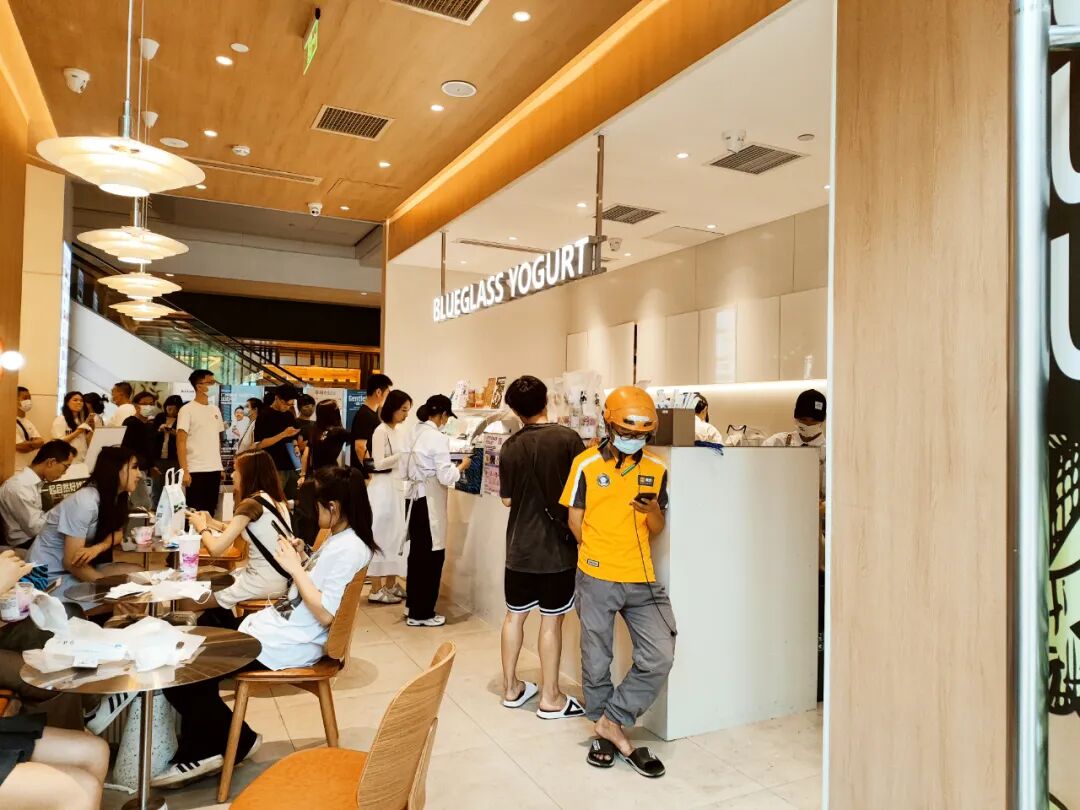
Core Insights - The current market for fresh yogurt brands is facing challenges, with Blueglass Yogurt experiencing significant price reductions and operational difficulties, indicating a broader trend of cooling in the fresh yogurt sector [1][4][8] Company Overview - Blueglass Yogurt, once a popular high-end brand, has seen its prices drop significantly, with some products discounted by over 50%, reflecting a shift in consumer perception and market dynamics [1][2][4] - The company has been labeled as "the Hermes of yogurt," but recent controversies regarding its pricing strategy have led to negative consumer sentiment, with discussions on social media about the perceived value of its products [4][8] - Despite a rapid expansion in previous years, with over 70 new stores opened in 2023 alone, Blueglass is now slowing its growth, with only about 60 new stores planned for 2024 [5][7] Industry Trends - The fresh yogurt market, which saw a surge in popularity, is now experiencing a decline, with many brands, including Blueglass, facing growth challenges and operational adjustments [8][11] - The overall consumer sentiment has shifted towards more rational spending, making the previous price points of 30-40 yuan per serving less competitive in the current market environment [8][11] - New entrants in the market are emerging with differentiated offerings, such as "new-style yogurt" and innovative business models, indicating a potential shift towards sustainable growth strategies within the industry [11][13]
新消费增量从何而来
Jing Ji Ri Bao· 2025-11-20 22:11
Core Insights - The article emphasizes the importance of enhancing supply-demand adaptability to unlock new consumption growth in China, particularly during the current transformation phase of the consumption market [1][2] Group 1: Current Market Trends - From January to October, the online retail sales of physical goods accounted for 25.2% of total retail sales, indicating a significant shift towards digital consumption [2] - High-efficiency appliances and new energy vehicles are experiencing rapid growth, while spending on travel, culture, and sports continues to rise, highlighting the emergence of new consumption patterns [2] Group 2: Technological Integration - The integration of technological innovation with market demand is crucial, with AI and big data driving the transformation of manufacturing and service industries towards flexibility and intelligence [3] - New business models and scenarios, such as instant retail and digital tourism, are reshaping the consumption landscape, necessitating both breakthrough innovations and quality improvements [3] Group 3: Policy Support - Expanding new consumption growth requires supportive policies to address challenges like standardization, regulation, and infrastructure for emerging consumption forms [4] - Recent government measures aimed at promoting consumption, such as incentives for replacing old products and enhancing service consumption, have laid a solid foundation for future growth [4]
高端酸奶集体退潮,“喝Blueglass”的人去哪了?
阿尔法工场研究院· 2025-11-20 02:21
Core Viewpoint - Blueglass, a premium yogurt brand, is facing significant challenges as it reduces prices dramatically, indicating a shift away from its high-end positioning and a struggle to attract consumers in a competitive market [4][7][23]. Pricing Strategy - Blueglass has recently lowered prices on third-party delivery platforms, with some products priced as low as 19.9 yuan, a 60% decrease from the original price of 49 yuan [4][6]. - The brand's promotional bundles, such as a combination of yogurt and snacks, are being offered at steep discounts, with some items reduced to as low as 23.9 yuan [7][10]. Market Position and Consumer Behavior - The brand, initially targeting middle-class consumers, is now struggling to maintain its appeal as lunch hours see no customers in physical stores [7][12]. - A shift in consumer preferences has led to a decline in the brand's high-end image, as younger consumers are increasingly skeptical of high prices and marketing gimmicks [23][24]. Marketing and Brand Image - Blueglass has historically relied on a health-focused marketing strategy, promoting its products as premium and beneficial for gut health, but this has led to controversies regarding product safety and efficacy [12][17]. - The brand's marketing tactics, including collaborations with fitness and beauty brands, have not been sufficient to sustain its market position amid rising competition from both new entrants and traditional dairy companies [16][24]. Industry Trends - The high-end yogurt market is experiencing a collective downturn, with many brands facing similar challenges of maintaining consumer trust and market share [20][23]. - The competitive landscape has intensified, with new tea brands entering the yogurt space and traditional dairy companies leveraging supply chain advantages to offer better value [23][24]. Conclusion - The current predicament of Blueglass reflects broader industry issues where marketing has outpaced actual product value, necessitating a shift towards genuine quality and consumer trust to regain market footing [24].
“酸奶界爱马仕”,悄悄大降价
虎嗅APP· 2025-11-19 10:11
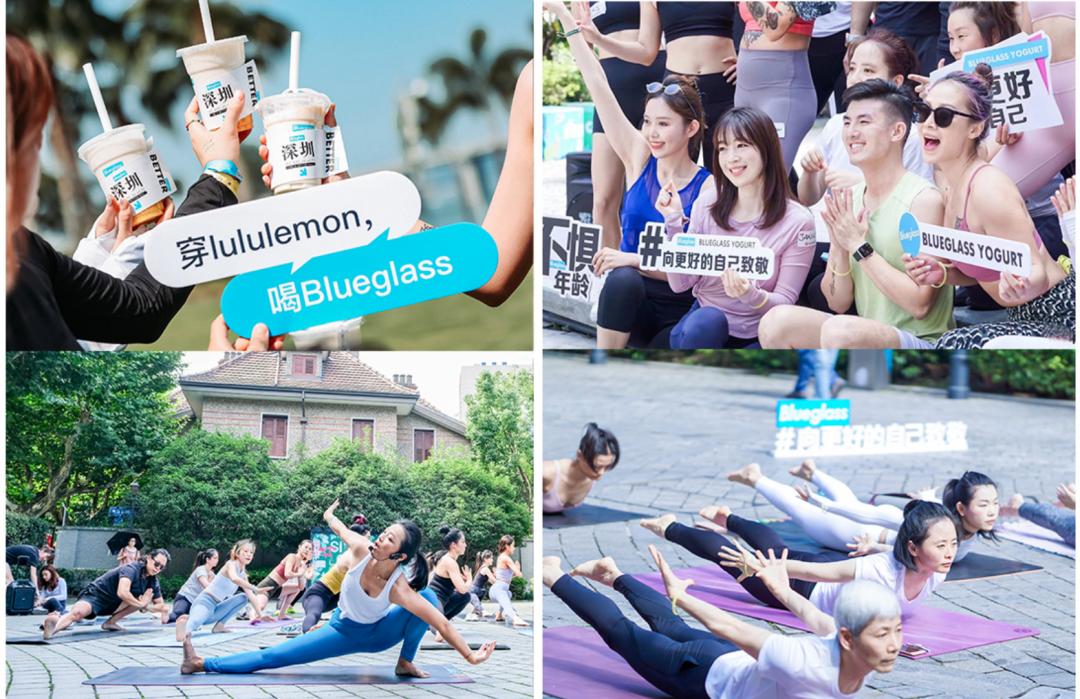
Core Viewpoint - Blueglass, a premium yogurt brand, is facing significant challenges as it has recently reduced prices on third-party delivery platforms, indicating a shift from its high-end positioning to address declining sales and consumer interest [5][6][18]. Pricing Strategy - Blueglass has slashed prices on several products, with some items on delivery platforms priced as low as 19.9 yuan, a 60% reduction from the original price of 49 yuan [5][7]. - The brand's promotional bundles have also seen steep discounts, with some combinations dropping to as low as 23.9 yuan from original prices around 53.5 yuan [7][10]. Consumer Behavior - Foot traffic in Blueglass stores has significantly decreased, with reports of no customers during peak lunch hours, suggesting a loss of interest among its target demographic [8][10]. - A former employee indicated that the price cuts are part of a long-term strategy due to poor sales performance, contradicting the company's claim that the discounts are temporary [10]. Brand Positioning and Marketing - Initially targeting health-conscious middle-class women, Blueglass has struggled to maintain its premium image amid changing consumer preferences and increased competition from new beverage brands [12][18]. - The brand's marketing strategies, including collaborations with fitness and beauty brands, have not been sufficient to sustain its high-end appeal as consumer expectations evolve [12][13]. Health and Safety Concerns - Blueglass has faced criticism and controversy over its health claims, particularly regarding its "畅" series of yogurts, which have been linked to adverse health effects, leading to a trust crisis among consumers [14][15]. - The brand has been penalized for misleading advertising, which has further damaged its reputation and consumer trust [15]. Industry Trends - The high-end yogurt market is experiencing a collective downturn, with many brands, including Blueglass, struggling to maintain their market positions as consumers become more discerning and price-sensitive [17][18]. - The rise of competitive products from traditional dairy companies and new tea beverage brands has intensified the pressure on premium yogurt brands, forcing them to reconsider their pricing and marketing strategies [18].
“酸奶界爱马仕”,悄悄大降价
3 6 Ke· 2025-11-19 04:04
Core Viewpoint - Blueglass, a premium yogurt brand, is facing significant challenges as it has recently reduced prices on third-party delivery platforms, indicating a shift away from its high-end positioning and a struggle to attract middle-class consumers [1][3][17] Pricing Strategy - Blueglass has slashed prices on several products, with some items on delivery platforms priced as low as 19.9 yuan, a 60% decrease from the original price of 49 yuan [1][3] - The brand's promotional activities include discounted combo packages, with some items seeing price reductions to as low as 23.9 yuan from original prices around 53.5 yuan [3][5] Market Position and Consumer Behavior - The brand's high-end image is deteriorating as it struggles to attract its target demographic of middle-class consumers, with reports of empty stores during peak hours [3][10] - A former employee indicated that the price reductions are part of a long-term strategy due to declining sales, contradicting the company's claim that the discounts are temporary [6][10] Brand Image and Marketing Challenges - Blueglass initially gained popularity by targeting health-conscious consumers, particularly women, but has faced backlash due to health-related controversies surrounding its products [8][11] - The brand's marketing strategies, including collaborations with fitness and beauty brands, have not been sufficient to maintain its premium status amid rising competition [10][18] Industry Context - The high-end yogurt market is experiencing a collective downturn, with several brands, including Blueglass, facing challenges due to increased competition and changing consumer preferences [14][17] - The shift in consumer behavior towards more value-driven purchases has led to a decline in the perceived value of high-priced yogurt products, prompting brands to reconsider their pricing strategies [17][18]
元气森林:整体业绩同比增长26% 连续三年双位数增长
Zhong Guo Jing Ji Wang· 2025-11-18 06:30
Core Insights - The company achieved a remarkable 26% year-on-year growth in 2025, marking three consecutive years of double-digit growth in the competitive beverage industry [1] - The founder emphasized a patient and confident approach to product development, highlighting the importance of creating quality products for consumers [1] Product Strategy - The company has developed a diverse product matrix that includes sparkling water, electrolyte water, reduced-sugar tea, and traditional Chinese wellness drinks, aligning with the health and functional consumption trends [1] - Specific product performance includes a 128% increase in vitamin water, a 56% increase in the iced tea series, and a 52% increase in certain flavored sparkling waters [1][2] Product Development - The company has invested in over 500 technical innovations to enhance the sparkling water experience and utilized advanced techniques like -196°C liquid nitrogen for the iced tea series to maintain flavor while reducing sugar [2] - The product lineup includes differentiated offerings such as 0-sugar and low-sugar versions of electrolyte water, catering to various hydration needs [2] Channel Strategy - The company views distributors as partners and has committed to stabilizing market prices and enhancing customer profits, ensuring long-term benefits for channel partners [3] - Digital empowerment initiatives include upgrading the "Ark" project for market expansion and implementing a comprehensive management system for better market control [3] Distributor Success Stories - Distributors have shared positive experiences, with one achieving profitability after initial losses due to the strong market potential of the company's products [4] - Another distributor noted a significant market share for the company's products in a challenging region, demonstrating the brand's growth and acceptance [4] Future Outlook - The company aims to continue its focus on product quality and innovation, believing in the potential of the beverage market and the Chinese consumer [5] - Plans for 2026 include further product upgrades and the introduction of new categories, with a commitment to expanding both domestic and international markets [5][6]
中国消费新需求为中秘经贸合作添动力(专家解读)
Ren Min Ri Bao· 2025-11-16 23:25
Core Insights - Peru is the first Latin American country to sign a comprehensive free trade agreement with China and is one of the earliest participants in the Belt and Road Initiative, with trade between China and Peru reaching $19.149 billion from January to May 2025, a year-on-year increase of 30.7% [1] Trade and Economic Cooperation - China is Peru's largest trading partner, and the successful operation of the Chancay Port, set to begin in 2024, is expected to generate approximately $4.5 billion in annual economic benefits and create over 8,000 direct jobs [1] - The Chancay Port aims to become a key logistics hub connecting South America and Asia, significantly optimizing logistics efficiency and facilitating Sino-Peruvian trade [1][4] Consumer Trends in China - There is a rising trend in health-conscious consumption among Chinese consumers, leading to increased demand for Peruvian agricultural products such as blueberries, avocados, and quinoa [2] - The demand for convenience has surged, particularly among younger consumers, driving the growth of the frozen food market, prompting Peru to promote frozen fruits and vegetables in China [2] - Emotional consumption and the "self-care economy" are on the rise, with Peruvian alpaca toys gaining popularity among Chinese consumers, reflecting a blend of cultural significance and emotional appeal [3] - The trend towards premium and personalized products is evident in the coffee sector, where Peruvian specialty coffees are gaining recognition among Chinese coffee enthusiasts, particularly in emerging markets [3] Logistics and Trade Facilitation - The China-Peru Free Trade Agreement has led to the expansion of bilateral trade, with many Peruvian products enjoying zero tariffs, enhancing trade facilitation [4] - The opening of direct shipping routes from Chancay to Shanghai has reduced the shipping time for fresh Peruvian products from 35 days to 23 days, lowering logistics costs and increasing competitiveness in the Chinese market [4] Socioeconomic Impact - The alpaca toy industry in Peru is experiencing annual growth of 20% to 35%, providing significant income and employment opportunities for local artisans, particularly women, and helping to preserve traditional crafts [5] - Collaboration with Chinese partners in brand development and market expansion is enabling Peru to better meet the demands of Chinese consumers, integrating Peruvian products into the vibrant Chinese market [5] Future Outlook - There is an expectation for continued collaboration through platforms like the China International Import Expo to showcase Peru's diverse and high-quality products, aiming for further cooperation in agricultural technology and market development [6]
在华投资持续加码 安利续写“进博”故事
Zhong Guo Jing Ji Wang· 2025-11-12 23:40
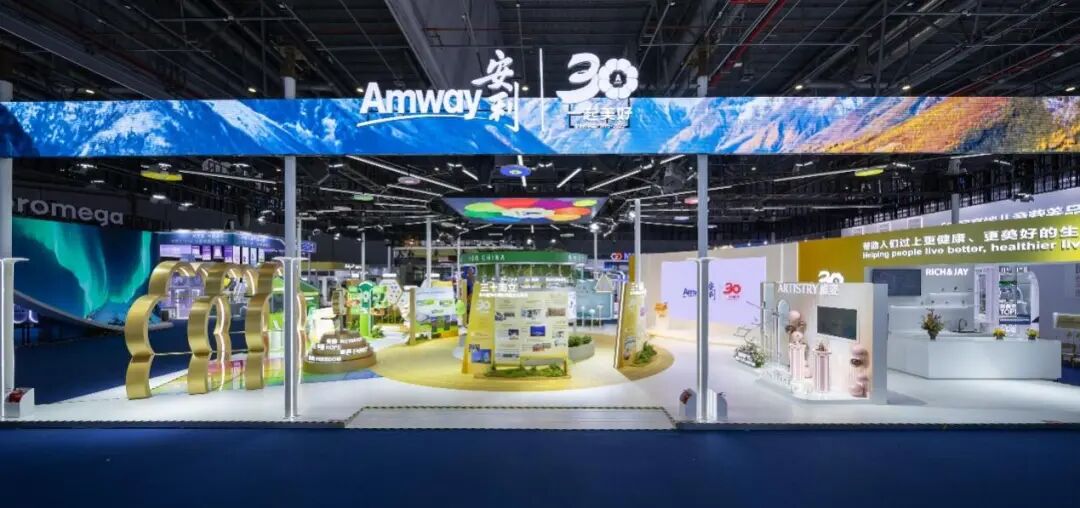
Core Insights - The 8th China International Import Expo (CIIE) is being held in Shanghai from November 5 to 10, 2023, with the theme "New Era, Shared Future," showcasing 461 new products, technologies, and services across six major exhibition areas [1][3] - CIIE serves as a platform for promoting international economic cooperation and mutual benefits, injecting positive energy into both the Chinese and global economies [1] - Amway, celebrating its 30th anniversary in China, is leveraging CIIE to showcase its health products and solutions, emphasizing its commitment to the Chinese market [1][3] Company Strategy - Amway's Chairman and President, Yu Fang, highlighted the expo's role in enhancing global companies' confidence in investing in China, positioning the country as a strategic market for Amway [3][9] - The company plans to continue increasing its investment in China, focusing on expanding and enhancing its supply chain to contribute to the modernization of the industrial system [3][11] Product Innovation - Amway is using CIIE as a platform to launch innovative products, including those centered around plant nutrients and health solutions, addressing consumer demands for balanced nutrition and health management [4][6] - The company has established a plant research center in Wuxi, China, and is integrating AI technology to develop new health solutions [6][8] Investment Plans - Amway has initiated a five-year investment plan amounting to 2.1 billion RMB, aimed at upgrading its operations in China, including production facilities, digital infrastructure, and experience centers [13] - The investment will also focus on research and development, including organic farming and plant anti-aging research [13] Market Position - Amway has been operating in China for 30 years and has consistently aligned its growth with China's economic development, making it the largest market for the company globally for 22 consecutive years [9][11] - The company views China as a strategic growth engine and is committed to long-term investment in the market, reflecting its belief in the opportunities presented by the Chinese economy [11][13]
AI医生等“数字员工”迎来首个京东11.11,用户好评率超98%
Sou Hu Cai Jing· 2025-11-12 14:14
Core Insights - JD Health achieved record-breaking sales during the 2025 11.11 shopping festival, with over 7,000 brands doubling their transaction volume year-on-year, driven by a surge in health consumption and services [1][2] - The integration of a "super pharmaceutical supply chain" and advanced digital technologies, including medical AI models, has positioned JD Health as a powerful engine for the health industry, enhancing sales across various categories and solidifying its leading position in online health consumption [1][6] Health Consumption Trends - The overall health consumption awareness among consumers has significantly increased, leading to a diverse, refined, and intelligent consumption trend [2] - Over 2,500 pharmaceutical brands saw their transaction volumes double year-on-year, with original innovative drugs also experiencing similar growth, highlighting JD Health's role in improving accessibility to these products [2] Nutritional and Medical Device Sales - Nutritional consumption is undergoing a transformation towards scientific nutrition, with over 2,500 health supplement brands doubling their sales, and nearly 100 subcategories seeing over 100% growth [4] - Medical devices also saw substantial growth, with over 2,000 brands achieving over 100% year-on-year sales increase, and specific categories like dynamic blood glucose meters and respiratory machines also experiencing significant sales growth [4] Professional Health Services - The demand for professional health services is rising, with JD Health leveraging its "medical testing, diagnosis, and treatment" service model to meet diverse consumer needs [5] - The JD Internet Hospital has enhanced its online consultation services, achieving rapid response times and high user satisfaction rates, with over 90% of nutrition consultations handled by AI nutritionists [5] Expansion of Health Services - JD Health opened its first self-operated medical beauty store during the 11.11 event, attracting over 11,000 participants, and also expanded its health check centers and orthopedic clinics, with overall order volumes increasing significantly [6] - The company continues to link global health brands with Chinese consumers, aiming to make high-quality medical and health products more accessible [6]